




Cloud computing is now part of everyday work, even if we do not always notice it. From storing files online to running business tools, many people rely on the cloud without fully understanding how it works.
That is why learning about the advantages and disadvantages of cloud computing is important before making any big tech decisions.
In this guide, you’ll learn what it is, how it works, and why so many companies use it today.
You will also learn about the problems that can come with it, such as security risks, internet issues, and limited control over data.
Knowing both the good and the bad helps you choose what fits your needs.
Whether you run a small business, work remotely, or just want to understand modern technology better, this guide will help you make smarter and more confident choices.
What Is Cloud Computing?
Cloud computing means storing data and using software online instead of on your own computer or office servers.
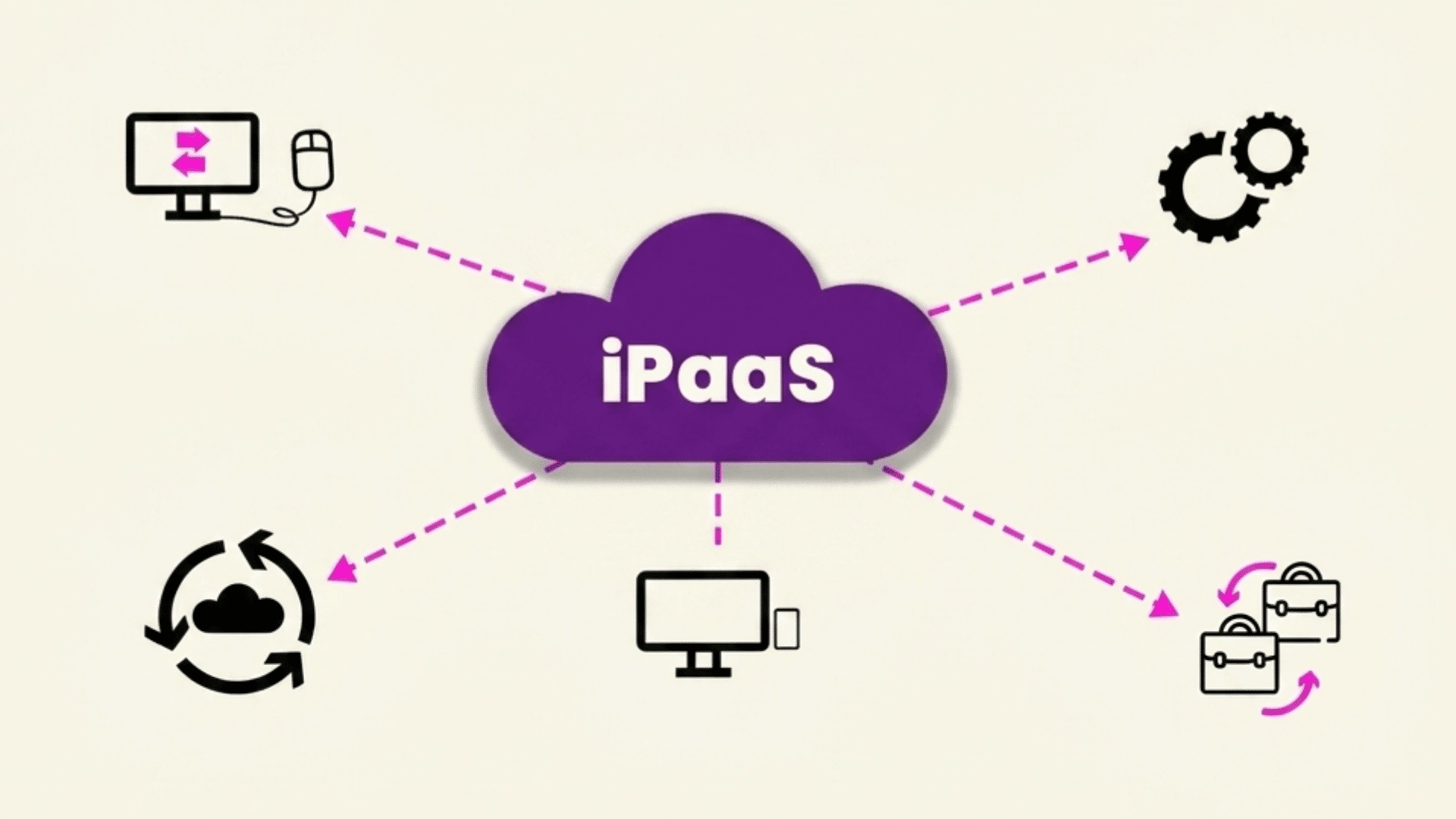
With cloud computing, files, apps, and systems run on remote servers managed by service providers.
You can access them anytime using an internet connection. This setup replaces traditional storage like hard drives and local servers that need regular maintenance and upgrades.
Instead of installing software on one device, cloud-based tools run online and update automatically.
This saves time and reduces the need for costly hardware. It also allows easy access from different devices, which helps with remote work and teamwork.
Businesses no longer need large server rooms or full-time staff to manage systems.
Everything runs through the cloud provider, moving storage and software to secure data centers for easier daily use.
How Cloud Computing Works?

Cloud computing works by running data, apps, and services on remote servers instead of local machines. These servers sit in large data centers managed by cloud providers.
When you open a cloud app, your device sends a request over the internet. The server processes it and sends the result back to you.
Your files are stored online, not on your hard drive. You log in through a browser or app to access them.
Updates, backups, and security checks happen on the server side. This removes the need to install or maintain software yourself.
An internet connection is required because all access goes through the web.
Users can switch devices and keep the same data and settings. In simple terms, your device acts as a screen, while the real work happens.
Main Advantages of Cloud Computing
Cloud computing offers clear benefits that make daily work easier and more efficient. Below are the key advantages of cloud computing.
1. Cost Savings
Cloud computing helps reduce costs by removing the need for expensive hardware and software. Businesses do not have to buy servers or pay for regular upgrades.
Instead, they pay only for what they use. This lowers upfront expenses and makes budgeting easier.
Maintenance, updates, and repairs are handled by the cloud provider, which saves time and money.
Small teams can access powerful tools without large investments, making cloud services a practical option for many users.
2. Easy Access from Anywhere
Cloud services let users access files and apps from any device with internet access.
You can work from home, the office, or while traveling without losing data.
This supports remote work and helps teams stay connected. Changes made by one user are updated in real time for others.
There is no need to carry storage devices or send files back and forth. Everything stays in one place, which improves teamwork and daily productivity.
3. Scalability and Flexibility
Cloud computing allows users to increase or reduce resources as needed. If your storage or app usage grows, you can scale up quickly.
When demand drops, you can scale down just as easily. This flexibility helps avoid waste and keeps systems running smoothly.
Businesses do not have to guess future needs or overbuy equipment.
The cloud adjusts to changes, which makes it useful for growing companies and changing workloads.
4. Automatic Updates and Maintenance
With cloud computing, software updates and system maintenance happen automatically.
Users do not need to install updates or manage technical tasks. This saves time and effort and keeps systems secure.
Cloud providers handle backups, patches, and performance checks in the background. This reduces errors caused by outdated software.
Users can focus on their work instead of managing systems, which improves efficiency and reduces technical stress.
5. Improved Data Backup and Recovery
Cloud computing makes data backup simple and reliable. Files are saved automatically on remote servers, which reduces the risk of data loss.
This helps protect important information if a device breaks, gets lost, or fails.
Many cloud services also offer quick recovery options during system issues. Users do not need to manage manual backups or extra storage devices.
This added safety gives peace of mind and helps businesses keep running without major interruptions.
Common Disadvantages of Cloud Computing
Cloud computing can be useful, but it is not perfect. Understanding these downsides helps users avoid surprises and plan better before moving data or systems to the cloud.
1. Internet Dependency
Cloud computing depends fully on a strong and stable internet connection. If the internet is slow, unstable, or unavailable, users cannot access files, apps, or services.
This can interrupt daily work and delay important tasks. In remote areas, cloud tools may load slowly or fail to respond.
Unlike local systems, most cloud platforms offer little or no offline access.
For teams that need constant availability, internet issues can cause repeated disruptions and lower productivity.
2. Data Security and Privacy Concerns
Using cloud services means storing data on servers managed by third parties. While providers use security tools, risks still exist.
Data breaches can happen due to hacking, system flaws, or human error.
Sensitive information may be stored in shared environments, raising privacy concerns. Some industries must follow strict data rules that limit cloud use.
Users also depend on providers to handle security properly, which reduces direct oversight.
3. Limited Control Over Systems
With cloud computing, users do not manage the servers or core systems.
The provider controls updates, performance, and system settings. This limits customization for businesses with specific needs.
Updates may roll out without notice and affect workflows. Users cannot always adjust settings or install custom tools.
For companies that need full control over their systems, this setup can feel restrictive compared to on-site servers.
4. Downtime and Service Outages
Cloud platforms can experience downtime due to maintenance, updates, or technical failures.
When this happens, access to apps and data may stop completely. This can impact productivity and delay critical work.
Users must wait for the provider to fix the issue, with little control over timing.
Even short outages can affect customer service, deadlines, and daily operations, especially for businesses that rely heavily on cloud tools.
5. Long-Term Cost Growth
Cloud services often look affordable at the start, but costs can increase over time. As more data is stored and more users are added, monthly bills usually rise.
Usage-based pricing means higher activity leads to higher charges. This can strain budgets if spending is not watched closely.
Extra fees may apply for data transfers, backups, security tools, or premium features.
Without clear planning and regular cost checks, long-term cloud expenses can end up being higher than expected and even exceed the cost of traditional systems.
Cloud Computing Pros and Cons at a Glance
The table below helps readers quickly review key points without going into detailed explanations. It works well for scanning and quick comparisons.
| Pros | Cons |
| Lower upfront costs since no hardware is needed | Depends fully on a stable internet connection |
| Access files and apps from anywhere | Limited access during outages or slow networks |
| Easy to scale storage and services | Costs can increase over time |
| Automatic updates and maintenance | Less control over system settings |
| Built-in data backup and recovery | Data privacy and security concerns |
Is Cloud Computing Right for You?
Choosing the right setup depends on how you work today and what you expect in the future. The points below help guide that choice.
- Your Daily Needs: Cloud computing works well if you need access to files and tools from multiple locations or devices.
- Your Budget: It suits users who want lower upfront costs and flexible monthly spending instead of large hardware purchases.
- Your Data Sensitivity: If you handle sensitive data, you may need strong security controls and clear storage policies.
- Your Internet Reliability: A stable internet connection is required for smooth and consistent access.
- Your Long-Term Goals: Cloud solutions fit businesses planning to grow, scale, or support remote work over time.
Cloud Computing for Small vs Large Businesses
Different business sizes have different needs, budgets, and system requirements. The table below highlights how cloud computing fits each case.
| Area | Small Businesses | Large Businesses |
| Cost Structure | Lower upfront costs with pay-as-you-go plans | Higher usage costs but better volume pricing |
| IT Management | Minimal IT staff needed | Dedicated IT teams are still required |
| Scalability | Easy growth without major investment | Large-scale scaling with complex planning |
| Control Over Systems | Limited control is usually acceptable | Less control can be a concern |
| Security Needs | Relies on provider security tools | Often needs added security layers |
| Customization | Uses standard cloud features | Requires advanced customization |
| Downtime Impact | Short outages may be manageable | Downtime can affect large operations |
Conclusion
Cloud computing can be a helpful tool, but it is not a one-size-fits-all solution. It offers clear benefits like flexibility, easy access, and lower upfront costs.
At the same time, it comes with challenges such as internet reliance, security concerns, and growing long-term expenses.
The right choice depends on how you work, what data you handle, and how much control you need.
Taking time to understand both sides helps you avoid surprises later. Before moving fully to the cloud, think about your goals, budget, and daily needs.
A balanced view leads to better decisions, and your cloud experience matters too.
Share what has worked for you, what has not, or any lessons you have learned in the comments below.

One Response