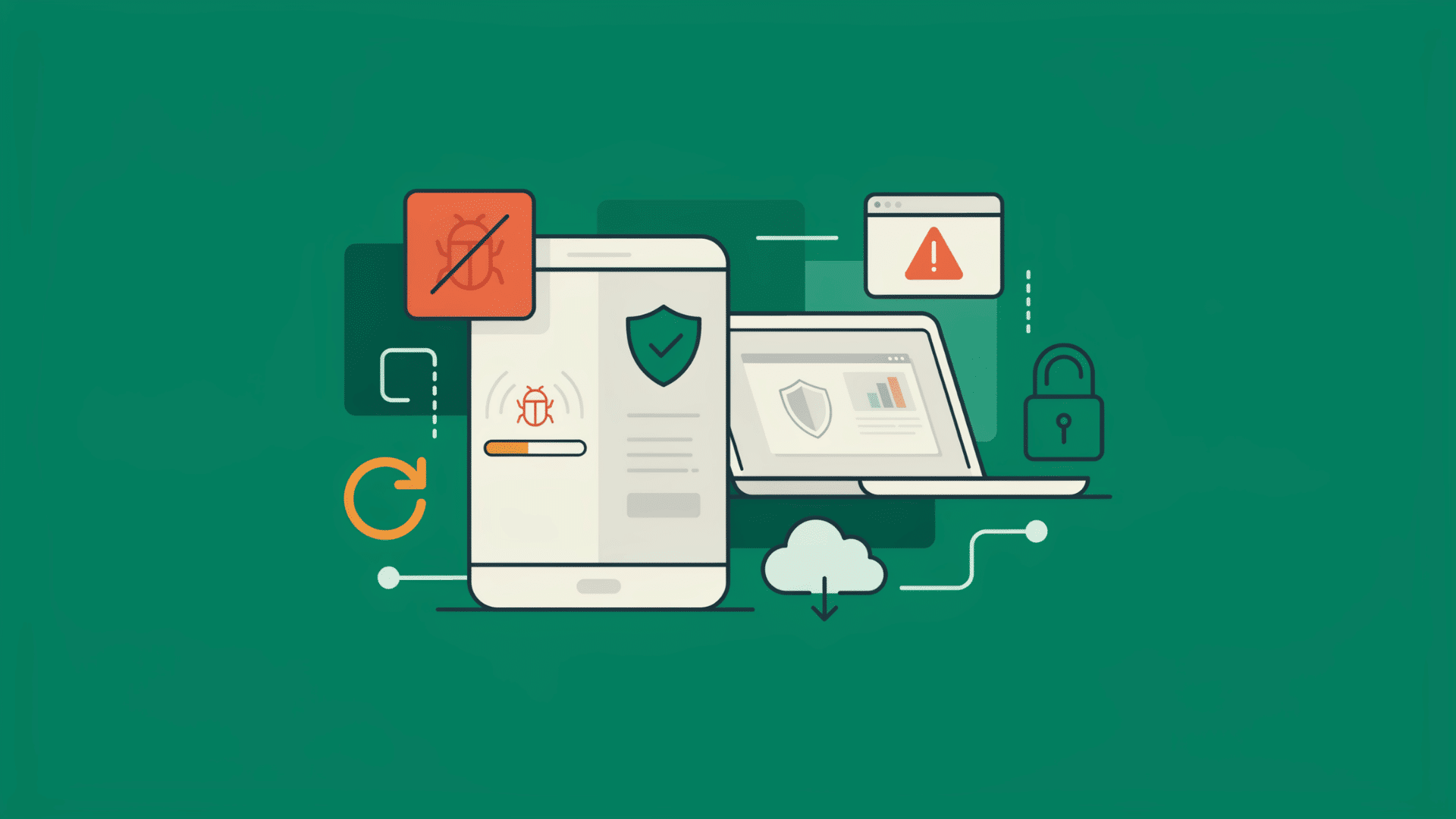




Cybersecurity threats are getting smarter, and businesses can’t afford to wait until something goes wrong. That’s where cybersecurity audit services come in.
Think of them as a health checkup for your company’s digital defenses; they find weak spots before hackers do.
Even if you’re running a small business or managing a large enterprise, a professional audit shows you exactly where your security gaps are and how to fix them.
In this guide, you’ll find what cybersecurity audits actually include, how they differ from IT audits, which providers are leading the industry, and how much you should expect to pay.
You’ll also get a practical checklist to prepare for your first audit and clear answers to the most common questions businesses have about protecting their data. Let’s get started.
What Are Cybersecurity Audit Services & Why You Need Them
A cybersecurity audit service is a professional examination of your company’s digital defenses.
Think of it like a detective investigating your entire technology setup, servers, software, employee computers, cloud storage, and even your security policies, to find weaknesses before cybercriminals do.
These audits are thorough. Security experts evaluate your IT infrastructure, review security policies, test controls, and identify risks like data breaches, ransomware, or costly downtime.
Quick Scan vs. Full Cybersecurity Audit: What’s the Difference?
Not all audits are created equal. Here’s how they compare:
| Quick Security Scan | Full Cybersecurity Audit |
|---|---|
| Automated tool checks for known vulnerabilities | Human experts + advanced tools test everything |
| Takes hours to a few days | Takes weeks, sometimes months |
| Surface-level findings | In-depth dive into policies, people, and tech |
| Good for regular check-ins | Required for compliance and serious protection |
A quick scan tells you if your front door is unlocked. A full audit checks every window, tests your alarm system, reviews who has keys, and ensures your security guard knows what to do during a break-in.
What Professional Cybersecurity Audit Services Actually Include
When you hire a reputable cybersecurity audit company, here’s what they’ll do for you:
1. Risk Assessment & Vulnerability Scanning
They map all your digital assets, like customer databases and employee devices, and scan for security issues, including outdated software, weak passwords, misconfigurations, and unpatched vulnerabilities that hackers exploit.
2. Penetration Testing (Ethical Hacking)
Real security professionals try to break into your systems the same way criminals would. They test your:
- Network security (can someone access your internal systems?)
- Web applications (are your customer portals hackable?)
- APIs (are the connections between your apps secure?)
- Cloud infrastructure (is your AWS, Azure, or Google Cloud setup locked down?)
This isn’t theoretical; they actually attempt attacks in a controlled environment to see what works.
3. Policy & Procedure Review
Technology alone won’t protect you. Auditors review your written security policies to make sure they’re complete and actually followed. They check:
- Incident response plans (what happens when you get hacked?)
- Access control policies (who can see sensitive data?)
- Data protection procedures (how you encrypt and back up information)
4. Technical & Physical Control Testing
Beyond digital security, auditors test physical controls too. Can someone walk into your office and plug a USB drive into a server? Are backup drives sitting in unlocked closets?
They verify that firewalls, encryption, multi-factor authentication, and security monitoring tools are working as intended.
5. Gap Analysis & Executive-Ready Reporting
After testing everything, you get a detailed report that explains:
- Every vulnerability they found (ranked by severity)
- The business impact of each risk
- Step-by-step recommendations to fix problems
- A roadmap prioritizing what to tackle first
The best audit reports speak to both your IT team (with technical details) and your executives (with business risk language and cost implications).
Who Needs Cybersecurity Audit Services Most?
While every business should care about security, some industries and company types need professional audits more urgently:
- SaaS Companies: You store customer data in the cloud and need to prove security to win enterprise clients. Regular audits help you earn SOC 2, ISO 27001, and other trust certifications.
- Healthcare Organizations: Patient records are goldmines for hackers, and HIPAA compliance isn’t optional. One breach can mean millions in fines plus a destroyed reputation.
- Financial Services: Banks, credit unions, fintech startups, and investment firms handle money and sensitive financial data. Regulations like PCI-DSS and state banking laws require documented security controls.
- Enterprises & Large Corporations: More employees, more systems, more complexity, and more attack surface. Audits help you manage risk across departments and ensure consistent security standards.
- Small & Medium Businesses (SMBs): You might think hackers only target big companies, but 43% of cyberattacks hit small businesses. You’re actually easier targets because you often lack dedicated security teams.
Top Cybersecurity Audit Service Providers in the USA (2026)
Choosing the right cybersecurity audit company can feel overwhelming with so many options out there.
To help you decide, we’ve reviewed the top providers based on their audit capabilities, compliance coverage, pricing transparency, and customer ratings.
Here are the leading cybersecurity audit services making waves:
1. KPMG Cybersecurity
Key Features:
- Platform: Online and on-site
- Audit Capabilities: Comprehensive IT security audits, cyber risk assessments, threat and vulnerability management
- Remediation Support: Yes
- Compliance: ISO 27001, SOC 2, NIST, GDPR, PCI-DSS, HIPAA, and industry-specific regulations
- Integrations: Enterprise security tools and SIEM platforms
- Price: Available on quote
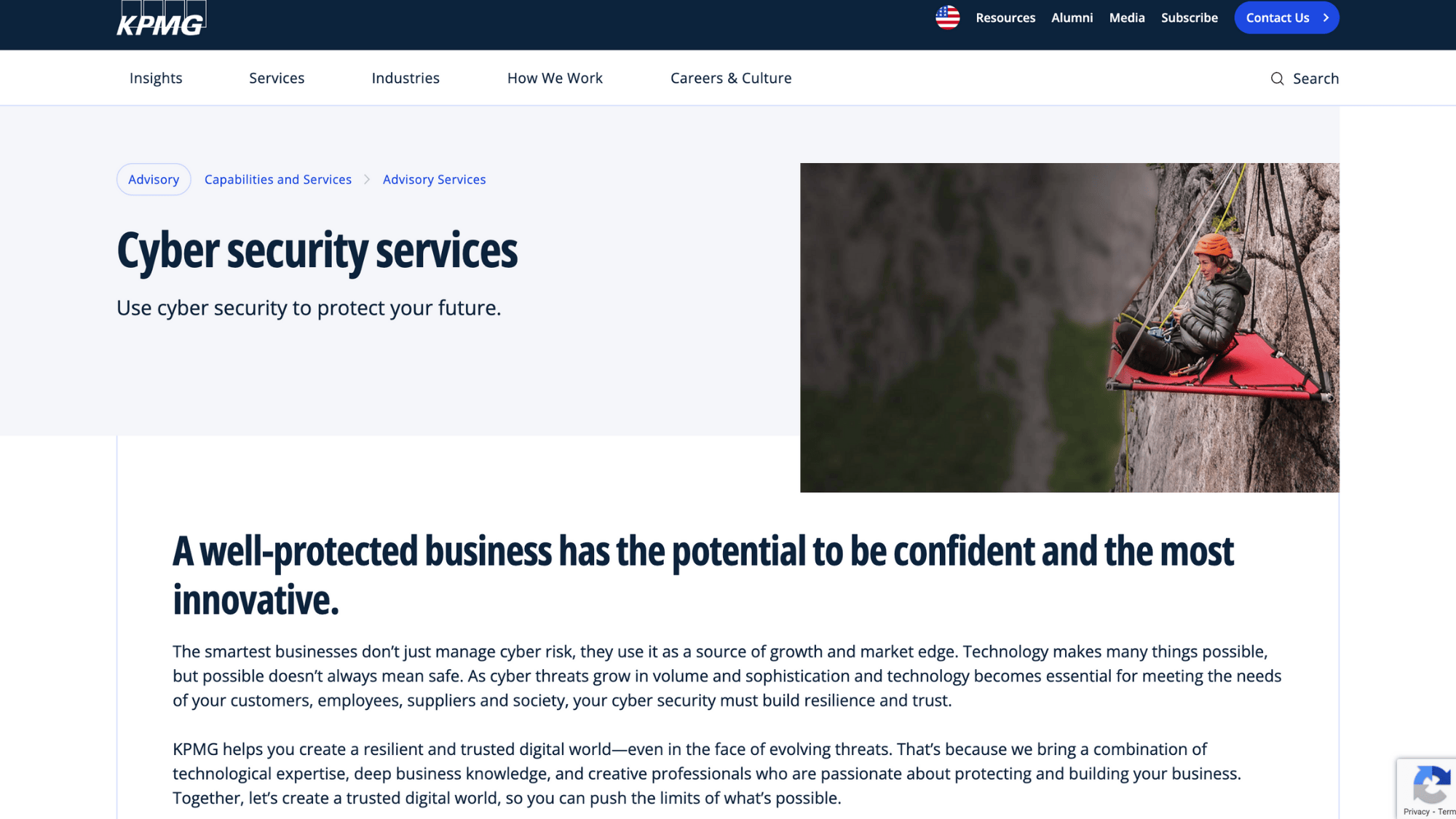
KPMG’s cybersecurity audit services combine deep industry knowledge with technical expertise to deliver enterprise-grade security assessments. Their audits go beyond technology to examine governance, risk management frameworks, and organizational security culture across your entire business.
With a global network of certified professionals, KPMG offers specialized audits for highly regulated industries like banking, healthcare, energy, and government. They provide strategic recommendations that align security investments with business objectives and regulatory requirements.
Why Choose KPMG Cybersecurity?
KPMG brings Big Four credibility and cross-functional expertise—combining cybersecurity, finance, and compliance under one roof. Their audit reports carry weight with boards, regulators, and investors. Perfect for large enterprises, publicly traded companies, or organizations facing complex regulatory landscapes needing comprehensive governance and security alignment.
2. Sprinto
Rating: 4.8/5
Key Features:
- Platform: Online
- Audit Capabilities: Automated compliance solution for 20+ frameworks
- Remediation Support: Yes
- Compliance: ISO 27001, SOC 2, HIPAA, and GDPR
- Integrations: Slack, GitHub, GitLab, Google, AWS, and more
- Price: Available on quote
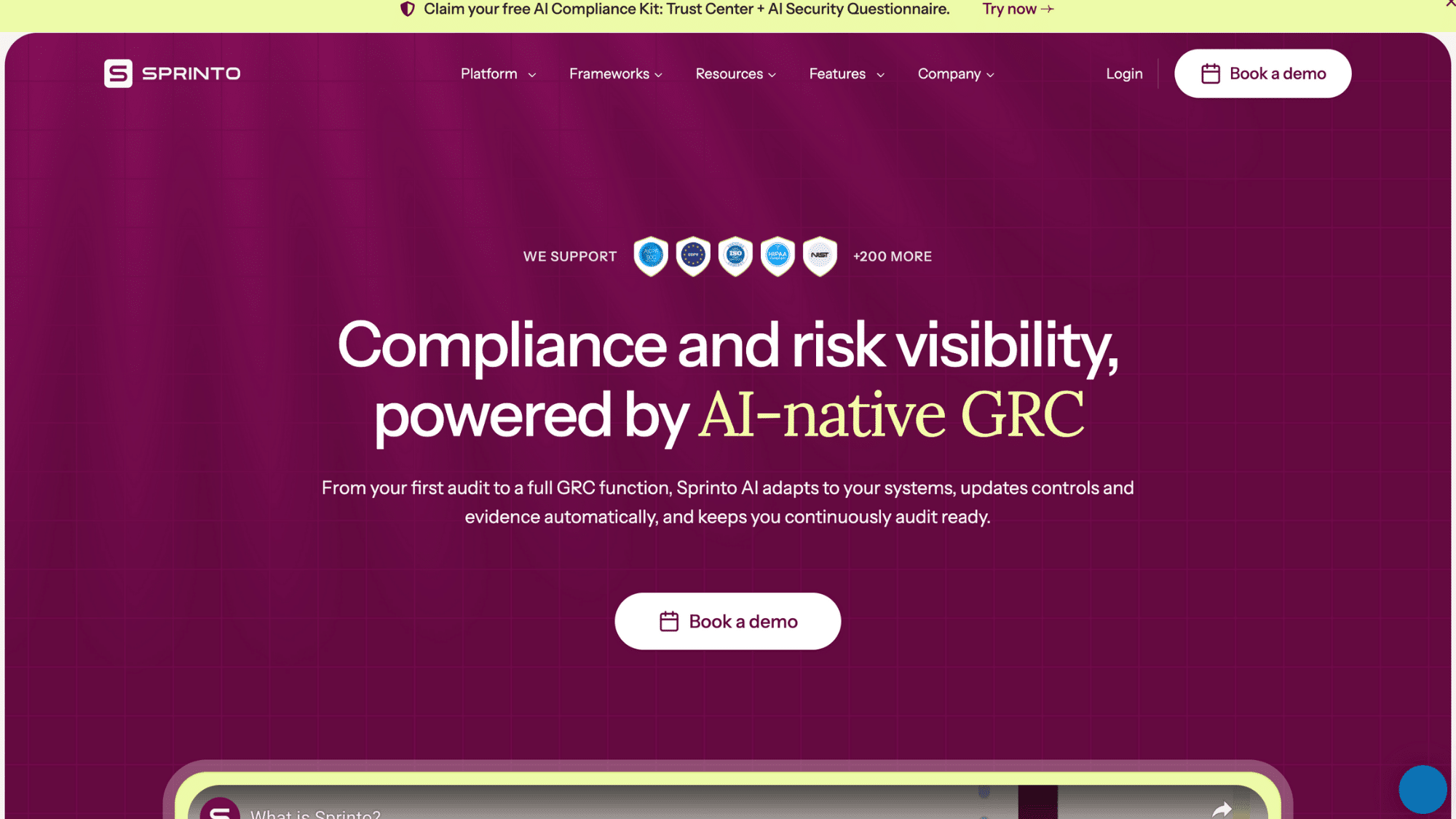
As a security compliance automation platform, Sprinto offers comprehensive cybersecurity audit services that take the manual work out of compliance.
With automated evidence collection, control monitoring, and intelligent alerts, it simplifies and speeds up the entire audit process.
Sprinto supports compliance services for 20+ frameworks, including SOC 2, ISO 27001, GDPR, HIPAA, and PCI-DSS, plus custom frameworks with 200+ integrations.
This makes it ideal for companies juggling multiple compliance requirements at once.
Why Choose Sprinto?
Sprinto is perfect for fast-growing companies needing multiple compliance certifications quickly. Its automation reduces audit prep time by 70%, continuously monitors controls, and keeps evidence organized year-round.
Great for SaaS companies pursuing enterprise clients who demand SOC 2 or ISO compliance.
3. Cobalt
Rating: 4.7/5
Key Features:
- Platform: Online
- Audit Capabilities: Automated and manual penetration testing
- Remediation Support: Yes
- Compliance: SOC 2, ISO, CREST, PCI, HIPAA, and NIST
- Integrations: JIRA, GitHub, Azure DevOps, and JupiterOne
- Price: Available on quote
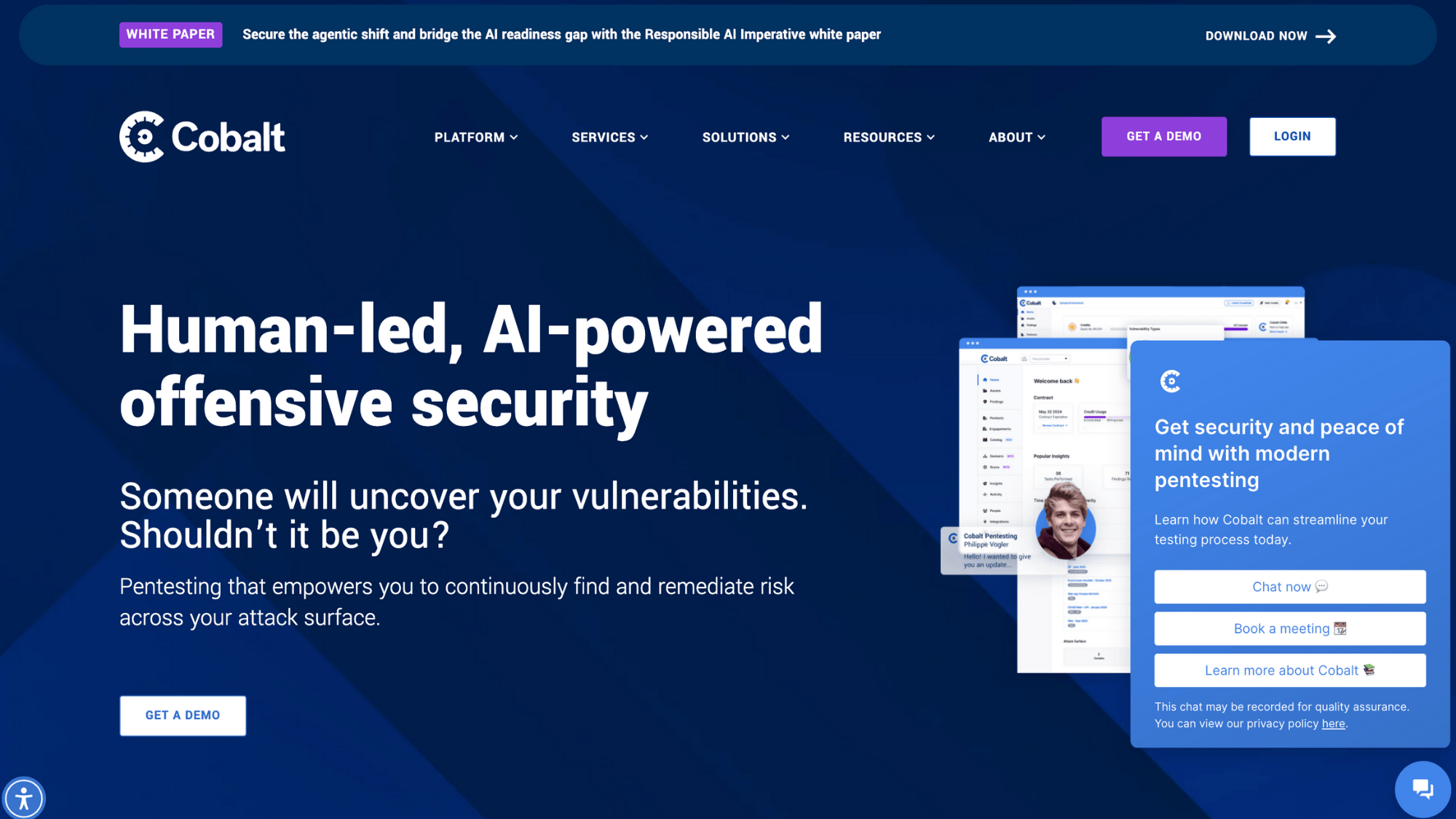
Cobalt’s Pentest-as-a-Service (PTaaS) platform delivers on-demand penetration testing for cybersecurity audits whenever you need it.
It employs an effective combination of Dynamic Application Security Testing (DAST), Static Application Security Testing (SAST), and network security testing techniques to uncover vulnerabilities across your systems.
Its compliance-first processes ensure your security posture aligns with relevant regulations.
By integrating seamlessly with your Software Development Life Cycle (SDLC), Cobalt promotes a “shift left” approach, finding and fixing security issues from the earliest stages of development.
Why Choose Cobalt?
Cobalt’s on-demand model gives you flexibility, order pentests as you launch new features rather than waiting for annual audits. Their global network of vetted pentesters provides diverse attack perspectives.
Ideal for agile development teams releasing frequently who need security testing that keeps pace with innovation.
4. Astra Security
Rating: 4.6/5
Key Features:
- Platform: Online
- Audit Capabilities: Third-party audits for web apps, APIs, cloud, mobile apps, and network devices
- Remediation Support: Yes
- Compliance: PCI-DSS, HIPAA, ISO 27001, and SOC 2
- Integrations: Slack, JIRA, GitHub, GitLab, CircleCI, and Jenkins
- Price: Starting at $5,999 per year (custom pricing available)
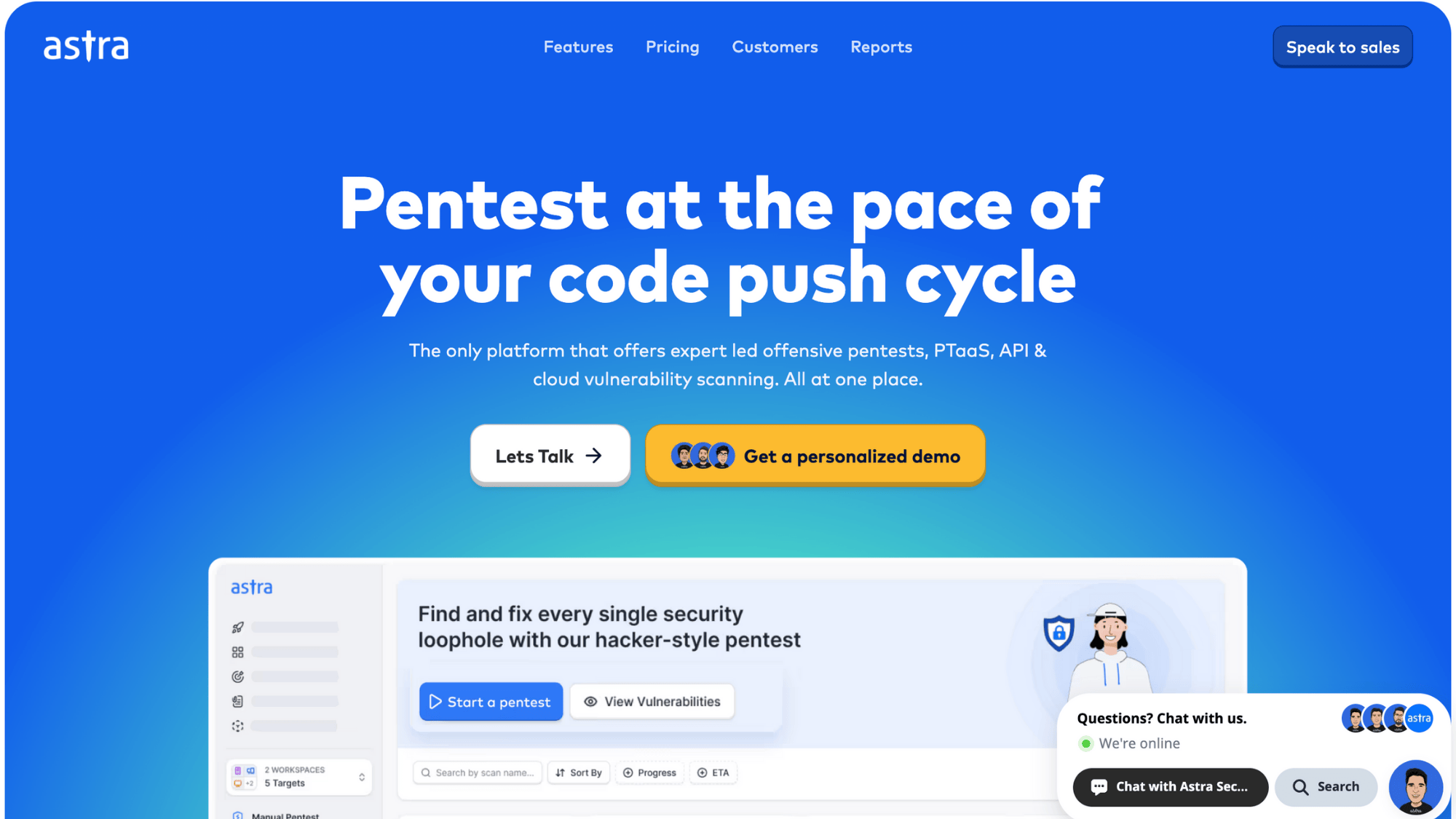
Astra Security’s Pentest-as-a-Service (PTaaS) platform combines automation, AI, and human expertise to deliver thorough third-party audits.
Running over 10,000+ tests, their vetted scans guarantee zero false positives with seamless integrations into your development workflow.
The platform features industry-specific AI-powered test cases, a CXO-friendly dashboard, and tailored reports that make complex security findings easy to understand.
With round-the-clock support, unlimited rescans, and publicly verifiable security certificates, Astra makes security audits both effective and hassle-free.
Why Choose Astra Security?
Astra offers transparent pricing, no false positives, and continuous support.
Their AI platform saves millions by catching vulnerabilities early and provides executive-friendly reports, making security accessible to non-technical users and stakeholders.
Ideal for companies needing ongoing security verification with actionable insights.
5. Flashpoint
Rating: 4.5/5
Key Features:
- Platform: Online
- Audit Capabilities: Identify and remediate vulnerabilities and physical security risks
- Remediation Support: Yes
- Compliance: GDPR and PCI DSS
- Integrations: Splunk, ServiceNow, Polarity, IBM QRadar
- Price: Available on quote
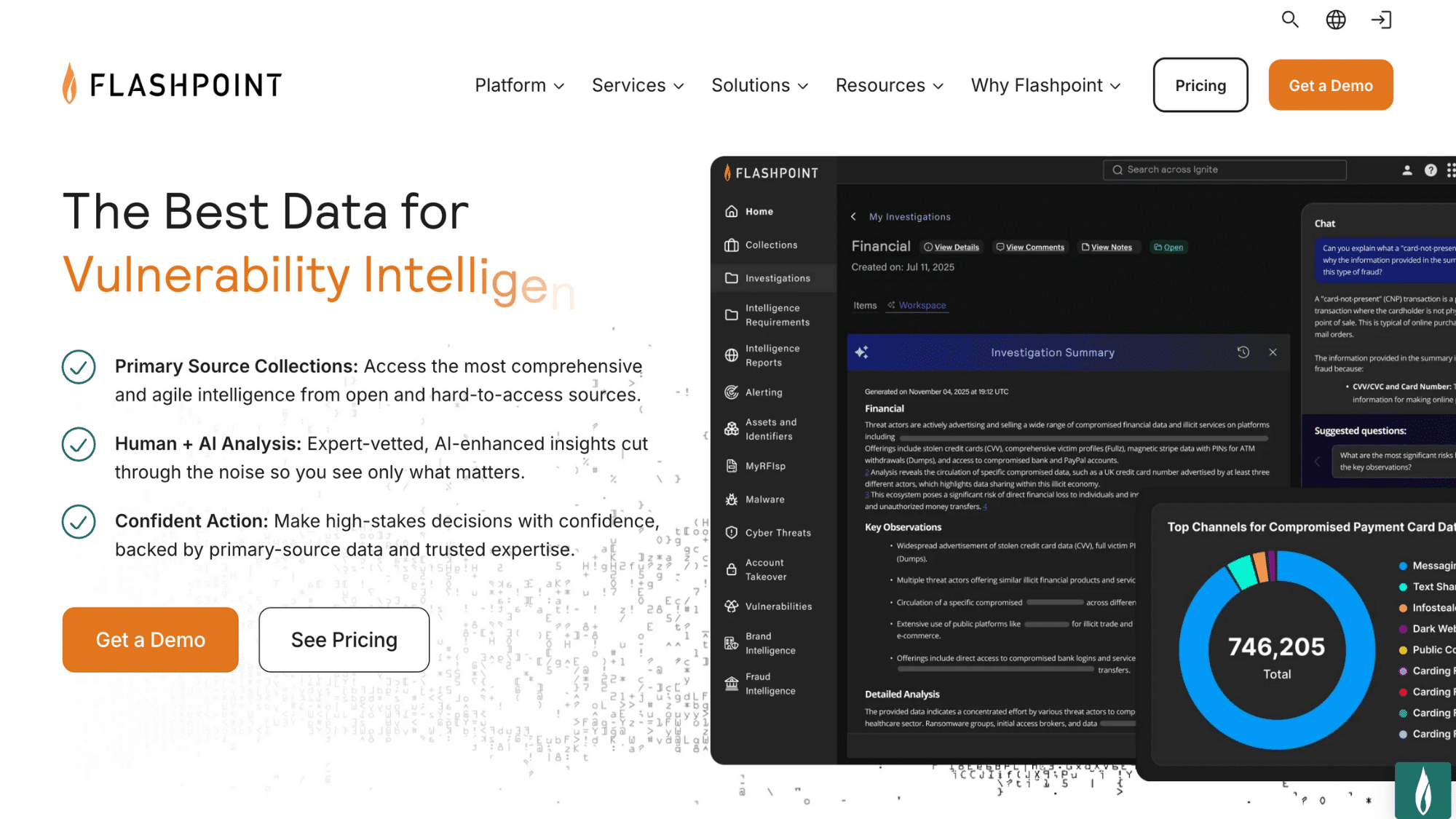
Flashpoint doesn’t perform traditional cybersecurity audits, but it significantly enhances your audit process with external threat intelligence.
Its extensive data collection and processing capabilities help prioritize vulnerabilities based on real-world threats, not just theoretical risks.
The platform’s AI-powered continuous monitoring of suspicious activity also helps detect insider threats early, flagging unauthorized account behavior before it becomes a serious problem.
Why Choose Flashpoint?
Flashpoint excels at threat intelligence that makes audits smarter. Instead of treating all vulnerabilities equally, it helps you focus on what hackers are actually exploiting in the wild.
Ideal for enterprises facing sophisticated threats or operating in high-risk industries needing real-time attack surface visibility.
6. Mandiant
Rating: 4.5/5
Key Features:
- Platform: Online
- Audit Capabilities: Purple teaming, threat modeling, and penetration testing
- Remediation Support: Yes
- Compliance: SOC, FedRAMP, and PCI
- Integrations: Slack, Microsoft Teams, and GitHub
- Price: Available on quote
Mandiant provides comprehensive audits with a multi-faceted approach beyond basic vulnerability scans.
They use technical assessments with their threat intelligence, Cyber Defense Assessment, and red team tests to find vulnerabilities and prioritize fixes based on real-world attacks.
Known for expertise in supply chain and external system security, Mandiant provides an encyclopedic roadmap for strengthening your security posture.
Their threat intelligence comes from years of responding to major breaches, giving them insider knowledge of how attackers actually operate.
Why Choose Mandiant?
Mandiant brings elite incident response experience to preventive audits. Their purple teaming combines offensive and defensive perspectives for maximum learning.
Best for enterprises with complex infrastructures, critical assets, or those recovering from previous breaches that need world-class expertise to rebuild trust.
7. Kroll
Rating: 4.5/5
Key Features:
- Platform: Online
- Audit Capabilities: Threat modeling and penetration testing
- Remediation Support: Yes
- Compliance: CIS, NYDFS, FARS, GDPR, and more
- Integrations: JIRA and Azure DevOps
- Price: Available on quote
Blending penetration testing and threat modeling, Kroll’s cybersecurity audits pinpoint weaknesses across your entire infrastructure, people, data, operations, and technology.
Built on industry best practices, their cutting-edge security assessments prioritize remediation efforts based on business impact and likelihood of exploitation.
The security-first platform even offers specialized assessments for evolving threats like ransomware and conducts incident response planning exercises to ensure your team knows exactly what to do when (not if) an attack happens.
Why Choose Kroll?
Kroll combines cybersecurity with financial and investigative expertise—unique for M&A due diligence or fraud investigations. Their ransomware-specific assessments reflect current threat landscapes.
Perfect for financial services, legal firms, or companies facing regulatory scrutiny needing comprehensive risk management beyond just IT security.
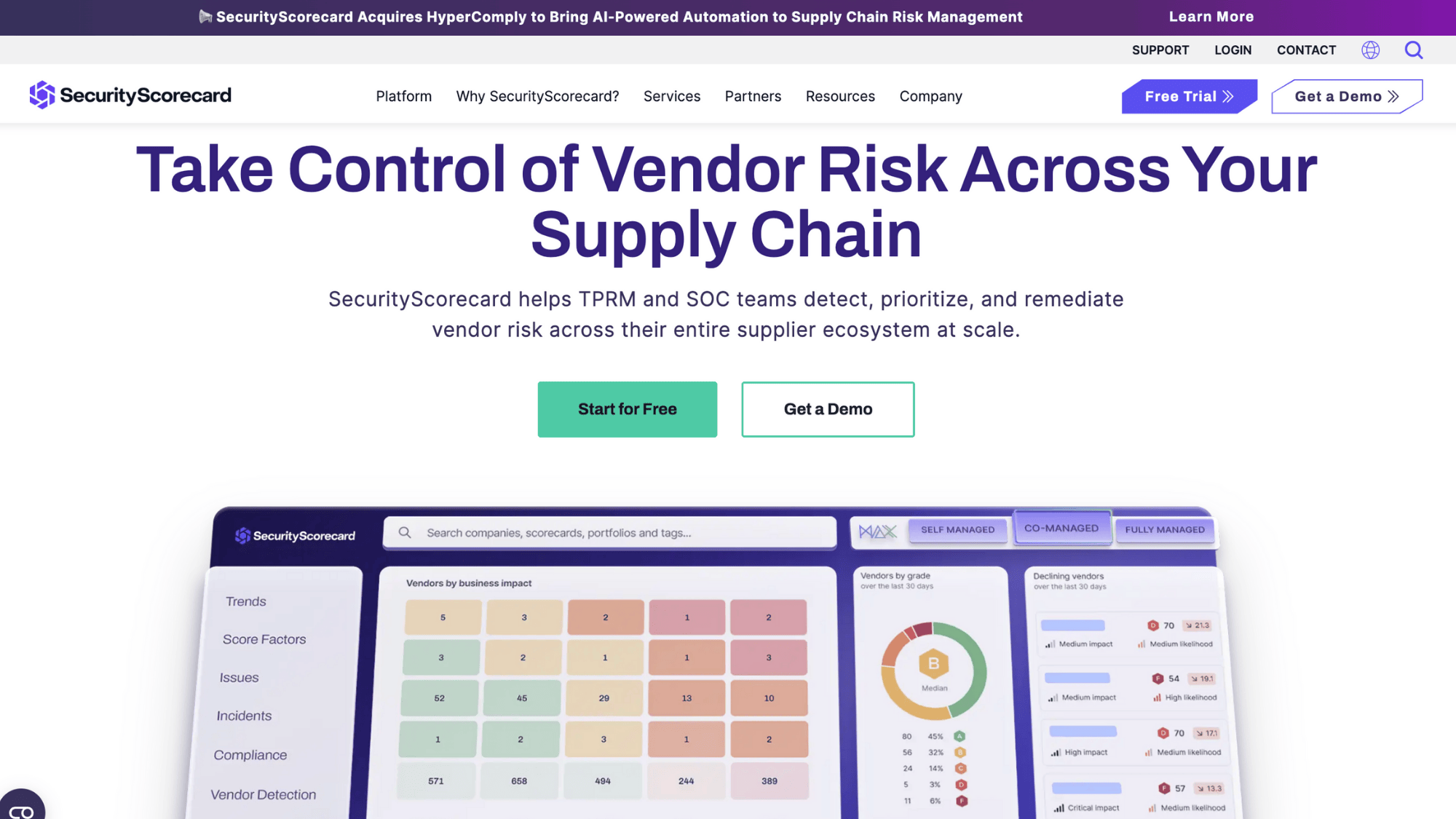
8. SecurityScorecard
Rating: 4.3/5
Key Features:
- Platform: Online
- Audit Capabilities: Digital forensics and penetration testing to identify and fix bugs
- Remediation Support: Yes
- Compliance: SOC 2, HIPAA, NIST CSF, and more
- Integrations: CrowdStrike, Archer, OneTrust, Slack, JIRA, and ServiceNow
- Price: Available on quote
SecurityScorecard doesn’t offer traditional cybersecurity audits but complements them with extensive continuous monitoring.
Its automated penetration tests, digital forensics, third-party risk assessment, and threat intelligence help identify vulnerabilities like control gaps and misconfigurations across your ecosystem.
The platform’s data-driven security risk ratings benchmark your organization against industry peers, guiding remediation efforts and streamlining future audits.
This competitive insight helps executives understand where they stand in their market.
Why Choose SecurityScorecard?
SecurityScorecard shines at vendor risk management and continuous security scoring. If you work with dozens of third-party vendors or need board-ready security metrics, this platform gives you instant visibility.
Perfect for enterprises managing complex supply chains or meeting vendor security requirements.
9. CyStack
Rating: 4.3/5
Key Features:
- Platform: Online
- Audit Capabilities: Automated scanning, manual penetration testing, and performance testing
- Remediation Support: Yes
- Compliance: OWASP Top 10
- Integrations: Limited third-party integrations
- Price: Starting at $9 per scan
CyStack offers detailed cybersecurity audit services relying primarily on comprehensive Vulnerability Assessment and Penetration Testing (VAPT).
Designed by security experts, it simulates real hacker behavior to find and analyze critical vulnerabilities across your systems, applications, and network configurations.
The tool provides threat intelligence, performance tests, and real-time monitoring. CyStack offers specialized smart contract and protocol audits for cloud infrastructure and blockchain projects.
Why Choose CyStack?
CyStack’s low entry price makes professional penetration testing accessible to startups and SMBs with tight budgets. Their blockchain and smart contract audit expertise is rare, making them a go-to for Web3 companies.
Great for cost-conscious businesses needing technical depth without enterprise pricing.
10. Synopsys
Rating: 4.3/5
Key Features:
- Platform: Online
- Audit Capabilities: SAST, DAST, IAST, and penetration testing
- Remediation Support: Yes
- Compliance: ISO, PCI, FedRAMP, and NIST
- Integrations: GitHub, GitLab, BitBucket, JIRA, and Slack
- Price: Available on quote
Synopsys streamlines your cybersecurity audit with a comprehensive suite of tools that seamlessly integrate with your Software Development Life Cycle.
It uncovers vulnerabilities in your code, third-party libraries, and open-source dependencies by combining automated static code analysis with manual penetration testing.
As one of the top cybersecurity audit services, Synopsys also offers specialized audits for open-source components to pinpoint risks and potential licensing issues.
This capability proves invaluable during mergers and acquisitions due diligence or internal audits, where code quality and legal exposure matter.
Why Choose Synopsys?
Synopsys excels at software composition analysis, crucial if your applications rely heavily on open-source code. Their developer-friendly tools catch vulnerabilities before code reaches production.
Perfect for software companies, DevSecOps teams, or organizations undergoing M&A who need deep code-level security assessments and license compliance verification.
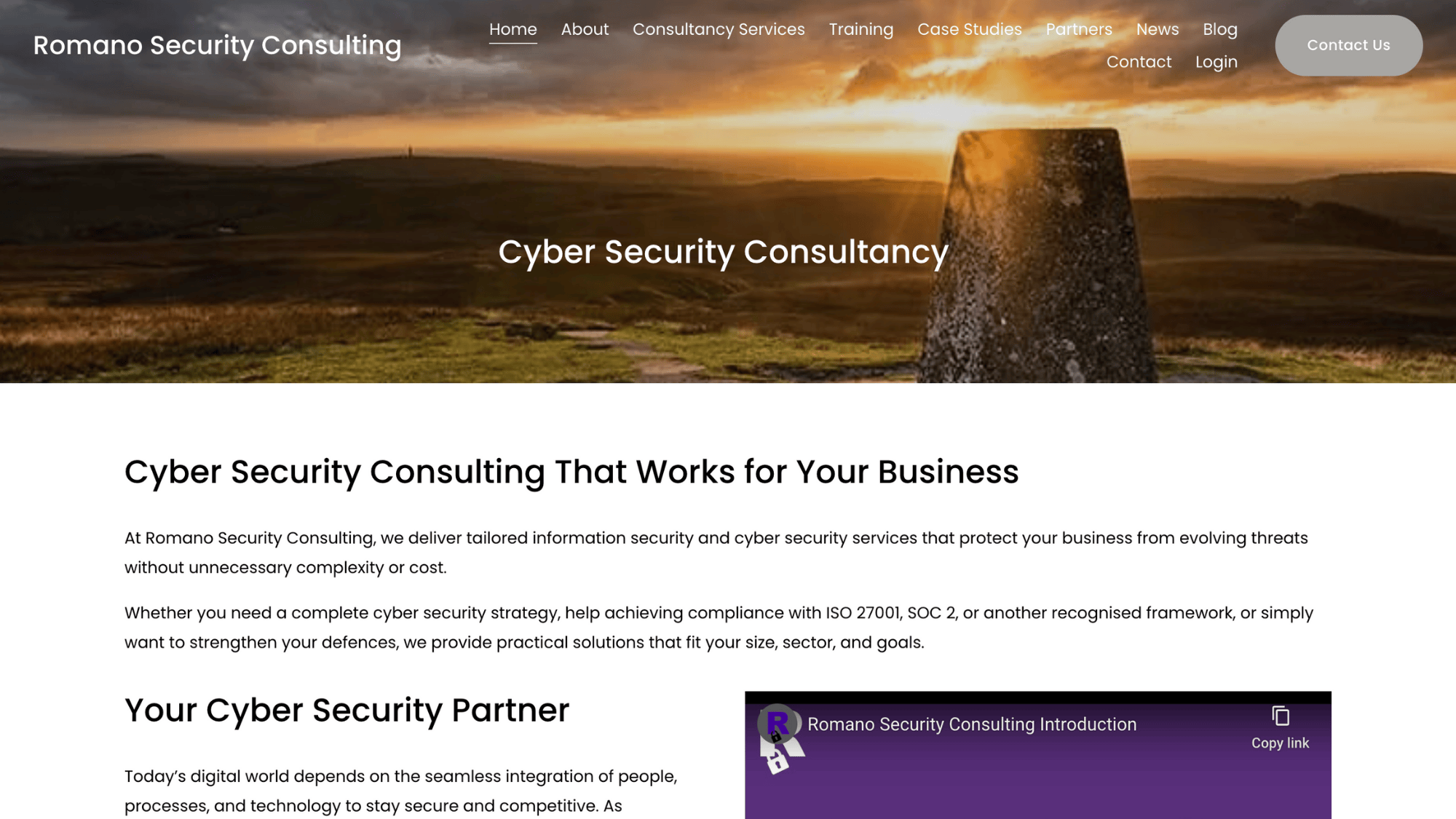
11. Romano Security Consulting
Rating: 4.2/5
Key Features:
- Platform: Online
- Audit Capabilities: Vulnerability scanning, penetration testing, and security consultancy
- Remediation Support: Yes
- Compliance: ISO 27001, NIST, and SOX
- Integrations: Limited third-party integrations
- Price: Available on quote
Romano Security provides cybersecurity audits, from a one-day Basic Security Audit to a two-day Advanced Audit covering physical and technical controls.
They even assess third-party vendors for you, extending your security oversight beyond your own walls.
Their extensive experience and certifications, including ISO 27001 Lead Auditor status, guarantee in-depth expertise to uncover hidden risks others might miss.
Public sector organizations can leverage their G Cloud 13 approval for easier procurement processes.
Why Choose Romano Security Consulting?
Romano’s flexible audit tiers let you choose depth based on budget and urgency. Their G Cloud 13 approval simplifies government procurement.
Best for public sector organizations, UK-based companies, or businesses needing flexible engagement models from quick assessments to deep-dive audits with physical security review.
Features to Look for in a Cybersecurity Audit Company
Not all cybersecurity audit companies are created equal. Before you sign a contract, make sure your provider has these essential features:
| Feature | What It Means | Why It Matters |
|---|---|---|
| Experience & Certifications | Auditors with credentials like CISSP, CISA, or OSCP | These certifications prove your auditors know what they’re doing. Certified experts understand how hackers think and can spot vulnerabilities automated tools miss. |
| Standardized Yet Flexible Methodology | Proven framework (NIST, ISO 27001) customized to your business | You want best practices, not cookie-cutter approaches. The best companies follow recognized frameworks but adapt testing to your specific systems and industry threats. |
| Advanced Testing Tools | PTaaS platforms, threat intelligence feeds, attack simulation | Modern tools continuously test defenses and pull in current threat data about what hackers are doing right now. This protects against tomorrow’s threats, not just yesterday’s. |
| Clear Communication & CXO-Friendly Reporting | Reports executives and board members can understand | A technical jargon-filled report is worthless. You need clear explanations of risks, business impact (revenue loss, lawsuits), and prioritized fixes, for both IT teams and decision-makers. |
| Hands-On Remediation & Rescans | Help fixing problems plus retesting to verify fixes | The best companies don’t just hand you a report and disappear. They guide you through fixes and retest systems to confirm threats are eliminated. |
| Compliance Mapping | Shows how findings relate to HIPAA, GDPR, SOC 2, PCI-DSS | If you need certifications, your audit should map findings to compliance requirements. This saves you from paying for separate compliance audits later. |
The right cybersecurity audit company becomes a long-term partner in protecting your business, not just a one-time vendor.
Final Thoughts
Cybersecurity isn’t something you can afford to guess about anymore. Data breaches cost companies an average of $4.45 million, and that’s not counting the customers who leave forever after their information gets stolen.
The good news? A thorough cybersecurity audit catches problems before they become disasters.
Whether you’re a small business just starting to think about security or an enterprise managing complex systems, the providers in this guide offer solutions that fit your needs and budget.
Remember to look beyond flashy marketing, focus on certifications, clear reporting, hands-on support, and proven experience in your industry.
Security threats evolve every single day, which means your defenses need constant attention. The companies that survive and thrive are the ones that take proactive steps today.
Ready to protect your business? Start by requesting quotes from 2-3 providers on this list and comparing their approaches to your specific security challenges.