
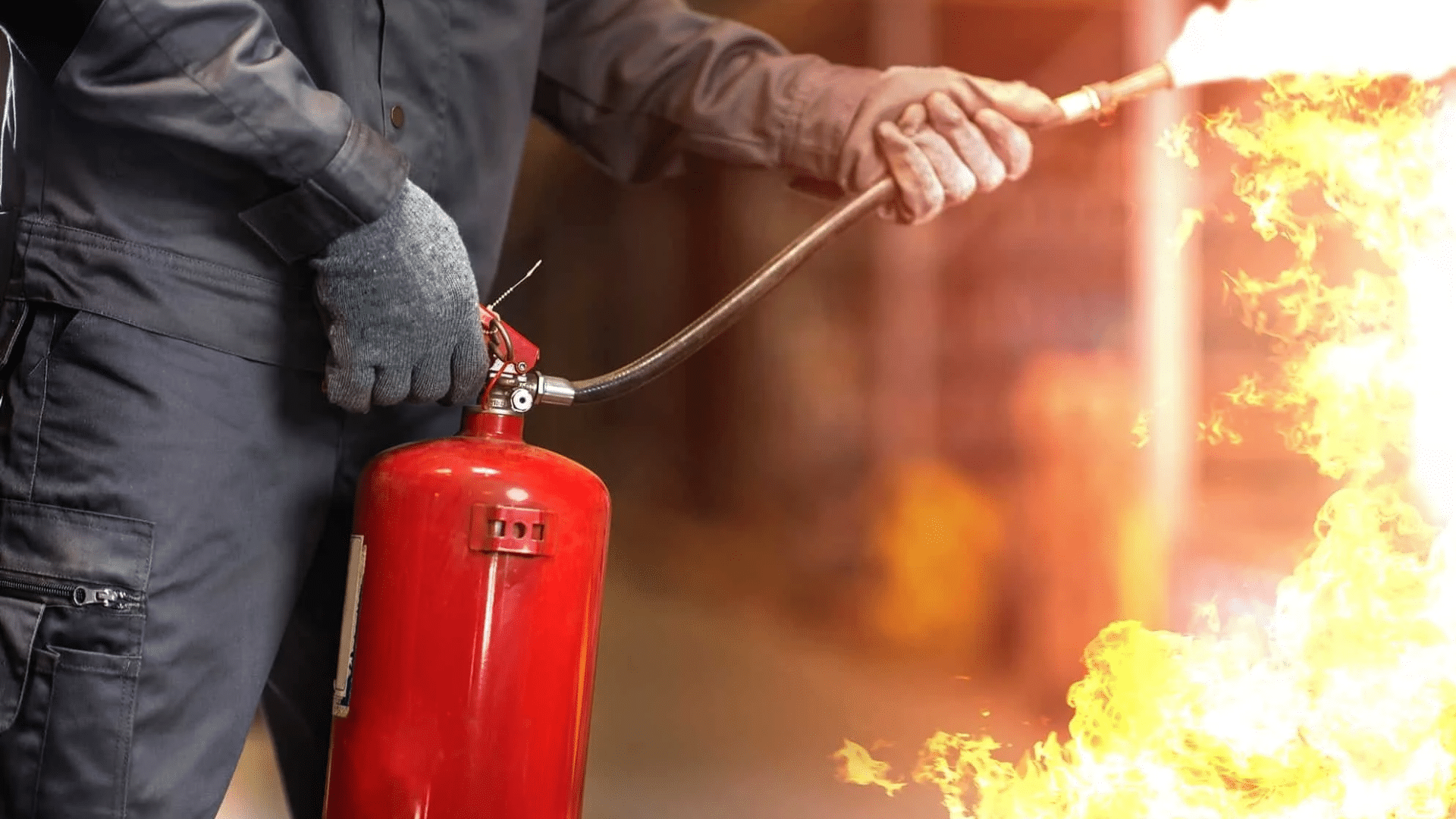



Electrical fires can start quickly from damaged wires, overloaded outlets, or faulty devices.
These fires are risky because electricity can keep feeding the flames and cause shock.
Choosing the right fire extinguisher for electrical fires is not always simple. Different extinguishers work in different ways, and some should never be used near live power.
Knowing what to use and avoid helps protect people and property.
In this blog, I’ll share which extinguisher types are safe, how they work, and where each one makes sense.
You will also learn key safety tips and common mistakes people make during electrical fire emergencies, so you can feel more prepared and confident in real-life situations.
What Makes a Fire Extinguisher Safe for Electrical Fires?
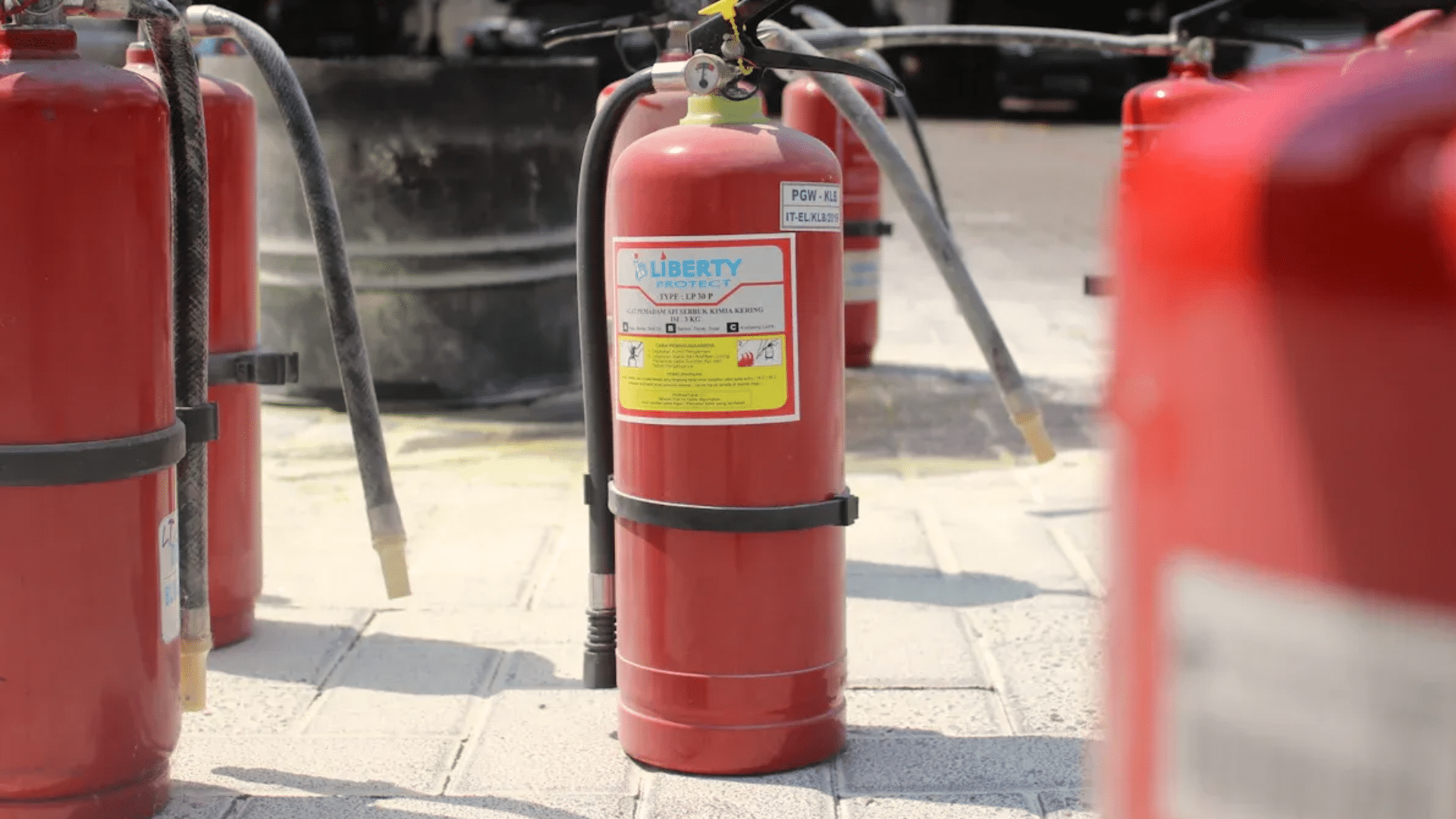
Electrical fires are different from other fires because electricity can keep flowing even after flames appear. Heat builds up inside wires, outlets, or devices, which makes the fire harder to control.
Using water or the wrong extinguisher can cause electric shock or spread the fire.
That is why non-conductive agents matter. These agents do not carry electricity, so they can put out flames without putting the user at risk.
Common options stop the fire by cutting off oxygen or interrupting the chemical reaction.
Fire extinguishers are also labeled by class. Electrical fires fall under Class C, which means the extinguisher is safe to use on live electrical equipment.
Once the power is off, the fire may behave like another class.
Knowing this helps you choose an extinguisher that works safely and effectively when seconds count.
Best Types of Fire Extinguishers for Electrical Fires
Choosing the right extinguisher matters when electricity is involved. These are the safest and most commonly used options for electrical fire risks.
1. Carbon Dioxide (co2) Fire Extinguishers
CO2 fire extinguishers are widely used for electrical fires because they do not conduct electricity.
They work by removing oxygen from the fire, which helps stop the flames quickly.
These extinguishers leave no residue behind, making them a good choice for offices, control panels, and areas with electronics.
CO2 is best used on small to medium electrical fires where equipment damage must be avoided. However, they are less effective outdoors since gas can disperse fast.
2. Dry Chemical Fire Extinguishers
Dry chemical extinguishers are common in homes, vehicles, and workplaces. They use a powder that breaks the fire’s chemical reaction, helping stop flames fast.
These extinguishers are safe for electrical fires and can also handle other fire types, which makes them versatile.
They are often used in garages, workshops, and mixed-risk areas. The main drawback is residue, which can damage electronics and requires cleanup after use.
3. Clean Agent Fire Extinguishers
Clean agent extinguishers are designed for areas with sensitive equipment.
They stop fires without leaving residue and are safe to use around live electrical systems. These extinguishers are commonly used in server rooms, data centers, and medical facilities.
Clean agents work by interrupting the fire process while protecting equipment from damage.
They are effective and safe but often cost more, so they are usually chosen for high-value or critical spaces.
Co2 vs. Dry Chemical vs Clean Agent Extinguishers for Electrical Fires
Each extinguisher type works in a different way and suits different spaces. The table below makes it easier to compare safety, use cases, and limits.
| Feature | CO2 Extinguishers | Dry Chemical Extinguishers | Clean Agent Extinguishers |
| How They Work | Displace oxygen to smother the fire | Stop the chemical reaction of the fire | Interrupt the fire process without residue |
| Electrical Safety | Safe for live electrical equipment | Safe for electrical fires | Safe for sensitive electrical systems |
| Residue Left | No residue | Leaves powder residue | No residue |
| Best Used In | Offices, panels, small rooms | Homes, garages, mixed-risk areas | Server rooms, data centers, medical spaces |
| Impact on Equipment | Minimal | Can damage electronics | Designed to protect equipment |
| Indoor Use | Best indoors | Indoor and outdoor use | Indoor, enclosed spaces |
| Cost Range | Moderate | Low | Higher |
Best Fire Extinguishers for Electrical Fires and Server Rooms
Server rooms and data centers need fire protection that stops flames without damaging equipment. The options below focus on electrical safety, clean discharge, and controlled suppression.
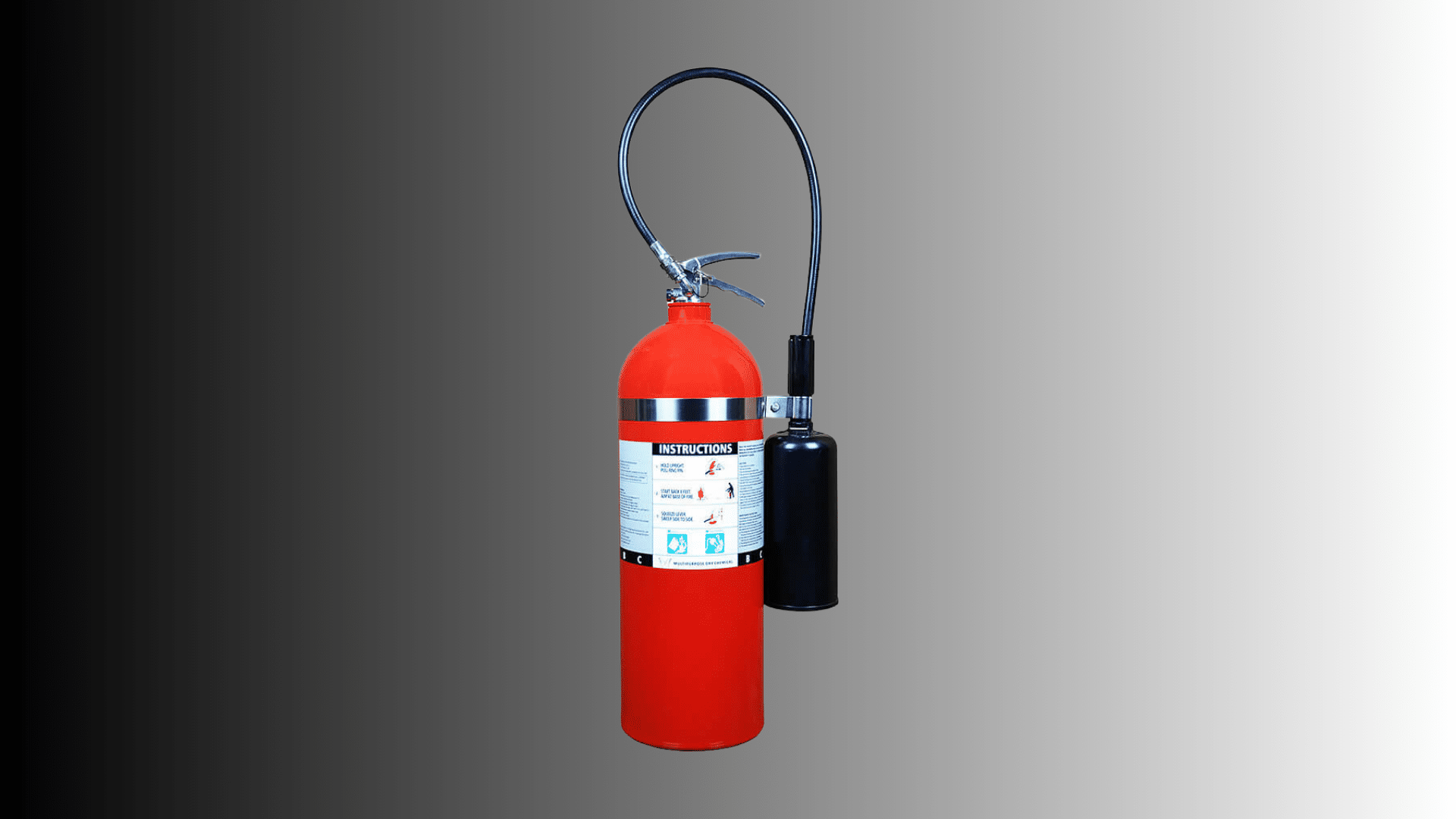
1. Amerex Model 332 CO2 Fire Extinguisher
 x
x
This CO2 fire extinguisher is commonly used in areas with live electrical equipment.
It puts out fires by displacing oxygen, which stops combustion without conducting electricity. Since it leaves no residue, it helps protect servers, wiring, and control panels from damage.
This model works best in enclosed indoor spaces such as server rooms, labs, and electrical closets.
Because CO2 dissipates quickly, it is ideal for small to medium fires where fast response matters.
2. Ansul CLEANGUARD Model FE05S Clean Agent Extinguisher
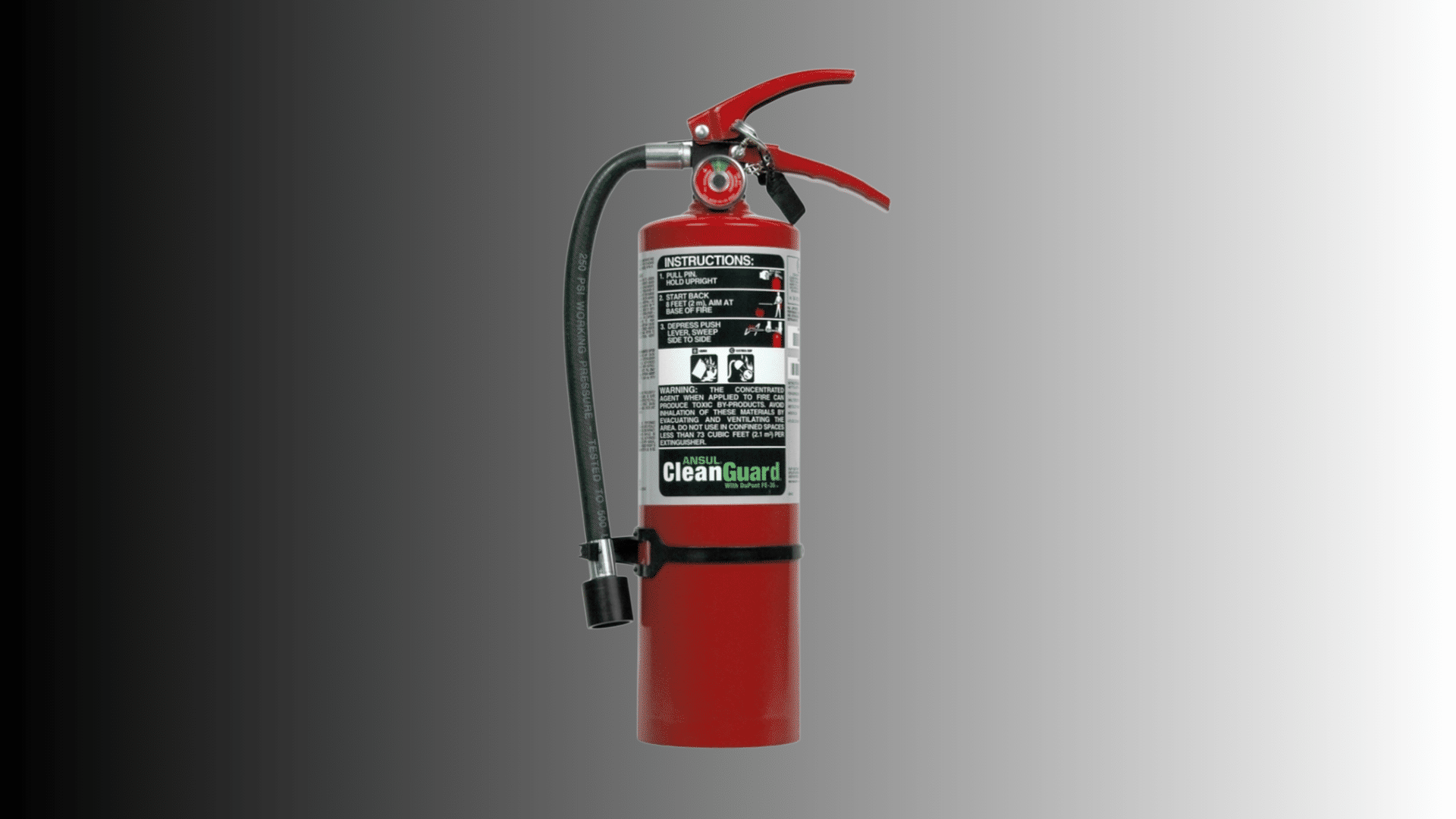
This clean agent extinguisher is designed for spaces with sensitive electronic equipment. It suppresses fire without leaving residue, which helps prevent costly cleanup or equipment replacement.
The agent is safe for use in occupied areas and works well on electrical fires.
This extinguisher is commonly used in data centers, communication rooms, and laboratories where uptime matters.
Its compact size makes it easy to mount near server racks, control panels, or workstations, ensuring quick access while minimizing space use in technical environments.
3. Amerex Model 397 Halotron I Fire Extinguisher
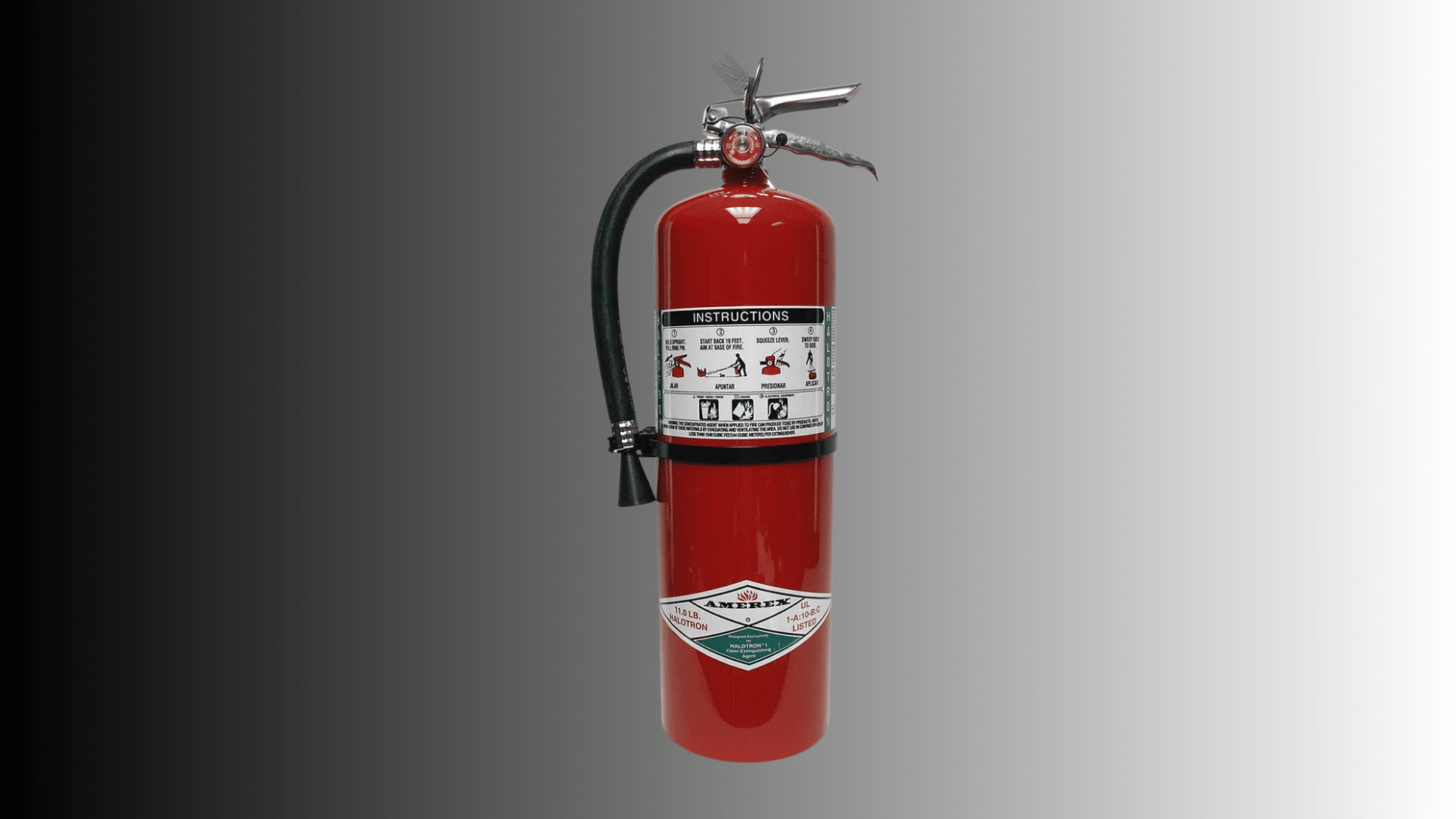
Halotron I extinguishers are a popular alternative to older Halon units.
This model is electrically non-conductive and leaves no residue behind after use. It works by interrupting the fire process while keeping electronics safe.
The extinguisher is often installed in server rooms, aircraft facilities, and clean environments.
It offers a longer discharge range than CO2, which allows safer operation from a distance during an electrical fire.
4. Badger Model 11.5 HB Halotron I Extinguisher
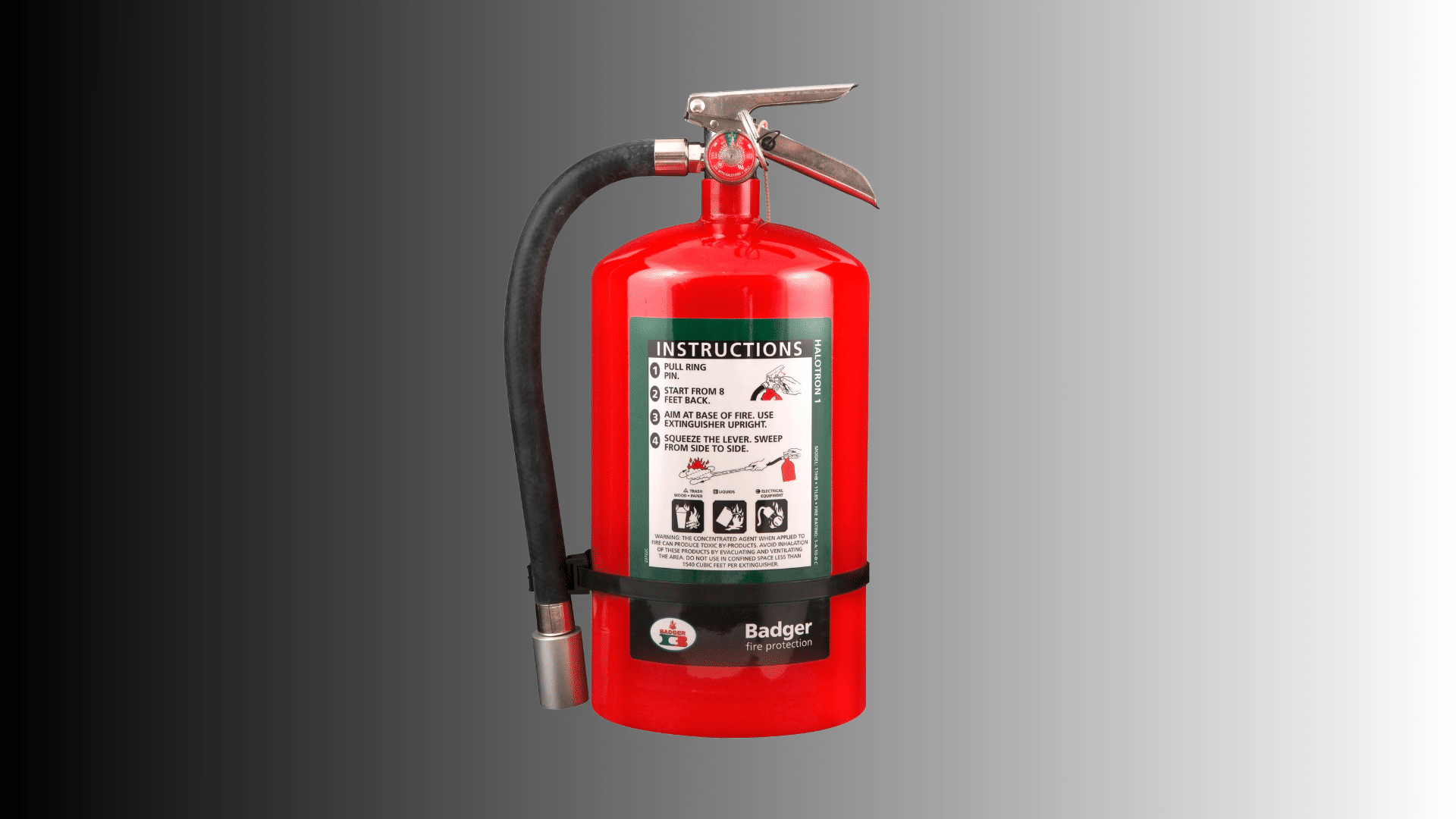
This Halotron I extinguisher is designed for areas with high-value electronic equipment.
It is safe to use on electrical fires and can also handle other fire types once the power is shut off. The clean agent leaves no residue and does not cause corrosion, which helps protect sensitive circuits and hardware.
It is commonly used in computer rooms, robotics spaces, and advanced industrial settings.
The longer discharge time allows better control, giving users more time to respond safely during fire suppression.
5. Kidde Clean Agent FK-5-1-12 Fire Extinguisher
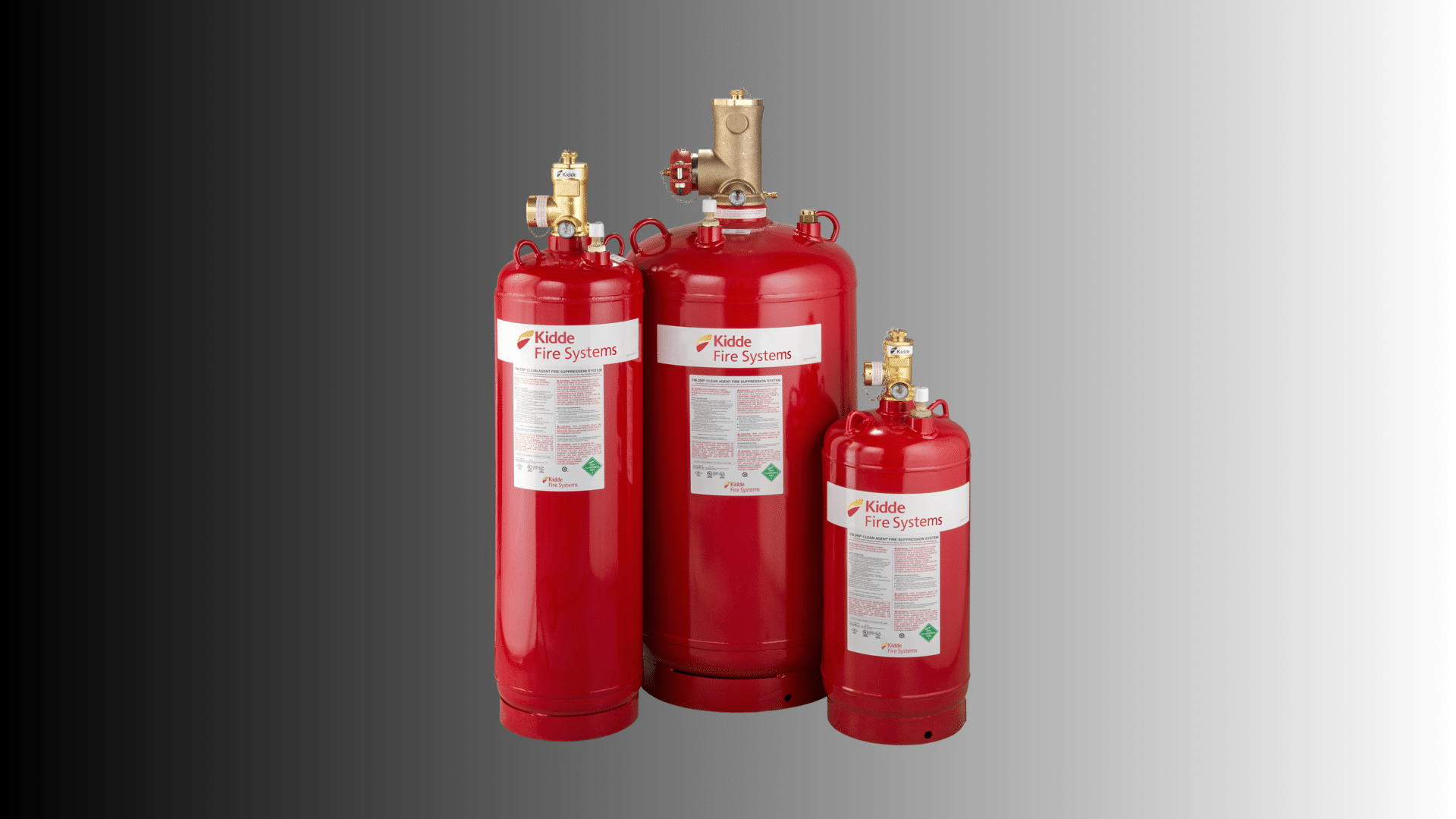
This clean agent extinguisher is built for protecting critical electronics and high-value equipment. It uses FK-5-1-12 gas to stop fires quickly without harming wiring, servers, or circuit boards.
Since it leaves no residue, it helps reduce cleanup time and limits downtime after an incident.
This extinguisher is often used in data centers, telecommunication rooms, museums, and control rooms.
It also offers a strong discharge range, which improves coverage and allows safer operation in larger server rooms and technical spaces.
6. Amerex Model B272 Water Mist Fire Extinguisher
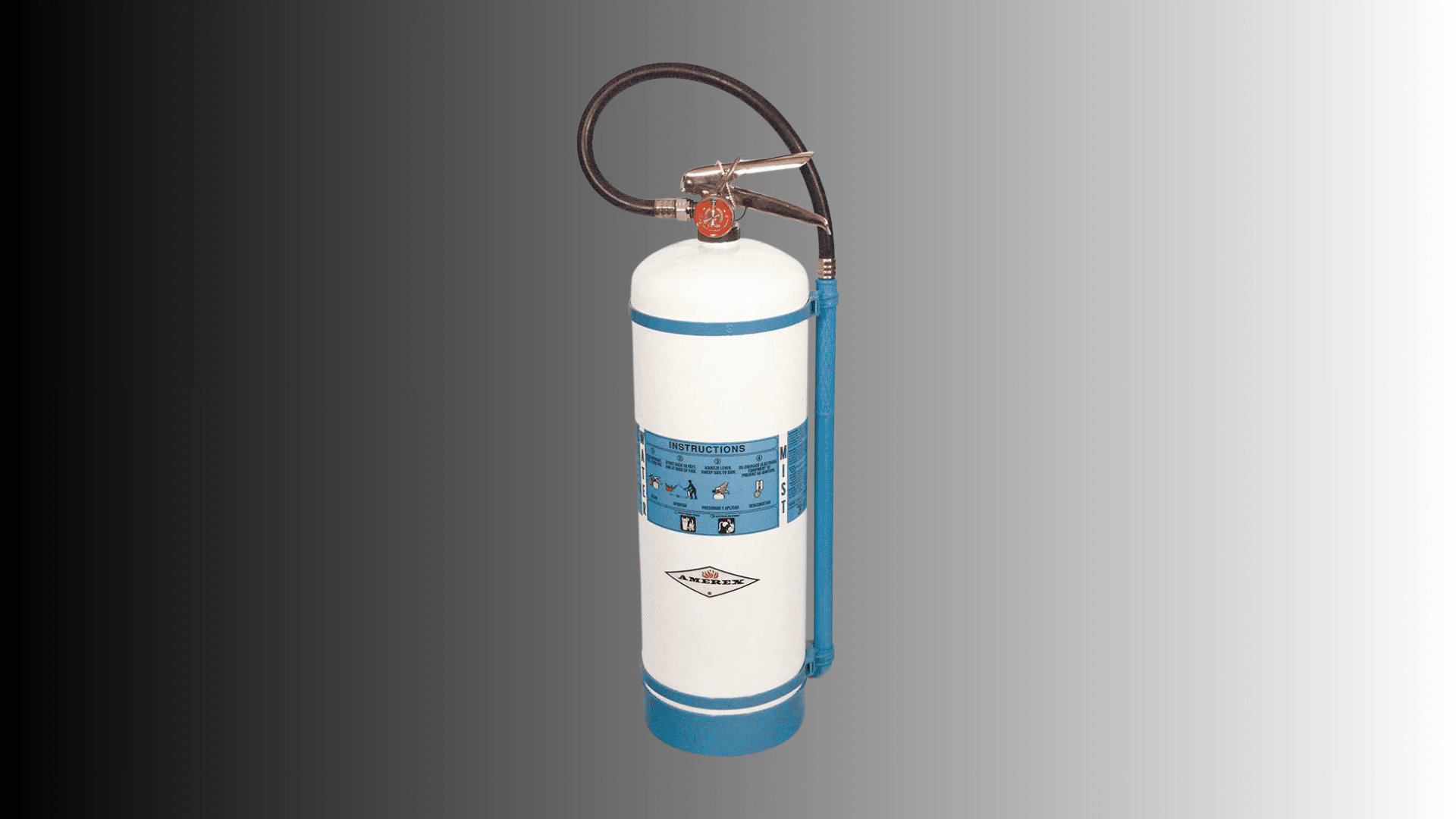
This extinguisher uses de-ionized water released as a fine mist to control fires safely.
The mist is non-conductive, which makes it suitable for electrical fire risks when used correctly. It cools the fire while reducing shock hazards and leaves no residue behind, helping protect sensitive equipment.
This model is often used in clean rooms, hospitals, and areas with advanced electronics.
It is also known for its extended discharge time, which allows better control and steady fire suppression during emergency situations.
7. Oval Model 10H-ABC Dry Chemical Fire Extinguisher
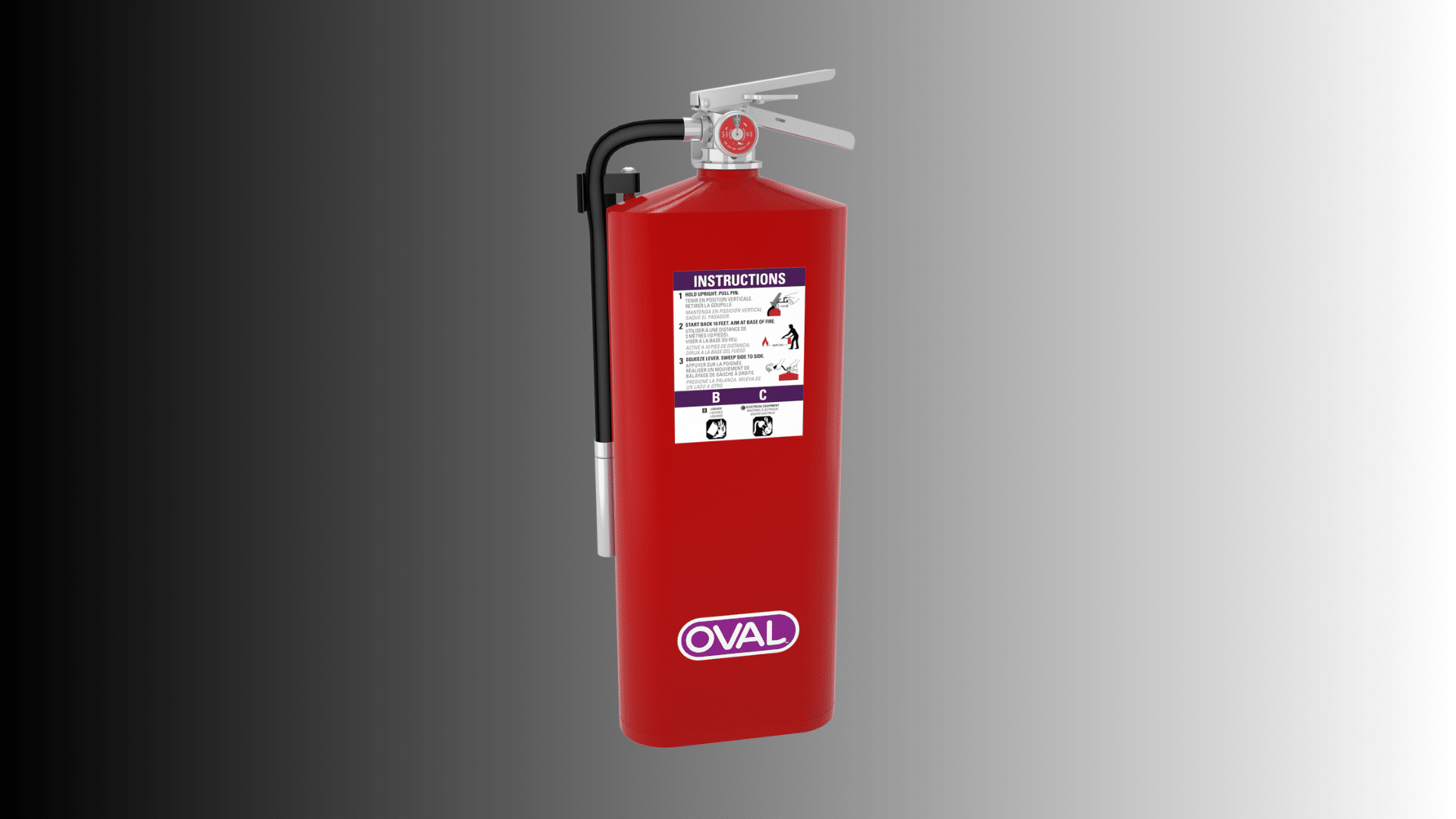
This ABC dry chemical extinguisher is rated for electrical fires and general office use. It works fast to knock down flames and is often installed in shared workspaces and hallways.
The extinguisher is effective for mixed fire risks, including electrical equipment.
However, it releases powder residue that can damage sensitive electronics and require heavy cleanup.
Because of this, it is best placed near server rooms rather than inside them. It remains a cost-effective choice when fire code compliance is required in many office settings.
Maintenance and Inspection Tips for Fire Extinguishers
Regular upkeep helps fire extinguishers work when they are needed most. Simple checks can prevent failures during electrical fire emergencies.
- Why Regular Checks Matter: Fire extinguishers can lose pressure, get blocked, or become damaged over time. Routine checks help catch problems early and ensure the extinguisher will work during an emergency.
- Monthly Visual Inspections: Look for visible damage, corrosion, or leaks. Make sure the pressure gauge is in the green zone, and the safety pin is in place and sealed.
- Annual Professional Inspections: A certified technician should inspect extinguishers once a year. This confirms they meet safety standards and are ready for use.
- Know the Testing Schedule: Most extinguishers require internal checks every 5 to 12 years, depending on the type. Follow the manufacturer’s guidelines for long-term maintenance.
- After Any Use: Even small discharges require inspection and recharging. An extinguisher should never be put back in place without being serviced.
Home vs Workplace Electrical Fire Protection
Electrical fire risks vary based on how spaces are used and maintained. Homes and workplaces face different challenges that affect protection needs.
| Area | Home Electrical Fire Protection | Workplace Electrical Fire Protection |
| Common Fire Risks | Overloaded outlets, damaged cords, and old wiring | Heavy equipment use, server racks, and control panels |
| Equipment Load | Light to moderate | Moderate to high |
| Extinguisher Placement | Near kitchens, garages, and breaker panels | Near electrical rooms, server areas, and exits |
| Coverage Needs | One or two units per floor | Multiple units based on floor size and risk |
| Extinguisher Type | Class C-rated multipurpose units | CO2 or clean agent for sensitive equipment |
| Inspection Frequency | Monthly owner checks | Monthly checks and annual professional service |
| Compliance Requirements | Basic local fire codes | NFPA standards and workplace safety rules |
| Safety Planning | Simple household fire plan | Written fire safety plan and staff training |
Mistakes to Avoid when Handling Electrical Fires
Quick decisions matter during an electrical fire. Avoiding common errors can reduce injury and prevent further damage.
- Using Water or Foam Extinguishers: Water conducts electricity and can cause an electric shock. It can also spread the fire by allowing current to flow through nearby materials.
- Choosing the Wrong Extinguisher Type: Not all extinguishers are safe for electrical fires. Using a unit without a Class C rating can put the user at serious risk.
- Ignoring the Power Source: Failing to shut off electricity when it is safe allows the fire to keep feeding on current. This makes the fire harder to control.
- Delaying Evacuation: Trying to fight a growing fire instead of leaving can be dangerous. If the fire spreads or fills the area with smoke, evacuate and call emergency services.
- Reusing a Discharged Extinguisher: Even partial use reduces effectiveness. An extinguisher must be serviced before it is safe to use again.
Conclusion
Choosing the right fire extinguisher is not just about meeting a rule. It is about keeping people safe and reducing damage when something goes wrong.
Electrical fires behave differently, and using the wrong extinguisher can make a bad situation worse.
That is why understanding extinguisher types, placement, and basic upkeep matters more than many people realize.
Preparation matters too. Knowing extinguisher locations, checking them often, and having a simple plan can reduce risk during an emergency.
Now is a good time to review your current fire protection setup at home or work.
Make sure it fits your electrical risks. If you have dealt with an electrical fire or upgraded your safety plan, share your experience in the comments below.