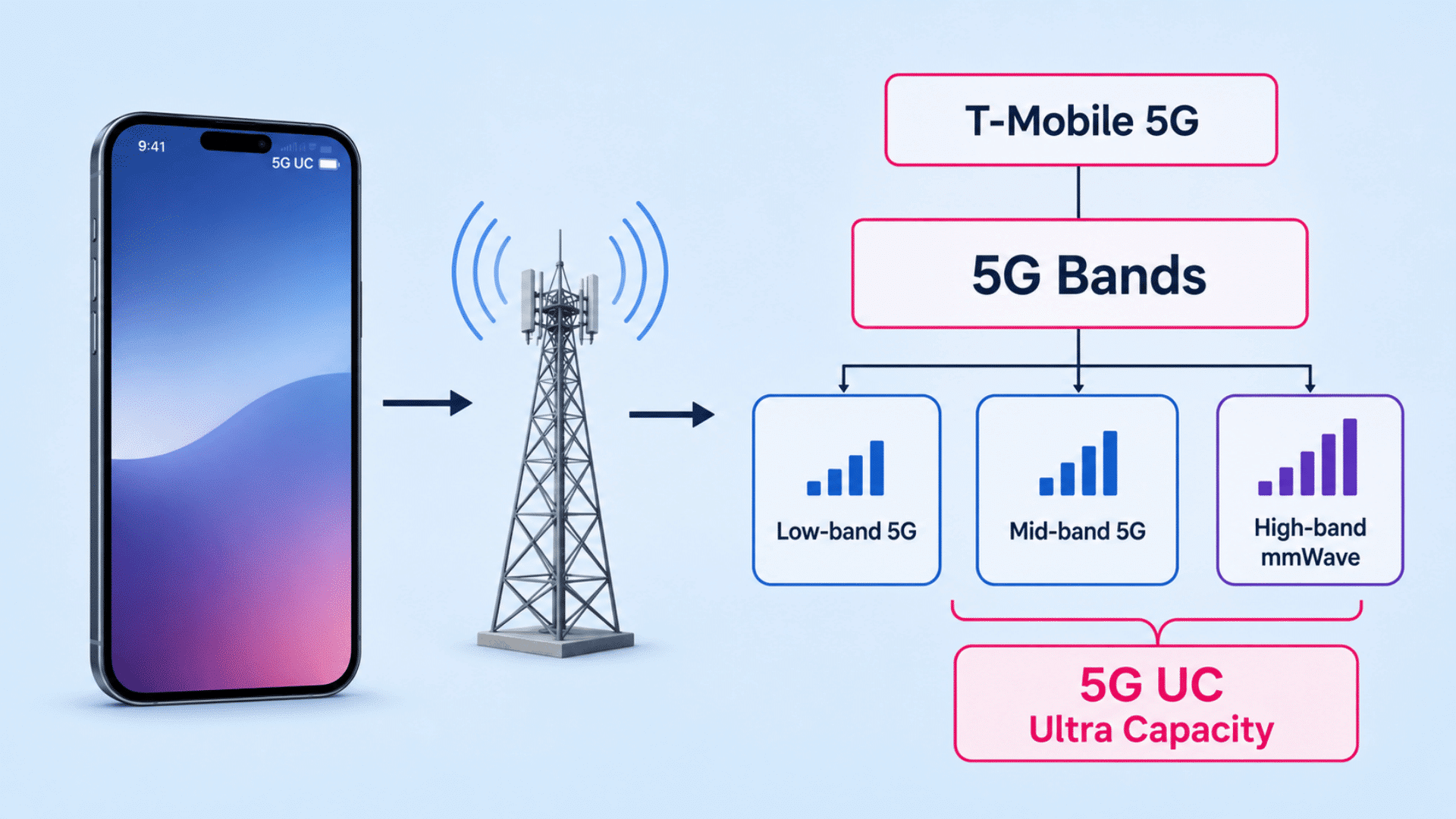

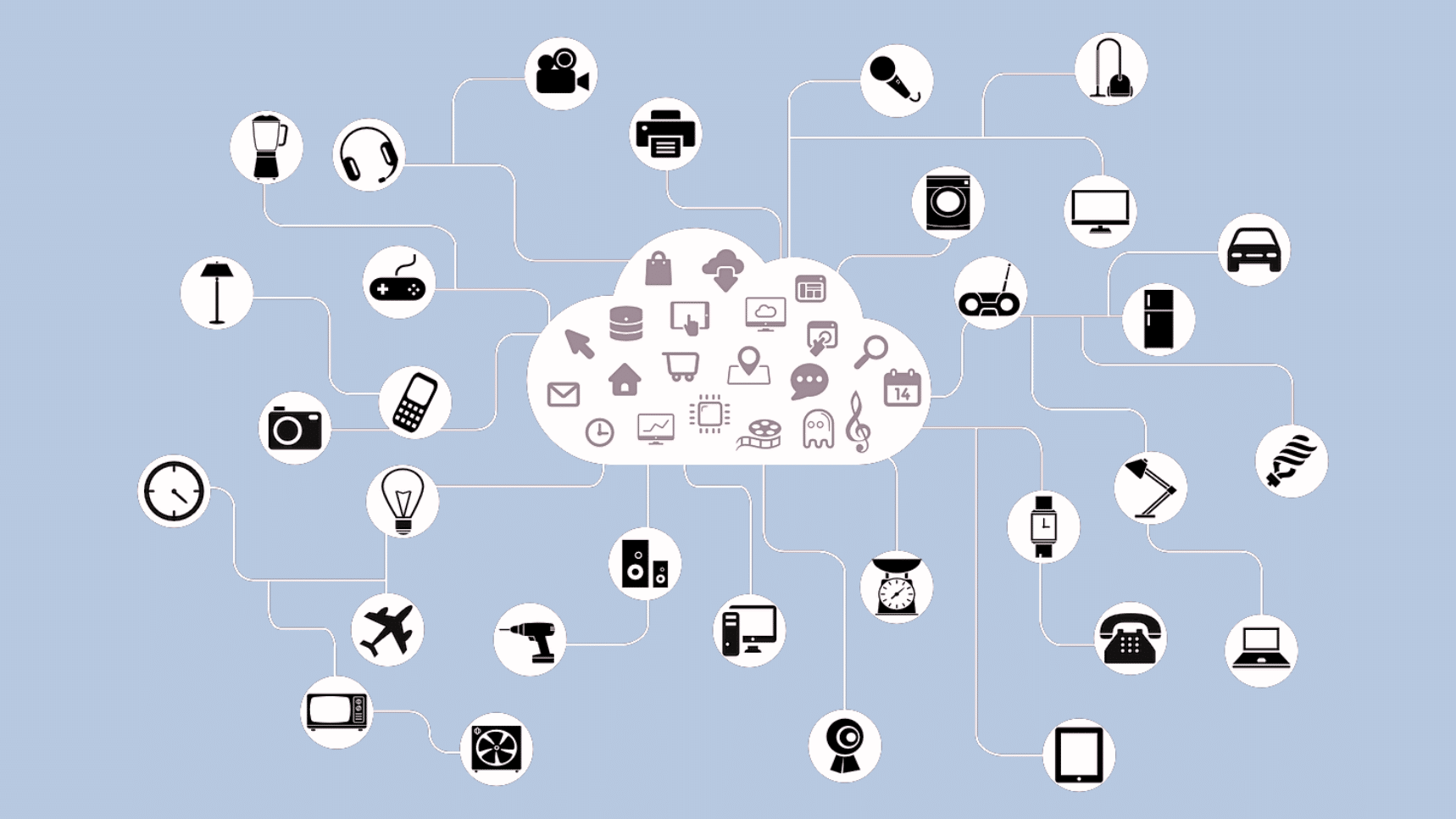





Technology changes fast, and many of those changes come from new ideas in computing. These ideas shape how devices work, how software improves, and how people use technology in daily life.
Some changes feel small, while others completely change how tasks get done at home, work, or school.
In this article, you will learn what computing innovations mean, how they show up in real life, and why they play such a big role today.
I also share easy examples from modern technology that most people already use without thinking much about it.
By the end, you will have a better idea of why these advances matter and how they continue to shape the digital world around us every single day.
What Is Computing Innovation?
Computing innovation refers to new ways of improving how computers and digital systems are used to solve problems.
It focuses on better tools and systems that improve work, communication, and information use.
This can include new software ideas, smarter systems, or improved ways to process data.
Unlike basic tech updates, which usually fix bugs or add small features, computing innovation brings meaningful changes that improve how technology works overall.
A simple update might refresh an app’s look, but innovation changes what the app can actually do.
It often leads to new uses, better performance, or wider access for users. These changes are designed to meet real needs, not just keep things current.
That is why computing innovation plays a key role in shaping modern technology and how people interact with it every day.
Top Computing Innovations Shaping Modern Technology
These innovations have changed how people use technology in daily life and across industries. Each one plays a role in improving access, speed, and how information moves worldwide.
1. Internet and Broadband Access
The internet made it possible for people to share information across the world in seconds. Broadband access improved this by offering faster and more stable connections.
Together, they changed how people work, learn, and communicate.
Online banking, video calls, streaming, and cloud tools depend on reliable internet access. Businesses use it to reach global customers, while schools rely on it for online learning.
As access expands, more people can take part in digital services, remote jobs, and modern communication without location limits.
2. World Wide Web and Web Browsers
The World Wide Web made the internet easy for everyday users. Web browsers allow people to view websites, search for information, and access online services with simple clicks.
This innovation turned the internet into a public space for learning, shopping, and communication.
Businesses use websites to share information and sell products. Students rely on the web for research and online classes.
Without browsers and web standards, many digital services people use daily would not be possible or easy to access.
3. Personal Computers and Laptops
Personal computers and laptops brought computing into homes, schools, and offices. They allow people to write documents, manage data, and run software for work or learning.
Over time, these devices became faster, smaller, and more affordable. Laptops added portability, making it easier to work from different locations.
Today, personal computers support tasks like design, programming, online meetings, and education.
They remain essential tools for productivity, creativity, and digital communication in modern life.
4. Mobile Phones and Smartphones
Mobile phones changed how people communicate by allowing calls from almost anywhere. Smartphones expanded this by adding internet access, apps, and digital tools in one device.
People now use phones for messaging, navigation, payments, and entertainment.
Businesses rely on mobile apps to reach customers, while individuals manage daily tasks on the go. Smartphones also support remote work and learning.
This innovation made technology more personal and accessible, placing powerful computing tools in people’s pockets.
5. Email Communication Systems
Email changed how people send and receive messages by making communication fast and reliable. It allows users to share information, files, and updates without delays.
Businesses use email for daily communication, marketing, and customer support.
Schools rely on it for assignments and announcements. Unlike traditional mail, email works across long distances in seconds.
This system also supports record keeping, making it easy to track conversations. Email remains one of the most widely used digital communication tools today.
6. Microprocessors
Microprocessors act as the core of most electronic devices. They process instructions and control how systems function.
Computers, phones, cars, and smart devices all rely on microprocessors to operate. Over time, these chips became smaller, faster, and more energy efficient.
This progress allows devices to handle complex tasks while using less power.
Without microprocessors, modern computing and digital systems would not work at the scale people depend on every day.
7. Office Software Tools
Office software tools help people create documents, manage data, and present information.
Common examples include word processors, spreadsheets, and presentation software. These tools support daily tasks in offices, schools, and home settings.
They make it easier to organize information, perform calculations, and share ideas clearly.
Many office tools now work online, allowing teams to collaborate in real time. This innovation improved productivity and made professional tasks more accessible to users of all skill levels.
8. Open-Source Software Platforms
Open-source software allows users to view, modify, and share code freely. This approach encourages collaboration and faster improvement.
Developers around the world contribute to projects, helping software grow and stay secure.
Many operating systems, servers, and web tools rely on open-source platforms. Businesses use them to reduce costs and customize solutions.
This innovation supports transparency and learning, making software development more open and accessible to both professionals and beginners.
9. Cloud Computing Services
Cloud computing lets users store data and run software over the internet instead of on local devices. This makes it easier to access files from anywhere with a connection.
Businesses use cloud services to scale operations and reduce hardware costs.
Individuals rely on them for backups, email, and shared documents.
Cloud computing also supports remote work and collaboration. It changed how data is managed by offering flexibility, reliability, and easier access.
10. Online Shopping and E-Commerce
Online shopping allows people to buy goods and services through websites and apps.
It offers convenience, wider choices, and easy price comparison. Businesses use e-commerce platforms to reach customers beyond physical stores.
Secure payment systems and order tracking improved trust in online purchases.
This innovation changed how people shop, helping small and large businesses sell products worldwide while giving consumers more control over when and how they buy.
11. Social Media Platforms
Social media platforms allow people to share updates, photos, and messages in real time. They help users stay connected with friends, family, and communities across the world.
Businesses use social media to promote products, engage customers, and share updates.
These platforms also support news sharing and public discussions.
Over time, social media has shaped how information spreads and how people interact online. It plays a strong role in communication, marketing, and digital culture today.
12. Graphic User Interface (GUI)
The graphic user interface made computers easier to use by replacing text commands with visual elements.
Icons, menus, and windows allow users to interact with systems through simple actions like clicking and dragging. This innovation opened computing to a wider audience.
People no longer need technical skills to use software or devices.
GUIs improved usability across computers, phones, and tablets, making technology more friendly and accessible for everyday users.
13. Digital Photography and Video
Digital photography and video changed how people capture and share moments.
Cameras now store images and videos as digital files instead of film. This allows easy editing, sharing, and storage. Phones, cameras, and computers all support digital media.
Businesses use it for marketing and content creation, while individuals use it for personal memories.
This innovation made visual content more accessible and faster to produce and distribute across digital platforms.
14. Media File Compression Formats
Media file compression reduces the size of images, videos, and audio files. Formats like JPEG, MP3, and MP4 make it easier to store and share media online.
Compression helps content load faster while using less storage space.
Streaming services, websites, and social platforms rely on these formats. Without compression, large media files would be slow to upload or download.
This innovation made digital media practical for everyday use across devices and networks.
15. GPS Navigation Systems
GPS navigation systems allow users to find locations and directions using satellites. They help drivers, travelers, and delivery services move efficiently.
GPS is used in smartphones, cars, and tracking systems. Businesses rely on it for logistics and route planning.
Individuals use it for travel and daily navigation.
This technology improved accuracy and reduced the need for paper maps, making location-based services easier to access.
16. Fiber Optic Communication
Fiber optic communication uses light to transmit data at high speeds. It supports fast internet, clear video calls, and reliable data transfer.
Fiber cables carry large amounts of data over long distances with less signal loss.
This technology supports global communication networks and cloud services.
As demand for speed grows, fiber optics plays a key role in keeping connections stable and fast for users and businesses.
17. Cybersecurity Technologies
Cybersecurity technologies protect systems, networks, and data from threats. Firewalls, encryption, and monitoring tools help prevent unauthorized access.
Businesses use these tools to protect customer data and operations. Individuals rely on them for safe online activity.
As digital use increases, security risks also grow. Cybersecurity helps reduce damage from attacks and builds trust in the digital systems people use daily.
18. Data Encryption Systems
Data encryption systems protect information by converting it into secure formats. This keeps data safe during storage and transfer.
Encryption is used in emails, online banking, and cloud services. It helps prevent data theft and privacy breaches.
Businesses rely on encryption to meet security standards. For users, it adds a layer of protection when sharing sensitive information online.
19. RFID Technology
RFID technology uses radio signals to identify and track objects automatically. It is commonly used in access cards, toll systems, inventory tracking, and product labeling.
Unlike barcodes, RFID does not require direct contact or line of sight to work.
Businesses use it to manage stock, reduce losses, and speed up processes. RFID also supports contactless payments and transit systems.
This innovation improves accuracy and efficiency in tracking items across retail, transport, and security systems.
20. Barcodes and Scanning Systems
Barcodes and scanning systems help identify products quickly and accurately. Each barcode stores data that scanners can read in seconds.
Retail stores use them for pricing, checkout, and inventory control.
Warehouses rely on scanning to track shipments and reduce errors. Barcodes also support logistics and supply chains.
This system reduces manual work and improves speed. It remains one of the simplest yet most effective tools for managing physical goods in digital systems.
21. Automated Teller Machines (ATMs)
Automated teller machines allow people to access banking services without visiting a branch.
Users can withdraw cash, check balances, and complete basic transactions at any time. ATMs rely on secure computing systems to process requests safely.
Banks use them to reduce in-branch traffic and extend service access.
For customers, ATMs offer convenience and flexibility. This innovation made financial services more accessible and changed how people manage money in daily life.
22. Smart Devices and Sensors
Smart devices and sensors collect and respond to data from their surroundings. They are used in phones, wearables, appliances, and industrial systems.
Sensors track movement, temperature, and usage patterns. This data helps devices adjust settings and improve performance.
Businesses use sensors to monitor equipment and reduce waste.
In daily life, smart devices improve comfort, safety, and efficiency. This innovation supports automation and real-time decision-making across many industries.
23. Internet of Things (IoT)
The Internet of Things connects physical devices to the internet. These devices share data and work together automatically.
Examples include smart thermostats, fitness trackers, and home security systems.
IoT helps users control systems remotely and receive real-time updates. Businesses use it to track assets and improve operations.
This technology increases efficiency and convenience by linking everyday objects into connected networks.
24. Artificial Intelligence Systems
Artificial intelligence systems allow machines to perform tasks that normally require human thinking.
These systems analyze data, recognize patterns, and support decision-making. AI is used in voice assistants, recommendation tools, and customer service bots.
Businesses rely on AI to automate processes and improve accuracy.
For users, AI supports faster responses and personalized experiences. This innovation continues to influence how technology adapts to user needs.
25. Machine Learning Models
Machine learning models allow systems to learn from data and improve over time.
They help software make predictions and adjust behavior without manual updates.
These models are used in fraud detection, image recognition, and search results. Businesses use machine learning to analyze trends and reduce errors.
As data grows, machine learning supports smarter tools that adapt to changing needs and user behavior.
26. Big Data Analytics
Big data analytics helps organizations process and understand large amounts of information. It turns raw data into useful insights that support better decisions.
Businesses use it to track customer behavior, improve services, and plan strategies.
Healthcare systems rely on data analysis to improve patient care. Big data tools handle speed, volume, and variety of information.
This innovation allows users and industries to find patterns and make informed choices based on real data.
27. Server and Data Center Technology
Server and data center technology support the storage and processing of digital information. These systems power websites, apps, and cloud services.
Data centers host large numbers of servers that work together to handle user requests.
Businesses rely on them for reliability and performance. Improvements in cooling, energy use, and automation made data centers more efficient.
This technology keeps digital services running smoothly around the clock.
28. Mobile Applications
Mobile applications allow users to perform tasks directly on smartphones and tablets.
Apps support communication, shopping, learning, and entertainment. Developers design apps to be fast and easy to use.
Businesses use them to reach customers and offer services on the go.
Mobile apps improved access to tools and information anytime. This innovation turned mobile devices into powerful personal computing platforms.
29. Remote Work Platforms
Remote work platforms support communication and collaboration between teams in different locations. These tools include video meetings, shared documents, and task management systems.
They allow employees to work together in real time without being in the same office.
Businesses use remote platforms to maintain productivity and reduce travel costs. Workers benefit from flexible schedules and location freedom.
This innovation changed how companies operate and made remote and hybrid work more common.
30. Digital Payment Systems
Digital payment systems allow people to send and receive money electronically. Examples include online banking, mobile wallets, and contactless payments.
These systems make transactions faster and reduce the need for cash. Businesses use them to simplify checkout and improve customer experience.
Users rely on digital payments for shopping, bills, and transfers.
Security features help protect financial data. This innovation made payments more convenient and accessible worldwide.
31. Cloud Storage Solutions
Cloud storage solutions let users store files online instead of on physical devices.
This makes it easier to access data from different locations and devices. Businesses use cloud storage to back up information and share files across teams.
Individuals rely on it for photos, documents, and personal data.
Cloud storage also reduces the risk of data loss from device failure. It supports collaboration and flexible data access.
32. Human-Computer Interaction Systems
Human-computer interaction systems focus on how people interact with technology. They aim to make devices easier and more comfortable to use.
Designers study user behavior to improve layouts, controls, and feedback.
This innovation supports touchscreens, voice commands, and accessible tools. Businesses benefit from better user experiences, while users enjoy smoother interactions.
Improving these systems helps technology feel more natural and less confusing.
33. High-Performance Computing
High-performance computing refers to systems that can process very large amounts of data at high speed.
These systems are used in scientific research, weather forecasting, financial modeling, and complex simulations. Universities and industries rely on them to solve problems that regular computers cannot handle.
High-performance computing supports faster analysis and more accurate results.
As data demands grow, these systems help researchers and organizations complete advanced tasks efficiently and reliably.
How Computing Innovation Impacts Society?
Computing innovation continues to shape how people live, work, and connect in everyday life. Its effects show up across many areas, often in simple ways that people rely on daily.
- Education: Online learning tools, digital classrooms, and smart apps make lessons more flexible and easier to access for students and teachers.
- Healthcare: Digital records, remote care tools, and health apps help doctors track patients faster and improve care quality.
- Business: Automation, cloud tools, and data systems help companies work faster, reduce errors, and reach customers more easily.
- Personal Technology: Smartphones, apps, and smart devices make communication quicker and daily tasks more convenient.
- Communication: Messaging platforms, video calls, and shared tools help people stay connected across long distances.
Future Trends in Computing Innovation
Future computing innovation will focus on making technology more useful, secure, and easier to use.
Many systems will rely more on artificial intelligence to handle routine tasks and support better decision-making.
This can help users save time and reduce errors. Another trend is edge computing, which allows data to be processed closer to where it is created, improving speed and reliability.
Industries may also see wider use of cloud-based tools to support remote work and shared access.
Privacy and security will remain a key focus as more data moves online. At the same time, companies will invest more in training to close skill gaps.
These trends aim to support real needs, improve daily tools, and help both users and businesses adapt to steady changes in technology.
Challenges Linked to Computing Innovation
Computing innovation brings many benefits, but it also creates challenges that people and organizations must manage. These issues often affect safety, access, and how easily new systems can be used.
- Data Privacy: Personal information can be collected, stored, or shared without clear control, raising concerns about misuse.
- Security Risks: New systems may face hacking, malware, or data breaches if protection measures are weak.
- High Costs: Advanced tools and systems can be expensive to build, maintain, and upgrade over time.
- Skill Gaps: Many users and workers lack the training needed to use new technology properly.
- System Dependence: Heavy reliance on digital tools can cause problems when systems fail or go offline.
Conclusion
Computing innovation plays a quiet but important role in how technology fits into daily life. It shapes the tools people use at work, how they learn new skills, and how they stay connected with others.
From smarter systems to faster communication, these changes help solve real problems in simple ways.
Understanding how these ideas work makes it easier to keep up with new tools and make better choices when using technology.
It also helps people see why some changes matter more than others. As technology continues to grow, knowing the basics can reduce confusion and build confidence.
This knowledge is useful today and will matter even more in the years ahead.
If you have noticed computing innovation in your daily life or work, share your experience in the comments below.