




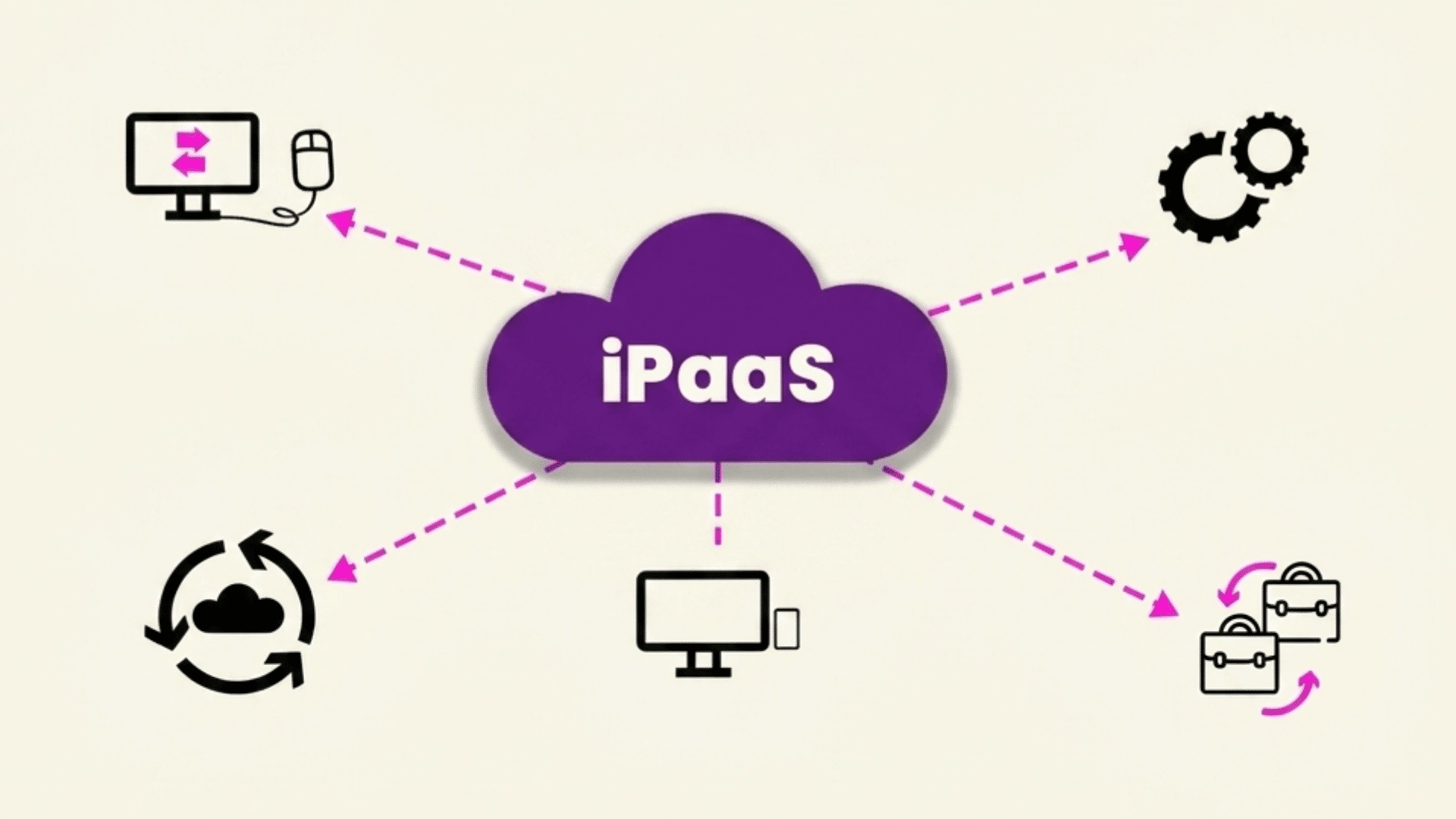


Cloud services are essential for businesses today, helping them grow and adapt in an ever-changing market.
Amazon Web Services (AWS) stands out as a leader in cloud computing, offering flexible, secure, and scalable solutions for businesses of all sizes.
In this article, I’ll share some of the top companies using AWS Cloud Services and how it’s benefiting them.
From tech giants to smaller businesses, AWS supports industries like healthcare, retail, and finance by improving operations and driving innovation.
If you’re looking to understand how AWS works or how it can help your business, this guide covers it all.
Learn how these companies are leveraging AWS to stay ahead in a competitive market and streamline their processes. Let’s begin with the top businesses making the most of AWS Cloud Services.
Why AWS Cloud Is the Go-To Choice for Leading Companies?
AWS Cloud is popular among businesses for several key reasons. Scalability is a major factor, as companies can easily adjust their resources based on demand.
This flexibility makes it a perfect solution for businesses of all sizes. Security is another important reason AWS stands out.
With strong protection for data and operations, businesses feel safe using the platform.
AWS is also cost-efficient, offering a pay-as-you-go model. This helps businesses save money by only paying for what they use, avoiding unnecessary costs.
AWS offers diverse services that provide flexibility, allowing companies to choose the tools they need.
Whether it’s a small company or a large enterprise, AWS provides the support and resources required to grow and stay competitive in today’s market.
Famous Companies Using AWS Cloud Services
AWS is trusted by leading companies across industries for its scalability, security, and flexibility. These are some well-known businesses that have embraced AWS to enhance their operations.
1. Netflix

Netflix uses AWS to support its massive streaming infrastructure.
AWS helps Netflix efficiently manage large-scale data storage and delivery, ensuring scalability for high traffic and seamless content delivery.
By leveraging AWS’s services, Netflix can analyze viewer data to offer personalized recommendations and optimize content delivery.
This allows Netflix to maintain its competitive edge, ensuring that users enjoy an uninterrupted, high-quality streaming experience, even during peak demand.
2. Airbnb

Airbnb relies on AWS to scale its platform globally and manage large amounts of user data.
AWS enables Airbnb to efficiently handle fluctuating demand, ensuring that both hosts and guests have a smooth experience.
The company uses AWS to store booking data, manage payments, and provide a easy booking process for millions of users.
Additionally, AWS’s security features help Airbnb maintain data protection and compliance with various regulations. By using AWS, Airbnb can innovate quickly and ensure its platform remains reliable and secure.
3. Spotify

Spotify uses AWS to host its music streaming service and deliver content to millions of users around the world.
With AWS, Spotify can efficiently manage user data, recommend music, and ensure high availability of its service.
The platform relies on AWS’s infrastructure to store and process massive amounts of music files and user data in real time.
AWS’s scalability also allows Spotify to handle spikes in demand, particularly during major music releases or events. This flexibility helps Spotify deliver a seamless, personalized experience to its listeners.
4. General Electric

General Electric (GE) uses AWS for its industrial internet of things (IoT) solutions and data analytics.
AWS helps GE collect and process data from various industrial machines and sensors, enabling predictive maintenance and improved operational efficiency.
GE uses AWS’s machine learning and analytics to optimize performance, reduce downtime, and boost productivity.
The flexibility and scalability of AWS allow GE to manage large-scale industrial data and gain insights in real time, helping the company to innovate and stay ahead in the manufacturing industry.
5. Samsung

Samsung uses AWS to enhance its cloud computing capabilities and support its global business operations.
AWS helps Samsung manage large-scale data storage and processing needs, particularly for its mobile devices, smart appliances, and electronics.
With AWS, Samsung can quickly scale its infrastructure to meet the growing demand for its products and services.
AWS helps Samsung use machine learning and analytics for better product development and customer experience, ensuring security, reliability, and flexibility.
6. Comcast

Comcast uses AWS to support its digital services and improve its customer experience. AWS helps Comcast manage its vast network infrastructure and deliver high-quality content to users.
The company leverages AWS to scale its services during high-demand periods, ensuring seamless video streaming and internet connectivity.
Additionally, AWS allows Comcast to manage and analyze data for better decision-making and improved customer service.
AWS allows Comcast to meet market demands, offering innovative services while ensuring reliability and security.
7. Pinterest

Pinterest relies on AWS to power its image-sharing platform and handle the enormous amount of visual content shared by users daily.
AWS helps Pinterest scale its infrastructure to manage millions of images and user interactions globally.
AWS allows Pinterest to store, process, and analyze massive amounts of data, providing a personalized experience for its users.
The platform uses AWS’s cloud services to optimize content delivery, ensuring that users enjoy fast and reliable access to the content they search for and share.
8. Adobe

Adobe uses AWS to support its cloud-based tools, providing scalable infrastructure for programs like Photoshop and Illustrator.
AWS allows Adobe to store media, process data, and offer creative tools globally.
The flexibility of AWS allows Adobe to scale its services according to user demand, ensuring reliable access to its products at all times.
Additionally, AWS helps Adobe enhance its cloud-based services and innovate faster.
9. Slack

Slack relies on AWS to host its messaging and collaboration platform. By using AWS, Slack can provide a seamless user experience for millions of users across various industries.
AWS helps Slack manage its infrastructure, ensuring smooth performance even during high traffic times.
With AWS’s scalability, Slack can quickly adjust its services to meet the growing needs of its users.
The platform uses AWS to securely store messages, files, and data, enabling teams to collaborate effectively while ensuring privacy and compliance with data protection regulations.
10. Siemens

Siemens uses AWS to power its industrial automation and data analytics solutions.
With AWS, Siemens can store and process large volumes of data generated by its machines, sensors, and manufacturing equipment.
AWS’s cloud services help Siemens monitor and optimize industrial operations in real-time, leading to improved efficiency and productivity.
The company also leverages AWS’s machine learning and analytics tools to gain insights and predict maintenance needs. By using AWS, Siemens can offer innovative solutions and improve the performance of industrial systems across the globe.
11. Capital One

Capital One uses AWS to enhance its banking services and improve customer experience.
With AWS, Capital One can securely store financial data, process transactions, and scale its services as needed.
The bank leverages AWS’s cloud computing capabilities to offer a wide range of digital banking products, from credit cards to loans.
AWS helps Capital One ensure reliability and security in its financial operations, while also providing the flexibility to innovate and meet the evolving needs of its customers.
12. Unilever

Unilever relies on AWS to streamline its supply chain and improve its global operations.
By using AWS, Unilever can store and analyze vast amounts of data, which helps the company optimize its manufacturing and distribution processes.
AWS also allows Unilever to leverage machine learning and analytics to gain insights into consumer behavior and market trends.
This helps the company make data-driven decisions and improve efficiency and customer satisfaction.
13. BMW

BMW uses AWS to enhance its automotive services, including connected vehicles and in-car technology.
AWS helps BMW manage and process large volumes of data generated by its vehicles, providing valuable insights into performance, driving patterns, and maintenance needs.
The company uses AWS for real-time data analytics and personalized customer experiences.
AWS’s scalability helps BMW adapt to new technologies, keeping its vehicles at the industry’s forefront.
14. Lyft
Lyft uses AWS to support its ride-sharing platform and manage large amounts of data from drivers and passengers.
AWS helps Lyft scale for demand spikes, ensuring smooth operations and improving real-time data processing, route optimization, and user experience.
By leveraging AWS’s cloud services, Lyft can improve the efficiency of its ride-sharing network, reduce operational costs, and stay ahead in the competitive transportation industry.
15. NASA

NASA relies on AWS to store and analyze vast amounts of space data generated by its missions and research.
AWS helps NASA manage and process the large-scale datasets collected from satellites, space telescopes, and space exploration missions.
The platform’s scalability allows NASA to handle the growing volume of data while ensuring secure access and collaboration across different departments.
AWS enhances NASA’s research and accelerates mission objectives with the flexibility of cloud computing.
16. LinkedIn
LinkedIn uses AWS to power its professional networking platform and support its global user base.
With AWS, LinkedIn can scale its infrastructure to handle billions of user profiles, job listings, and interactions.
AWS’s cloud services allow LinkedIn to store and process large amounts of data, ensuring a smooth and responsive experience for users worldwide.
The platform also uses AWS to enhance its machine learning capabilities, providing personalized job recommendations and content to users based on their profiles and activity.
17. Twitter

Twitter relies on AWS to store and process massive amounts of real-time data generated by its millions of users.
With AWS, Twitter can efficiently scale its infrastructure to support the constant flow of tweets, messages, and media shared on the platform.
The cloud services provided by AWS allow Twitter to manage its data in real time, ensuring that tweets and updates appear instantly.
AWS helps Twitter adapt to new features and manage traffic spikes during major events or viral trends.
18. Zynga

Zynga uses AWS to support its online gaming services, managing vast amounts of user data and game content.
AWS helps Zynga scale its infrastructure, ensuring smooth gameplay for millions of users across the globe.
By leveraging AWS, Zynga can store, process, and analyze game data in real-time, offering personalized experiences and keeping players engaged.
AWS allows Zynga to deploy new games quickly while ensuring platform security and reliability.
19. Verizon

Verizon uses AWS to power its cloud-based services and enhance its network infrastructure.
AWS helps Verizon scale its operations, manage large volumes of data, and optimize its services for customers.
The telecommunications giant relies on AWS for real-time data analytics, ensuring its services remain reliable and efficient.
AWS also enables Verizon to innovate with new technologies and services, including 5G solutions, while keeping costs manageable and improving customer experience across its network.
20. T-Mobile

T-Mobile relies on AWS to scale its mobile services and improve its network operations.
AWS helps the company manage large amounts of data, optimize its network performance, and deliver seamless services to customers.
AWS helps T-Mobile adapt to market demands, ensuring high availability and reliability.
Additionally, T-Mobile uses AWS for real-time analytics, enabling the company to offer personalized experiences and support the ongoing rollout of 5G technology across its network.
21. The Coca-Cola Company

The Coca-Cola Company uses AWS to optimize its marketing and data analytics efforts.
By leveraging AWS’s cloud services, Coca-Cola can analyze vast amounts of consumer data to gain insights into purchasing behavior and market trends.
AWS helps the company streamline its supply chain, improve product distribution, and enhance customer engagement.
AWS helps Coca-Cola adapt to market changes and deliver personalized, data-driven experiences.
How AWS is Revolutionizing Business Operations?
AWS is reshaping business operations by enabling companies to improve efficiency, foster innovation, and scale effectively.
- Optimizing Processes: AWS automates many manual tasks, streamlining operations and improving workflow efficiency. Companies can focus more on growth and less on day-to-day operations.
- Scaling with Ease: AWS allows businesses to scale their operations seamlessly, adding resources as needed without upfront investment, which makes it easier for companies to adapt to market changes.
- Boosting Innovation: With access to a wide array of cutting-edge tools, AWS empowers businesses to innovate faster. They can test new ideas and bring them to market quickly.
- Reducing Operational Costs: AWS’s flexible pricing model helps businesses cut costs by paying only for what they use, making advanced cloud services more accessible to companies of all sizes.
Conclusion
AWS is a powerful cloud solution that helps businesses scale, optimize operations, and reduce costs.
Its flexibility and security make it an excellent choice for companies of all sizes, from small startups to large enterprises.
AWS allows businesses to grow without the need for large upfront investments in infrastructure.
Its cloud services make it easier to innovate, improve efficiency, and stay competitive in an ever-changing market.
AWS has become an essential tool for many companies, chnaging how they manage their operations and adapt to new challenges.
If you’ve used AWS for your business, I’d love to hear about your experience.
How has it helped you streamline your processes or enhance your business operations?
Share your thoughts and insights in the comments below, your feedback could help others who are considering AWS for their own company.