

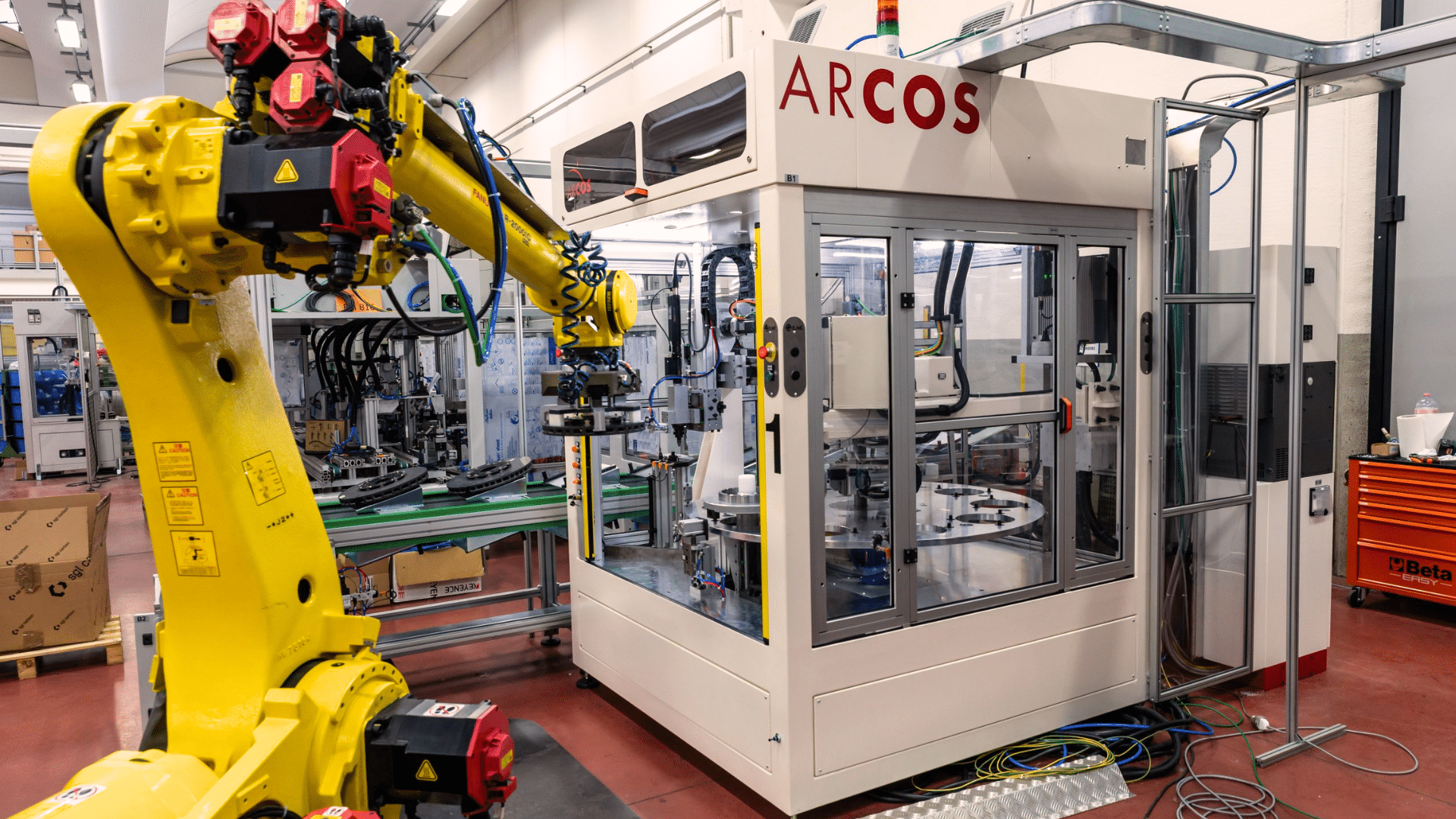





In today’s tech-driven world, robotics and automation are playing key roles in shaping industries.
While these two terms are often used interchangeably, they are actually quite different.
Understanding the distinction between robotics and automation is essential for anyone looking to grasp how modern technologies are transforming our daily lives and businesses.
In this article, I’ll share robotics and automation, highlight their key differences, and show how they’re used in real-world industries.
You’ll also learn their pros and cons, how they work together, and which is best for your business.
If you’re a tech enthusiast or a business owner, this guide will provide you with a clear understanding of both, helping you make informed decisions as you navigate the world of modern technology.
What Is Robotics?
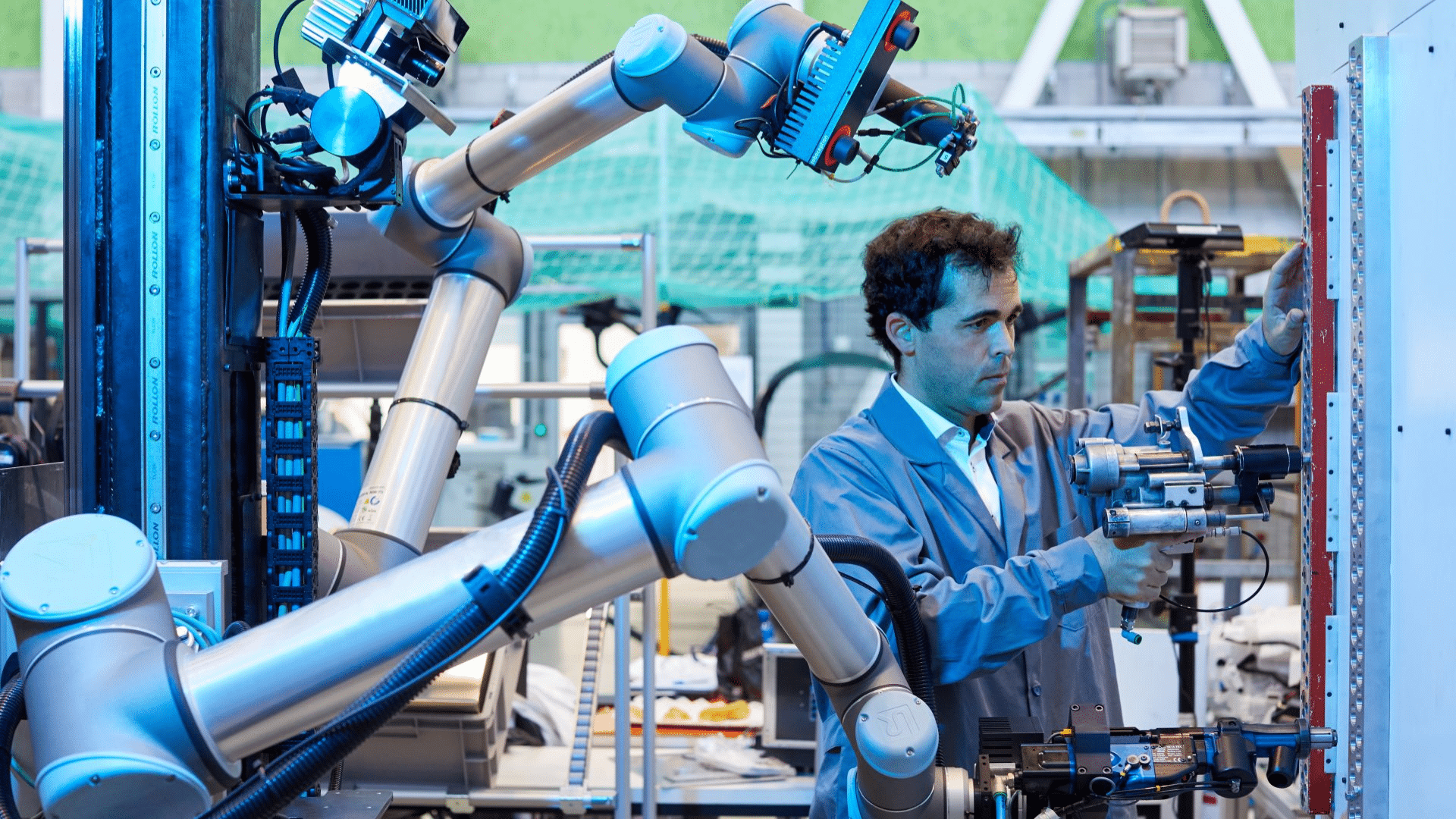
Robotics is the field of technology that designs and builds robots. These machines are created to perform tasks that would normally require human effort.
Robots can be programmed to do various jobs, like assembling products, cleaning, or even performing surgery.
They are made to mimic human actions such as moving, lifting, or grasping objects.
In industries like manufacturing, robots often help assemble cars or electronics quickly and precisely. In healthcare, surgical robots assist doctors in performing delicate operations with high accuracy.
In logistics, robots are used to move goods around warehouses, saving time and labor.
With their ability to perform repetitive tasks, robots help improve efficiency and safety in many fields.
What Is Meant by Automation?
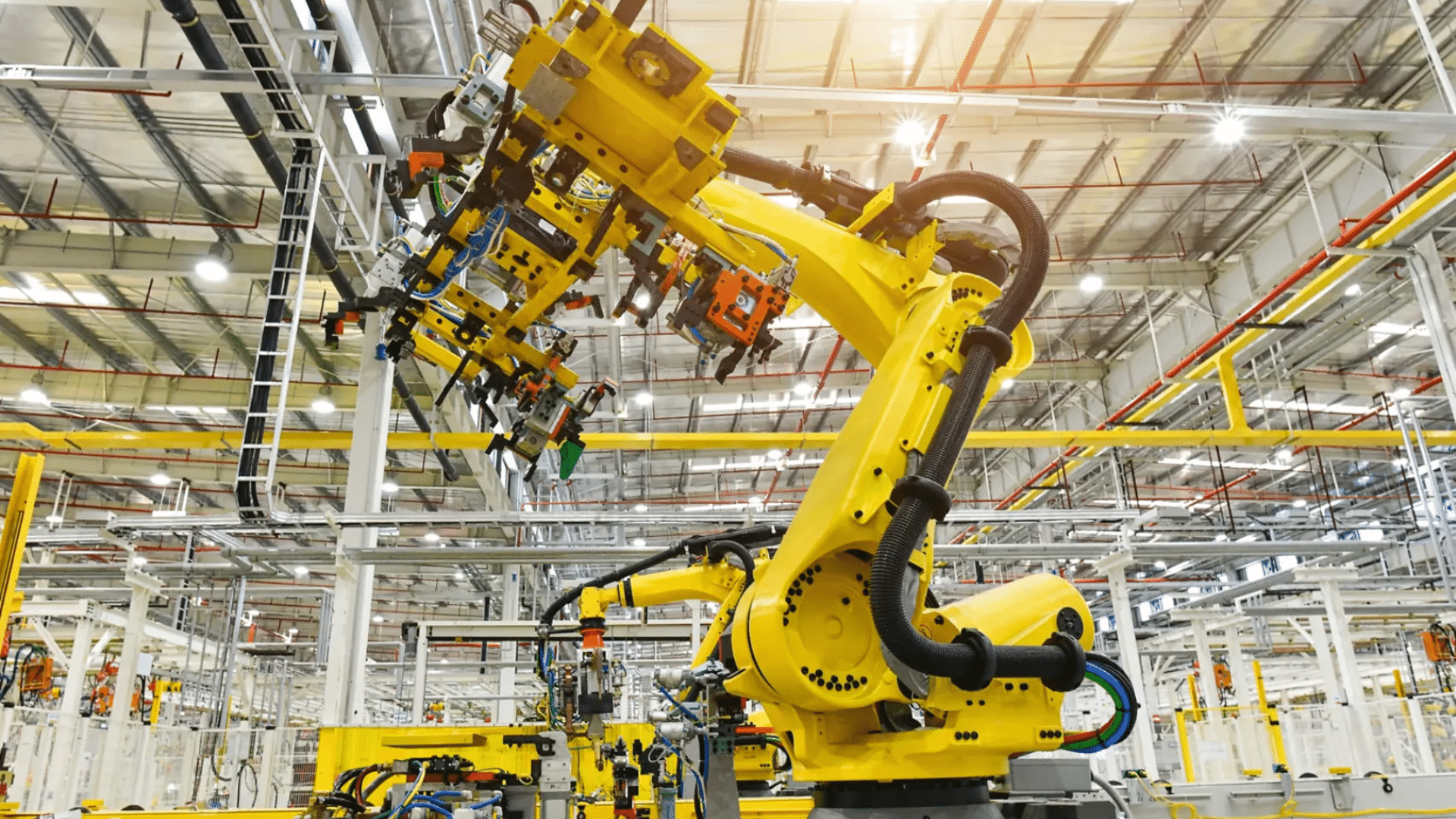
Automation is the use of technology to perform tasks without human intervention. It involves machines, software, or systems that automatically carry out repetitive or complex jobs.
Unlike manual processes, where people must control each step, automation allows tasks to happen on their own.
For example, home appliances like washing machines or dishwashers automate the cleaning process, saving time and effort.
In factories, robots automate production lines, assembling products quickly and accurately. In daily life, online bill payments and smart home systems are forms of automation that make life more convenient.
With automation, tasks are completed faster, with fewer errors, and require less manual effort.
It’s an essential tool in improving efficiency and productivity in many areas of life.
Robotics vs Automation: Key Differences
Understanding the distinctions between robotics and automation helps you appreciate how each technology functions and its unique roles in industries.
1. Functionality
Robotics focuses on creating machines that mimic human movements and perform physical tasks.
Robots are designed with sensors and motors to carry out complex actions, such as grasping, lifting, and interacting with their environment.
In contrast, automation involves using machines or software to perform repetitive tasks without human input.
It’s more about streamlining processes than replicating human actions.
While robotics often requires programming for movement, automation focuses on setting up systems to run on their own with minimal supervision.
2. Human Interaction
Robots are often designed to work alongside humans or in places where human interaction is limited.
They can be programmed to adapt and respond to various situations, making them flexible and intelligent. On the other hand, automation typically eliminates the need for human involvement entirely.
Systems like conveyor belts or software processes work automatically once set up, reducing the need for human input.
While robots may interact directly with people or environments, automation relies on predefined tasks that don’t require changes once established.
3. Complexity
Robots tend to be more complex due to the combination of hardware and software needed for mobility, sensors, and decision-making.
Building and maintaining robots requires more technical expertise due to their complex designs and capabilities.
Automation, however, can range from simple machines to highly advanced systems, but it is generally less complex.
For example, an automated assembly line might use simple machinery to move products, while a robot might perform delicate tasks like assembling components with precision.
The complexity of robotics lies in its ability to perform diverse tasks autonomously.
4. Versatility
Robots are designed for flexibility, meaning they can be programmed to perform a variety of tasks across different industries.
For example, robots can be reprogrammed to assemble different products or even perform surgeries in healthcare settings. They can adapt to new challenges and environments.
In contrast, automation typically focuses on repetitive tasks with specific goals in mind.
Once set up, automated systems are designed to perform the same task continuously without change, making them less versatile than robots.
Automation excels in environments where tasks do not require variation.
5. Cost and Maintenance
Robots are generally more expensive than automated systems due to their complexity, hardware, and ongoing maintenance needs.
Robotics requires regular updates, repairs, and occasional reprogramming to ensure they perform optimally.
Automation systems, while not free, tend to have lower upfront costs and simpler maintenance.
Since automation often involves software or machinery that performs routine tasks, the need for repair and maintenance is reduced compared to robots.
Businesses can set up automated systems with fewer resources, focusing on upkeep instead of management.
Pros and Cons of Robotics and Automation
Below is a quick look at the advantages and disadvantages of both robotics and automation to help you understand their roles and impacts in various industries.
| Technology | Pros | Cons |
| Robotics | – Can perform complex tasks requiring human-like precision – Flexible and can be reprogrammed for different tasks | – High upfront costs – Requires regular maintenance and skilled operators |
| Automation | – Improves efficiency and consistency – Reduces human error and labor costs | – Limited flexibility – High setup costs for complex systems |
Applications of Robotics in Modern Industries
Robotics is increasingly integrated into various industries, revolutionizing processes and improving efficiency. These are some of the key ways robots are used in today’s world.
1. Manufacturing
In manufacturing, robots are widely used for assembling products, welding, and painting. They increase production speed, precision, and safety while reducing human error.
Robots can work tirelessly in environments that may be hazardous to humans, such as automotive factories.
These tasks are often repetitive, so robots excel by performing them efficiently without getting tired, thus helping companies meet high demands and reduce costs in the long run.
2. Healthcare
Robots are making significant strides in healthcare, particularly in surgery.
Robotic systems, such as surgical robots, assist doctors in performing complex surgeries with more precision and smaller incisions, which leads to faster recovery times.
Additionally, robots are used for patient care tasks, such as delivering medication or assisting with physical therapy.
These innovations are enhancing medical outcomes and allowing healthcare workers to focus more on patient care than on routine tasks.
3. Logistics
In the logistics industry, robots are used for sorting, packing, and moving goods in warehouses. Automated guided vehicles (AGVs) and robotic arms perform these tasks with great speed and accuracy.
They help companies manage large inventories and fulfill orders quickly, reducing errors and operational costs.
Companies like Amazon have already implemented robotics on a large scale, increasing productivity and streamlining the supply chain.
Robotics is crucial for handling the growing demand for fast, efficient delivery systems.
4. Agriculture
Robots are also transforming agriculture by performing tasks like planting, harvesting, and monitoring crops. These agricultural robots help reduce the need for manual labor while ensuring better efficiency and crop yield.
For example, robots can harvest fruit and vegetables, reducing spoilage by picking produce at the perfect time.
They can also monitor plant health through sensors, alerting farmers to potential issues before they become large problems.
This leads to more sustainable and productive farming practices.
5. Defense and Space Exploration
Robotics plays a crucial role in defense and space exploration. In defense, robots are used for bomb disposal, surveillance, and reconnaissance in dangerous environments where human presence would be risky.
In space exploration, robots like rovers are used to explore planets and moons, providing valuable data while keeping astronauts safe.
These robots can operate in extreme conditions, such as high radiation or zero gravity, making them essential for missions beyond Earth’s atmosphere.
The Role of Automation in Business Efficiency
Automation is changing businesses by streamlining processes and improving overall efficiency. This is how automation is making a significant impact in different industries.
1. Finance
In the finance industry, automation is used to process transactions, generate reports, and manage customer accounts.
Automated systems handle repetitive tasks, reducing errors and freeing employees for more complex work.
Automation also improves accuracy in tasks such as tax calculations and financial forecasting, helping businesses stay on top of compliance.
Automation speeds up transactions, helping finance companies serve clients better and cut costs.
2. Retail
Automation in retail helps businesses manage inventory, process sales, and track customer preferences.
Automated systems can automatically reorder stock when inventory runs low, ensuring products are always available for customers.
Point-of-sale systems streamline transactions, and self-checkout kiosks speed up the checkout process. Automation helps retailers analyze customer data for personalized recommendations and promotions.
This increases sales and improves customer satisfaction by making shopping experiences faster and more tailored to individual needs.
3. Customer Service
In customer service, automation plays a significant role in improving response times and customer satisfaction.
Automated chatbots handle common inquiries, providing instant answers to customers. These systems can also manage basic tasks like appointment scheduling, order tracking, or processing refunds.
By using automation, customer service teams can focus on more complex issues that require human intervention.
As a result, automation reduces wait times, enhances customer support efficiency, and lowers operational costs for businesses.
4. Manufacturing
Automation is widely used in manufacturing to improve production speed, reduce waste, and increase consistency.
Automated systems control machinery, monitor assembly lines, and conduct quality checks, ensuring products meet specific standards.
By replacing manual labor in repetitive tasks, automation minimizes human error and increases overall efficiency.
Automation allows businesses to run 24/7, boosting production without extra labor costs. Over time, it reduces overhead and maintains product quality.
5. Healthcare
In healthcare, automation streamlines administrative tasks, such as patient scheduling, billing, and record-keeping.
Automated systems reduce paperwork and errors, making it easier for healthcare providers to manage patient information.
In diagnostic labs, automation improves the speed and accuracy of tests by reducing the need for manual analysis.
Automation frees healthcare workers from time-consuming tasks, allowing more focus on patient care and reducing errors in busy environments.
How do robotics and Automation Work Together?
Robotics and automation often work together to achieve more efficient and flexible systems.
Automation handles repetitive tasks, such as data entry or conveyor belt movements, while robots are designed to carry out more complex tasks like picking, sorting, and assembling.
In real-world scenarios, such as automated warehouses, robots are used to handle products, moving them to specific locations.
The automation system manages the overall flow, directing the robots on where to go and what to do.
This combination allows businesses to increase speed and accuracy, reduce human error, and improve safety.
By using both technologies, industries can operate more smoothly, meet high demands, and lower operational costs, all while ensuring precision in every step of the process.
Choosing Between Robotics and Automation for Your Business
Deciding between robotics and automation depends on the specific needs of your business. Understanding the strengths of each technology will help you choose the right solution.
- Task Complexity: Robotics is ideal for flexible, decision-based tasks like assembly or surgery, while automation suits repetitive, high-volume tasks like data entry or packaging.
- Initial Investment: Robotics has higher upfront costs, while automation is more cost-effective for simpler tasks.
- Flexibility Needs: Robots offer adaptability for frequent changes, while automation suits tasks that remain consistent without needing updates.
- Scalability: Automation scales easily, while robotics may need more customization to scale effectively.
- Labor Impact: Robots reduce labor costs by handling complex tasks, while automation cuts costs by eliminating repetitive tasks without replacing skilled workers.
Future Trends in Automation and Robotics
The future of robotics and automation is exciting, with new technologies shaping both fields.
Artificial Intelligence (AI) and machine learning are making robots smarter, allowing them to learn from experience and make decisions on their own.
These advancements mean robots can adapt to different tasks and work more efficiently.
Internet of Things (IoT) integration is also improving automation by connecting machines to a network, enabling real-time monitoring and control.
This allows businesses to track their systems and make quick adjustments. In industries like manufacturing and healthcare, these technologies will continue to drive improvements in productivity, safety, and precision.
As AI and IoT become more common, robotics and automation will become even more powerful and cost-effective tools for businesses.
Conclusion
Robotics and automation serve unique purposes. Robotics focuses on tasks requiring human-like movements, like sorting or complex interactions.
Automation, on the other hand, simplifies repetitive, high-volume tasks, making processes faster and more efficient.
While robots are flexible and adaptable, automation systems are great for tasks that stay consistent over time.
Together, these technologies are changing industries like manufacturing, healthcare, and logistics, helping businesses improve productivity, accuracy, and safety.
Understanding the differences between robotics and automation is crucial for choosing the right solution for your business.
If you’re looking to increase flexibility or streamline your operations, both have something to offer.
If you’ve implemented robotics or automation in your workplace, I’d love to hear about your experience. Share your thoughts and challenges in the comments below!


One Response