

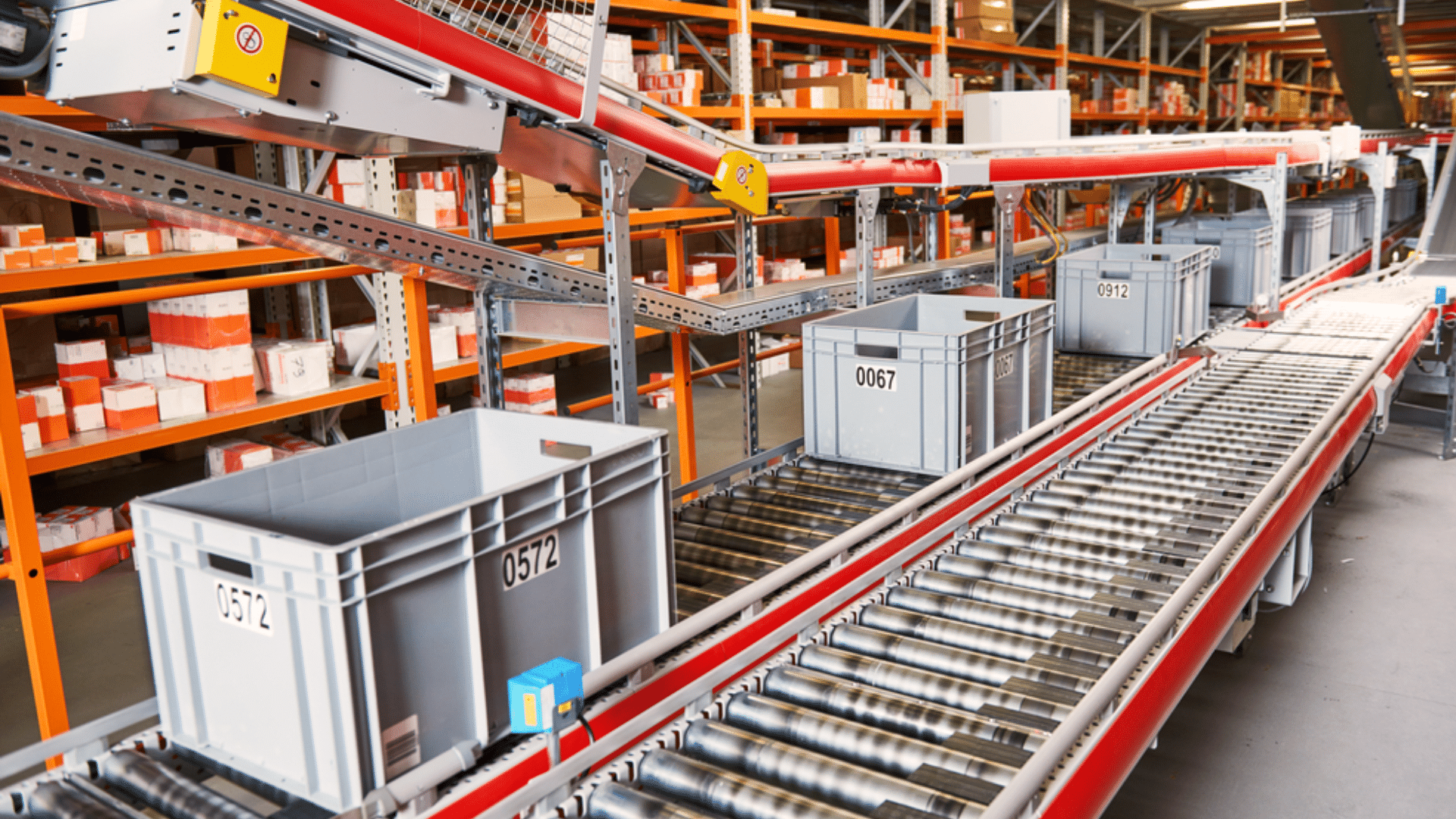





Warehouse automation is changing how businesses operate their warehouses. It uses technology to streamline tasks, reduce human error, and improve efficiency.
As demand for faster deliveries grows, automation helps businesses improve accuracy and reduce labor costs.
By integrating systems like robots, conveyor belts, and smart software, companies can speed up processes and ensure more accurate order fulfillment.
In this guide, I will share what warehouse automation is, the different types of automation systems available, and the key benefits it offers.
You’ll learn the latest automation trends and the challenges businesses face during implementation.
By the end, you’ll have a clear understanding of how automation can enhance your warehouse operations and why it’s a valuable investment for the future.
What Is Warehouse Automation?
Warehouse automation is the use of technology to improve the speed, efficiency, and accuracy of warehouse operations.
It reduces manual labor and streamlines tasks like sorting, storing, and moving products quickly and accurately.
Examples of warehouse automation include conveyor belts that transport goods, robots that pick and pack items, and software systems that manage inventory and orders.
These tools work together to reduce errors, speed up tasks, and lower labor costs.
By automating these tasks, businesses can meet growing demands, reduce human error, and increase overall productivity.
Warehouse automation not only helps improve day-to-day operations but also makes it easier to handle future growth without needing to constantly expand staff.
Key Benefits of Warehouse Automation Systems
Studies show that warehouses with automation experience up to a 30% reduction in operational costs and see up to 99.9% order accuracy.
- Reduced Labor Costs: Automation can reduce the need for manual labor, leading to significant cost savings. Businesses save on wages, training, and employee benefits.
- Improved Order Accuracy: With automation, the chance of human error is minimized, leading to more accurate order picking and fewer mistakes in fulfillment.
- Faster Processing Times: Automated systems speed up tasks like sorting and packing, leading to faster order processing and quicker delivery times.
- Scalability: As businesses grow, automated systems can easily scale up to handle larger volumes without needing significant changes or additional labor.
- Long-Term Efficiency: Over time, automation reduces errors and inefficiencies, contributing to overall improved warehouse performance and consistent output.
Different Types of Warehouse Automation Systems
Warehouse automation comes in various forms, each designed to handle specific tasks and improve warehouse efficiency. Below are the main types of automation systems.
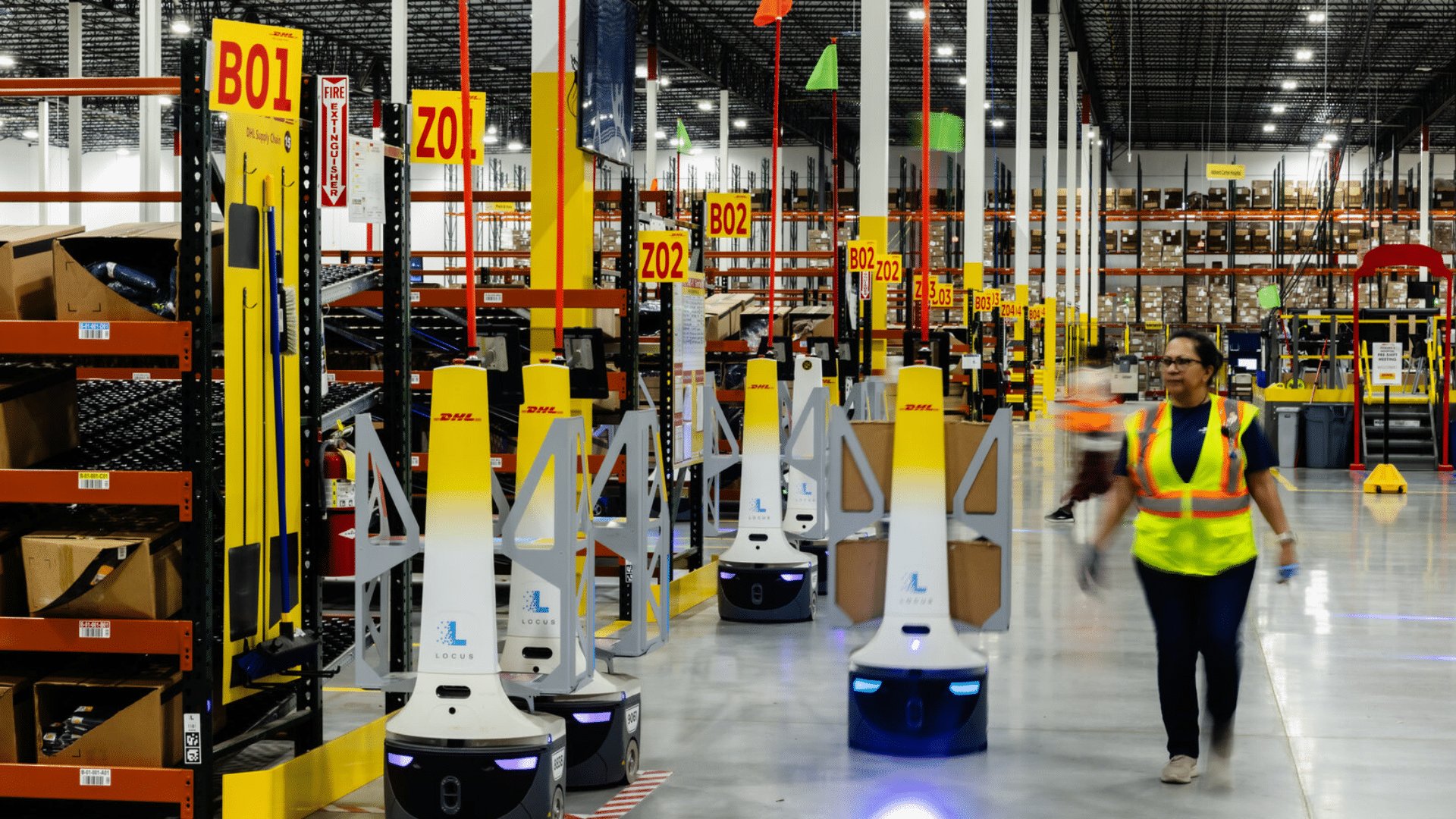
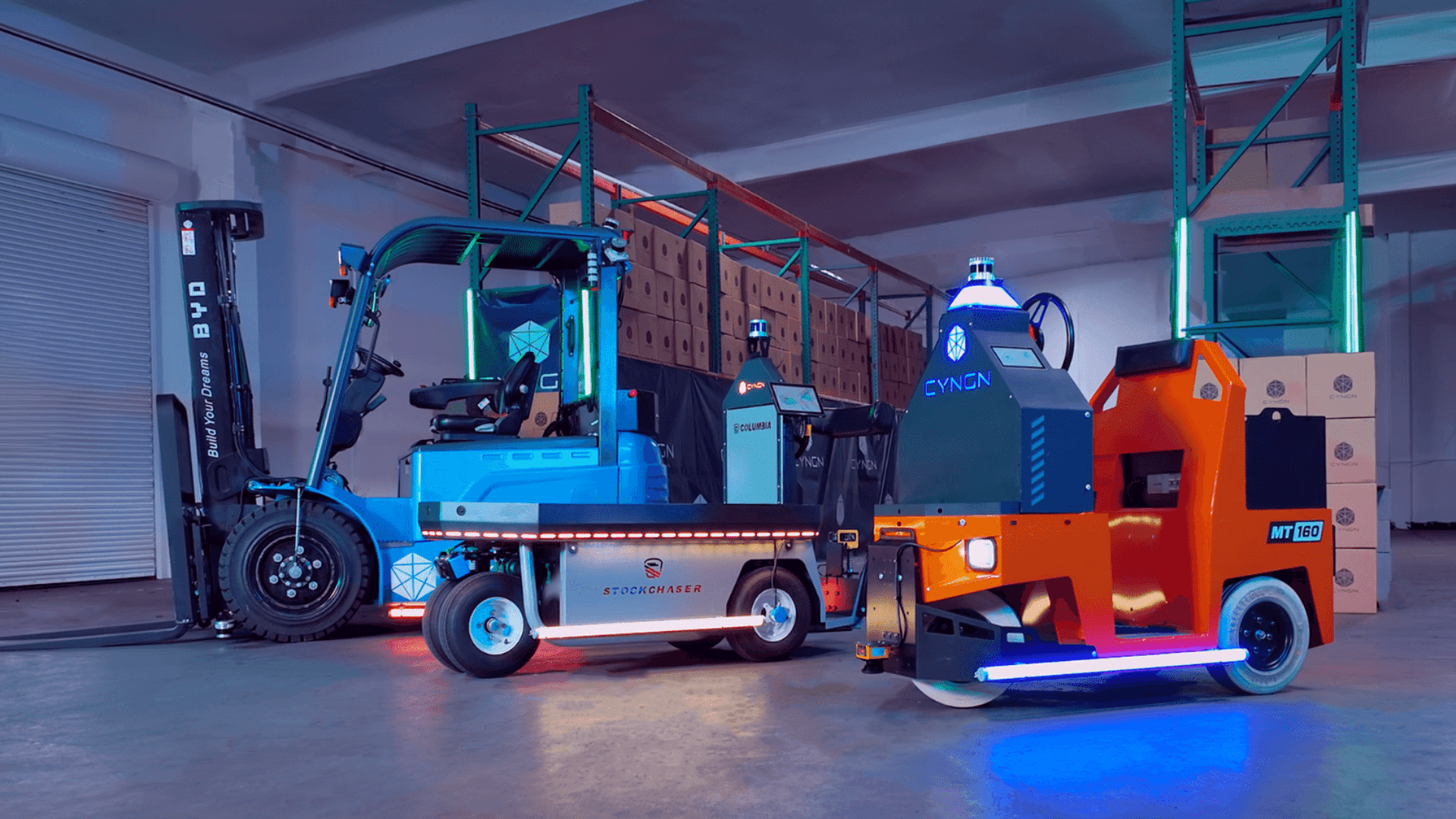
1. Automated Guided Vehicles (AGVs)
AGVs are mobile robots used to transport goods within a warehouse.
They follow pre-programmed paths or use sensors to navigate around obstacles.
These vehicles help move products from one location to another without human intervention, reducing labor costs and improving speed.
AGVs are commonly used in large warehouses and distribution centers where they can handle heavy loads and work continuously, improving workflow and reducing transportation time.
2. Conveyor Systems
Conveyor belts are one of the oldest and most reliable automation systems in warehouses.
They transport goods efficiently between different areas of a warehouse, such as from packing stations to storage or shipping zones.
Conveyor systems can be customized for various sizes and speeds, offering flexibility in different operations.
They minimize the need for manual lifting and sorting, helping speed up processes and reducing physical strain on workers.
3. Robotics and Picking Systems
Robotic picking systems use automated arms or robots to pick items from shelves or bins.
These systems are often paired with vision or scanning technology to identify and retrieve the correct items.
Robotic picking increases order accuracy and speeds up the order fulfillment process, as robots can work 24/7 without breaks.
They are particularly useful in high-volume warehouses where quick and accurate order picking is crucial.
4. Warehouse Management Systems (WMS)
A Warehouse Management System (WMS) is a software solution that helps manage and track inventory in real-time.
It organizes and optimizes warehouse operations, including stock levels, order picking, and shipping.
A WMS ensures that goods are stored in the most efficient locations, reducing search time and improving overall organization.
It also provides valuable insights into inventory trends, allowing for better decision-making and planning.
5. Automated Storage and Retrieval Systems (AS/RS)
AS/RS are used for storing and retrieving items automatically in large warehouses.
These systems typically use cranes, shuttles, or robots to move goods to and from storage locations.
They are designed to maximize space and minimize human labor, making them ideal for high-density storage environments.
AS/RS systems speed up inventory retrieval, cut operational costs, and optimize warehouse space.
How Much Does It Cost to Automate Your Warehouse?
The cost of automating a warehouse can vary widely. On average, small-scale automation systems may cost between $50,000 to $200,000 for installation, while larger, more complex systems can exceed $1 million.
The total cost depends on factors like warehouse size, system complexity, and the level of automation desired.
For example, a basic conveyor system may be less expensive than implementing robotics or Automated Guided Vehicles (AGVs).
Additionally, ongoing maintenance costs can range from 5% to 10% of the initial installation price per year.
Though the upfront investment can be high, warehouse automation often leads to long-term savings through reduced labor costs, increased efficiency, and fewer errors, offering a solid return on investment (ROI) over time.
Emerging Trends in Warehouse Automation
The warehouse automation industry is evolving rapidly with new technologies and trends that are shaping the future of operations.
- AI-Powered Robots: AI enables robots to perform tasks like item identification and placement, making them more efficient and adaptable through learning.
- Autonomous Drones: Drones handle inventory checks, surveillance, and deliveries, improving efficiency by navigating tight spaces and speeding up stock-taking.
- Smart Warehouses: Smart warehouses use sensors, AI, and real-time data to connect systems, optimize operations, and automatically adjust workflows.
- Data Analytics and IoT: Data analytics and IoT help warehouses monitor performance, track inventory, and analyze trends in real time for better decision-making.
- Robotic Process Automation (RPA): RPA automates repetitive tasks like data entry, speeding up processes, reducing errors, and freeing workers for more strategic tasks.
How to Automate Your Warehouse?
Automating your warehouse involves several key steps to ensure smooth implementation and maximum efficiency. Below is a simple guide to help you get started.
Step 1: Assess Current Warehouse Processes
Before implementing automation, evaluate your warehouse operations to identify areas that need improvement.
Look for repetitive tasks, bottlenecks, or areas where human error is common. Understanding your current processes will help you decide what type of automation is most suitable.
It’s important to analyze the flow of goods, storage capacity, and order fulfillment to ensure the right systems are chosen.
Step 2: Choose the Right Automation Systems
Select automation systems that align with your warehouse needs.
Options include conveyor belts, robotics, Automated Guided Vehicles (AGVs), and Warehouse Management Systems (WMS).
Consider factors like the size of your warehouse, the volume of goods, and your specific operational challenges.
For example, small warehouses may benefit from simple conveyor systems, while larger ones may require robotics and automated storage solutions.
Step 3: Plan for Integration and Installation
Once you’ve chosen your automation systems, plan for how they’ll be integrated into your existing setup.
This may involve reconfiguring storage areas, adjusting workflows, or updating software. It’s essential to have a clear timeline for installation and ensure minimal disruption to your daily operations.
A well-thought-out integration plan will help ensure that the new systems work seamlessly with your current warehouse structure.
Step 4: Train Your Team
Training your team is critical for successful warehouse automation. Ensure that all employees understand how the new systems work and how they impact their tasks.
Provide hands-on training to help them become familiar with the technology.
Staff should be trained not only to operate the new systems but also to troubleshoot any issues that may arise, ensuring smooth operations.
Step 5: Monitor and Optimize
After installation, continuously monitor the performance of your automated systems. Track efficiency, accuracy, and any issues that may arise.
Regular maintenance and updates are necessary to keep systems running smoothly.
Periodically assess the system’s performance to identify areas for optimization, ensuring that it continues to meet the evolving needs of your warehouse.
Which Warehouse Processes Can Be Automated?
Warehouse automation can be applied to various processes, improving efficiency and reducing manual labor. Here are key processes that can be automated:
- Inventory Management: Automation tracks stock, manages reordering, and ensures accurate, real-time inventory with fewer errors.
- Order Picking: Robotic picking systems can select items from shelves or bins based on orders. This speeds up the picking process and ensures higher accuracy compared to manual methods.
- Sorting and Packing: Automated sorting systems categorize items for shipment, while packing stations seal and label packages, reducing manual intervention.
- Shipping and Labeling: Automation streamlines shipping by labeling packages, generating documents, and preparing goods, saving time and improving accuracy.
- Returns Management: Automated systems quickly process returns by sorting and restocking items, improving efficiency.
Challenges in Implementing Warehouse Automation
Implementing warehouse automation can be challenging due to several factors. High initial costs for equipment, installation, and software are a significant barrier for many businesses.
Additionally, the technological complexities of integrating new systems with existing operations can be overwhelming.
Workforce concerns may arise, as employees fear job loss or need retraining to operate new technology.
To overcome these challenges, businesses can consider phased implementation, gradually introducing automation to reduce costs and minimize disruption.
Training employees on the new systems is essential to ensure smooth adoption.
Regulatory and safety concerns are also important, as automation systems must meet workplace safety standards and comply with industry regulations.
Addressing these concerns through proper planning and consultation can help make the transition smoother.
Conclusion
Warehouse automation offers key benefits, including improved efficiency, reduced costs, and fewer errors.
With the right systems in place, businesses can streamline their operations, improve order accuracy, and scale to meet increasing demands.
While challenges like high initial costs, technological complexities, and workforce concerns may arise, these hurdles can be tackled with careful planning, proper training, and a phased implementation approach.
The future of warehousing depends on automation, and companies adopting these technologies will have a competitive edge.
As you consider automation for your warehouse, how has it impacted your operations?
If you’re just starting out or have already implemented automated systems, I’d love to hear about your experiences. Share your thoughts in the comments below!