






Ever wonder how major companies keep their systems running smoothly while your IT team is constantly firefighting? The secret often isn’t a bigger budget; it’s data center managed services.
These are professional services where expert providers take over the daily grind of managing servers, storage, networks, security, and infrastructure, freeing your team to focus on what actually grows your business.
Think of it as having a team of certified engineers working around the clock to keep everything humming, without the overhead of hiring, training, or managing them yourself.
Even if you’re dealing with aging equipment, compliance headaches, or simply can’t afford another outage, managed services offer a smarter path forward.
This guide walks you through exactly what managed services include, how they work, the real-world benefits for businesses like yours, and how to pick a provider that actually delivers on their promises.
What Are Data Center Managed Services?
Data center managed services are when you hire an outside company to handle the day-to-day operations of your IT infrastructure.
Instead of your team monitoring servers at 3 AM or troubleshooting network issues during lunch, experienced professionals take care of everything for you.
Here’s what they manage:
- Servers: The computers that run your applications and store your data
- Storage: Where all your files, databases, and backups live
- Networking: Routers, switches, and connections that keep everything talking to each other
- Security: Firewalls, threat detection, and access controls that protect your business
- Power Management: Ensuring uninterrupted electricity with backup generators
- Cooling Systems: Keeping equipment at safe temperatures
- Physical Security: Controlling who can access your equipment
The beauty of managed services is their flexibility. They work across different setups:
- On-premise: Equipment in your own building
- Colocation: Your equipment in a shared facility
- Hybrid cloud: A mix of physical hardware and cloud services
Bottom line? Managed services give you expert support without the expense and hassle of building an entire in-house team. Your provider becomes your 24/7 IT safety net.
How Data Center Managed Services Work

Understanding how managed services actually operate helps you see why they’re so effective.
It’s not just someone occasionally checking your systems; it’s a complete, organized approach that combines people, technology, and clear agreements to keep everything running smoothly.
| Component | What It Does | Why It Matters |
|---|---|---|
| Managed Service Providers (MSPs) | Expert companies that take full responsibility for your infrastructure | You get certified professionals without hiring them full-time |
| Network Operations Centers (NOCs) | 24/7 command centers where technicians monitor all your systems in real-time | Problems get caught and fixed before they affect your business |
| DCIM Tools | Software that tracks power usage, temperature, capacity, and performance | Prevents outages and helps plan for growth |
| Service Level Agreements (SLAs) | Written guarantees for uptime, response times, and performance standards | You know exactly what to expect and have accountability |
| Remote Management | Most monitoring and fixes are done digitally from the NOC | Faster response times and lower costs |
| Continuous Monitoring | Automated systems watch everything 24/7/365 | Issues get detected instantly, often before you notice |
This combination of people, technology, and accountability creates a safety net that’s always there, watching, optimizing, and ready to act the moment something needs attention.
Key Data Center Managed Services Offered

Not all managed service providers offer the same menu of services. Understanding what’s available helps you figure out exactly what your business needs.
Here’s a breakdown of the most common services you’ll find, and what each one actually does for you.
1. Infrastructure Management
Think of this as the foundation that keeps everything else working. Infrastructure management covers the core systems your business depends on every day.
What’s included:
- Monitoring: Real-time tracking of servers, storage, and network health
- Provisioning: Setting up new equipment and systems when you need them
- Upgrades and Patching: Keeping software current and secure without disrupting your work
- Facility Oversight: Managing power, cooling, and physical access to prevent outages
This service ensures your entire technology foundation stays stable, secure, and ready to handle whatever comes next.
2. Server & Hosting Management
Your servers are the workhorses of your data center. Managed server services keep them running at peak performance without your team losing sleep.
| Service Type | What You Get |
|---|---|
| Dedicated Servers | Full management of servers reserved just for your business |
| Managed Hosting | Complete care of web servers, email servers, and applications |
| Remote Hands / Smart Hands | Technicians on-site who handle physical tasks like cable swaps, reboots, or hardware checks |
No more midnight server crashes or scrambling to find someone who can physically access your equipment. The provider handles it all.
3. Storage & Data Management
Your data is your business. Managed storage services make sure it’s organized, accessible, and protected.
Core services include:
- SAN, NAS, and Cloud Storage: Managing different types of storage systems based on your needs
- Database Monitoring and Tuning: Keeping databases fast and preventing slowdowns
- Data Lifecycle Management: Automatically moving, archiving, or deleting data based on rules you set
This means faster access to important files, better performance, and no more “we’re out of storage space” emergencies.
4. Network Management
Your network connects everything together. When it’s slow or unstable, your entire business feels it. Managed network services keep traffic flowing smoothly.
| Component Managed | Purpose |
|---|---|
| Firewalls | Block unauthorized access and threats |
| Routers & Switches | Direct traffic efficiently between systems |
| Load Balancers | Distribute workload so no single server gets overwhelmed |
| Performance Monitoring | Track speed, latency, and identify bottlenecks |
| Private Network Design | Build secure, optimized connections between locations |
With expert network management, your team experiences fewer dropped connections, faster speeds, and better security.
5. Security & Compliance Services
Cyberattacks are getting more sophisticated, and regulations are getting stricter. Managed security services protect your business on both fronts.
What’s covered:
- Threat Detection and Response: 24/7 monitoring for suspicious activity with immediate action
- Identity and Access Control: Making sure only the right people access sensitive systems
- Compliance Support: Meeting requirements for GDPR, HIPAA, PCI-DSS, and other regulations
This layer of protection means fewer breaches, less downtime, and the peace of mind that comes from knowing experts are watching your back.
6. Backup & Disaster Recovery
Hope for the best, plan for the worst. Managed backup and recovery services ensure that even if disaster strikes, your business can bounce back quickly.
| Service | Benefit |
|---|---|
| Automated Backups | Regular copies of your data without anyone having to remember |
| Business Continuity Planning | Step-by-step plans for keeping operations running during emergencies |
| Rapid Recovery & Failover | Fast restoration of systems with minimal downtime |
Whether it’s a ransomware attack, hardware failure, or natural disaster, you’ll have a clear path back to normal operations.
7. Cloud & Hybrid Infrastructure Management
Most businesses today use a mix of physical servers and cloud services. Managing both can get complicated fast; that’s where hybrid infrastructure management comes in.
Services include:
- Cloud Platform Integration: Seamless connection with AWS, Azure, Google Cloud, and others
- Private Cloud Management: Running your own cloud environment with provider support
- Hybrid Workload Orchestration: Balancing work between on-premise and cloud systems for best performance and cost
This flexibility lets you use the best tool for each job without the headache of managing multiple environments yourself.
8. Virtualization & Performance Optimization
Virtualization lets you run multiple “virtual” servers on one physical machine, saving money and space. But it needs careful management to work well.
What providers handle:
- VM Provisioning and Tuning: Creating and optimizing virtual machines for best performance
- Capacity Planning: Predicting when you’ll need more resources before you run out
- Resource Utilization Reporting: Showing exactly how your systems are being used
The result? You get more out of your existing hardware, lower costs, and better performance across the board.
These services work together like pieces of a puzzle. Most businesses don’t need every single one, but knowing what’s available helps you build the perfect support package for your specific situation.
Benefits of Data Center Managed Services for Businesses
Choosing managed services isn’t just about offloading work; it’s about transforming how your business handles technology. Here’s what actually changes when you bring in expert management.
1. Reduced IT Workload & Operational Stress

Your internal IT team stops playing firefighter and starts being strategic.
Instead of fixing server issues or security holes on nights and weekends, they can focus on projects that grow your business, like improving customer experience or launching new products.
The constant pressure of “what’s going to break next?” disappears because someone else is handling the day-to-day grind.
2. Predictable Costs & Lower Capital Expenses

Surprise expenses vanish. Instead of huge upfront costs for servers, software licenses, and hiring specialists, you pay a predictable monthly fee.
No more emergency budgets for failed hardware or scrambling to find contractors during an outage. You know exactly what you’re spending each month, making financial planning actually manageable.
Plus, you avoid the massive capital investment of building your own infrastructure.
3. Higher Uptime and Reliability

Downtime costs money, sometimes thousands of dollars per minute.
Managed service providers typically guarantee 99.9% uptime or higher because they have redundant systems, backup power, and teams monitoring everything 24/7.
When something does go wrong, they catch it fast and fix it faster. Your customers experience fewer disruptions, and your revenue keeps flowing.
4. Enterprise-Grade Security

Small and mid-sized businesses get the same level of protection that Fortune 500 companies use.
Managed providers invest millions in security tools, threat intelligence, and certified experts, resources most businesses can’t afford on their own.
You get cutting-edge firewalls, constant threat monitoring, and immediate response to attacks without building an entire security department.
5. On-Demand Scalability

Business growing faster than expected? Launching a new product? Managed services scale with you. Need more server capacity? It’s available in days, not months. Seasonal spike in traffic? Resources adjust automatically.
No more overbuying equipment “just in case” or scrambling when demand surges. You pay for what you need, when you need it.
6. Access to Certified Experts

Here’s the reality: finding and keeping talented IT professionals is expensive and competitive. With managed services, you instantly get access to teams of certified engineers, security specialists, and infrastructure experts.
They’ve seen thousands of environments and know how to solve problems quickly. It’s like having a dream team on call, without the recruitment headaches, training costs, or worries about someone leaving for a better offer.
The Real Impact
These benefits compound over time. Less stress leads to better decisions. Predictable costs enable better planning. Higher uptime builds customer trust.
Better security protects your reputation. It’s not just about managing technology better; it’s about running your entire business more effectively.
When Should Businesses Use Data Center Managed Services?
Timing matters. Recognizing when your business has outgrown its current IT approach can save you from costly disasters. Here are five clear indicators that it’s time to consider managed services.
- Lack of In-House Expertise: Your team doesn’t have specialized data center skills. Nobody confidently handles storage networks, advanced security, or complex infrastructure. Knowledge gaps create vulnerabilities that put your business at risk daily.
- Frequent Outages or Performance Issues: Systems crash regularly, slowdowns frustrate users, and “the server’s down again” becomes a common phrase. Constant problems indicate your current setup isn’t working and needs professional intervention.
- Compliance Pressure: Regulations like HIPAA, PCI-DSS, or GDPR require specific configurations and constant documentation. Your team lacks the bandwidth or expertise to meet these strict standards while handling daily operations.
- Growth Requiring Fast Scalability: Business is expanding rapidly, and new clients, markets, or products demand more capacity immediately. Building infrastructure in-house takes months, but managed services scale in days to match your growth.
- Legacy Infrastructure Modernization: Aging servers, maxed-out storage, and outdated equipment need replacing. The thought of migrating live systems without breaking anything feels overwhelming, but providers specialize in seamless modernizations.
If any of these scenarios sound familiar, managed services can transform these challenges into competitive advantages, delivering the expertise, stability, and scalability your business needs to thrive.
Data Center Managed Services vs Cloud-Based Services
Many businesses wonder whether they should stick with traditional managed data center services or jump fully into the cloud.
The truth? They’re fundamentally different approaches with distinct advantages. Understanding these differences helps you choose the right fit, or realize that combining both might be your best move.
| Aspect | Data Center Managed Services | Cloud-Based Services |
|---|---|---|
| Infrastructure | Physical servers and equipment in specific locations, you can visit | Virtualized resources accessed over the internet from provider’s shared infrastructure |
| Cost Model | Predictable monthly fees for dedicated resources and guaranteed service levels | Pay-per-use pricing that changes based on actual consumption and usage |
| Scalability | Days to weeks for major capacity increases needing physical equipment | Instant to hours for scaling resources up or down automatically |
| Control | High control over hardware, configurations, and physical security access | Limited hardware control; customization happens at software level only |
| Security | You know exactly where data lives; easier for strict compliance | Shared responsibility; data spread across locations for redundancy and availability |
| Best For | Predictable workloads, compliance-heavy industries, dedicated resources, legacy systems | Variable workloads, rapid scaling, development environments, startups, distributed apps |
Hybrid Models
Most businesses don’t choose one or the other; they use both.
A hybrid approach keeps sensitive data and critical applications in managed data centers for security and compliance, while using cloud services for backup, development environments, or handling traffic spikes.
This combination delivers the reliability and control of physical infrastructure with the flexibility and scalability of the cloud.
Your managed service provider can orchestrate both environments, ensuring they work together seamlessly while you get the best of both worlds.
Top Data Center Managed Service Providers
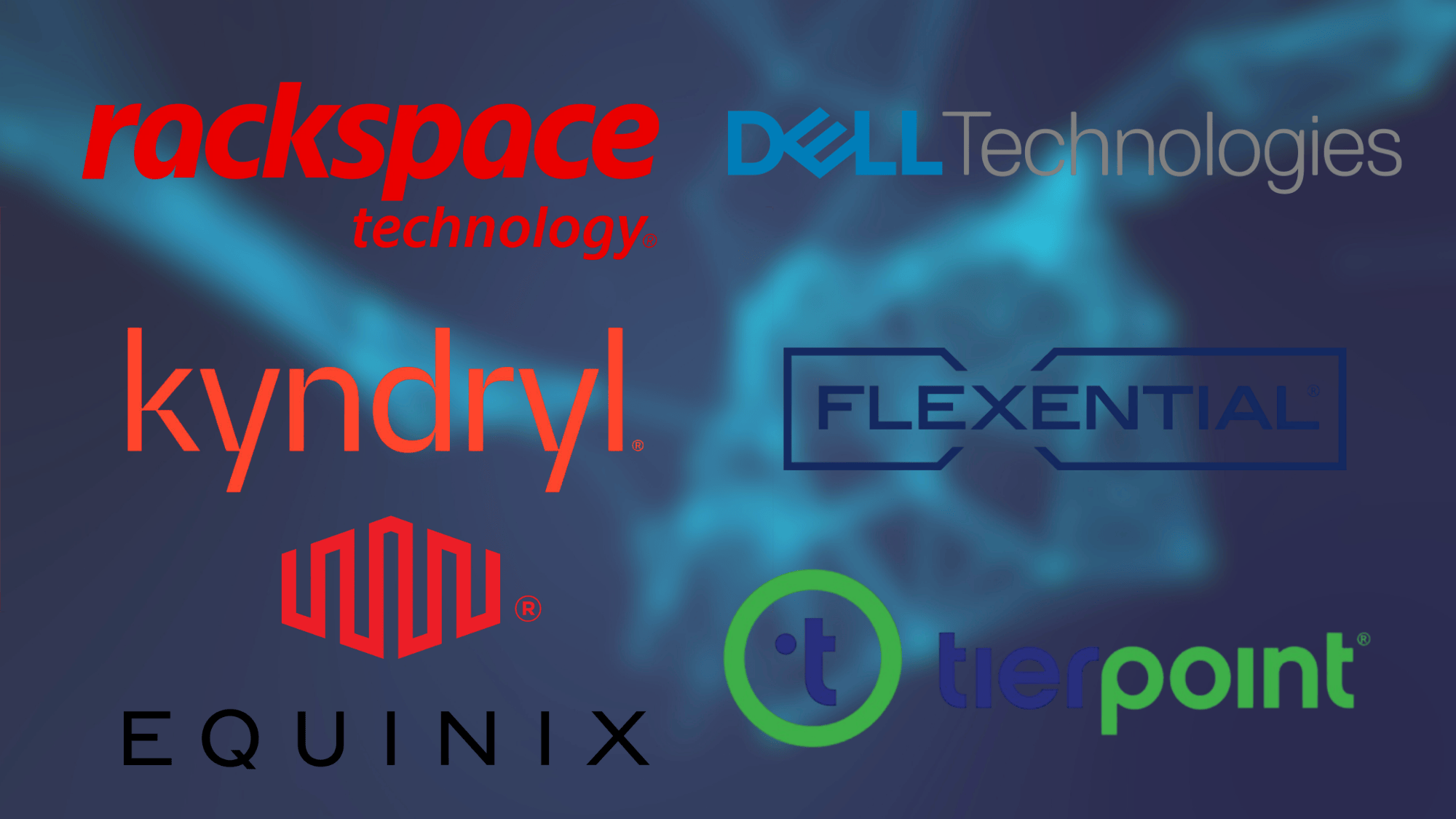
These leading data center managed service providers offer expertise, diverse service models, and reliability, helping organizations evaluate options based on scale, compliance, and operational needs.
- Rackspace Technology: Delivers end-to-end managed data center and multicloud services, focusing on operations, security, and infrastructure optimization.
- Dell Technologies: Provides managed data center services integrated with hardware, software, and lifecycle support for IT environments.
- Kyndryl: Specializes in large-scale managed infrastructure services, supporting mission-critical data center operations across global enterprise environments.
- Flexential: Offers managed infrastructure and data center services with a focus on hybrid IT, resilience, and simplicity.
- TierPoint: Delivers managed data center and IT services emphasizing compliance, disaster recovery, monitoring, and regional support.
- Equinix: Primarily a colocation provider, offering managed services in select regions, focused on infrastructure management support.
Rather than endorsing a single vendor, businesses should assess service scope, SLAs, security posture, scalability, and industry alignment before selecting a data center services partner.
Cloud Managed Data Center Services Explained
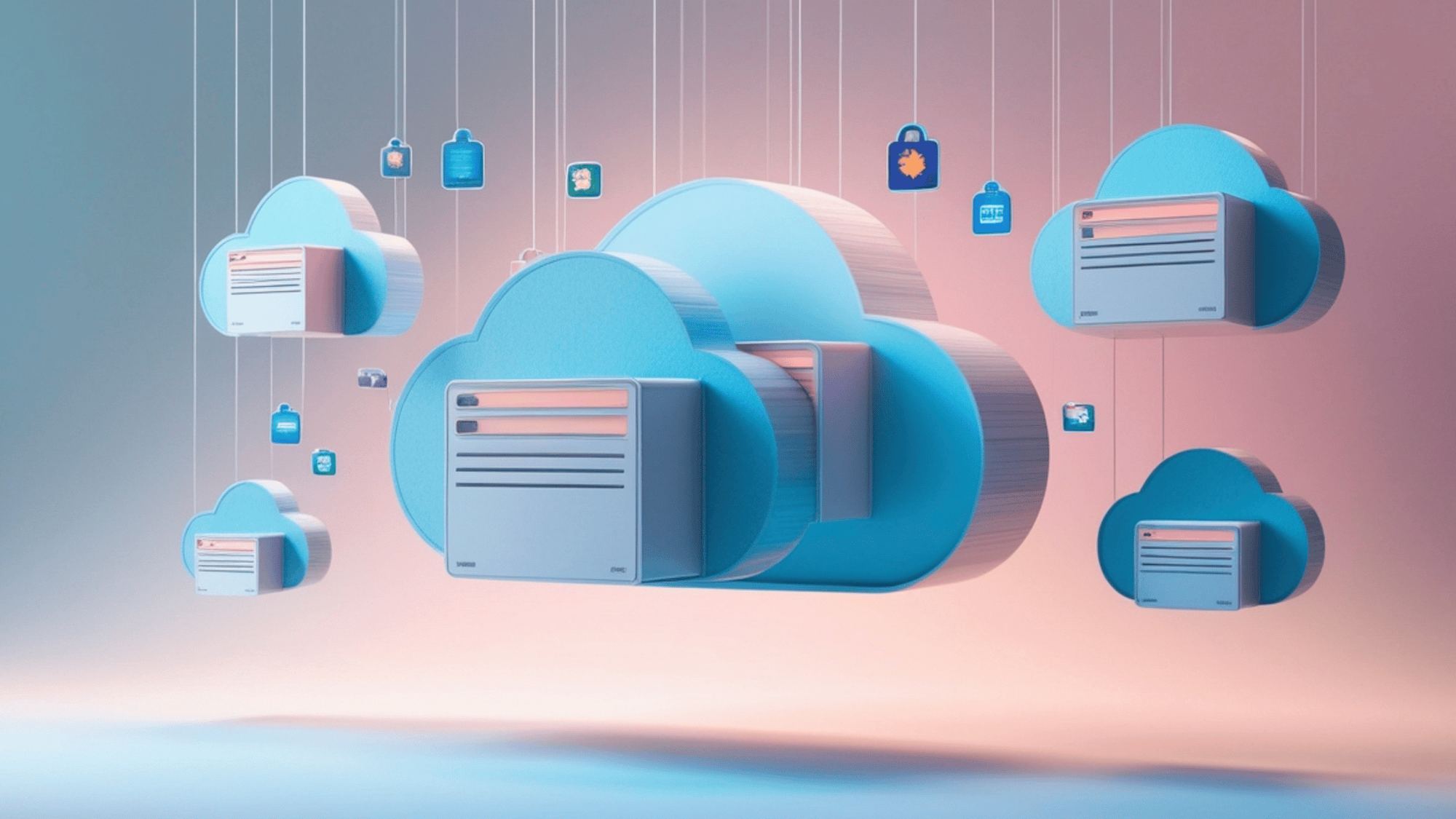
There’s a newer option that sits right between traditional managed services and pure cloud, it’s called Cloud Managed Data Center Services (CMDCS). Think of it as getting the best features from both worlds in one package.
Cloud Managed Data Center Services combine physical data center infrastructure with cloud management tools and approaches.
Instead of managing servers the old-fashioned way with technicians physically checking equipment, providers use cloud-based software platforms to monitor, control, and optimize your physical infrastructure remotely.
You still have dedicated hardware in a specific location, but it’s managed with the same automated, flexible tools used in cloud environments.
How They Differ from Traditional Managed Services
Traditional managed services rely heavily on manual processes, technicians logging into servers, checking systems individually, and making changes one at a time. CMDCS flips this approach.
Everything gets managed through centralized cloud platforms that automate routine tasks, provide real-time analytics, and enable faster changes across your entire infrastructure at once.
The result? Quicker response times, better visibility into performance, and more efficient operations without sacrificing the control and security of physical infrastructure.
Major Cloud Platforms Involved
The big three cloud providers all offer CMDCS solutions that integrate with their ecosystems:
- AWS Outposts – Brings AWS infrastructure and services into your data center
- Azure Stack – Extends Microsoft Azure capabilities to your on-premise environment
- Google Anthos – Manages workloads across your data center and Google Cloud seamlessly
These platforms let you run cloud services on your own equipment while maintaining consistent management, security policies, and tools across both environments.
Ideal Use Cases
CMDCS makes the most sense when your business needs:
- Data Residency Requirements: Regulations demand that data stay in specific locations, but you want cloud-style management flexibility and tools for easier operations.
- Low-Latency Applications: Gaming platforms, financial trading systems, or IoT applications that can’t tolerate the delay of reaching distant cloud servers need local processing power.
- Hybrid Cloud Strategy: Running some workloads locally and others in the public cloud, needing seamless integration and consistent management across both without juggling different tools.
- Cloud Migration Planning: Testing cloud technologies on your existing infrastructure before committing to a full migration reduces risk and helps staff learn gradually.
- Cost Optimization: Keeping predictable workloads on owned equipment while bursting to cloud only when needed controls expenses better than all-cloud approaches for certain usage patterns.
CMDCS bridges the gap between “we need physical infrastructure” and “we want cloud benefits.” If your business is caught between these two needs, this hybrid approach might be exactly what you’re looking for.
How to Choose the Right Data Center Managed Services
Not all managed service providers deliver the same quality or value. Choosing the wrong one can cost you more than money; it can cost uptime, security, and peace of mind. Here’s what to evaluate before signing any contract.
| Evaluation Criteria | What to Look For | Why It Matters |
|---|---|---|
| SLAs and Uptime Guarantees | Minimum 99.9% uptime with financial penalties for failures | Concrete guarantees with consequences ensure accountability |
| Security Certifications | ISO 27001, SOC 2, PCI-DSS, HIPAA compliance | Proves they’ve passed audits and follow strict standards |
| Scalability Options | Quick capacity increases without long commitments | Provider adapts as your business grows or changes |
| Industry Experience | Track record in your sector with relevant compliance knowledge | Understands your unique requirements, fewer surprises |
| Support Availability | 24/7/365 access with defined response times | Help is always available when problems arise |
| Transparency in Pricing | Detailed costs, no hidden fees, clear charge triggers | Accurate budgeting and planning without surprise bills |
The right provider doesn’t just check boxes; they become a true partner in your success, understanding your business goals and proactively helping you achieve them with reliable infrastructure and responsive support.
Final Thoughts
Here’s the reality: managing data center infrastructure isn’t getting easier; it’s getting more complex, more demanding, and more critical to business success.
The question isn’t whether managed services can help, but whether your current approach is truly sustainable.
If your IT team is overwhelmed, outages are hurting revenue, compliance feels impossible, or growth is outpacing your infrastructure, managed services offer a proven path forward.
The best part? You don’t have to figure this out alone. Most providers offer free assessments to evaluate your current setup and recommend solutions tailored to your specific needs.
Ready to find your options? Research providers that specialize in your industry, compare their SLAs and certifications, and schedule consultations. Your future self and your IT team will thank you.