

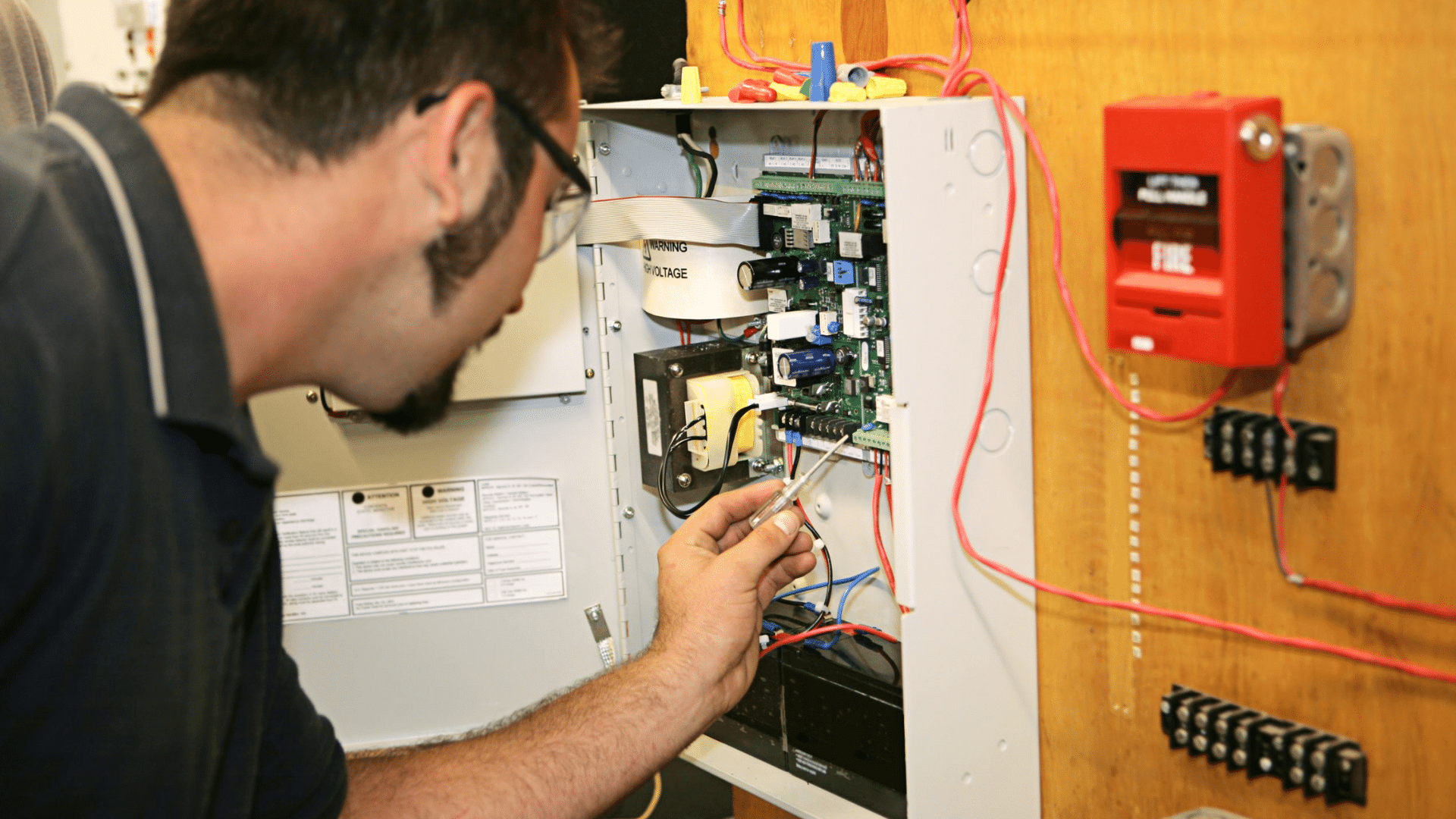





Fire alarms are easy to forget about until something goes wrong. That is why regular fire alarm maintenance matters so much.
It keeps the system ready to alert people fast and helps lower the risk of injury, damage, or worse.
A working alarm can buy time when every second counts. In this guide, I have shared what maintaining a fire alarm system really means in plain terms.
You will learn why upkeep is needed, how systems work, what basic care looks like, and when it makes sense to call a professional.
I also share the costs and some simple tips to avoid common problems. If safety and peace of mind matter to you, this guide will help you stay prepared and informed at all times.
What Is Fire Alarm Maintenance?
Fire alarm maintenance means taking care of a fire alarm system so it works when it is needed.
It involves regular checks to make sure all parts respond properly and routine testing to confirm the alarm sounds and signals work as expected.
Maintenance also includes cleaning detectors, checking batteries or power sources, and looking for worn or damaged parts. These steps help spot small issues before they turn into bigger problems.
Basic upkeep may involve resetting the system after tests, keeping records, and making sure nothing blocks the sensors.
Fire alarm maintenance does not have to be complex, but it does need to be done on a set schedule.
When systems get proper care, they stay reliable and alert people quickly during an emergency. This simple process plays a key role in keeping homes and buildings safe.
Why Fire Alarm Maintenance Is Important?
Regular upkeep supports system reliability and keeps fire alarms ready to respond when needed. It also helps meet safety standards and avoids problems that can grow over time.
- Prevents False Alarms: Regular checks help catch dust buildup, wiring issues, or weak batteries that can trigger alarms for no reason.
- Reduces System Failure Risk: Routine testing helps find faulty parts early, lowering the chance that the system fails during an emergency.
- Improves Overall Safety: A well-maintained system alerts people faster, giving them more time to react and move to safety.
- Supports Legal Compliance: Many buildings must meet fire safety codes, and proper maintenance helps avoid violations or penalties.
- Lowers Long-Term Costs: Fixing small issues early costs less than major repairs or full system replacement later.
Fire Alarm Maintenance Tips to Avoid Problems
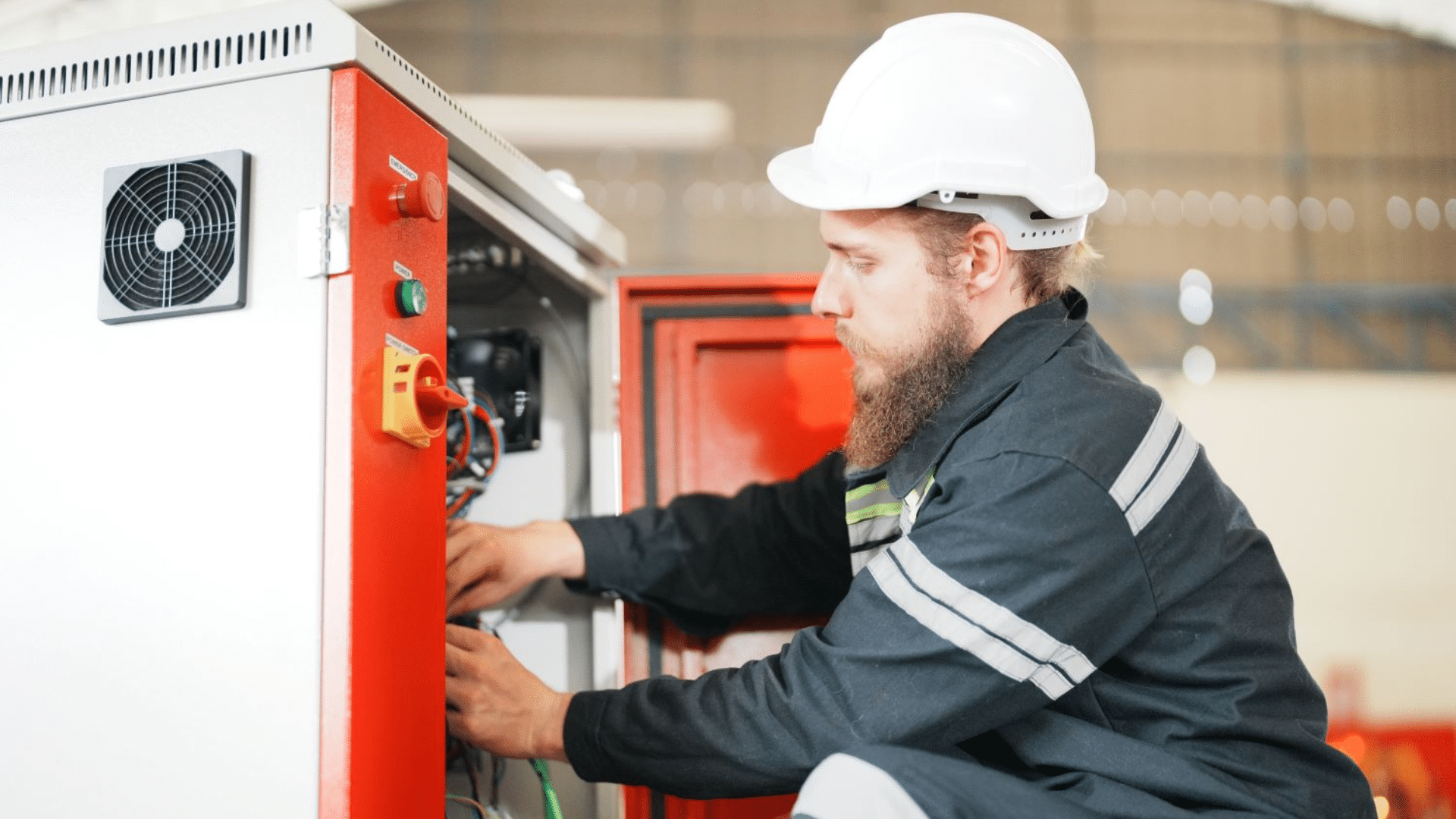
Simple habits and regular attention can prevent most fire alarm issues before they start. These tips focus on easy steps that help keep the system reliable and ready.
1. Test the Fire Alarm System on a Schedule
Testing your fire alarm system on a regular schedule helps confirm everything works as it should.
During testing, alarms should sound clearly, signals should reach the control panel, and alerts should activate without delay.
Regular tests help catch weak batteries, faulty wiring, or failed components early. This reduces the risk of surprises during an emergency. Set reminders so testing does not get skipped.
Even basic testing makes a big difference in keeping the system dependable and helps avoid last-minute repairs.
2. Keep Smoke Detectors and Sensors Clean
Dust, dirt, and debris can interfere with how detectors sense smoke or heat. Cleaning detectors helps prevent false alarms and improves accuracy.
Use a soft brush or vacuum to gently remove buildup from vents and covers.
Avoid using water or harsh cleaners, as they can damage parts. Clean sensors on a regular schedule, especially in dusty areas.
This simple step helps the system respond correctly and lowers the chance of alarms going off without a real fire.
3. Check Batteries and Power Sources Often
Fire alarm systems rely on steady power to work at all times. Check batteries often and replace them as soon as they show signs of weakness.
For hardwired systems, make sure backup batteries are in good shape. Power issues are a common reason alarms fail or send alerts late.
Listen for chirping sounds, which often signal low battery levels.
Keeping power sources reliable helps the system stay active during outages and ensures alarms respond quickly when needed.
4. Watch for Warning Lights and Error Messages
Control panels and alarms often show warning lights or messages when something is wrong. Do not ignore these signs.
They can point to sensor faults, wiring issues, or communication problems.
Check the system manual to understand what each signal means. Addressing warnings early prevents larger failures later. A quick response can save time and money.
Staying alert to these signs helps keep the system working as expected and reduces the risk of missing a real emergency.
5. Keep Clear Maintenance Records
Record every test, inspection, and repair done on the fire alarm system.
Good records help track patterns and show when parts may need replacement. They also help during safety checks or inspections. Write down dates, findings, and actions taken.
Clear records make it easier to plan future maintenance and avoid missed tasks.
This habit supports system reliability and helps prove that proper care is being done over time.
6. Inspect Devices for Physical Damage
Fire alarm devices can get damaged over time due to wear, impact, or building changes. Check alarms, pull stations, and control panels for cracks, loose covers, or exposed wires.
Even small damage can affect how the system works. Make sure devices are firmly mounted and not blocked by furniture or storage items.
Spotting physical issues early helps prevent system failure.
Regular visual checks are simple but important and help ensure every part of the system stays in working condition.
7. Make Sure Nothing Blocks Sensors or Alarms
Smoke detectors and alarms need clear space to sense smoke and sound alerts properly.
Check that vents, lights, decorations, or shelves are not blocking them.
Blocked sensors may react slowly or not at all during a fire. Alarms that are covered or obstructed may not be heard clearly.
Walk through the space and look at each device from different angles. Keeping sensors and alarms clear helps the system respond faster and improves overall safety.
8. Follow the Manufacturer’s Maintenance Guidelines
Each fire alarm system comes with instructions from the manufacturer for proper care. These guidelines explain how often to test, clean, and replace parts.
Skipping these steps can lead to performance issues or void warranties.
Keep the manual accessible and follow the recommended schedule. Manufacturer guidance is designed for that specific system, so it helps ensure correct upkeep.
Sticking to these instructions reduces errors and helps the system work as intended over time.
Fire Alarm Maintenance Costs
Fire alarm maintenance costs can vary based on a few clear factors. Smaller systems in homes usually cost less, while large systems in commercial buildings cost more.
One key factor is system size, since more devices take longer to inspect and test.
Building type also affects pricing because offices, schools, and warehouses often follow stricter safety rules. Another factor is service frequency.
Systems checked more often may have higher yearly costs, but they help prevent costly repairs later.
Basic maintenance usually covers testing, inspections, and minor adjustments. Extra repairs or part replacements can raise the total cost.
Regular maintenance helps control expenses by catching small issues early.
Paying for routine care is often cheaper than fixing major failures or replacing a full system later.
How Fire Alarm Systems Work?
Fire alarm systems use connected parts to detect danger and alert people quickly. Each component plays a clear role in sensing fire and triggering warnings.
1. Detection Devices Sense Smoke or Heat
Fire alarm systems start with detection devices like smoke detectors, heat detectors, or manual pull stations. Smoke detectors sense particles in the air, while heat detectors react to rising temperatures.
When these devices notice signs of fire, they send a signal to the control panel.
Proper placement and maintenance help detectors respond faster.
These devices work nonstop, even when no one is around, making them the first and most important step in fire detection.
2. Control Panel Processes the Signal
The control panel is the system’s main hub. When it receives a signal from a detector, it decides what action to take.
The panel checks if the signal meets alarm conditions and then activates alerts. It also shows warning lights or messages to identify the problem area.
Control panels store system data and help technicians troubleshoot issues.
A working control panel ensures alarms trigger correctly and information is shared clearly during an emergency.
3. Alarms and Alerts Notify Occupants
Once the control panel confirms a fire signal, it activates alarms and alert devices. These include sirens, bells, flashing lights, or voice messages.
The goal is to warn people fast so they can respond and exit safely.
In some systems, alerts are also sent to monitoring centers or emergency services.
Clear and loud alerts are critical, especially in large buildings. When all parts work together, the system provides quick and reliable warnings.
When to Call a Fire Alarm Technician?
You should call a fire alarm technician when the system shows signs that it cannot be fixed with basic care.
Failed tests are a clear reason, especially if alarms do not sound or signals do not reach the control panel.
Ongoing error messages or warning lights also need expert attention. If the system needs repairs or upgrades, a licensed technician can handle wiring, parts, and software safely.
Professional help is also needed for compliance inspections, which are often required for commercial buildings.
Technicians make sure the system meets current safety codes. Call for help if alarms trigger often without cause or stop responding.
Bringing in a professional at the right time helps prevent system failure, supports safety rules, and keeps the fire alarm system reliable and ready.
Conclusion
Regular fire alarm maintenance plays a key role in keeping people safe and systems ready when it matters most.
A well-maintained system reduces false alarms, lowers the risk of failure, and helps meet safety rules without last-minute stress.
Small steps like testing, cleaning, and keeping records make a real difference over time.
When issues show up, acting early helps avoid bigger repairs and higher costs. Sticking to a simple maintenance plan keeps your fire alarm system reliable and gives you peace of mind.
It also helps protect your home, workplace, and everyone inside. If you already maintain a fire alarm system, your experience could help others.
Share what has worked for you, lessons learned, or questions you still have in the comments below.
Your input may help someone stay safer and better prepared.