




Ever had a smart device feel “too slow” at the exact moment it needed to be fast? That’s where edge computing in IoT starts to sound like a game-changer.
Instead of treating every device like a simple data sender, edge setups bring brainpower closer to where things happen, so systems can react quickly and stay steady even when connections aren’t perfect.
This blog breaks it all down in simple terms. It explains what edge computing means inside the IoT world, how IoT edge computing works, and why it’s different from cloud-only setups.
We will also walk you through the biggest benefits, the main parts (like edge devices and gateways), real-life ways teams use it, and how AI can fit into the picture.
What is Edge Computing in IoT?
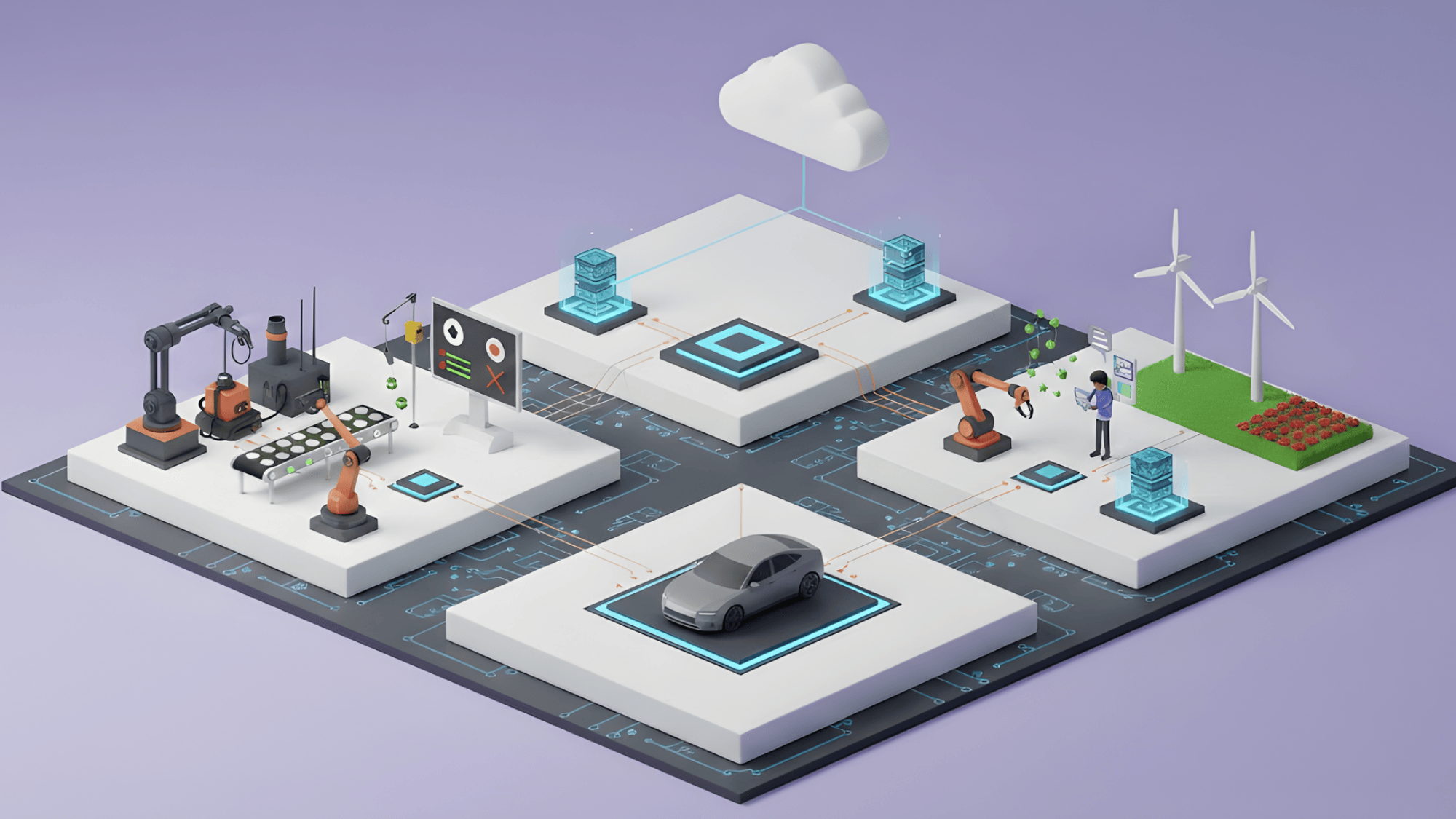
Edge computing in IoT means handling data near its source rather than sending everything to a distant cloud server. Smart devices like sensors, cameras, or machines can process important information nearby and act on it right away.
Unlike cloud computing, which sends data to a central data center for processing, edge computing keeps most of the work near the device itself. This helps systems respond faster and depend less on constant internet access.
This approach matters because the number of IoT devices continues to grow rapidly. When billions of devices send data at the same time, networks can slow down, and costs can rise.
Processing data at the edge helps avoid these problems.
For example, a sensor collects data, an edge device quickly analyzes it, and only useful information is sent to the cloud for storage or deeper analysis.
Why Edge Computing Is Essential for Modern IoT Systems
Edge computing isn’t just a “nice to have” anymore. It’s what makes many IoT systems feel fast, reliable, and safe in the real world, especially when devices are busy, networks are weak, or decisions need to happen right now.
Here’s what IoT edge computing brings to the table:
- Less Waiting (Low Latency): When data is processed near the device, actions can occur almost instantly. That’s a big deal for things like safety alerts, machine controls, or anything that can’t afford delays.
- Less Data Sent Over the Network (Lower Bandwidth): Instead of pushing huge amounts of raw data to the cloud, edge devices can filter it first. Only the useful parts get sent, which keeps networks from getting overloaded.
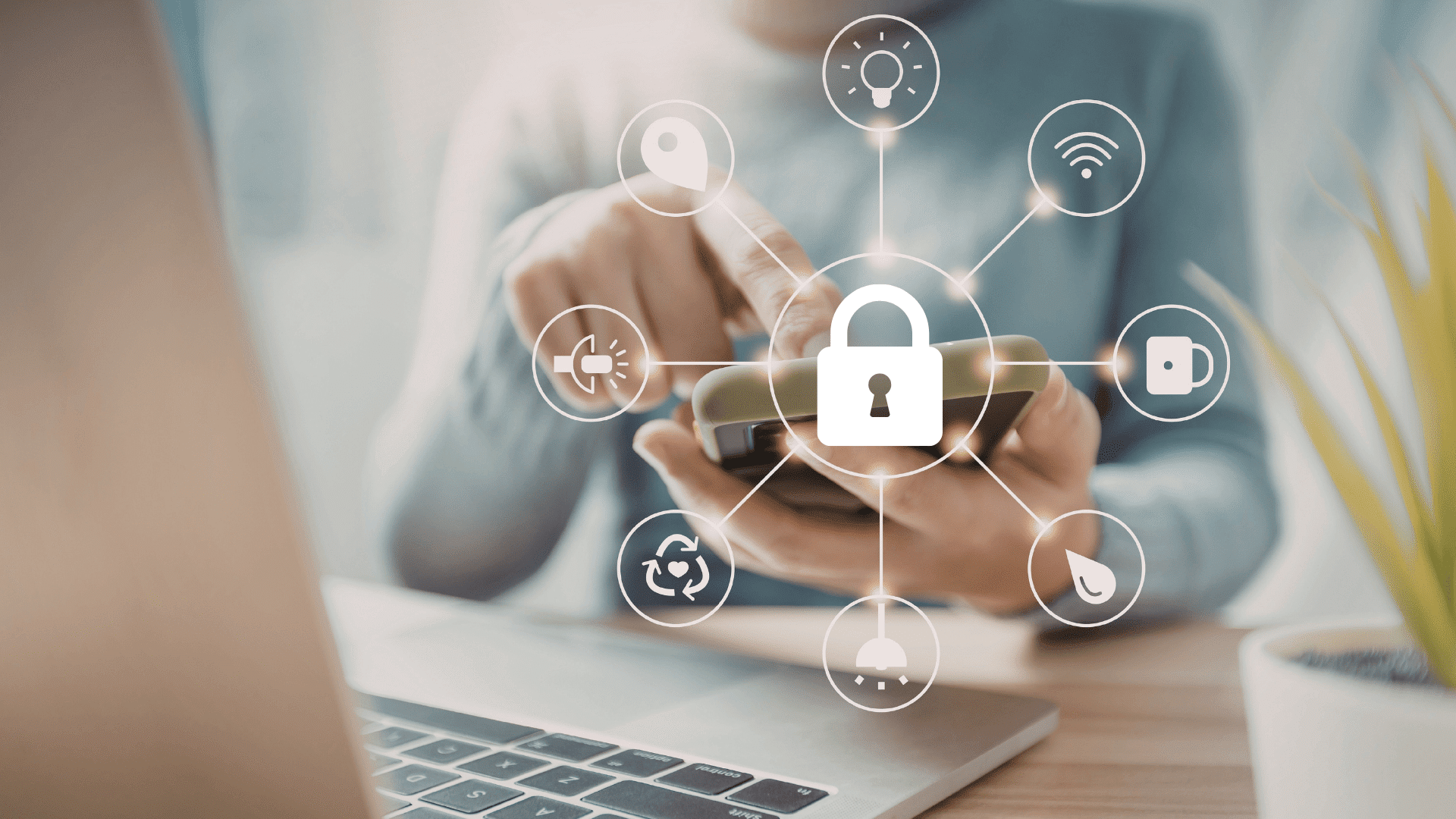
- Better Privacy and Security: Sensitive data can stay closer to where it was created. That means fewer transfers, fewer “hands” on the data, and less exposure while moving across networks.
- Keeps Working During Outages: If the internet drops or becomes unstable, edge systems can often continue to run locally. That helps avoid shutdowns, missed alerts, or gaps in monitoring.
- Faster Insights and Automation: Edge computing can spot patterns, detect issues, and trigger actions in real the. Instead of waiting for cloud processing, the system can respond immediately, then send a summary later for reporting or deeper analysis.
Fortune Business Insights reported that in 2025, the edge computing market was worth about USD 18.64 billion worldwide.
It’s forecast to climb to roughly USD 25.63 billion in 2026 and reach around USD 267.42 billion by 2034, growing at an estimated 34.1% per year during the forecast period.
How Edge Computing in IoT Works
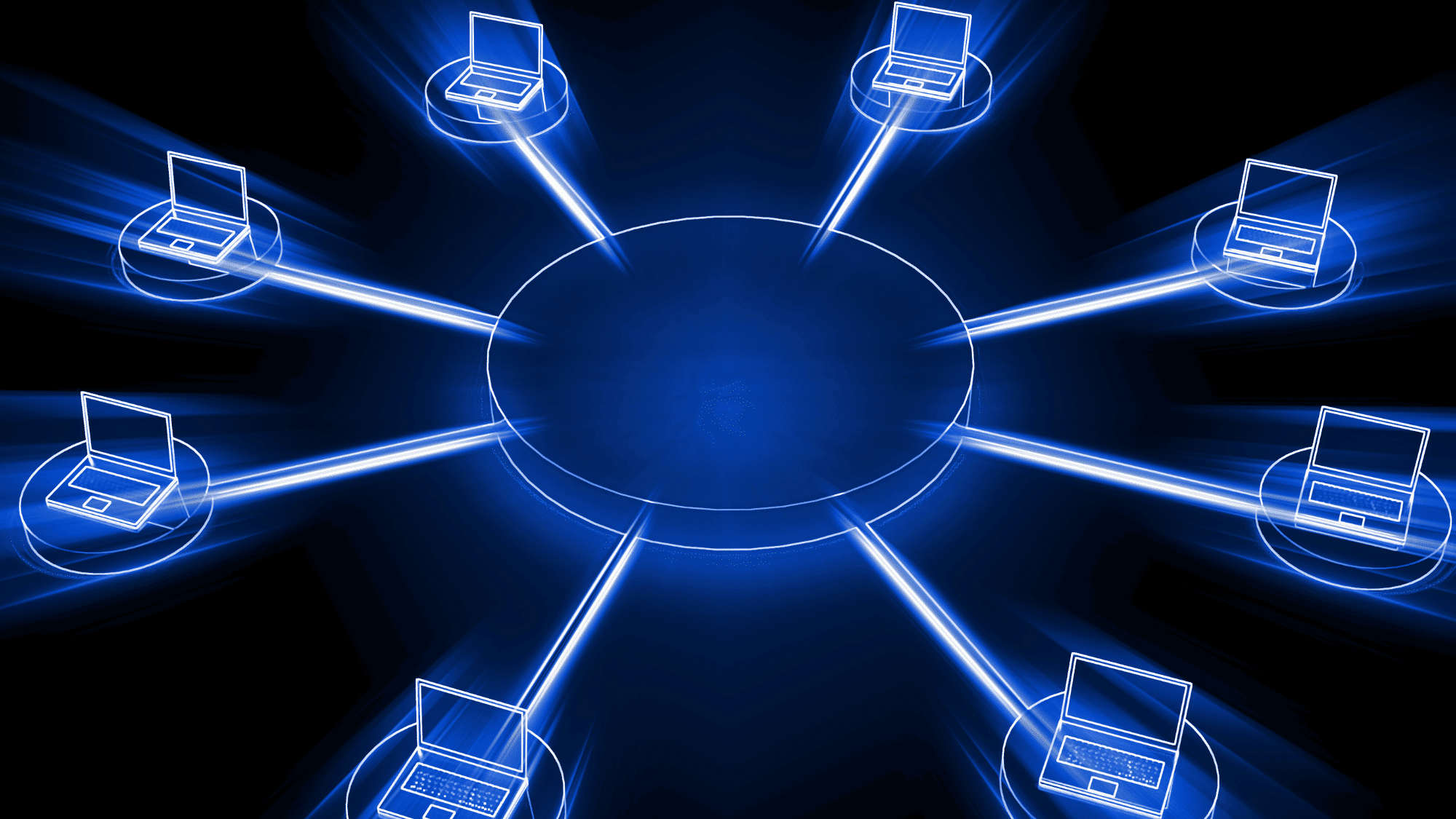
Here’s a simple step-by-step look at the process, from sensors capturing signals to nearby devices reacting instantly, and finally sending only what matters for bigger insights.
1. Data Collection Through IoT Sensors
The process begins with IoT sensors placed on devices, machines, or in environments where data is needed. These sensors constantly capture real-world information such as temperature, motion, sound, pressure, or location.
The data is created in real time as things happen, not after the fact. At this stage, the focus is only on gathering accurate data and passing it quickly to the next layer without delay or heavy processing.
2. Local Processing on Edge Devices or Gateways
After data is collected, it is sent to a nearby edge device or gateway. This is where edge computing really starts to matter. The edge device has enough computing power to analyze data right where it is generated.
Instead of waiting for cloud servers, the system can understand what the data means almost instantly, helping devices respond faster and operate more smoothly.
3. Data Filtering and Optimization
Not every piece of data needs to be saved or shared. Edge computing helps clean things up early. The edge device filters out repeated, normal, or low-value data and focuses only on what’s important.
This step reduces unnecessary data traffic and keeps systems efficient. By sending only useful information forward, networks stay lighter, and processing stays focused.
4. Automated, Real-Time Actions
Once data is processed and filtered, the system can take action immediately. These actions are based on set rules, thresholds, or trained logic.
Machines can shut down before overheating, alerts can be sent when something looks wrong, or systems can adjust automatically.
Because decisions happen locally, responses are fast and reliable, even when internet connections are weak.
5. Selective Cloud Integration for Storage and Analytics
After local actions are handled, important data is sent to the cloud. This data is usually summarized or event-based rather than raw. The cloud is used for long-term storage, trend analysis, reports, and deeper insights.
A simple way to picture it is this: the edge handles what needs to happen now, while the cloud helps understand what happened over time.
IoT Devices vs Edge Devices: What’s the Difference?
These terms get thrown around interchangeably, and honestly? Sometimes they do mean the same thing. But there’s actually a useful distinction here that’ll help you understand what you’re dealing with.
What is an IoT device?
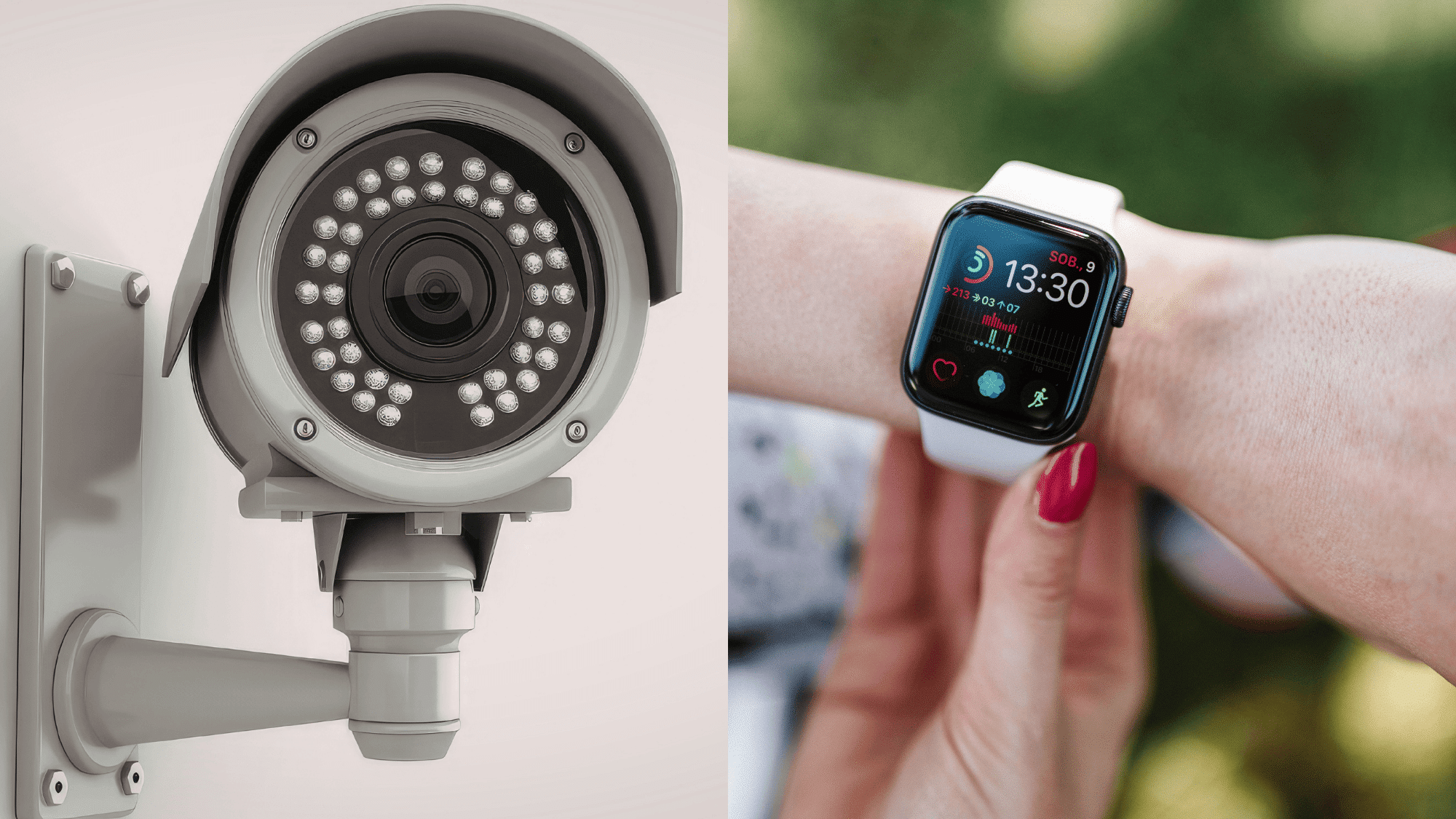
Think of an IoT device as anything that connects to the internet and does something useful. That’s basically it. Your smart doorbell? IoT device.
That fitness tracker on your wrist? IoT device. The sensor monitors soil moisture on a farm? You guessed it, IoT device.
The key trait here is connectivity. These devices are designed to collect data, send it somewhere (usually the cloud), and maybe receive commands back. They’re the “things” in the Internet of Things.
Most IoT devices are pretty straightforward: they sense something, send the data to the cloud, and the cloud does the heavy lifting.
Your smart thermostat measures the temperature, sends it to Nest’s servers, and those servers figure out when to turn on your heat. The device itself isn’t doing much processing; it’s more like a messenger.
Examples of IoT Devices
These devices mainly collect data and send it to the cloud for processing.
- Smart Thermostat: Measures room temperature and sends data to cloud servers that decide heating or cooling actions.
- Smart Doorbell or Security Camera: Captures video or motion data and uploads it for storage and alerts.
- Fitness Tracker or Smartwatch: Tracks steps, heart rate, or sleep and syncs data to an app in the cloud.
- Environmental Sensors: Soil moisture, humidity, or air-quality sensors used in farming or weather monitoring.
- Smart Light Bulbs: Receive commands from cloud-based apps to turn on, off, or change brightness.
What is an Edge Device?
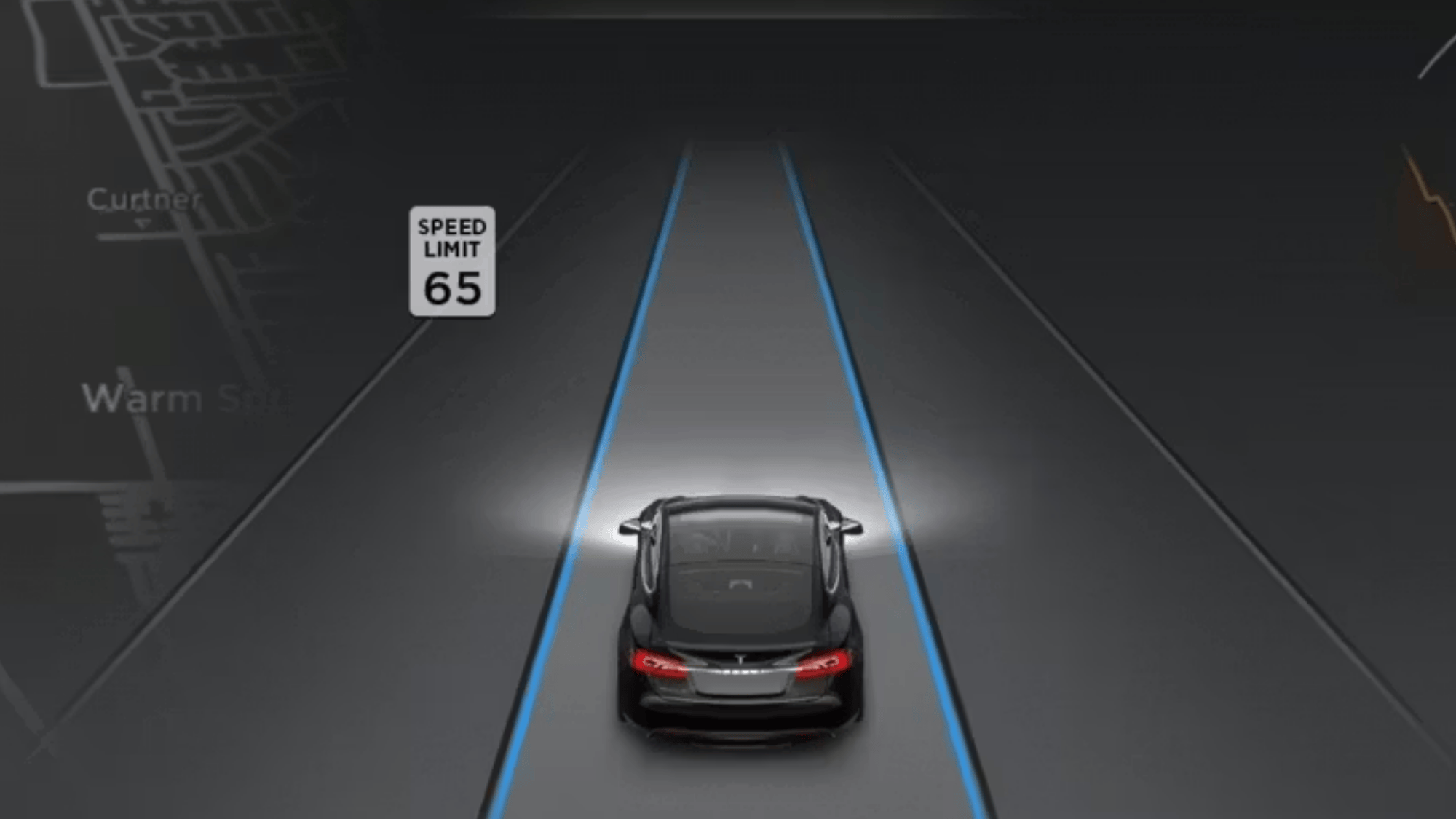
Now, edge devices are where things get interesting. An edge device is all about where the processing happens.
Instead of sending every bit of data to the cloud and waiting for instructions, edge devices do the thinking right there, locally, at the “edge” of the network.
Why does this matter? Three big reasons:
- Speed: Processing locally means no round-trip to the cloud. That’s crucial when you need instant decisions, like an autonomous vehicle detecting a pedestrian.
- Bandwidth: Not everything needs to go to the cloud. A security camera that only uploads footage when it detects motion? That’s edge computing saving you massive amounts of bandwidth.
- Reliability: What happens when your internet goes down? Edge devices keep working because they’re not dependent on cloud connectivity.
Examples of Edge Devices
These devices process data locally and act without waiting for the cloud.
- Industrial Controllers (PLCs): Analyze machine data in factories and take instant action to stop or adjust equipment.
- Autonomous Vehicle Systems: Process camera, radar, and sensor data locally to make real-time driving decisions.
- Smart Surveillance Systems: Detect motion or faces locally and upload only relevant video clips.
- Retail Edge Servers: Analyze in-store camera or sensor data to track foot traffic or inventory in real time
Edge Computing vs Cloud Computing in IoT
Edge and cloud are two parts of one flow, working side by side to keep things moving smoothly, balancing what happens nearby with what happens elsewhere.
| Feature | Edge Computing in IoT | Cloud Computing in IoT |
|---|---|---|
| Data processing location | Data is processed close to the IoT device, often on an edge device or gateway near the source. | Data is sent to centralized data centers where processing happens far from the device. |
| Latency | Very low latency because data does not need to travel long distances. This supports real-time decisions and quick actions. | Higher latency from data traveling to and from the cloud can delay time-sensitive tasks. |
| Bandwidth usage | Uses less bandwidth by filtering and processing data locally before sending only important information. | Uses more bandwidth because large volumes of raw data are often sent to the cloud for processing. |
| Security & privacy | Sensitive data can stay local, reducing exposure during data transfer and improving privacy control. | Data travels across networks, increasing exposure, but strong cloud security tools are often used. |
| Ideal use cases | Real-time monitoring, automation, safety systems, industrial control, and environments with weak connectivity. | Long-term storage, large-scale analytics, reporting, backups, and training AI models. |
Edge and cloud computing are not rivals. They work best together. Edge computing handles fast, local decisions, while cloud computing manages deeper analysis and long-term insights.
This balance helps IoT systems stay both smart and scalable.
Real-World Applications of Edge Computing in IoT

1. Industrial IoT (IIoT)
In factories and industrial settings, edge computing helps machines stay alert and responsive. Sensors on equipment track performance in real time, while edge devices spot unusual patterns early.
This makes predictive maintenance possible, so issues can be fixed before breakdowns happen. Machines can also be monitored continuously to keep operations running smoothly.
By catching problems early and acting fast, edge computing helps reduce downtime and avoid costly production stops.
2. Healthcare & IoMT
In healthcare, edge computing supports smarter and faster care. Wearable devices can track health signals like heart rate or movement and analyze them nearby instead of sending everything to the cloud.
This allows remote patient monitoring to work smoothly and securely. If something looks unusual, the system can flag it right away. Quick local analysis helps doctors respond faster while keeping sensitive health data more protected.
3. Autonomous Vehicles
Autonomous vehicles rely heavily on edge computing to make safe decisions. Cameras, radar, and sensors collect massive amounts of data every second.
Edge systems combine this data instantly, a process known as sensor fusion. This allows vehicles to react to road conditions, obstacles, and signals without delay.
Since safety decisions can’t wait for cloud processing, low-latency edge computing plays a critical role.
4. Smart Cities & Infrastructure
Cities use edge computing to manage busy systems more efficiently. Traffic lights can adjust in real time based on road conditions, helping reduce congestion.
Smart grids can balance energy use locally to handle sudden changes in demand. Public safety systems can detect issues quickly and respond without delay.
By processing data close to the source, city services become faster, smarter, and more reliable.
5. Retail & Supply Chains
In retail and logistics, edge computing helps businesses stay in sync with fast-moving operations. Inventory systems can update stock levels automatically as items move.
Customer behavior can be analyzed in real time to improve store layouts or promotions. In supply chains, edge devices track shipments and conditions instantly.
This real-time visibility helps reduce errors, speed up deliveries, and keep everything running smoothly.
The Role of AI and Machine Learning at the IoT Edge
AI and machine learning make edge computing smarter and more independent. Instead of sending data away for analysis, edge devices can learn, detect patterns, and make decisions on their own.
This helps systems react faster, protect sensitive data, and keep working even when cloud access is limited or slow.
- ML models on edge devices: Lightweight machine learning models run directly on edge hardware, allowing devices to analyze data locally without constant cloud support.
- Real-time anomaly detection: Edge AI can spot unusual behavior immediately, such as equipment faults or health changes, and trigger alerts without delay.
- Predictive decision-making: By learning from past data, edge systems can predict outcomes and take action early, reducing risks and improving efficiency.
- Reduced cloud dependency: Processing data locally means less data sent to the cloud, saving bandwidth while improving privacy and system autonomy.
By bringing intelligence closer to devices, edge AI delivers faster responses, stronger privacy, and more control, exactly what modern IoT systems need to operate at scale.
Challenges and Considerations in IoT Edge Computing
Edge computing brings IoT closer to the action, but it also adds new practical hurdles, teams must plan carefully to keep devices, systems, and operations running smoothly.
| Challenge | What it looks like | How teams handle it |
|---|---|---|
| Device management at scale | Managing many edge devices becomes messy fast. | Central dashboards, standard configs, and remote monitoring. |
| Security patching at the edge | Devices may miss updates and stay exposed. | Scheduled patching, secure updates, and strict access control. |
| Hardware constraints | Limited compute can slow workloads. | Lightweight processing, smart filtering, and cloud for heavy tasks. |
| Integration with legacy systems | Older systems don’t plug in easily. | Gateways, protocol translation, phased upgrades. |
Wrapping It Up
Edge computing helps IoT systems feel faster, smarter, and more dependable. By processing data closer to devices, teams can cut delays, reduce network load, and react in real time when it matters most.
It also supports better privacy by keeping sensitive data local, and it can keep key systems running even during weak or lost connections.
Of course, edge setups come with challenges like device management, security updates, and hardware limits, but those can be handled with the right planning and tools.
The best results often come from using edge and cloud together, each doing what it does best.
Ready to build a stronger IoT setup? Start by mapping one real use case and choosing where edge computing fits first.