

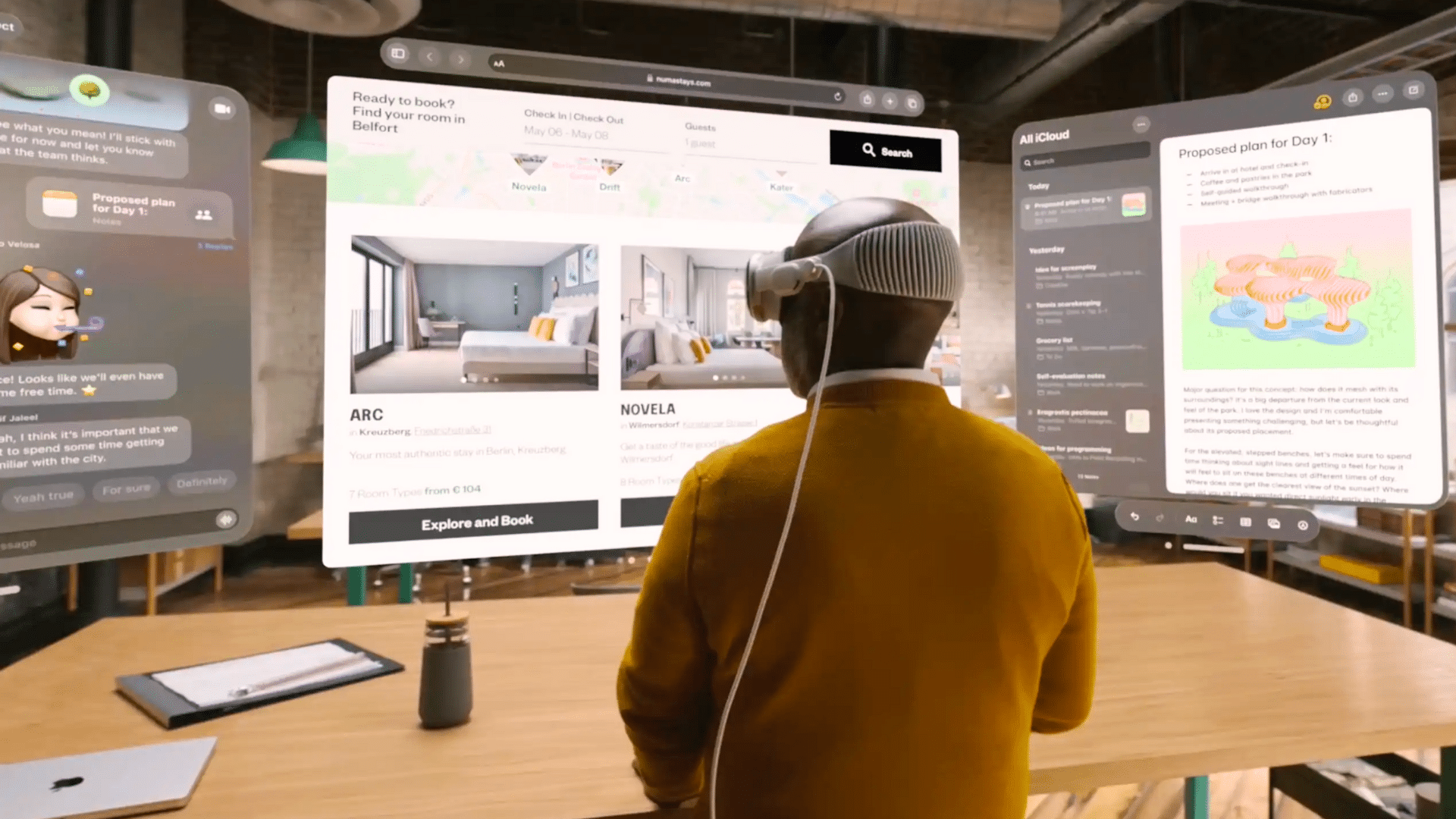

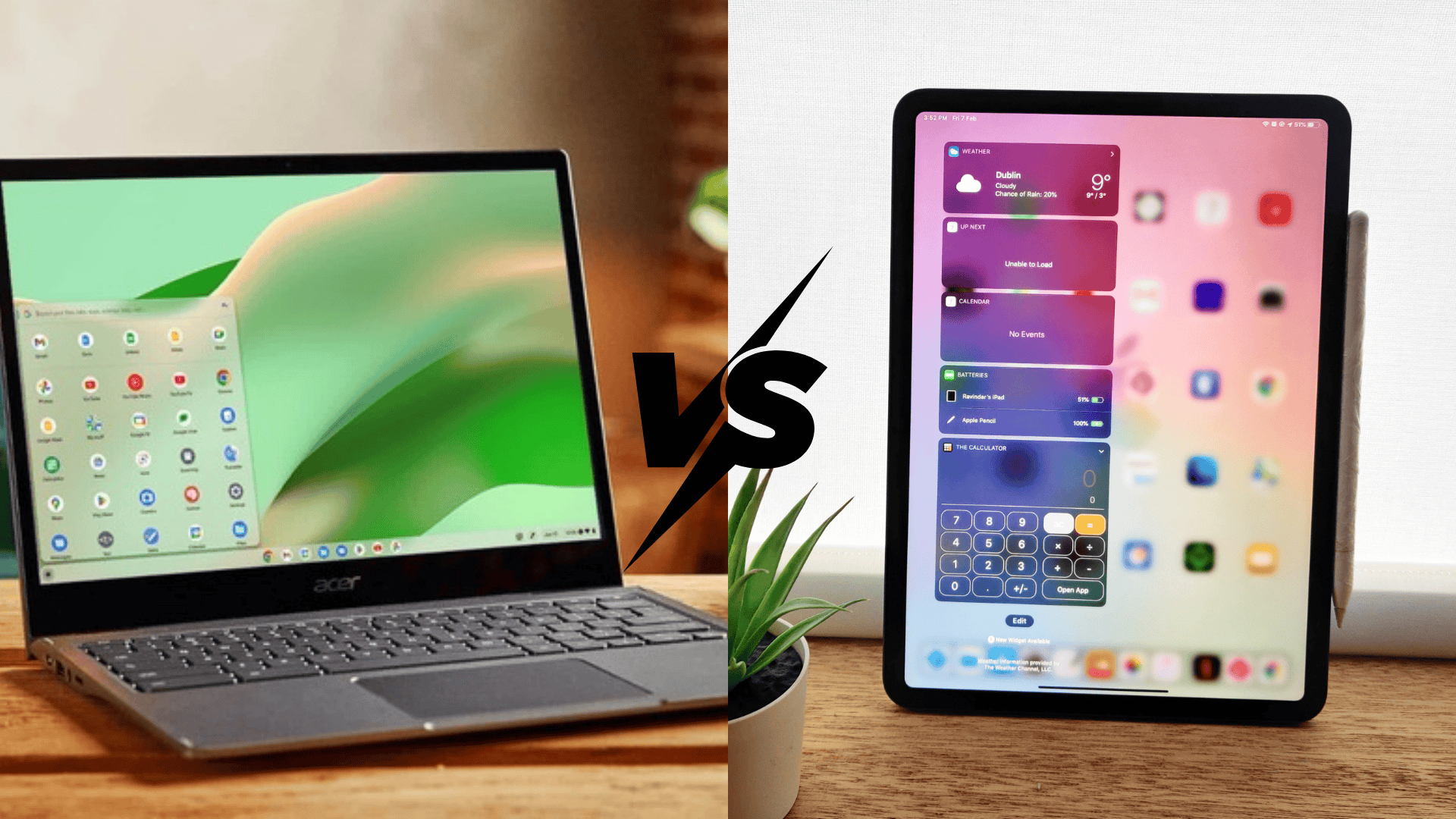

Spatial computing is changing the way we interact with the world around us. It allows devices to understand and respond to their surroundings in real-time, combining the physical and digital spaces.
This technology is behind many of the smart tools and apps we use today, such as virtual maps and augmented reality.
In this blog, I’ll share what spatial computing is, how it works, and why it’s important in modern technology.
You will learn the key components that make it possible and provide examples of how it’s being used in everyday life.
If you’re new to the topic or just want to learn more, this article will give you a clear understanding of spatial computing and how it’s shaping our world. Let’s get started!
What Is Spatial Computing?
Spatial computing is a technology that allows devices to interact with the world around them in real time.
It combines the physical world and the digital world, enabling computers, smartphones, and other devices to understand their surroundings.
For example, when you use a map app on your phone, it shows you directions based on your location.
This is spatial computing at work. It uses sensors and data processing to recognize space and objects.
These devices can then react, giving you accurate information or even changing their behavior based on what’s happening around you.
From augmented reality (AR) to smart home devices, spatial computing makes our everyday tech smarter and more interactive, helping us use technology in new and useful ways.
Key Components of Spatial Computing
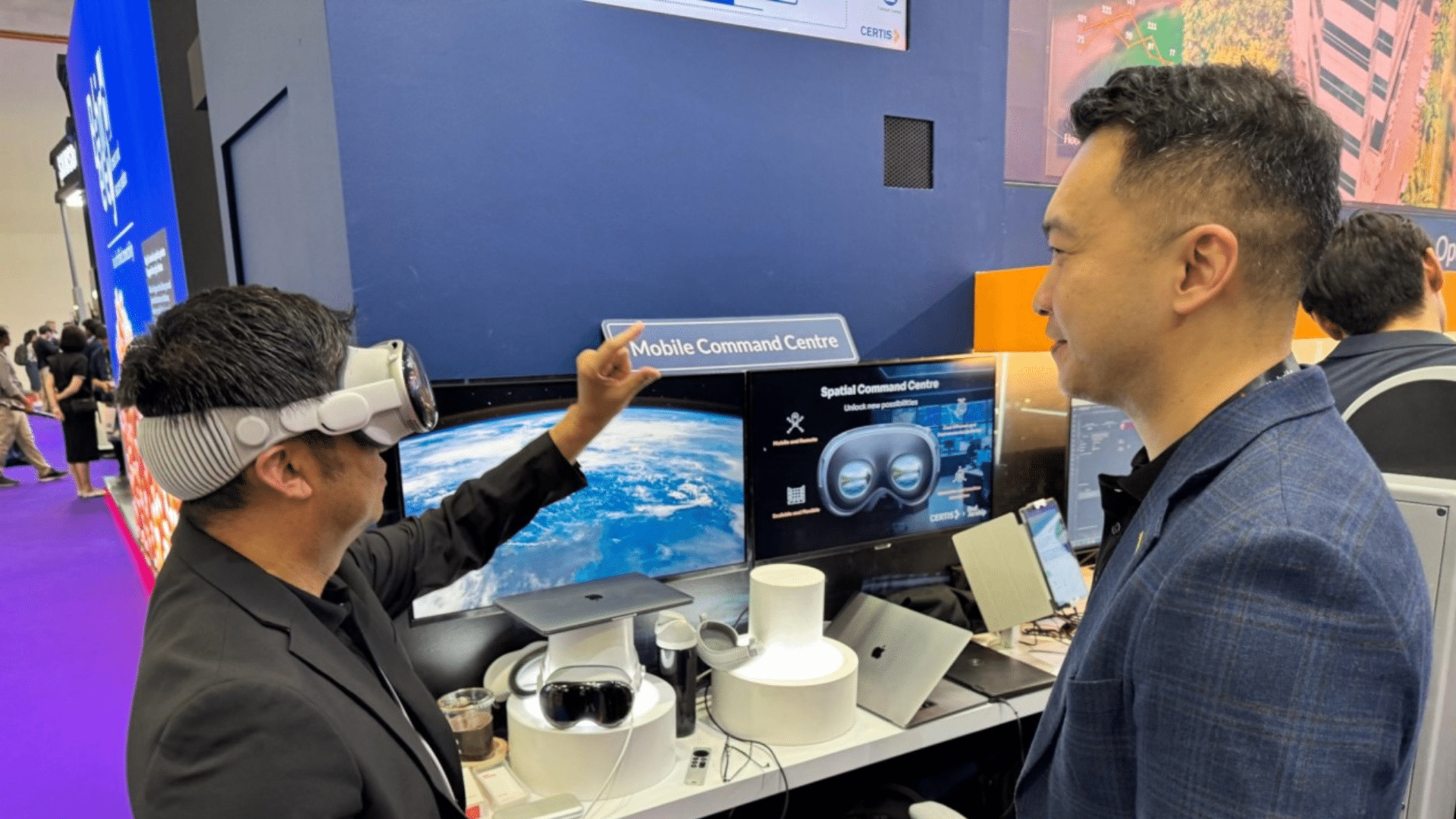
Spatial computing relies on a few key components that work together to create smart, interactive experiences. These include sensors, processing power, and data input or output.
1. Sensors
Sensors are the eyes and ears of spatial computing. They collect data from the physical environment, like motion, distance, and location.
Common sensors include cameras, accelerometers, and GPS units. These sensors help devices understand their surroundings by gathering real-time information.
For example, a GPS sensor in your phone helps it know where you are, while motion sensors detect your movements.
Without sensors, spatial computing wouldn’t be able to recognize or interact with physical spaces.
2. Processing Power
Processing power is the brain behind spatial computing. Once the sensors collect data, processors analyze and make sense of it.
These processors are responsible for interpreting data and turning it into something useful.
For instance, when you use AR on your phone, the processor helps create a digital overlay on the real world.
High processing power is needed to handle complex tasks like mapping spaces or managing large amounts of data quickly. This ensures that devices respond instantly to real-world changes.
3. Data Input or Output
Data input and output (I/O) are how spatial computing communicates with the user and other systems. Input refers to how the device receives information, like voice commands or touch gestures.
Output is how the device delivers information back to the user, such as displaying a map or giving a voice response.
For spatial computing, I/O is essential for smooth interaction.
Whether it’s through a screen, sound, or vibration, the way data is exchanged is what makes the experience engaging and interactive.
4. Software
Software plays a key role in making spatial computing work. It includes the applications and algorithms that help process the data collected by sensors and control how the device interacts with the user.
For example, an augmented reality app uses software to overlay digital images onto your real-world surroundings.
Software also helps optimize the processing of large amounts of data in real time.
Without it, spatial computing wouldn’t be able to make sense of all the collected information and provide useful feedback.
5. Communication Networks
Communication networks are the highways through which data travels in spatial computing. These networks enable devices to send and receive information quickly, especially in real-time scenarios.
Wi-Fi, Bluetooth, and 5G networks are commonly used in spatial computing to connect sensors, processors, and users.
Reliable and fast communication networks ensure that devices can respond without delay.
Whether it’s for real-time navigation or sharing data between devices, these networks are essential for seamless interaction between physical and digital worlds.
Benefits of Spatial Computing in Modern Technology
Spatial computing is transforming industries by offering new, efficient ways to merge the physical and digital worlds.
- Healthcare: AR and VR help doctors visualize 3D models during surgery, making procedures more accurate and less invasive.
- Retail: Virtual try-ons and smart inventory tools allow customers to see products in their space and streamline store operations.
- Gaming: AR and VR in gaming create more interactive worlds, using motion tracking and gesture controls for better player engagement.
- Education: VR classrooms and 3D models make learning more engaging, helping students understand complex topics easily.
- Manufacturing: Spatial computing improves efficiency by providing virtual prototypes and real-time guidance for assembly processes.
How Spatial Computing Works in Everyday Life?
Spatial computing is changing the way we interact with technology every day. It’s behind many common apps and devices, making our lives easier and more connected.
1. Augmented Reality (AR) in Apps
AR is a big part of how spatial computing works in daily life. Apps like Instagram and Snapchat use AR to place digital objects in the real world.
For example, filters can make it look like a dog is sitting next to you in a photo.
AR is also used in apps like IKEA Place, where you can visualize furniture in your home before buying it. This makes shopping more convenient and fun.
2. Smart Home Devices
Smart home devices use spatial computing to make our homes more efficient.
For example, smart thermostats like Nest learn your schedule and adjust the temperature in real-time.
Smart speakers like Alexa can control lights or play music based on voice commands, creating a more personalized environment.
These devices use sensors to understand the space around them and react accordingly, improving convenience and energy efficiency in everyday life.
3. Mapping and Navigation Technologies
Spatial computing plays a major role in how we navigate the world.
Google Maps and Apple Maps use spatial data to give real-time directions, showing the fastest routes based on current traffic.
These mapping apps combine real-world data with digital tools to help users get from point A to point B.
They even offer street view features, allowing users to “see” the destination before they arrive. This technology makes traveling and exploring new places easier.
4. Fitness and Health Tracking
Fitness apps and devices use spatial computing to track your movements and help you stay healthy.
Fitness trackers like Fitbit or Apple Watch monitor your steps, heart rate, and exercise. They use sensors to track physical activity in real time and offer feedback based on your location and movements.
Some apps even suggest workouts or routes based on your fitness goals, creating a more tailored fitness experience for daily routines.
5. Retail and Shopping Experiences
Retailers use spatial computing to enhance shopping. Many apps, like Amazon, use spatial technology to provide 3D product views, allowing you to zoom in and explore items before purchase.
Other stores use virtual fitting rooms, where you can try clothes without physically putting them on.
This is all made possible through spatial computing, blending the physical and digital shopping experiences to make buying more interactive and convenient.
Future Trends in Spatial Computing You Should Know
Spatial computing is advancing, with several trends shaping its future. AR and VR technologies are improving, offering more interactive and realistic experiences.
With AI integration, devices will become smarter, using real-time data to make better decisions.
The expansion of 5G networks will make spatial computing faster and more efficient, allowing for quicker data processing and easier interactions.
Smart cities are emerging, using spatial computing to optimize traffic, public services, and urban planning.
Wearable devices like AR glasses are becoming popular, enabling new interactions with the surroundings.
These trends will make spatial computing more practical in fields like healthcare, entertainment, and urban development.
As technology continues to improve, spatial computing will play a bigger role in our daily lives, creating new possibilities and improving how we interact with the world.
Top Examples of Spatial Computing in Action
Spatial computing is already transforming industries through innovative applications. These examples highlight how the technology is improving everyday life and business operations.
1. Smart Home Technology
Smart home devices use spatial computing to automate and personalize living spaces.
Products like Amazon Alexa and Google Nest rely on sensors and AI to control lighting, heating, and security systems based on the environment.
These devices “learn” from the homeowner’s preferences and adapt to the space.
For instance, smart thermostats adjust the temperature based on movement, while security cameras use spatial computing to detect unusual activity. This creates more efficient, energy-saving homes.
2. Robotics and Automation
Spatial computing powers robotics and automation in industries such as manufacturing, healthcare, and logistics. Boston Dynamics’ robots, like Spot, use spatial awareness to navigate complex environments.
These robots are capable of performing tasks like surveying dangerous areas or delivering items within a warehouse.
Their ability to understand the physical space around them and interact accordingly is a game-changer for industries requiring precision and efficiency.
3. Self-Driving Cars
Self-driving cars, such as those developed by Waymo, use spatial computing to understand their surroundings in real-time.
These vehicles rely on sensors like LiDAR, cameras, and radar to detect objects and obstacles.
By combining this data with detailed maps and AI, self-driving cars can navigate streets, avoid collisions, and even make decisions, offering safer and more efficient transportation.
4. Spatial Mapping in Video Games
In the gaming world, spatial computing enhances the player’s experience through technologies like virtual reality (VR) and augmented reality (AR).
Pokémon GO uses AR to place virtual creatures in real locations, merging the physical and digital worlds.
VR games like those played with the Oculus Rift use spatial computing to track players’ movements, making the gaming experience more immersive and interactive.
5. Industrial Design and 3D Prototyping
Spatial computing is used in industrial design for creating accurate 3D models and prototypes.
Software like AutoCAD or SketchUp allows designers and engineers to visualize their creations in 3D space, adjusting elements in real-time.
These tools use spatial computing to help refine designs before physical models are made, reducing errors and saving time.
This is crucial in industries like automotive, aerospace, and architecture, where precision is key.
Spatial Computing Challenges
While spatial computing offers many benefits, it faces challenges that need to be tackled for broader use and better performance.
- High Computational Requirements: Spatial computing needs powerful processors to handle large amounts of data, which can be costly and limit accessibility.
- Data Privacy and Security: The use of personal data, like location, raises concerns about privacy and security, risking unauthorized access or breaches.
- Complex Integration: Integrating spatial computing into existing systems can be difficult, often requiring new hardware and software that may not always be compatible.
- Accuracy and Reliability: Environmental factors or hardware limitations can affect the accuracy and reliability of spatial computing, especially in real-time applications.
- Cost of Implementation: The high costs of hardware and software can be a barrier for smaller businesses, slowing down the adoption of spatial computing.
- User Adoption and Training: New technologies often require time to learn. Businesses need to invest in training to ensure smooth adoption and proper usage.
Conclusion
Spatial computing is changing the way we interact with the world, from AR apps to smart home devices, making everyday tasks easier and more interactive.
We’ve covered how it works, its key components, and examples in industries like healthcare, retail, and gaming.
As the technology evolves, it brings both new opportunities and challenges.
Emerging trends, such as AI integration and 5G networks, will make spatial computing faster and more accessible. It’s clear that spatial computing will play an even larger role in the future.
How has spatial computing impacted your life? Are you using any of these technologies?
Share your experiences in the comments below. I’d love to hear how this technology is shaping your daily life.