





Thinking about bringing a satellite phone on your next trip? Hold on, you might want to check the rules first.
In some countries, carrying a satellite phone can get you into serious trouble, even if you’re just a tourist trying to stay connected in remote areas.
These devices aren’t banned everywhere, but several governments restrict or completely prohibit them due to security concerns, surveillance issues, and licensing regulations.
This guide explains why satellite phones face restrictions, which countries ban them, and what could happen if you show up at customs with one in your bag.
You’ll also learn how to check the rules before you travel, what permits you might need, and safer alternatives that can keep you connected without legal headaches.
How Satellite Phones Work And Why That Triggers Restriction
Your regular cell phone is pretty straightforward. When you make a call, the signal goes to a nearby cell tower, then through your local carrier’s network, and finally reaches the person you’re calling.
The whole thing takes place through the infrastructure your country controls and monitors.
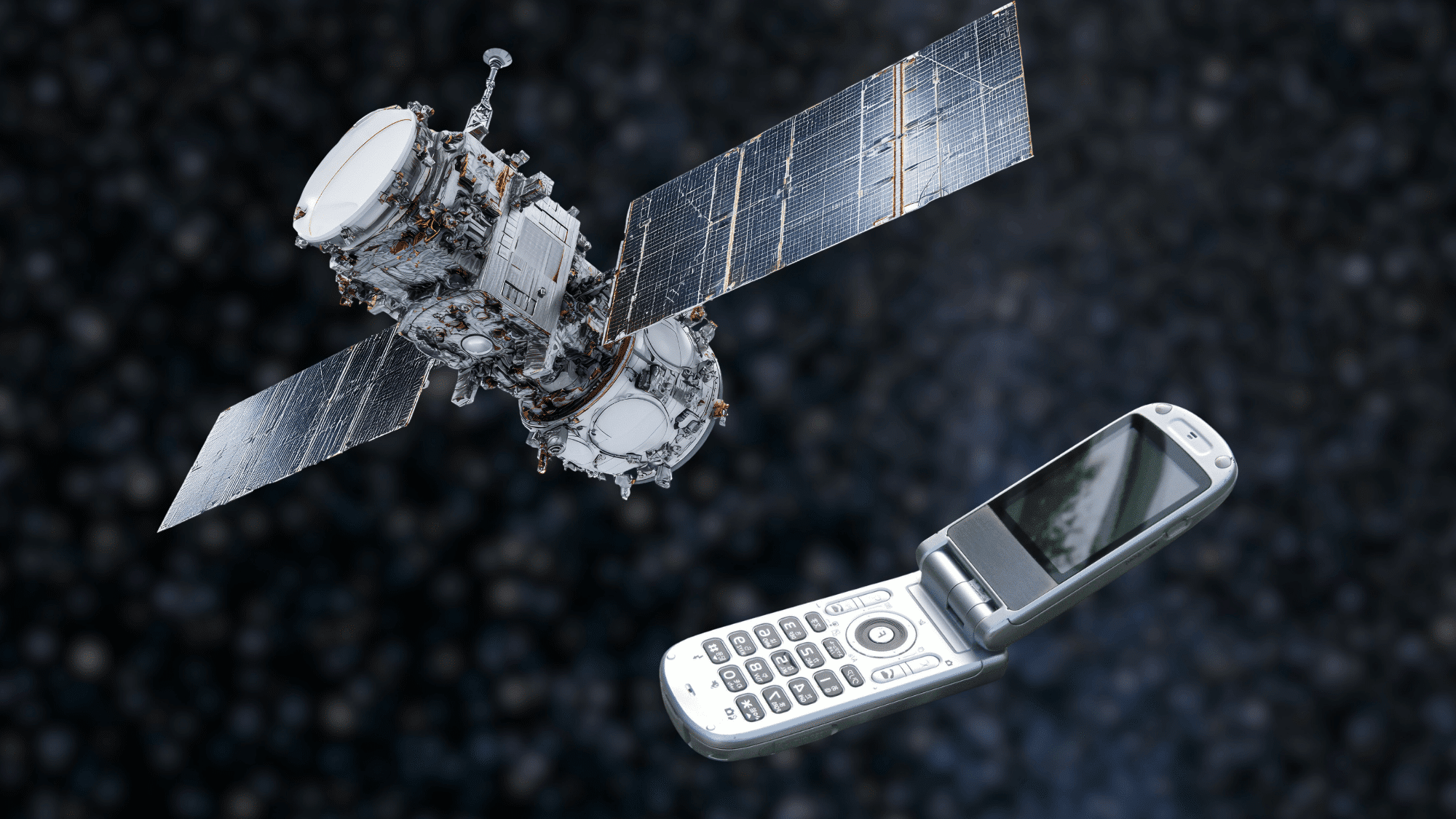
Satellite phones work completely differently. Instead of connecting to a tower down the street, they send signals straight up to satellites orbiting Earth.
These satellites can be in low-Earth orbit (LEO), flying at an altitude of about 500-1,200 miles, or in geostationary orbit (GEO), at about 22,000 miles above the equator.
The satellite then bounces your call down to a ground station, which connects it to regular phone networks.
Satellite phones require a clear line of sight to the satellite. Once this is met, they work nearly anywhere on Earth, in the ocean, mountains, or deserts without cell towers.
Why Bypassing Local Infrastructure Matters
When satellite phones skip local networks, governments lose the ability to monitor what’s happening inside their own borders.
- Regular Cell Phones Go Through Local Control: Carriers must keep records and allow lawful monitoring, giving authorities visibility into potential threats and criminal activity.
- Satellite Phones Bypass that Entire System: Calls go straight to international satellites and foreign networks, completely avoiding any local telecom infrastructure or oversight.
- Governments Can’t Track Who’s Communicating: Without access to call data, authorities lose visibility into suspicious communications that could involve terrorism, smuggling, or crime.
- Security Blind Spots Create Real Concerns: Hostile groups could coordinate attacks or illegal operations without any way for local law enforcement to detect them.
That’s why many countries either ban satellite phones completely or require strict permits and registration before allowing their use.
The Main Reasons Governments Ban or Restrict Satellite Phones
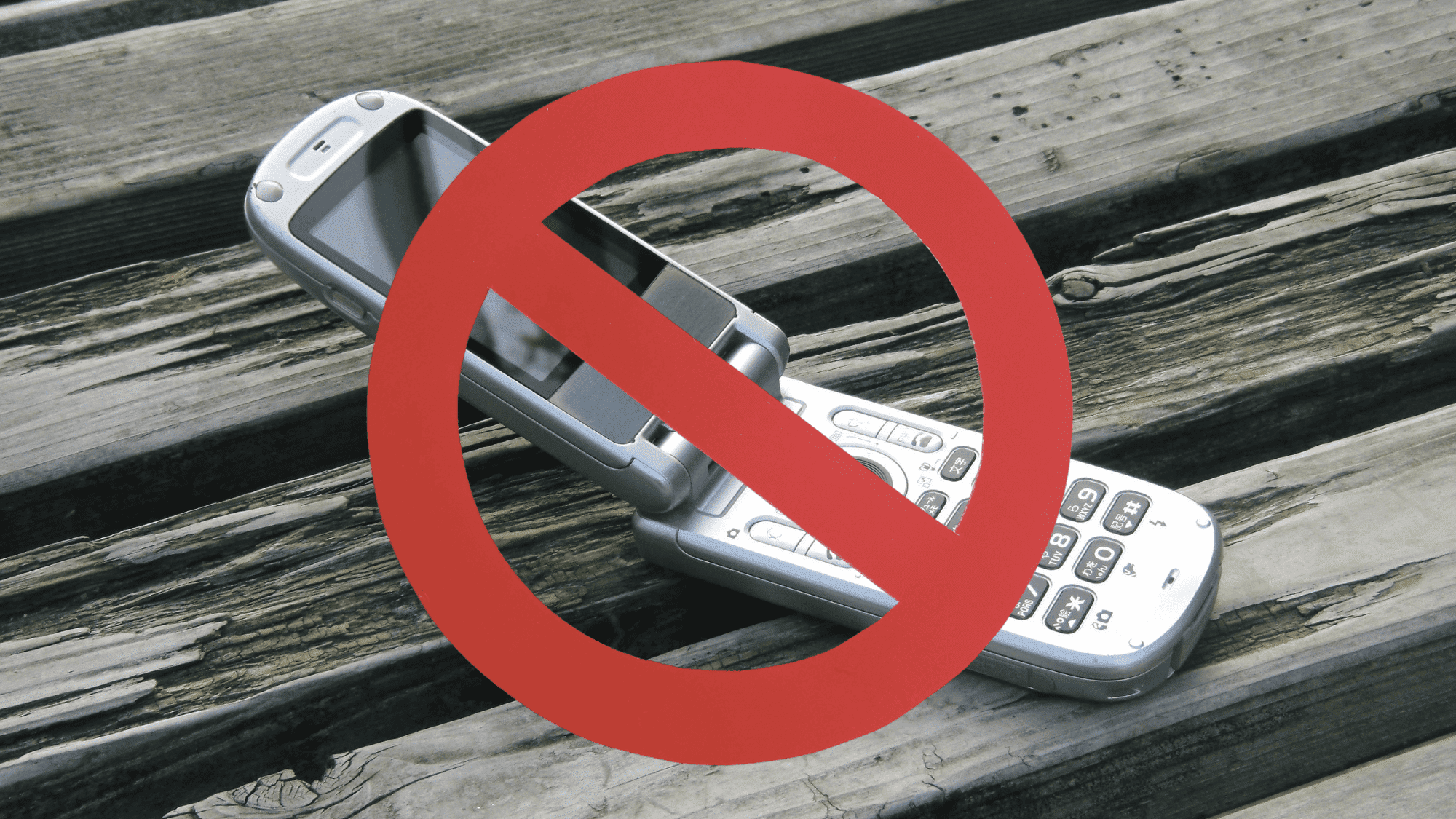
Not every country bans satellite phones for the same reasons, but four major concerns keep coming up.
Understanding these helps explain why a device that seems perfectly innocent to travelers can be treated as a serious security threat.
1) National Security and Intelligence Concerns
Governments worry that satellite phones create a direct line to foreign networks, completely outside their control. Here’s what keeps national security officials up at night:
| Security Risk | Why It Matters |
|---|---|
| Espionage | Foreign agents could use sat phones to communicate with handlers without local authorities knowing |
| Sensitive information leaks | Classified or restricted data could be shared through networks the government can’t monitor |
| Hostile coordination | Enemy forces or terrorist cells could plan operations using communications that bypass all local systems |
The key issue? These calls don’t go through local carriers. They connect directly to satellites operated by foreign companies, often based in other countries.
That means your government has no direct access to the network carrying those conversations.
2) Harder to Monitor
Most countries have laws requiring phone companies to help with legal investigations. If police get a court order to monitor a suspect’s calls, local carriers must comply.
It’s called “lawful interception,” and it’s a standard part of how law enforcement works.
Satellite phones break that system. The network operator might be based in the United States, Europe, or elsewhere, operating under completely different legal frameworks. Getting access to those communications requires:
- Special international agreements between governments
- Cooperation from foreign companies that may not be legally required to help
- Technical capabilities that many countries simply don’t have
Even when satellite providers do cooperate, the process is slower and more complicated than monitoring local networks.
For governments trying to stop crimes in real time or track emerging threats, such delays can be unacceptable.
3) Licensing and Telecom Regulation
Here’s something many travelers don’t realize: the satellite phone itself usually isn’t illegal; using it without permission is.
Governments regulate all radio and telecommunications equipment because these devices use radio frequencies that are shared resources.
Just like you need a license to operate a ham radio or broadcast on certain frequencies, many countries require permits for satellite phones.
Common Requirements Include:
- Registration with Telecom Authorities: You must officially declare that you own and plan to use a satellite phone.
- Approved Providers Only: Some countries allow devices only from satellite networks they’ve vetted.
- Usage Permits: You might need special permission for each trip or for use in certain regions.
- Customs Declarations: Even if permitted, you must declare the device when entering the country.
Think of it like driving. The car isn’t illegal, but you need a license and registration to use it legally. Countries like India, China, and Russia allow satellite phones, but only if you’ve completed the proper licensing process.
4) Anti-Terror and Anti-Crime Enforcement
Real-world attacks have shaped these policies. After terrorists used satellite phones during the 2008 Mumbai attacks in India, the government significantly tightened restrictions on who could own and operate these devices.
The attackers had used sat phones to communicate with their handlers in Pakistan, coordinating the assault in real-time while avoiding India’s telecom monitoring systems.
Criminal Groups Have Also Exploited Satellite Phones For:
| Criminal Activity | How Sat Phones Help |
|---|---|
| Drug trafficking | Smugglers coordinate shipments across borders without detection |
| Illegal fishing | Poaching vessels operate in protected waters while evading coastal authorities |
| Militant operations | Armed groups plan attacks in remote areas where cell coverage doesn’t exist |
| Smuggling networks | Human traffickers and contraband runners communicate across international boundaries |
These aren’t hypothetical concerns. Law enforcement agencies worldwide have documented cases where satellite phones enabled serious crimes precisely because they couldn’t be monitored through normal channels.
When governments see these devices being used to bypass their security systems, the response is often to ban them entirely or create strict permit requirements that allow them to track exactly who has these devices and why.
Where Are Satellite Phones Illegal or Heavily Restricted?
Satellite phone laws vary wildly from country to country. What’s perfectly fine in one place could land you in jail just across the border. Here’s how to think about the different levels of restrictions you might face.
Countries with Tight Bans

Some countries don’t mess around; satellite phones are simply not allowed, period. Bringing one into these places can result in confiscation, heavy fines, or even arrest.
Countries Often Reported as Having Strict Bans Include:
- North Korea: One of the most restrictive countries for all communications technology
- Cuba: Satellite phones are generally prohibited for foreigners and locals alike
- Chad: Satellite communications devices face complete bans
- Sudan – Strict restrictions on satellite phone possession and use
Note: These restrictions can change due to political, security, or regulatory reasons. Always check current rules with the embassy or consulate before traveling to countries with satellite phone restrictions.
Countries that Allow Them Only With Licensing/Registration
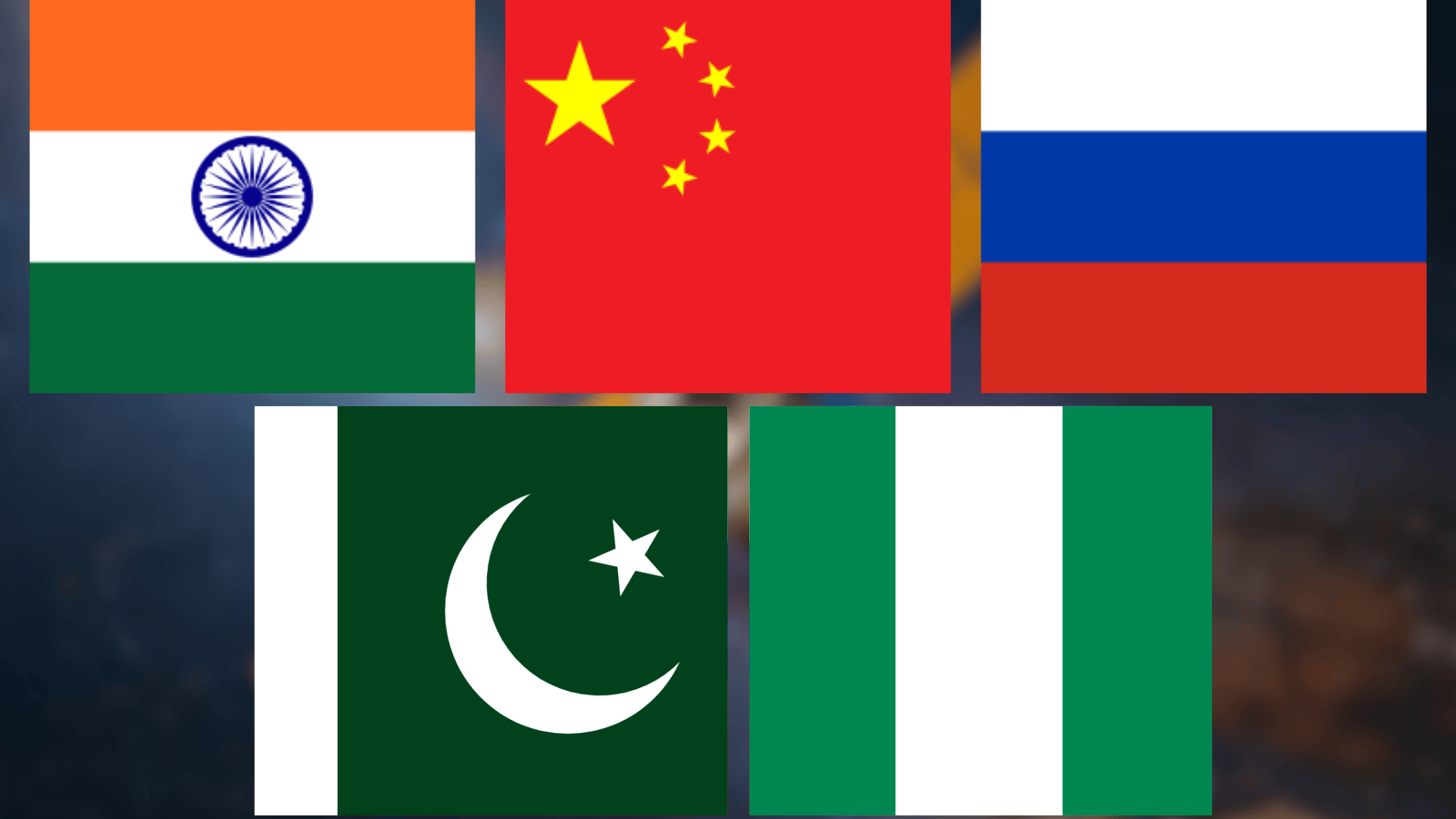
Many countries take a middle approach: satellite phones aren’t banned outright, but you absolutely need official permission before you can legally use one.
Think of it like getting a visa, possible, but you need to do the paperwork first.
India: Requires licensing through the Department of Telecommunications (DoT). You must apply in advance, provide a detailed justification for needing a sat phone, and get approval before bringing it into the country. Foreign tourists may face serious complications even with proper licensing.
China: Satellite phones must be registered with the authorities. Travelers need an MIIT license before entry and must declare the device at customs. Only approved devices from certain providers are permitted; official permission is required.
Russia: Restricts which satellite phone providers you can use. Only certain networks are approved, and you may need special permits depending on your purpose and location.
Sri Lanka: Media personnel and some other groups can obtain permits, but the average tourist faces significant restrictions.
Pakistan: Rules vary by region, with some areas allowing satellite phones with permits while others maintain stricter bans.
Nigeria: Generally requires licensing and registration, though enforcement varies by region and purpose of use.
The common thread? Don’t just show up with a satellite phone and hope for the best. Contact the relevant telecom authority or your country’s embassy weeks (or months) before your trip to start the permit process.
Region-Specific Bans Inside a Country
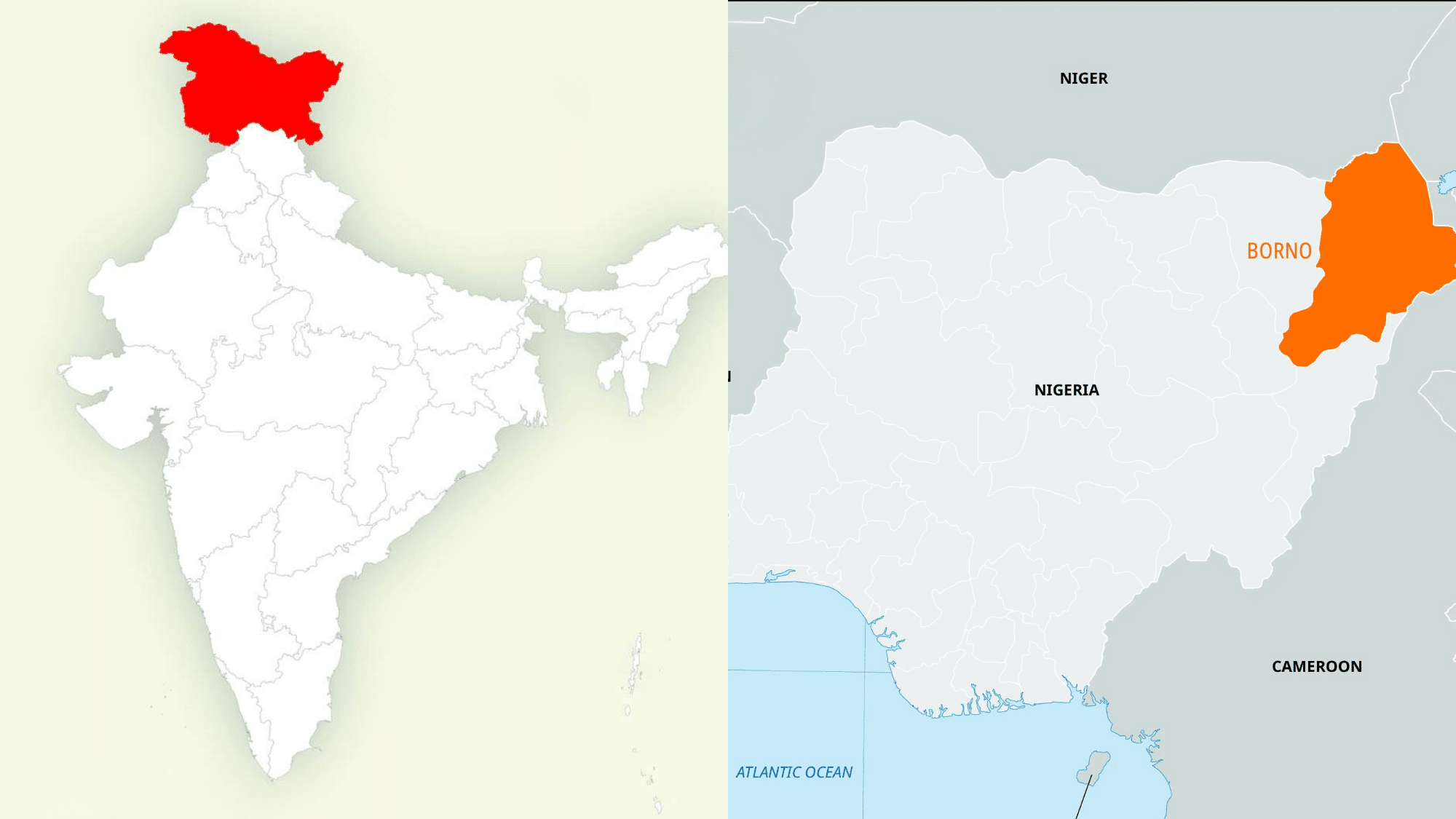
Here’s where it gets tricky: some countries allow satellite phones nationally but ban them in specific sensitive regions.
India
India maintains extra restrictions in border areas and conflict zones. Regions like Jammu and Kashmir have faced periodic bans on satellite phones due to security concerns.
Even if you have national-level permission, using a sat phone in these areas could still get you in trouble.
The rules can change based on current security situations, so local authorities might confiscate devices even if you follow all the federal regulations.
Nigeria
Nigeria has seen region-specific enforcement, particularly in areas dealing with security challenges. The Northeastern State of Borno, which has faced militant activity, has experienced satellite phone restrictions at various times.
What’s legal in Lagos might not be legal in conflict-affected regions.
Even if a country generally allows satellite phones with permits, always check whether your specific destination has additional restrictions. Border regions, conflict zones, and active military areas usually have stricter rules.
What If You Travel With a Satellite Phone in a Restricted Area?
Packing a satellite phone without checking local laws can turn a dream vacation into a legal nightmare. Here’s what actually happens when customs or authorities discover an unauthorized satellite phone in your possession:
| Consequence | What Happens |
|---|---|
| Confiscation at Customs | Officers seize your device immediately. Your expensive satellite phone becomes government property, usually with no chance of getting it back. |
| Heavy Fines | Penalties range from hundreds to thousands of dollars, depending on the country. Some places treat it like smuggling restricted technology. |
| Detention and Questioning | Security holds you for hours or days while investigating why you brought a restricted device. Expect interrogations about your intentions. |
| Arrest and Criminal Charges | In strict-ban countries, possession can mean jail time while awaiting trial or deportation proceedings. You’ll face criminal records and legal fees. |
| Deportation/Expulsion | Authorities put you on the next flight out and ban you from returning, sometimes for years. Your trip ends immediately. |
Don’t assume good intentions matter; authorities in restricted countries see the device as the threat, not your reasons for having it. Consequences are real, immediate, and harsher than travelers expect.
How to Stay Legal: A Pre-Travel Checklist
Avoiding satellite phone problems isn’t complicated; it just takes a little homework before the trip. Here’s exactly what to do.
Step 1: Check the Rules (Official Sources First)
Don’t rely on outdated blog posts or forum comments from three years ago. Laws change, and what was true last year might not apply today. Get information straight from the source:
Contact Your Destination Country’s Embassy or Consulate
Call or email them directly and ask about satellite phone regulations. Be specific: “Can tourists bring satellite phones? Do we need permits?” Embassy staff deal with these questions regularly and can point you in the right direction.
Look Up the Telecom Regulator
Most countries have a government agency, like the “Department of Telecommunications” or “Communications Authority,” that manages telecommunications. Their websites typically list restricted devices and permit requirements.
Ask Your Tour Operator or Expedition Guide
If traveling to remote regions with an organized group, the company running your trip has probably dealt with this before. They’ll know whether previous clients have successfully brought satellite phones or if it’s caused problems.
Step 2: If Permits Are Allowed, Get Them Before You Land
Found out if permits are possible? Great, but don’t wait until arrival to start the process. Some permits can take weeks or even months to be approved.
Complete registration requirements early. Submit all paperwork, identification documents, and justification for why you need a satellite phone. Be thorough and honest in your application.
Use only approved providers. Ensure your device operates on an approved satellite network if the country restricts networks. Using the wrong brand can lead to confiscation, even with a permit.
Declare your device at customs. Even with proper permits, always declare your satellite phone when entering the country. Have your approval documents ready to show customs officers.
Trying to sneak it through “just to avoid hassle” can backfire spectacularly.
Step 3: Don’t Pack It in Carry-On “Just in Case”
Here’s the uncomfortable truth: if satellite phones are restricted or banned at your destination, don’t bring one unless you’ve secured the proper permits.
The “just in case” mindset risks travelers getting in trouble; worrying about emergencies won’t matter if you’re detained or fined.
If you can’t get legal permission, leave the satellite phone at home. The risk isn’t worth it. Instead, focus on legal alternatives that can still keep you connected and safe.
Alternatives If Satellite Phones Are Restricted
Just because satellite phones are off-limits doesn’t mean you’re completely cut off from emergency communications. Here are your options:
| Alternative | What It Does | Important Warning |
|---|---|---|
| Satellite Messengers (Garmin inReach, SPOT, Zoleo) | Two-way texting and emergency SOS without voice calling. | Some countries still regulate these like satellite phones and verify legality first. |
| Local SIM Card + Emergency Numbers | Regular smartphone with local carrier. Legal, inexpensive, and it works wherever towers exist. | No coverage in truly remote areas beyond cellular range. |
| HAM Radio (Amateur Radio) | Long-distance communication using portable radio in remote areas. | Requires proper license; heavily regulated; illegal without permissions. |
| Mesh Devices (goTenna) | Device-to-device local network for group communication without service. | Limited range (a few miles); needs multiple devices; may still be regulated. |
Every communication device that uses radio frequencies faces some level of regulation.
Before packing any emergency communication gear, whether it’s a satellite messenger, HAM radio, or mesh device, verify its legal status in your destination country.
Final Takeaway
Satellite phone bans aren’t about the technology being dangerous; they’re about governments wanting control over communications happening inside their borders.
Security concerns, monitoring capabilities, and licensing requirements drive these restrictions, and they’re not going away anytime soon.
The good news? Staying legal is straightforward if you plan ahead. Check the rules through official channels, get permits if they’re available, and consider legal alternatives when satellite phones aren’t allowed.
Never assume a device is permitted just because it seems innocent or you have good intentions.
Travel smart, respect local laws, and always prioritize proper research over convenient assumptions. Your adventure shouldn’t end with confiscated equipment and customs detention.
Planning international travel to remote areas? Bookmark this guide and verify satellite phone regulations before every trip. Laws change fast, and staying informed keeps you out of trouble.