






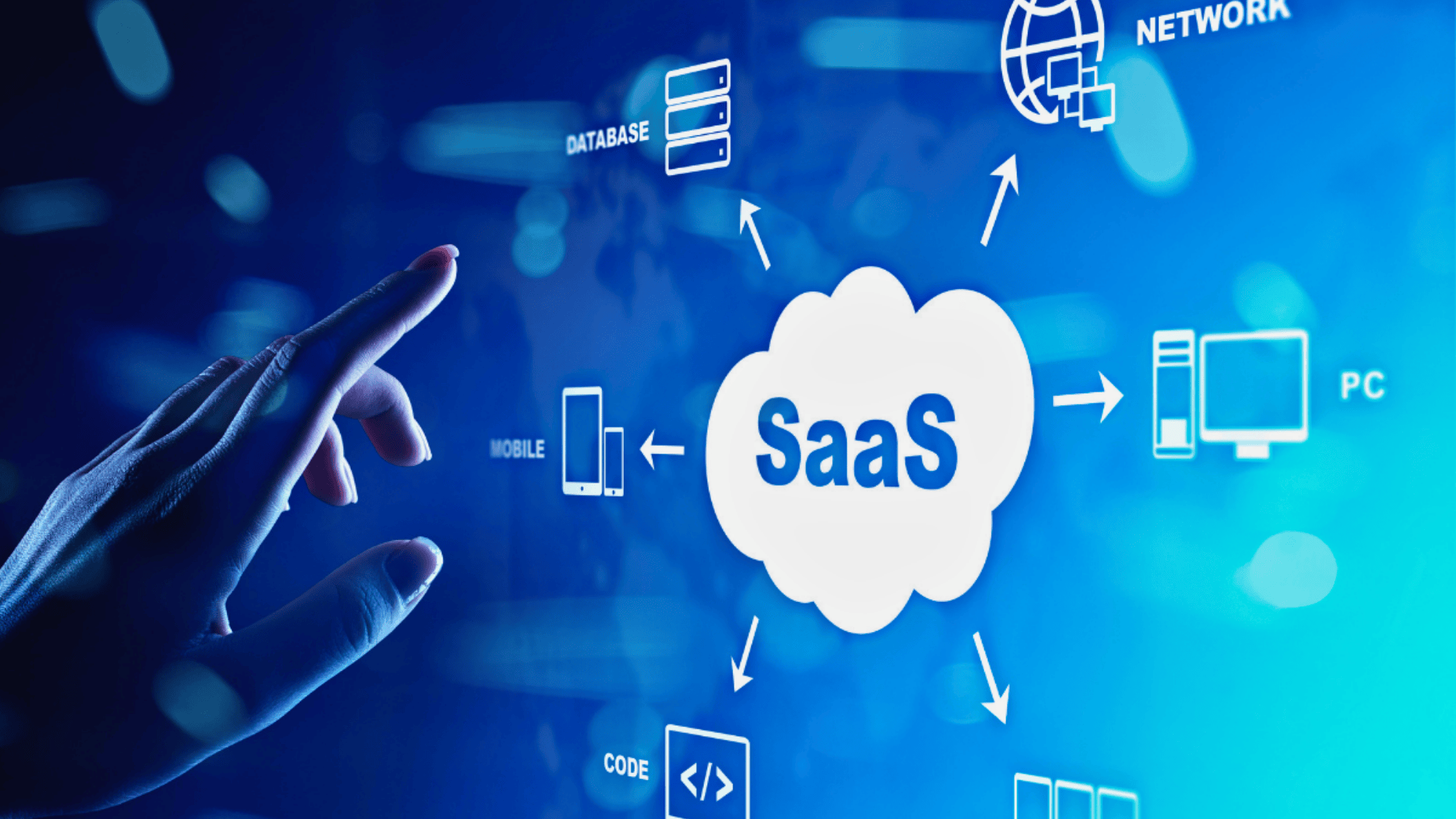
I’ve noticed that many people hear the term SaaS marketing but don’t fully understand what it really means or how it works in real life.
If you’ve ever used tools like Zoom or Slack, you’ve already experienced SaaS without even thinking about it. In this blog, I’ll break everything down simply so it’s easy to follow.
I’ll walk you through what SaaS marketing is, how it is different from traditional marketing, and why keeping customers matters just as much as getting them.
You’ll also learn about key terms like CAC, CLV, and MRR, plus how a full SaaS strategy works from start to finish.
By the end, you’ll have a clear idea of how SaaS companies grow, keep users happy, and build steady income over time.
What is SaaS Marketing?
SaaS stands for Software as a Service. Instead of buying software once, users pay a monthly or yearly fee to access it online.
Tools like Zoom, Slack, and Google Workspace are all SaaS products — and each one of them grew through fundamentally different marketing approaches. Zoom leaned on viral product sharing.
Slack was built through word of mouth within companies. Google Workspace expanded through deep ecosystem integrations.
SaaS marketing is how companies promote these tools, bring in the right users, and keep them coming back.
Unlike traditional marketing, the job doesn’t end at the sale. Customers can cancel at any time, so retention matters just as much as acquisition.
Free trials and demos help people try before they commit.
A few key terms drive everything.
- CLV (Customer Lifetime Value) measures how much revenue a customer generates over their entire relationship with your product.
- CAC (Customer Acquisition Cost) tracks the cost to acquire a new customer. A healthy SaaS business typically targets a CLV: CAC ratio of at least 3:1.
- MRR (Monthly Recurring Revenue) shows your monthly subscription income, the core financial heartbeat of any SaaS company.
- Product-Led Growth (PLG) is a go-to-market strategy in which the product itself is the primary driver of acquisition and retention. Dropbox is the textbook PLG case: its referral loop gives free storage, gets more free storage for referrals, and has built a multi-billion-dollar user base with minimal paid advertising.
Why SaaS Marketing Is Different From Traditional Marketing
| Area | SaaS Marketing | Traditional Marketing |
|---|---|---|
| Definition | Promotes subscription-based software. Focuses on gaining and keeping users. Revenue grows over time. | Promotes one-time products or services. Focuses mainly on closing the sale. Revenue is earned upfront. |
| Revenue Model | Monthly or yearly payments. Income depends on renewals and upgrades. | One-time payment. Repeat purchases are not always expected. |
| Customer Relationship | Long-term engagement and support. Retention is very important. | Short-term interaction. Less focus after purchase. |
| Marketing Focus | Data-driven, with trials and lifecycle marketing. | Promotion-driven, focused on quick sales. |
How a SaaS Digital Marketing Strategy Works?
Knowing what SaaS marketing is gives you the foundation. Now it’s time to look at how a real strategy actually comes together, from reaching new users to keeping them long-term.
1. Understanding the SaaS Customer Journey
Awareness is when someone first becomes aware of your product through search, social media, or ads.
Consideration follows, where they compare options and explore whether your solution fits their needs.
Conversion is the moment they sign up or start a trial. Retention is about keeping users active and satisfied so they don’t cancel.
Expansion happens when happy customers upgrade, add seats, or refer others. Each stage needs a different approach, and skipping any one of them will cost you.
2. Building a Strong SaaS Value Proposition
A clear pain point means leading with the exact problem your product solves. When users instantly recognize their struggle in your messaging, you’ve already earned their attention.
Outcome-driven messaging focuses on results rather than features; it tells users what they’ll achieve or save, not just what your tool does.
Positioning in competitive markets is about showing what makes you different. Identify your unique edge and make sure it speaks directly to the audience you’re actually trying to reach.
3. Choosing the Right Acquisition Channels
SEO and content marketing build steady organic traffic by answering questions your audience already searches for.
Paid ads through Google, LinkedIn, or PPC deliver faster visibility, especially for B2B products targeting specific roles.
Email marketing nurtures leads cost-effectively until they’re ready to convert. Social media builds brand awareness and keeps you consistently visible without pushing for direct sales.
Partnerships and integrations with tools your audience already uses can quickly expand your reach without relying heavily on paid spend.
Key Pillars of a Successful SaaS Marketing Strategy

1. Content Marketing for SaaS Growth
Content marketing helps SaaS companies teach before they sell. I focus on simple educational blogs that answer real user questions.
Case studies show how a product solves a clear problem in real life. Webinars let you explain features step by step and build trust.
Comparison pages help buyers see differences without confusion. Product tutorials guide users after sign-up and reduce support requests.
When done right, content builds trust, improves search traffic, and supports long-term growth without pushing hard sales messages.
2. Performance Marketing and Paid Growth
Performance marketing focuses on paid channels that bring fast, measurable results. I target niche B2B audiences based on job roles, industries, and company size.
This keeps ad spend focused and avoids waste. Retargeting strategies consistently remind visitors who left without signing up.
These ads often convert better because people already know the brand. Conversion optimization improves landing pages with clear headlines, strong calls to action, and simple forms.
One pattern I’ve seen consistently in covering growth-stage SaaS companies: the teams that scale paid efficiently almost always have a defined ICP before they scale spend.
Broad campaigns without a locked ICP are the fastest way to inflate CAC. Narrow targeting, even if it means a smaller reach, almost always outperforms broad spray-and-pray paid campaigns in SaaS.
Small changes can increase sign-ups and lower customer acquisition costs over time. When you test and refine consistently, those gains compound and drive steady growth.
3. Product-Led Growth and Free Trials
Product-led growth puts the product at the center of marketing. Freemium models let users try basic features before paying.
This builds trust because people see value first. In-app onboarding guides new users with tooltips, short tours, and simple instructions.
It reduces confusion and speeds up activation. Reducing friction in sign-up is also important. Clear steps and fewer form fields can make the process feel quick and easy.
Short forms and a quick setup make it easier to get started. When users see results early, they are more likely to upgrade to a paid plan.
4. Retention and Lifecycle Marketing
Retention marketing keeps customers engaged after they sign up. Email automation sends helpful tips, updates, and reminders at the right time.
Behavioral triggers send messages based on actions, like using a feature or leaving a trial inactive. This keeps communication relevant and useful.
Upsell and cross-sell flows suggest higher plans or add-ons when users need more features. They work best when the offer feels timely and clearly connected to the user’s current goals.
Strong lifecycle marketing lowers churn and increases customer lifetime value while building steady, recurring revenue for SaaS companies.
5. Community-Led Growth: The Underutilized Pillar
Most SaaS marketing guides stop at content, paid, PLG, and lifecycle. They skip community-led growth — and that’s a meaningful gap, because it’s now one of the most efficient acquisition and retention levers in B2B SaaS.
Community-led growth involves brands building active user communities, such as forums, Slack groups, Discord servers, and LinkedIn groups, that foster organic growth through peer discussion, shared use cases, and user content.
Salesforce’s Trailblazer community exemplifies this, creating a self-sustaining ecosystem where users support each other, advocate, and produce SEO content without Salesforce paying for it.
For smaller SaaS companies, community-led growth needs little investment. A targeted Slack group or niche forum can build brand trust beyond what paid ads achieve.
It also reduces churn, as users in a community have real switching costs.
6. Customer Success as a Marketing Function
Treating customer success as separate from marketing is one of the structural mistakes I’ve seen companies repeat. In practice, customer success (CS) is your highest-leverage retention marketing tool.
CS teams regularly contact users likely to churn, expand, or refer others. Sharing data between marketing and CS, like underperforming segments, features linked to retention, and advocacy prospects, improves the marketing funnel.
Case studies improve source material, lifecycle emails have more accurate triggers, and upsell campaigns optimize timing.
Some of the highest-NRR SaaS companies I’ve tracked have formalized this: quarterly reviews between marketing and CS, shared churn-risk dashboards, and co-owned expansion-revenue targets. That’s not a coincidence.
Expert Insights on SaaS Marketing
Strategy and theory only take you so far. Here’s what experience actually teaches you about what works, what doesn’t, and where most SaaS marketing efforts quietly fall apart.
1. Why Retention Is More Important Than Acquisition
Most SaaS businesses focus heavily on getting new customers, but churn is the silent killer of growth. Acquiring a new customer costs significantly more than keeping an existing one.
According to a study by Bain & Company, increasing customer retention rates by just 5% can increase profits by 25% to 95%.
If users cancel as fast as new ones sign up, revenue never compounds. Long-term growth depends on keeping customers engaged and satisfied.
Industry benchmarks suggest a healthy monthly churn rate for SMB SaaS sits below 2%, while enterprise SaaS typically targets below 1% monthly.
If your churn is above those thresholds, scaling acquisition will only accelerate cash burn, not growth.
The smartest SaaS brands focus on reducing churn, improving the customer experience, and building strong loyalty to create steady, predictable recurring revenue rather than constantly replacing lost users.
2. Data Is the Backbone of SaaS Marketing
Gut feelings don’t scale in SaaS. Effective marketers build a strong A/B testing culture, constantly comparing headlines, CTAs, and onboarding flows to find what converts.
Attribution models show which channels actually drive sign-ups, so budget goes where it performs. Analytics reveal where users drop off and which behaviors predict churn.
Scaling without this data is guesswork. With it, every decision becomes faster, sharper, and backed by real evidence rather than assumptions.
One underused tactic: tracking “activation events”, specific in-product actions that strongly predict retention. For a project management tool, that might be creating the first project with a collaborator.
For a CRM, it might be logging the first deal with a due date. When marketing can identify those activation events and optimize campaigns to accelerate them, conversion rates improve across the entire funnel, not just at the sign-up gate.
3. Common Mistakes SaaS Marketers Make
Ignoring onboarding is one of the costliest errors. If new users don’t see value quickly, they leave, no matter how good your acquisition strategy was.
Weak messaging confuses potential customers. When your value proposition is vague or generic, users can’t tell why your product is the right choice for them.
Scaling ads too early burns budget before you’ve proven what actually converts. Paid growth should come after your funnel is tested and your messaging is sharp.
B2B vs B2C SaaS Marketing Differences
B2B and B2C SaaS marketing follow different paths because the buyers and goals are not the same. Here is a simple comparison to help you understand the key differences.
| Factor | B2B SaaS Marketing | B2C SaaS Marketing |
|---|---|---|
| Sales Cycle Length | Long sales cycle. Decisions take weeks or months. Multiple reviews and approvals are common. | Short sales cycle. Users decide quickly. Sign-ups often happen the same day. |
| Decision-Makers Involved | Multiple stakeholders, like managers, finance, and IT teams, are involved. | Usually, one buyer makes the decision. |
| Content Depth | Detailed content such as case studies, white papers, and webinars. Focus on data and proof. | Simple content like blogs, videos, and short tutorials. Focus on quick benefits. |
| Pricing Models | Custom quotes or tiered plans. Often, annual contracts are negotiated. | Fixed pricing. Monthly or yearly plans with easy online checkout. |
Metrics That Define SaaS Marketing Success
Numbers tell the real story in SaaS marketing. Here are the key metrics every marketer should track to know whether their strategy is actually working.
- CAC (Customer Acquisition Cost): the amount you spend to acquire a new customer. If your CAC is too high compared to what that customer generates, growth becomes unsustainable.
- Cost per lead: the amount it costs to get someone genuinely interested in your product. A lower number usually means your targeting and messaging are reaching the right people.
- Conversion rate: the percentage of visitors or leads who actually sign up or buy. A low conversion rate is a clear signal that something in your funnel needs attention.
- MRR (Monthly Recurring Revenue): It is the steady monthly income from active subscribers and clearly indicates whether your business is growing or slowing.
- ARR (Annual Recurring Revenue): It’s simply your MRR multiplied by twelve. It gives you a broader view of revenue and makes long-term planning and forecasting much easier.
- CLV (Customer Lifetime Value): It measures the total revenue a customer brings before canceling, and a high CLV shows strong long-term value.
- Churn rate: the percentage of customers who cancel within a given period. Even a seemingly small churn rate compounds quickly, making it one of the most important numbers to keep low.
- Net revenue retention: It shows whether current customers spend more over time; a score above 100% indicates revenue growth without new users.
Creating Your Own SaaS Digital Marketing Strategy (Step-by-Step)

Step 1: Define Your Ideal Customer Profile (ICP)
Your ICP is a clear picture of the exact type of customer who gets the most value from your product. Think about their industry, company size, job role, challenges, and goals.
When you know who you’re targeting, every message, channel, and campaign becomes more focused and effective.
Be specific to the point of discomfort. “Mid-market B2B SaaS companies” is not an ICP. “Revenue operations managers at Series A–B SaaS companies with 50–200 employees who manage CRM data hygiene manually” is an ICP.
The sharper the definition, the better your targeting, messaging, and channel selection will perform.
Without a defined ICP, you end up marketing to everyone, which usually means connecting with no one. Start here before anything else.
Step 2: Map the Full Funnel
Mapping your funnel means understanding every step a customer takes from first hearing about you to becoming a loyal user.
Look at awareness, consideration, conversion, retention, and expansion as one connected journey, not separate pieces. Identify where people drop off and why.
A strong funnel doesn’t just push people toward sign-up, it guides them smoothly through every stage with the right message at the right moment.
Step 3: Select Core Growth Channels
Not every channel deserves your time and budget. Pick two or three channels where your ideal customers are most active and double down on those.
SEO supports long-term organic growth. Paid ads drive faster results. Email nurtures leads who need more time.
Test each channel with a clear goal, measure performance, and cut what doesn’t perform. Spreading too thin across every platform is one of the fastest ways to waste resources.
Step 4: Align Product, Marketing, and Sales
When product, marketing, and sales work in silos, the customer experience breaks down. Marketing needs to know what the product does best.
Sales must clearly understand what marketing is promising to customers. The product team needs feedback from both sales and marketing.
When all three teams share the same goals and data, the customer journey feels smoother. Regular meetings and shared dashboards help everyone stay aligned and work better together.
Step 5: Optimize Based on Data
Once your strategy is running, the work doesn’t stop; it shifts to constant improvement. Track your key metrics, run A/B tests, and look for patterns in user behavior.
Where are people dropping off? Which channels deliver the highest-quality leads? What messaging drives the most conversions?
Let the data guide your decisions rather than assumptions. Small, consistent optimizations compound over time, turning a decent strategy into a highly efficient growth machine.
At the End
SaaS marketing is not about chasing quick wins. It is about building a system that attracts the right users, guides them to value, and keeps them engaged for the long term.
When you understand the full pathway from awareness to expansion, your strategy becomes clearer and more focused.
Strong growth comes from aligning product, marketing, and sales, choosing the right channels, and tracking the metrics that truly matter.
Retention, not just acquisition, is what drives steady recurring revenue.
If you apply these principles with patience and consistent testing, your SaaS digital marketing strategy becomes more predictable and efficient.
Start simple, measure everything, and improve step by step. That is how real SaaS growth happens.
Ready to grow your SaaS the smart way? Start applying these strategies today and turn steady users into long-term recurring revenue.