



I have seen many teams struggle when systems slow down or crash at the worst time. In most cases, the issue is not the tools but how they are managed.
And if you work with technology or run a business, this topic affects you more than you may think.
In this article, I will break down what IT infrastructure management means and why it matters. You will learn about its core components, different models, and the main tasks involved.
I will also share some common problems and how teams deal with them.
By the end, you will have a clear overview of how strong infrastructure supports daily operations and long-term success.
What Is IT Infrastructure Management?
IT infrastructure management is the process of managing and supporting a company’s core technology systems, including hardware, software, networks, and data.
It focuses on keeping all IT resources running in a stable, secure, and efficient way. This includes servers, storage systems, cloud services, operating systems, and network tools.
The goal is to ensure systems operate without downtime and support daily business tasks.
IT teams monitor performance, fix issues, apply updates, and protect systems from threats. They also plan upgrades and manage capacity as the business grows.
Good IT infrastructure management reduces risks, improves system reliability, and helps teams work without delays.
In simple terms, it ensures that the technology behind a business runs smoothly every day.
Best Practices for IT Infrastructure Management
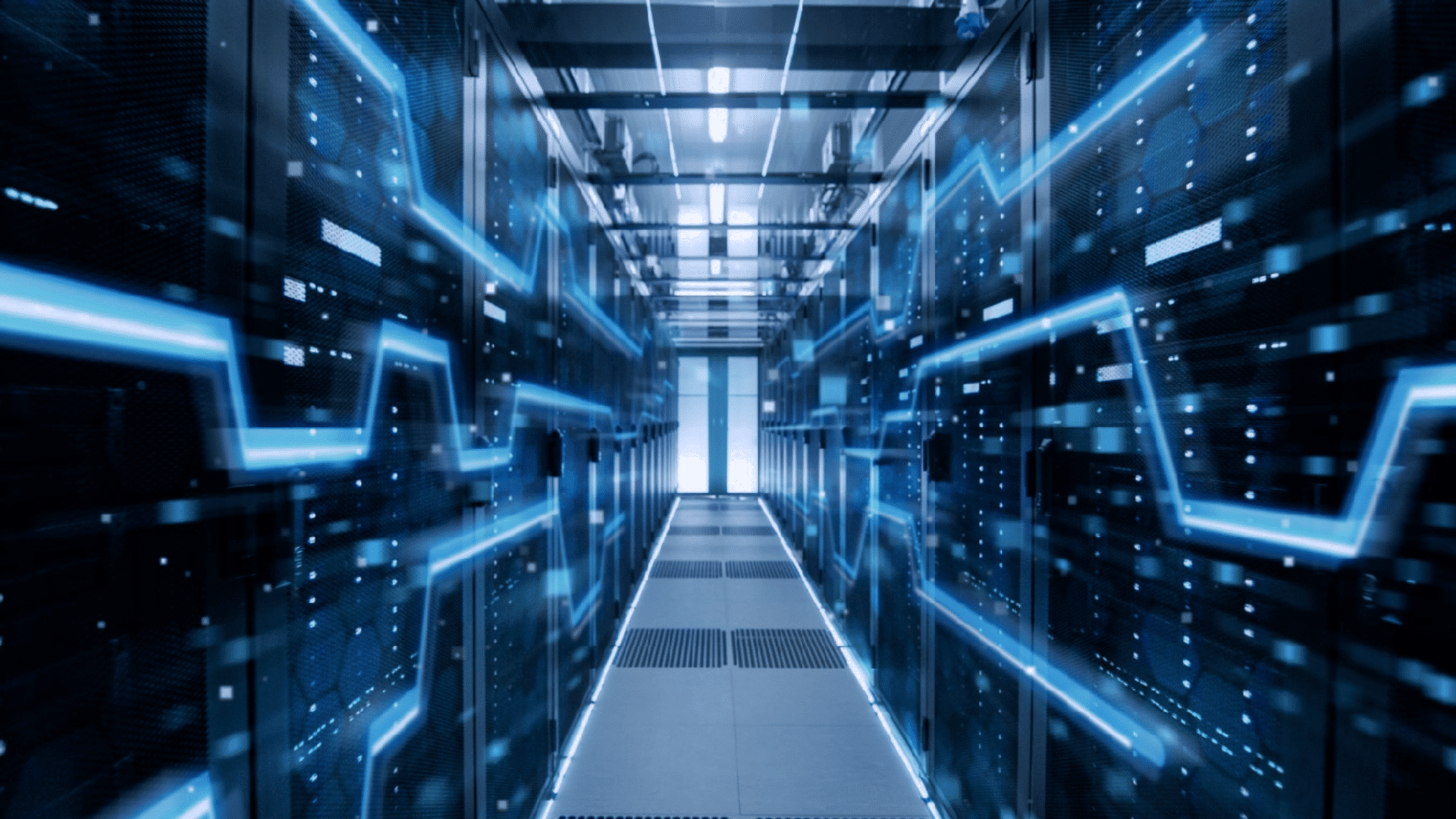
Strong infrastructure management helps systems stay stable, secure, and ready for daily business operations. Simple planning, regular monitoring, and timely updates can reduce downtime and improve overall performance.
- Monitor System Performance: Use monitoring tools to track servers, networks, and applications in real time. This helps teams find issues early before they affect users or business operations.
- Create Reliable Backup Plans: Store backups in secure locations and test them often. This helps recover important data quickly after system failures or cyberattacks.
- Strengthen Security Controls: Use firewalls, antivirus tools, encryption, and multi-factor authentication to protect systems and sensitive business data from threats.
- Automate Routine Tasks: Use automation for updates, monitoring, and alerts. This reduces manual work and allows IT teams to focus on larger operational tasks.
- Test Disaster Recovery Plans: Run recovery tests to make sure backup systems and emergency processes work properly during real incidents.
- Review Infrastructure Regularly: Conduct regular audits to identify outdated systems, security gaps, and performance issues that may affect business operations later.
- Capacity planning: Proper resource scaling helps businesses maintain performance during sudden increases in users or network traffic.
Roles and Responsibilities in IT Infrastructure Management
Different IT professionals work together to keep business systems stable, secure, and available every day. Each role focuses on specific tasks that support network performance, data protection, and system reliability.
1. System Administrator
System administrators manage servers, operating systems, user accounts, and internal software. They make sure systems stay updated, secure, and available for employees during daily work.
Their tasks include installing software, managing backups, fixing technical issues, and monitoring system health.
They also handle user permissions and help prevent unauthorized access to company resources. When systems slow down or fail, system administrators work quickly to restore normal operations.
Their role is important because businesses rely on stable systems for communication, data access, and daily tasks across different departments and teams within the organization.
2. Network Engineer
Network engineers manage the systems that connect computers, servers, and devices across the organization.
They set up routers, switches, firewalls, and internet connections to support secure communication and stable network performance.
Their job also includes monitoring traffic, fixing connection problems, and improving network speed when needed. They help protect networks from cyber threats by applying security settings and monitoring unusual activity.
As businesses grow, network engineers plan upgrades to support more users and devices.
Their work helps employees stay connected and allows business operations to continue without communication delays or network interruptions.
3. Cloud Engineer
Cloud engineers manage cloud-based systems, storage, and applications used by the business. They help companies move data and services from local servers to cloud platforms like AWS, Microsoft Azure, or Google Cloud.
Their tasks include setting up cloud resources, monitoring performance, controlling costs, and improving system availability.
Cloud engineers also apply security settings to protect data stored online. They work closely with IT teams to make sure cloud systems support business needs without downtime.
Their role has become more important as many companies now depend on cloud services for remote work and scalable infrastructure support.
4. Security Analyst
Security analysts protect business systems and data from cyber threats, malware, and unauthorized access. They monitor security tools, review system activity, and investigate suspicious behavior across the network.
Their work includes setting up firewalls, applying security updates, and helping employees follow safe security practices.
Security analysts also respond to incidents when attacks or data breaches happen. They create reports and recommend ways to improve system protection over time.
As cyber threats continue to grow, their role helps businesses reduce risks, protect customer information, and maintain trust while keeping systems safe and compliant with security standards.
5. IT Infrastructure Manager
IT infrastructure managers oversee the entire infrastructure environment and coordinate the work of different IT teams.
They plan upgrades, manage budgets, review system performance, and make sure technology supports business goals. Their responsibilities include improving efficiency, reducing downtime, and planning for future growth.
They also help create disaster recovery plans and security strategies to protect business operations.
IT infrastructure managers work closely with leadership teams to make decisions about hardware, software, and cloud investments.
Their role helps keep all infrastructure systems organized, reliable, and prepared to handle changing business and technology needs over time.
Core Components of IT Infrastructure
Every IT system runs on a set of basic building blocks. These parts work together to keep business operations stable and secure.
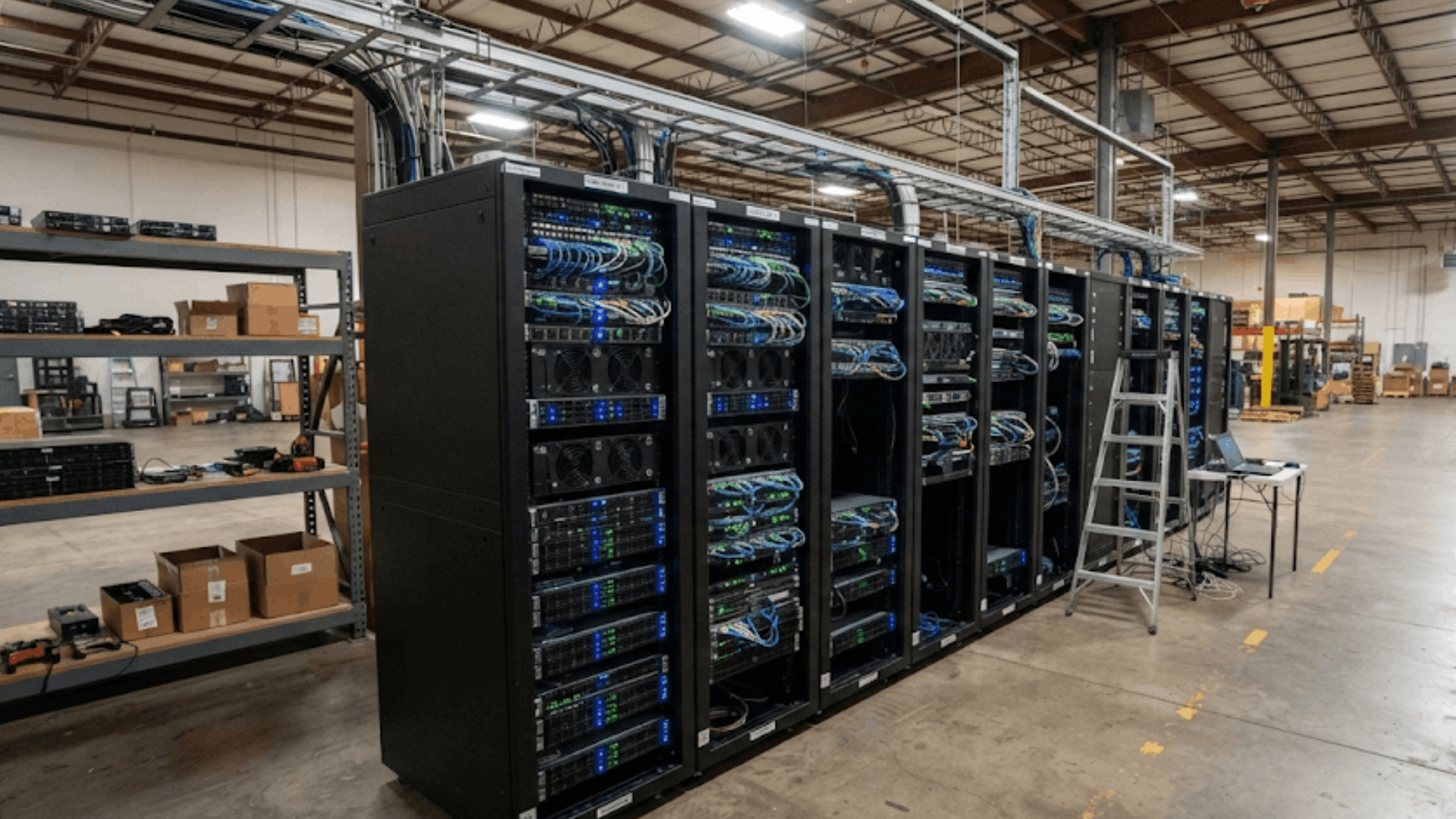
- Hardware: It includes physical devices like servers, computers, data centers, and storage systems. These devices store data, run applications, and support daily tasks across the organization.
- Software: Software covers operating systems, business applications, and management tools. It allows users to perform tasks, manage data, and control system operations.
- Network: The network connects devices and systems so they can share data. It includes routers, switches, firewalls, and internet connections that support communication.
- Data Storage: Data storage systems keep business information safe and organized. This includes on-site servers and cloud-based storage solutions.
- Security Systems: Security tools protect systems from cyber threats and unauthorized access. They include firewalls, antivirus software, encryption, and monitoring tools.
Types of IT Infrastructure Models
Businesses can set up their IT systems in different ways based on their needs and budget. Each model offers a different level of control, cost, and flexibility.
| Model Type | Where It Runs | Management Control | Best For |
|---|---|---|---|
| On-Premises Infrastructure | The company’s physical location | Full internal control | Large firms with strict data policies |
| Public Cloud | Shared third-party data centers | Managed by the provider | Startups and scalable workloads |
| Private Cloud | Dedicated cloud environment | High organizational control | Businesses needing strong data security |
| Hybrid Infrastructure | Mix of local and cloud systems | Shared control | Companies balancing flexibility and security |
| Multi-Cloud | Multiple cloud providers | Distributed management | Reducing vendor dependency |
| Colocation | Third-party data center facility | The company manages hardware | Firms needing data center space |
| Edge Infrastructure | Near data source locations | Localized control | Real-time processing needs |
Popular IT Infrastructure Management Tools
Many businesses use specialized tools to monitor systems, improve performance, and reduce technical issues. These tools help IT teams manage networks, servers, security, and daily infrastructure operations more efficiently.
- SolarWinds: Helps monitor network performance, server health, and system activity. IT teams use it to detect outages, track resource usage, and troubleshoot problems faster.
- Datadog: A cloud-based monitoring platform that tracks applications, servers, databases, and cloud services in real time. It supports performance monitoring across hybrid and cloud environments.
- Nagios: An open-source monitoring tool used to track servers, applications, and network devices. It alerts IT teams when systems face performance issues or downtime risks.
- Zabbix: A monitoring solution that helps businesses manage servers, networks, and cloud infrastructure. It provides detailed performance reports and automated alerts for technical issues.
- ManageEngine OpManager: Supports network monitoring, device management, and infrastructure performance tracking. It helps IT teams monitor routers, switches, firewalls, and servers from one dashboard.
- Microsoft System Center: A management platform that helps businesses control Windows servers, devices, software updates, and system configurations across large IT environments.
- AWS CloudWatch: A cloud monitoring tool from Amazon Web Services that tracks cloud resources, server performance, and application activity. It helps businesses manage cloud infrastructure efficiently.
- Splunk: A data monitoring and analytics platform used to collect and analyze machine data from servers, applications, and security systems. It supports faster issue detection and troubleshooting.
- ServiceNow IT Operations Management: Supports infrastructure monitoring, incident management, and automated workflows. Businesses use it to improve IT service performance and operational visibility.
How Does IT Infrastructure Management Work?
IT infrastructure management involves continuous monitoring, maintenance, and planning. IT teams track system performance to make sure servers, networks, and applications run without issues.
They use monitoring tools to detect slowdowns, security threats, or hardware failures early.
When a problem appears, the team fixes it quickly to reduce downtime. Teams also handle updates, patches, and system backups to keep data safe.
They manage user access and security controls to protect company information.
Capacity planning is another key task, which involves ensuring systems can handle growth and increased demand. Clear processes and documentation help teams respond faster during outages.
In simple terms, it is an ongoing process that keeps business technology stable, secure, and ready for daily operations.
Why IT Infrastructure Management Matters?
IT infrastructure management matters because businesses rely on technology every day. When systems fail, work slows down, and revenue can drop.
Proper management keeps servers, networks, and applications running without long interruptions. This improves productivity and reduces costly downtime.
It also strengthens security. Managed infrastructure includes regular updates, monitoring, and access control to protect sensitive data. Without this, companies face higher risks of cyberattacks and data breaches.
Strong infrastructure management often includes cloud security consulting services to support data protection and business continuity.
With the right planning and tools, IT teams can scale resources smoothly.
Disaster Recovery and Business Continuity
Disaster recovery and business continuity help a company stay active during unexpected problems like cyberattacks, hardware failure, power outages, or natural disasters.
Disaster recovery focuses on restoring systems, data, and applications after an issue happens. Business continuity focuses on keeping important operations running with little disruption.
Companies often use backups, cloud storage, recovery plans, and backup servers to reduce downtime and protect important data.
IT teams also test recovery plans regularly to make sure systems can return quickly after a failure.
A strong recovery strategy helps businesses avoid data loss, reduce financial damage, and maintain customer trust.
It also supports faster decision-making during emergencies because employees already know what steps to follow. Without proper planning, even a small outage can interrupt daily work and create long-term business problems.
Common Challenges in IT Infrastructure Management
IT infrastructure can become complex as businesses grow and adopt new technologies. Managing performance, security, and costs at the same time is often a difficult task
- Unexpected Downtime: System failures, server crashes, or network outages can interrupt daily operations and reduce employee productivity. Even short downtime periods may affect customer service and business revenue.
- Legacy System Issues: Older hardware and software may not work well with modern applications and cloud services. This can slow performance and make upgrades more difficult and expensive.
- Lack of Skilled Professionals: Finding experienced IT staff can be difficult for many organizations. Smaller teams may face delays when handling complex technical issues or security incidents.
- Poor Capacity Planning: Systems may become overloaded if businesses do not prepare for increased users, traffic, or data growth. This can lead to slow performance and service interruptions.
- Cloud Management Complexity: Managing cloud platforms, hybrid systems, and multiple vendors can become difficult without proper planning and monitoring tools.
- Data Backup Problems: Incomplete or outdated backups can create major risks during hardware failures or cyberattacks. Businesses may lose important data if recovery systems are not tested regularly.
- Monitoring Large Environments: Tracking performance across servers, applications, networks, and cloud systems can become challenging as infrastructure grows larger and more complex.
Future Trends in IT Infrastructure Management
IT infrastructure management is changing as businesses adopt faster and more flexible technology. Many companies now use DevOps infrastructure practices to improve deployment speed, system updates, and operational efficiency
Automation is becoming more common, with tools handling updates, monitoring, backups, and alerts automatically.
Artificial intelligence is improving system monitoring by helping teams detect problems before they cause downtime.
Edge computing is growing as businesses need faster data processing closer to users and devices. Security is also becoming more advanced with stronger identity controls and real-time threat detection.
Businesses are focusing more on flexible, secure, and automated infrastructure that can support remote work, cloud services, and rising data demands.
These changes help businesses improve performance and prepare for future growth.
Conclusion
IT infrastructure management may sound complex, but it directly affects how smoothly your business runs each day.
When your systems are stable, secure, and well-managed, your team can focus on real work rather than constant technical problems.
Even small steps, like better monitoring or regular updates, can prevent major disruptions later.
You can now better understand your own IT setup and its challenges. Strong infrastructure is not only about technology. It supports productivity, protects data, and prepares your business for growth.
Take a moment to think about your current systems. Are they reliable and ready for future demand?
Share your experience or challenges with IT infrastructure management in the comments below.
Frequently Asked Questions
Can IT Infrastructure Management Help Reduce Energy Costs?
Yes, efficient system planning and resource use can lower power consumption and operational costs.
Do Small Businesses Need Dedicated IT Infrastructure Management?
Yes, even small businesses benefit from basic management to keep systems stable and secure.
Can IT Infrastructure Management Improve System Scalability?
Yes, it helps plan and adjust resources to handle growing workloads smoothly.
Is Regular Auditing Part of IT Infrastructure Management?
Yes, audits help identify risks, inefficiencies, and areas for improvement.
Can IT Infrastructure Management Support Compliance Requirements?
Yes, it helps maintain standards required for data protection and industry regulations.