





When I first started looking into satellite communication devices, I realized how confusing the choices could be. Some are made for hiking trips, while others work better for emergencies, travel, or remote jobs.
If you are trying to stay connected in places where cell service does not work, picking the right device matters a lot, especially if you travel to regions with strict satellite communication laws.
In this article, I’ll explain the best satellite communication devices, their features, and how they work in real-life situations.
You’ll also learn what to look for before buying one, how much they cost, and which options fit different needs.
Many people now use these devices for outdoor adventures, boating, camping, and even long road trips.
Having a reliable connection in remote areas can make travel safer and less stressful. By the end, you’ll have a much clearer idea of which device is right for you.
What Are Satellite Communication Devices?
Satellite communication devices use satellites rather than cell towers to send messages, make calls, or share location data. They help people stay connected in places where regular mobile networks do not work.
These devices are commonly used by hikers, campers, travelers, sailors, emergency teams, and people working in remote areas.
Some devices only allow text messaging and GPS tracking, while others support voice calls and internet access.
Their main purpose is to provide communication during emergencies or in locations with weak or no phone signal.
Many modern satellite communication devices are small, lightweight, and easy to carry. Some also include SOS buttons that can quickly contact rescue services if needed.
Choosing the right device depends on how you plan to use it, your budget, battery needs, and the type of coverage you want.
How Satellite Communication Devices Work?
Satellite communication devices connect directly to satellites orbiting the Earth instead of using nearby cell towers. This allows users to send messages, make calls, or share GPS locations from remote places with little or no signal.
- Signal Transmission: The device sends signals to satellites in space, which then forward the data to ground stations or other devices.
- Satellite Network: Different brands use different satellite networks, and coverage can vary depending on the region and provider.
- GPS Tracking: Many devices include GPS technology to track your location and share it with family, friends, or rescue teams.
- SOS Emergency Feature: Most devices have an SOS button that quickly connects users with emergency response centers during dangerous situations.
- Battery and Connectivity: These devices are designed to work for long hours and often perform well in outdoor and harsh weather conditions.
- Weather Resistance: Many satellite communication devices are built to withstand rain, dust, heat, and other harsh outdoor conditions without losing connection.
Top Satellite Communication Devices for Survival
These devices help you stay connected and send emergency alerts in places without cell service. They are useful for hiking, camping, travel, and survival situations.
1. Garmin inReach Mini 2
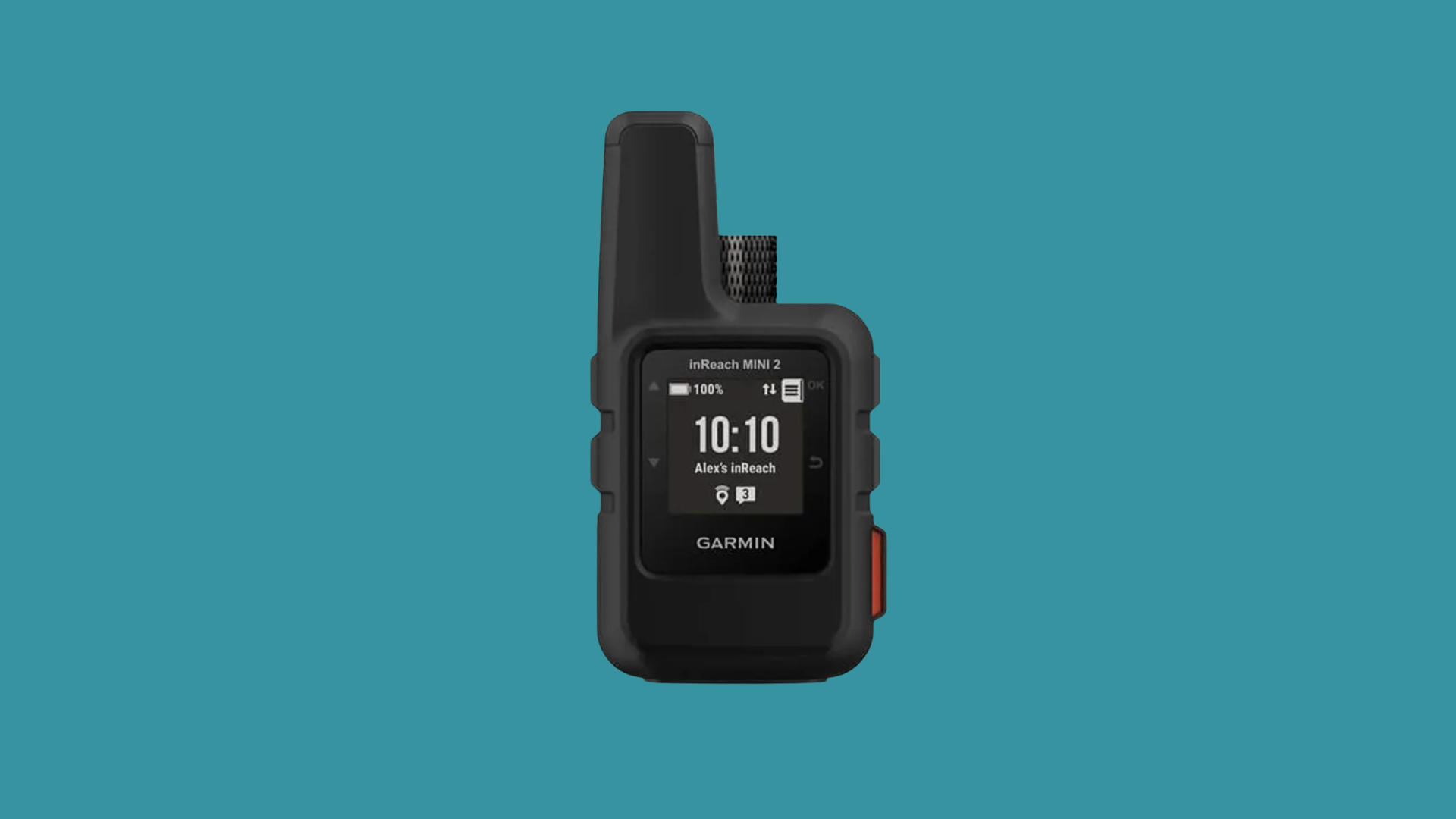
The Garmin inReach Mini 2 is a small, lightweight satellite communicator designed for hikers, campers, and survival trips. It offers reliable SOS alerts, GPS tracking, and two-way messaging in remote areas.
It is easy to carry in a pocket or a backpack due to its compact size. Many outdoor users like it for long hiking and camping trips where weight matters.
| Pros | Cons |
|---|---|
| Compact and lightweight | Small screen size |
| Excellent satellite coverage | Higher price |
| Long battery life | Requires subscription |
- Features: SOS alerts, GPS tracking, weather updates
- Messaging Ability: Two-way text messaging
- Durability: Water-resistant and rugged body
- Battery Life: Up to 14 days in tracking mode
2. Garmin inReach Messenger Plus
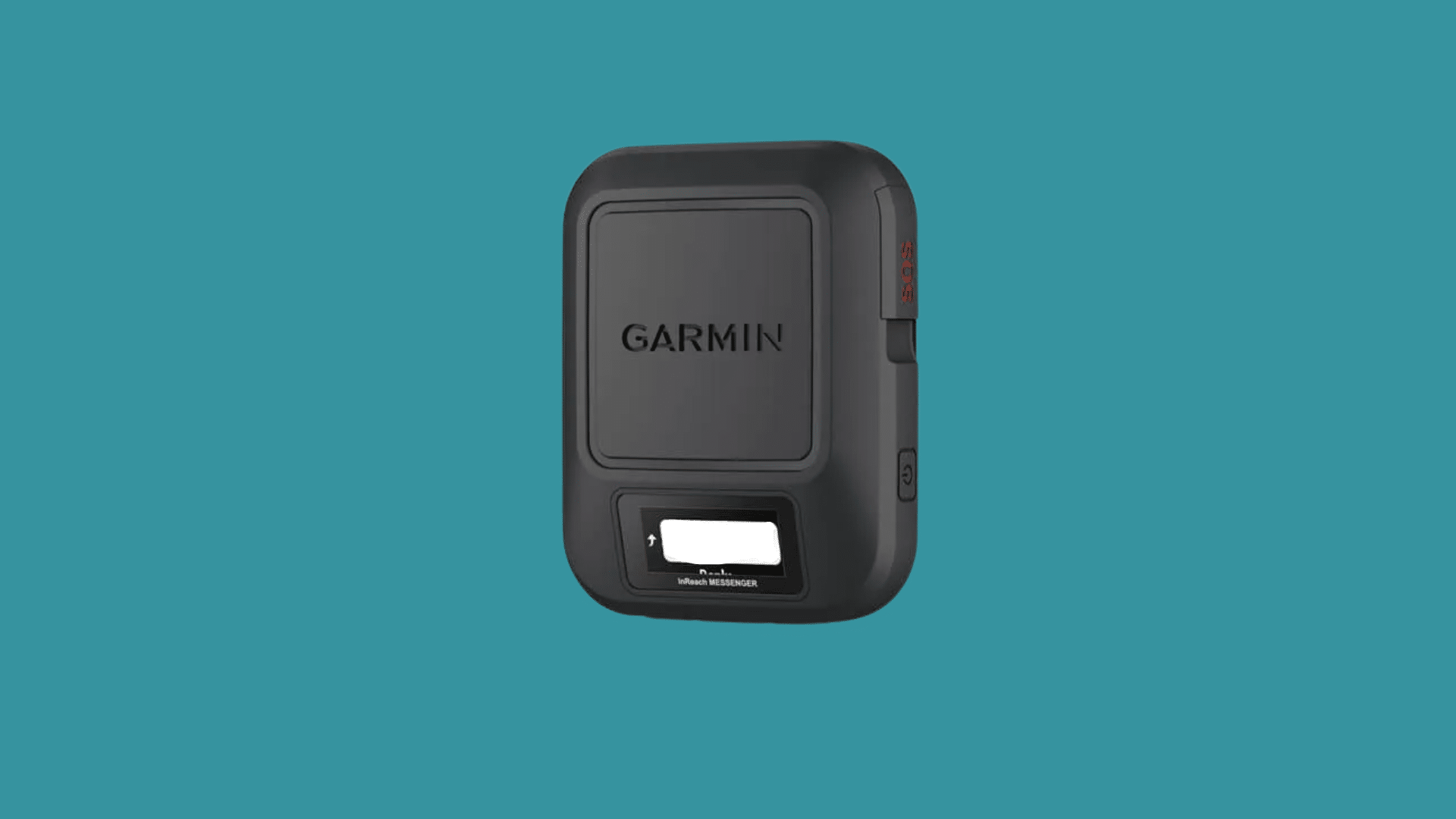
Garmin inReach Messenger Plus works well with smartphones and allows users to send messages even without cell service. It also provides weather forecasts and emergency communication tools.
This device works smoothly with smartphones for easier texting and communication. It is also helpful for checking weather conditions during outdoor travel.
| Pros | Cons |
|---|---|
| Easy phone connection | Subscription needed |
| Reliable weather forecasts | Limited screen controls |
| Lightweight design | Costly plans |
- Features: Weather updates, app support, SOS
- Messaging Ability: Two-way messaging with smartphone pairing
- Durability: Strong outdoor-ready design
- Battery Life: Several days on regular use
3. ZOLEO Satellite Communicator
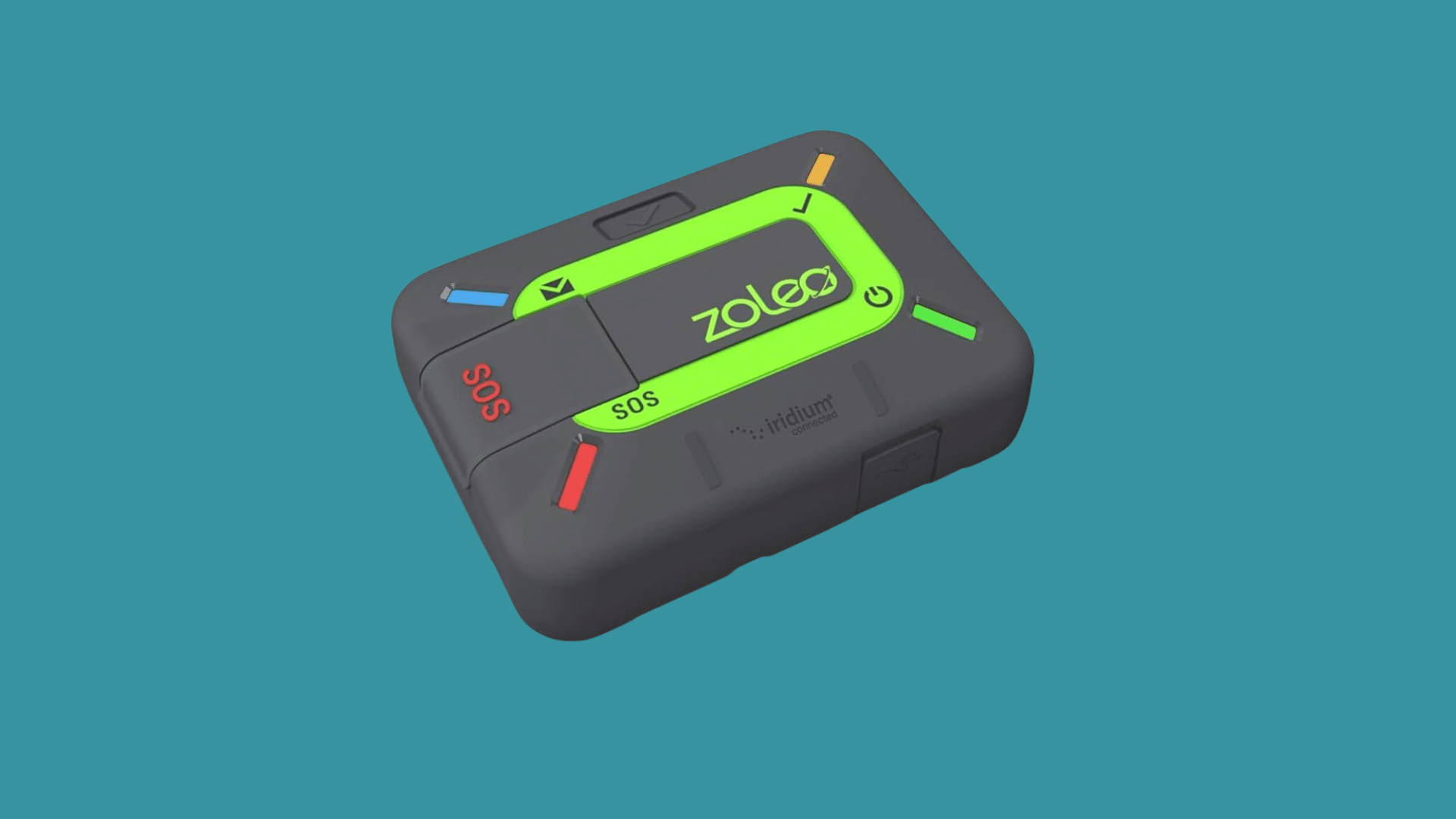
ZOLEO is a budget-friendly device that focuses on app-based communication and emergency support. It is popular among travelers and outdoor users who want simple satellite messaging.
ZOLEO is a good choice for beginners who want simple satellite messaging features. Its mobile app makes communication feel similar to regular texting.
| Pros | Cons |
|---|---|
| Affordable pricing | Needs a smartphone for full use |
| Simple mobile app | No built-in maps |
| Good emergency features | Slightly bulky |
- Features: SOS support, GPS location sharing
- Messaging Ability: Two-way app messaging
- Durability: Dust and water-resistant
- Battery Life: Around 200+ hours standby
4. SPOT X 2-Way Messenger
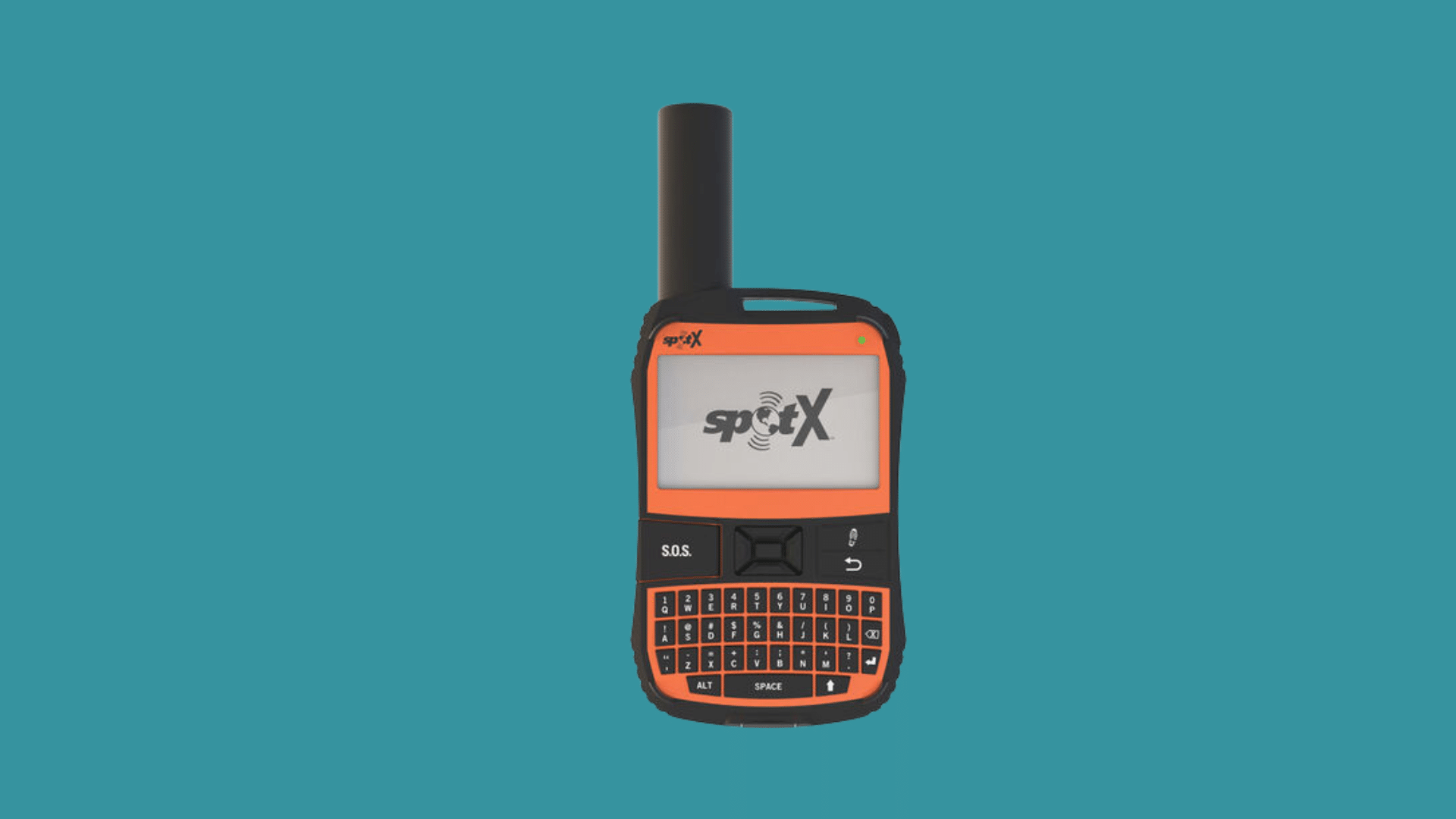
SPOT X allows users to send messages and track groups during outdoor trips. It includes a physical keyboard for easier communication without a phone.
The built-in keyboard makes typing messages easier without needing a smartphone. It is commonly used for outdoor group trips and remote travel.
| Pros | Cons |
|---|---|
| Built-in keyboard | Slower network in some areas |
| Group tracking support | Heavier than some rivals |
| Reliable SOS alerts | Basic interface |
- Features: GPS tracking, SOS button
- Messaging Ability: Two-way messaging
- Durability: Rugged outdoor build
- Battery Life: Up to 10 days
5. Garmin inReach Explorer+
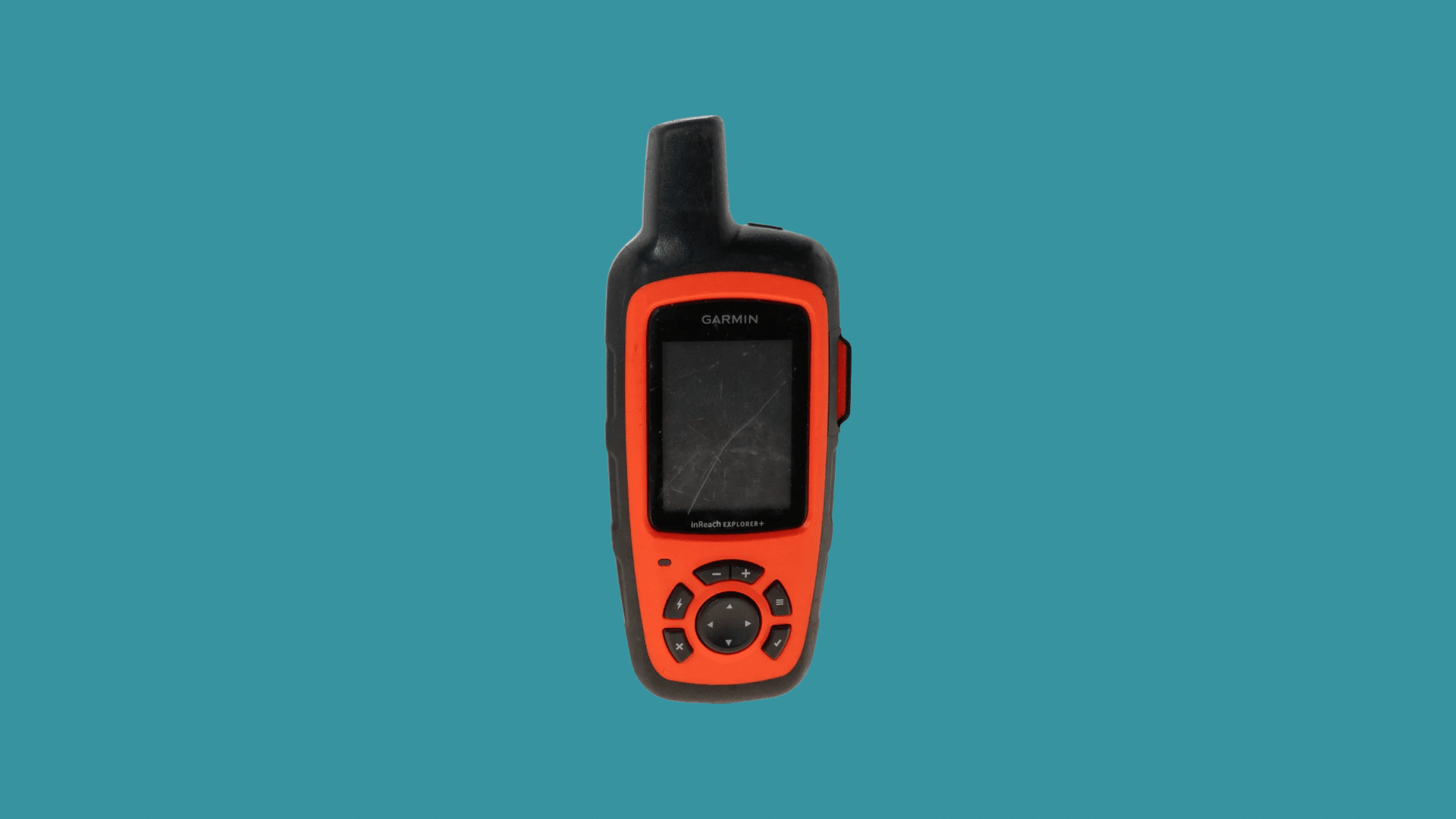
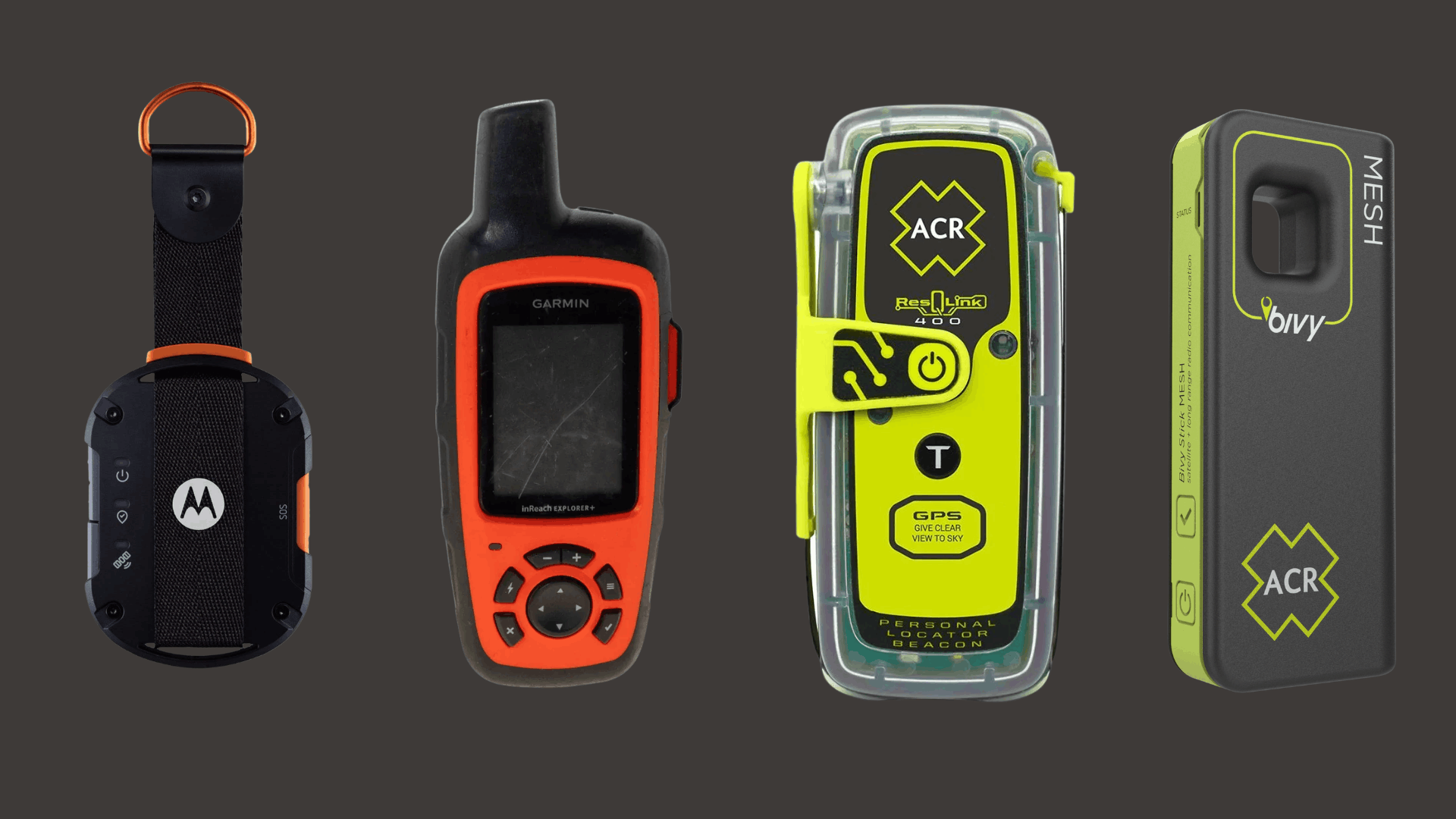
The Garmin inReach Explorer+ combines satellite communication with detailed GPS navigation. It works well for survival trips where navigation is important.
This device is useful for people who need both navigation and communication tools. The built-in maps help users navigate unfamiliar areas safely.
| Pros | Cons |
|---|---|
| Built-in navigation maps | More expensive |
| Strong tracking features | Larger size |
| Reliable communication | Older interface |
- Features: GPS maps, navigation tools, SOS
- Messaging Ability: Two-way messaging
- Durability: Water-resistant design
- Battery Life: Up to 100 hours in tracking mode
6. ACR ResQLink View
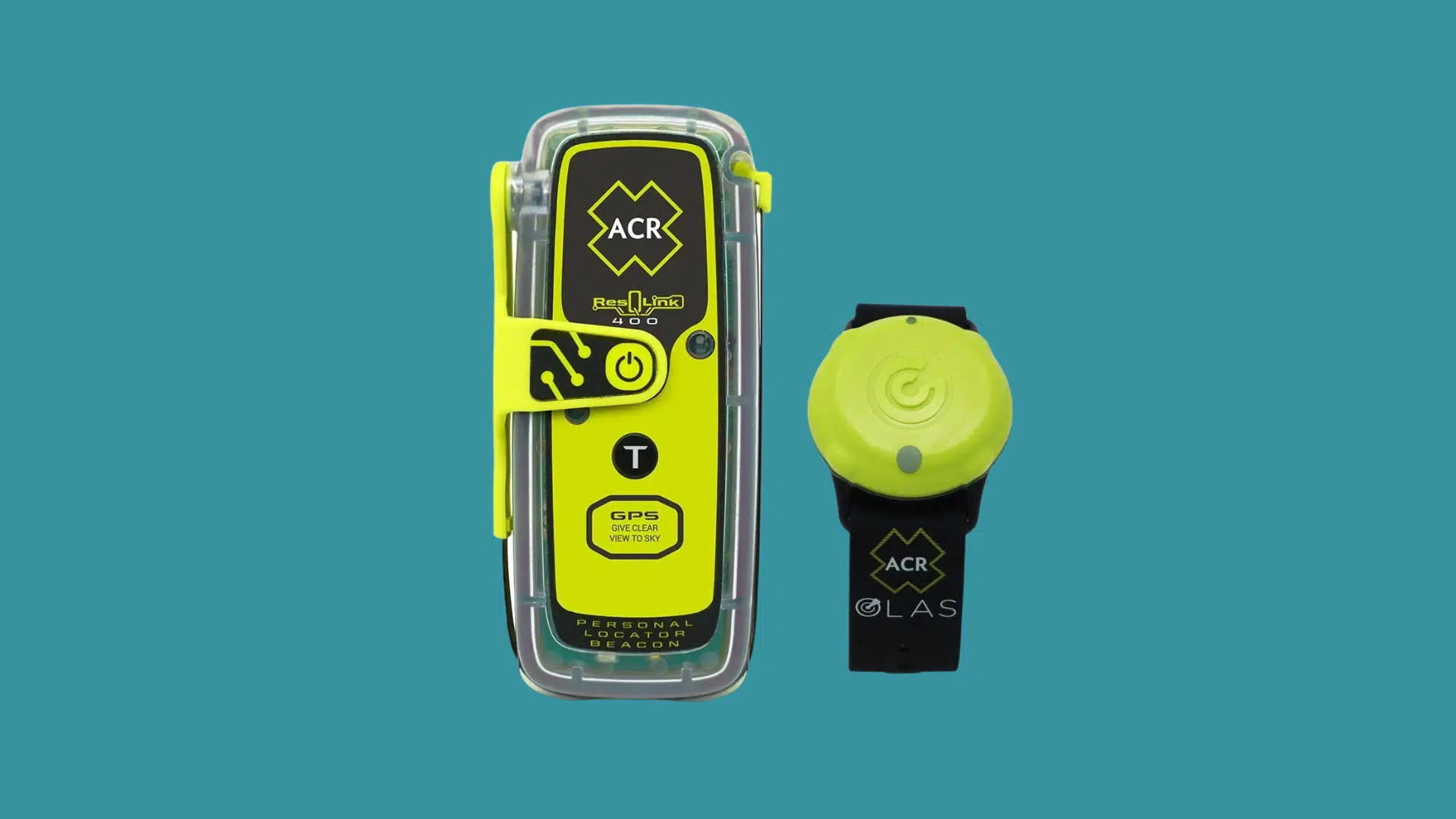
The ACR ResQLink View is a personal locator beacon designed mainly for emergency rescue situations. It does not require a monthly subscription.
It is primarily designed for emergencies requiring quick rescue support. The device sends your exact GPS location to rescue teams during distress situations.
| Pros | Cons |
|---|---|
| No subscription fees | No texting feature |
| Very reliable SOS system | Limited daily use |
| Compact emergency device | One-way communication |
- Features: Emergency rescue beacon, GPS location
- Messaging Ability: SOS only
- Durability: Waterproof and shock-resistant
- Battery Life: Up to 5 years standby
7. Bivy Stick Mesh
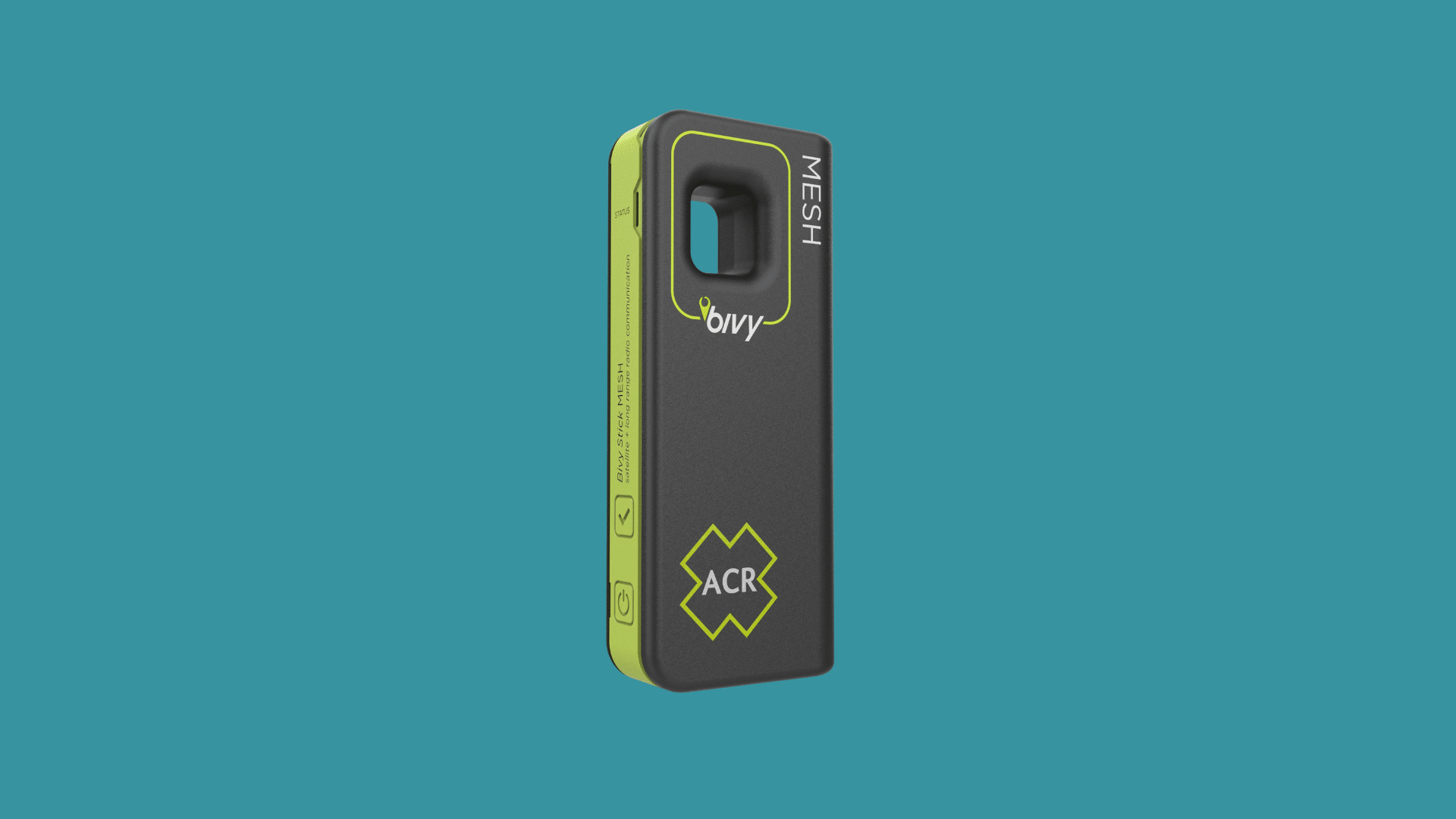
Bivy Stick Mesh is a lightweight satellite communicator designed for travelers and backpackers. It supports messaging and location sharing with long battery performance.
Bivy Stick Mesh is lightweight and simple to pack for outdoor adventures. It also offers flexible subscription plans for occasional users.
| Pros | Cons |
|---|---|
| Lightweight and portable | Requires a mobile app |
| Flexible subscription plans | Smaller network coverage |
| Long battery life | Limited advanced features |
- Features: GPS sharing, SOS alerts
- Messaging Ability: Two-way messaging through the app
- Durability: Durable outdoor body
- Battery Life: Up to 120 hours
8. SPOT Gen4
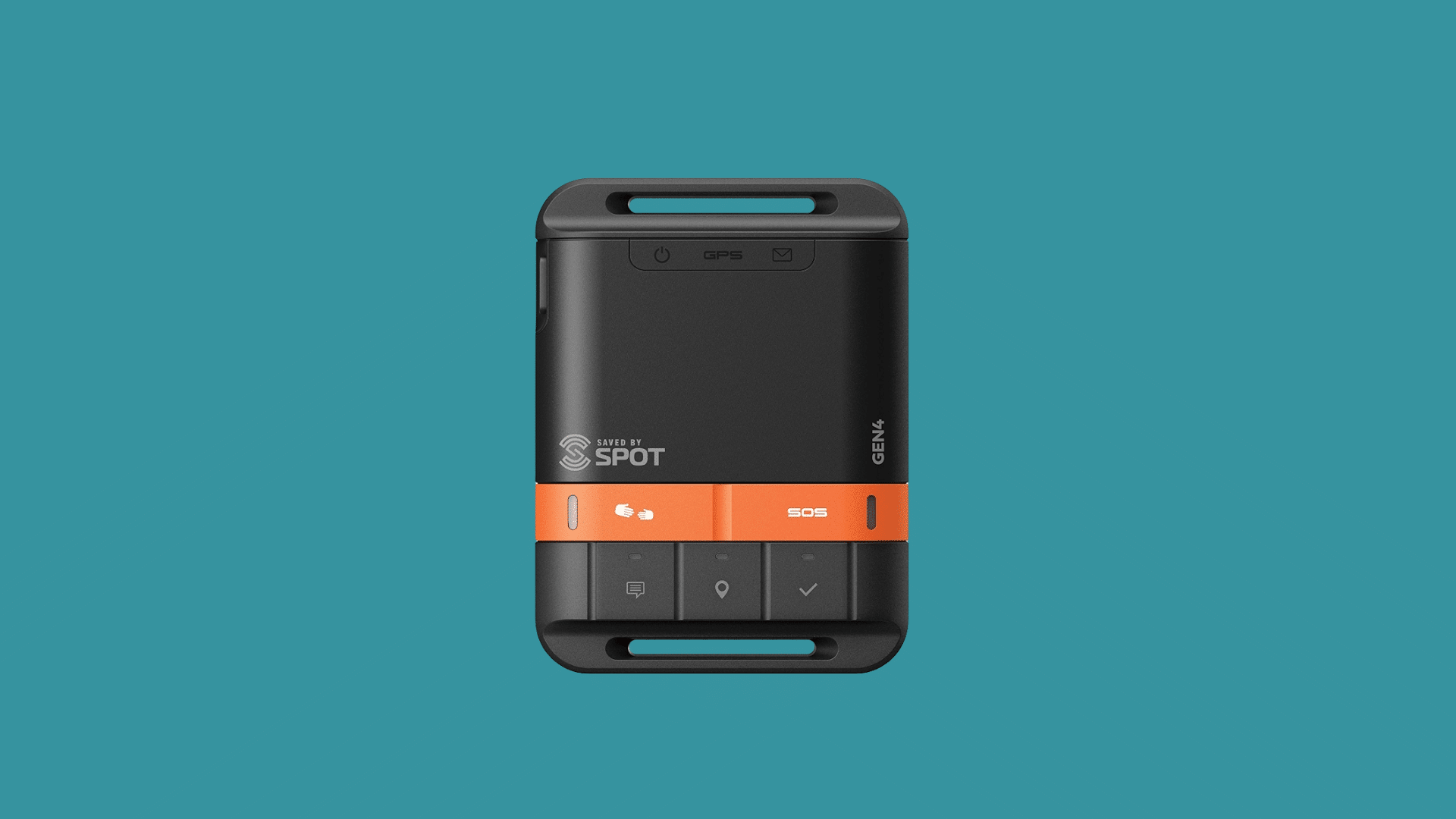
SPOT Gen4 is a low-cost satellite tracker made for basic outdoor safety and location sharing. It is best for users who need one-way communication.
This device focuses on location tracking and emergency safety features. It is a budget-friendly option for basic outdoor communication needs.
| Pros | Cons |
|---|---|
| Affordable option | No two-way messaging |
| Easy to use | Basic features only |
| Strong tracking support | Limited communication |
- Features: GPS tracking, emergency SOS
- Messaging Ability: One-way custom messages
- Durability: Rugged and weather-resistant
- Battery Life: Several weeks, depending on use
9. Iridium Extreme 9575
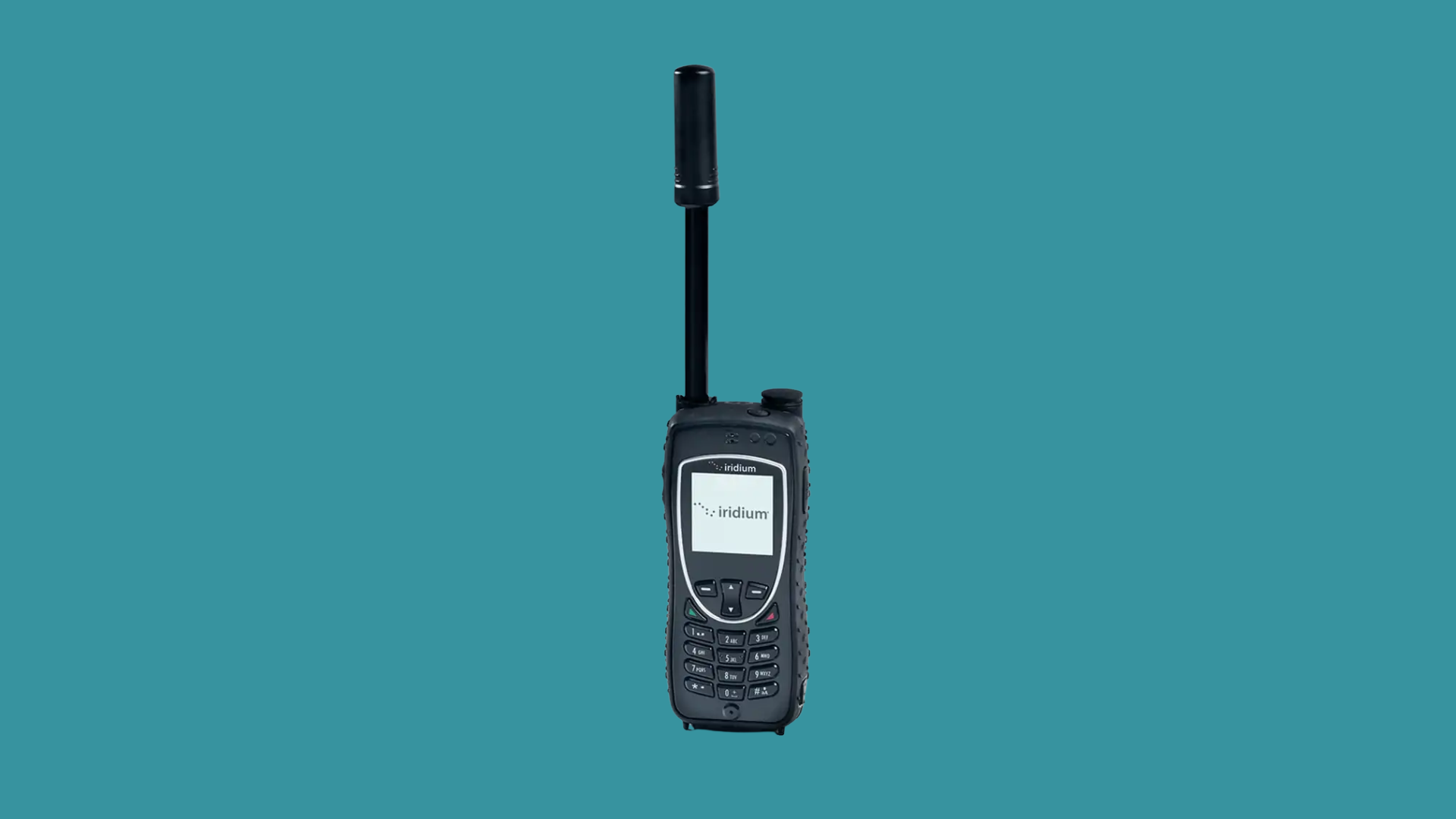
The Iridium Extreme 9575 is a powerful satellite phone built for harsh environments and survival situations. It supports voice calls, texting, GPS tracking, and SOS alerts.
The device is made for extreme environments and rough weather conditions. It provides strong global coverage for users traveling far from cities.
| Pros | Cons |
|---|---|
| Global satellite coverage | Very expensive |
| Strong and durable build | Heavier device |
| Supports voice calls | Costly service plans |
- Features: Voice calling, GPS, SOS support
- Messaging Ability: Voice and text communication
- Durability: Military-grade rugged design
- Battery Life: Around 30 hours standby
10. Motorola Defy Satellite Link
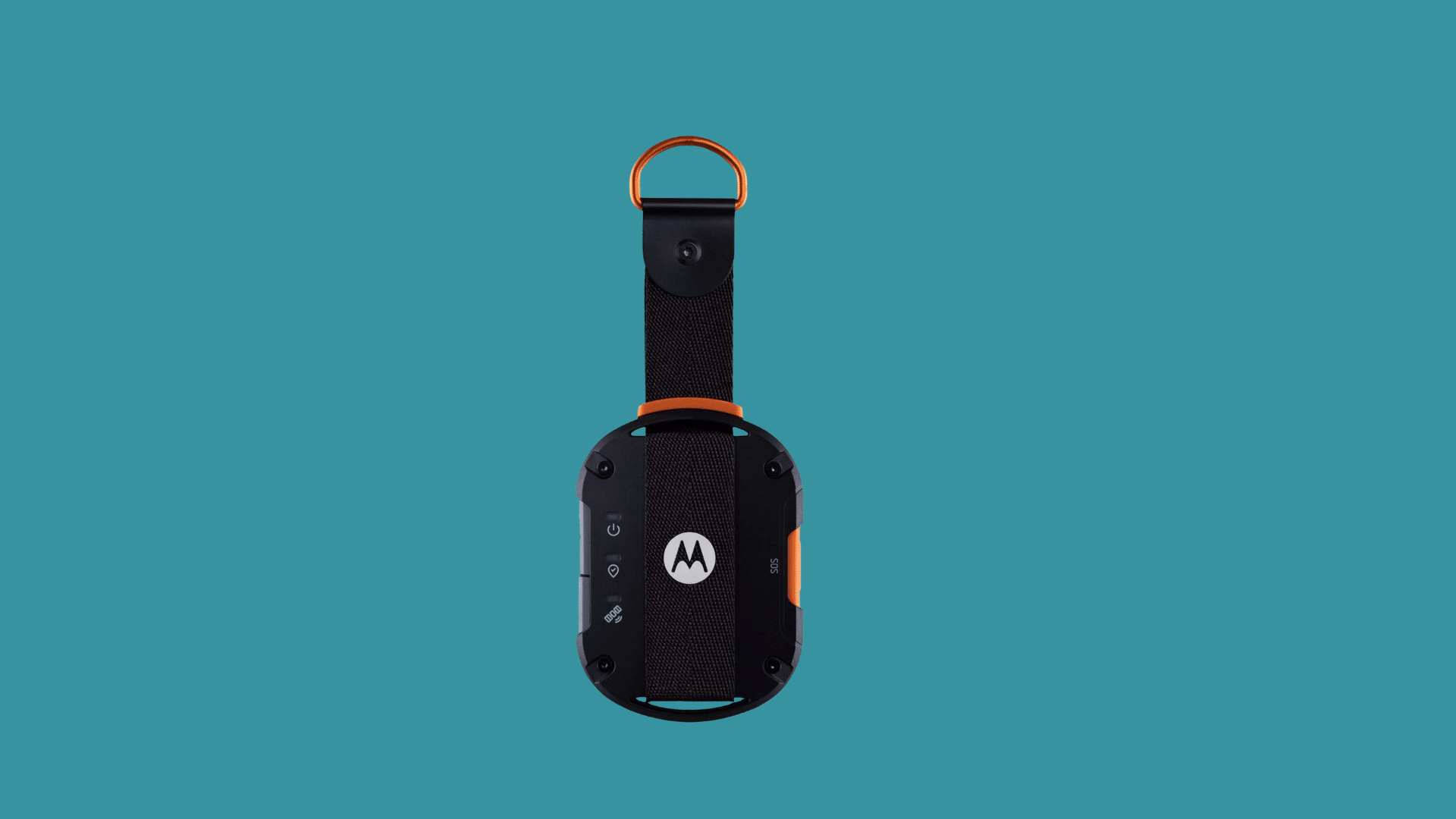
The Motorola Defy Satellite Link connects to smartphones through Bluetooth for satellite texting and emergency communication. It is designed for outdoor survival and travel.
It connects quickly with smartphones through Bluetooth for satellite messaging. The compact design makes it easy to carry during travel and survival trips.
| Pros | Cons |
|---|---|
| Affordable satellite option | Depends on the smartphone |
| Simple setup process | Limited standalone use |
| Compact and portable | Fewer advanced tools |
- Features: Bluetooth support, SOS messaging
- Messaging Ability: Satellite text messaging
- Durability: Water and dust resistant
- Battery Life: Several days on one charge
Key Comparison of Satellite Communication Devices
These devices differ in price, battery life, and connectivity features. Comparing them makes it easier to choose the right option for your needs.
| Device | Approx. Cost | Battery Life | Connectivity | Best For |
|---|---|---|---|---|
| Garmin inReach Mini 2 | $300–$400 | Up to 14 days | Iridium Satellite Network | Hiking & camping |
| Garmin inReach Messenger Plus | $400–$500 | Several days | Iridium Satellite Network | Remote travel |
| ZOLEO Satellite Communicator | $200–$250 | 200+ hrs standby | Iridium Satellite Network | Budget messaging |
| SPOT X 2-Way Messenger | $250–$300 | Up to 10 days | Globalstar Network | Group tracking |
| Garmin inReach Explorer+ | $400–$450 | Up to 100 hrs | Iridium Satellite Network | Navigation & survival |
| ACR ResQLink View | $350–$450 | Up to 5 years standby | Global Rescue Network | Emergency rescue |
| Bivy Stick Mesh | $200–$300 | Up to 120 hrs | Iridium Satellite Network | Backpacking |
| SPOT Gen4 | $150–$200 | Several weeks | Globalstar Network | Basic tracking |
| Iridium Extreme 9575 | $1,200+ | Around 30 hrs standby | Iridium Global Coverage | Extreme survival |
| Motorola Defy Satellite Link | $150–$200 | Several days | Bullitt Satellite Connect | Budget emergency use |
How Much Do Satellite Communication Devices Cost?
Satellite communication devices range in price depending on features, battery life, and connectivity options.
Basic tracking devices usually cost between $150 and $250 and are mainly used for GPS tracking and SOS alerts. Mid-range models with two-way messaging and better coverage often range from $250 to $500.
Premium satellite phones with voice calling, navigation tools, and global coverage can cost more than $1,000.
In addition to the device price, most brands also require monthly or yearly subscription plans, so comparing the best satellite phone providers before purchase can help you avoid paying more than needed.
The total cost may also increase if you buy additional accessories, such as cases, chargers, or mounting tools.
Choosing the right device depends on your budget and how often you plan to use it during travel, outdoor activities, or emergencies.
Tips for Choosing the Right Satellite Device
Choosing the right satellite device depends on your travel style, budget, and communication needs. Some devices are better for emergencies, while others work well for navigation, messaging, and outdoor adventures.
- Check Coverage Area: Make sure the device works in the regions or countries where you plan to travel or explore.
- Look at Battery Life: Devices with longer battery life are more reliable for camping, hiking, and survival trips.
- Choose the Right Messaging Features: Some devices only send SOS alerts, while others support full two-way messaging and voice calls.
- Compare Subscription Costs: Many satellite devices require service plans, so it is important to check monthly or yearly fees.
- Consider Size and Weight: Lightweight and compact devices are easier to carry during outdoor activities and long trips.
- Check Durability: A rugged, waterproof design is helpful in harsh weather and rough outdoor conditions.
Are Satellite Communication Devices Worth It?
Yes, satellite communication devices are worth it for people who travel, work, or spend time in areas without reliable cell service.
These devices provide an extra layer of safety during outdoor adventures, emergencies, and remote travel.
They allow users to send messages, share GPS locations, and contact rescue services even when mobile networks are unavailable.
Many hikers, campers, sailors, and road travelers use them for peace of mind during long trips.
While some devices and subscription plans can be expensive, they can be very helpful in dangerous situations where regular phones stop working.
Budget-friendly models are also available for users who only need basic tracking or SOS support.
Choosing the right device depends on your travel habits, communication needs, and how often you visit remote locations. For many people, the added safety and reliability make the cost worthwhile.
Conclusion
After learning about satellite communication devices, I’ve found that the right one can make outdoor trips safer and less stressful.
If you enjoy hiking, camping, boating, or traveling to remote places, having a reliable way to communicate can be very helpful during emergencies or when network conditions are poor.
I also realized that not everyone needs the most expensive model. Sometimes, a simple device with GPS tracking and SOS support is enough for everyday outdoor use.
The best choice depends on your budget, travel habits, and the features you need most.
Taking time to compare battery life, coverage, and messaging options can help you avoid buying the wrong device.
Have you ever used a satellite communication device before? Share your experience or favorite device in the comments below!
Frequently Asked Questions
Can Civilians Use Satellite Communication Devices?
Yes, civilians can legally use most satellite communication devices for travel, outdoor activities, and emergencies.
Can a Cell Phone Connect to Satellites?
Some newer smartphones support limited satellite messaging features for emergency communication in remote areas.
What Radios Work when Cell Towers Are Down?
Ham radios, satellite communicators, and walkie-talkies can still work during cell tower outages.
How Much Does a Satellite Phone Cost per Month?
Most satellite phone plans cost between $30 and $150 per month, depending on usage and coverage.
Can Family Members Track a Garmin in Reach Device?
Yes, Garmin inReach devices can share live GPS locations with approved family members or friends.