



Every second, huge amounts of data are created by smartphones, connected devices, vehicles, and smart systems.
I often wonder how all this information is processed quickly enough to support the fast digital experiences we expect every day.
As technology continues to advance, traditional computing alone is not always enough to meet the growing demand for real-time performance. That is where edge computing data centers have become increasingly important.
In this blog, I’ll explain the basics of edge computing data centers, their benefits and costs, and how they compare with traditional and cloud data centers.
Key Takeaways
|
What are Edge Computing Data Centers?
Edge computing data centers are facilities that process and store data closer to the devices and users that create it.
They reduce the need to send every piece of information to distant centralized servers for processing.
These data centers are usually placed near locations where data is generated, such as factories, offices, retail stores, telecom sites, and smart city systems.
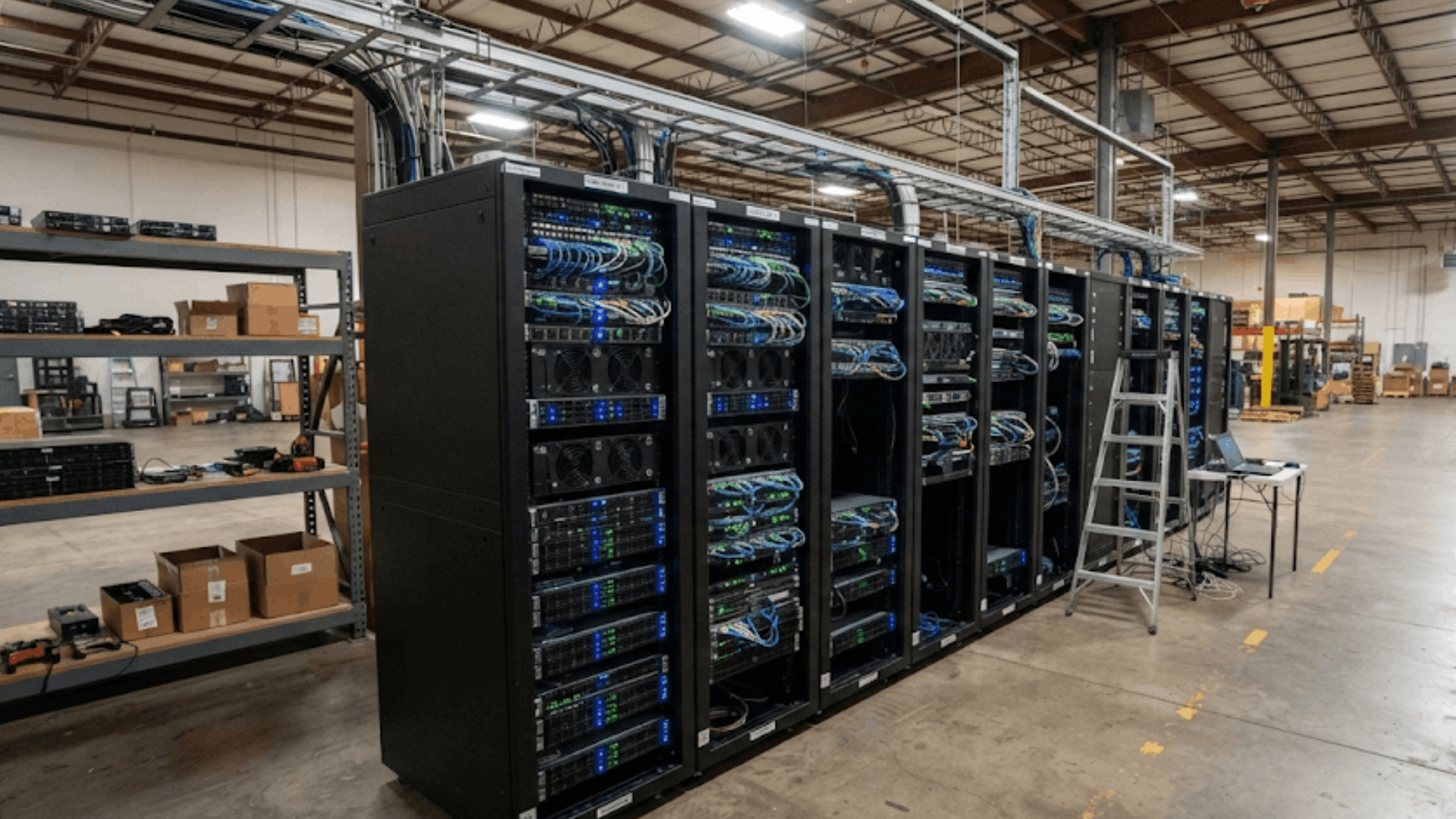
They contain servers, storage equipment, and networking hardware that handle local computing tasks.
Unlike traditional data centers that manage data from a central location, edge computing data centers focus on faster local processing.
They support applications that need quick responses, such as IoT devices, video monitoring, and automated systems. This setup helps reduce delays and improves the way connected devices exchange information.
What Are the Key Components of Edge Data Centers?
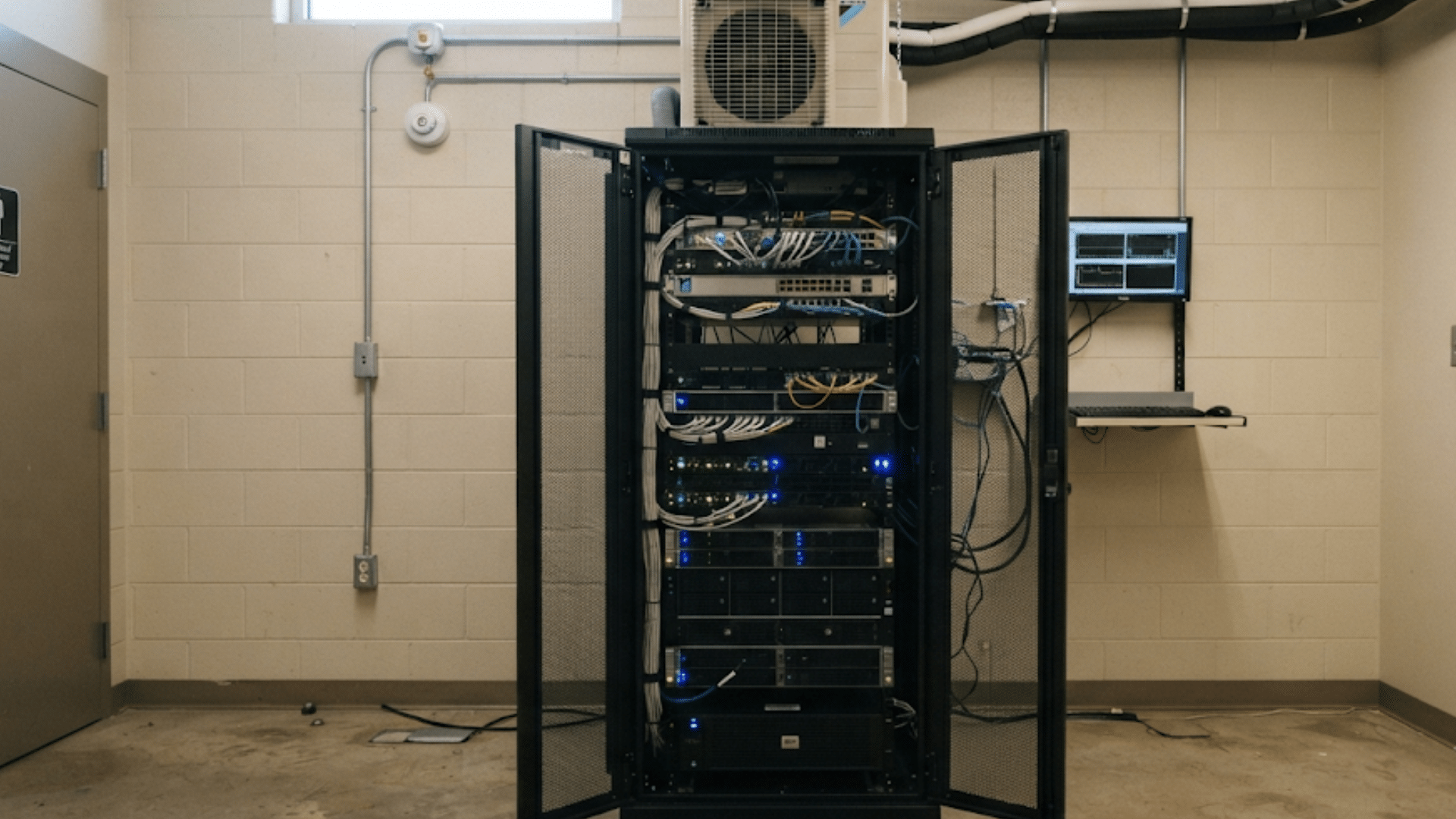
Edge data centers use several hardware and infrastructure elements to process data near its source. Each component helps maintain local computing, storage, and network operations.
1. Edge Servers for Local Processing
Edge servers are the main computing units in an edge data center. They handle data processing tasks close to where information is generated, such as sensors, cameras, and connected devices.
These servers reduce the need to send large amounts of data to distant cloud facilities.
They are designed to manage applications that require quick responses, including industrial automation, smart devices, and real-time monitoring systems.
By handling tasks locally, edge servers help applications work faster and more reliably.
2. Storage Systems for Data Management
Storage systems in edge data centers keep important data closer to users and devices. They store information collected from local sources before processing it or transferring it to a central cloud platform.
These systems support applications that need quick access to frequently used data, such as video analytics and IoT platforms.
Local storage also helps reduce network traffic by limiting the amount of data sent to remote servers.
Different storage options, including solid-state drives and traditional storage devices, can be used based on application needs.
3. Network Equipment for Connectivity
Network equipment connects edge data centers with nearby devices, users, and larger cloud environments.
Routers, switches, and communication systems help transfer data between different locations while maintaining smooth connections.
Edge facilities need fast, reliable networks to process data close to its source.
This equipment allows businesses to manage connected devices, transfer processed information, and maintain communication between edge locations and central systems.
4. Power and Cooling Systems
According to the U.S. Department of Energy, data center energy efficiency helps reduce energy consumption while maintaining reliable performance
These facilities require stable power supplies to support servers, storage devices, and networking hardware.
Cooling solutions help control heat produced by computing equipment and maintain suitable operating conditions.
Unlike large centralized facilities, edge locations may operate in smaller spaces such as offices, retail sites, or remote areas.
Proper power management and cooling methods help these centers maintain consistent operations.
5. Security and Monitoring Tools
Security and monitoring tools protect edge data centers from unauthorized access and operational issues. These tools include physical security measures, network protection systems, and monitoring software that tracks equipment performance.
Since edge facilities are distributed across multiple locations, regular monitoring helps identify problems quickly and maintain system availability.
Security measures also protect sensitive information processed near users and devices.
These tools help businesses maintain safer edge environments while managing data closer to its source.
Types of Edge Computing
Edge computing can be placed in different locations based on where data processing happens. The table below explains the common types and their roles.
| Type Of Edge Computing | Description |
|---|---|
| Device Edge | Processing happens directly on connected devices such as sensors, cameras, and smart machines before data moves to other systems. |
| Network Edge | Computing resources are placed within telecom networks or service provider locations to process data closer to users. |
| Regional Edge | Data processing takes place in nearby facilities that serve a specific geographic area, supporting multiple local applications. |
| Cloud Edge | Cloud providers place smaller computing resources closer to users to reduce delays for cloud-based applications. |
| Enterprise Edge | Businesses use local edge systems within offices, factories, or campuses to manage their own data processing needs. |
How Do Edge Computing Data Centers Work?
Edge computing data centers work by processing data near the location where it is created instead of sending all information to a distant central server.
This process starts when connected devices collect data from sources such as sensors, cameras, or machines.
The data is sent to a nearby edge data center, where local servers analyze and process it quickly. Research from NIST shows that SDN-based edge computing improves communication across edge networks.
Only necessary information is transferred to cloud platforms or central systems for further storage or management.
For example, a smart factory can use edge computing to analyze machine data instantly and detect issues without waiting for remote processing.
Edge data centers support real-time applications by keeping computing resources closer to users and devices.
Edge Computing vs Traditional Data Centers
Edge computing and traditional data centers differ in how they handle data processing, location, and response times.
| Comparison Factor | Edge Computing Data Centers | Traditional Data Centers |
|---|---|---|
| Location | Placed closer to users, devices, and data sources | Usually located in centralized facilities |
| Data Processing | Processes data locally near the source | Sends data to a central server for processing |
| Response Time | Provides faster responses due to shorter data travel distance | May have higher delays because data travels farther |
| Network Usage | Reduces the amount of data sent to central systems | Requires more data transfer between users and servers |
| Main Uses | Supports IoT, smart devices, automation, and real-time applications | Handles websites, applications, storage, and large-scale computing |
| Management | Requires managing multiple smaller locations | Managed from fewer large facilities |
Most businesses end up running both side by side rather than picking one, which is part of why it’s worth understanding the advantages and disadvantages of cloud computing before deciding how much to push to the edge versus keep centralized.
Benefits of Edge Computing Data Centers
Edge computing data centers help businesses process information closer to users and devices.
- Faster Response Times: Data is processed near its source, reducing delays and helping real-time applications respond quickly.
- Reduced Network Traffic: Local processing lowers the amount of data sent to central servers, reducing network load.
- Better Support for IoT Devices: Edge data centers let connected devices collect and process information without relying solely on remote systems.
- Improved Reliability: Local processing allows applications to continue working even when connections to central data centers face issues.
- Enhanced Data Privacy: Processing sensitive information closer to the source can help organizations maintain better control over their data.
- Lower Data Transfer Costs: Sending less information to distant servers can reduce expenses related to data movement and storage.
Edge Computing vs Cloud Computing
Edge computing and cloud computing handle data differently based on processing location, storage needs, and application requirements.
| Comparison Factor | Edge Computing | Cloud Computing |
|---|---|---|
| Processing Location | Processes data closer to users and connected devices | Processes data in centralized cloud servers |
| Response Time | Provides faster responses for applications needing quick actions | May take longer due to data traveling to remote servers |
| Data Storage | Stores selected data locally for quick access | Stores large amounts of data in remote cloud facilities |
| Best For | Real-time applications such as IoT devices, automation, and monitoring | Large-scale applications, data storage, and complex computing tasks |
| Network Usage | Reduces the amount of data transferred to cloud platforms | Requires more data movement between users and cloud servers |
| Resource Availability | Uses smaller local computing resources | Provides larger computing resources through cloud infrastructure |
Challenges of Edge Computing Data Centers
Edge computing data centers provide faster processing, but they also come with certain management and infrastructure challenges.
- Higher Management Requirements: Managing multiple edge locations can require more monitoring, maintenance, and coordination compared to a single centralized facility.
- Security Concerns: Distributed edge sites may face security risks because data processing happens across many physical locations.
- Maintenance Difficulties: Remote edge facilities can be harder to access and maintain, especially when hardware issues occur.
- Infrastructure Costs: Setting up servers, power systems, cooling solutions, and network connections at multiple sites can increase expenses.
- Limited Resources: Smaller edge locations may have fewer computing and storage resources compared to large data centers.
- Network Reliability Needs: Edge systems still require stable connections to communicate with cloud platforms and other data centers.
Cost Considerations for Edge Data Centers
The cost of an edge data center depends on its size, capacity, and deployment model. A small edge data center installed in a retail store, branch office, or industrial site typically costs $25,000 to $250,000.
Medium edge deployments cost about $500,000 to $3 million, while large regional centers may exceed $10 million.
Beyond the initial investment, organizations must also budget for ongoing expenses such as power, cooling, network connectivity, hardware maintenance, cybersecurity, software management, and staffing.
If multiple edge locations are deployed, operational costs increase because each site requires its own infrastructure, monitoring, and maintenance.
Careful planning helps balance performance improvements with long-term operating costs.
Common Uses of Edge Computing
Edge computing is used across different industries to process data closer to where it is created.
| Industry Or Application | How Edge Computing Is Used |
|---|---|
| Internet Of Things (IoT) | Edge computing in IoT helps process data closer to sensors and machines for faster responses. |
| Smart Cities | Helps manage traffic systems, public safety cameras, and connected infrastructure with quick data processing. |
| Healthcare Systems | Supports patient monitoring devices and medical equipment that need fast data analysis. |
| Manufacturing | Monitors machines, detects issues, and supports automated production processes in factories. |
| Retail Technology | Helps stores use smart cameras, inventory systems, and personalized customer services. |
| Gaming And Streaming | Reduces delays by processing data closer to users for smoother experiences. |
Future of Edge Computing Data Centers
The future of edge computing data centers will be driven by faster data processing, broader adoption, and continued advances in connected technologies.
As more IoT devices, AI applications, and automated systems generate large volumes of data, organizations will continue moving computing resources closer to where data is created.
Edge data centers will work alongside cloud platforms to support real-time workloads, improve efficiency, and reduce latency.
Companies such as Amazon Web Services (AWS), Microsoft Azure, Google Cloud, Cisco, Dell Technologies, and NVIDIA are investing heavily in edge computing solutions, helping accelerate innovation across industries.
With smaller, more efficient facilities and expanding 5G networks, edge computing data centers are expected to play an increasingly important role in modern digital infrastructure.
Conclusion
After learning about edge computing data centers, I can better understand why they are becoming an important part of modern technology.
We rely on faster, more connected digital services every day, and processing data closer to where it is created helps make many of those experiences smoother and more efficient.
Edge computing offers speed, reliability, and faster real-time performance.
If you have used edge computing or have thoughts about its future, share your experience or questions in the comments below.
Frequently Asked Questions
Can Edge Computing Data Centers Work without Cloud Computing?
Yes, edge data centers can handle local tasks independently, but many organizations combine them with cloud platforms for storage and advanced processing.
How are Edge Data Centers Managed Across Multiple Locations?
Edge data centers are managed using monitoring tools, remote management systems, and security solutions that help maintain operations across different physical sites.
Does AI Use Edge Computing?
Yes, AI uses edge computing to process data on local devices, reducing latency and limiting the need to send data to the cloud.