




Healthcare organizations generate enormous amounts of data every day, but much of it remains scattered across electronic health records, laboratory systems, imaging platforms, billing software, and other applications.
When systems do not communicate well, healthcare providers may face delays, duplicate records, and inefficient workflows.
Healthcare data integration connects clinical and operational information into a unified, accessible view.
It provides faster access to accurate data, improves coordination across departments, reduces duplicate records, and supports better decision-making throughout the organization.
Understanding healthcare data integration helps organizations build more connected and efficient systems.
What Is Healthcare Data Integration?
According to the U.S. National Library of Medicine, healthcare data integration is the process of bringing information from different healthcare systems into a single, connected, and organized view.
Instead of keeping patient records, test results, billing details, and other information in separate applications, integration allows them to work together and share data securely.
This gives healthcare providers faster access to complete, up-to-date information when making clinical or administrative decisions.
It also reduces duplicate records, minimizes manual data entry, and improves communication across departments.
Healthcare data integration streamlines workflows, improves care coordination, supports accurate reporting, and helps organizations use data more effectively.
Common Data Sources Used in Healthcare Data Integration
Healthcare data integration combines information from multiple systems to create a complete view of patient care and healthcare operations. Some of the most common data sources include:
- Electronic Health Records (EHRs): Store patient medical histories, diagnoses, treatment plans, medications, allergies, and clinical notes.
- Laboratory Information Systems (LIS): Provide test orders, laboratory results, and pathology reports to support faster clinical decision-making.
- Medical Imaging Systems (PACS/RIS): Manage X-rays, CT scans, MRIs, ultrasounds, and other diagnostic images alongside related reports.
- Billing and Revenue Cycle Systems: Handle insurance claims, payments, invoices, and financial records to support administrative processes.
- Pharmacy Management Systems: Track prescriptions, medication dispensing, refill histories, and potential drug interactions.
- Wearable Devices and Remote Monitoring Tools: Collect real-time health data such as heart rate, blood pressure, glucose levels, sleep patterns, and physical activity.
- Practice Management Systems: Store appointment schedules, patient registration details, provider information, and operational records that support daily healthcare workflows.
Why Healthcare Data Integration Matters
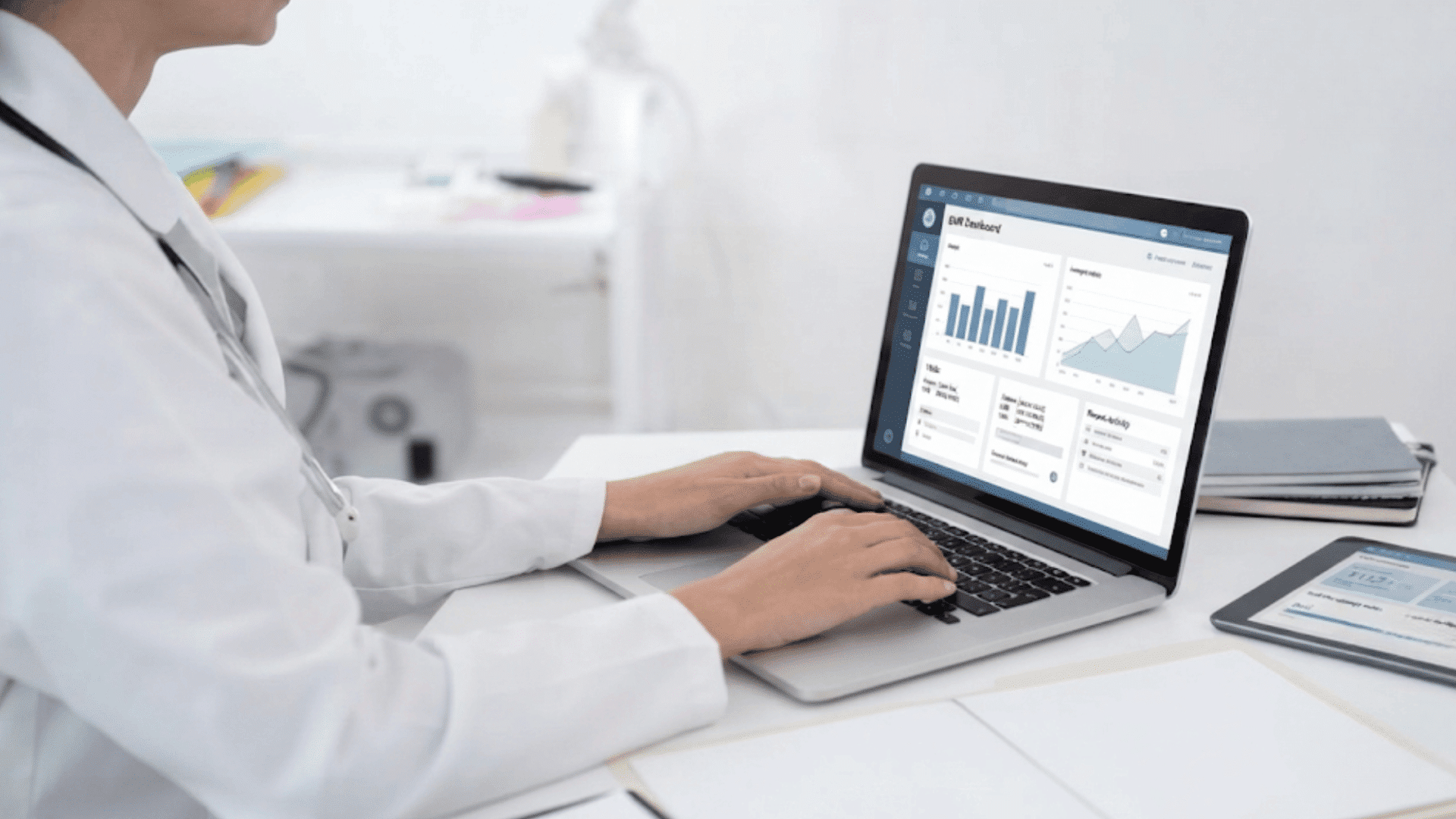
Healthcare data integration does more than connect systems. It helps healthcare organizations improve patient care and make better use of clinical and operational information across every department.
1. Improves Care Coordination
Healthcare data integration connects patient records, lab results, prescriptions, and treatment plans in one system.
This gives care teams access to current information, reduces communication gaps, and supports smoother care transitions.
2. Supports Faster Clinical Decisions
Integrated data gives providers quick access to medical histories, test results, medications, allergies, and clinical notes. This can support faster diagnoses, timely treatment, and fewer unnecessary or repeated procedures.
3. Reduces Duplicate Records and Errors
Data integration synchronizes information across healthcare systems, reducing duplicate records and manual entry errors.
More consistent data helps teams document care, review medical histories, and process claims accurately.
4. Enhances Operational Efficiency
Automated data exchange reduces repetitive administrative work and improves scheduling, billing, reporting, inventory management, and resource planning.
This saves staff time and supports more efficient healthcare operations.
5. Improves Patient Engagement
Connected systems can give patients easier access to records, test results, prescriptions, appointments, and treatment plans.
This helps them stay informed, communicate with providers, and participate more actively in their care.
6. Supports Population Health Management
Integrated clinical and demographic data helps organizations identify health trends, high-risk groups, care gaps, and treatment outcomes.
These insights can support targeted interventions, resource planning, and preventive care.
7. Strengthens Regulatory Compliance
Data integration can improve reporting, standardize records, and support secure access controls and audit trails.
It also helps healthcare organizations meet requirements such as HIPAA while maintaining consistent data practices.
What Are the Main Healthcare Data Integration Methods?
- Health Information Exchanges (HIEs): Allow healthcare organizations to securely share patient information across systems. They improve care coordination.
- Application Programming Interfaces (APIs): Enable healthcare applications to exchange data in real time. They connect EHRs, health apps, and digital platforms.
- Data Warehousing: Combines healthcare data from multiple sources into one system.
- Interface Engines: Connect systems using different data formats and standards. They translate and transfer information for smooth communication.
- Electronic Health Record (EHR) Integration: Links healthcare tools with EHR platforms for complete patient records. It improves accuracy and workflow efficiency.
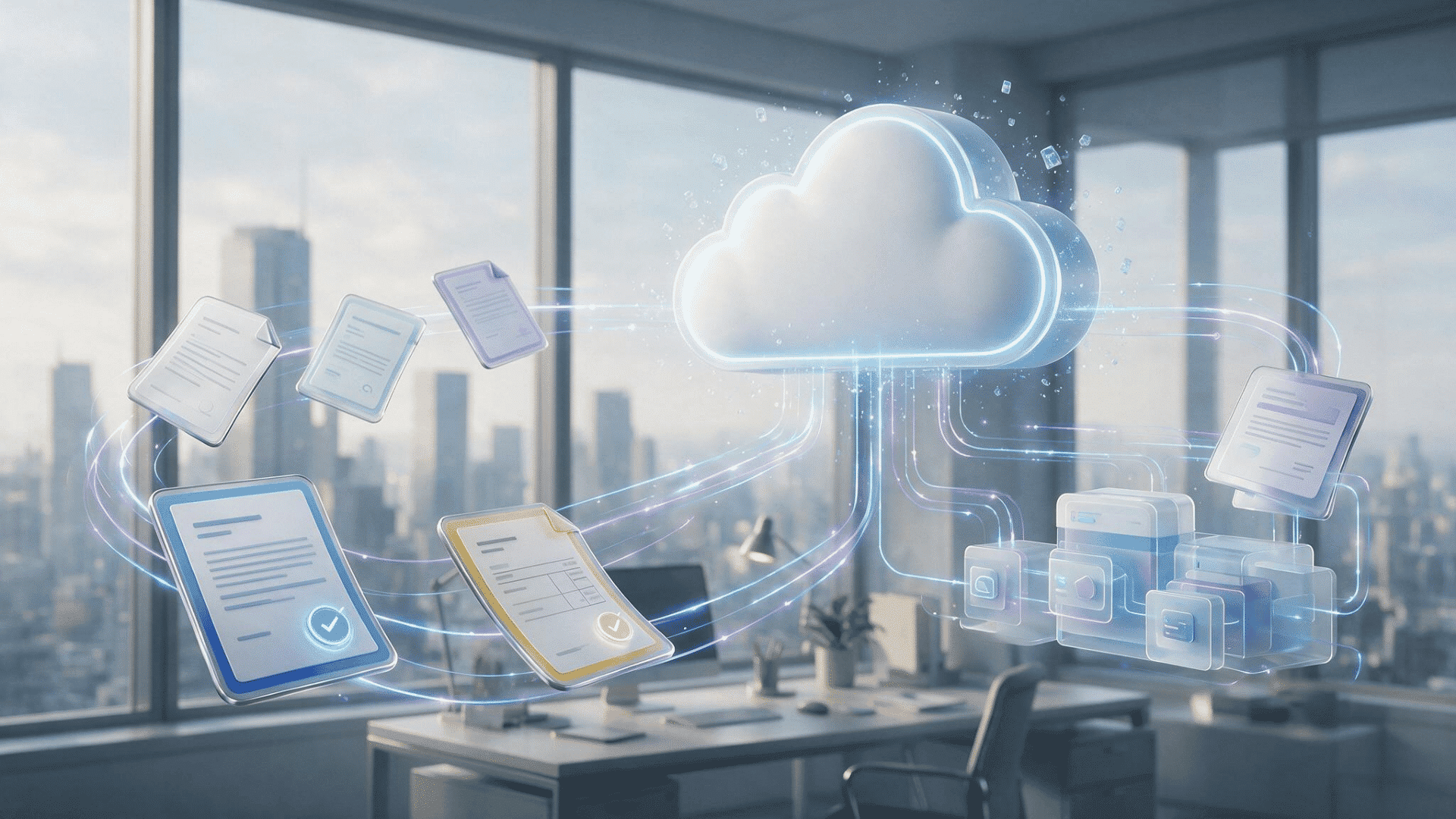
- Cloud-Based Integration: Uses secure cloud platforms to manage and share healthcare data. It supports flexible access and better collaboration.
Types of Healthcare Data Integration
Different integration methods serve different purposes, from connecting software applications to enabling secure data sharing across an entire healthcare organization.
| Type | Purpose | Example |
|---|---|---|
| Application Integration | Connects healthcare applications so they can exchange information automatically and streamline workflows. | An EHR sharing patient data with a billing or appointment scheduling system. |
| Data Integration | Combines data from multiple sources into a unified view for reporting, analytics, and clinical decision-making. | Merging patient records from EHRs, laboratories, and pharmacies into one dashboard. |
| Device Integration | Links medical devices with healthcare systems to capture and transfer patient data in real time. | A bedside monitor automatically sending vital signs to the patient’s electronic health record. |
| Cloud-Based Integration | Uses cloud technology to securely connect systems and make healthcare data accessible across multiple locations. | Clinics in different cities accessing the same patient records through a cloud platform. |
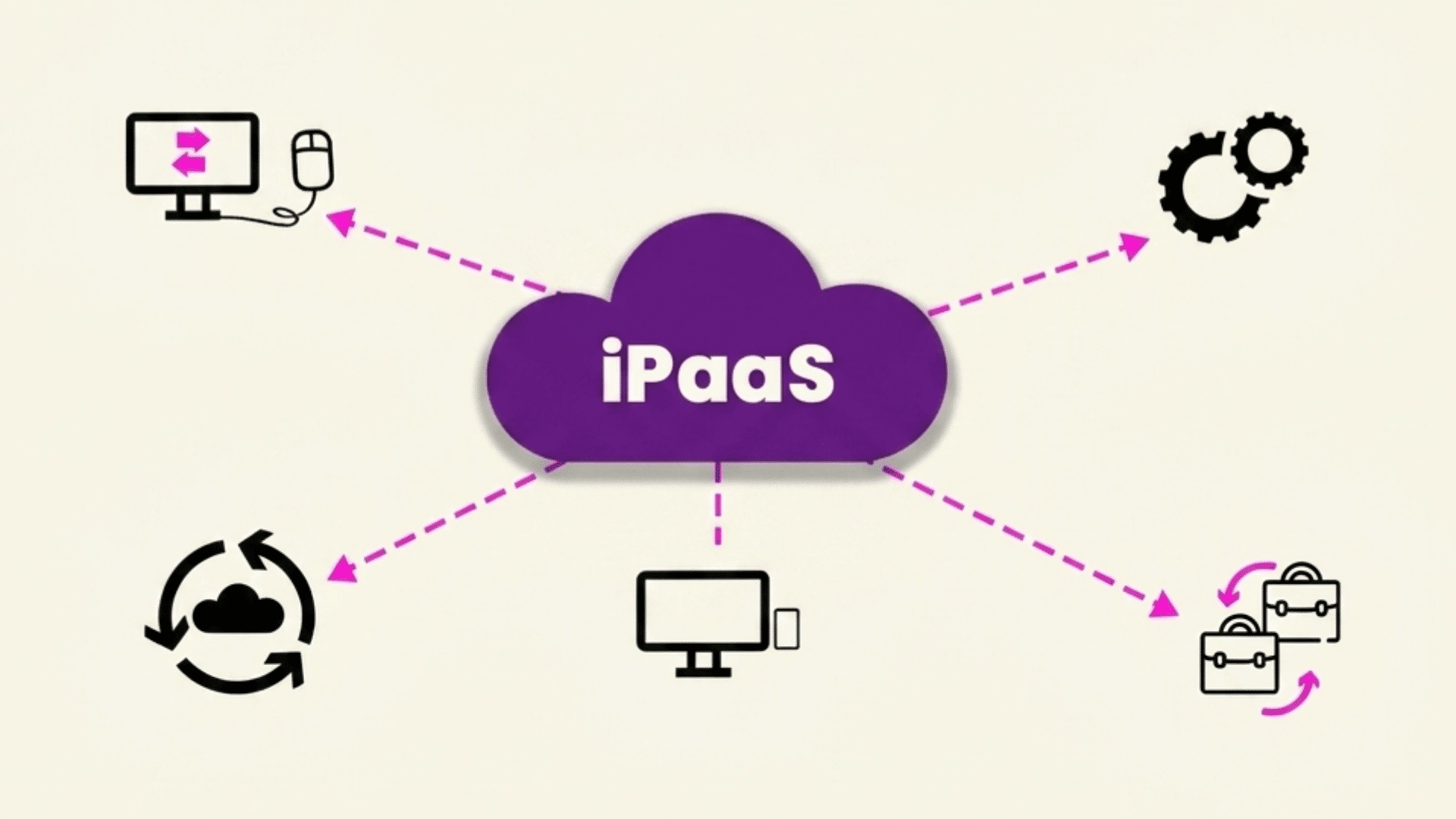
| Enterprise Integration Platforms | Acts as a central hub that manages communication and data exchange between multiple healthcare systems. | An integration engine connecting EHRs, PACS, laboratory systems, and billing software across a hospital network. |
Healthcare Data Integration And Interoperability
Healthcare data integration and interoperability are closely related, but they are not the same. Healthcare data integration combines information from multiple systems into one organized, accessible view.
Interoperability enables different healthcare systems and devices to exchange, interpret, and use data accurately.
Together, they create a connected healthcare environment where information moves securely and efficiently between providers.
Organizations need both because integration alone cannot guarantee seamless communication, while interoperability depends on integrated, well-structured data to support coordinated care.
Common Healthcare Data Integration Challenges
Healthcare organizations often face technical, operational, and organizational barriers when connecting multiple systems. Addressing these challenges is essential for building a reliable, secure, and efficient data integration strategy.
- Legacy Systems and Data Silos: Older healthcare applications often lack modern integration capabilities, making it difficult to share information across departments.
- Interoperability Limitations: Different systems may use incompatible formats, standards, or communication protocols, preventing accurate and seamless data exchange between applications.
- Data Privacy and Security Risks: Sharing sensitive patient information across connected systems increases the need for strong encryption, access controls, and monitoring.
- Poor Data Quality: Inconsistent, incomplete, outdated, or duplicate records reduce the accuracy of integrated data and can negatively affect clinical decisions and reporting.
- High Implementation Costs: Integrating multiple healthcare systems often requires significant investment in software, infrastructure, skilled personnel, ongoing maintenance, and system upgrades.
- Staff Training and Change Management: Employees need proper training to use integrated systems effectively, while organizations must manage workflow changes to encourage adoption.
Best Practices for Successful Healthcare Data Integration

1. Set Clear Integration Goals
Define specific goals such as improving care coordination, reducing duplicate records, or streamlining workflows. Measurable objectives help prioritize resources, align teams, and evaluate integration success.
2. Use HL7 and FHIR Standards
HL7 and FHIR help healthcare systems exchange data consistently. These standards improve compatibility between EHRs, laboratories, pharmacies, imaging systems, and other healthcare applications.
3. Build Strong Data Governance
Set clear policies for data ownership, access, quality, security, and sharing. Regular audits and defined responsibilities help maintain accurate, consistent, and reliable healthcare information.
4. Choose a Scalable Integration Platform
Select a platform that can handle growing data volumes, new applications, cloud services, and connected devices. Scalability helps organizations adapt without frequently replacing systems.
5. Monitor Data Quality Continuously
Regularly check for duplicate, missing, outdated, or inconsistent information. Automated checks and routine audits help maintain accurate records and reliable reporting.
6. Prioritize Data Security and Compliance
Use encryption, access controls, multi-factor authentication, and regular security assessments to protect patient information. Strong security practices also help organizations meet HIPAA and other privacy requirements.
7. Train Users and Measure Performance
Train staff on new systems and workflows before implementation. Track data accuracy, system uptime, workflow efficiency, and user adoption to identify areas for improvement.
Healthcare Data Integration Examples
| Healthcare Scenario | How Data Integration Is Used | Key Benefit |
|---|---|---|
| Hospital Systems & Laboratories | Shares lab orders and results between laboratory systems and EHRs. | Faster diagnosis and improved workflows. |
| Imaging Centers & Diagnostic Results | Sends X-rays, CT scans, MRIs, and reports to physicians. | Quick access to diagnostic data and treatment decisions. |
| Pharmacies & Medication Records | Syncs prescriptions, refills, and medication details across systems. | Better medication safety and care coordination. |
| Remote Patient Monitoring Devices | Transfers health data from wearable and monitoring devices to care teams. | Continuous monitoring and early intervention. |
| Insurance & Billing Systems | Exchanges patient, procedure, and insurance details with clinical systems. | Accurate claims and faster reimbursements. |
Conclusion
Healthcare data integration improves data access, care coordination, workflows, and decision-making.
It also helps reduce duplicate records, strengthen compliance, and create a foundation for scalable, connected healthcare systems.
As technologies such as AI, FHIR APIs, and connected medical devices continue to evolve, effective data integration will become even more important for delivering efficient, patient-centered care.
Understanding healthcare data integration helps organizations choose the right approach.
If you found this guide helpful, bookmark it for future reference and share it with others who want to learn about healthcare data integration.
Frequently Asked Questions
Can Small Healthcare Practices Benefit from Data Integration?
Yes. Small practices can improve workflow efficiency, reduce manual tasks, enhance patient record accessibility, and support future growth without requiring large-scale healthcare infrastructure.
How Long Does a Healthcare Data Integration Project Take?
Project timelines vary based on system complexity, data volume, and organizational requirements, ranging from several weeks for smaller implementations to several months for enterprise deployments.
What Is the Difference Between HL7 and FHIR?
HL7 is a messaging standard for exchanging healthcare information, while FHIR is a newer standard that uses APIs to enable faster and more flexible data sharing.
Can Healthcare Data Integration Support Telehealth Services?
Yes. Integrated healthcare systems allow telehealth platforms to securely access patient records, appointments, prescriptions, and test results, supporting more informed virtual consultations.