

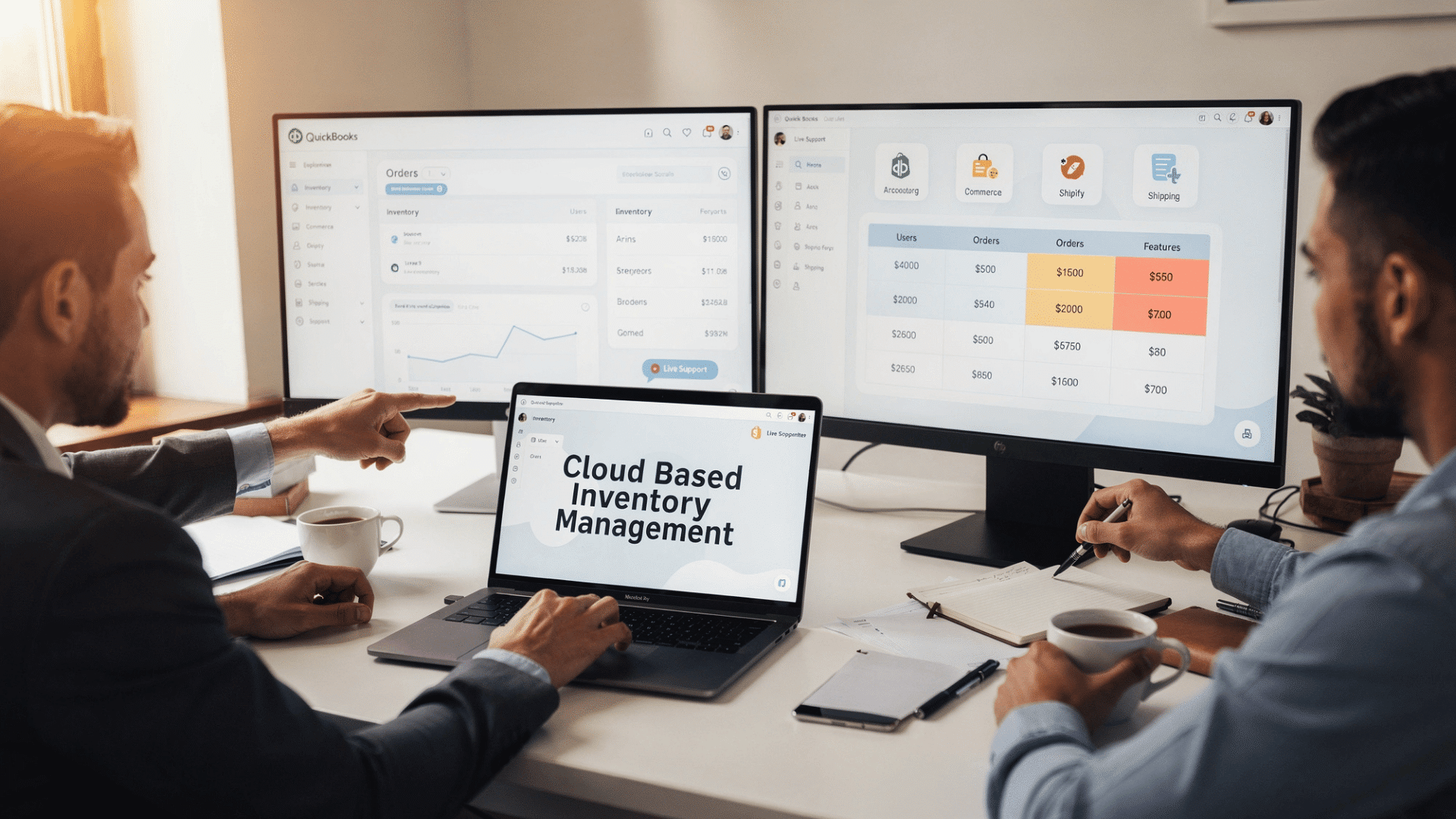


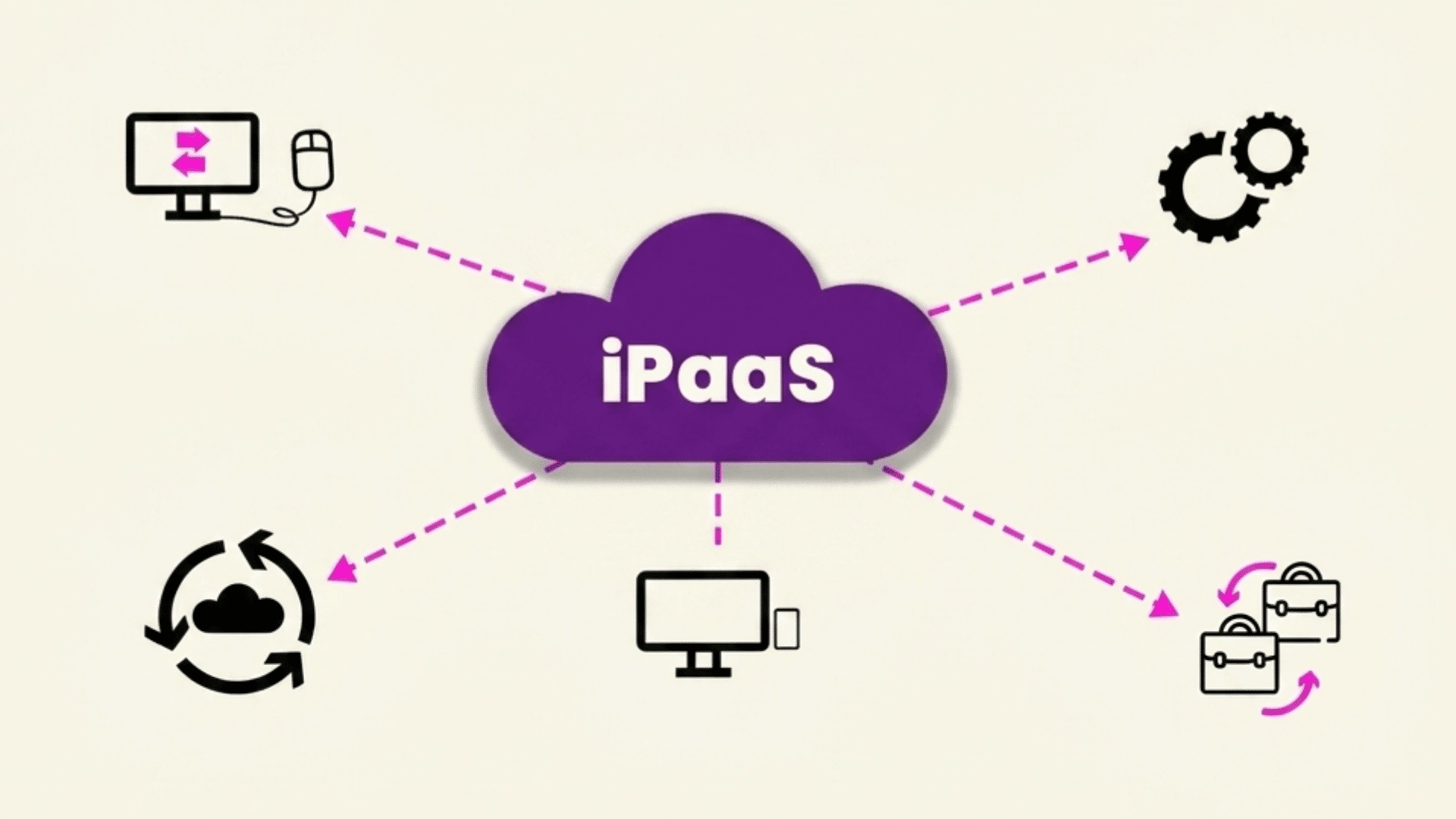


Cloud-based inventory management helps businesses track stock from anywhere, without heavy software on one computer.
In this guide, I will teach you how it works, what features matter most, and which tools are worth comparing for your business.
I will also explain the basics of inventory control systems and show how inventory tracking improves day-to-day work. If you run a store, warehouse, or online shop, this article will help you compare options with confidence.
You will see what to look for, what to avoid, and how to choose a system that fits your size, budget, and daily tasks.
What Cloud-Based Inventory Management Does
Cloud-based inventory management stores your stock data online instead of on one local computer. That means you can open the system from a phone, tablet, or laptop as long as you have internet access.
This matters because many US businesses now sell through more than one channel.
They may run a store, a website, and a warehouse at the same time. A cloud setup keeps all of those teams on the same page with the same stock data.
It also helps reduce mistakes. When stock counts update in real time, teams can see what is on hand, what was sold, and what needs to be reordered.
That kind of visibility is a big reason many buyers now look for cloud-first tools.
Features Buyers Should Compare
A good system should do more than count items. It should help your team work faster, avoid stockouts, and keep records clear.
The best tools often include real-time updates, barcode scanning, and multi-location inventory support.
- Real-time updates are important because they keep stock counts current after each sale, return, or transfer.
- Barcode scanning helps teams enter items faster and with fewer mistakes. It is especially useful in warehouses and busy retail settings where manual entry can slow down work.
- A cloud system should show items across stores, warehouses, and even items in transit. That makes it easier to move stock where it is needed most.
- Some tools can send stock alerts and create reorder points before items run out. This helps teams stay ahead of demand instead of reacting after shelves are empty.
- These features matter, but the real value comes from using them in a clear inventory control system.
How an Inventory Control System Helps
An inventory control system gives you rules for how stock is counted, moved, and restocked. It helps keep item counts accurate and stops waste from old or missing records.
For many US teams, this is the bridge between daily work and long-term planning.
In simple terms, inventory control focuses on keeping the right items in the right place at the right time.
It helps a company know when to reorder, how much to buy, and where stock is sitting right now.
Cloud-based tools make this easier because the same data is shared across teams.
A manager can check counts, a warehouse worker can update stock, and a store owner can review reports from anywhere.
That shared view is one reason cloud tools often beat spreadsheets. Now that the control side is clear, it helps to look at the top software types buyers usually compare.
Popular Software Types to Compare
Most buyers want a shortlist, not a long list of features. The tools below are often compared by small business owners, e-commerce sellers, and growing operations looking for better inventory tracking.
1. Zoho Inventory
Zoho Inventory is a cloud-based inventory tool for small and mid-sized businesses that need simple stock control, order handling, and shipping support.
It works well for online sellers and growing teams that want an easy start without heavy setup.
It is a strong choice for businesses that want clearer inventory tracking and less manual work.
Estimated cost: starts around $49 per month
Best for: Small businesses, online sellers, and growing teams
Reviews & Ratings: Reddit users rate Zoho Inventory 4.3 out of 5, saying it works great for small shops and integrates well with Zoho Books, but report that its reporting features are weak.
| Merits | Demerits |
|---|---|
| Easy to use | Limited for complex warehouse needs |
| Good order tracking | Advanced features may require additional costs |
| Strong integrations | May not be suitable for highly specialized warehouse operations |
2. Cin7
Cin7 is a cloud inventory system built for businesses that sell across many channels. It helps manage stock, sales, and warehouse work in one place.
It is a good fit for growing companies that need better control. Retail, e-commerce, and wholesale.
Estimated cost: starts around $99 per month
Best for: Multi-channel sellers, wholesalers, and growing retail brands
Reviews & Ratings: Reddit users give Cin7 3.8 out of 5, noting it handles multi-channel selling well but complain about slow customer support and a steep learning curve.
| Merits | Demerits |
|---|---|
| Strong multi-channel tools for managing communication across multiple platforms | Takes time to learn, especially for new users |
| Good reporting and analytics features for tracking performance | Pricing may be expensive for smaller businesses |
| Supports larger teams with collaboration and workflow management features | Some advanced features may require higher-tier plans |
3. inFlow Inventory
inFlow Inventory is a cloud-based inventory tool that helps teams track stock, manage orders, and handle barcode work with less stress.
It is often chosen by small and growing businesses that want a simple system that is easier to use than larger platforms. It is a smart pick for teams that need faster daily stock updates.
Estimated cost: starts around $79 per month
Best for: Small warehouses, retail shops, and growing teams
Reviews & Ratings: Quora users give it 4.1 out of 5, highlighting its ease of implementation for small teams.
| Merits | Demerits |
|---|---|
| Simple and user-friendly layout | May not be suitable for very large operations |
| Good barcode scanning and support features | Fewer advanced planning and forecasting tools |
| Fast to learn and easy to implement | Limited scalability for complex business needs |
| Helps staff become productive quickly | May lack some enterprise-level features |
4. Square for Retail
Square for Retail is a cloud inventory and sales tool that works well for stores already using Square at checkout.
It helps teams keep stock counts current, manage items, and track sales in one place.
It is a practical choice for small retail shops that need inventory tracking and point-of-sale support together.
Estimated cost: starts around $29 per month
Best for: Small retail stores and shops using Square POS
| Merits | Demerits |
|---|---|
| Easy setup and quick implementation | Less suitable for large warehouse operations |
| Strong POS integration for seamless sales and inventory management | Limited advanced inventory control features |
| Useful for retail stock tracking and monitoring | May not support complex warehouse workflows |
| Helps keep inventory records accurate and up to date | Fewer enterprise-level inventory management tools |
5. NetSuite Inventory Management
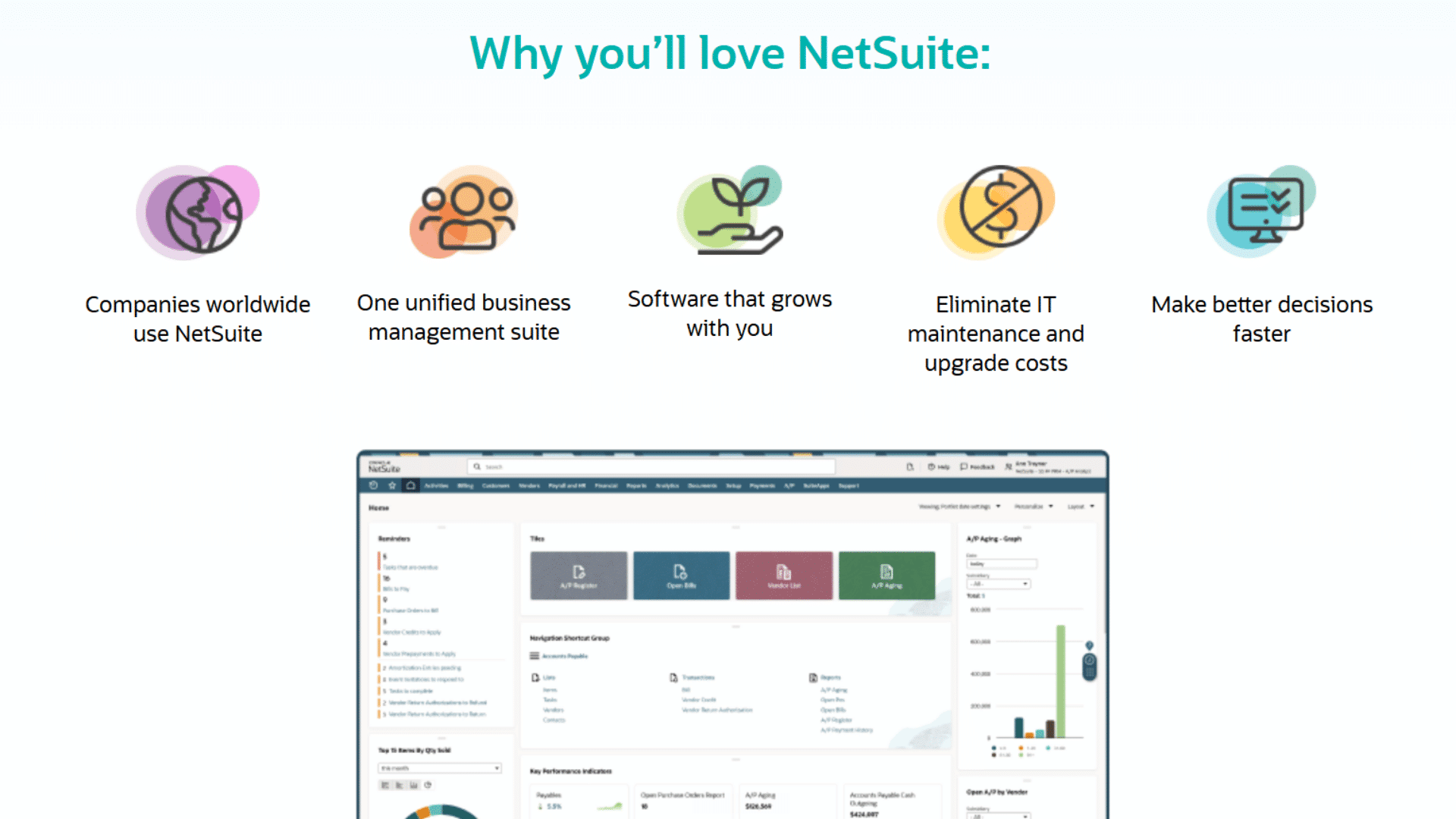
NetSuite Inventory Management is part of a larger cloud business system made for companies with more complex stock needs.
It works best for firms that need deeper reporting, many locations, and broader business control across sales, finance, and operations.
It suits larger teams that need more than basic stock control.
Estimated cost: starts around $199 per month
Best for: Larger businesses, multi-location teams, and complex operations
Reviews & Rating: Reddit users rate NetSuite 2.9 out of 5, with many calling it slow and clunky, saying it takes over 10 minutes to load sometimes and requires expensive consultants to set up.
Quora users give it 3.2 out of 5, acknowledging its power but warning about high costs and complexity.
| Merits | Demerits |
| Strong reporting and analytics capabilities | Expensive compared to some alternatives |
| Broad range of business management tools | May be too complex for smaller teams |
| Supports business growth and scalability | Requires more time for training and onboarding |
| Provides detailed insights for better decision-making | Some features may be unnecessary for basic operations |
6. Fishbowl Inventory
Fishbowl Inventory is a cloud-based inventory and warehouse tool for businesses that need stronger stock control and order management.
It works well for manufacturers, distributors, and growing teams that want more control over parts, stock movement, and warehouse tasks.
Estimated cost: starts around $69 per month
Best for: Manufacturers, distributors, and warehouse-focused teams
Reviews & Rating: Reddit users give Fishbowl Inventory 3.9 out of 5, saying it works well with QuickBooks and has strong warehouse features, but warn that setup is complicated and small shops may find it too heavy.
| Merits | Demerits |
|---|---|
| Strong warehouse management features | Can take time to learn |
| Good order control and tracking | May feel too detailed for small shops |
| Useful reporting for stock and sales decisions | Setup may require extra training |
| Helps manage warehouse workflows more efficiently | Some features may be more than small businesses need |
7. Ordoro
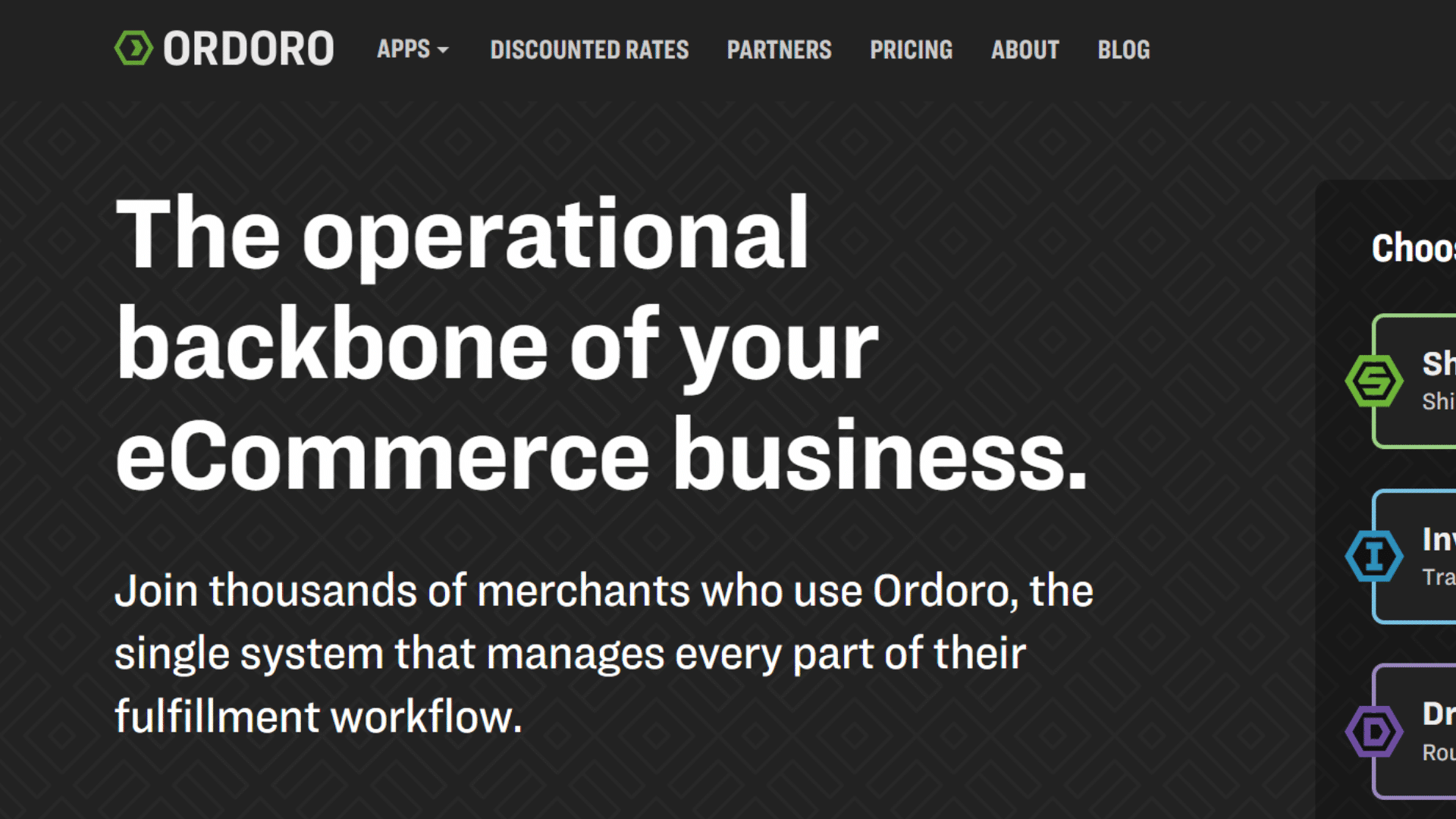
Ordoro is a cloud inventory tool made for e-commerce sellers and shipping-heavy businesses. It helps with stock tracking, order flow, and shipping tasks in one place.
It is a smart choice for online sellers who want to save time and keep orders moving smoothly.
Estimated cost: starts around $59 per month
Best for: E-commerce stores, shipping-focused teams, and online sellers
| Merits | Demerits |
|---|---|
| Strong shipping and fulfillment tools | Less useful for physical retail stores |
| Easy order handling and management | Some advanced features require higher-priced plans |
| Well-suited for online and e-commerce businesses | May lack specialized tools for in-store operations |
| Helps streamline shipping workflows and tracking | Costs can increase as additional features are added |
How to Compare Options
When you comparecloud-basedd inventory management tools, start with your daily pain points. Some teams need better stock control, while others need faster order work or cleaner reports.
- Ease of use: The software should be simple enough for staff to learn quickly. If a tool is too hard, your team may skip steps or keep using spreadsheets.
- Integrations: The best tools connect with accounting, e-commerce, and shipping systems. This reduces manual work and keeps data in sync.
- Pricing: Some tools charge by user, while others charge by order volume or feature set. A lower monthly price can still cost more if you need add-ons later.
- Support: Good support matters when your stock system is tied to sales. If something breaks, you need fast help. Look for live chat, phone support, and training that fits your team.
Once you know how to compare them, it helps to see the main benefits cloud tools bring.
Comparison Table: Top Inventory Management Tools
Here is a quick comparison table of top inventory management tools, highlighting their strengths, limitations, and ideal business use cases to help you choose the right solution.
| Feature | Zoho Inventory | Cin7 | inFlow Inventory | Square for Retail | NetSuite Inventory | Fishbowl Inventory | Ordoro |
|---|---|---|---|---|---|---|---|
| Starting Cost | $49/month | $99/month | $79/month | $29/month | $199/month | $69/month | $59/month |
| Best For | Small and online sellers | Multi-channel sellers, wholesalers | Small warehouses, retail shops | Small retail stores using Square POS | Larger businesses, multi-location teams | Manufacturers, distributors | E-commerce stores, shipping-focused teams |
| Ease of Use | Easy to use | Takes time to learn | Simple and user-friendly | Easy setup and quick installation | Requires more training | Can take time to learn | Easy order handling |
| Overall Rating | 4.25/5 | 3.85/5 | 4.05/5 | 4.45/5 | 3.05/5 | 3.95/5 | 4.15/5 |
| Cloud-Based | Yes | Yes | Yes | Yes | Yes | Yes | Yes |
| Multi-Channel Support | Yes | Strong | Limited | Limited | Yes | Yes | Strong |
| Barcode Scanning | Yes | Yes | Strong | Yes | Yes | Yes | Yes |
| Shipping Tools | Strong | Yes | Limited | Limited | Yes | Strong | Strong |
| POS Integration | Yes | Yes | Limited | Strong | Yes | Yes | Limited |
| Warehouse Management | Limited | Yes | Limited | Limited | Strong | Strong | Limited |
| Reporting and Analytics | Weak | Strong | Limited | Limited | Strong | Useful | Limited |
| QuickBooks Integration | Yes | Yes | Yes | No | Yes | Strong | Yes |
| Scalability | Growing teams | Larger teams | Limited | Small shops | Enterprise | Growing teams | E-commerce |
| Learning Curve | Low | High | Low | Low | High | Medium | Low |
| Best Value | Small businesses | Expensive for small | Growing teams | Best value | Too expensive | Warehouse teams | E-commerce sellers |
Why Cloud Tools Win
Cloud-based inventory management is popular because it gives teams access from anywhere.
That means owners, managers, and staff can all use the same live data without being in the same room.
It also helps reduce costs tied to local servers and manual updates. Since the vendor handles updates, teams always use the latest version.
That can save time and cut setup work. Another big win is better stock control.
With stock alerts, real-time updates, and better reporting, teams can make faster choices about reorders and transfers. That helps reduce both stockouts and excess stock.
For growing US businesses, that mix of speed, access, and control is often the main reason to move to cloud tools.
What Makes a Good Pick
A good pick depends on your business size and how you sell. A small retail shop may need a simple system with strong inventory tracking, while a larger seller may need deeper order management and reporting.
| Business Fit | Best For | Recommended Tools | Why It Works |
|---|---|---|---|
| Small Business Fit | Small teams that want low setup work and easy training | Zoho Inventory, inFlow | Simple, cloud-based tools that help replace manual counts and messy files. |
| Retail Fit | Stores that need POS links, fast stock updates, and easy returns | Square for Retail | Works well for businesses already using Square at checkout. |
| Growing Multi-Channel Fit | Businesses selling across multiple sales channels | Cin7, NetSuite | Offers stronger inventory control and broader oversight for complex sales. |
| Warehouse Fit | Warehouses needing barcode tools, location control, and faster receiving | inFlow and similar systems | Helps with clear stock tracking, receiving, and warehouse workflow management. |
Common Mistakes to Avoid
Here are some mistakes buyers make while choosing software. By avoiding these mistakes, you can choose the perfect software for your business.
- Many buyers choose a system based only on price. That often leads to missing features, poor support, or a bad fit for how the business actually works.
- Another mistake is ignoring integrations. If your inventory app cannot talk to your accounting or sales tools, your team may end up entering the same data twice.
- A third mistake is not testing the user flow. Even a strong tool can fail if your staff finds it hard to use. A short trial can show whether the system works in real daily tasks.
- The best way to avoid these problems is to test your top two or three options with real products and real staff.
Final Thougths
Cloud-based inventory management helps US businesses track stock, reduce mistakes, and keep teams working from the same data.
The right platform combines real-time inventory tracking, clear reports, and control features in one system.
Buyers should compare options by business size, pricing, customer support, integrations, and workflow needs rather than choosing by brand name alone.
Companies selling through stores, websites, or warehouses can save time, prevent overselling, and respond faster to stock changes.
Before making a final choice, create a short list, review features, and test free trials or demos. Check how easily each tool connects with existing sales and accounting systems.
Start comparing cloud-based inventory management options today and choose software that supports operations and future growth.
Frequently Asked Questions
Is Cloud Inventory Software Good for Small Business?
Yes, many small businesses use it because it is easier to set up than older systems.
What Should I Look for in Inventory Tracking Software?
Look for real-time updates, barcode scanning, multi-location support, and easy-to-read reports.
How is Inventory Control Different from Inventory Management?
Inventory control focuses on keeping stock counts correct and reducing errors. Inventory management is broader and includes ordering, reporting, forecasting, and sales flow.
Which Cloud-Based Inventory Management Tool is Best?
The best tool depends on your size and sales style. The best choice is the one that matches your daily work and budget.