





Cloud computing is changing fast, and the next ten years are going to be absolutely wild. Think smarter technology, faster connections, and systems that practically run themselves.
If you’re curious about where tech is heading or wondering if cloud skills are worth learning, you’re in the right place.
This guide breaks down everything you’ll encounter, from AI-powered clouds and edge computing to green data centers and career opportunities.
You’ll learn about the biggest trends shaping the next decade, what industries will change, and why this technology matters for your future.
Ready to see what’s next? Let’s get right in.
What Is the Future of Cloud Computing?
The cloud is becoming the standard way businesses run everything. Companies are moving away from storing data in a single central location and toward smarter, distributed systems that work together.
Here’s what’s coming:
- Cloud Everywhere: Almost every business will rely on cloud technology for daily operations
- Smarter Systems: Clouds will be more intelligent and spread across multiple locations instead of one giant data center
- Powering New Tech: The cloud will support artificial intelligence, Internet of Things devices, blockchain networks, and systems that need instant responses
Think of it like this, cloud computing won’t just store your files anymore. It’ll be the invisible engine running everything around you.
Key Trends Shaping the Future of Cloud Computing
The cloud isn’t standing still; it’s evolving in some pretty amazing ways. Let’s explore the seven biggest trends that are reshaping how cloud technology works and what it can do for you.
1. AI & Machine Learning Becoming Cloud-Native

Artificial intelligence and cloud computing are teaming up like never before. The cloud is getting smarter, learning to manage itself without constant human help.
What This Means:
- Clouds can predict problems before they happen and fix themselves automatically
- AI tools are built right into cloud platforms, making them easier to use
- Businesses get powerful analytics without needing their own expensive equipment
- Industry-specific AI solutions are becoming available for healthcare, finance, and more
Think of it as having a super-smart assistant running your technology 24/7.
2. Edge Computing & Real-Time Processing

Sometimes waiting for data to travel to a distant data center just won’t cut it. Edge computing brings processing power closer to where it’s needed.
Why it matters:
- IoT devices in your home or factory get instant responses
- Healthcare systems can make split-second decisions during emergencies
- Smart cities manage traffic and utilities in real-time
- Self-driving cars and robots work faster and more safely
Instead of sending everything to one central brain, edge computing creates mini-brains everywhere. The cloud and edge work together to give you the best of both worlds.
3. Hybrid & Multi-Cloud as the New Standard
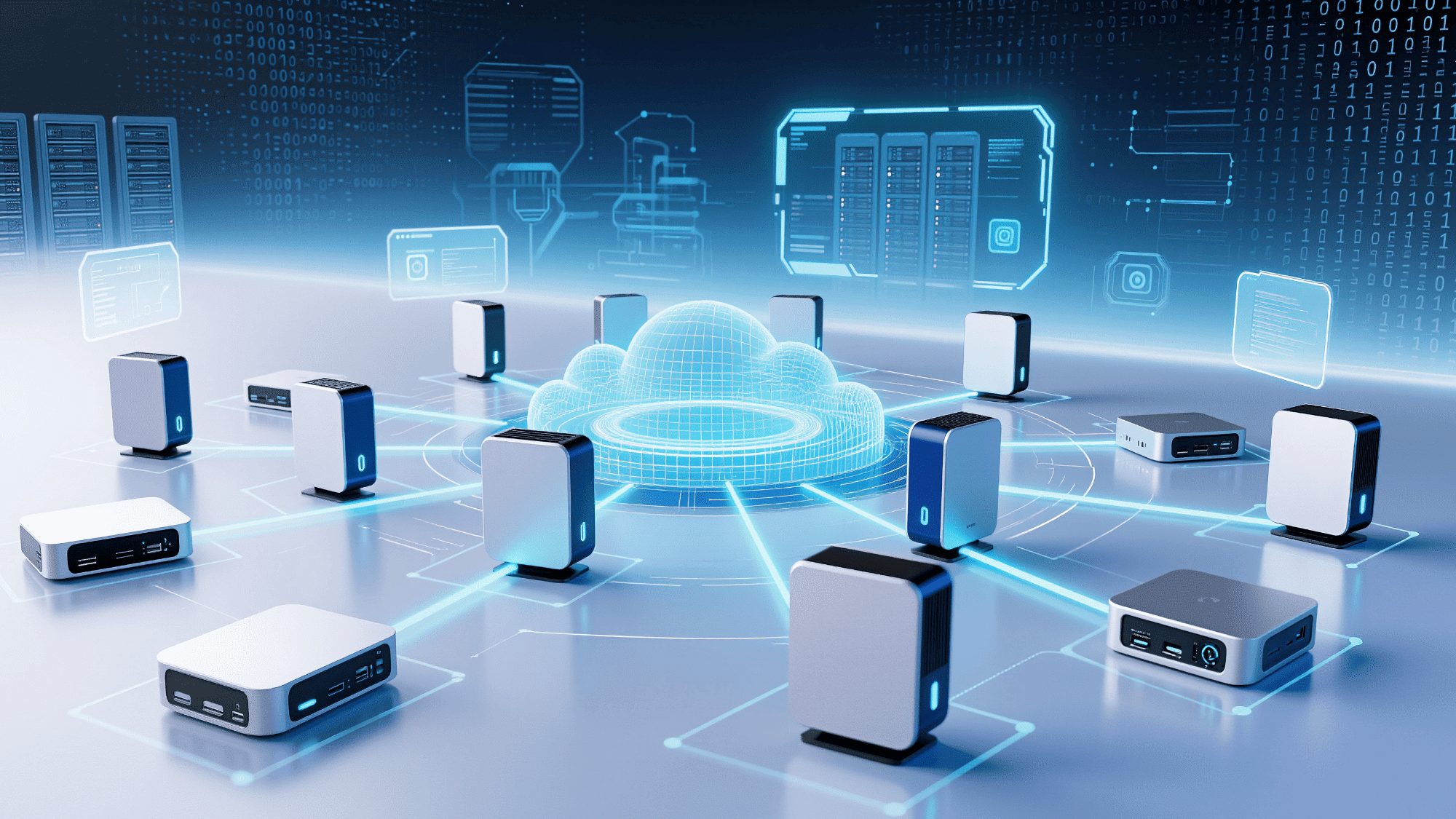
Putting all your eggs in one basket? That’s becoming old news. Companies are mixing different cloud services to get exactly what they need.
| Benefit | What You Get |
|---|---|
| Freedom | No getting stuck with one vendor’s rules and prices |
| Cost savings | Use the cheapest option for each task |
| Reliability | If one cloud has issues, others keep you running |
| Flexibility | Combine private clouds, public clouds, and edge computing |
It’s like having multiple backup plans that all work together seamlessly.
4. Serverless Computing & Container Expansion

Here’s where things get really efficient. Serverless computing means you don’t worry about managing servers; the cloud handles everything behind the scenes.
Key Technologies Making This Happen:
- Containers (like Docker) package apps so they run anywhere
- Kubernetes manages thousands of containers automatically
- Microservices break big apps into smaller, independent pieces
- Event-driven systems only use resources when actually needed
The result? Apps launch faster, cost less to run, and scale up or down automatically. You only pay for what you actually use.
5. Improved Cloud Security & Confidential Computing
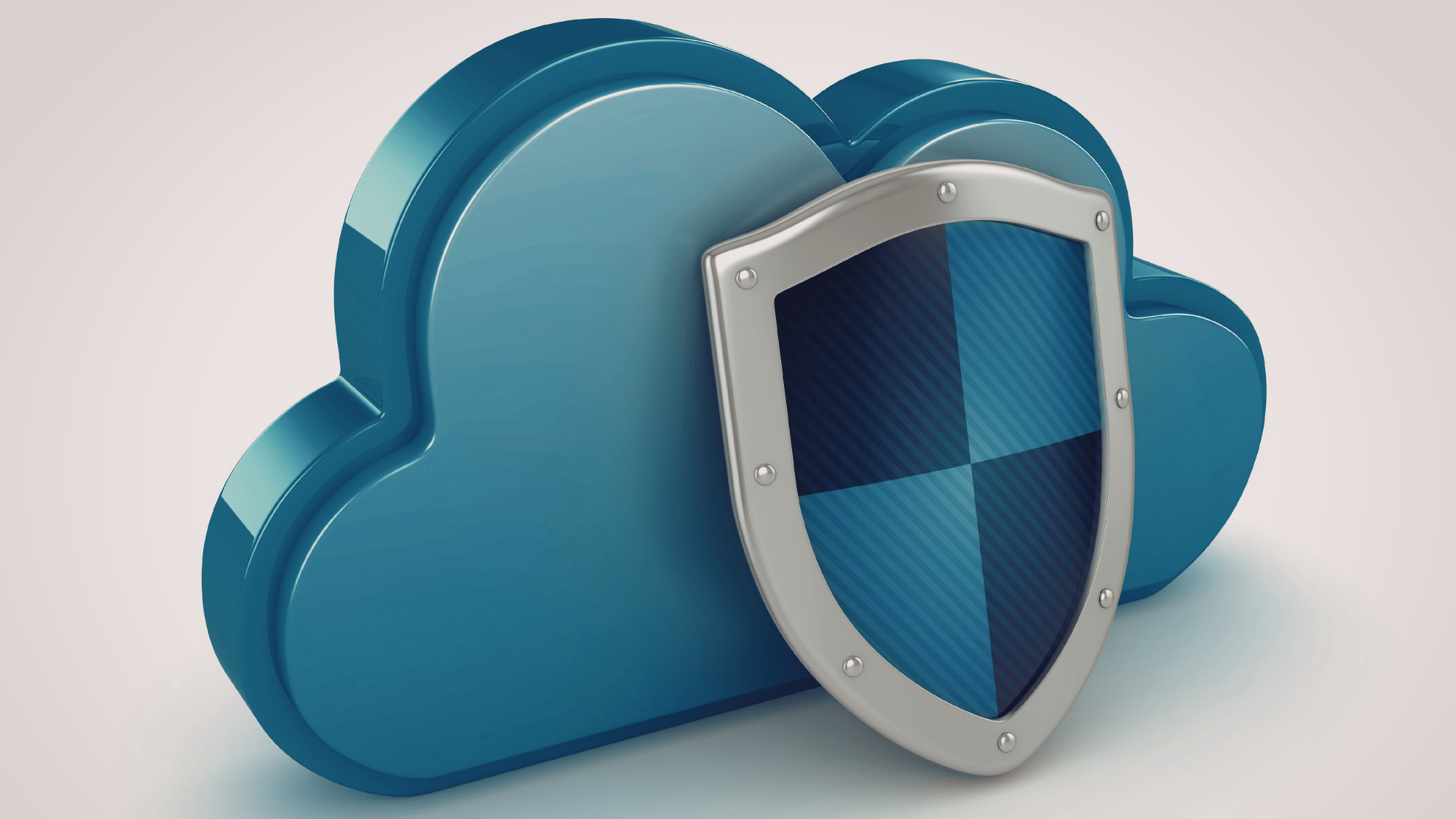
As more sensitive data moves to the cloud, security is getting a massive upgrade. The future cloud doesn’t just lock the door; it has multiple layers of protection.
New security features:
- AI continuously watches for threats and stops them instantly
- Advanced encryption keeps data safe even while it’s being used
- Zero-trust systems verify everything and everyone, every single time
- Special hardware creates ultra-secure computing zones
Your data will actually be safer in the cloud than sitting on a computer in your office.
6. Blockchain & Quantum Cloud Computing

These cutting-edge technologies are beginning to merge with cloud computing, opening up possibilities that seemed like science fiction just a few years ago.
Blockchain in The Cloud:
- Companies can use blockchain without building their own infrastructure
- Secure, transparent transactions for supply chains and contracts
- Tamper-proof records that everyone can verify
Quantum Computing (early Stages):
- Solving complex problems in finance and scientific research
- Breaking today’s encryption, but also creating unbreakable security
- Available through cloud platforms without billion-dollar investments
While quantum is still developing, blockchain services are ready to use right now.
7. Green & Sustainable Cloud Computing

The tech industry is going green, and cloud providers are leading the charge. The future cloud runs cleaner and smarter.
| Green Initiative | Impact |
|---|---|
| Renewable energy | Data centers powered by solar, wind, and hydro |
| Efficient cooling | Advanced systems that use way less energy |
| Smart resource use | AI optimizes power consumption automatically |
| Carbon tracking | Companies can measure and reduce their digital footprint |
Choosing cloud services now often means choosing a greener planet. Major providers are racing to become carbon-neutral or even carbon-negative.
8. Cloud-Native Development & Low-Code/No-Code Platforms

Building apps used to require years of coding experience. Not anymore. The future cloud is making software development accessible to almost everyone.
What’s Changing:
- Low-code platforms let people build apps by dragging and dropping elements, like building with digital Lego blocks
- No-code tools mean even non-technical workers can create business solutions
- Cloud-native apps are designed from scratch to take full advantage of cloud features
- Faster innovation happens when more people can turn ideas into working software
Real-World Benefits:
| Who Benefits | How They Win |
|---|---|
| Small businesses | Create custom apps without hiring expensive developers |
| Large companies | Employees solve their own problems without waiting for IT |
| Students & hobbyists | Learn to build real applications without coding degrees |
| Startups | Launch products faster and cheaper than ever before |
This democratization of development means the next big app could come from anywhere, maybe even from someone with zero coding background.
The cloud provides the tools, templates, and infrastructure, so creativity becomes more important than technical skills.
Traditional developers aren’t going away, though. They’re becoming more powerful too, using cloud-native tools to build more complex systems in less time. It’s a win-win for everyone.
These eight trends aren’t just tech buzzwords, they’re reshaping how we work, communicate, and solve problems. The cloud is becoming faster, smarter, safer, and more sustainable all at once.
Industry-Specific Impact of the Future Cloud
The future of cloud computing is not just about faster servers or more storage. It is changing how entire industries work, solve problems, and serve people better.
From hospitals to banks to smart cities, cloud technology is becoming a key part of daily operations.
Cloud Computing in Healthcare
Cloud computing is making healthcare easier, faster, and more connected. Doctors and patients can now meet through telehealth platforms that run on the cloud, saving time and travel.
AI-powered tools help analyze medical images and test results, enabling quicker, more accurate diagnoses.
Patient records are securely stored in the cloud, making them easy to access while remaining protected. Real-time analytics enable hospitals to track patient data, manage resources, and comply with strict healthcare regulations.
This leads to better care and smoother hospital operations.
Cloud Computing in Finance
In the finance industry, cloud computing helps protect money and sensitive data while keeping services fast. Banks and financial apps use cloud systems to run secure, high-speed transactions.
Cloud support also makes it easier to use blockchain, which adds more transparency and trust to payments and record-keeping. Cloud tools can spot unusual activity in real time, helping detect fraud.
Automation also helps financial institutions comply with rules and regulations without slowing down daily operations, leading to safer, more reliable experiences for users.
- Keeps money and customer data more secure
- Supports fast, secure transactions for banks and finance apps
- Helps blockchain work smoothly for transparent payments and records
- Detects fraud by spotting unusual activity in real time
- Automates compliance so rules are followed without delays
- Improves user experience with safer and more dependable services
Cloud Computing in Manufacturing & Smart Cities
Manufacturing and smart cities rely on cloud computing to handle large amounts of data from connected devices. IoT sensors send real-time information to the cloud, helping factories monitor machines and production lines.
Predictive maintenance tools use cloud data to find problems before equipment breaks down, saving time and costs.
In smart cities, cloud platforms support traffic systems, energy management, and public safety through real-time monitoring. This leads to smarter decisions and more efficient operations.
What to Expect from Cloud Computing by 2030

By 2030, the cloud computing industry will be worth over a trillion dollars, and that massive growth means big changes for everyone.
Here’s What’s Coming:
Multi-cloud setups won’t be optional anymore; they’ll be the standard way businesses operate. Artificial intelligence will manage most cloud systems automatically, fixing problems and optimizing performance without human help.
Cloud-native apps will dominate the software world. Developers will build everything from the ground up for the cloud, making apps faster and more reliable.
Edge computing combined with AI will go mainstream. Your devices will process information locally while staying connected to the cloud, giving you instant responses for everything from gaming to smart homes.
The cloud won’t just be part of technology, it’ll be the foundation everything else runs on.
Will AI Replace Cloud Computing?
No, AI won’t replace cloud computing. In fact, they need each other to work properly.
Think of it this way: AI is like a super-smart brain, but it needs a body to function. Cloud computing is that body, it provides the power, storage, and infrastructure that AI requires to do its job.
Here’s Why They Work Together:
AI systems need massive amounts of computing power to learn and make decisions. Where does that power come from? Cloud data centers with thousands of servers working together.
Training a single AI model can require processing billions of data points, something that’s only possible with cloud infrastructure.
The cloud is also evolving specifically to better support AI. Cloud providers are adding special AI chips, creating faster networks, and building tools that make running AI easier.
It’s like upgrading the engine to support a more powerful car.
The Real Relationship
AI makes clouds smarter by automating tasks and predicting problems. Meanwhile, clouds give AI the resources it needs to exist. One can’t thrive without the other.
Instead of replacement, think partnership. AI and cloud computing are becoming so intertwined that separating them no longer makes sense.
The future isn’t AI versus cloud, it’s AI powered by cloud, working together to create technology that’s more powerful than either could be alone.
Challenges Facing the Future of Cloud Computing
While the cloud’s future looks bright, it’s not all smooth sailing. Here are the main obstacles that need solutions:
| Challenge | The Problem | Why It Matters |
|---|---|---|
| Data Privacy Concerns | Sensitive information stored in the cloud can be vulnerable to breaches or unauthorized access. | One security slip could expose the private data of millions of people, from medical records to financial details. |
| Compliance Complexity | Different countries and industries have different rules that constantly change, making it hard to keep up with all the regulations. | Breaking compliance rules can lead to huge fines and legal trouble, especially in healthcare, finance, and government. |
| Cost Management | Cloud bills can spiral out of control. Companies often pay for unused resources, and confusing pricing makes costs unpredictable. | Poor management can make cloud computing more expensive than traditional systems, hurting budgets and innovation. |
| Skill Gaps | There aren’t enough trained cloud professionals, and technology changes faster than workers can learn new skills. | Without skilled people, companies can’t fully use cloud technology. This shortage slows adoption and makes talent expensive. |
The good news? The industry is actively working on solutions through enhanced security tools, simplified compliance platforms, cost-optimization features, and expanded training programs.
Final Thoughts
The cloud has come a long way from just storing files online. It’s now the powerhouse behind artificial intelligence, smart cities, life-saving healthcare, and secure financial systems.
As we move toward 2030 and beyond, expect clouds to become even more intelligent, sustainable, and essential to daily life.
Yes, there are challenges to overcome, privacy concerns, costs, and finding skilled workers. But the momentum is unstoppable.
Businesses that embrace multi-cloud strategies, edge computing, and AI integration today will lead their industries tomorrow. One thing is clear: the cloud isn’t going anywhere. It’s only getting bigger, smarter, and more powerful.
Ready to future-proof your skills or business? Start learning cloud technologies today, the opportunities are endless.