

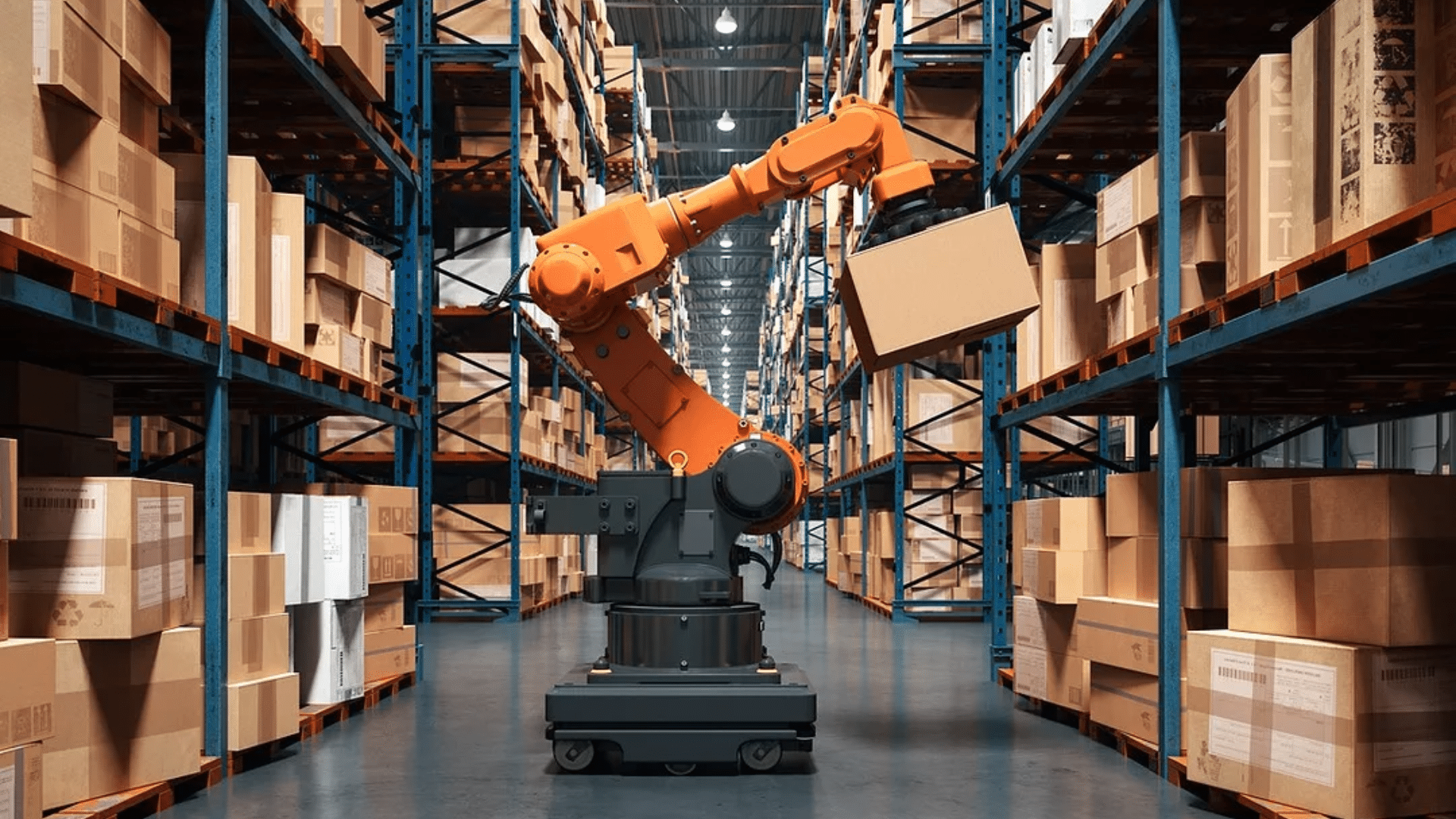





Warehouses face growing pressure as orders move faster and customers expect quick delivery.
This is why warehouse automation solutions matter right now. Automation helps businesses handle daily tasks with less effort, fewer errors, and better control over inventory.
It also supports teams by reducing manual work and keeping operations running smoothly as demand grows.
In this guide, you’ll learn what automation really means for modern warehouses.
I will share the benefits businesses see, the main types of automation used today, and the top solutions available. By the end, you’ll know how to choose the right option based on your needs and budget.
Also, you will get a closer look at future trends shaping warehouse operations.
This will help you plan ahead with confidence and make smarter long-term decisions for growing businesses in competitive markets.
What Are Warehouse Automation Solutions?
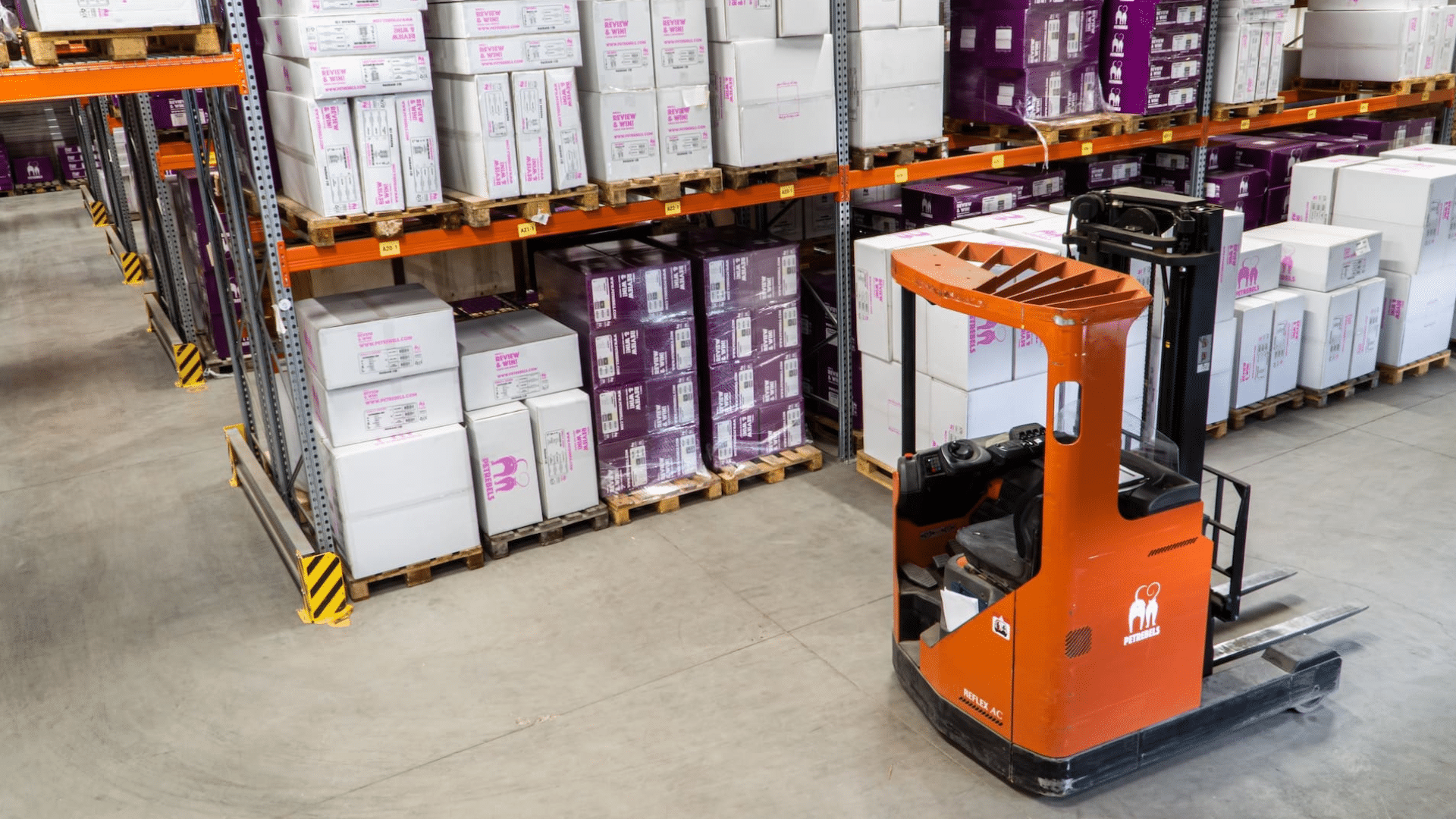
Warehouse automation solutions are tools and systems that help warehouses run daily tasks with less manual work.
They use software, machines, and smart systems to move, track, store, and manage goods more efficiently.
Instead of relying only on people, automation connects different tools so everything works together in one flow.
For example, software tracks inventory levels, machines move products across the warehouse, and systems share data in real time.
These solutions handle common tasks like order picking, packing, sorting, labeling, and inventory tracking.
Automation also helps reduce errors that happen with manual work and keeps operations running smoothly during busy periods.
By using automation, warehouses can process orders faster, improve accuracy, and stay organized as demand grows.
The goal is simple: make daily warehouse work easier, faster, and more reliable for businesses of any size.
Leading Warehouse Automation Solution Providers
These companies offer automation tools and systems used by warehouses worldwide. Each provider focuses on improving efficiency, accuracy, and scalability for different business needs.
1. Dematic
Dematic provides warehouse automation systems that support complex and high-volume operations.
Its solutions focus on improving material flow, storage efficiency, and order processing speed.
Dematic works across industries like retail, ecommerce, and manufacturing, offering scalable systems that adapt as business needs change.
The company is known for combining physical automation with intelligent software to create reliable warehouse environments.
- Offers global support and implementation services
- Works with both new and existing warehouse layouts
- Supports integration with third-party warehouse systems
- Serves distribution centers, fulfillment centers, and production facilities
2. Swisslog
Swisslog delivers warehouse automation solutions designed to improve precision and operational flow.
The company focuses on automation systems that support efficient storage, order fulfillment, and material handling. Swisslog serves industries such as healthcare, retail, and logistics, helping businesses manage complex workflows.
Its solutions are built to adapt to changing demand while keeping warehouse operations stable and predictable.
- Strong focus on automation for healthcare and cold storage
- Provides data-driven system planning and design
- Supports long-term system optimization and upgrades
- Known for flexible automation layouts
3. Honeywell Intelligrated
Honeywell Intelligrated offers automation solutions that help warehouses handle large-scale distribution demands.
The company specializes in intelligent material handling systems that improve throughput and accuracy. Its solutions are often used in high-volume fulfillment centers where speed and reliability are critical.
By combining automation technology with analytics, Honeywell Intelligrated supports efficient and data-informed warehouse operations.
- Part of Honeywell’s broader industrial technology ecosystem
- Focuses on safety-focused automation solutions
- Supports complex sorting and conveyor systems
- Provides lifecycle services and system maintenance
4. Daifuku
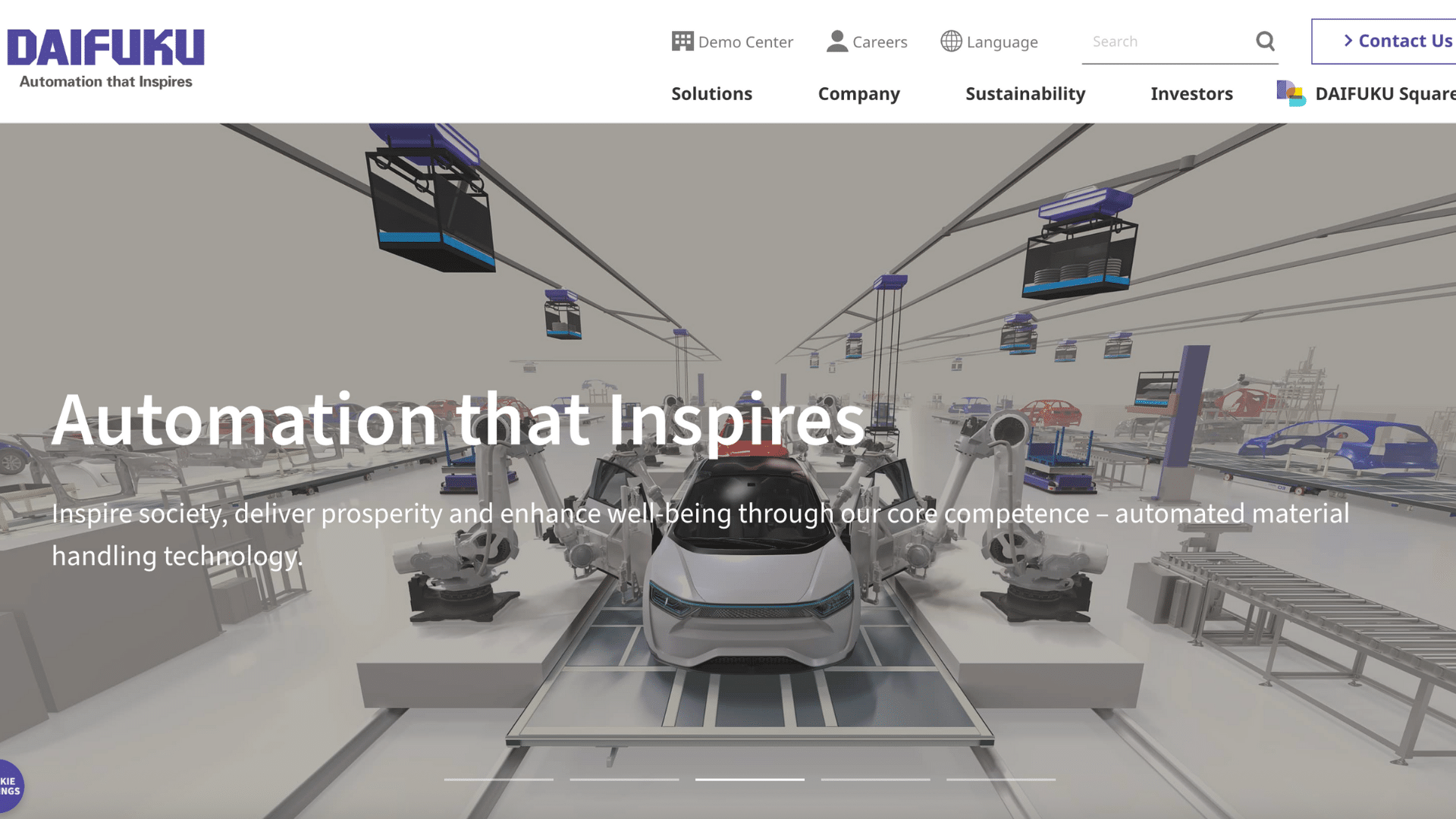
Daifuku provides warehouse automation solutions focused on storage efficiency and smooth material flow.
The company offers systems that support automated handling, sorting, and retrieval across various industries.
Daifuku is widely used in manufacturing, retail, and distribution environments where consistency and reliability matter.
Its automation solutions are designed to support long-term operations while maintaining stable performance as warehouse demands grow.
- Strong presence in manufacturing and industrial warehouses
- Offers customized automation system designs
- Supports large-scale and complex warehouse facilities
- Known for durable and long-lasting automation equipment
5. SSI Schaefer
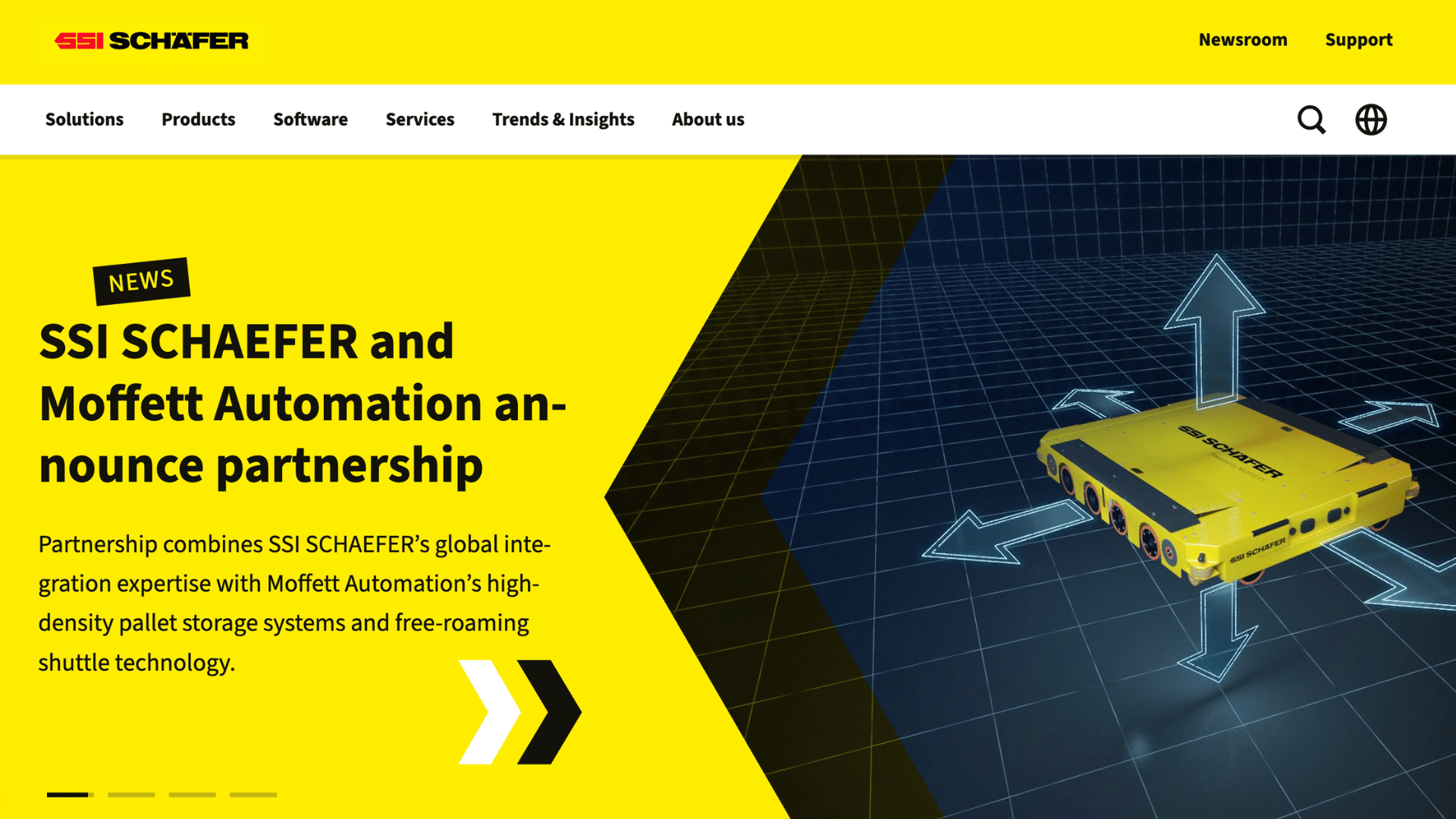
SSI Schaefer delivers warehouse automation solutions that combine storage systems, material handling equipment, and software.
The company supports businesses looking to improve space usage and order accuracy. SSI Schaefer works with warehouses of different sizes, offering flexible solutions that adapt to various workflows.
Its focus on modular systems allows businesses to scale automation over time without major disruptions.
- Offers both manual and automated storage solutions
- Strong expertise in warehouse layout planning
- Provides industry-specific automation options
- Supports gradual automation upgrades
Benefits of Warehouse Automation for Businesses
Warehouse automation supports smoother daily operations and helps teams keep up with growing demand. It also allows businesses to manage tasks more consistently as order volumes increase.
- Faster Order Processing: Automation speeds up picking, packing, and sorting, so orders move through the warehouse without delays.
- Improved Accuracy: Automated systems reduce human errors in inventory counts, labeling, and order fulfillment.
- Lower Operating Costs: Fewer manual tasks mean reduced labor costs and less rework caused by mistakes.
- Better Inventory Control: Real-time tracking helps businesses know stock levels at all times and avoid shortages.
- Scalable Operations: Automated solutions make it easier to handle seasonal spikes and future business growth.
- Safer Work Environment: Machines take on heavy or repetitive tasks, helping reduce workplace injuries.
Top Warehouse Automation Solutions
These solutions help warehouses handle daily operations with better speed and accuracy. Each option supports different business needs, from inventory control to order fulfillment.
1. Automated Storage and Retrieval Systems
Automated Storage and Retrieval Systems, often called AS/RS, use machines to store and retrieve goods without manual effort.
These systems rely on cranes, shuttles, and software to place items in precise locations and pull them when needed.
AS/RS helps save space by using vertical storage and reduces picking errors. It works well for warehouses with high inventory levels and repeat orders.
By limiting human handling, it improves accuracy, speeds up order processing, and keeps inventory organized at all times.
2. Warehouse Management Systems
A Warehouse Management System, or WMS, is software that controls and tracks daily warehouse activities.
It manages inventory levels, order processing, picking routes, and shipping schedules from one dashboard. A WMS connects with other systems to provide real-time updates, helping teams make faster decisions.
This solution fits warehouses of all sizes because it improves visibility and reduces manual tracking.
With better data and clear workflows, businesses can avoid stock issues and keep operations running smoothly.
3. Autonomous Mobile Robots
Autonomous Mobile Robots, or AMRs, move products around the warehouse without fixed paths. They use sensors and software to navigate safely alongside workers.
AMRs handle tasks like transporting goods, assisting pickers, and restocking areas.
This reduces walking time and physical strain for staff. These robots are flexible and easy to scale, making them useful for growing warehouses.
Businesses can add more robots as demand increases without changing the layout or stopping daily operations.
4. Conveyor and Sortation Systems
Conveyor and sortation systems move products through the warehouse using automated belts, rollers, and sorters.
These systems help transfer items between storage, picking, packing, and shipping areas. They reduce manual handling and keep orders flowing at a steady pace.
This solution works well for warehouses with high order volumes and repeat workflows.
By automating movement and sorting, businesses can process orders faster and reduce delays during busy periods.
5. Robotic Picking Systems
Robotic picking systems use robotic arms and vision technology to pick items from shelves or bins.
These systems work with software to identify products, grab them, and place them for packing. They are useful for repetitive picking tasks and help reduce errors caused by manual handling.
Robotic picking improves speed and consistency, especially in high-volume warehouses.
While setup can take time, it helps businesses maintain accuracy and efficiency as order demands grow.
6. Inventory Tracking Systems
Inventory tracking systems help warehouses monitor stock levels with accuracy and speed.
These systems use tools like barcode scanners, RFID tags, and connected software to update inventory in real time. Every time an item moves, the system records it automatically.
This reduces manual counting and prevents stock mismatches. Inventory tracking systems are useful for avoiding overstocking or running out of products.
With clear inventory visibility, businesses can plan restocking better and keep operations organized.
7. Order Fulfillment Automation
Order fulfillment automation focuses on speeding up the process of picking, packing, and shipping orders.
These systems guide workers or machines through the most efficient picking paths and ensure items are packed correctly.
Automation reduces delays and helps warehouses handle large order volumes without confusion. It also improves order accuracy, which lowers return rates and customer complaints.
This solution is ideal for e-commerce and retail warehouses where fast and accurate order delivery plays a major role in customer satisfaction.
8. Packing and Labeling Automation
Packing and labeling automation uses machines to prepare orders for shipping. These systems measure products, select the right packaging, seal boxes, and print labels automatically.
This removes guesswork and reduces packing errors. Automated packing also helps maintain consistent package sizes, which can lower shipping costs.
This solution works well for warehouses processing many daily shipments.
By reducing manual packing work, businesses save time, improve accuracy, and keep shipping operations moving without delays.
9. Warehouse Analytics Software
Warehouse analytics software helps businesses understand performance through clear data insights.
It collects information from systems like WMS, inventory tools, and automation equipment to track speed, accuracy, and workflow efficiency.
Managers can spot delays, identify problem areas, and improve planning using real data instead of guesswork.
This software supports better decisions around staffing, layout changes, and process improvements. It helps warehouses of all sizes gain better control over operations.
How to Choose the Right Warehouse Automation Solution?
Choosing an automation system depends on how your warehouse operates today and where you want it to go. The right choice should support daily work without adding unnecessary complexity.
- Warehouse Size and Layout: Larger spaces may need advanced systems, while smaller warehouses benefit from simple, flexible tools.
- Order Volume and Workflow: High order counts require faster automation to keep up with demand and avoid delays.
- Budget and Setup Costs: Balance upfront costs with long-term savings to avoid overspending on features you may not need.
- System Integration Needs: Make sure the solution works smoothly with your existing software and tools.
- Scalability Options: Choose systems that can grow with your business without major upgrades.
Types of Warehouse Automation Solutions
Warehouse automation comes in different forms based on how much manual work is involved. Understanding these types helps businesses choose solutions that match their operations and growth plans.
1. Manual-Assisted Automation
Manual-assisted automation combines basic technology with human effort to improve efficiency.
Workers still handle most tasks, but tools like barcode scanners, conveyor belts, and inventory software help reduce errors and save time.
This type works well for small to mid-sized warehouses that want better control without high costs.
It improves accuracy in picking and tracking while keeping processes simple. Businesses often start here before moving to more advanced automation as order volume increases.
2. Semi-Automated Warehouse Systems
Semi-automated systems balance machines and human input.
Automation handles repetitive tasks like sorting, moving goods, or tracking inventory, while workers manage decision-based work.
Examples include conveyor systems paired with warehouse management software or robots that assist pickers.
This setup helps speed up operations and reduce physical strain on staff. It suits growing businesses that need faster workflows but still want human oversight for flexibility and quality control.
3. Fully Automated Warehouse Solutions
Fully automated solutions rely heavily on machines and software with minimal human involvement.
Systems like automated storage and retrieval, robotic picking, and real-time inventory tracking work together to run operations end to end.
These warehouses handle large order volumes with high speed and accuracy. While setup costs are higher, they offer long-term savings and consistency.
This option fits large businesses with steady demand and clear processes in place.
Future Trends in Warehouse Automation Solutions
Warehouse automation continues to change as technology becomes more accessible.
Many warehouses now use artificial intelligence and machine learning to predict demand and improve inventory planning.
Robotics is also becoming more flexible, allowing machines to work safely alongside people.
Another key trend is real-time data and cloud-based systems, which give managers instant visibility into warehouse operations.
These tools help teams respond faster to changes and reduce delays. Automation solutions are also becoming easier to scale, so businesses can add features as they grow.
Energy-efficient machines and smarter software are gaining attention as companies look to reduce costs.
Together, these trends focus on speed, accuracy, and better decision-making.
Warehouses that follow these changes can stay organized, adapt faster, and remain competitive as customer expectations continue to rise.
Conclusion
Warehouse automation solutions play a key role in helping businesses keep up with today’s fast-moving demands.
They support smoother workflows, better accuracy, and more control over daily operations. When used the right way, automation does not replace people but helps teams work smarter and focus on what matters most.
The key is choosing solutions that match your warehouse size, order volume, budget, and long-term goals.
Not every business needs the same level of automation, and that is okay. What matters is finding tools that solve real problems and grow with your needs over time.
As technology continues to improve, automation will become even more useful for warehouses of all sizes.
Now it’s your turn. Share your experience with warehouse automation in the comments below and let others learn from your journey.