

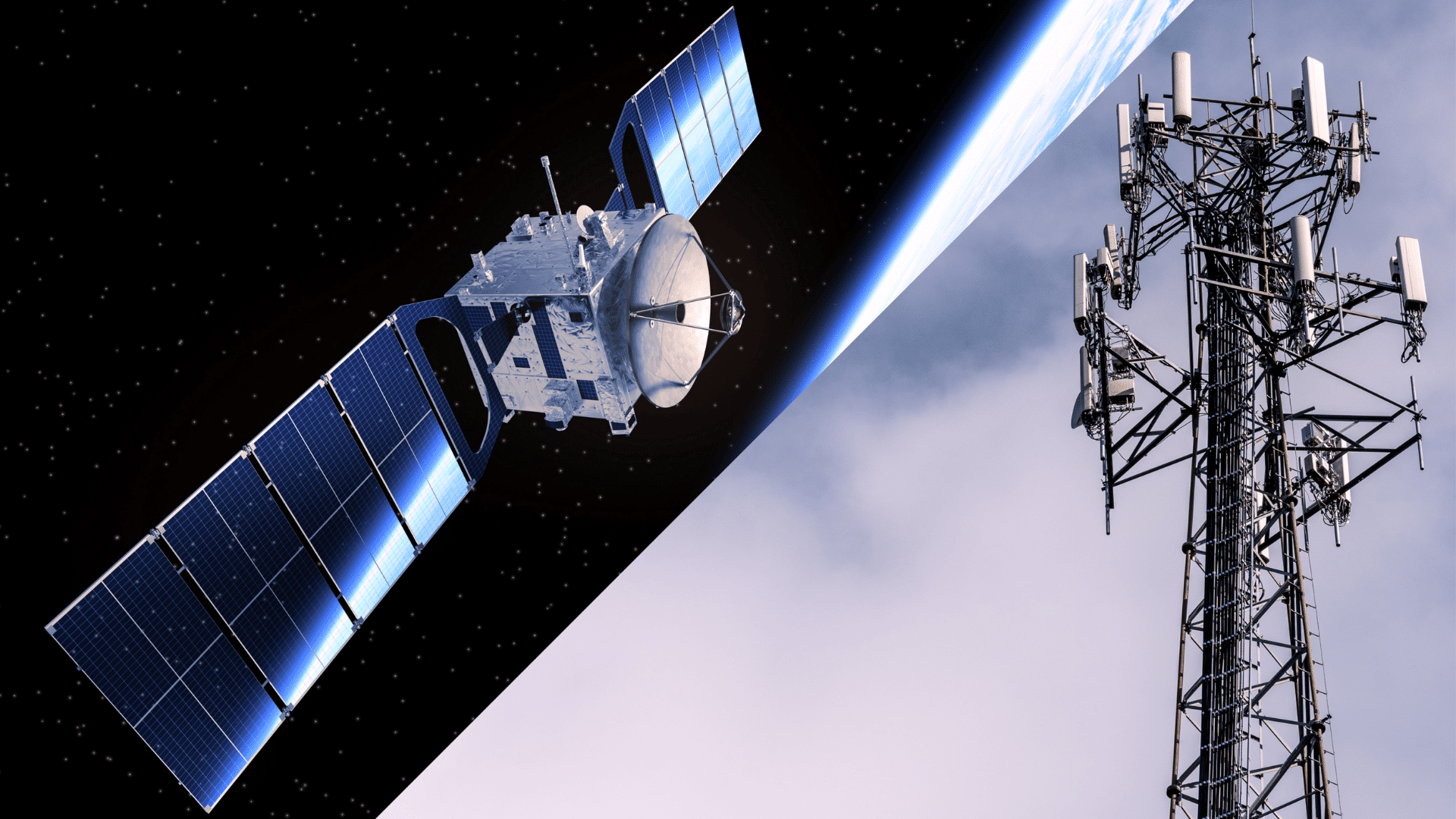




Most of us never think about losing phone service until it actually happens. I learned this while planning a trip to a remote area with weak cell coverage.
That is when I started looking into satellite phone providers and saw how important they can be for travel, work, emergencies, and outdoor adventures.
If you are trying to pick the right provider, the choices can feel hard to sort through, especially when satellite communication laws in certain countries can also affect which provider and device you are even allowed to use.
Some offer better global coverage, while others focus on lower costs or stronger devices.
In this blog, I will share the top satellite phone companies, their pricing, coverage areas, features, and plan options.
You will also learn which providers work best for different situations. By the end, you should have a clear idea of which satellite phone service best fits your needs and budget.
What Are Satellite Phone Providers?
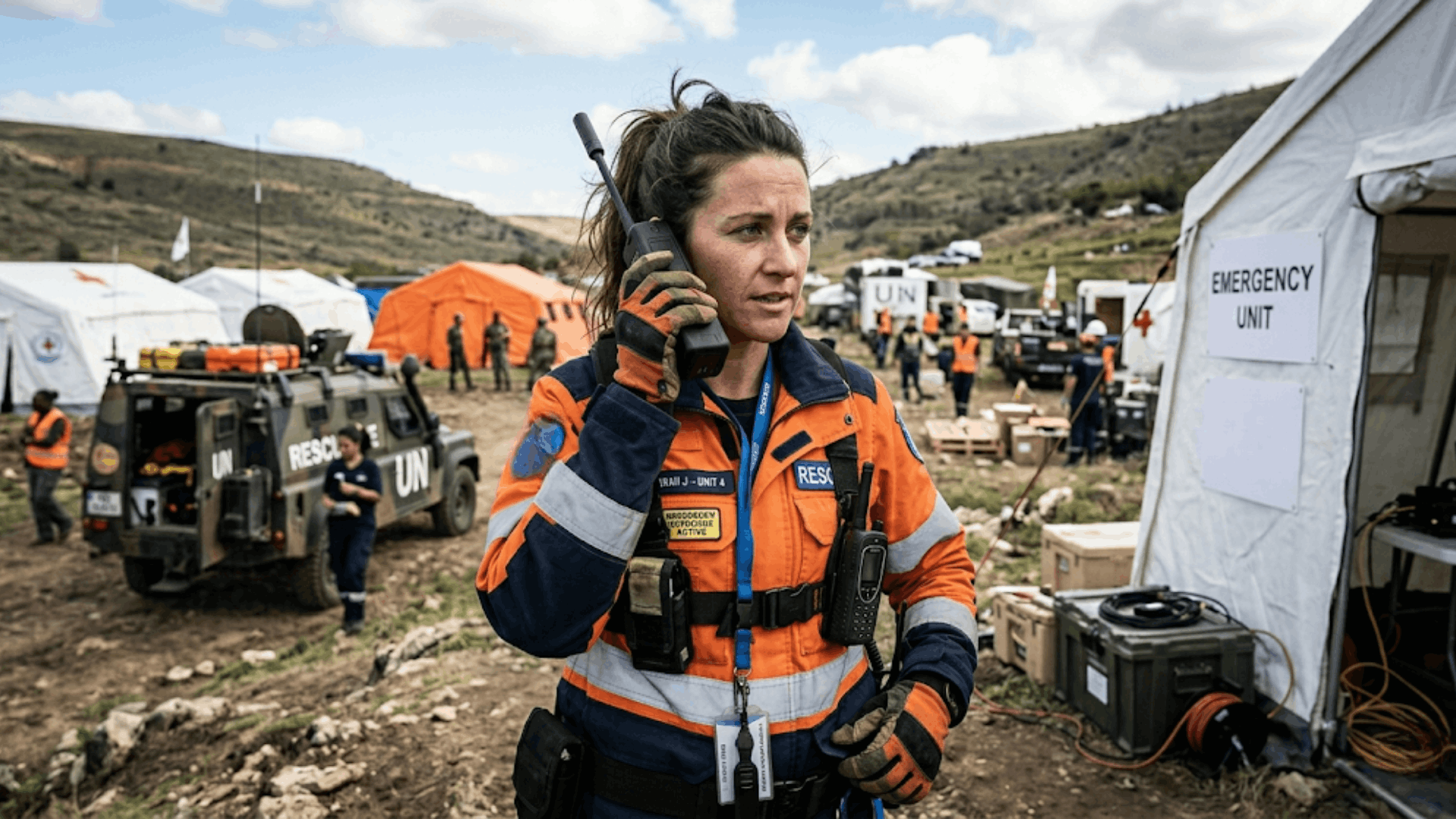
Satellite phone providers offer satellite-based calling and messaging services in areas where regular cell networks do not work. They use satellites orbiting the Earth to keep users connected in remote locations.
These providers help people stay in touch while traveling, working outdoors, in emergencies, during military operations, and on sea voyages.
Unlike regular mobile carriers, satellite phone companies focus on wide coverage instead of city-based cell towers.
Most providers offer different plans, devices, and coverage. Some work worldwide, while others only cover certain areas.
The biggest names in the market include Iridium, Inmarsat, Globalstar, and Thuraya.
Each one has its own strengths, pricing, and network quality. Choosing the right provider depends on where you plan to use the phone, how often you need it, and your budget.
How Satellite Phone Services Work?
Satellite phone services work by connecting calls and messages via satellites rather than traditional cell towers. This helps users stay connected in remote places where normal mobile networks fail.
- Satellite Connection: The phone sends signals directly to satellites orbiting the Earth.
- Ground Stations: Satellites pass the signal to ground stations connected to phone networks.
- Global Coverage: Many providers offer service in mountainous, desert, and oceanic regions, as well as remote areas.
- Special Devices: Users need satellite-compatible phones or communication devices.
- Service Plans: Providers offer prepaid and monthly plans based on usage needs.
- Clear Sky Access: Most satellite phones work best outdoors with a clear view of the sky.
- Emergency Communication: These services are often used during natural disasters or network outages.
Most Reliable Satellite Phone Providers
The most reliable satellite phone providers offer strong coverage, stable connections, and dependable service in remote areas. These companies are trusted for travel, emergencies, outdoor work, and global communication.
1. Iridium
Iridium is one of the most trusted satellite phone providers in the world. It is known for offering true global coverage, including oceans, mountains, and polar regions.
Many travelers, emergency teams, and military users rely on Iridium because the network works in places where regular phones fail.
The company uses a large fleet of low-Earth-orbit satellites to provide stable communication almost anywhere. Its phones are durable and built for rough outdoor conditions.
| Pros | Cons |
|---|---|
| True worldwide coverage | Expensive plans |
| Reliable in remote areas | Devices cost more |
| Strong emergency support | Slower internet speeds |
| Durable satellite phones | Requires open sky access |
2. Globalstar
Globalstar is popular among users seeking lower-cost satellite communication. It offers good voice quality and works well in many parts of North America and other selected regions.
The provider is often used by hikers, campers, and outdoor workers who need basic communication in remote areas.
Globalstar phones are usually more affordable than some competitors, but coverage is not fully global. The service may also face signal limits in certain remote locations.
| Pros | Cons |
|---|---|
| Lower service costs | Limited global coverage |
| Good voice quality | Weak signal in some regions |
| Easy-to-use devices | Not ideal for polar areas |
| Good for outdoor trips | Fewer device options |
3. Inmarsat
Inmarsat is well known for reliable satellite communication across land, sea, and air.
It mainly uses geostationary satellites, which provide strong, stable connections across many regions worldwide.
The provider is widely used across the maritime industry, aviation, media reporting, and business travel. Inmarsat phones often have longer battery life and clear call quality.
However, coverage near the poles can be weaker than in some other networks.
| Pros | Cons |
|---|---|
| Stable call connection | Limited polar coverage |
| Long battery life | Devices can feel bulky |
| Strong marine support | Slower data compared to modern mobile networks |
| Near-global coverage | Higher upfront device cost |
4. Thuraya
Thuraya is a strong option for users in Europe, Asia, Africa, the Middle East, and Australia. It is known for compact devices, affordable plans, and good voice quality.
Many travelers and remote workers choose Thuraya because its phones are smaller and easier to carry. The provider also offers satellite smartphones with extra features.
While pricing is competitive, coverage is limited outside its supported regions, especially in North and South America.
| Pros | Cons |
|---|---|
| Affordable plans | No coverage in the Americas |
| Compact phone designs | Regional coverage only |
| Good voice clarity | Limited global support |
| Offers satellite smartphones | The signal may weaken in remote terrain |
Key Comparison of Top Satellite Phone Providers
This comparison table shows the strengths, coverage, and key features of the top satellite phone providers. It helps you quickly find the best option for travel, work, or emergencies.
| Feature | Iridium | Globalstar | Inmarsat | Thuraya |
|---|---|---|---|---|
| Coverage | Truly global, including poles | Regional and partial global | Near-global except poles | Europe, Asia, Africa, the Middle East |
| Satellite Type | Low-Earth Orbit (LEO) | Low-Earth Orbit (LEO) | Geostationary (GEO) | Geostationary (GEO) |
| Best For | Extreme remote travel | Budget outdoor use | Marine and business use | Regional travel |
| Call Reliability | Very strong worldwide | Good in supported areas | Stable and clear | Good regional quality |
| Device Cost | High | Moderate | Moderate to high | Affordable |
| Data Support | Basic to moderate | Limited | Better data services | Moderate |
| Emergency Features | Excellent SOS support | Good SOS support | Reliable emergency access | Basic emergency support |
| Main Limitation | Expensive service plans | Limited coverage | Weak polar coverage | No American coverage |
| Overall Rating | Best overall worldwide | Best budget option | Best for business users | Best regional choice |
Do Satellite Phones Work Everywhere?
Satellite phones work in remote areas where regular mobile networks fail, but coverage can vary by provider and location. Signal quality may also change due to weather, mountains, forests, or buildings.
Most satellite phones work best outdoors with a clear view of the sky. Tall buildings, thick forests, mountains, and tunnels can block the signal and make calls harder to connect.
Some providers, like Iridium, offer nearly worldwide coverage, including oceans and polar regions. Others only cover certain parts of the world.
Weather conditions such as heavy rain or storms may also affect call quality at times.
Even with these limits, satellite phones remain one of the most reliable communication tools for emergencies, travel, marine use, and remote outdoor work.
They are mainly used for emergencies, outdoor travel, marine work, and communication in isolated places.
Tips for Choosing the Right Provider
Choosing the right satellite phone provider depends on your travel location, budget, and communication needs. Comparing important features can help you find a service that works best in remote areas.
- Coverage Area: Check if the provider offers service in the places you plan to visit. Some providers only cover certain regions instead of worldwide locations.
- Call Reliability: Choose a provider known for stable signal strength and clear voice quality. Reliable connections matter most during emergencies and outdoor travel.
- Pricing and Plans: Compare prepaid and monthly plans before making a final decision. Some services cost more because they offer wider coverage and extra features.
- Device Options: Look for phones that are durable, lightweight, and easy to carry outdoors. Some providers also offer advanced satellite smartphones with extra tools.
- Emergency Features: Many satellite phones include SOS buttons and emergency tracking support. These features can help users during accidents or natural disasters.
- Battery Life: A long-lasting battery is useful for camping, hiking, and remote work. Frequent charging may not be possible in isolated locations.
- Data and Messaging: Some providers support internet access, texting, and GPS tracking features. Others mainly focus on voice calling and basic communication.
Satellite Phone vs Regular Mobile Phone
Satellite phones and regular mobile phones both help people stay connected, but they work in very different ways. One depends on satellites in space, while the other relies on nearby cell towers.
| Feature | Satellite Phone | Regular Mobile Phone |
|---|---|---|
| Network Type | Uses satellites | Uses cell towers |
| Coverage | Works in remote areas | Works mostly in cities and towns |
| Signal Reliability | Better in isolated locations | Better in populated areas |
| Internet Speed | Usually slower | Faster mobile internet |
| Device Cost | More expensive | More affordable |
| Monthly Plans | Higher service costs | Lower monthly costs |
| Emergency Use | Great for emergencies | Limited without network coverage |
| Outdoor Use | Ideal for travel and remote work | Best for daily communication |
| Battery Life | Often longer-lasting | Depends on smartphone usage |
| Best For | Remote communication | Everyday personal use |
Conclusion
Choosing the right satellite phone provider comes down to your coverage needs, budget, and how you plan to use it.
I have noticed that some providers focus more on global coverage, while others are better for lower costs or regional travel.
Taking time to compare features, network strength, and affordable satellite phone plans can help you avoid picking a service that does not match your needs.
A satellite phone can be a valuable tool during travel, outdoor work, emergencies, or remote adventures where regular mobile service may not work.
The right provider can give you better peace of mind and more reliable communication when it matters most. If you have used a satellite phone before, share your experience or favorite provider in the comments below.
Frequently Asked Questions
Can Satellite Phones Work During Natural Disasters?
Satellite phones often continue working during storms, earthquakes, and power outages when mobile networks fail.
Do Satellite Phones Require a SIM Card?
Many satellite phones use special SIM cards linked to the provider’s satellite network.
Are Satellite Phones Waterproof?
Some satellite phone models are water-resistant and designed for harsh outdoor conditions.
Can Satellite Phones Be Used on Ships?
Satellite phones are commonly used on boats and ships for communication far from land.
Do Satellite Phones Support GPS Tracking?
Many modern satellite phones include built-in GPS tracking and location-sharing features.