





Self-driving cars are no longer a thing of the future. They are picking up riders in more than ten US cities right now, and the news is moving fast. Waymo launched its first purpose-built robotaxi while pausing freeway rides in four cities over safety concerns.
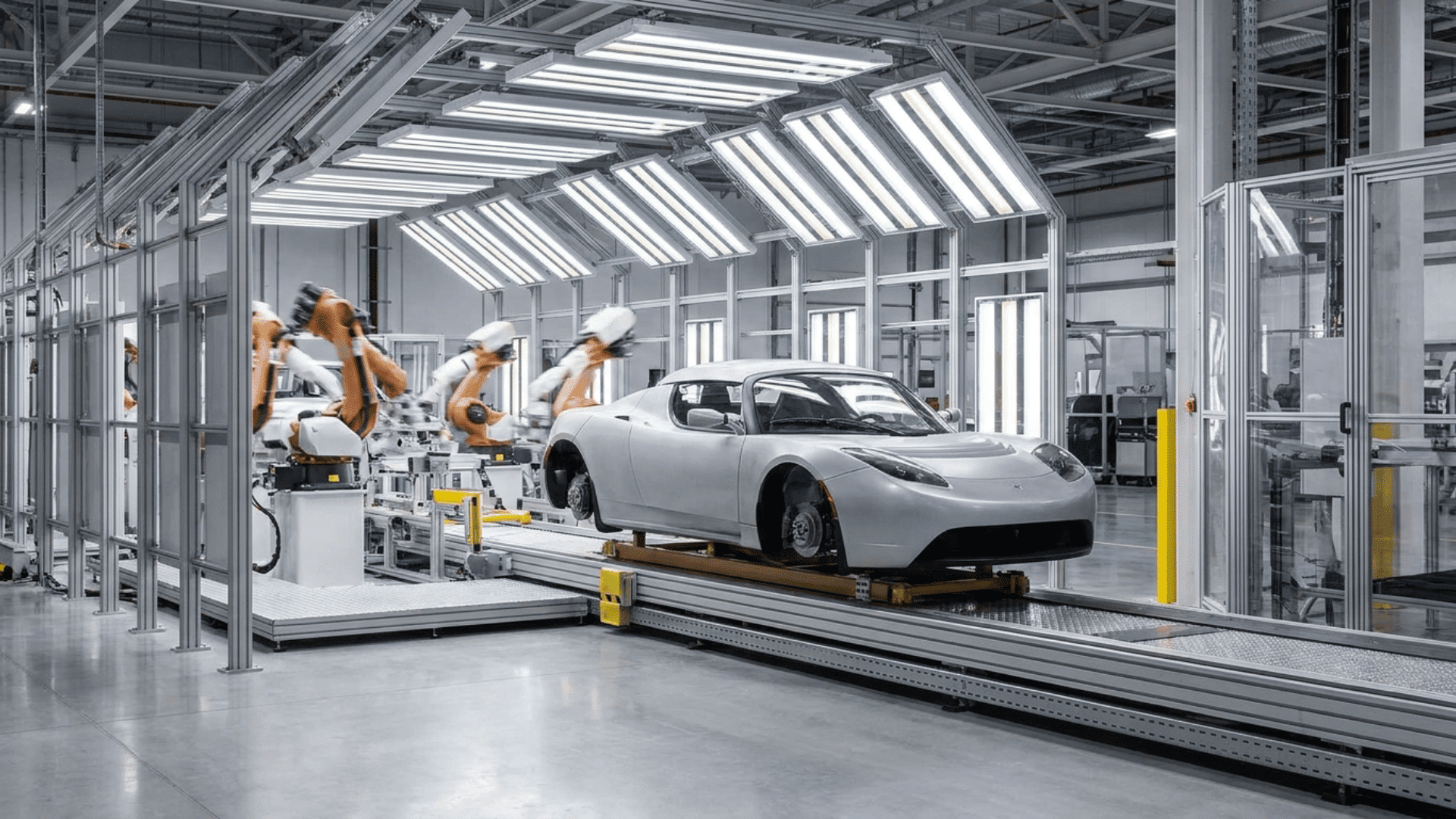
Tesla has started building its Cybercab.
In China, companies like WeRide and CaoCao continue to win new permits. After six years on the tech beat, I still find this space the hardest one to keep up with.
So my goal here is simple: sort the confirmed news from the hype. This blog compiles the latest ADAS news into a single easy read.
The first part covers the biggest headlines from Waymo, Tesla, and China’s robotaxi boom. Then I break down new technologies like AI-driven models, smarter sensors, and self-driving trucks. The last part covers the rules, safety concerns, and what comes next in 2026.
The Biggest ADAS and Autonomous Driving News Right Now
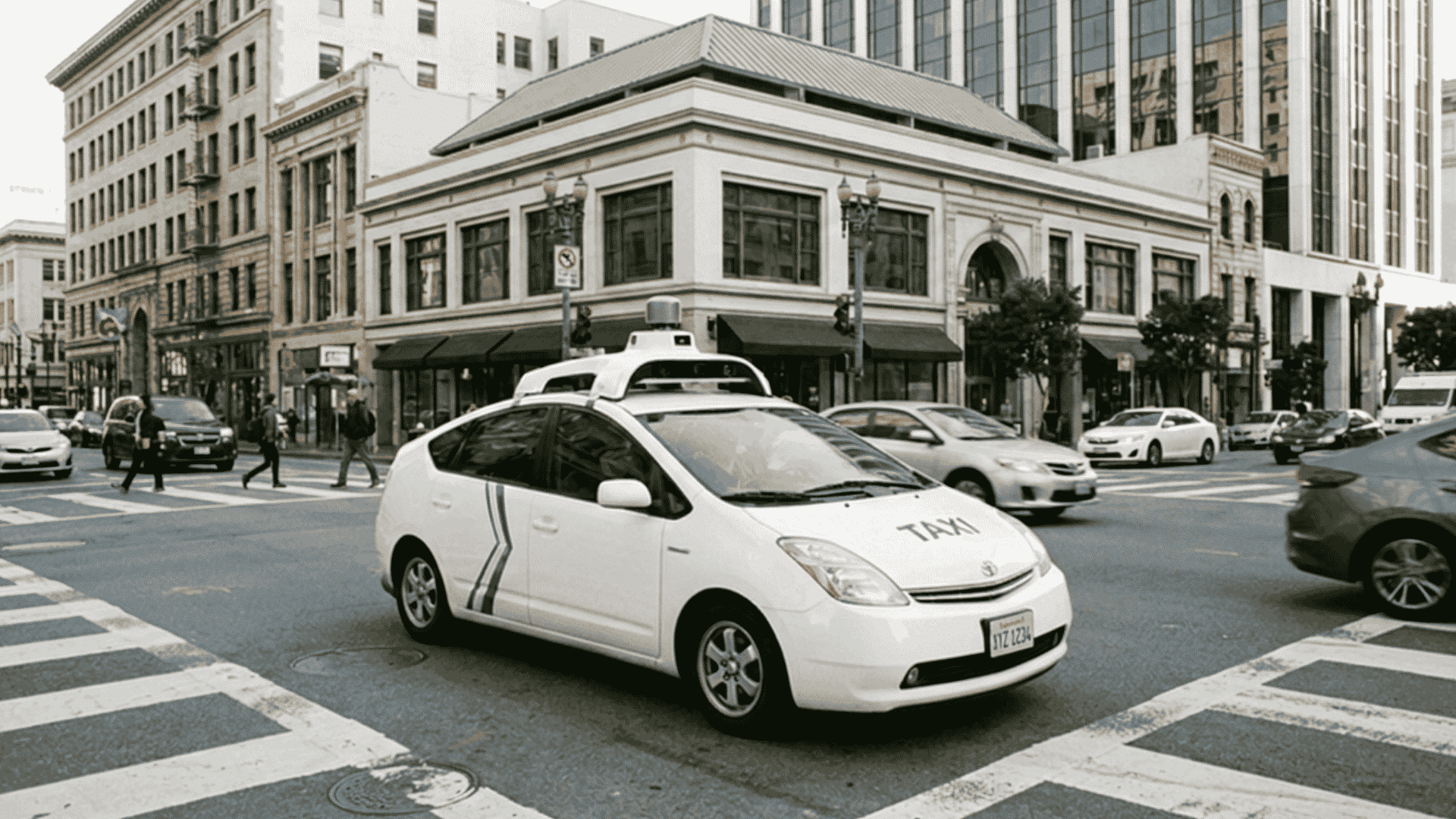
The self-driving world had a busy few months, and not all of it was good news. Waymo now runs robotaxis in more than ten US cities and gives over 400,000 paid rides every week. It also launched its first purpose-built robotaxi in late May.
At the same time, the company paused freeway rides in four cities after a string of safety problems. Tesla is pushing hard to catch up and has started building its Cybercab. In China, robotaxi firms continue to win new permits at a fast pace.
1. Waymo Expands While Hitting its First Major Speed Bump
Waymo had a strong start to 2026. In February, it added Dallas, Houston, San Antonio, and Orlando to its service map. In late May, it began rider trips in its new Zeekr-built robotaxi, called the Ojai.
But trouble followed: after an empty car drove into a flooded road, Waymo paused freeway service in four cities.
A CNN report documented hundreds of incidents, including red-light runs and recalls. Waymo still aims for one million weekly rides by the end of 2026, but the pressure is on.
2. Tesla Robotaxi and Cybercab Production Updates
Tesla’s robotaxi program grew fast, but the numbers tell a mixed story. The company now runs unsupervised rides in Austin, Dallas, and Houston, and Cybercab production has begun at its Texas factory, with a bigger ramp-up expected late this year.
Here is the catch. New Texas state records show Tesla has just 42 approved robotaxis, while Waymo has 577.
Until the fleet scales up, Tesla remains the challenger, not the leader.
3. China’s Robotaxi Boom Accelerates
China’s robotaxi market is moving at full speed. CaoCao won the first driverless testing permit in Hangzhou and plans to enter Hong Kong, placing 100 robotaxis in Shanghai’s Jiading District.
WeRide keeps stacking wins, with its WRD 3.0 system taking first place at a national contest for the fifth time.
Apollo Go and Pony.ai round out the pack, as China scales faster than the US with strong state support.
Latest ADAS Technology Breakthroughs
Behind every launch and every recall sits the same question: Is the technology getting better? The short answer is yes, and here is where.
1. AI Foundation Models Enter the Driver’s Seat
The biggest shift in self-driving tech is happening in software. Companies are building AI foundation models for driving that work like ChatGPT, but for roads.
British firm Wayve calls its system a “GPT for driving”: instead of hand-written rules, the AI learns from real data and figures out new roads on its own.
Helm.ai entered the race in May with GenSim-3 and VidGen-3, simulating video to train self-driving systems.
2. Sensor Fusion and Hardware Advances
Software gets the headlines, but hardware still does the heavy lifting.
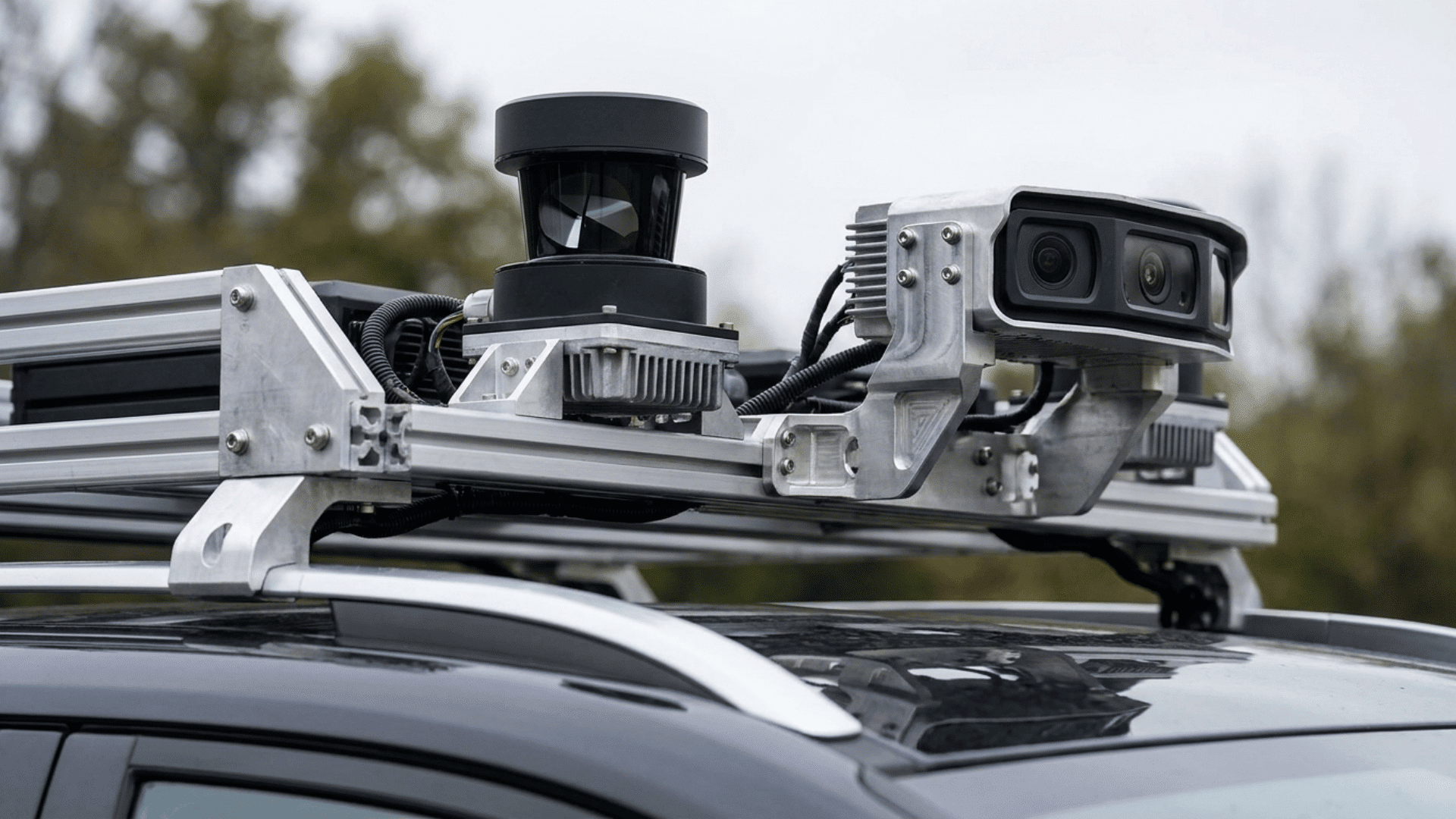
Modern ADAS depends on sensor fusion, blending radar, lidar, and cameras into one clear view of the road, with each sensor covering the others’ weak spots, so machine learning can spot objects and react before a crash.
On the supplier side, General Motors named Valeo its ADAS Supplier of the Year for the fourth year in a row.
3. ADAS Features Arriving in Consumer Cars
Robotaxis grab attention, but most people will first encounter this technology in their own cars.
Audi rolled out big updates for the 2026 A5, Q5, A6, and its e-tron models, which can change lanes on driver signal and adjust speed automatically.
These are Level 2 features: the car helps, but the driver stays in charge. Zoox runs steering-wheel-free pods that have carried over 350,000 riders in Las Vegas and San Francisco.
Regulation and Safety: The Roadblocks Ahead
Better tech only matters if it is allowed on the road. That decision now sits with lawmakers and regulators, and they are far from agreement.
- The US Patchwork Problem: The US has no single national law for driverless cars, so every state writes its own. Texas just tightened its grip with a new law requiring companies to prove Level 4 standard compliance and put fleet numbers in a public database. Washington, D.C., requires a safety driver, stalling Waymo’s launch, while NHTSA has opened investigations into Tesla, Waymo, and Zoox.
- Safety Incidents and Public Trust: A CNN report counted hundreds of incidents in which Waymo robotaxis ran red lights, blocked emergency crews, or drove into flooded streets, and one empty Waymo even led police on a freeway chase. Tesla had its own issues, with 17 incidents tied to its Austin fleet.
What to Expect in ADAS News Through 2026 and Beyond
The growth numbers ahead are big, though forecasts differ widely.
MarketsandMarkets projects the global robotaxi fleet will reach 1.5 million vehicles by 2035, worth around $216 billion.
Goldman Sachs sees it much larger, at close to 6 million vehicles and a $400 billion market. Either way, the direction is clear.
Waymo plans to enter more than 20 new cities this year, backed by a $16 billion funding round that values the company at $126 billion. It aims for one million paid rides per week by December, with London and Tokyo as its first overseas markets.
Tesla’s path runs through the Cybercab ramp and unsupervised driving, which Musk now targets for late 2026. China will continue to scale with state support.
Final Thoughts
Self-driving cars have moved past the question of whether they work. The real test now is whether people and regulators will trust them. That is the thread running through every story this year.
Waymo leads the pack but had to pause freeway rides after a rough month. Tesla finally has Cybercabs rolling off the line, yet its fleet is still small. China keeps adding permits and pushing into new countries.
And quietly, trucks and defense vehicles are becoming the next big front. From where I sit, the winners will be the companies that earn trust mile by mile, not the ones with the loudest promises. The rules will catch up. The headlines will keep coming.
Got a question about robotaxis in your city, or a story you think deserves coverage? Drop it in the comments, and share this post with a friend who still thinks driverless cars are science fiction.
Frequently Asked Questions
What is the Difference Between ADAS and Full Self-Driving?
ADAS helps the driver with tasks like braking and lane keeping, while full self-driving systems, such as Level 4 robotaxis, operate without any human behind the wheel.
Are Robotaxis Safe to Ride In?
Waymo reports fewer serious crashes than human drivers, but recent incidents and federal probes show the technology still makes mistakes, especially near school zones and flooded roads.
Which US Cities Have Driverless Robotaxis Right Now?
Waymo serves more than ten metro areas, including Phoenix, San Francisco, and Miami, while Tesla runs rides in Austin, Dallas, and Houston, and Zoox covers Las Vegas.
Can a Regular Person Buy a Fully Self-Driving Car in 2026?
No. Most cars sold today offer Level 2 assistance, which still requires full driver attention. Unsupervised consumer software remains a promise, not a product.
Who is Winning the Robotaxi Race, Waymo or Tesla?
Waymo leads by a wide margin, with 577 approved vehicles in Texas compared to Tesla’s 42, plus 10+ cities and over 400,000 paid rides weekly.