




Technology articles can become outdated quickly. A tool may receive new features, a security warning may change, or a product may lose software support within months.
This makes the publication date, update date, and original sources just as important as the article itself.
Searches for latest tech trends OTVPTech are commonly connected with artificial intelligence, cybersecurity, cloud computing, smart devices, automation, and consumer technology.
However, a current search does not reveal one clearly verified OTVPTech newsroom or official article archive. Results may also be confused with unrelated companies and websites that have similar names.
After six years of covering technology, I have learned that a recent update date does not always mean an article reflects the latest confirmed information.
You should therefore judge each page by its author, date, evidence, website, and supporting sources. This guide explains the main technology trends linked with the term and how to find information that is still current.
Latest Tech Trends OTVPTech
The main technology trends in 2026 include agentic AI, AI governance, identity protection, hybrid cloud systems, edge AI, robotics, digital twins, smart devices, and post-quantum security.
The biggest change is that companies are moving beyond small AI tests. They are starting to use AI agents, specialized models, and intelligent software within daily operations.
Cloud systems are also becoming more flexible, with businesses using public, private, hybrid, and local processing based on cost, speed, privacy, and legal requirements.
OTVPTech should not be treated as a confirmed single publication unless the exact website and editorial team can be verified.
What is OTVPTech?
OTVPTech appears to be a search term or content label connected with articles about technology news and digital developments.
Common subjects include artificial intelligence, automation, software, cloud services, cybersecurity, computing hardware, and connected devices.
At present, the term does not clearly identify one established technology publication with a confirmed homepage, author directory, editorial policy, and organized article archive.
Searches may lead to independent blogs or unrelated businesses with similar names. This does not mean that every article using the term is inaccurate.
It means you should review each article separately instead of trusting it only because the OTVPTech name appears in the title.
Latest Technology Trends Linked With OTVPTech Searches
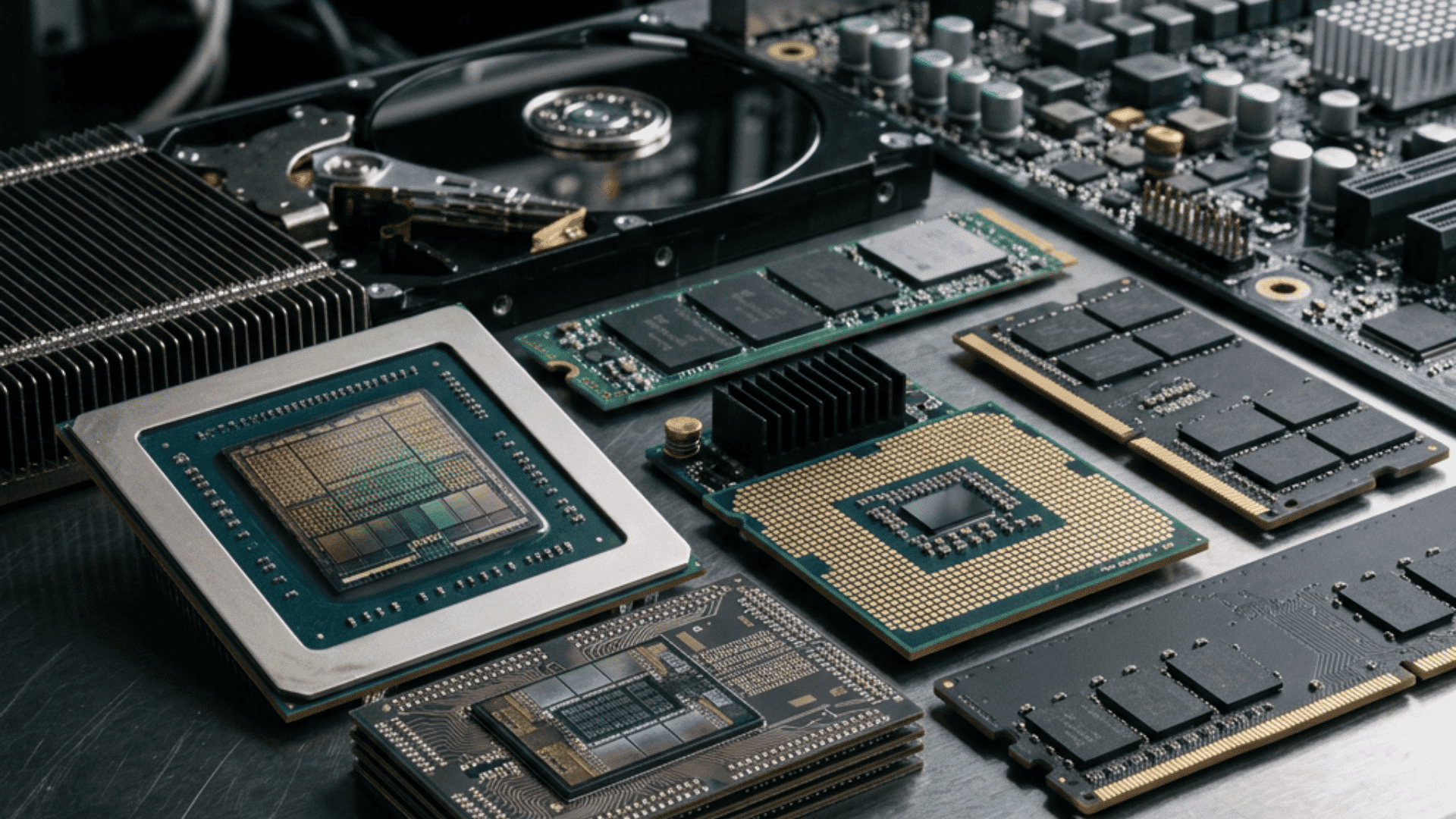
Technology coverage in 2026 is focused less on experimental ideas and more on tools that can produce measurable results. These are the main subjects you are likely to find.
1. Agentic AI and Automated Workflows
Agentic AI refers to systems that can plan and complete several connected actions instead of responding to only one prompt.
An agent may collect information, compare options, update a document, send a request, or manage part of a business process.
Current technology reports show companies moving from small agent tests toward wider use in IT, finance, human resources, customer support, marketing, and supply chains.
Human review remains important because an agent can misunderstand instructions, use incorrect information, or take an unwanted action.
2. AI Governance and Responsible Use
As AI becomes part of daily work, organizations need rules for how it is selected, tested, monitored, and corrected.
AI governance covers data use, privacy, security, accuracy, human control, record keeping, and responsibility when something goes wrong.
The NIST Generative AI Profile recommends managing risks across the full AI lifecycle rather than checking a system only after it has been released.
Users should know what information an AI tool collects, where that information is stored, and when a human must approve the result.
3. Cybersecurity and Identity Protection
Cybersecurity is moving beyond basic passwords and antivirus programs. Attackers increasingly target login details, cloud accounts, business email, remote access tools, and personal information.
Multifactor authentication adds another identity check when someone signs in. CISA advises businesses to use MFA throughout their systems and select phishing-resistant methods when available.
Security keys generally provide stronger phishing protection than codes sent by text or email. Regular updates, account alerts, limited permissions, and secure backups also reduce risk.
4. Hybrid Cloud and Edge AI
Cloud computing stores information and runs services on remote infrastructure. Edge computing processes information closer to the device, factory, shop, vehicle, or workplace where it is created.
Companies are increasingly combining public cloud, private cloud, on-site systems, and edge processing. This approach can reduce delays, protect sensitive data, and support AI services that need quick responses.
The Capgemini Top Tech Trends of 2026 report identifies hybrid, private, multicloud, and sovereign systems as important parts of cloud development. Google Distributed Cloud also supports local data processing, low-latency workloads, AI services, and edge locations.
5. Robotics and Embodied AI
Embodied AI places intelligent software inside physical machines such as warehouse robots, industrial equipment, vehicles, and inspection devices.
These systems use cameras, sensors, software, and movement controls to respond to their surroundings.
The technology is gaining attention in manufacturing, logistics, healthcare, utilities, energy, and hazardous work environments.
It can help with repetitive tasks, inspections, material handling, and monitoring. However, companies still need physical safety controls, clear operating limits, maintenance plans, and trained human supervision.
6. Digital Twins and Predictive Operations
A digital twin is a digital model of a physical item, process, building, or system. Data from sensors and software can update the model so teams can monitor performance and test possible changes.
When combined with AI, digital twins can support equipment monitoring, product testing, maintenance planning, and resource management.
They may help teams identify a developing issue before it causes a larger failure. Their results still depend on accurate data, suitable models, and regular checks against real operating conditions.
7. Smaller AI Models and Local Processing
Not every task requires a very large AI model. Smaller models can be trained or adjusted for one industry, department, device, or type of work.
These models may run on local servers, phones, computers, cameras, or other devices with AI processing hardware. Local processing can provide faster responses and may reduce the amount of information sent to a remote server.
It can also support services in places with limited internet access. The right choice depends on accuracy, hardware limits, security needs, cost, and the complexity of the task.
8. Smart Devices and Consumer Technology
Smartwatches, cameras, speakers, appliances, health trackers, vehicles, and home controls continue to gain AI-based features. However, a longer feature list does not always make a device a better purchase.
Buyers should check the full cost, software support period, repair options, required subscriptions, account security, battery life, and compatibility with existing products.
Microphones, cameras, location tracking, and health information also require careful privacy settings.
Products that receive regular security updates and provide clear account controls are usually safer long-term choices than devices with unclear support policies.
9. Post-Quantum Security
Powerful quantum computers could eventually weaken some encryption methods used to protect current systems. Post-quantum cryptography uses different mathematical methods designed to resist this threat.
NIST released its first three main post-quantum cryptography standards in August 2024. It advises organizations to identify vulnerable systems and plan their move to quantum-resistant protection.
NIST expects quantum-vulnerable algorithms to be removed from its standards by 2035, with important systems changing earlier.
Why these Technology Trends Matter
Technology trends affect more than large companies. They can change how people work, protect accounts, buy devices, store files, use online services, and manage personal information.
| Technology Trend | Why It Matters |
|---|---|
| Agentic AI | Automates connected tasks but requires clear limits and human review |
| AI governance | Helps control accuracy, privacy, security, and responsibility |
| Identity security | Protects email, banking, work accounts, and cloud files |
| Hybrid cloud | Gives organizations more control over cost, location, and data |
| Edge AI | Supports quicker processing near the user or device |
| Robotics | Helps with physical, repetitive, or risky tasks |
| Digital twins | Supports monitoring, testing, and maintenance planning |
| Smart devices | Affects privacy, subscriptions, compatibility, and long-term value |
| Post-quantum security | Prepares protected systems for future cryptographic risks |
Tracking these subjects helps you separate lasting changes from short-lived product claims.
Are OTVPTech Articles Reliable?
Articles connected with OTVPTech searches may provide useful information, but the term alone does not prove that a page is accurate, trustworthy, or current.
A reliable technology article should include:
- A named author or editorial team with relevant experience
- Clear publication and revision dates showing when the content was reviewed
- Links to primary sources such as official documents, research, or company announcements
- Exact product or software details, including models, versions, and feature limits
- Explanations of risks and limitations rather than only listing possible benefits
- A clear separation between facts, opinions, predictions, and company claims
- Corrections or updates when products, software, prices, or guidance change
Be careful with pages that make broad claims, hide the author, lack sources, or describe an announced product as already available.
Security, medical, financial, and legal decisions should always be confirmed through qualified professionals or official sources.
Final Thoughts
The latest tech trends OTVPTech searches cover include agentic AI, AI governance, cybersecurity, hybrid cloud, edge processing, robotics, digital twins, smart devices, and post-quantum protection.
These subjects show that technology in 2026 is moving from limited tests toward practical use. At the same time, more automation creates a greater need for security, reliable data, human control, and clear accountability.
Rather than focusing only on what sounds new, I look at when a change happened, who confirmed it, and how it may affect businesses and everyday users.
Which technology trend has had the biggest effect on your work or daily routine? Share your experience or useful tips in the comments below.
Frequently Asked Questions
How Can You Separate a Tech Trend From Hype?
Check for credible sources, real-world use, clear results, realistic timelines, and evidence beyond company promises or repeated headlines.
How Often Should Technology Articles Be Updated?
Technology articles should be reviewed every three to six months, or sooner when software, prices, security guidance, products, or regulations change.
What Skills are Becoming More Valuable in Technology?
AI literacy, cybersecurity awareness, cloud knowledge, data analysis, prompt writing, automation skills, and the ability to check AI-generated information are increasingly useful.
Can New Technology Reduce Business Costs?
Some tools can lower labor, storage, maintenance, and processing costs, but subscriptions, training, security, integration, and support expenses must also be considered.