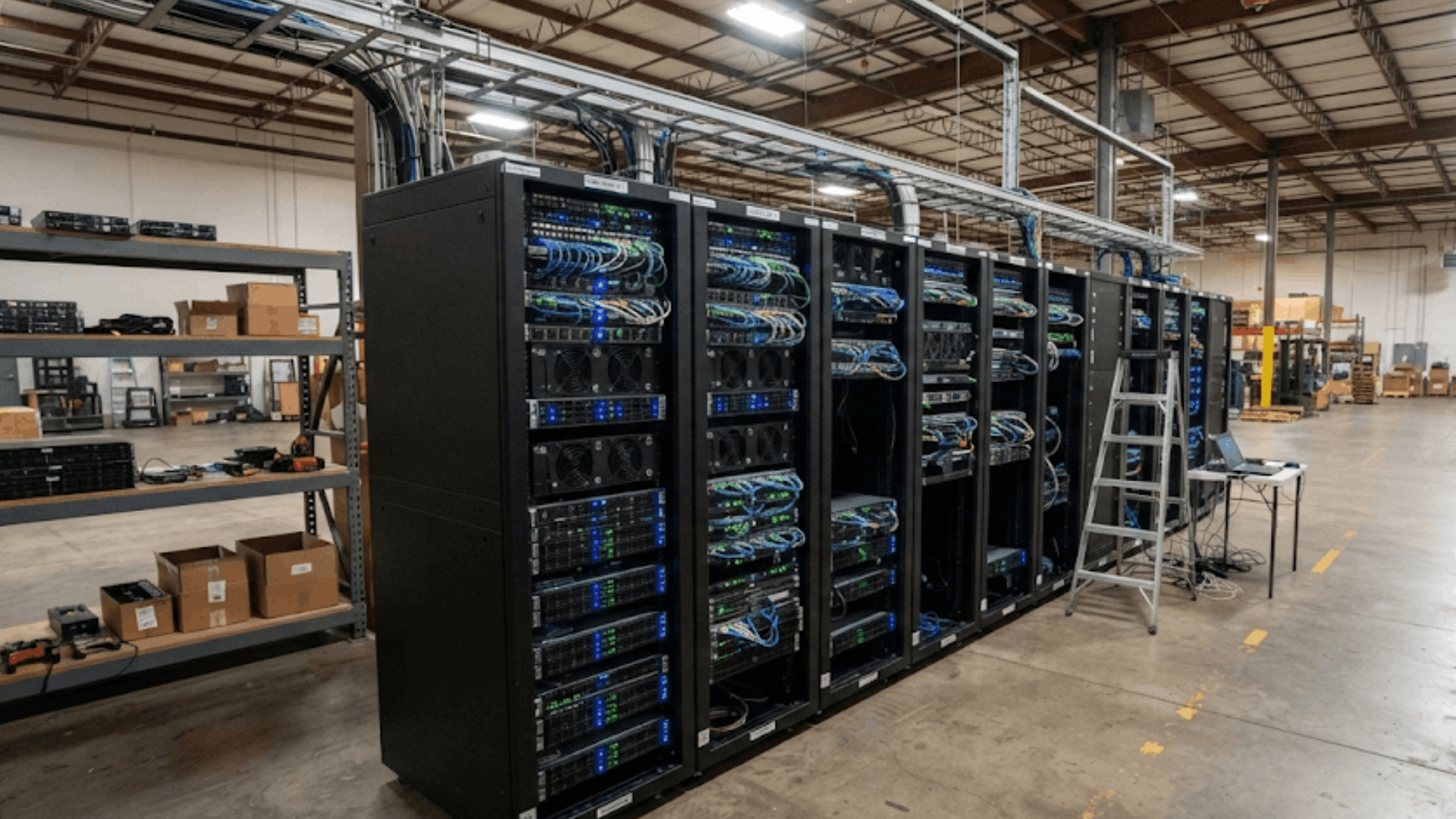

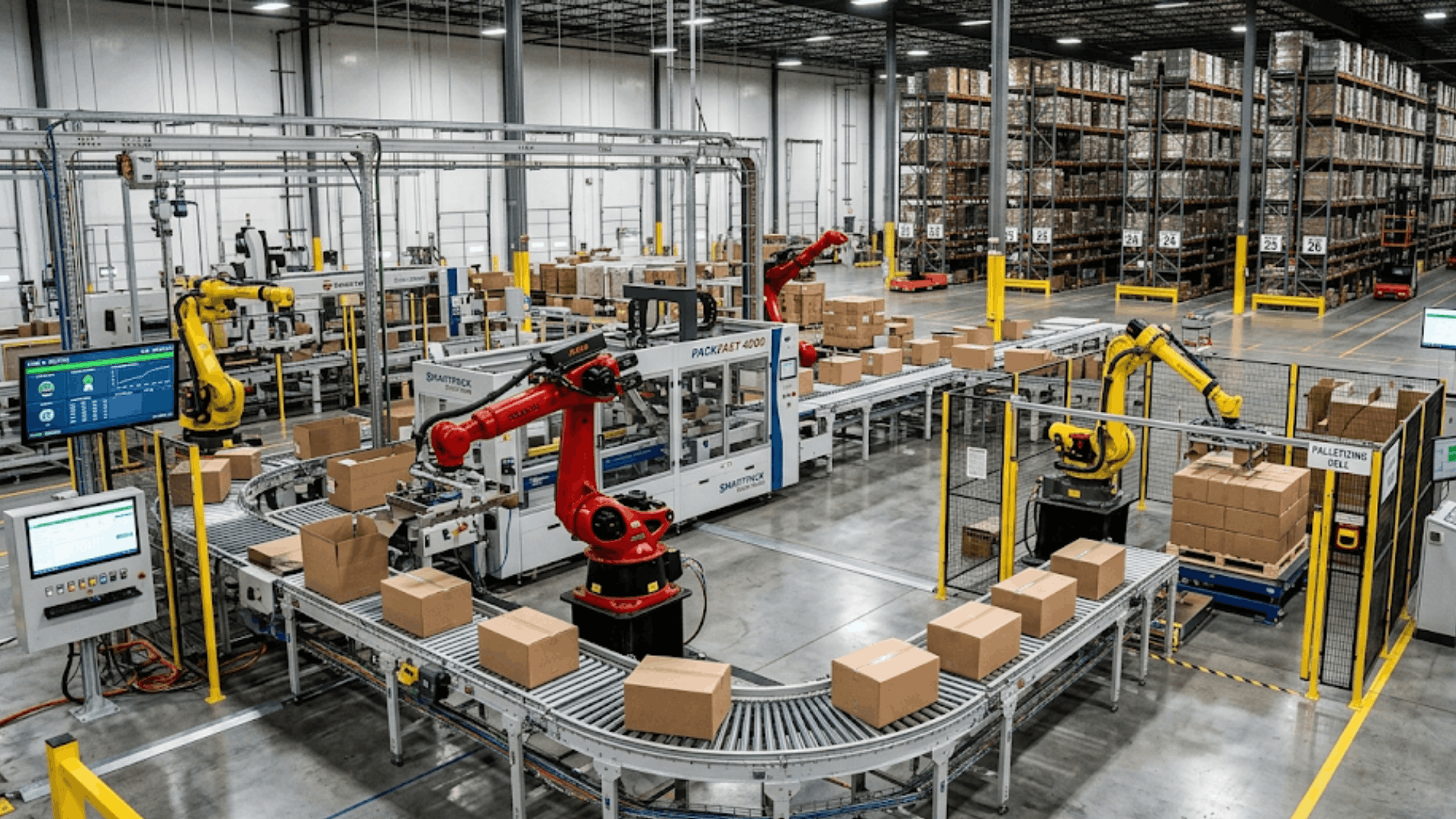




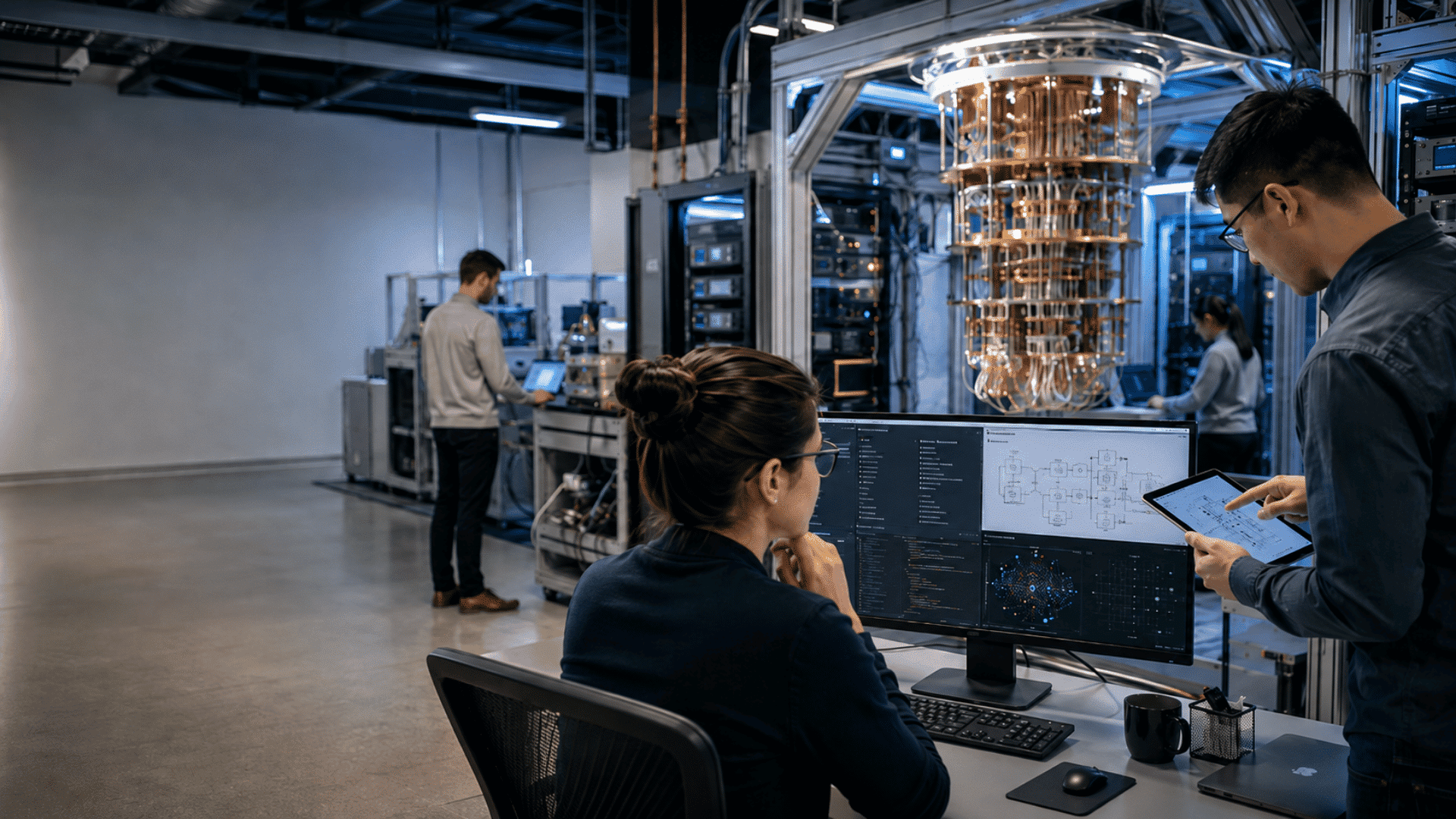
Many factories today rely on machines and smart systems to keep production moving faster and more smoothly. Jobs that once required hours of manual work can now be completed faster and with fewer errors.
That is one of the main reasons manufacturing automation has become such an important part of modern industries.
In this blog, I will explain what manufacturing automation is and how it works.
You will learn about the different types of automation, the tools factories use, how digital transformation solutions support modern factories, the benefits businesses get, and some common challenges that come with it.
By the end, you will have a clear idea of how these systems help factories work more efficiently every day.
What Is Manufacturing Automation?
Manufacturing automation is the use of machines, software, and smart systems to handle factory tasks with less human effort. It helps businesses improve speed, accuracy, and production efficiency.
Factories use automation for many different jobs, including assembly, packaging, welding, quality checks, and material handling.
Instead of relying only on manual labor, companies use robots, sensors, control systems, and computer programs to complete repetitive work faster and with fewer mistakes.
Some factories use simple automated machines, while others run fully automated production lines with smart technology and real-time data systems
This also helps businesses lower costs, reduce downtime, improve safety, and maintain product quality.
As technology continues to grow, more industries are investing in automation to keep up with demand and improve overall factory performance.
Main Components Used in Automation
Manufacturing automation systems use various tools and technologies to help factories run smoothly. Each component plays an important role in improving speed, accuracy, and production quality.
- Robots: Handle repetitive tasks such as welding, assembly, packaging, and material lifting with greater speed and consistency.
- Sensors: Collect data from machines and production lines to monitor temperature, pressure, movement, and product quality.
- Programmable Logic Controllers (PLCs): Control automated machines and manage factory operations through programmed instructions.
- Human-Machine Interface (HMI): Allows workers to monitor systems, check performance, and control machines via digital screens.
- Conveyor Systems: Move products and materials from one production stage to another without manual handling.
- Industrial Software: Helps manage production schedules, machine performance, data tracking, and system communication.
- Actuators and Motors: Drive machines and robotic systems to perform automated tasks.
- Artificial Intelligence (AI): Helps systems make smarter decisions, improve efficiency, and predict machine maintenance needs.
Types of Manufacturing Automation Systems
Manufacturing automation systems come in different types based on production needs, product volume, and factory setup. Each type helps businesses improve efficiency and manage tasks more effectively.
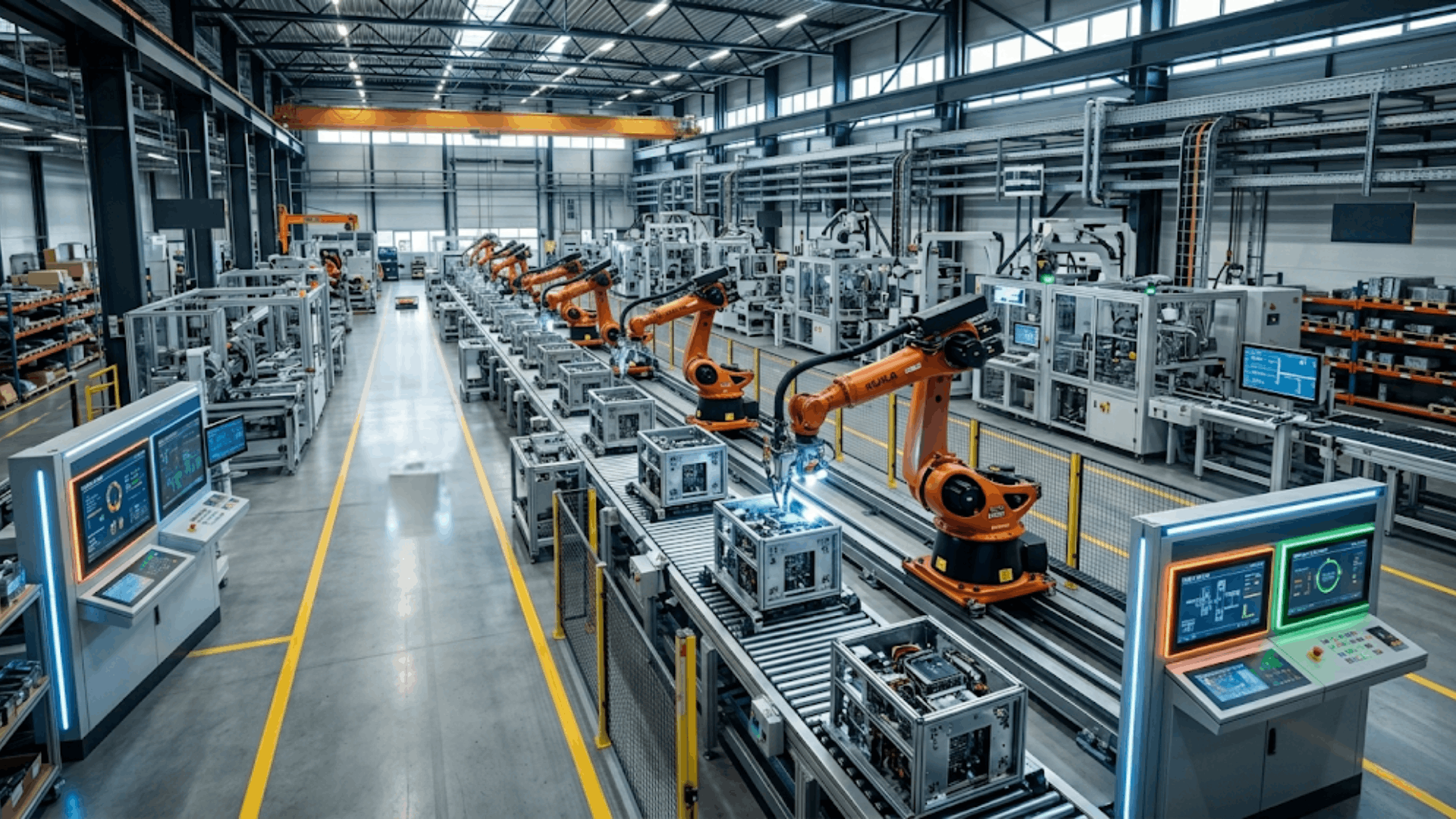
1. Fixed Automation
Fixed automation is designed for factories that produce the same product in large quantities for a long time. Machines are programmed to perform a single task repeatedly, with little change to the production process.
This system works best in industries such as automotive manufacturing, beverage production, and packaging plants, where high-speed production is critical.
Fixed automation helps businesses lower labor costs, improve production speed, and maintain consistent product quality. However, it can be expensive to modify because the machines are built for a single dedicated process.
Ideal For: Large-scale factories that produce the same products continuously, such as car manufacturing and food packaging industries.
2. Programmable Automation
Programmable automation enables factories to adjust production settings based on different product or batch requirements.
Machines are controlled through software programs that can be updated whenever production needs change.
This type of automation is useful for businesses that manufacture several products using the same equipment.
Industries such as electronics, textile production, and machinery manufacturing often use programmable automation because it offers greater flexibility than fixed systems.
Although setup and programming may take time, they help businesses improve efficiency and better control different production tasks.
Ideal For: Factories that handle batch production and need flexibility to switch between different products regularly.
3. Flexible Automation
Flexible automation helps factories switch between products quickly without causing major production delays.
Machines automatically adjust settings based on the product being manufactured, which reduces the need for manual changes.
Flexible automation improves production efficiency while allowing factories to handle multiple product types on the same production line.
Although the setup cost can be higher, businesses benefit from faster production changes, reduced downtime, and better use of factory resources over time.
Ideal For: Businesses that need fast product changes, custom manufacturing, and flexible production lines.
4. Integrated Automation
Integrated automation connects machines, software systems, and factory operations into one complete network.
All parts of the production process communicate through a central control system that automatically manages tasks.
Integrated automation is common in smart factories where businesses rely on connected systems to improve efficiency and reduce delays.
By combining technologies into a single system, companies can improve production planning, reduce waste, and make faster, more informed decisions based on accurate production data.
Ideal For: Smart factories that need connected systems for real-time monitoring, production planning, and quality control.
5. Robotic Automation
Robotic automation uses industrial robots to handle repetitive, dangerous, or high-precision tasks inside factories.
Robots are commonly used for welding, painting, packaging, assembly, and material handling because they can work continuously with high accuracy.
Robotic systems also reduce human errors and help factories maintain product quality over long production cycles.
Many modern industries use robotic automation to enable faster production and allow workers to focus on more skilled, technical responsibilities.
Ideal For: Factories that require high-speed production, precision tasks, and safer handling of heavy or risky work.
6. Computer-Integrated Manufacturing (CIM)
Computer Integrated Manufacturing, also called CIM, combines computer software, automated machines, and factory systems into one connected production process.
Computers control every stage of manufacturing, from product design and planning to production and quality checks.
This system helps factories improve accuracy, reduce waste, and manage production more efficiently.
CIM also allows businesses to collect real-time production data, making it easier to monitor factory performance and solve problems quickly.
Industries that require high precision and large-scale production often use CIM to improve productivity and maintain consistent manufacturing standards.
Ideal For: Large manufacturing companies that need complete digital control over production, planning, and quality management.
Benefits and Challenges of Manufacturing Automation
Manufacturing automation improves production speed, quality, and factory efficiency. Many businesses also face digital transformation challenges as they upgrade older systems to modern automated technologies.
| Automation Feature | Benefits of Manufacturing Automation | Challenges of Manufacturing Automation |
|---|---|---|
| Production Speed | Machines work faster and continuously, helping factories increase output. | Fast production systems may require expensive upgrades and regular monitoring. |
| Product Quality | Automation reduces human mistakes and improves product consistency. | Incorrect programming can still create quality control issues if not managed properly. |
| Labor Management | Repetitive tasks can be handled with fewer workers, lowering labor costs. | Employees may need retraining to work with automated systems and software. |
| Workplace Safety | Robots and machines handle risky tasks, reducing workplace injuries. | Safety systems must be regularly updated to prevent machine-related accidents. |
| Operational Efficiency | Automation improves workflow and reduces production delays. | Technical failures can stop operations and affect factory productivity. |
| Data Monitoring | Smart systems provide real-time production tracking and performance reports. | Factories need secure systems to protect production data from cyber threats. |
How Manufacturing Automation Improves Production?
Manufacturing automation improves production by helping factories complete work faster, more accurately, and with fewer delays.
Automated machines can run for long hours, increasing production and helping businesses meet customer demand faster.
Automation also reduces human error during tasks such as assembly, packaging, welding, and quality checks, leading to more consistent product quality.
Many factories use sensors and software systems to monitor production in real time, making it easier to identify problems and improve workflow quickly.
Automation also helps businesses reduce material waste, lower labor costs, and improve overall efficiency.
As a result, factories can save time, improve productivity, and maintain smoother daily operations.
Industries Using Manufacturing Automation
Many industries use manufacturing automation to increase production speed, reduce manual labor, and improve product quality. Automation systems help businesses handle large production demands while improving efficiency.
- Automotive Industry: Uses automation for welding, assembly, painting, and quality inspections during vehicle production. Companies like Ford and General Motors use robotic systems in their manufacturing plants.
- Food and Beverage Industry: Relies on automated systems for packaging, sorting, labeling, and food processing tasks. Automation also helps companies maintain hygiene and safety standards.
- Electronics Industry: Uses robotic systems to assemble small electronic components with high precision and accuracy. Companies like Intel and Dell use automation to improve production efficiency.
- Pharmaceutical Industry: Automation helps manage the production, packaging, quality checks, and adherence to safety standards. It also improves accuracy during large-scale drug manufacturing.
- Textile Industry: Uses automated machinery for cutting, sewing, dyeing, and fabric processing. Automation helps factories increase production while reducing manual labor.
- Chemical Industry: Automated systems monitor mixing, temperature control, and material handling during production. Companies like Dow use automation to improve safety and production control.
- Metal and Steel Industry: Uses robotics and automated machinery for cutting, welding, and heavy material movement. These systems help improve production speed and workplace safety.
Role of AI in Manufacturing Automation
Artificial intelligence plays a major role in improving manufacturing automation by helping machines and systems make smarter decisions during production.
AI can analyze production data in real time to find problems, improve workflow, and reduce downtime
Many factories use AI-powered systems to predict maintenance needs before equipment breaks down, helping avoid costly production delays.
AI also improves quality control by detecting product defects more accurately than manual inspections. In some factories, AI-powered robots can automatically adjust their tasks as production needs change.
This technology also helps businesses manage inventory, monitor energy use, and improve overall factory efficiency.
As manufacturing advances, AI helps companies build faster, safer, and more reliable production systems.
Many manufacturers use AI to improve supply chains and reduce costs, and it is expected to play a bigger role in smart factories over time.
Manufacturing Automation vs Manual Production
Manufacturing automation and manual production differ in speed, accuracy, labor needs, and production. While automation relies on machines and software, manual production depends mainly on human workers.
| Feature | Manufacturing Automation | Manual Production |
|---|---|---|
| Production Speed | Machines work faster and continuously with minimal delays. | Production is slower because tasks are completed manually by workers. |
| Accuracy | Automated systems reduce errors and improve product consistency. | Human mistakes are more common during repetitive tasks. |
| Labor Requirement | Requires fewer workers for repetitive production tasks. | Needs more workers to handle daily operations and production. |
| Operating Cost | Higher setup cost but lower long-term operating expenses. | Lower setup cost but higher labor and operational costs over time. |
| Product Quality | Maintains consistent quality through automated controls. | Product quality may vary depending on worker performance. |
| Workplace Safety | Machines handle risky or dangerous tasks safely. | Workers face higher risks during heavy or repetitive work. |
| Flexibility | Automation systems can efficiently handle large-scale production. | Manual production is better for small-scale or custom work. |
| Maintenance | Requires regular technical maintenance and software updates. | Requires less technical maintenance but depends heavily on labor availability. |
How Automation Reduces Human Error?
Automation helps factories reduce errors by using machines and software to handle repetitive tasks more accurately. Automated systems follow programmed instructions consistently, thereby improving product quality.
- Consistent Production: Automated machines perform the same task repeatedly without changes in speed or accuracy.
- Reduced Manual Mistakes: Machines lower the risk of human errors caused by fatigue, distractions, or repetitive work.
- Better Quality Control: Sensors and automated inspection systems can quickly detect defects during production.
- Accurate Measurements: Automated systems use precise data and settings to maintain correct sizes, weights, and production standards.
- Real-Time Monitoring: Smart software tracks production performance and identifies issues before they escalate.
- Improved Data Handling: Automation reduces mistakes in recordkeeping, inventory tracking, and production reporting.
- Safer Work Processes: Machines handle risky tasks more safely, reducing accidents caused by manual operations.
- Standardized Operations: Automation ensures every product follows the same manufacturing process and quality standards.
Conclusion
Manufacturing automation is improving factory speed, accuracy, safety, and production efficiency.
After researching this topic, I realized how much automation now supports industries that need faster and more reliable production systems.
From robotics to AI-powered software, these technologies are helping businesses reduce manual work while improving product quality and daily operations.
If you run a business, work in manufacturing, or simply want to learn something new, automation will likely continue shaping the future of production for years to come.
Have you seen automation used in factories or workplaces around you? Share your thoughts or experience in the comments below.
Frequently Asked Questions
Can Small Businesses Use Manufacturing Automation?
Yes, many small businesses use affordable automation tools to improve production and reduce manual work.
How Long Does It Take to Install Automation Systems in a Factory?
The installation time depends on the factory size and system complexity, but it can take weeks or months.
Does Manufacturing Automation Increase Electricity Use?
Some systems use more power, but many modern automated machines are designed to improve energy efficiency.
What Skills Are Needed to Work with Automated Manufacturing Systems?
Workers often need basic technical, software, and machine operation skills to manage automated systems.
Can Manufacturing Automation Work 24/7?
Yes, automated systems can operate continuously with proper maintenance and monitoring.