


Many industries now rely on cloud systems to run daily work, manage data, and connect teams. I have seen how quickly this shift is happening, and you may be wondering what it means for your business.
Moving from old systems to smarter digital tools is no longer a future plan. It is happening right now.
In this guide, I will break down industrial cloud platforms in simple terms. You will learn what they are, how they work, and why companies use them.
I will also explain the key benefits, common uses, and the main types of platforms available today.
By the end, you will have a clear idea of how these platforms support digital change and which options may fit your industry needs.
What Is an Industrial Cloud Platform?
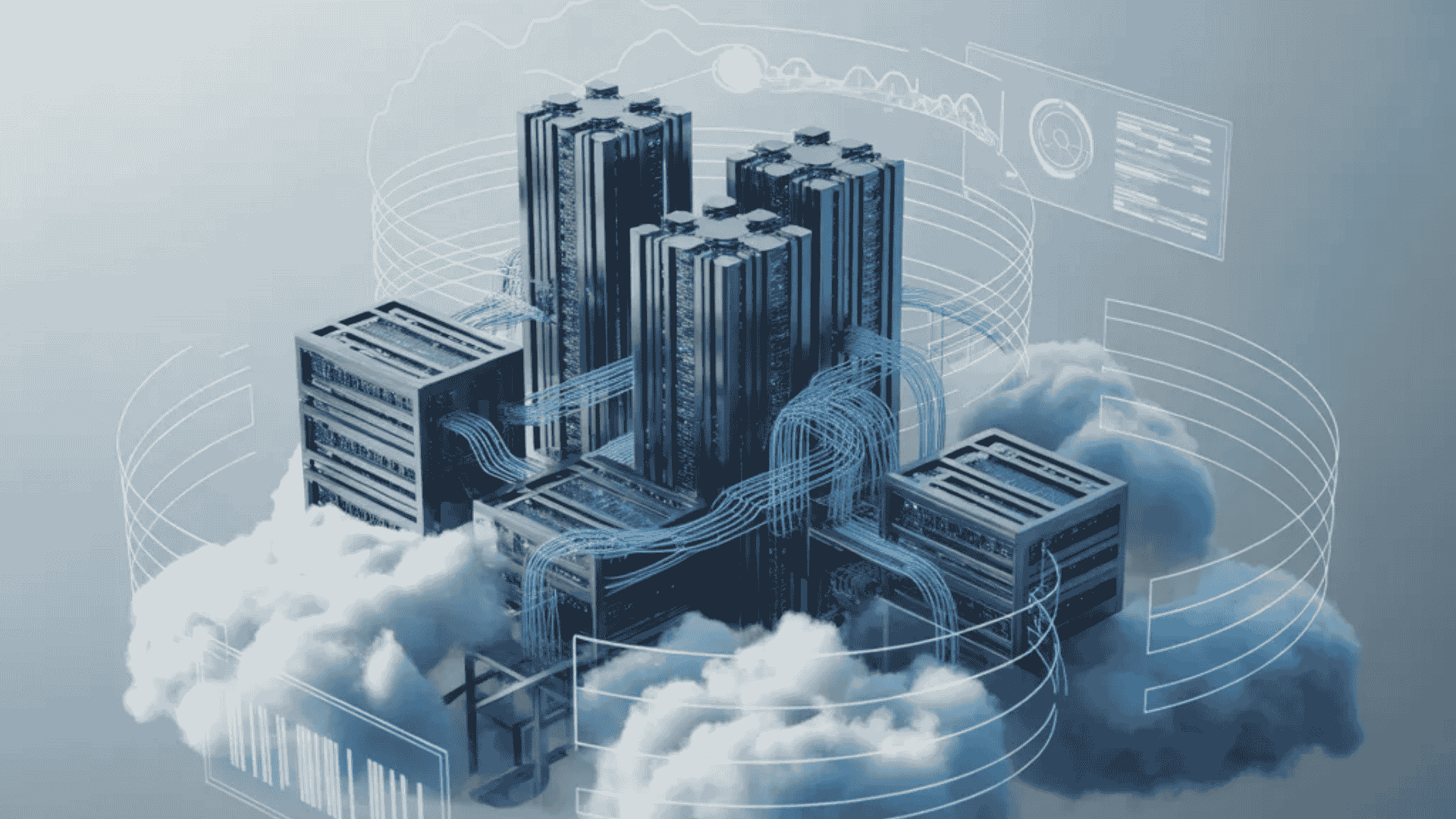
An industrial cloud platform is a cloud system built for industries such as manufacturing, energy, oil and gas, and logistics. It connects machines, sensors, and software in one secure online space.
Instead of relying only on local servers, companies use the cloud to store data, monitor systems, and manage operations in real time.
General cloud handles apps while industrial cloud supports factory systems and machine data.
It supports real-time monitoring, remote control, and system integration.
The main goal is to improve control and efficiency. These platforms help track performance, reduce downtime, and support smart decision-making.
They are structured to meet the technical, safety, and scalability needs of complex industrial environments.
Most platforms in this category also bridge the long-standing gap between OT systems and IT systems (which manage business data), a convergence that McKinsey has identified as a central driver of industrial digital transformation.
How Industrial Cloud Platforms Work?
Industrial cloud platforms connect machines, systems, and software to a central cloud environment. They collect data, process it, and send useful insights back to teams in real time.
- Data Collection: Industrial machines, sensors, and control systems generate constant data during operations. This includes production output, equipment status, temperature levels, and performance metrics.
- Cloud Processing: Once data reaches the cloud, it is organized, stored, and analyzed. The platform filters useful information and applies analytics tools to identify trends or detect early signs of issues.
- System Integration: The platform integrates with existing business software, including ERP, maintenance systems, and supply chain tools. This creates a shared data environment across departments and sites
- Real-Time Monitoring: Live dashboards and alerts enable teams to track system performance in real time. Quick access to data supports faster response and better operational control.
One important architectural consideration is edge computing. Many industrial environments cannot rely on continuous cloud connectivity, particularly offshore or in remote manufacturing facilities.
In these cases, edge nodes process data locally and sync with the cloud when connectivity is available.
Platforms like AWS IoT Greengrass, Azure IoT Edge, and ClearBlade are specifically built to support this hybrid edge-cloud architecture.
Top Industrial Cloud Platforms for Modern Industries
Modern industries rely on advanced cloud platforms to manage connected systems and large data flows. These industrial cloud platforms support automation, monitoring, and smarter operational control
1. Microsoft Azure IoT
Microsoft Azure IoT helps industries connect machines, sensors, and devices to the cloud. It supports real-time data collection, analytics, and remote monitoring.
Companies use it to track equipment health, manage assets, and improve production efficiency. Azure also integrates with business tools like ERP and AI services.
This makes it easier for teams to turn raw machine data into useful operational insights.
Key feature: Strong integration with Microsoft enterprise tools like Azure AI and Dynamics
2. AWS IoT
AWS IoT allows industries to securely connect devices and manage large data streams. It supports real-time monitoring, automation, and cloud-based analytics.
Businesses use AWS IoT to build smart factories, track assets, and reduce downtime. The platform also connects with machine learning tools to predict equipment failures.
Its scalable structure helps companies grow without rebuilding their digital systems.
Key feature:Highly scalable infrastructure with advanced cloud and machine learning support
3. Google Cloud IoT
Google Cloud IoT focuses on data analytics and machine intelligence for industrial operations. It collects machine data and processes it using advanced cloud tools.
Companies use it to improve performance tracking and predictive maintenance. The platform connects easily with Google’s data and AI services.
This helps industries gain deeper visibility into operations and improve decision-making through data-driven insights.
Key feature: Powerful data analytics and AI-driven insights using Google Cloud tools.
4. Siemens MindSphere
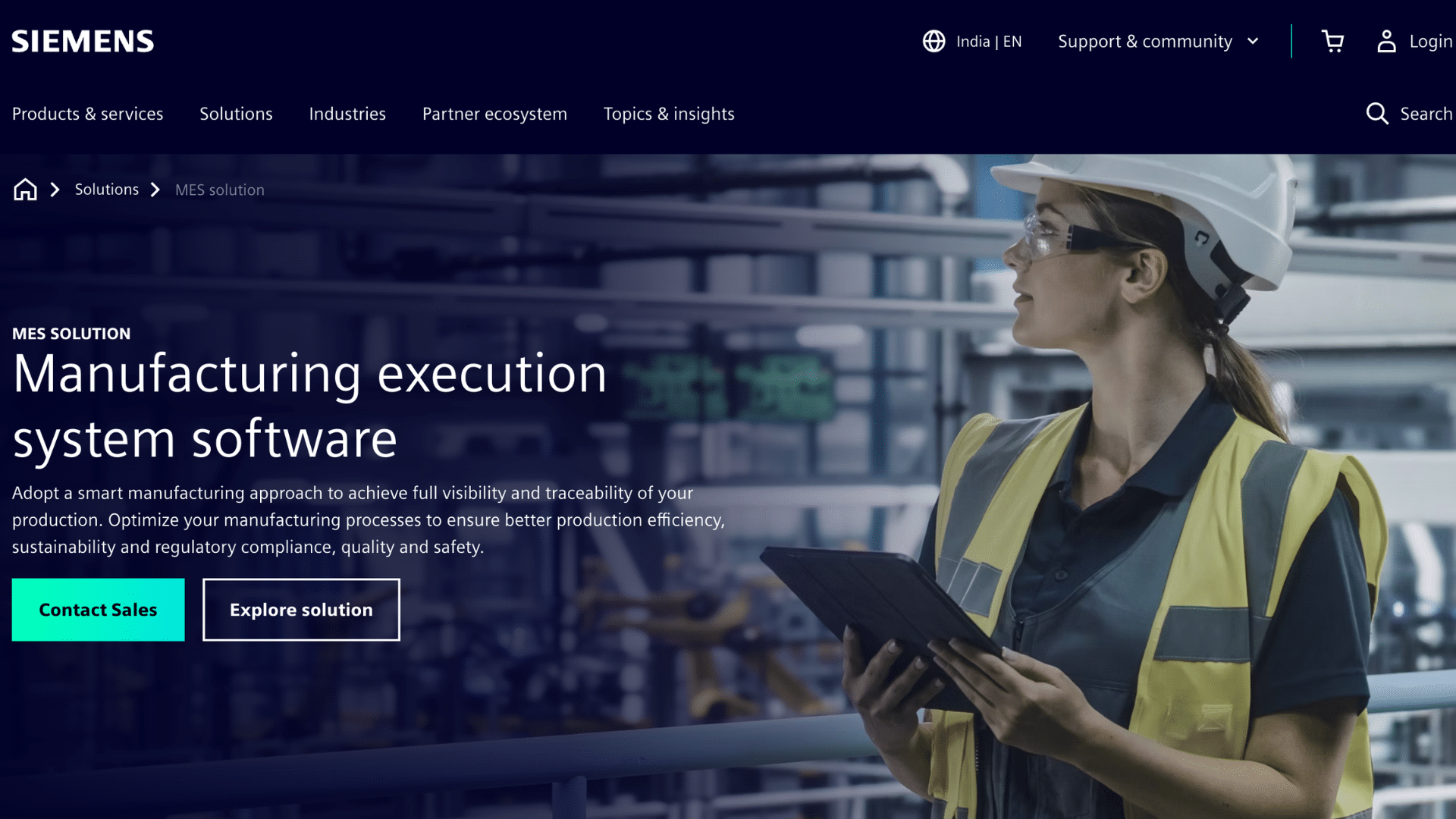
Siemens MindSphere is designed specifically for industrial environments. It connects machines, production lines, and equipment to a centralized cloud system.
Companies use it to monitor asset performance, analyze operational data, and optimize processes.
MindSphere supports manufacturing, energy, and infrastructure sectors. It helps reduce downtime and improve system reliability through continuous monitoring and performance analysis.
Key feature: Built specifically for industrial equipment and manufacturing systems.
5. IBM Watson IoT
IBM Watson IoT combines industrial cloud services with artificial intelligence. It gathers data from connected devices and applies analytics to detect patterns and risks.
Companies use it for predictive maintenance, asset tracking, and process improvement. The platform integrates with enterprise systems, helping teams make informed decisions.
Its AI capabilities support smarter operations and better resource management.
Key feature: Advanced AI capabilities for predictive maintenance and risk detection.
6. GE Predix
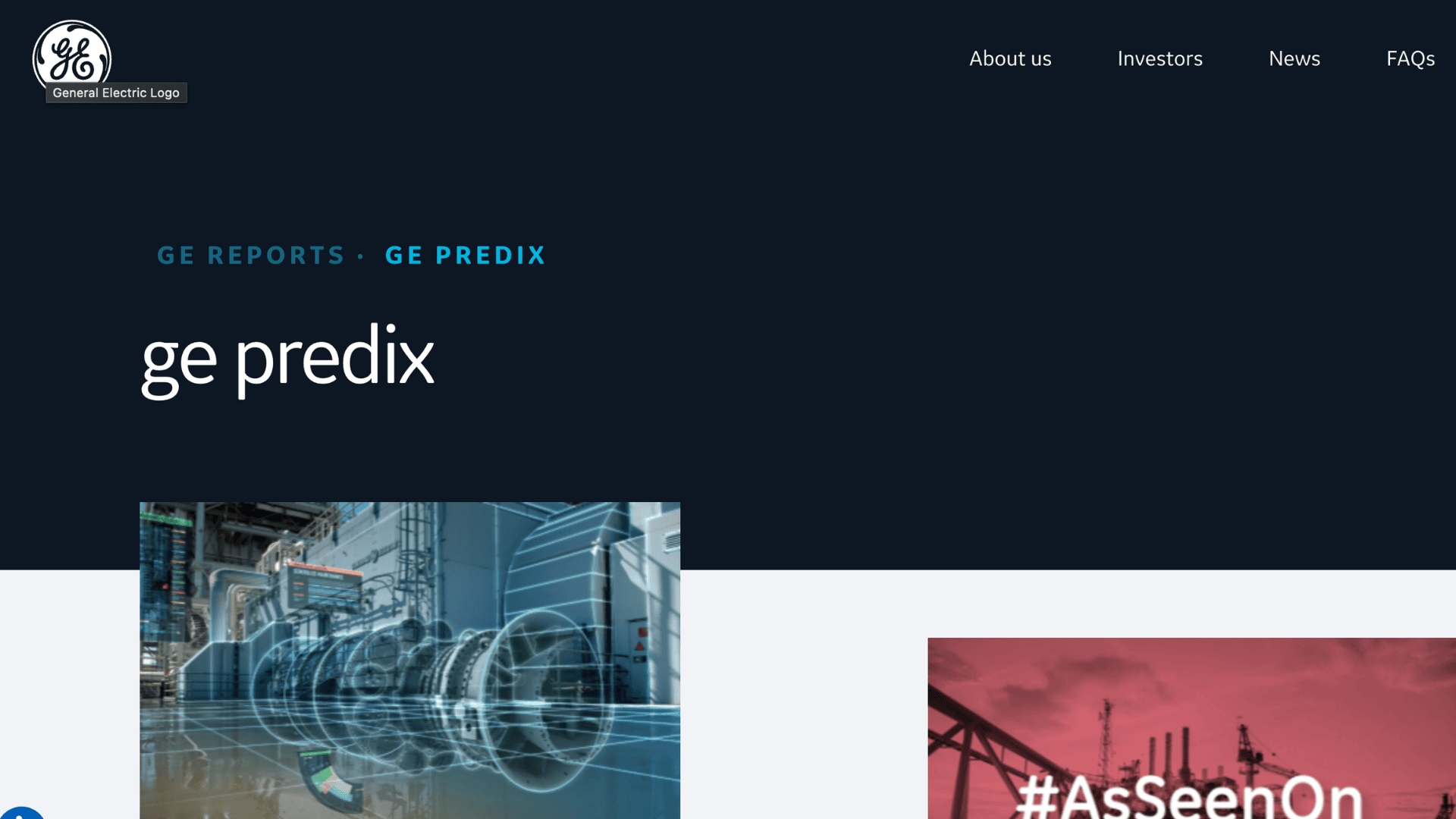
GE Predix is built for managing industrial asset data at scale. It focuses on equipment monitoring, operational performance, and reliability management.
Industries such as aviation, power, and manufacturing use Predix to analyze machine data and improve uptime. The platform helps identify inefficiencies and maintenance needs early.
Its structure supports complex industrial systems that require continuous monitoring and performance control.
Key feature: Designed for large industrial asset performance management.
7. PTC ThingWorx
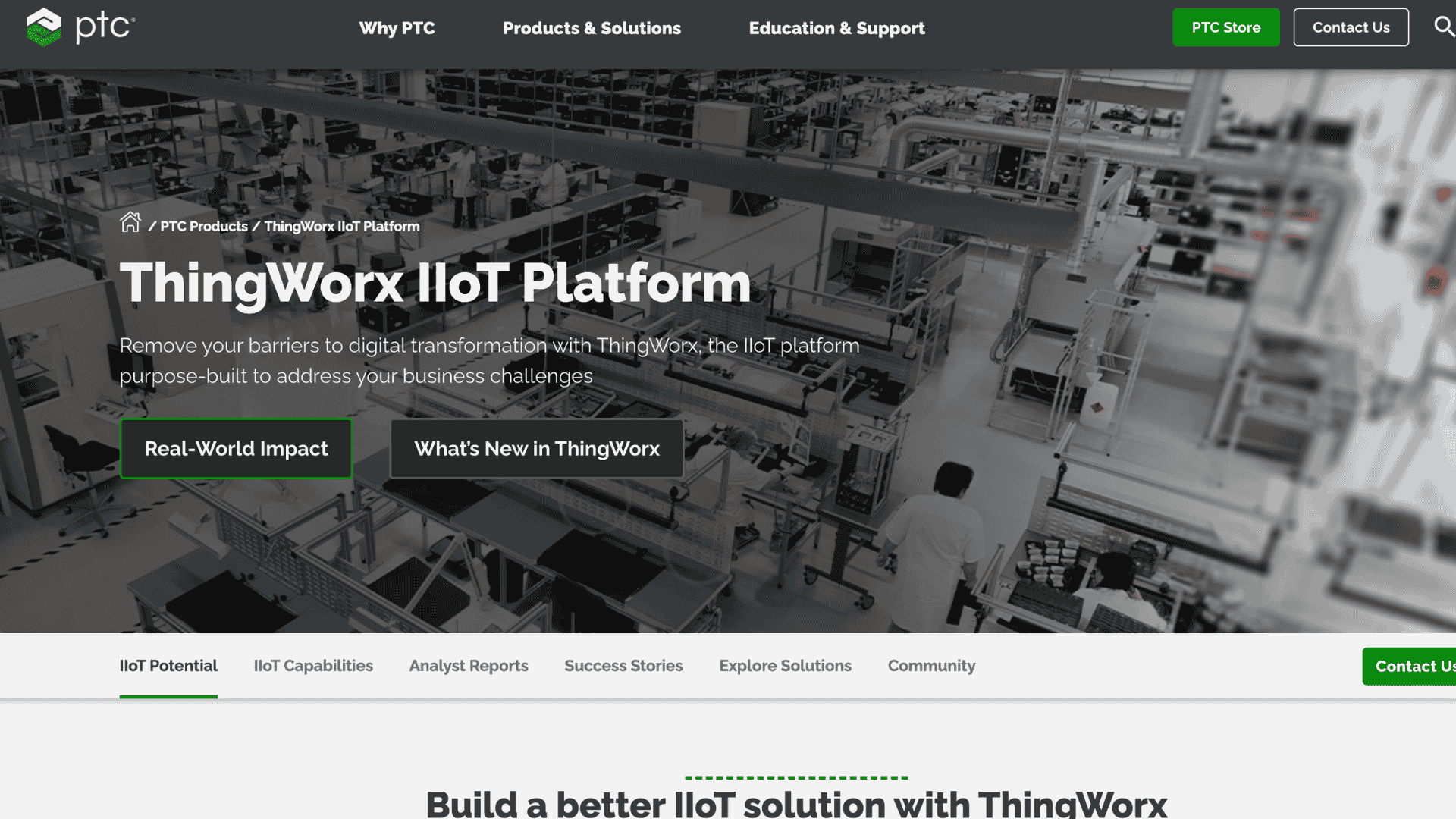
PTC ThingWorx is an industrial IoT platform that helps companies connect machines, devices, and production systems to the cloud.
It supports real-time data tracking, analytics, and application development for smart factories. Many industries use it to improve equipment monitoring and maintenance planning.
The platform also includes tools that support remote service and digital workflows, helping teams respond faster and reduce unexpected downtime.
Key feature: Strong application development tools for smart factory solutions.
8. Oracle IoT Cloud
Oracle IoT Cloud enables businesses to connect industrial equipment and sensors to enterprise systems. It collects operational data and combines it with business information for better visibility.
Companies use it for asset tracking, predictive maintenance, and supply chain monitoring.
The platform integrates with Oracle’s business applications, allowing departments to work with shared data. This improves planning, reporting accuracy, and overall operational coordination.
Key feature: Deep integration with Oracle ERP and enterprise systems.
9. Cisco IoT Cloud Connect
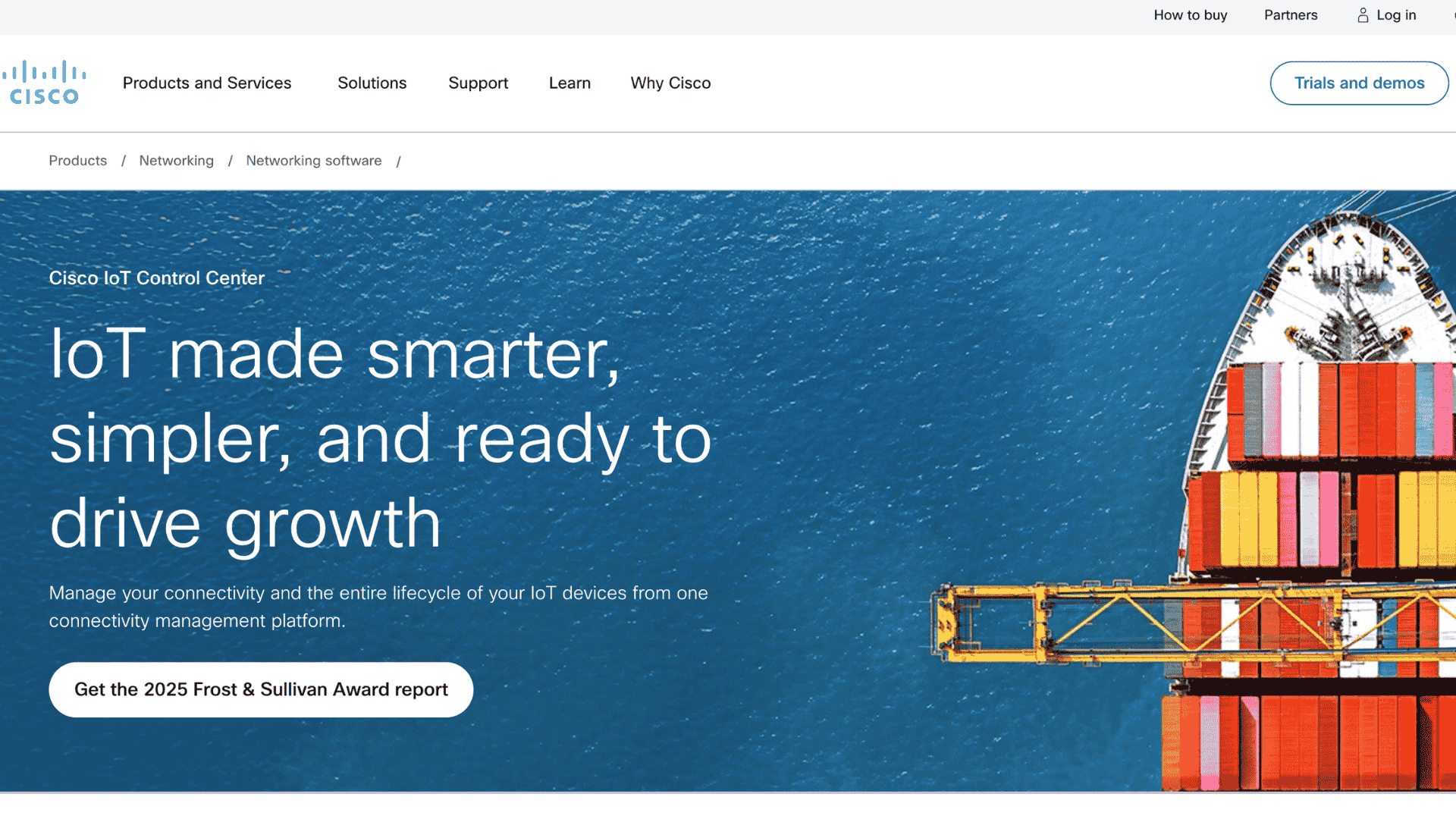
Cisco IoT Cloud Connect focuses on secure device connectivity and network management. It supports large industrial environments where many machines and remote sites need reliable communication.
The platform manages data transmission between devices and the cloud while maintaining security standards.
Industries use it to monitor distributed assets, manage connected equipment, and maintain stable system performance across multiple operational locations.
Key feature: Reliable and secure device connectivity across large networks.
10. SAP IoT
SAP IoT connects industrial equipment with enterprise software systems. It gathers sensor data and links it with supply chain, production, and maintenance processes.
Businesses use SAP IoT to improve operational planning and asset management.
The platform works closely with SAP’s ERP systems, giving teams access to real-time insights within existing workflows. This helps improve efficiency and supports data-driven decision-making across departments.
Key feature: Direct integration with SAP business and supply chain systems.
11. ABB Ability Genix
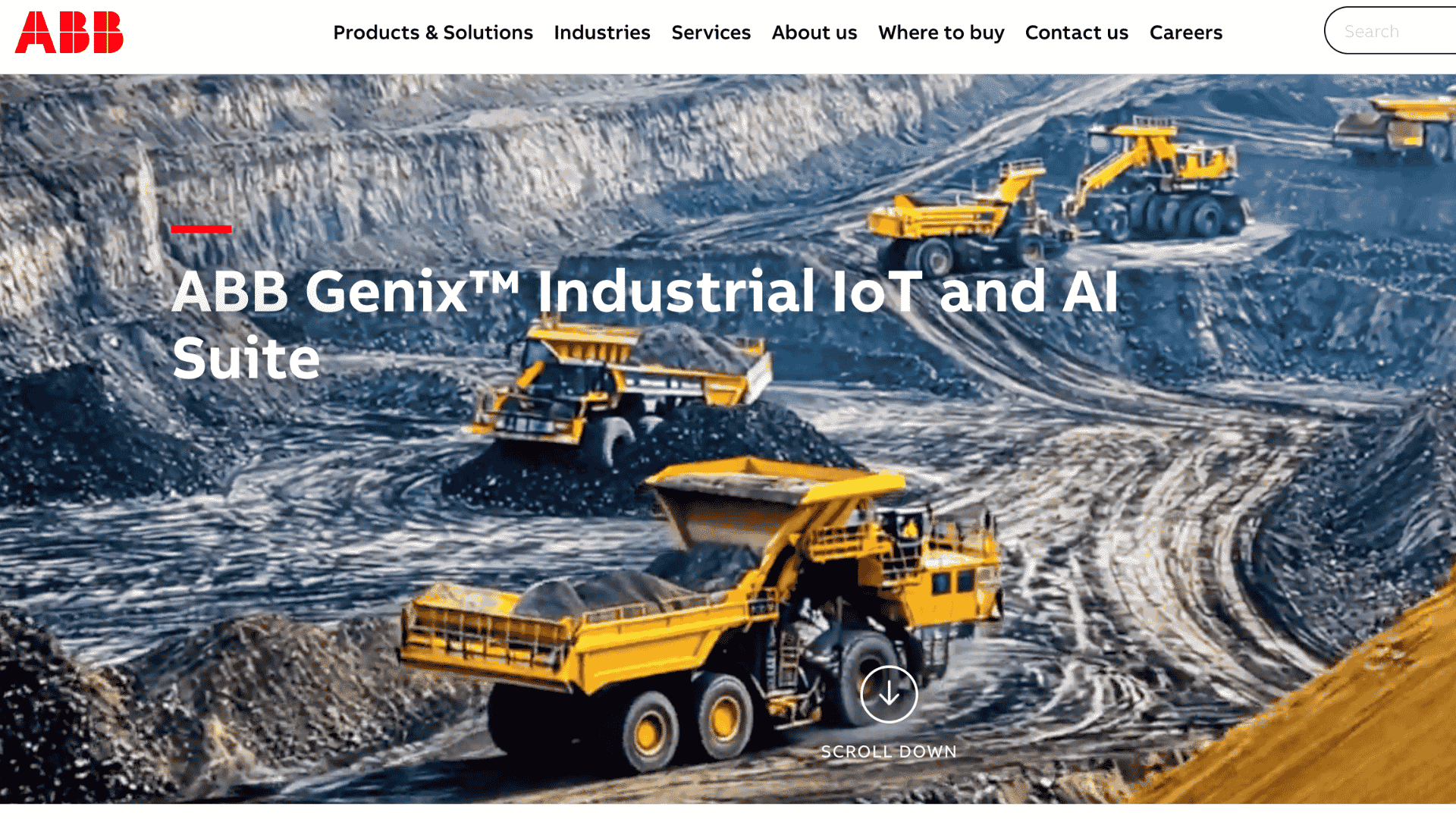
ABB Ability Genix is built for heavy industries such as power, mining, and manufacturing. It combines cloud technology with advanced analytics and artificial intelligence.
The platform collects data from industrial assets and uses it to improve performance and reliability. Companies rely on it for predictive maintenance and operational optimization.
Its design supports complex industrial systems that require constant monitoring and high operational stability.
Key feature: Optimized for heavy industries and energy operations.
12. Zerynth Platform
Zerynth is an industrial IoT platform that connects factory equipment and edge devices to cloud systems. It supports production monitoring, machine data analysis, and system integration.
The platform allows companies to collect data directly from devices and process it for performance tracking.
Businesses use Zerynth to improve production efficiency, manage assets, and reduce downtime through better visibility into operational processes.
Key feature: Flexible edge and cloud integration for production monitoring.
13. Hitachi Lumada
Hitachi Lumada is an industrial digital platform that connects operational technology with IT systems. It collects data from machines, sensors, and industrial assets, then applies analytics to improve performance.
Companies use Lumada for predictive maintenance, asset optimization, and energy management. It supports industries such as manufacturing, transportation, and utilities.
The platform helps organizations turn operational data into actionable insights that improve efficiency and reduce operational risks.
Key feature: Combines operational technology with advanced data analytics.
14. Schneider Electric EcoStruxure
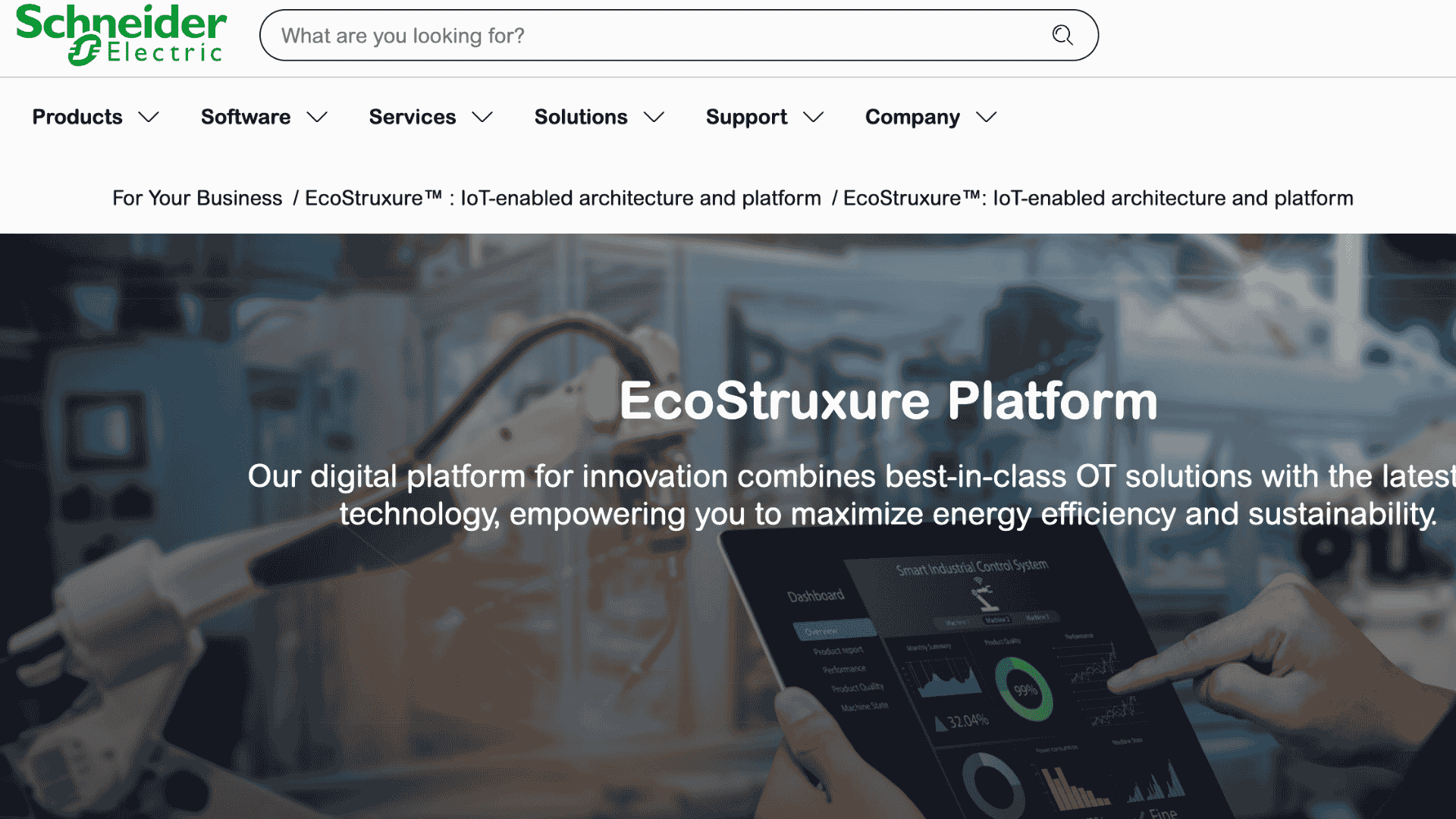
EcoStruxure is Schneider Electric’s industrial cloud platform built for energy management and automation. It integrates equipment, control systems, and software into a single digital framework.
Businesses use it to monitor power usage, manage industrial processes, and improve system reliability. The platform supports real-time data access and remote management.
It is widely used in manufacturing plants, data centers, and infrastructure projects to maintain operational control.
Key feature: Strong focus on energy management and automation control.
15. Rockwell Automation FactoryTalk Cloud
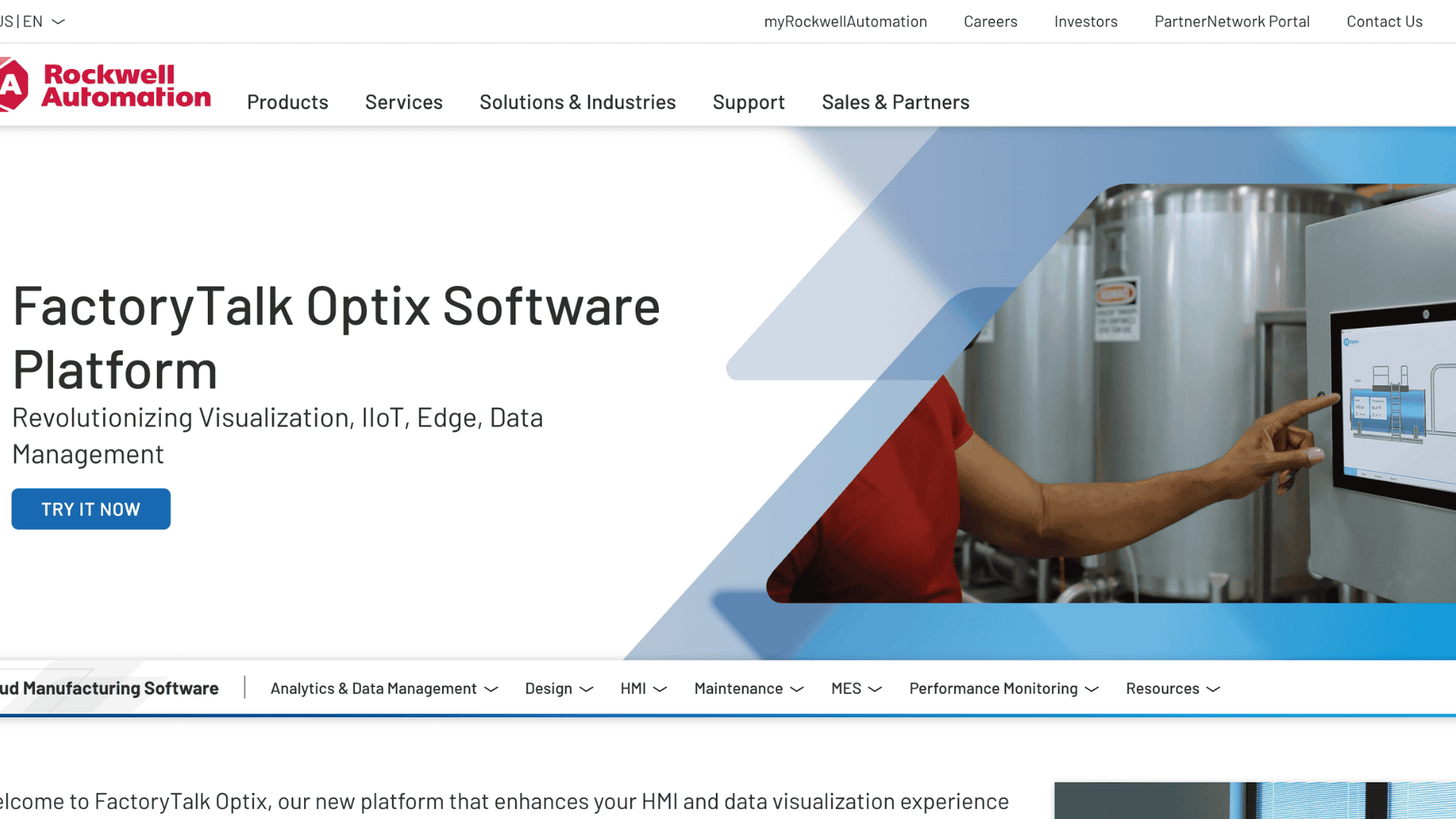
Rockwell Automation FactoryTalk Cloud supports industrial automation and smart manufacturing. It connects production systems to cloud-based analytics and reporting tools.
Companies use it to monitor equipment health, track production metrics, and manage plant performance. The platform integrates with Rockwell’s automation hardware and software systems.
This helps create a connected production environment where data flows smoothly between machines and management systems.
Key feature: Built for industrial automation and smart manufacturing.
16. Bosch IoT Suite
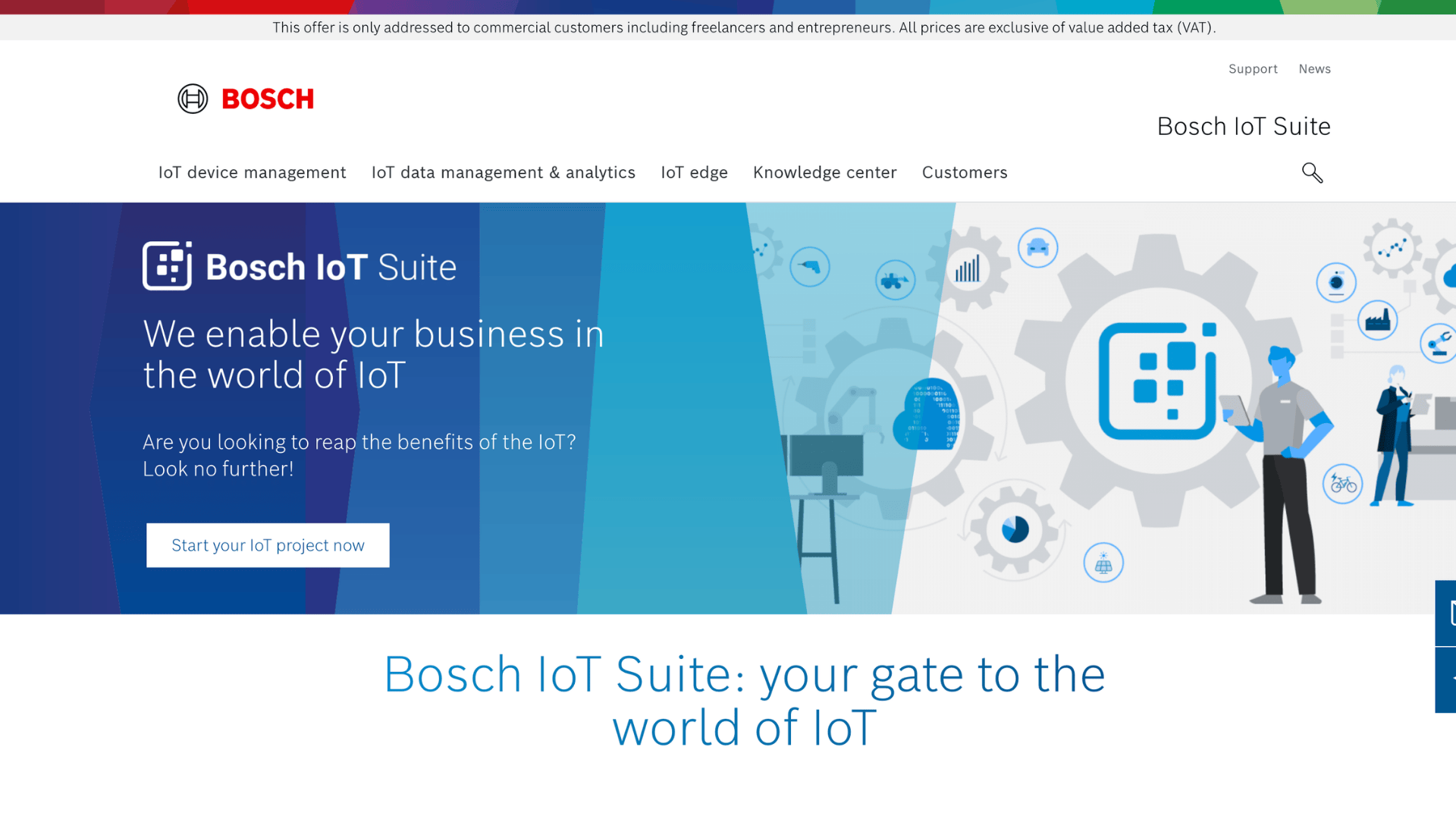
Bosch IoT Suite is designed to manage connected devices and industrial assets at scale. It collects and processes machine data while supporting secure device management.
Industries use it for equipment monitoring, fleet management, and predictive maintenance. The platform supports integration with enterprise software and analytics tools.
Its structure helps organizations manage large device networks while maintaining data security and system stability.
Key feature: Secure device management for large connected systems.
17. Honeywell Forge
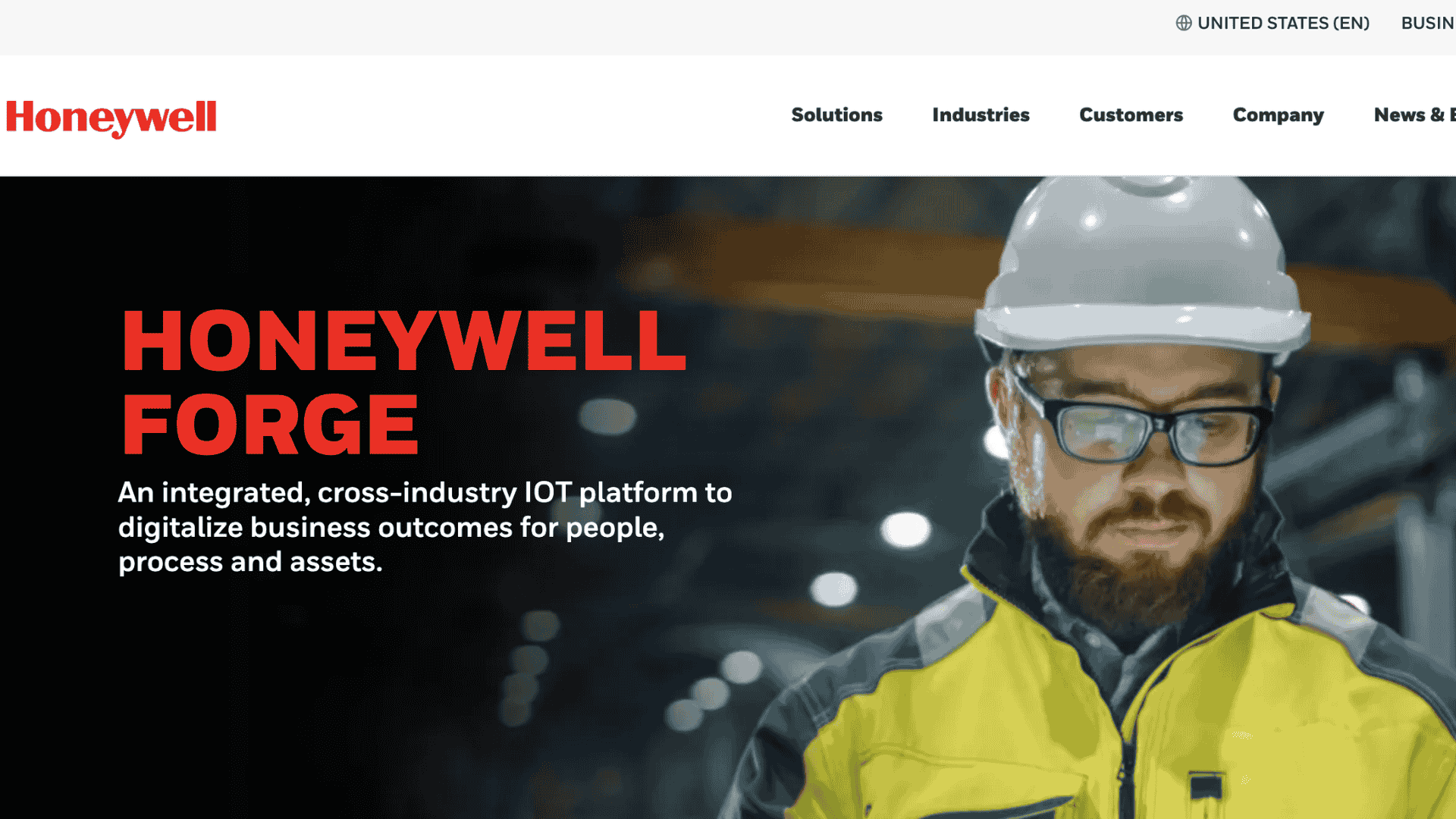
Honeywell Forge is a cloud platform focused on industrial performance and asset management. It gathers data from operational systems and uses analytics to improve productivity and reliability.
Industries such as energy, aviation, and manufacturing use it to monitor assets and optimize performance. The platform supports real-time dashboards and risk detection tools.
This helps companies reduce downtime and improve operational planning.
Key feature: Performance monitoring for critical industrial assets.
18. C3 AI Platform
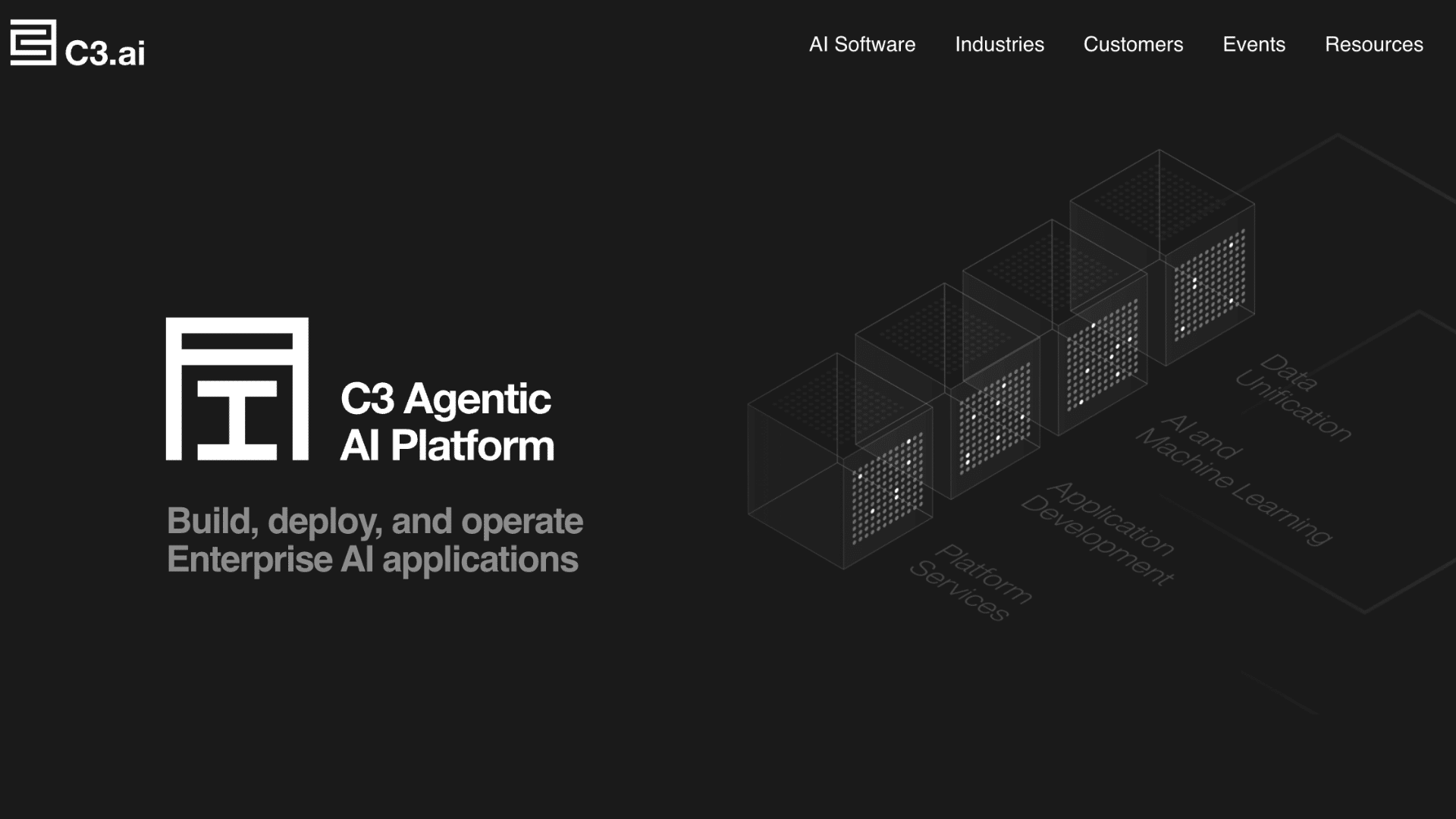
C3 AI provides an industrial cloud platform that combines large-scale data management with artificial intelligence. It connects industrial assets and applies advanced analytics to detect issues and improve efficiency.
Companies use it for predictive maintenance, energy optimization, and operational forecasting. The platform supports integration with enterprise systems and IoT devices.
It is designed for complex industrial environments that require strong data processing capabilities.
Key feature: Enterprise-level AI models for complex industrial data.
19. TIBCO Connected Intelligence
TIBCO Connected Intelligence links industrial devices, applications, and business systems into one data environment. It collects streaming data from machines and processes it for real-time insights.
Companies use it to monitor operations, manage events, and improve decision-making.
The platform supports strong integration tools, making it easier to connect older systems with modern cloud services. This helps industries improve visibility and respond faster to operational changes.
Key feature: Real-time data streaming and system integration tools.
20. ClearBlade IoT Platform
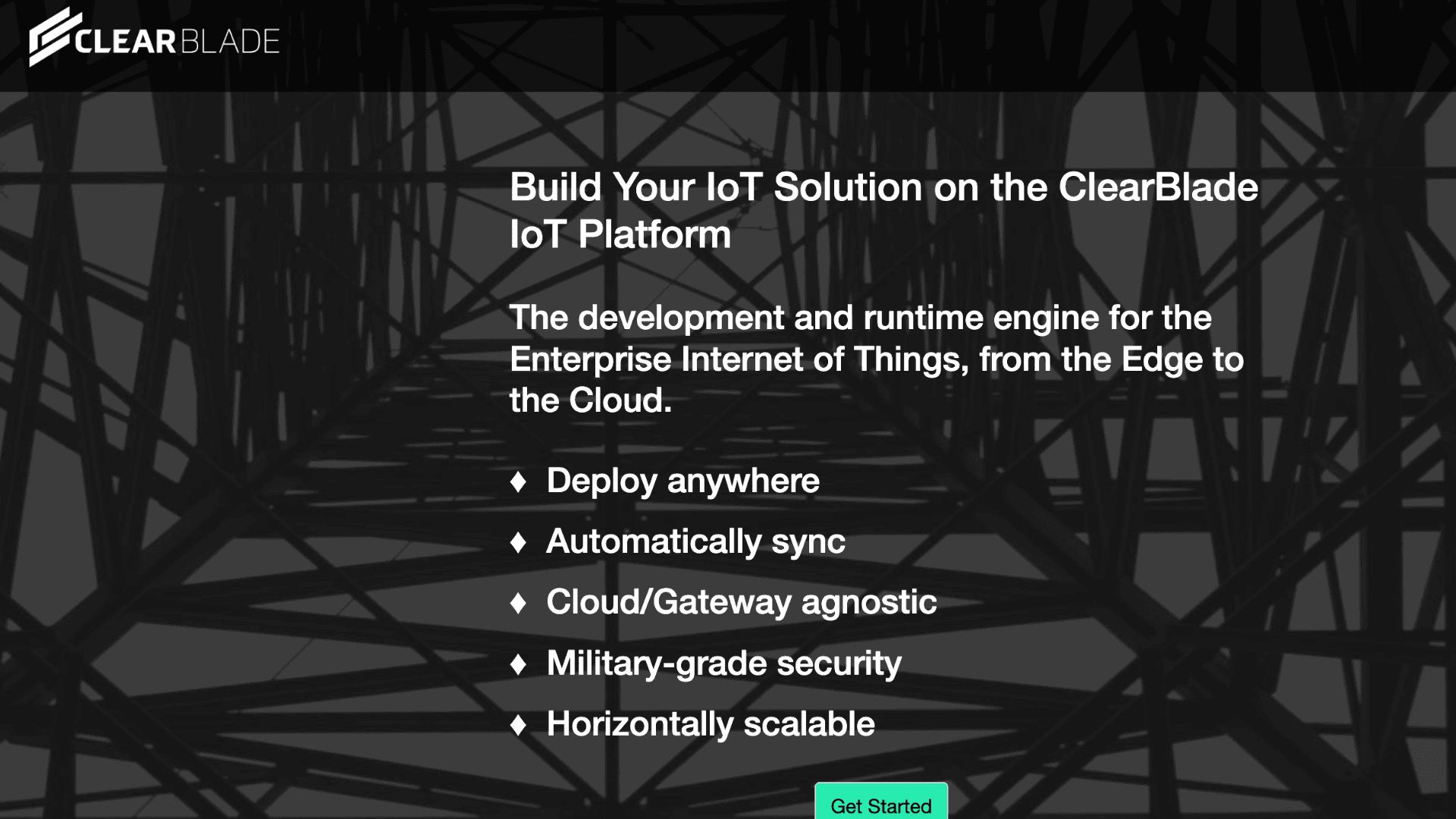
ClearBlade is an industrial IoT and edge computing platform built for real-time data processing. It collects data from connected devices and processes it either at the edge or in the cloud.
Industries use it for asset monitoring, automation control, and system optimization.
The platform supports secure device management and fast deployment, making it suitable for manufacturing, transportation, and energy operations.
Key feature: Strong edge computing support for fast local data processing
21. Kaa IoT Platform
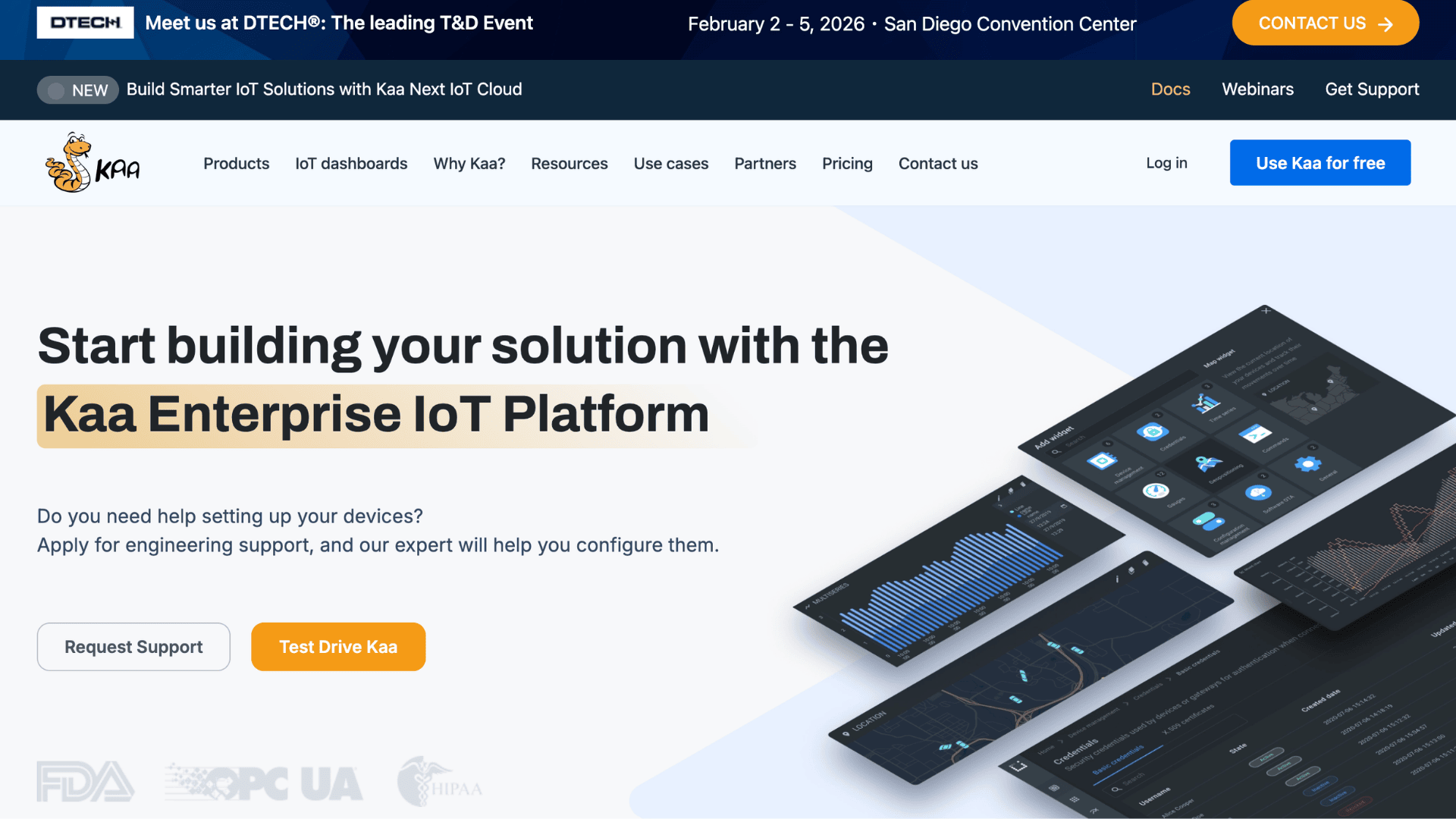
Kaa IoT Platform enables companies to connect, manage, and analyze data from industrial devices. It supports device management, real-time monitoring, and data analytics within a cloud environment.
Businesses use Kaa to track equipment performance and improve operational planning. The platform is flexible and supports integration with other enterprise tools.
It helps organizations build connected systems that improve efficiency and long-term reliability.
Key feature: Flexible and customizable IoT framework for diverse industries.
Key Benefits of Industrial Cloud Platforms
Industrial cloud platforms help industries connect systems, manage data, and improve operational control. They support efficiency, better planning, and stronger long-term performance.
- Improved Operational Visibility: Industrial cloud platforms provide a centralized view of machines, assets, and production lines. Managers can track performance across locations using live dashboards. T
- Real-Time Monitoring and Control: These platforms enable teams to monitor equipment status and production output in real time. Alerts notify operators about unusual behavior or system failures.
- Better Data-Driven Decisions: Industrial cloud systems collect large volumes of machine and operational data. Built-in analytics tools turn that data into useful insights. This helps companies improve efficiency and plan more effectively.
- Scalability and Flexibility: Cloud infrastructure allows businesses to expand storage and computing power as needed. Companies can scale operations without replacing major hardware systems.
- Reduced Maintenance Costs: Predictive maintenance tools help detect early signs of equipment wear. This prevents unexpected breakdowns and lowers repair expenses.
- Stronger System Integration: Industrial cloud platforms connect with ERP, supply chain, and automation systems. Integrated systems improve coordination and reduce manual work.
The operational case for industrial cloud adoption is well supported by industry research.
Deloitte’s Smart Factory research found that manufacturers with connected, cloud-integrated operations report measurable improvements in throughput, downtime reduction, and supply chain responsiveness.
Difference Between Commercial and Industrial Cloud Platforms
Commercial and industrial cloud platforms serve different business needs. While both use cloud infrastructure, their design and purpose are not the same.
| Feature | Commercial Cloud Platforms | Industrial Cloud Platforms |
|---|---|---|
| Primary Purpose | Support general business apps like email, storage, and websites | Manage industrial operations, automation, and machine data |
| Target Users | Offices, startups, and service-based companies | Manufacturing, energy, logistics, and heavy industries |
| Data Type | Business documents, user data, web applications | Machine data, sensor data, production metrics |
| System Integration | Integrates with CRM, HR, and office software | Integrates with control systems, ERP, and automation tools |
| Real-Time Control | Limited real-time system control | Supports real-time monitoring and operational control |
| Technical Requirements | Standard cloud security and storage needs | High reliability, safety compliance, and continuous uptime |
Industry Cloud Applications and Use Cases
Industrial cloud platforms support different sectors by improving system control and data management. They help industries automate processes, monitor assets, and improve operational efficiency.
1. Manufacturing
In manufacturing, industrial cloud platforms connect machines, production lines, and quality control systems. They collect data on output, machine health, and workflow efficiency.
Managers use real-time dashboards to monitor performance and identify delays.
Predictive maintenance tools detect early signs of equipment wear, reducing unexpected breakdowns.
By linking factory systems with business software, manufacturers gain better coordination between production planning and supply chain operations.
2. Energy and Utilities
Energy and utility companies use industrial cloud platforms to monitor power plants, transmission lines, and renewable energy systems.
The platform gathers operational data from turbines, transformers, and grid networks.
Real-time monitoring helps detect faults and prevent service interruptions. Analytics tools improve load balancing and energy distribution planning.
Remote access also allows engineers to manage infrastructure across multiple locations while maintaining system stability and compliance standards.
3. Oil and Gas
Oil and gas operations rely on industrial cloud platforms to monitor drilling equipment, pipelines, and storage facilities.
Sensors collect data on pressure, temperature, and flow rates. The platform processes this data to detect irregularities and reduce operational risks.
Real-time alerts allow teams to respond quickly to potential failures.
Centralized monitoring improves coordination between offshore sites, refineries, and control centers, supporting safer and more efficient production.
4. Transportation and Logistics
In transportation and logistics, industrial cloud platforms manage fleet performance, warehouse systems, and supply chain tracking.
They collect data from vehicles, GPS devices, and inventory systems. Managers use this information to improve route planning, reduce fuel costs, and track deliveries in real time.
The platform also supports maintenance scheduling and asset utilization.
Better visibility across operations leads to improved efficiency and reduced operational delays.
5. Healthcare and Pharmaceuticals
Healthcare and pharmaceutical companies use industrial cloud platforms to manage medical devices and production equipment.
The system tracks equipment performance and ensures compliance with regulatory standards. Real-time monitoring supports quality control and consistent product output.
Data integration connects production facilities with supply chain systems.
This improves traceability, reduces operational errors, and supports safe handling of sensitive materials throughout the manufacturing process.
6. Smart Infrastructure
Industrial cloud platforms support smart infrastructure such as water systems, transportation networks, and large facilities.
They collect data from connected sensors to monitor performance and detect system issues.
Real-time insights help manage energy consumption, water flow, and structural health. Integrated systems allow city planners and facility managers to respond quickly to disruptions.
Continuous monitoring improves reliability, resource management, and long-term infrastructure planning.
Future of Industrial Cloud Platforms
The industrial cloud market is moving toward three key trends: stronger AI use, more edge and cloud integration, and tighter security for connected systems.
As machine data grows, AI will become a basic need, helping detect issues and improve operations in real time. Platforms that turn AI insights into clear actions will stand out.
Edge computing is also growing, as sending all data to the cloud is not always practical.
Many systems now use a mixed approach. Quick decisions happen at the edge, while deeper analysis runs in the cloud.
Security will play a bigger role as rules become stricter. Platforms built with strong security at the core will be better suited for industries with high compliance needs.
Conclusion
Industrial cloud platforms are changing how industries manage data, systems, and daily operations.
If you are planning digital upgrades or already using cloud tools, understanding these platforms helps you make smarter decisions.
The right solution can improve visibility, reduce downtime, and support long-term growth without adding unnecessary complexity. As more industries adopt connected systems, staying informed becomes important.
You do not need to overhaul everything at once, but knowing your options gives you control over the next step.
Small improvements in monitoring, automation, or data use can lead to real operational gains over time. If you have experience with industrial cloud platforms, I would like to hear from you.
Share what has worked for your industry, the challenges you faced, or the platform you prefer in the comments below.