


Picking a phone feels like a bigger deal than it should. I’ve owned both Android phones and iPhones over the years, and I keep coming back to one camp.
Maybe you’ve felt the same pull, or maybe you’re just curious what the fuss is about. There are real reasons why many users prefer Android over iPhone, and most of them come down to everyday freedom.
You can swap your launcher, set your own default apps, and pick from hundreds of devices at every price point.
In this article, I’ll walk you through what makes Android stand out. We’ll look at customization, price, hardware choices, charging, file access, and a few small things that add up.
You don’t need to be a tech expert to follow along. By the end, you’ll know if Android fits how you actually use your phone.
Why Many Users Prefer Android Over iPhone
Many users prefer Android over iPhone because it offers more freedom and lower prices. The system lets people change how their phone looks, works, and behaves without strict limits.
That preference shows up in the numbers, too. Android runs about 72% of the world’s smartphones, while iOS sits near 27%, according to Backlinko’s 2026 market-share data.
The gap is widest in budget-sensitive regions, which points straight to the two reasons below: price and choice.
Android runs on phones from many brands, so there is a model for almost every budget. A buyer can spend a little or a lot and still get solid features.
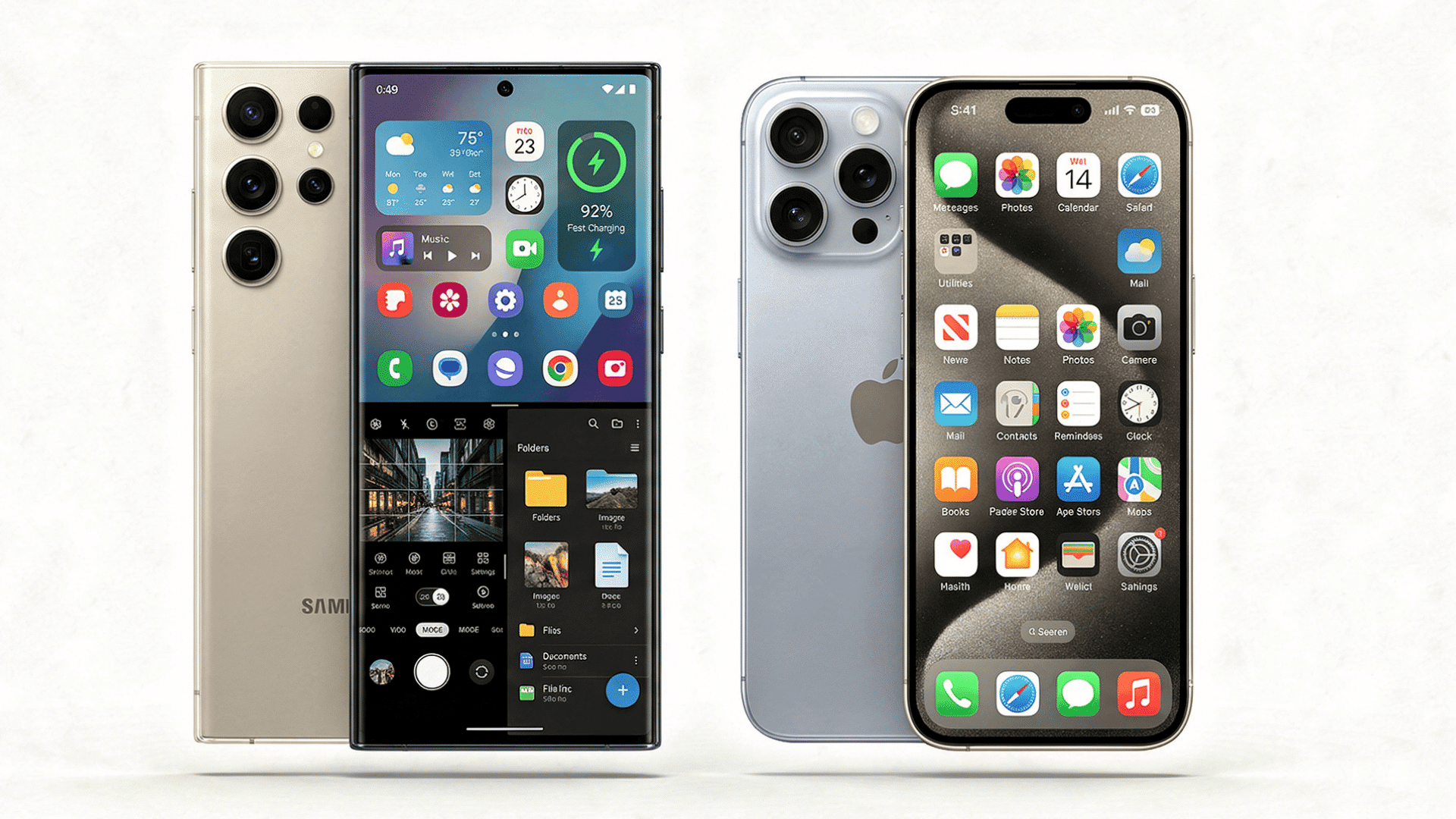
Customization is another big reason. Home screens, default apps, and even the keyboard can all be swapped out. iPhones keep most of these settings locked down.
Storage matters too. Many Android phones support expandable memory cards, while iPhones do not.
For people who want control over their device, Android often feels like the easier fit.
Android vs iPhone
This table breaks down how Android and iPhone stack up on the features that matter most. It provides a quick way to identify which system fits a person’s habits and budget before reading further.
| Feature | Android | iPhone |
| Price range | Budget to premium | Mostly premium |
| Customization | High, full control | Limited |
| Brand choices | Many makers | Apple only |
| Expandable storage | Often supported | Not supported |
| Default apps | Easy to change | Restricted |
| Charging port | USB-C | USB-C |
| File access | Open file system | Locked down |
| Software updates | Varies by brand | Long and steady |
| App store rules | More flexible | Strict review |
| Price of repairs | Usually lower | Often higher |
When comparing Android vs iPhone, the biggest gaps show up in price and freedom. Android wins on choice, while iPhone leans on steady updates and tight control.
10 Reasons Why Android is Better than iPhone
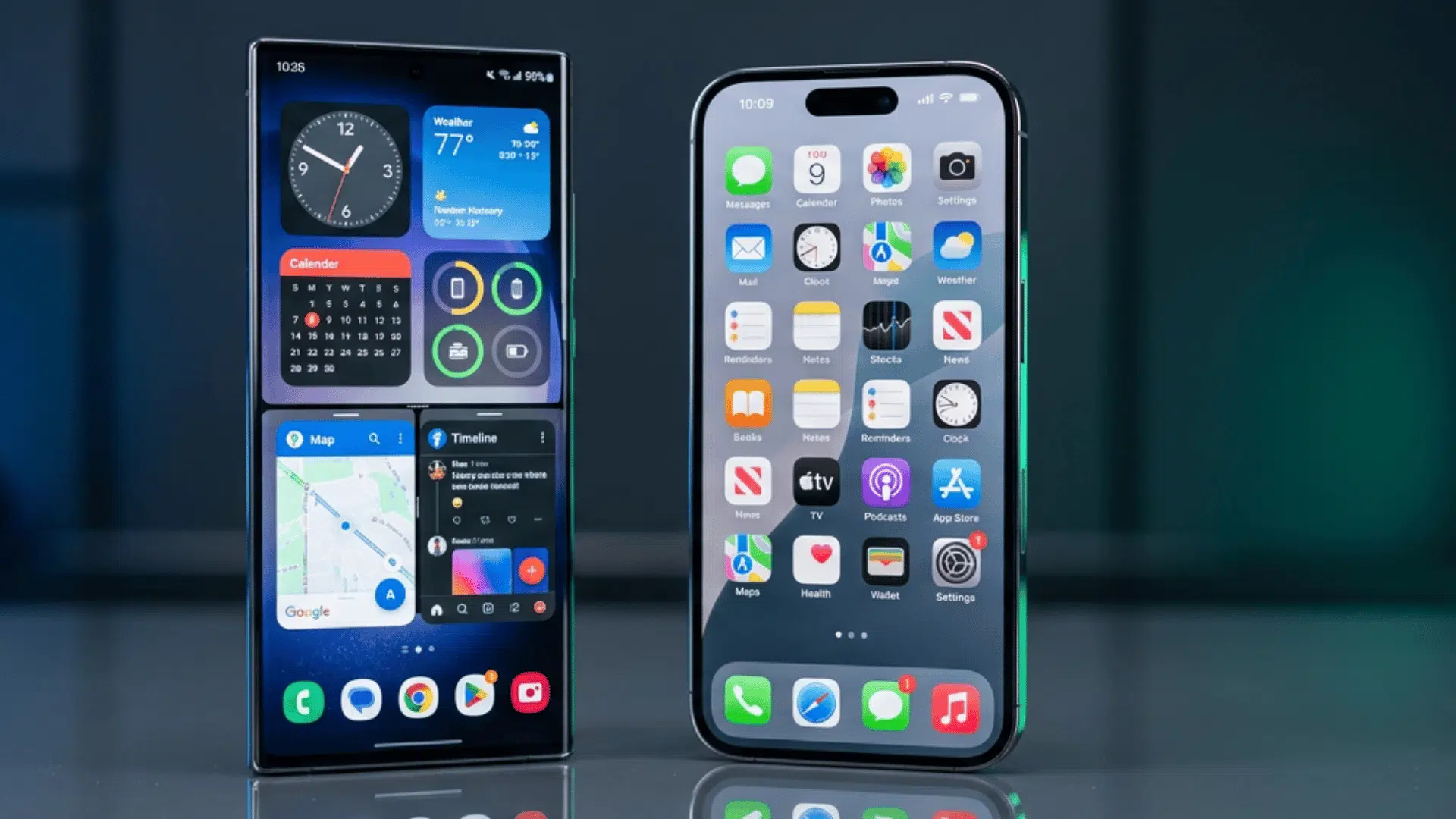
These ten reasons show why Android is better than iPhone for people who want choice and value. Each point covers a real difference that shapes daily use.
1. More Affordable Options
Android phones come in every price range, which makes them easy to buy on a budget. A solid Android phone can cost under $200, while iPhones usually start at much higher prices.
Brands like Samsung, Motorola, and Google all compete, so prices stay fair. This means a buyer gets strong features without paying a premium.
For families buying several phones at once, the savings add up quickly. Lower cost does not always mean lower quality here.
2. Freedom To Customize
Customization is where Android really pulls ahead. Home screens, icons, widgets, and even the whole launcher can be changed in minutes.
Want a dark theme or a fresh keyboard? It takes a few taps. iPhones keep most of these options locked behind strict rules.
Quick tip: Try a launcher like Nova or Niagara to completely change how the home screen looks and feels.
This kind of control lets a phone match a person’s style and habits. It turns one device into something that feels truly personal.
3. Expandable Storage Saves Money
Running out of space is a common headache. Many Android phones fix this with a microSD card slot so that storage can grow cheaply.
A small card adds room for photos, videos, and music without buying a pricey new model. iPhones force buyers to choose storage upfront, and larger sizes cost much more.
Adding 128GB to an Android can cost under $20. That flexibility keeps the phone useful for years. For anyone who shoots lots of video, this single feature can be the deciding factor.
4. A Phone for Every Need
Choice is a huge part of the Android world. Dozens of brands build phones in different shapes, sizes, and styles. Some focus on cameras, others on battery life or rugged builds.
- Need a giant screen for video? There is a phone for that.
- Want a tiny phone that fits one hand? That exists too.
- Looking for a rugged model that survives drops? Easy to find.
- Want a foldable that opens into a tablet? Android has had those for years.
This range means almost any need can be met. iPhone offers only a handful of models each year by comparison.
5. Better File Management
Android treats files the way a computer does. Folders, downloads, and documents can all be opened and moved with a built-in file manager. Plug the phone into a laptop, and it appears as a USB drive.
No special software is needed to drag files back and forth. iPhones make this far harder and often push users toward extra apps or cloud tools. Open file access is a quiet but powerful perk.
For people who juggle work documents, it removes a lot of daily friction.
6. Default Apps Your Way
On Android, the default browser, messaging app, and email client can all be swapped. Pick a favorite and set it once. The phone remembers and uses it every time.
iPhones have loosened up here, but Android still gives broader control. I switched my default browser the day I set up my last phone, and it stuck without any fuss.
This small freedom shapes how smooth daily tasks feel. When the tools fit the user, everything moves faster and with less hassle.
7. Faster Access to New Tech
Android brands often roll out new hardware first. Features like fast charging, high refresh rate screens, and under-display sensors tend to appear here early.
Makers compete hard, so they push fresh ideas to win buyers. This race means newer tech reaches people sooner and at more price points. Early adopters get to try things others wait years for.
Competition between brands keeps the whole platform moving forward at a steady, healthy pace.
8. Google Services Built In
Android works hand in hand with Google apps. Maps, Photos, Drive, and Assistant all feel deeply connected and run smoothly. Sign in once, and everything syncs across devices.
For anyone already using Gmail or Google Calendar, the fit is natural. This tight link saves setup time and keeps daily tools in one place.
The result is a smooth, connected experience right out of the box.
9. Split Screen and Multitasking
Doing two things at once is simple on Android. Split-screen mode lets two apps share the display, so a video can play alongside a chat. Picture-in-picture shrinks a video into a corner while other apps stay open.
This makes the phone feel more like a small computer. iPhones handle multitasking, but Android gives more flexible layouts.
Heavy multitaskers get real work done without constantly switching apps. For students taking notes during a video, this feature alone can change how they study.
10. USB-C and Open Charging
Most Android phones use USB-C, the same plug found on laptops and tablets. One cable can charge multiple devices, reducing clutter. iPhones recently moved to USB-C too, but Android embraced it years earlier.
Cheaper third-party cables and chargers work without warnings or blocks. This open approach keeps charging simple and low-cost.
Traveling with one cable for everything is a small joy. For households full of gadgets, sticking to a single standard makes life much easier.
Android vs iPhone: Which One Should You Buy in 2026?
The choice between Android vs iPhone in 2026 comes down to freedom versus simplicity. Android suits people who want options, lower prices, and full control over their device.
iPhone fits those who value steady updates and an easy, locked-down setup. Both make great phones, so neither is a wrong pick.
Budget shoppers and tech tinkerers tend to lean toward Android. The wide range of brands and prices means there is a fit for almost everyone.
People already deep in Apple’s world, with a Mac or iPad, may find the iPhone smoother. The devices sync without extra steps.
The smart move is to match the phone to real daily habits. Think about budget, app needs, and how much control matters before deciding.
Common Myths About Android Phones
Several myths about Android phones persist, even though they no longer hold. These old beliefs often scare buyers away from a system that has changed a lot.
- Android Phones are Slow: Modern Android phones run fast and smoothly. Strong chips and clean software keep apps and games working without lag, even on mid-range models.
- Android Is Full of Viruses: Built-in Google Play Protect scans apps for threats every day. Sticking to the official store keeps most phones safe from malware.
- Android is Hard to Use: The setup is simple and clear. Menus follow a logical layout, so first-time users learn the basics within minutes.
- Cheap Androids are Junk: Budget models now offer solid cameras and battery life. Low price no longer means poor quality.
- Updates Never Arrive: Major brands now promise years of updates, closing the old gap with the iPhone.
Final Thoughts
So which phone wins? The honest answer is that it depends on what matters most to you. If you want freedom, fair prices, and the power to make a phone truly yours, Android is hard to beat.
You can pick your brand, tweak your screen, and add storage whenever you need it. iPhone still shines for people who love a simple, locked-down setup.
But for everyday value and control, Android keeps proving why so many people stick with it. The best phone is the one that fits your real life, not someone else’s checklist.
Think about your budget, your habits, and the apps you use most.
Now it’s your turn. Which side are you on, and why? Share your experience in the comments below. I’d love to hear your story.
Frequently Asked Questions
Why is Gen Z Obsessed with iPhones?
Gen Z is obsessed with iPhones mainly due to social pressure from iMessage’s blue-vs-green bubble divide that makes Android users feel ostracized in group chats.
What are the Top 3 Phones?
The top 3 phones in 2026 are the Apple iPhone 17 (best iPhone), Samsung Galaxy S26 (best for artists/note-takers), and Google Pixel 10 (top Android camera phone).
What is the Least Sold iPhone Ever?
The iPhone 12 mini is widely regarded as Apple’s weakest-selling modern model. It accounted for only about 5-6% of US iPhone sales, according to data from Consumer Intelligence Research Partners reported by Tom’s Guide.