




I’ve noticed how quickly our devices need to send and receive data, and it can be tough to understand what makes it all work. That’s where silicon photonics comes in.
It is part of a broader set of computing innovations that are reshaping how data moves through modern systems.
In this article, I’ll explain what silicon photonics is in simple words and how it actually works. You’ll learn where it’s used today, from data centers to AI systems, and why it matters more than ever.
I’ll also go over the main benefits and what the future could look like.
By the end, you’ll have a clear, easy understanding of this technology and why it plays a big role in the faster, smarter systems we use every day.
What Is Silicon Photonics?
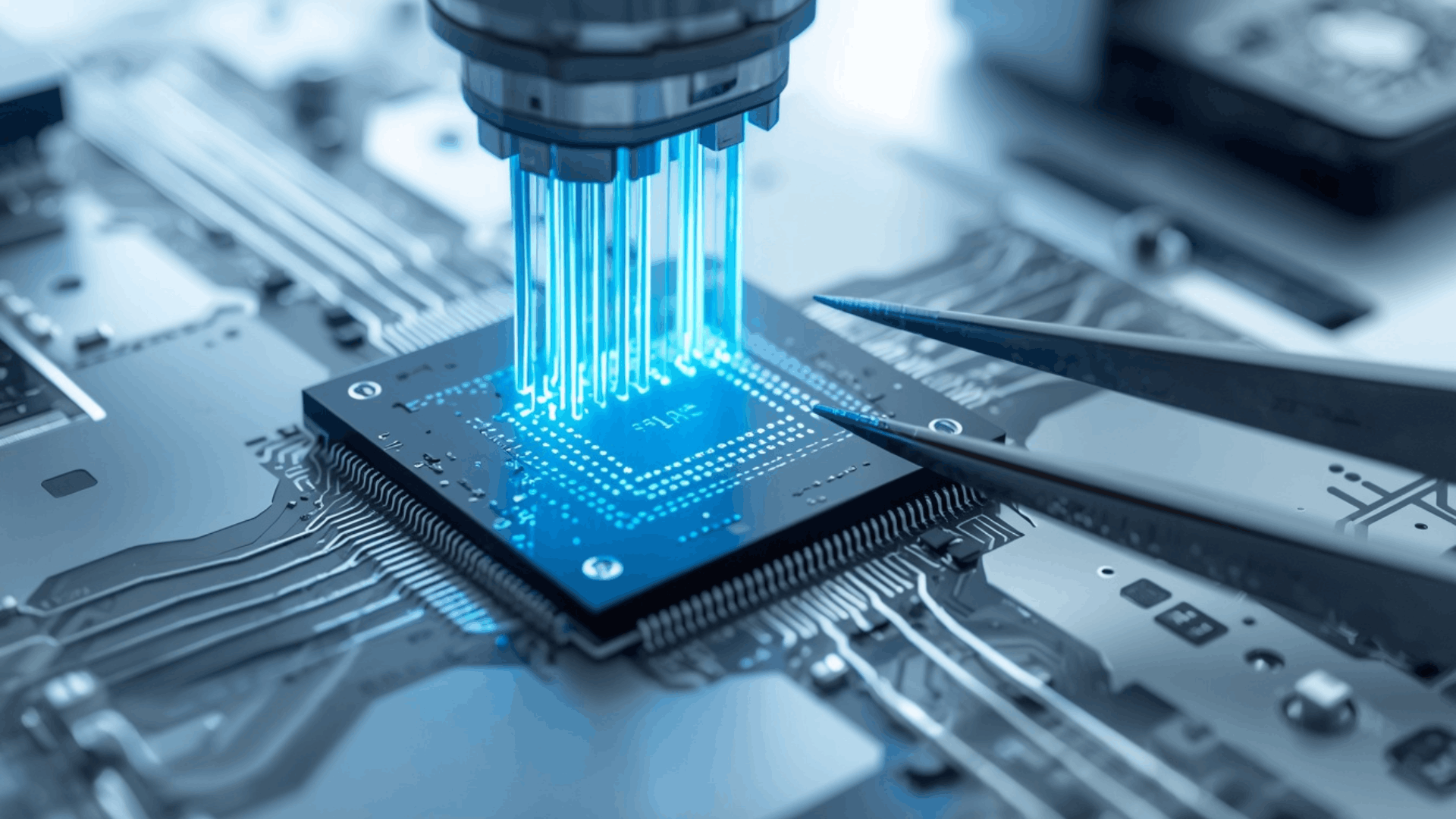
Silicon photonics is a technology that uses light rather than electricity to transmit data on silicon chips.
This approach shares core principles with optical computing, which also uses light to process and move data faster than traditional systems.
It also helps reduce heat, which is a common issue in traditional electronic systems.
Silicon photonics is widely used in data centers, high-speed internet systems, and advanced computing environments.
It supports large data transfers needed for cloud services, AI processing, and modern communication networks. The technology builds optical parts directly onto silicon using standard CMOS manufacturing.
Unlike older photonic systems, this uses silicon for easier large-scale production without supply chain changes.
As technology advances, the need for faster data transfer grows. Silicon photonics helps support next-generation computing and communication systems.
How Silicon Photonics Technology Works?
Silicon photonics uses light instead of electricity to move data across silicon chips. This allows faster speed, lower heat, and better efficiency in modern systems.
- Light Generation: A laser produces a steady light signal that acts as the carrier for data transmission. It forms the base of the entire communication process.
- Data Encoding: A modulator adds data to the light by changing its intensity or phase, turning it into an information signal. This step enables light to efficiently carry digital information.
- Signal Transmission: The encoded light travels through waveguides, which guide it across the chip like tiny optical paths. These paths ensure smooth, low-loss signal propagation.
- Signal Conversion: A photodetector receives the light and converts it back into an electrical signal for processing. This allows electronic systems to read and use the data.
- Efficient Performance: This method reduces energy consumption and heat while enabling high-speed data transfer in advanced systems. It also makes the technology scalable for modern computing needs.
Key Components Used in Silicon Photonics
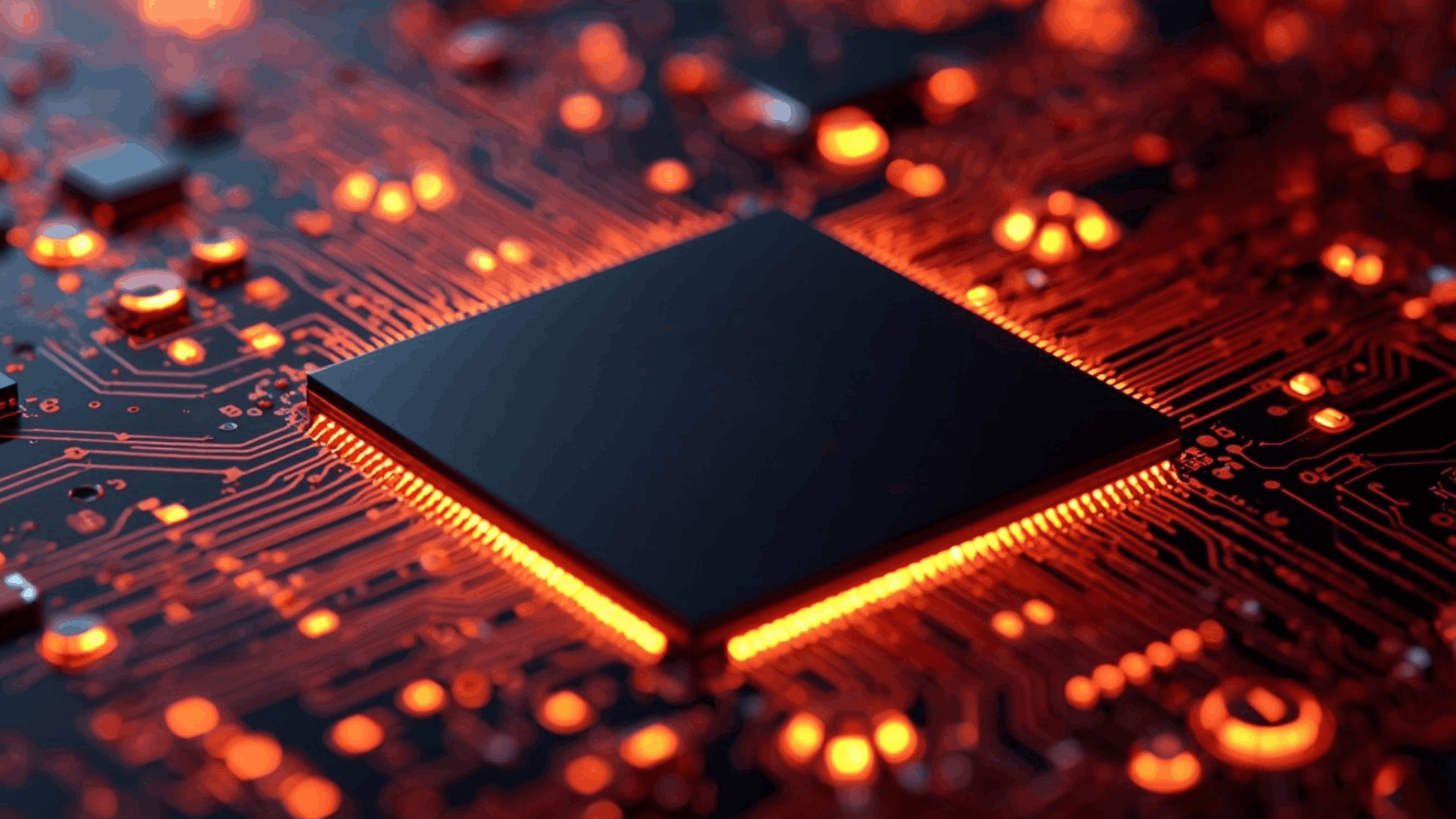
Silicon photonics relies on small optical parts that work together to send and receive data using light. Each component plays a specific role in enabling fast, efficient data transfer.
1. Laser Source
The laser source generates the light used to carry data across the chip. It produces a steady beam of light that acts as the base signal for communication.
This light must be stable and precise to ensure accurate data transfer.
In many systems, external lasers are used, while newer designs aim to integrate lasers directly onto silicon chips.
A reliable laser source is essential because the entire system depends on it for high-speed and consistent performance.
Tip: A stable light source is key for accurate data transfer.
2. Modulator
The modulator plays a key role by adding data to the light signal. It works by changing certain properties of the light, such as its intensity or phase, to represent digital information.
This process allows the light to carry large amounts of data at high speeds. Modulators are designed to be fast and energy-efficient, making them suitable for modern computing needs.
Without modulators, the light would remain unchanged and unable to transmit meaningful information.
Tip: Faster modulation means higher data speed and better performance.
3. Waveguides
Waveguides act like tiny pathways that guide light signals across the silicon chip. They are carefully designed to keep the light contained and moving in the right direction with minimal loss.
These pathways are much smaller than traditional optical fibers but perform a similar function.
Waveguides allow different components on the chip to connect and communicate efficiently. Their design is critical because even small losses or disruptions can affect overall system performance.
Tip: Well-designed paths reduce signal loss and improve efficiency.
4. Photodetector
The photodetector converts incoming light signals back into electrical signals that electronic systems can understand.
When light reaches the detector, it creates an electrical current based on the light’s intensity.
This process allows data to be read and processed by computers and other devices. Photodetectors must be highly sensitive and fast to keep up with high-speed data transmission.
They serve as the final step in the communication process within silicon photonics systems.
Tip: High sensitivity ensures accurate signal conversion.
5. Optical Multiplexer
An optical multiplexer combines multiple light signals into a single path, enabling more data to travel through the system simultaneously.
This helps improve efficiency and reduces the need for multiple separate channels.
By using different wavelengths of light, the multiplexer can handle several data streams without interference.
This is especially useful in high-demand environments such as data centers, where large volumes of data must be transmitted quickly and efficiently.
Tip: Combining signals boosts data capacity without extra space.
6. Optical Splitter
The optical splitter divides a single light signal into multiple paths, allowing data to be sent to different parts of a system at the same time.
This is useful in complex networks where one signal needs to reach multiple destinations.
Splitters are designed to distribute light evenly while minimizing loss.
They help improve system flexibility and make it easier to manage data flow across different components within silicon photonics systems.
Tip: Efficient splitting helps manage data across multiple paths.
Advantages and Disadvantages of Silicon Photonics
Silicon photonics offers high-speed data transfer and improved energy efficiency, but it also presents technical challenges. Understanding both sides helps in evaluating its real-world use.
| Advantages | Disadvantages | Best Use Cases |
|---|---|---|
| High data transfer speed using light signals | High initial development and setup cost | Data centers handling large data traffic |
| Lower power consumption compared to electronics | Complex design and integration process | AI and machine learning systems |
| Reduced heat generation | Limited ability to integrate efficient lasers on-chip | High-performance computing environments |
| Scalable with existing silicon manufacturing | Signal loss can occur in certain conditions | Cloud computing infrastructure |
| Supports large data volumes in data centers | Requires advanced fabrication technology | Telecommunications networks |
| Enables faster data communication over long distances | Skilled expertise needed for development | Optical interconnect systems in servers |
| Improves bandwidth and system performance | Testing and packaging can be challenging | Next-generation computing systems |
Silicon Photonics in Data Centers and AI
Silicon photonics supports modern data centers and AI systems with faster, more efficient data transfer. Traditional electrical systems often struggle with large data loads and heat management.
Using light signals, silicon photonics moves data faster while using less energy.
In AI systems, it helps process large datasets quickly by improving communication between servers and processors while lowering power use.
The numbers here are concrete. According to IEA’s Electricity 2024 report, data centers already account for roughly 1–2% of global electricity consumption, and that share is growing with AI workloads.
Optical interconnects are one of the primary engineering levers for controlling that growth.
Intel, Cisco, and NVIDIA are developing co-packaged optics to reduce the energy used for moving data between chips.
When I reviewed architecture documentation for high-density GPU clusters, interconnect power often rivaled the power draw of compute itself. That gap is what photonics is designed to close.
This technology helps data centers run more efficiently while supporting the growing demands of AI and cloud computing environments.
How to Evaluate Whether Silicon Photonics Is Right for a System?
Not every workload needs photonic interconnects, and choosing the wrong approach leads to over-engineered, expensive infrastructure.
The decision depends on three primary factors: distance, bandwidth density, and thermal budget. For chip-to-chip distances under a few centimeters, high-speed electrical links are still competitive.
Beyond roughly 1–2 meters, optical starts winning on both power and signal integrity.
Bandwidth density matters in situations where you need to pack hundreds of gigabits per second into a small physical footprint, such as a switch ASIC or an AI training cluster. Thermal budget is the most frequently overlooked variable.
If a rack is already near its power and cooling ceiling, cutting interconnect power with photonics may be the only path to adding more compute without expanding physical infrastructure.
Is Silicon Photonics the Future of Computing?
Silicon photonics is considered a promising future solution for faster, more efficient computing systems.
As computing needs continue to grow, traditional electronic systems are approaching their limits in terms of speed and power consumption.
Silicon photonics offers a practical way to handle these challenges by using light to move data faster and with less heat. This makes it highly useful for areas like AI, cloud computing, and large-scale data processing.
It also supports higher bandwidth, which is important for handling growing data demands.
As chip technology improves, integration is becoming easier and more cost-effective. While there are still challenges, such as design complexity, ongoing research is addressing them.
Overall, silicon photonics is expected to play a major role in shaping faster, more efficient computing systems in the years ahead.
Key areas where silicon photonics is expected to grow include:
- Growth in AI and Machine Learning: Silicon photonics will support faster data movement needed for advanced AI systems. It will help reduce delays in training and real-time processing.
- Expansion in Data Centers: It will help data centers handle larger workloads faster and with lower energy use. This will improve overall system efficiency and scalability.
- Integration with Consumer Devices: Future devices may adopt this technology to improve performance and efficiency. This could lead to faster and more responsive everyday gadgets.
- Advancements in 5G and Beyond: It will support faster communication networks with higher bandwidth. This will enable smoother connectivity and data transfer.
- Improved Chip Integration: Better integration with silicon chips will make systems more compact and cost-effective. It will also simplify manufacturing and design processes.
Silicon Photonics vs Traditional Optical Systems
Both silicon photonics and traditional optical systems use light for data transfer, but they differ in design and efficiency. Silicon photonics focuses on chip-level integration, while traditional systems rely on optical components.
| Feature | Silicon Photonics | Traditional Optical Systems |
|---|---|---|
| Size | Compact and chip-based | Larger, bulkier components |
| Integration | Easily integrates with silicon chips | Limited integration with electronic chips |
| Speed | Very high data transfer speed | High speed but less efficient at the chip level |
| Power Use | Lower energy consumption | Higher power requirements |
| Cost | Cost-effective at scale | Higher cost due to complex setup |
| Application | Data centers, AI, computing | Long-distance telecom, fiber networks |
| Scalability | Highly scalable for modern chips | Less scalable for compact systems |
| Heat Management | Generates less heat | Higher heat output in some setups |
| Manufacturing | Uses standard silicon processes | Requires specialized optical materials |
Common Misconceptions About Silicon Photonics
Silicon photonics is often misunderstood due to its emerging nature and overlap with traditional electronics. These misconceptions can lead to confusion about its capabilities and real-world impact.
- It Completely Replaces Electronic Chips: Silicon photonics works alongside electronic components rather than replacing them. Electronics are still essential for computation and control tasks.
- It Is Only Used in Fiber Optic Communication: Silicon photonics is used beyond fiber optics in areas like AI, healthcare, and sensing technologies. Its applications continue to expand across industries.
- It Is Too Expensive for Adoption: Costs are decreasing as manufacturing scales and integrates with existing silicon processes. This makes it more accessible for widespread use.
- It is a Fully Mature Technology: Silicon photonics is still evolving with ongoing research and innovation. New improvements are regularly enhancing performance and efficiency.
- It has Unlimited Bandwidth: While it offers high bandwidth, it still has physical and design limitations. Performance depends on system architecture and materials used.
- It cannot integrate with Existing Systems: Silicon photonics is designed to integrate with current semiconductor technologies. Hybrid systems effectively combine photonics and electronics.
Conclusion
After learning about silicon photonics, it becomes clear how important it is for the future of technology.
I have noticed that as data needs grow, systems must become faster and more efficient, and this is where this technology truly stands out.
It helps reduce delays, lower energy use, and improve overall performance in ways traditional systems struggle to match. From data centers to AI, its impact is already visible, and it will likely grow even more in the coming years.
I find it interesting how something as simple as using light can change how data moves at such a large scale.
What are your thoughts on this technology? Have you seen its impact in real-world systems? Share your experience or views in the comments below!
Frequently Asked Questions
How Does Silicon Photonics Improve Energy Efficiency?
It reduces power consumption by using light instead of electrical signals for data transfer
What Materials Are Used Alongside Silicon in Photonics?
Materials like indium phosphide are often integrated to enhance light generation and detection
Can Silicon Photonics Be Used in Consumer Devices?
It is gradually being explored for use in consumer electronics, like high-speed connectivity devices
What Role Does Silicon Photonics Play in 5 G Networks?
It enables faster and more reliable data transmission needed for high-bandwidth 5 G infrastructure
Is Silicon Photonics Important for Quantum Computing?
It supports optical interconnects and components useful for developing quantum systems.