



I often hear people ask about cloud computing vs. edge computing, and I understand why it can feel confusing.
Both are important areas within the wider world of computing innovations that continue to shape how data is processed and delivered today.
In this article, I’ll explain what cloud computing and edge computing mean in simple terms.
You’ll see how each one works, where it’s used, and what sets it apart. I’ll also go over their benefits and limits so you can compare them easily.
This way, you won’t just read the terms, you’ll actually understand how they work around you.
By the end, you’ll know which approach best fits your needs, whether you are running a business, building apps, or just want to better understand modern technology.
What Is Cloud Computing?
Cloud computing is the delivery of computing services like storage, servers, and software over the internet instead of using a local computer or device.
Cloud computing allows data and applications to be stored on remote servers rather than on personal devices.
These servers are managed by providers such as Amazon Web Services, Microsoft Azure, and Google Cloud. Users can access files, run programs, and store information through the internet at any time.
This system removes the need for physical hardware and manual updates. It also makes it easy to increase or reduce resources based on demand.
Cloud computing is widely used for file storage, streaming, email services, and business applications.
It helps reduce costs, improves efficiency, and offers flexibility. A stable internet connection is the primary requirement to use cloud-based services.
The pay-as-you-go pricing model means teams only pay for the compute and storage they actually consume, which lowers the barrier to entry for startups and enterprises alike.
What Is Edge Computing?
Edge computing is a method of processing data closer to where it is generated, rather than sending it to a distant cloud server.
This means data is handled near devices such as sensors, smartphones, or local systems, reducing latency and improving performance.
It is useful in situations that require quick responses, such as self-driving cars, smart homes, and real-time monitoring systems.
By processing data locally, edge computing also reduces the amount of data sent over the internet.
This approach improves performance, reduces bandwidth usage, and increases reliability. Even if the internet connection is weak or unstable, edge devices can still work efficiently.
From my experience with IoT projects, edge processing cuts latency from hundreds of milliseconds to single digits, which you can feel in real systems.
Edge computing is becoming more common as more devices connect to the internet and need faster, real-time processing.
Cloud Computing vs Edge Computing: Key Differences
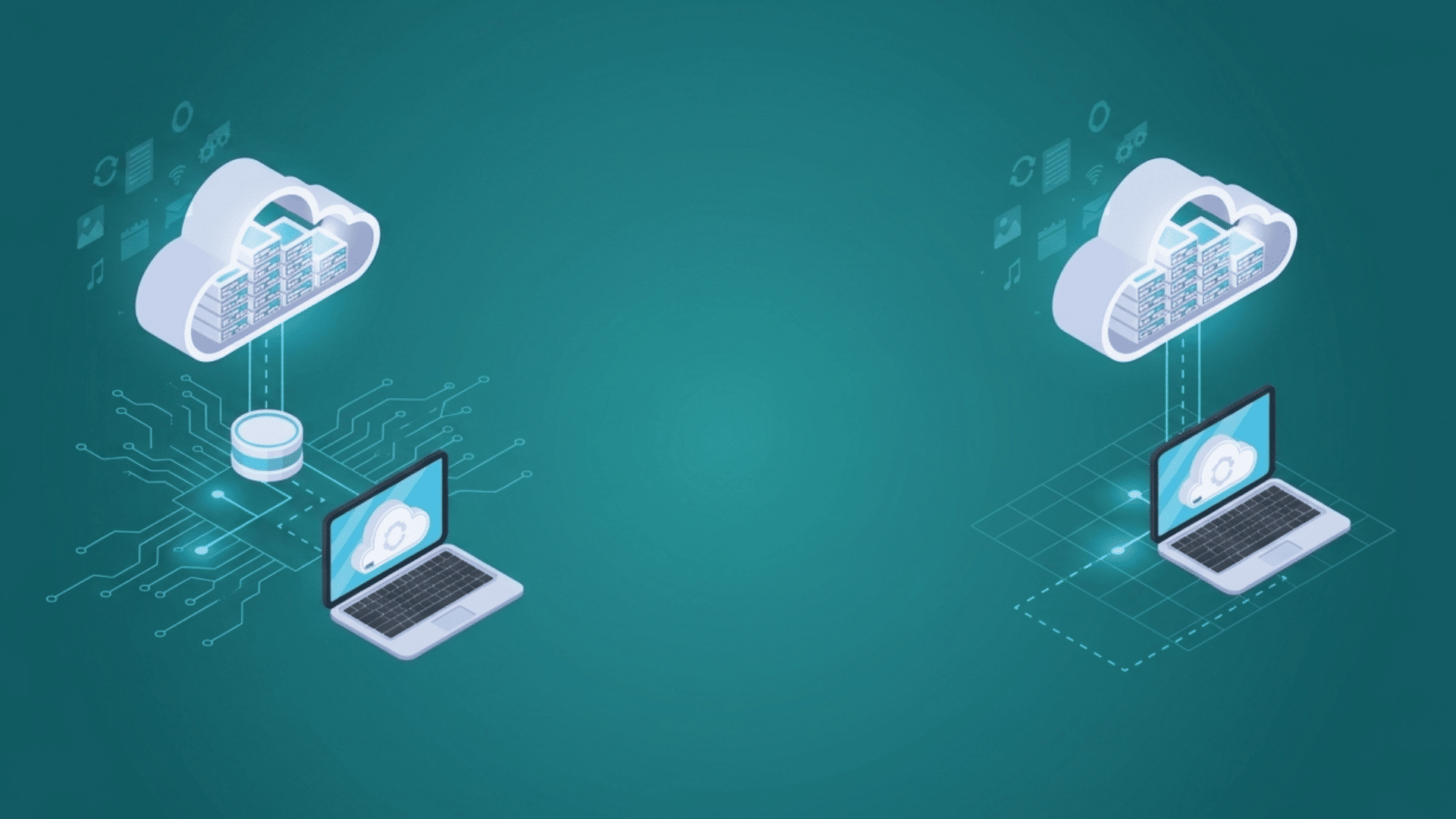
Cloud computing and edge computing both help process and store data, but they work in different ways. One relies on centralized servers, while the other focuses on processing data closer to the source.
1. Location of Data Processing
Cloud computing processes data in large, centralized data centers that may be far from the user.
In contrast, edge computing handles data near the device where it is created, such as sensors or local systems. This difference in location plays a big role in speed and efficiency.
Edge computing reduces the need to send data over long distances, whereas cloud computing relies on internet connectivity to access remote servers for processing.
2. Speed and Latency
Speed is a key difference between these two models. Cloud computing may experience delays because data must travel to distant servers and back.
Edge computing reduces this delay by processing data locally, thereby improving response times.
This makes edge computing ideal for real-time tasks, such as smart devices and automation systems, where even a small delay can affect performance or user experience.
3. Bandwidth Usage
Cloud computing requires strong, continuous internet connectivity because all data is sent to central servers. This can increase bandwidth consumption, especially with large data volumes.
When I was working with an engineering team documenting a connected-factory deployment, their cloud-only setup was consuming several terabytes of upstream data monthly from machine sensors alone.
Switching to an edge-first model, where only aggregated anomalies were forwarded to the cloud, cut that figure by roughly 70%.
Edge computing processes most data locally, which reduces bandwidth use.
It only sends needed data to the cloud, helping cut energy use and support green computing.
4. Scalability
Cloud computing is highly scalable because resources can be easily increased or decreased through service providers. It allows businesses to grow without investing in physical hardware.
Edge computing is less flexible in this area since it depends on local devices and infrastructure.
Expanding edge systems may require adding hardware at multiple locations, which can take more time and effort than cloud-based scaling.
5. Reliability
Cloud computing depends heavily on internet connectivity. If the connection is lost, access to data and services may be limited.
While creating a reference guide for a distributed logistics team, I documented an incident where a regional internet outage cut off cloud access for several hours, halting warehouse operations.
Edge computing handles these situations more gracefully because local processing continues independently of upstream connectivity.
This makes edge computing more suitable for remote areas or critical systems where constant uptime is non-negotiable.
6. Security
Cloud computing stores data on centralized servers, which can be secure but may also be targets of large-scale attacks.
Edge computing spreads data across multiple local devices, which can reduce the risk of a single major breach. However, it may require strong security measures on each device.
Both models require robust security strategies, but their risks and approaches differ depending on how and where data is handled.
7. Cost Structure
Cloud computing uses a pay-as-you-go model. You don’t need to spend money on hardware upfront, so it works well for small and large teams.
Edge computing is different. It often needs upfront spending on devices, setup, and maintenance.
Over time, edge computing can save money. This is true for heavy workloads, as it cuts down data transfer and cloud usage costs.
Quick Comparison: Cloud Computing vs Edge Computing
Cloud computing and edge computing differ mainly in where data is processed and how fast systems respond. Both have unique strengths based on use, speed, and connectivity needs.
| Feature | Cloud Computing | Edge Computing |
|---|---|---|
| Data Processing | Centralized data centers | Near the data source |
| Speed | Slight delay due to distance | Faster with low latency |
| Internet Dependency | High | Low to moderate |
| Bandwidth Usage | Higher | Lower |
| Scalability | Highly scalable | Limited, depends on devices |
| Reliability | Depends on the internet | Works even with a weak connection |
| Use Cases | Storage, apps, streaming | IoT, smart devices, real-time systems |
| Security | Centralized security controls | Distributed, device-level security |
| Cost Structure | Pay-as-you-go pricing model | Higher upfront device/setup costs |
How Cloud and Edge Computing Work?
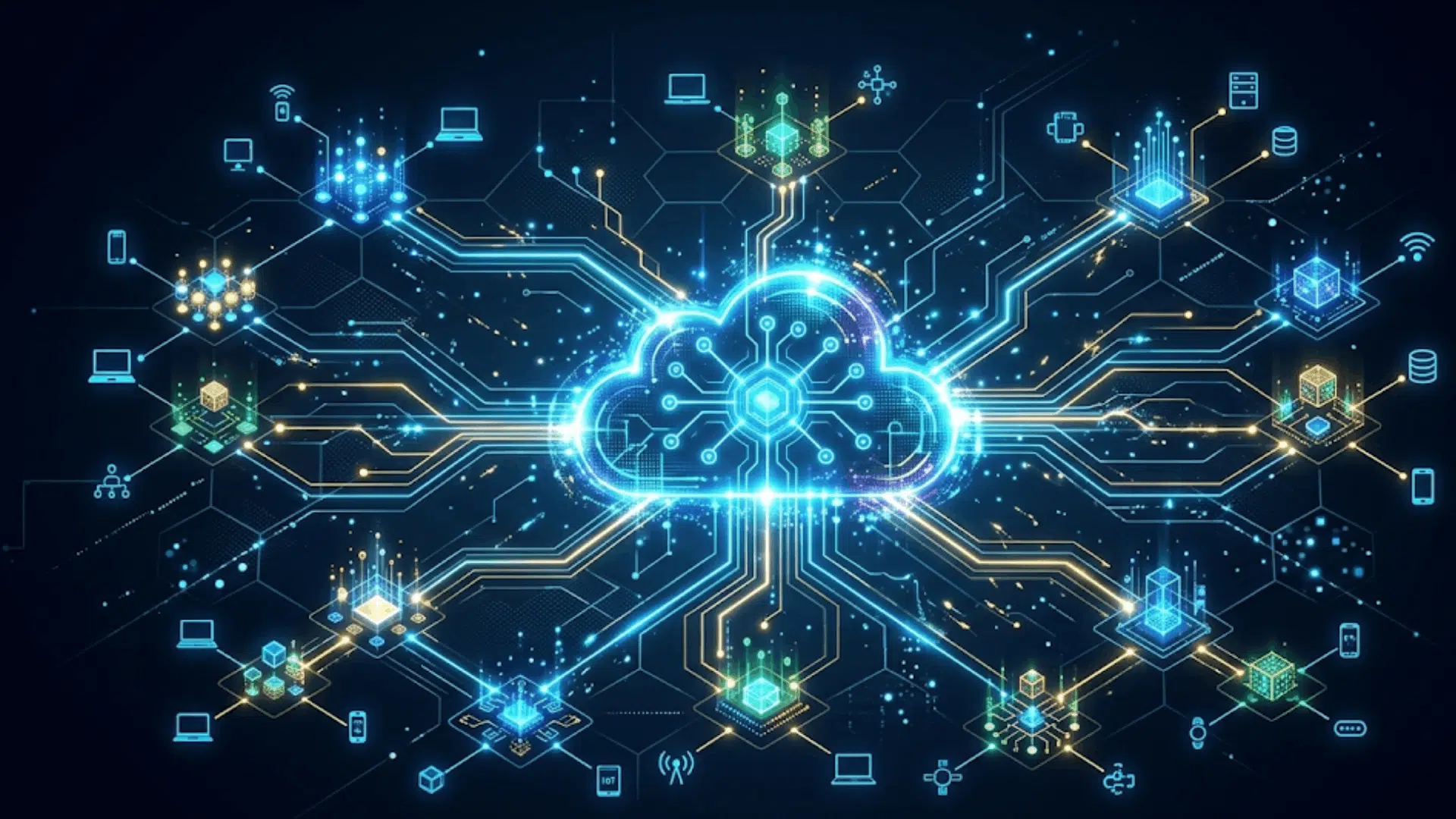
Cloud and edge computing both process data, but they do it in different ways. Cloud computing works by sending data from devices to large, remote data centers through the internet.
These data centers store, manage, and process the information, then send results back to the user. This setup is useful for handling large amounts of data and running complex applications.
Edge computing, on the other hand, processes data closer to where it is created.
Instead of sending everything to the cloud, data is handled on local devices or nearby systems. This reduces delay and improves speed.
In many cases, both systems work together. Edge handles quick tasks, while the cloud manages deeper analysis and storage. This combination helps create faster, more efficient systems.
Real-World Use Cases: Where Each Model Fits?
Understanding the theoretical differences only goes so far. Seeing where each model is actually deployed makes the choice clearer.
| Scenario | Best Fit | Why |
| Streaming video platforms | Cloud | Large-scale storage and global CDN delivery |
| Autonomous vehicle navigation | Edge | Sub-millisecond decisions cannot wait for a remote server |
| Enterprise SaaS applications | Cloud | Multi-user access, versioning, and centralized updates |
| Smart factory floor monitoring | Edge | Real-time anomaly detection with unreliable plant-floor connectivity |
| Healthcare data analytics | Hybrid | Edge captures patient vitals instantly; cloud runs population-level analysis |
| Retail inventory management | Cloud | Centralized stock visibility across locations |
| Remote oil and gas monitoring | Edge | No reliable internet; local processing is the only viable option |
| AI model training | Cloud | Requires large compute clusters and distributed storage |
How to Choose Between Cloud and Edge Computing?
Choosing between cloud and edge computing depends on your specific needs and how your system works.
Cloud computing is a good choice when large data storage, remote access, and scalability are important. It works well for apps, backups, and services that do not need instant responses.
Edge computing is better when speed and real-time processing matter.
It is useful for systems such as smart devices, security systems, and automated systems that require quick decisions.
In many cases, a mix of both works best. Edge can handle fast, local tasks, while the cloud manages storage and deeper analysis.
The right choice depends on factors such as internet reliability, data size, and response-time requirements.
Future of Cloud and Edge Computing
Cloud and edge computing are growing fast as more devices connect to the internet. Both are shaping how data is handled in modern systems.
- Rise of Smart Devices: More IoT devices will rely on edge computing for faster data processing and quicker response times.
- Stronger Hybrid Systems: Cloud and edge will work more closely together, combining speed with large-scale storage and analysis.
- Better Real-Time Processing: Industries such as healthcare and transportation will rely on the edge for instant decision-making and improved safety.
- Improved Network Efficiency: Data traffic will be reduced as more processing occurs locally rather than sending everything to the cloud.
- Growth in AI at the Edge: AI tools will run directly on devices, helping systems learn and react without delays.
- Higher Demand for Low Latency: Fast response times will become more important for apps, gaming, and connected systems.
Can Cloud and Edge Work Together?
Yes, cloud and edge computing can work together to create faster, more efficient, and more reliable systems.
Cloud and edge computing are often used together rather than as separate solutions. Edge computing processes data close to the source, reducing latency and enabling faster responses.
At the same time, cloud computing stores large amounts of data and performs deeper analysis.
This setup is common in smart devices, healthcare systems, and connected cars. For example, edge devices can collect and process real-time data, while the cloud stores it for long-term use and insights.
By working together, both systems improve speed, reduce bandwidth usage, and increase overall performance.
In a medical project I worked on, edge systems handled alerts in real time, while the cloud stored data later for reports and model updates.
The two layers never competed; each handled exactly what it was suited for.
Conclusion
Cloud and edge computing solve different problems, and the clearest signal I’ve taken from years of documenting these architectures is that framing them as rivals misses the point.
The question worth asking is not which one wins, but which layer owns which task in your specific system.
For many setups today, using both the cloud and the edge together yields the best results. It allows faster processing while still keeping strong storage and flexibility.
Now it’s your turn to think about your setup and what works best for you. Have you used cloud or edge computing before?
Share your experience or thoughts in the comments below. Your input could help others make a better choice.
Frequently Asked Questions
What Are the 4 Types of Cloud Computing?
Public, private, hybrid, and multi-cloud are the four main types based on ownership and deployment.
What Is the Big 3 of Cloud Computing?
The big three providers are Amazon Web Services (AWS), Microsoft Azure, and Google Cloud Platform (GCP).
Which Cloud Platform Is Used Most?
Amazon Web Services (AWS) is the most widely used cloud platform globally.
Who Are the Top Five Cloud Providers?
AWS, Microsoft Azure, Google Cloud, IBM Cloud, and Oracle Cloud are the top five providers.
What Are the 5 Most Common Uses of Cloud Computing?
Data storage, website hosting, app development, data backup, and streaming services are the most common uses.