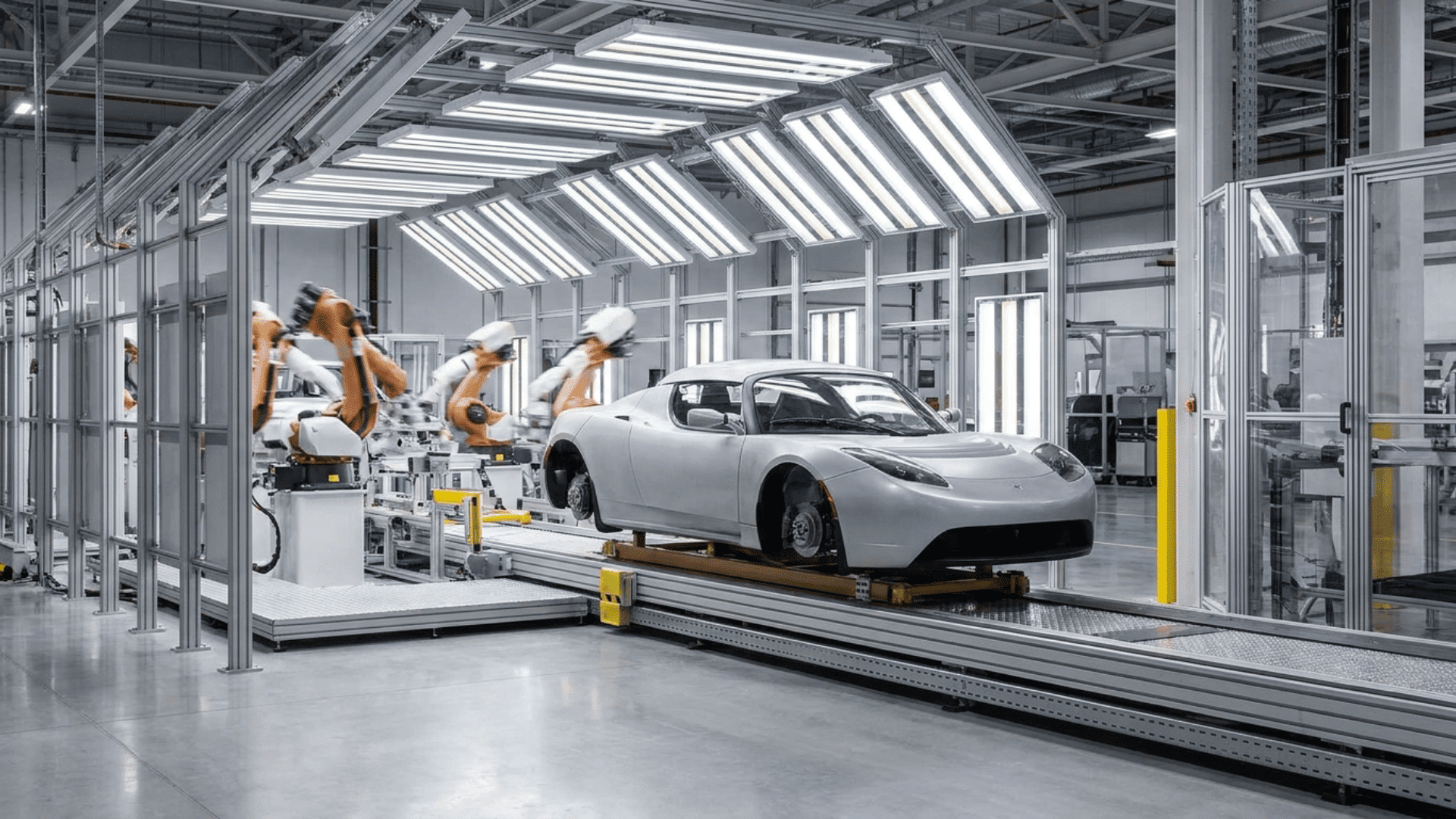







Robots that walk, talk, and work alongside humans are no longer science fiction; they’re shipping to warehouses right now.
As robots continue to rapidly improve, their role in everyday operations grows, reshaping how businesses approach productivity and innovation.
The first humanoid robot demo video seemed like CGI, but it wasn’t. That moment changed reporting assumptions; verification gave way.
If you’ve been trying to keep up with humanoid robot news but feel like you’re always a step behind, this article is for you.
I’ll walk you through the latest confirmed developments, the companies leading the charge, and what these updates actually mean for the future of work.
WhataAre Humanoid Robots?
Humanoid robots look and move a bit like humans. They usually have a head, arms, hands, legs, and a body shaped like ours, designed for interaction.
Some can walk, pick up objects, talk, and show simple facial expressions, designed to assist with repetitive or challenging tasks in spaces made for people.
These robots use sensors, cameras, and artificial intelligence to understand their surroundings.
That helps them move safely and do tasks like carrying boxes or helping in hospitals.
You might see them in factories, stores, or research labs, increasingly integrated into daily operations, improving efficiency, and enhancing overall productivity.
They are still improving, becoming smarter and more useful every year, with more advanced capabilities on the horizon.
Top Humanoid Robots Today
Every robot on this list is a confirmed prototype, commercial model, or officially announced platform with verified activity, not a concept or render.
1. Tesla Optimus (Gen 2 Update)
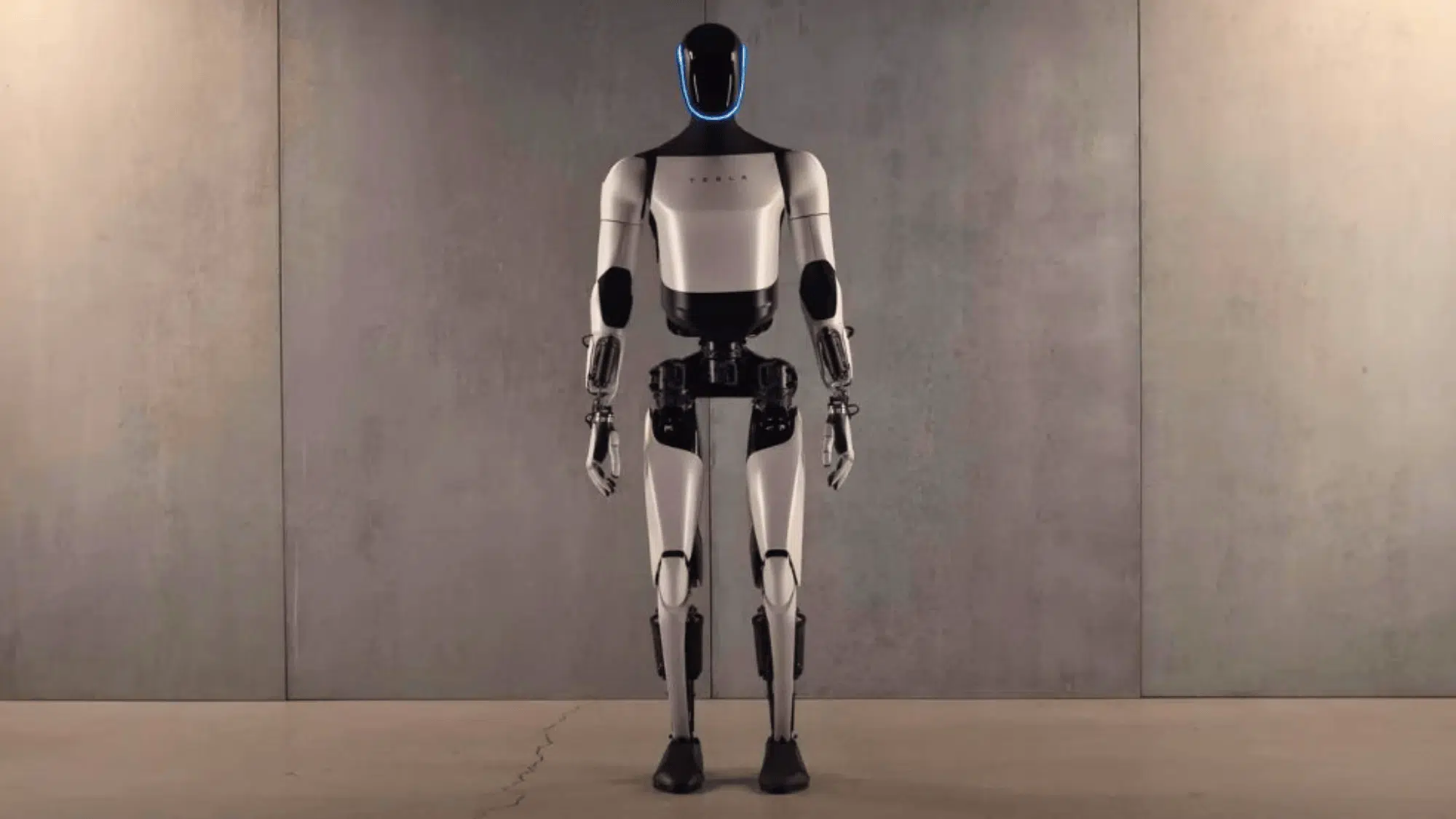
Tesla’s Optimus Gen 3 entered production at the Fremont factory in January 2026. Over 1,000 units now operate at Tesla’s facilities, performing tasks such as battery cell sorting.
The redesign includes 22-degree-of-freedom hands for improved grip and greater dexterity. It also features a lighter frame for enhanced walking stability and better comfort.
External sales are expected to start in late 2026. These units are set to handle more industrial applications beyond Tesla’s own facilities, offering increased efficiency and versatility.
Key Metrics:
- Height: 173 cm (5’8”)
- Weight: 57 kg (125 lbs)
- Est. Price: $20,000–$30,000
- Battery: 8 hours
2. Figure 03 (Figure AI)
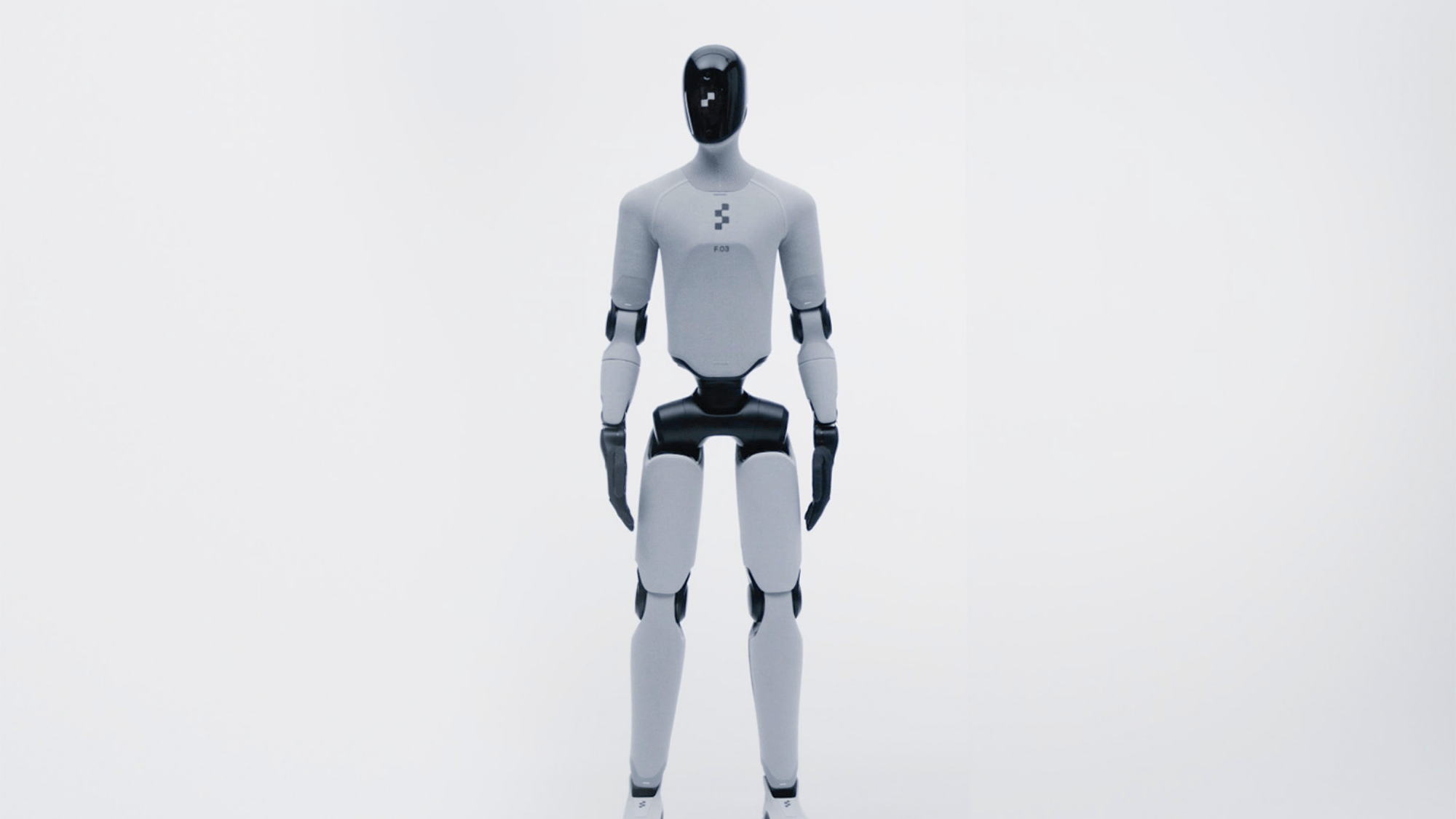
Figure AI’s latest platform, Figure 03, is built for warehouse automation and industrial workflows. It features the Helix AI system and offers 48+ degrees of freedom for enhanced flexibility.
In early 2026, BMW confirmed active deployment partnerships. The robot utilizes the Helix 02 breakthrough, enabling it to navigate unstructured environments with minimal human input.
Home pilot testing is planned for later in 2026. This testing will expand its use beyond industrial applications, aiming for broader consumer adoption.
Key Metrics:
- Height: 168 cm (5’6”)
- Weight: 60 kg (132 lbs)
- Est. Price: $130,000–$140,000
- Battery: 5 hours
3. Agility Robotics Digit
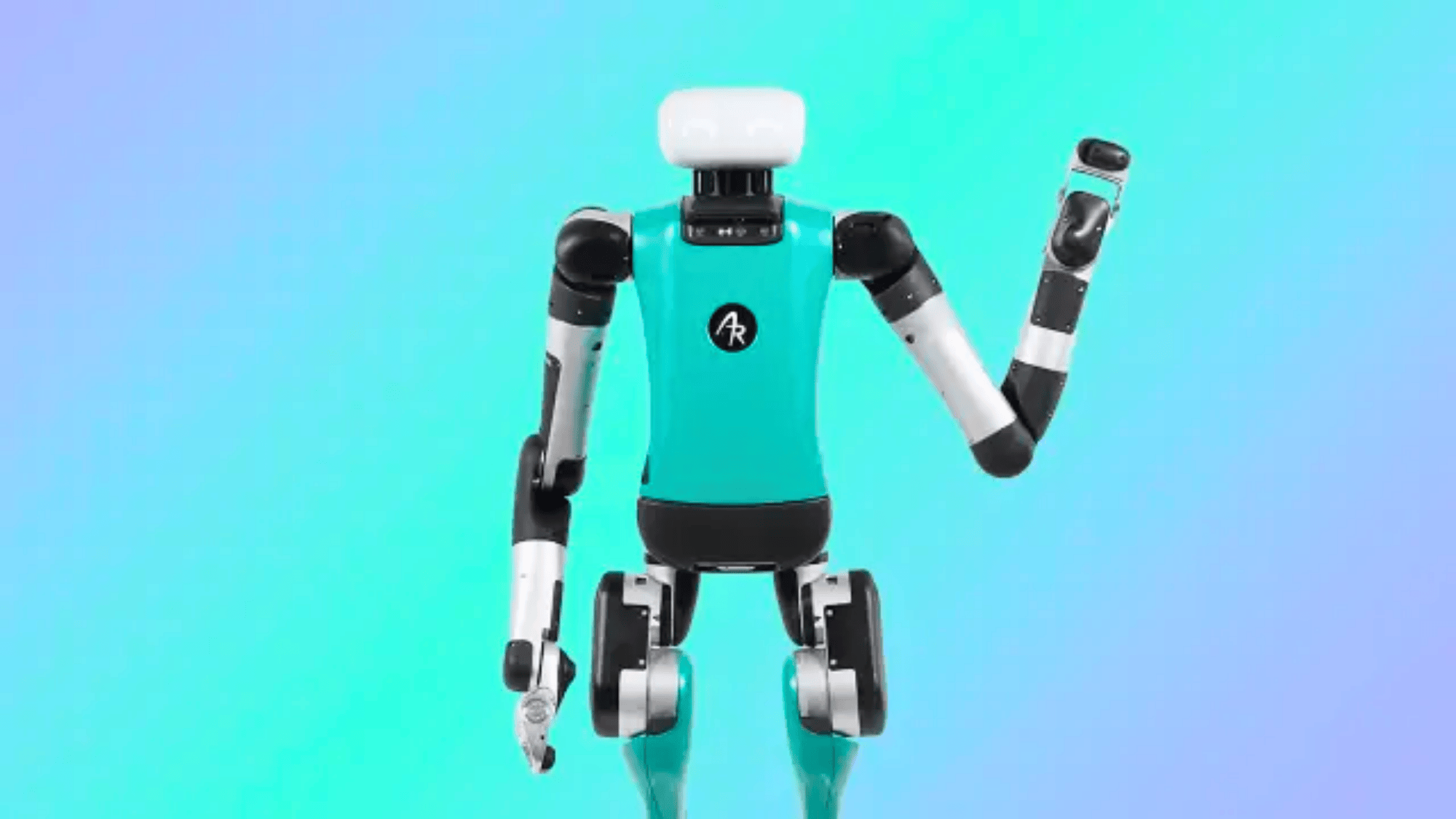
Agility Robotics signed a Robots-as-a-Service deal with Toyota Motor Manufacturing Canada in February 2026, placing seven Digit units on a RAV4 assembly floor in Woodstock, Ontario.
This marked the first commercial deployment of a humanoid in Canadian automotive manufacturing, showcasing significant advancements in robotics and automation.
Designed for logistics and last-mile delivery, Digit carries 35-pound payloads at 1.5 meters per second using LiDAR and depth cameras for precise navigation.
Key Metrics:
- Height: 175 cm (5’9”)
- Weight: 63 kg (140 lbs)
- Est. Price: $250,000–$260,000
- Battery: 8 hours
4. Boston Dynamics Atlas (Electric Version)
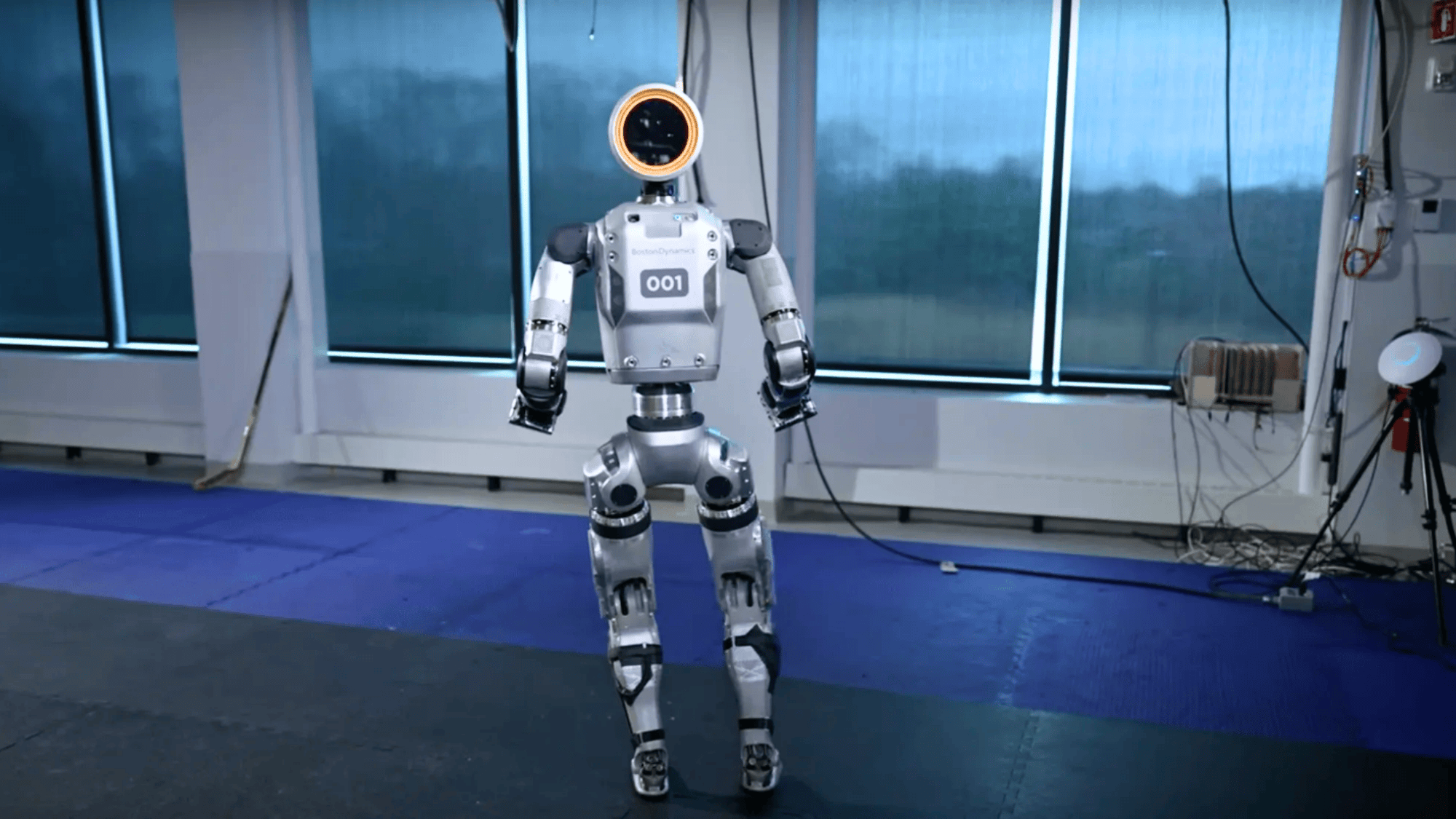
Boston Dynamics’ Atlas now uses an electric system, boosting energy efficiency, reducing maintenance, and improving long-term industrial reliability and performance.
The first Atlas units are headed to Hyundai’s Robotics Metaplant and Google DeepMind. These key partnerships mark significant advancements in industrial robotics for the coming year.
With all 2026 fleet allocations committed, additional deployments are planned for early 2027. Boston Dynamics is focusing on R&D and testing to enhance the robot’s capabilities.
Key Metrics:
- Height: 150 cm (4’11”)
- Weight: 89 kg (196 lbs)
- Est. Price: $140,000–$150,000
- Battery: 2 hours
5. Sanctuary AI Phoenix
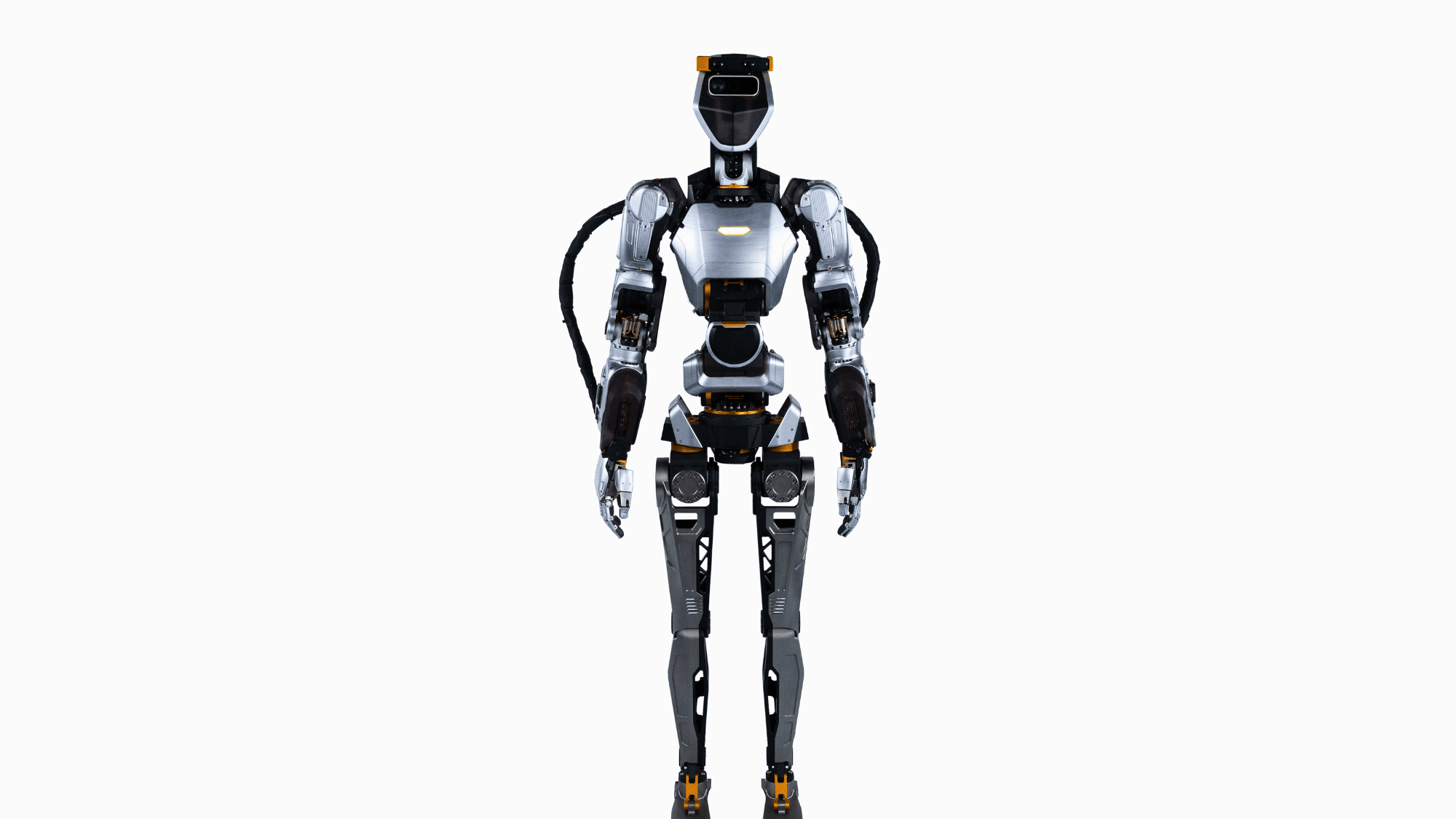
Sanctuary AI’s Phoenix uses the Carbon™ AI system to mimic human decision-making for physical tasks, improving its adaptability in various environments.
In its eighth generation, Phoenix has cut task training time by 88%, demonstrating significant progress in cognitive task training compared to earlier versions.
Currently in pilot programs with Magna International and Microsoft, Phoenix is used in the retail and automotive sectors. Its enhanced motor skills enable it to carry a 25 kg payload, making it versatile.
Key Metrics:
- Height: 170 cm (5’7”)
- Weight: 70 kg (154 lbs)
- Est. Price: $40,000–$150,000
- Battery: 4 hours
6. Unitree H1
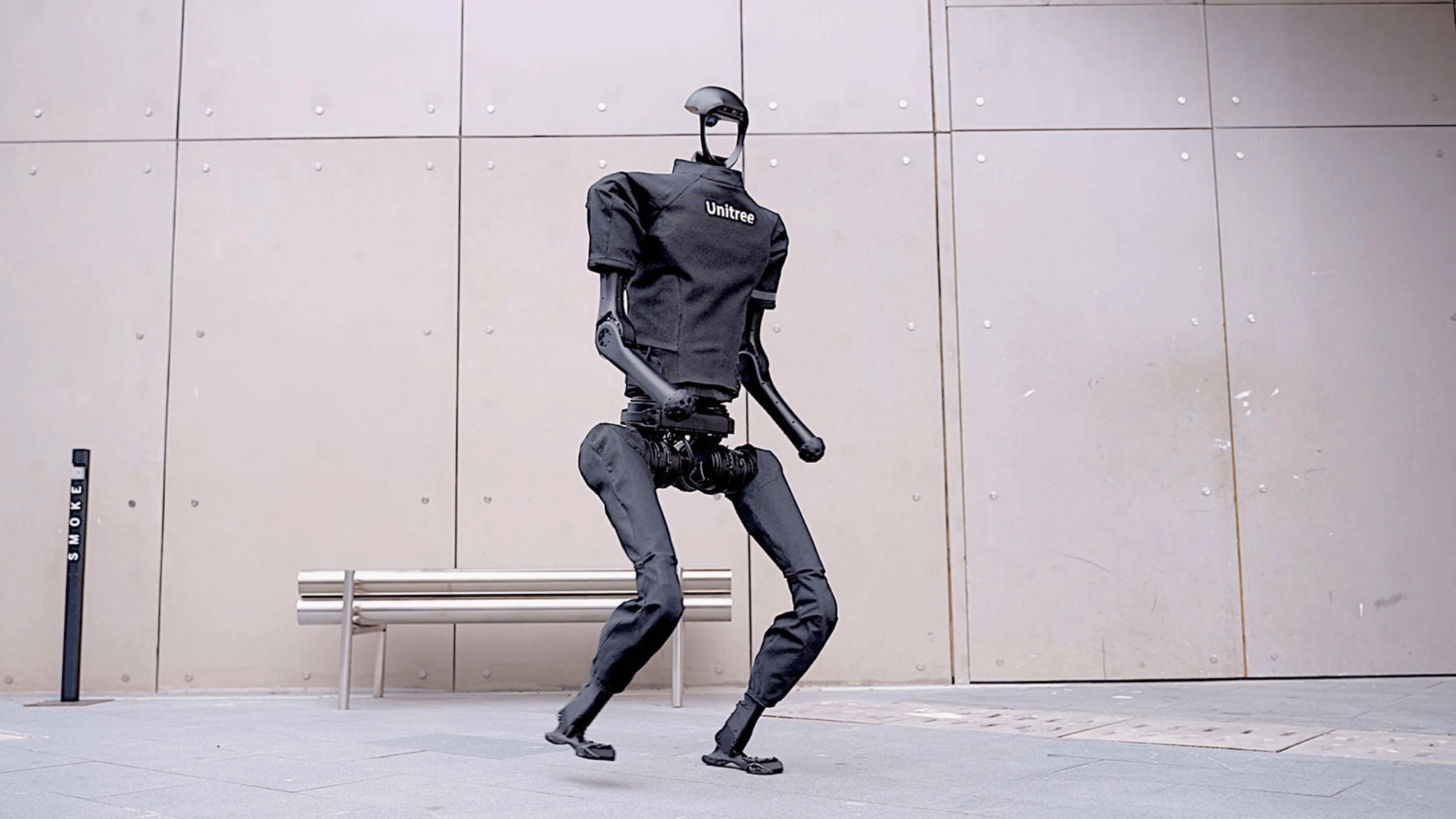
Unitree Robotics’ H1 is one of the fastest walking humanoid robots, reaching speeds of up to 3.3 meters per second. Its agility makes it ideal for a wide range of applications.
Built for research and industrial testing, it uses 3D LiDAR, depth cameras, and a 360° perception system for autonomous operation.
Unitree showcased its capabilities at the China Spring Festival Gala with acrobatic demos. The company targets 10,000–20,000 robot shipments in 2026, with improved walking speed and balance.
Key Metrics:
- Height: 180 cm (5’11”)
- Weight: 47 kg (104 lbs)
- Price: $99,900–$128,900
- Battery: 1.5 hours
7. Xiaomi CyberOne (Updated Model)
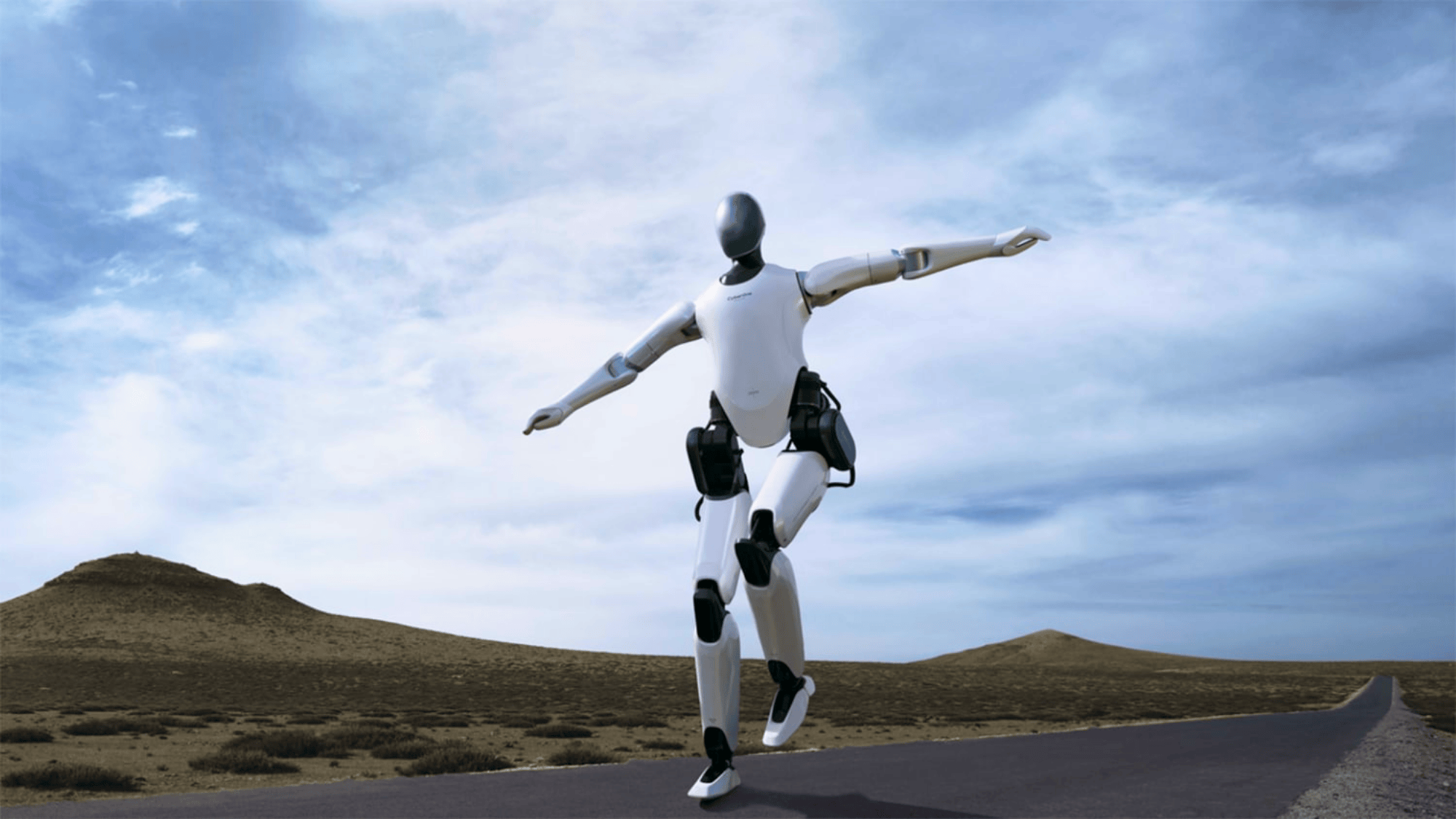
Xiaomi’s CyberOne is an active prototype developed for consumer robotics research, alongside the company’s EV, AI hardware, smart home, and automation programs, with a focus on future innovation.
The updated model identifies 45 types of human expressions and 85 environmental sounds, using a MiSense depth-sensing module and a dedicated AI interaction chip.
Xiaomi has not confirmed a commercial release date for CyberOne. It remains an internal R&D and public showcase platform for now, highlighting advancements in emotional recognition.
Key Metrics:
- Height: 177 cm (5’10”)
- Weight: 52 kg (115 lbs)
- Est. Price: $70,000–$104,000
- Battery: 1 hour
8. Engineered Arts Ameca

Engineered Arts’ Ameca is designed for human interaction research, focusing on producing realistic micro-expressions, holding real-time conversations, and enhancing emotional engagement.
Ameca uses integrated large language models and advanced AI speech systems to engage in face-to-face communication, enhancing its expressiveness and conversational abilities.
Used in museums, research institutions, and tech events, Ameca helps study human responses to robots. It excels at communication and facial expression but is not designed for physical labor.
Key Metrics:
- Height: 175 cm (5’9”)
- Weight: 49 kg (108 lbs)
- Price: $100,000–$140,000
- Battery: 2 hours
9. Apptronik Apollo
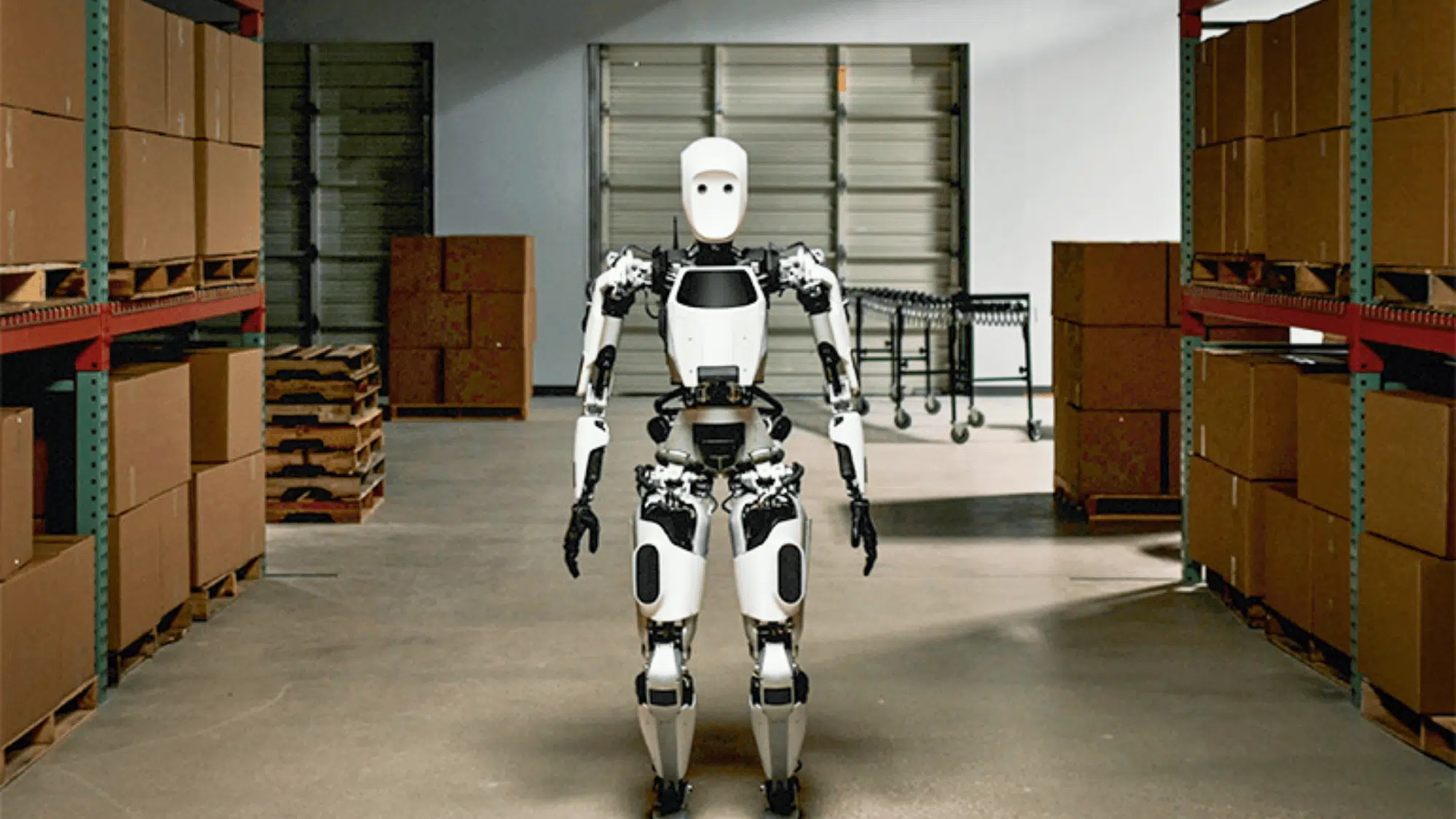
Apptronik secured a $520 million funding extension in February 2026, bringing the total Series A investment to over $935 million and accelerating growth and innovation.
The Apollo robot is built for warehouse and manufacturing tasks, capable of carrying up to 55 pounds and operating alongside human teams to improve efficiency and safety.
Active pilots are running with Mercedes-Benz, and Google DeepMind is a confirmed AI partner. Apptronik aims for enterprise availability around $50,000, expanding its industrial reach.
Key Metrics:
- Height: 173 cm (5’8”)
- Weight: 72 kg (160 lbs)
- Est. Price: $50,000– $100,000.
- Battery: 4 hours
10. Fourier Intelligence GR-1
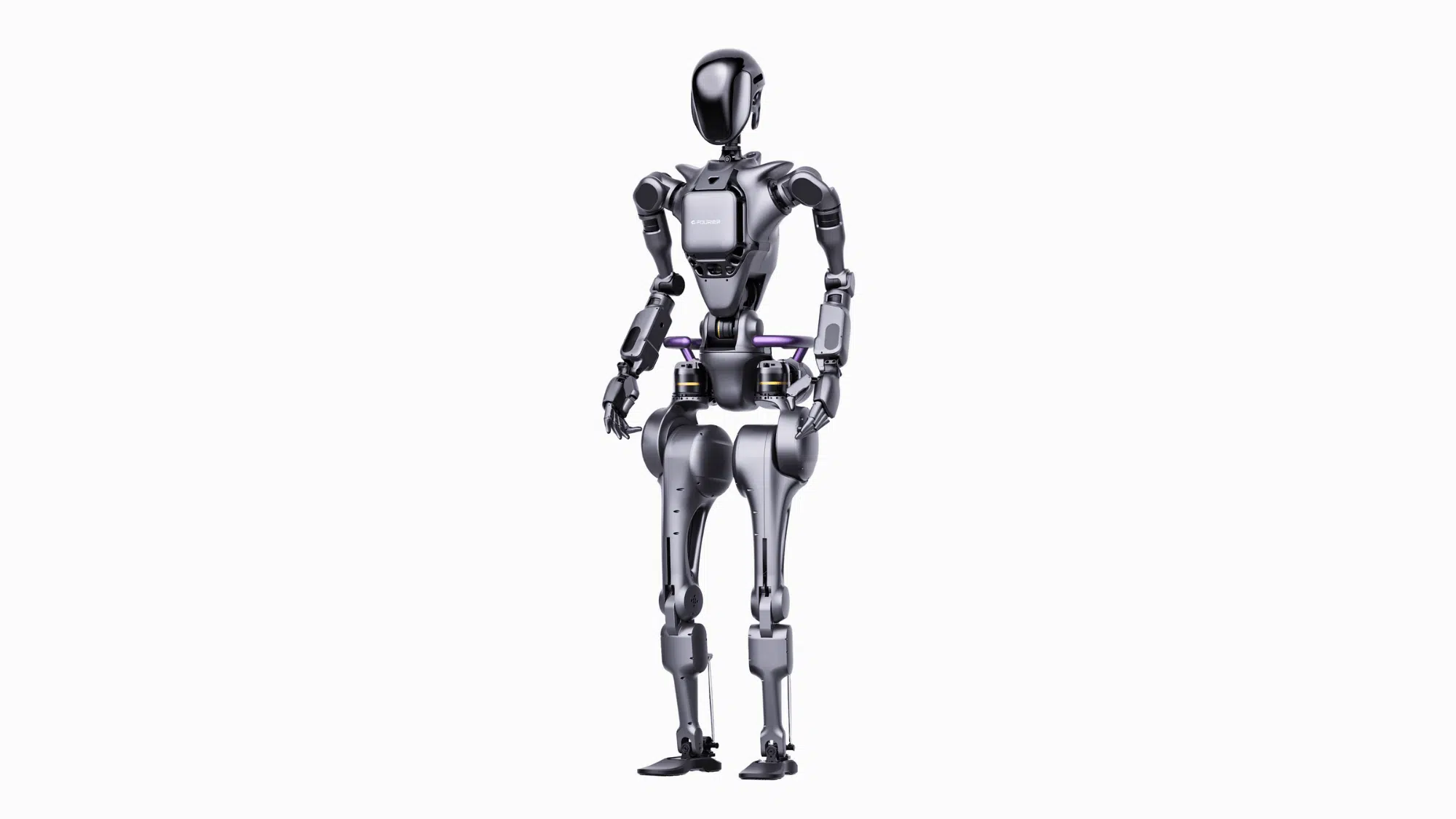
Fourier Intelligence built its foundation in medical exoskeleton technology before expanding into humanoid robotics, giving the GR-1 an edge in assistance and mobility applications.
The company debuted the GR-3 at CES 2026, featuring 55 degrees of freedom, tactile sensors across its body, and advanced mobility for more precise and adaptive interactions.
With a 50 kg payload, the GR-3 supports physical therapy, patient transfers, and rehabilitation in healthcare settings. Mass production is targeted for 2026, making it a healthcare robotics leader.
Key Metrics:
- Height: 165 cm (5’5”)
- Weight: 71 kg (157 lbs)
- Est. Price: $150,000–$170,000
- Battery: 2 hours
11. UBTECH Walker X
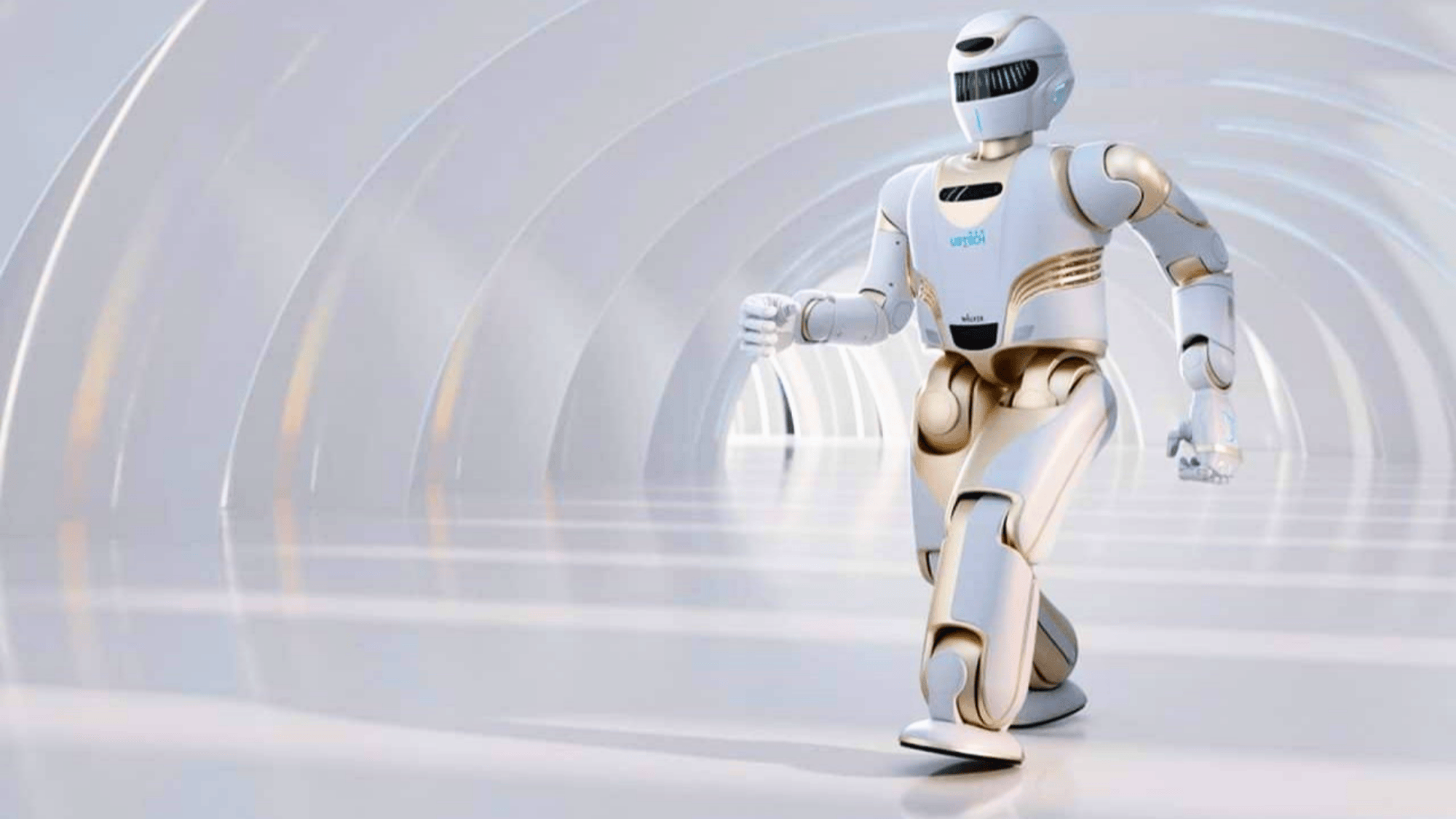
UBTECH’s Walker X is built for smart service environments such as hotels, showrooms, and smart factories, featuring 41 servo joints and large-language model integration for voice interaction.
The company ran coordinated multi-robot operations at EV manufacturing facilities and received autonomous navigation upgrades in 2026, enhancing efficiency and precision in production lines.
UBTECH Robotics is listed on the Hong Kong Stock Exchange (HKEX: 9880) and is scaling enterprise production for 2027, with a focus on expanding robot applications.
Key Metrics:
- Height: 145 cm (4’9”)
- Weight: 63 kg (139 lbs)
- Price: $68,000–$100,000
- Battery: 2–6 hours
12. PAL Robotics REEM-C
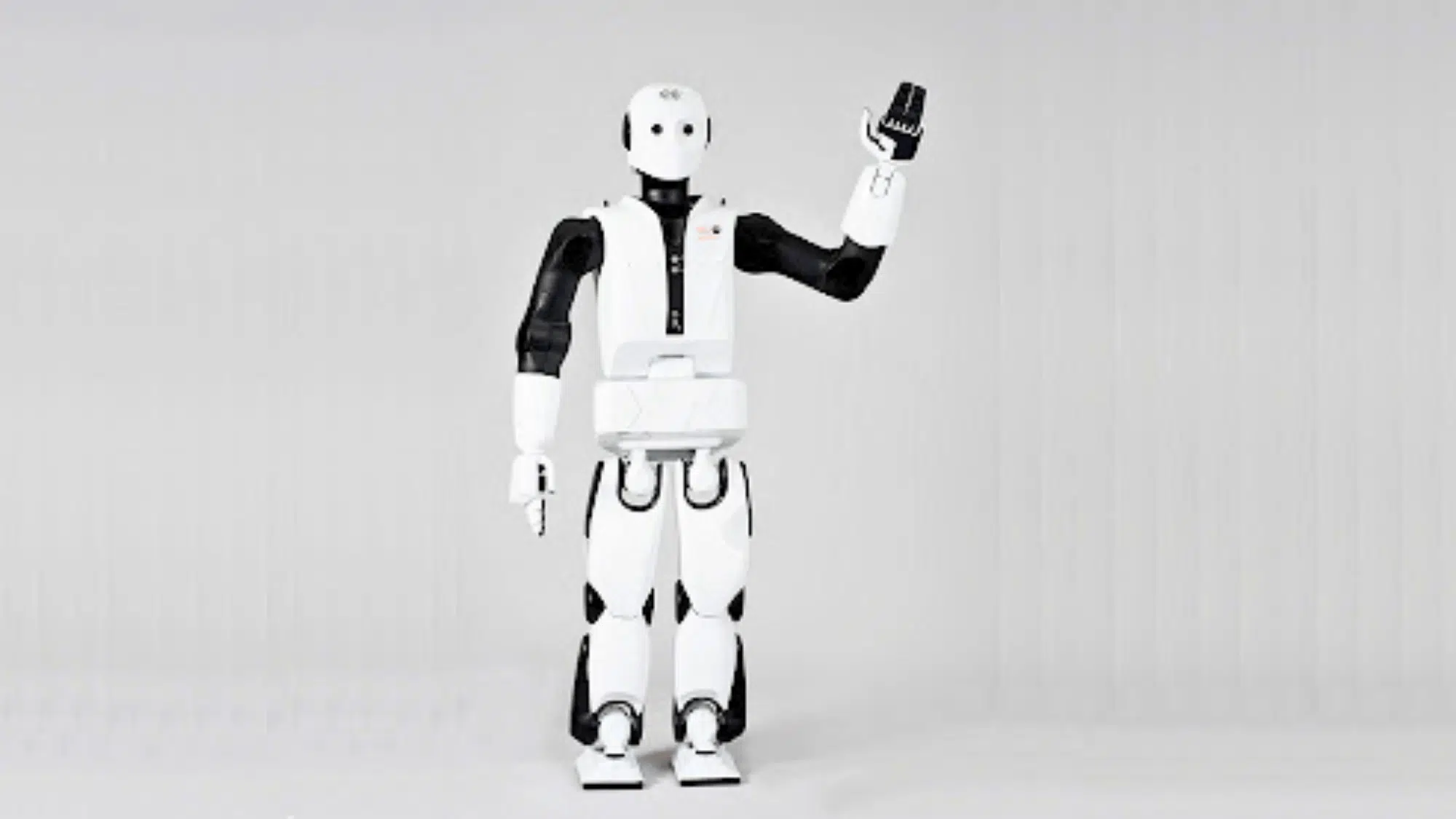
PAL Robotics’ REEM-C is a long-standing platform used by universities and AI labs for academic and AI testing. It provides a versatile foundation for exploring advanced robotic capabilities.
Based in Spain, PAL Robotics supplies REEM-C to research institutions focusing on locomotion, perception, and human-robot collaboration, advancing robotics innovation globally.
Its open-architecture software stack supports modular AI integration, allowing teams to test new algorithms. REEM-C is not a commercial product but an active tool for academic research.
Key Metrics:
- Height: 165 cm (5’5”)
- Weight: 80 kg (176 lbs)
- Price: $300,000–$325,000
- Battery: 2 hours
13. Kawada Robotics NEXTAGE
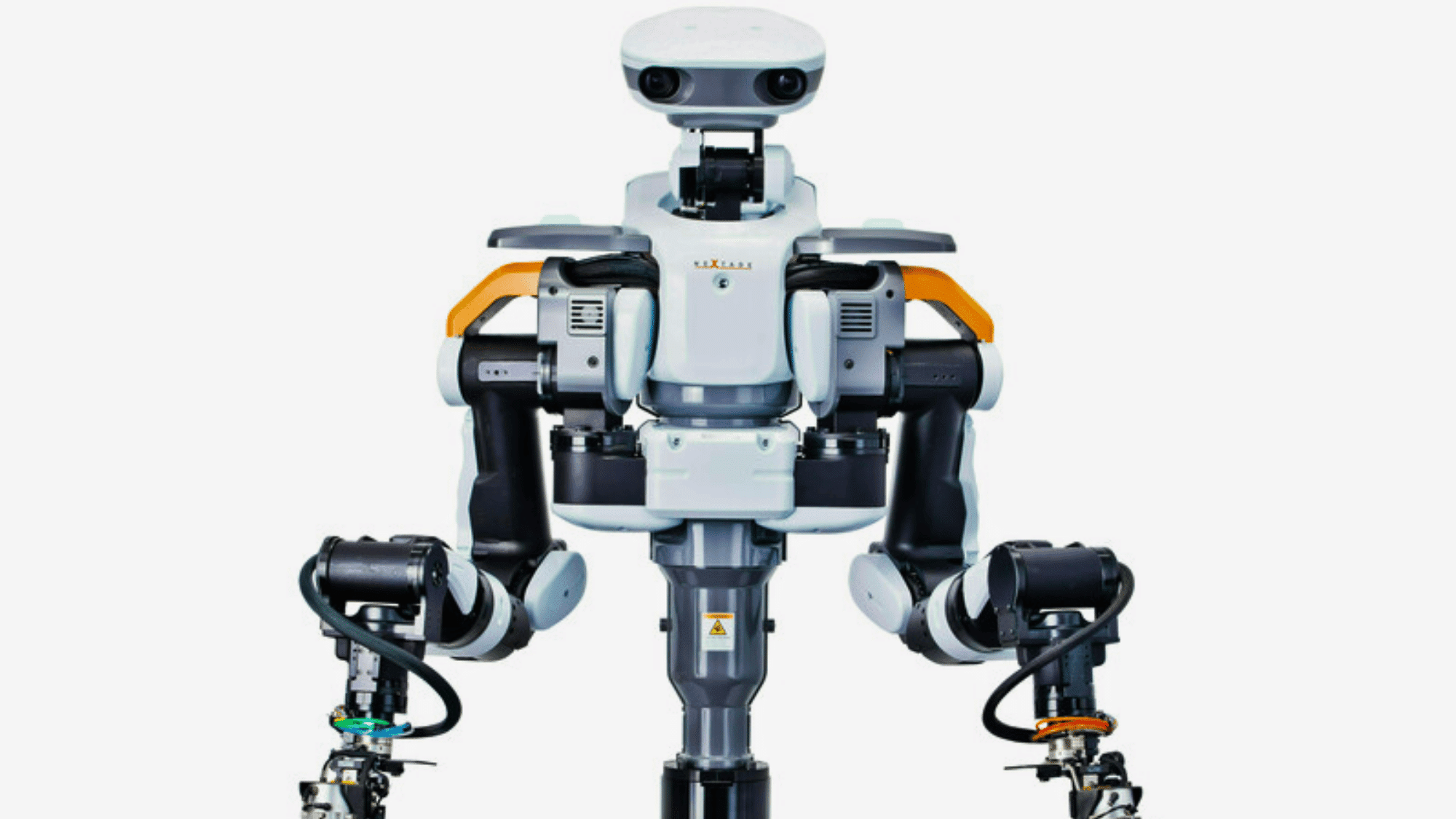
Kawada Technologies showcased NEXTAGE Fillie at CES 2026 in Las Vegas, performing live assembly-line tasks such as panel fitting and component sorting alongside human workers.
Built for collaborative assembly work, Fillie achieves position repeatability down to 0.05 mm using stereo cameras for 3D mapping.
Enhanced collaborative safety is built in, with motors capped at 80 watts and force-limiting joints. Fillie is easily repositioned on a trolley for flexible deployment across the factory floor.
Key Metrics:
- Height: 160 cm (5’3”)
- Weight: 47 kg (104 lbs)
- Price: $50,000 – $150,000
- Battery:: 24 hours
14. DEEP Robotics – Dr02
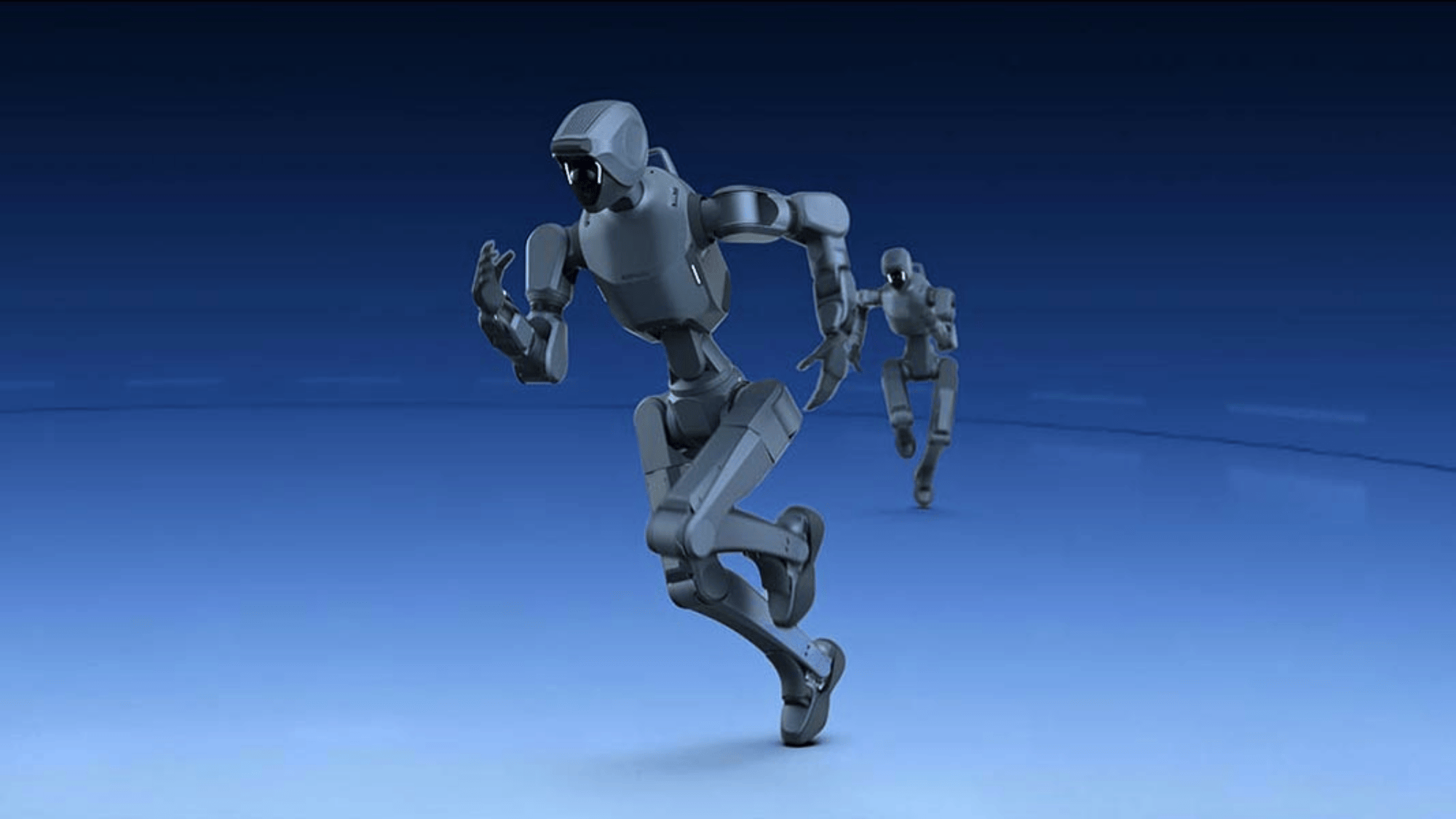
DEEP Robotics – DR02 is a humanoid robot designed for industrial applications, featuring bipedal mobility, autonomous perception, and manipulation.
It uses LiDAR and cameras to enhance environmental awareness, enabling seamless, safe navigation and interaction with objects. This technology allows DR02 to adapt to dynamic environments
Built for logistics, material handling, and inspection, DR02 operates with minimal input. Its battery lasts 2–3 hours per charge, advancing the use of humanoid robots for industrial efficiency.
Key Metrics:
- Height: 1.75 cm (5’9”)
- Weight: 65 kg (143 lbs)
- Price:$180,000 to $200,000
- Battery: 2–3 hours
15. Honda Humanoid Platform (Latest Prototype)
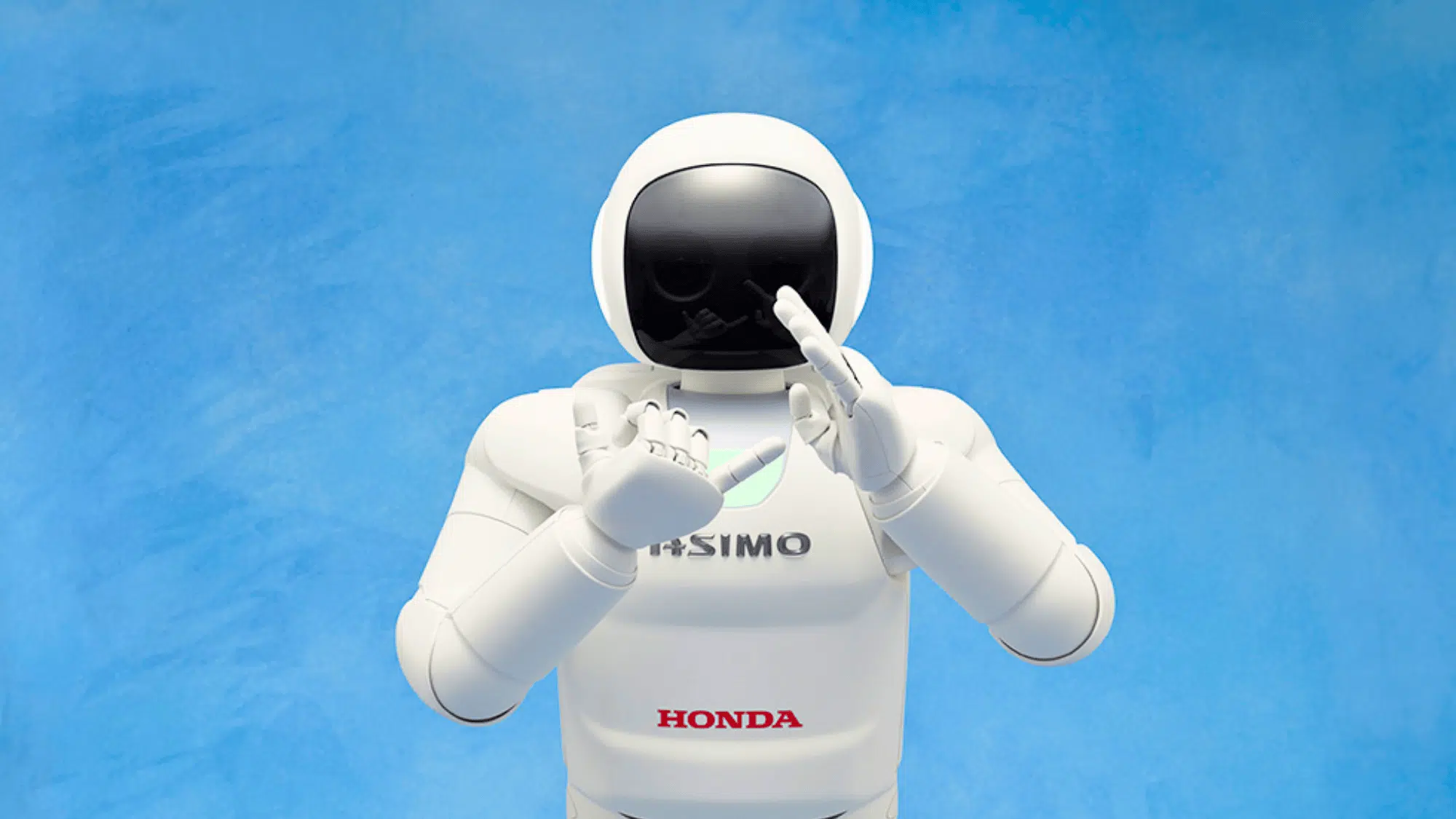
Honda revived its humanoid research program in 2026, leveraging decades of engineering experience from the ASIMO era to develop advanced robots for practical applications in daily life.
The latest prototype focuses on mobility research, with improvements to lightweight actuators to reduce energy use, enhance movement, and increase overall efficiency in various environments.
Honda is focusing on assistive technology for aging populations, not industrial use. This applied research has no commercial release or full specifications announced.
Key Metrics:
- Height: 130 cm (4’3”)
- Weight: 48 kg (105 lbs)
- Price: $200,000 – $2,500,000+
- Battery: 1 hour
Latest Humanoid Robots News
In February 2026, humanoid robots showcased advancements in AI and human-robot interaction, marking a significant step forward at major tech events like Wuhan and MWC.
1. Humanoid Robots Debut at Tech Event in Wuhan
On February 25, 2026, humanoid robots wowed the crowd at a tech event in Wuhan, China, playing football, writing calligraphy, and interacting with attendees.
Sharing the spotlight were electric aircraft, making the event a showcase of where modern technology is heading, highlighting innovation and sustainability.
From machines that move like humans to aircraft that run without fuel, Wuhan gave the world a glimpse of what’s here, demonstrating the future of technology and its potential.
2. China’s Spring Festival Gala Highlights Robotics Advances
On February 20, 2026, at China’s biggest TV show, multiple humanoid robots performed interactive routines, showing improvements in motion control, artificial intelligence, and real-time adaptability.
The robots demonstrated coordination and agility, interacting with humans in real time, highlighting progress in AI robotics, their real-world potential, and future capabilities.
The show highlighted the growing role of humanoid robots in entertainment, technology, and human-robot interaction, offering a glimpse of their future capabilities across diverse industries.
3. Honor Announces New Humanoid Robot Reveal at MWC
In February 2026, Honor teased a new humanoid robot at Mobile World Congress, marking the company’s expansion into robotics and AI innovation for future technologies.
The robot’s capabilities were highlighted, showcasing Honor’s move beyond smartphones and its commitment to expanding into robotics and AI-driven technologies for diverse applications.
This announcement reflects Honor’s strategy to enter the growing humanoid robotics industry, with a focus on advanced AI and human interaction.
Final Thoughts
Humanoid robots today are reshaping industries, with Tesla’s Optimus, DEEP Robotics, and Honda’s prototypes moving from concepts to real-world applications.
Humanoid robots are making strides across sectors like manufacturing, healthcare, and logistics, proving their value in improving efficiency and productivity.
Companies are targeting broader commercial availability, with robots designed for both industrial and personal use that demonstrate improved mobility, safety, and AI integration.
As we move further, the potential of humanoid robots to improve efficiency, support aging populations, and transform industries continues to grow.
However, many robots remain in active development or pilot stages, with commercial deployment expected in the near future, indicating a significant shift in how robots will integrate into our daily lives.
Stay ahead of the curve, join us for the latest updates on humanoid robots and AI advancements!