





If you work with the Department of Defense, you already know how important security rules are.
After years of reviewing security frameworks and supporting contractors through compliance programs, I’ve seen a consistent pattern: most businesses don’t fail CMMC assessments because they ignored the requirements.
They fail because they scoped their environment wrong, skipped documentation steps they didn’t know existed, or conflated self-attestation with actual compliance. This guide cuts through that confusion.
That’s where a clear cmmc compliance checklist can help. It breaks everything down into simple steps so you can stay organized and avoid missing key requirements.
In this guide, I’ll explain CMMC in plain language, including the differences between Levels 1 and 2. You’ll also learn what controls, documents, and steps are needed to meet compliance.
By the end, you’ll know what to focus on, how to prepare for an assessment, and how to move forward with confidence.
What Is the CMMC Compliance Checklist?
The CMMC compliance checklist is a clear list of security steps that businesses must follow to protect sensitive government data. CMMC stands for Cybersecurity Maturity Model Certification, a framework created by the U.S.
Department of Defense (DoD). It sets rules to make sure companies handling Federal Contract Information (FCI) and Controlled Unclassified Information (CUI) keep that data safe.
This checklist helps businesses understand what actions they need to take, from basic security practices to more advanced controls.
It is mainly required for DoD contractors, subcontractors, and suppliers. By using a checklist, companies can stay organized, track their progress, and prepare for audits with more confidence.
One critical point that many miss, CMMC requirements flow down to subcontractors. Under DFARS clause 252.204-7021, prime contractors are responsible for ensuring their subs that handle CUI also meet the required CMMC level.
If you are a subcontractor, your prime may ask for evidence of your compliance before awarding work.
CMMC Levels Explained in Simple Terms
CMMC has different levels that show how strong a company’s cybersecurity is. Most DoD contractors must meet Level 1 or Level 2 based on the type of data they handle.
- Level 1 focuses on basic protection of Federal Contract Information (FCI)
- Level 2 requires stronger controls to protect Controlled Unclassified Information (CUI)
| Feature | Level 1 (Basic) | Level 2 (Advanced) |
| Data Type | FCI | CUI |
| Number of Practices | 17 | 110 |
| Security Level | Basic cyber hygiene | Advanced security controls |
| Assessment Type | Self-assessment | Third-party or self (in some cases) |
| Focus | Access control, basic protection | Risk management, monitoring |
In simple terms, Level 1 is the starting point, while Level 2 adds deeper security for more sensitive data.
Before You Start: Scope Your CUI Environment
The most common and costly mistake I see contractors make is starting the checklist before defining their scope. Scoping determines which systems, networks, and personnel fall under CMMC requirements.
Get it wrong in either direction and you either waste months securing systems that don’t touch CUI, or you leave genuine gaps that an assessor will find.
Your CUI environment includes every system that processes, stores, or transmits CUI — including email servers, shared drives, endpoints, and any cloud services.
Systems that only provide security functions (like your firewall) but don’t touch CUI are considered “security protection assets” and have a reduced documentation burden.
The National Archives CUI Registry is the authoritative reference for determining whether specific information qualifies as CUI.
If you are unsure whether the data you handle is CUI, consult your contracting officer before spending resources on a Level 2 program.
CMMC Level 1 Checklist (Basic Cyber Hygiene)
CMMC Level 1 focuses on basic cybersecurity practices that help protect systems and data. This checklist covers simple but important steps every business must follow to meet minimum security requirements.
1. Access Control Basics
CMMC Level 1 requires businesses to manage who can access their systems and data. Only authorized users should be given access, and permissions must be based on job roles to reduce risk.
Remote access should be controlled and limited to approved users only. Companies should also make sure that sensitive data is not available to everyone.
By setting clear access rules, businesses can prevent unauthorized entry and keep their systems more secure.
2. Device Protection
Protecting devices is a key part of basic cybersecurity under CMMC Level 1. All systems should have antivirus or anti-malware software installed and kept up to date.
Regular software updates help fix security gaps. Devices such as laptops and mobile phones should be locked when not in use and protected from unauthorized access.
These steps help reduce the chances of cyber attacks and keep company data safe from threats.
3. Password and User Rules
Strong password and user management practices are important for keeping systems secure. Employees should use strong and unique passwords that include a mix of letters, numbers, and symbols.
Passwords should be updated regularly to lower risk. Shared accounts should be avoided, as they make tracking activity difficult.
Inactive users should be removed quickly to prevent misuse. These steps help protect systems from unauthorized access and improve overall security.
4. Additional Basic Practices
CMMC Level 1 also includes basic security habits that support overall protection. Employees should be trained to understand common security risks and how to respond to them.
Businesses should monitor system activity to detect unusual behavior early. Regular data backups are important to prevent data loss in case of an issue.
If a security problem occurs, it should be reported and handled quickly. These practices help maintain a safer and more reliable system.
CMMC Level 2 Checklist (Advanced Security Controls)
CMMC Level 2 focuses on advanced cybersecurity to protect Controlled Unclassified Information (CUI). It includes 110 controls aligned with NIST SP 800-171 and requires a structured, well-documented security approach.
1. Data Protection
At this level, businesses must ensure that sensitive data is protected at all times. This includes encrypting data both at rest and during transmission to prevent unauthorized access.
CMMC Level 2 specifically requires FIPS 140-2 validated encryption, general-purpose encryption is not sufficient. If your organization uses cloud services, those services must also use FIPS-validated cryptographic modules.
Microsoft’s GCC High and AWS GovCloud environments meet this requirement; standard commercial tiers typically do not.
Access to CUI should be limited by user role, and only approved individuals should handle sensitive information. Secure methods must be used for storing and sharing data.
Organizations should also monitor how data moves within systems and networks. Regular checks help maintain data integrity and ensure that information is not altered, lost, or exposed.
2. Incident Response
A strong incident response plan is essential for Level 2 compliance. Businesses must create a clear process that explains how to detect, report, and handle security incidents.
Under CMMC Level 2, cyber incidents involving CUI must be reported to the DoD within 72 hours via the DIBNet portal. This is a hard requirement, not a best practice.
Failure to report can jeopardize your contract and your ability to bid on future work.
This plan should define roles and responsibilities so every team member knows what to do during an incident. All incidents must be recorded and documented for review and improvement.
Regular testing of the response plan is important to ensure it works effectively. Being prepared helps reduce damage, limit downtime, and improve recovery when a security event occurs.
3. Risk Management
Risk management focuses on identifying and reducing security risks before they become serious problems. Businesses should regularly assess their systems to find weaknesses and potential threats.
This includes running vulnerability scans and reviewing system security. Any known issues should be fixed as soon as possible to reduce risk exposure.
Companies should also maintain a formal risk management plan that outlines how risks are handled. Regular reviews and updates help ensure security controls stay effective as threats change over time.
Key Domains You Must Cover for Compliance
To meet CMMC requirements, businesses must focus on key security domains that protect systems, control access, and ensure accountability. These areas form the foundation of a strong cybersecurity program.
- Access Control: Limits system and data access to authorized users only, ensuring permissions are based on roles and responsibilities while reducing the risk of unauthorized entry or misuse of sensitive information.
- Audit & Accountability: Tracks user activities and system events to maintain records, detect unusual behavior, and support investigations, helping organizations stay accountable and improve security monitoring over time.
- Identification & Authentication: Verifies user identity through secure login methods such as passwords or multi-factor authentication, ensuring only approved users can access systems and sensitive data.
- System Protection: Safeguards systems and networks using tools like firewalls, encryption, and monitoring to prevent cyber threats, protect data, and maintain overall system security and stability.
CMMC Assessment Process

Preparing for CMMC certification requires a clear, structured approach. The following actions help businesses identify gaps, organize documentation, and improve readiness for a smooth and successful assessment process.
Step 1: Gap Analysis
The first step is to review your current security practices and compare them with CMMC requirements. This helps identify missing controls, weaknesses, or areas that need improvement.
Businesses should carefully assess systems, user access, data handling, and protection measures. A detailed gap analysis gives a clear picture of where you stand and what needs to be fixed.
It also helps you prioritize tasks and build a step-by-step plan for compliance. By finding issues early, you can avoid delays, reduce risks, and prepare more effectively for the assessment process.
Step 2: Documentation
Once gaps are identified, the next step is to prepare proper documentation. This includes creating a System Security Plan (SSP) and clear policies and procedures that explain how each security control is applied.
Documentation should be detailed, accurate, and easy for auditors to review. It serves as proof that your organization follows required practices and meets compliance standards.
Well-prepared documents also help teams stay consistent in their actions and reduce confusion. This step plays a key role in making the assessment process smoother and more efficient.
Step 3: Build Your POA&M
A Plan of Action and Milestones (POA&M) is a required document that lists every control your organization has not yet fully implemented, along with a specific timeline and owner for remediation.
Assessors at Level 2 do not expect perfection. What they do expect is an honest, realistic POA&M that shows your organization understands its gaps and has a credible plan to close them.
A POA&M with vague entries like “implement MFA, Q4” will raise more concern than one that says “deploy Microsoft Authenticator to all 23 users in the CUI environment by October 15, owned by IT Director Jane Smith.”
Every item in your POA&M should map to a specific NIST SP 800-171 control number so assessors can cross-reference it with your SSP without asking follow-up questions.
Step 4: Internal Review
An internal review ensures security controls are working properly. Businesses should test systems, review access permissions, and confirm that policies are consistently followed before the official assessment.
This step helps identify any remaining gaps before the official assessment. Running internal audits also gives teams a chance to practice and understand the process better.
It builds confidence and reduces last-minute stress. By fixing issues early, organizations can improve their readiness and increase their chances of passing the CMMC assessment successfully.
Step 5: Third-Party Assessment (Level 2)
For Level 2 certification, a third-party assessment is required. An authorized assessor reviews your systems, documentation, and security practices to verify compliance.
They check whether all controls are properly implemented and maintained. This process can be detailed, so preparation is important.
Passing this assessment confirms that your organization meets required standards and can handle sensitive information securely under CMMC guidelines.
Documents You Need Before Certification
Before applying for CMMC certification, businesses must prepare key documents that clearly show their security practices and readiness for assessment.
These documents act as proof that proper controls are in place and help auditors understand how your systems are protected.
A System Security Plan (SSP) explains your system setup and how security requirements are implemented. Policies and procedures guide employees on handling security tasks consistently.
Risk assessment reports identify threats, evaluate risks, and show how your organization reduces or manages them to maintain a secure environment.
The Complete Documentation Set Required Before a CMMC Level 2 Assessment Includes:
- System Security Plan (SSP)
- Policies and procedures
- Risk assessment reports
- Plan of Action and Milestones (POA&M)
- Network diagrams and system boundary documentation
- Hardware and software asset inventory
- User access list with role assignments
- Incident response plan (tested and dated)
- Vendor/supplier risk documentation for any third party with access to your CUI environment
The SSP and POA&M are the two documents that assessors spend the most time on. Both should be living documents updated as your environment changes, not static files produced once for the assessment.
Tools and Tips to Pass CMMC Faster
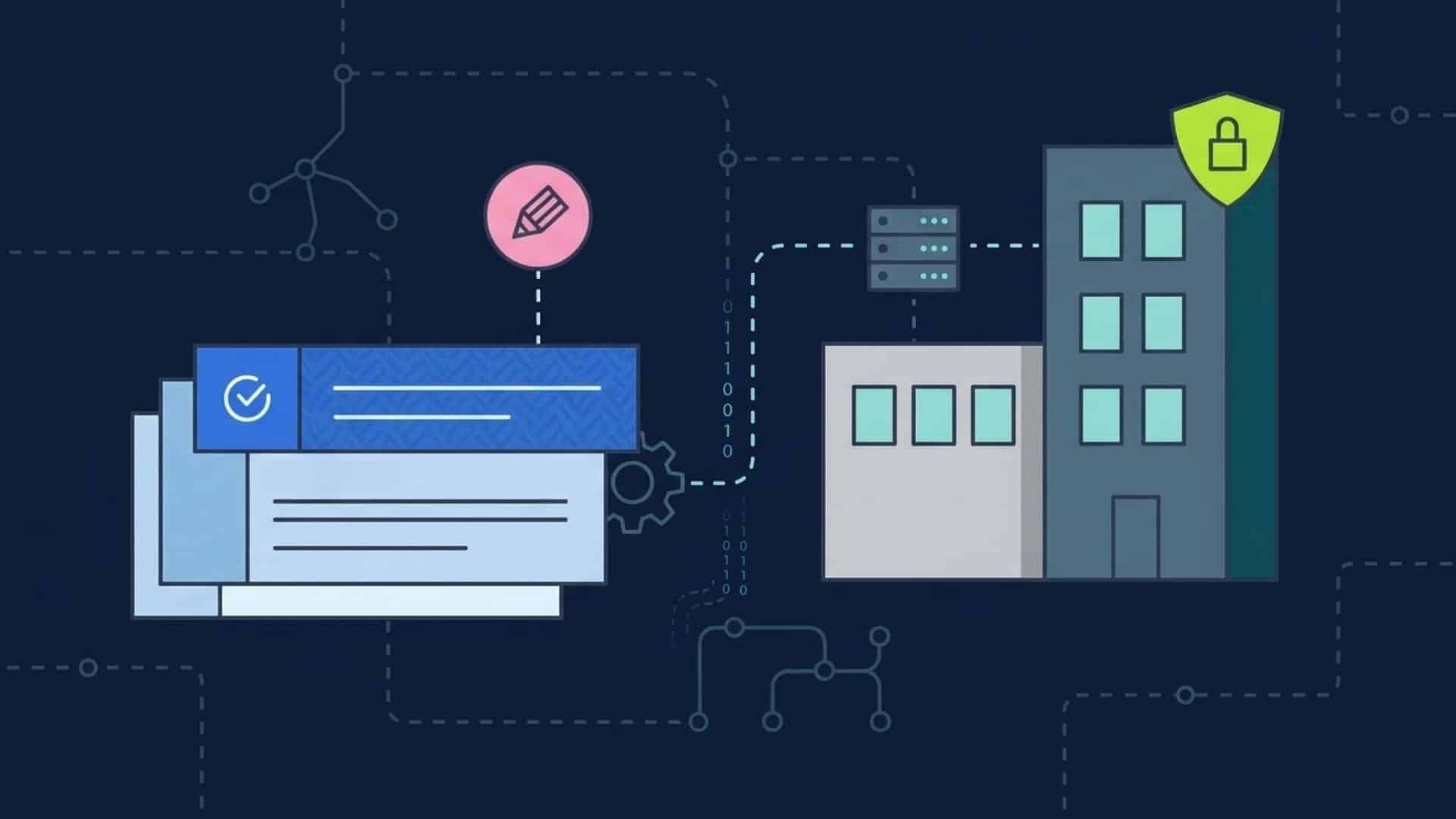
Preparing for CMMC can feel complex, but using the right tools and strategies can speed up the process and improve your chances of success.
- Use Compliance Software: Automates tracking, documentation, and control mapping, helping businesses manage requirements easily, reduce manual work, and stay organized during the CMMC certification process.
- Train Employees: Regular training ensures employees understand cybersecurity practices, reduces human errors, and helps maintain consistent security habits across the organization.
- Run Mock Audits: Mock audits identify gaps early, allowing businesses to fix issues, improve readiness, and feel more confident before the official CMMC assessment.
How to Stay Compliant After Certification
Achieving CMMC certification is only the first step, as maintaining compliance requires ongoing effort. Businesses should continuously monitor their systems to detect unusual activity and respond quickly to potential threats.
Regular updates to software, security tools, and policies are important to address new risks and keep systems protected.
In addition, organizations should conduct annual reviews of their security practices, controls, and documentation to ensure everything remains up to date.
Ongoing employee training also helps reinforce good security habits. By staying proactive and consistent, businesses can maintain compliance and protect sensitive data over time.
Wrapping Up
CMMC compliance is not just about checking boxes, it is about building a strong and secure system to protect important data.
By following the right steps, staying organized, and keeping documents updated, the process becomes much easier to manage. It is important to focus on steady progress, fix gaps on time, and stay prepared for assessments.
Understanding your scope, applying the correct controls, and maintaining good security habits will help you stay confident throughout the process.
Remember, compliance is not a one-time task but an ongoing effort that requires regular attention.
If this guide helped you, start working on your CMMC checklist today and take the first step toward full compliance. Share this guide with your team or get expert help to make the process even smoother.