

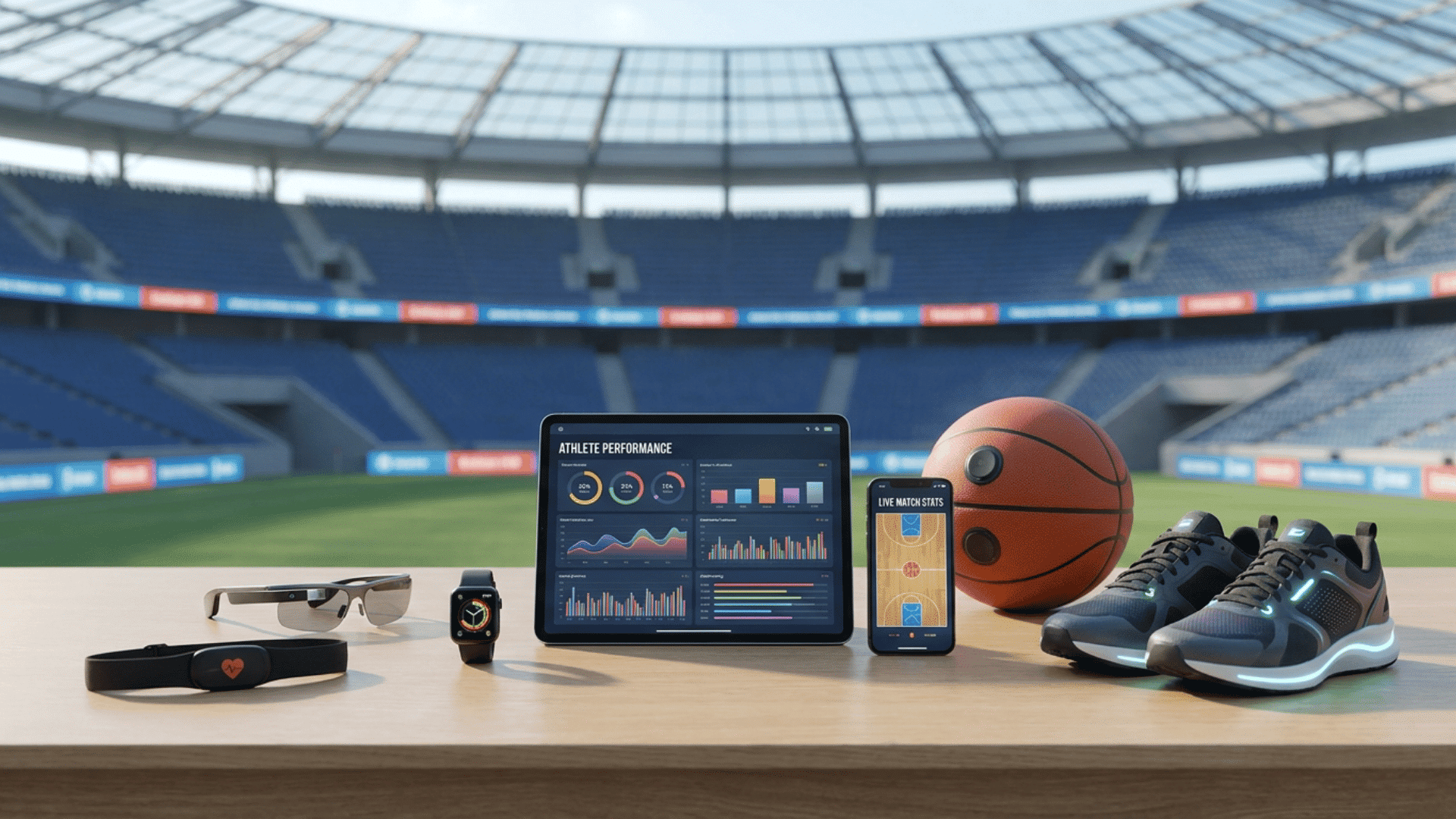





Technology is changing sports in ways that were hard to imagine just a few years ago.
From artificial intelligence helping coaches make faster decisions to wearable devices tracking every movement an athlete makes, new tools are becoming a bigger part of sports at every level.
As someone who follows technology developments closely, I always pay attention to what is actually happening in the industry and what those changes mean in the real world.
Not every new idea becomes important, but some innovations are already changing how teams train, compete, and connect with fans.
In this article, I’ll break down the latest sports tech news and the trends getting the most attention.
We’ll look at how sports technology is being used in athlete training, team strategy, performance analysis, smart equipment, fan engagement, and future developments.
By the end, you’ll have a clear understanding of the technologies making an impact across the sports world today.
Here are the latest updates on sports tech worth reading:
Artificial Intelligence is Changing How Sports Decisions are Made
Artificial intelligence is one of the biggest topics in sports tech news because it is changing how teams study players, plan games, and connect with fans.
In the past, coaches mostly relied on experience, video review, and basic statistics. Now, AI tools can scan large amounts of sports data much faster and point out patterns that may be easy to miss.
1. AI-Powered Performance Analysis
Much of today’s sports tech news focuses on how artificial intelligence is helping teams improve performance and reduce injuries.
Artificial intelligence helps teams analyze performance faster and more accurately than traditional methods.
AI systems can process large amounts of player data, including speed, movement patterns, passing accuracy, and fitness levels. Coaches use these insights to identify strengths, spot weaknesses, and adjust training plans.
Instead of relying only on observation, teams can make decisions based on detailed performance data, helping athletes improve their results on the field, court, or track.
2. Injury Prediction and Risk Assessment
One of the most valuable uses of AI in sports is injury prevention. AI tools analyze information from wearable devices, training sessions, and medical records to identify signs of fatigue or physical stress.
This allows coaches and medical staff to make adjustments before a minor issue becomes a serious injury.
By monitoring athlete workloads and recovery levels, teams can help players stay healthy and available for competition throughout the season.
3. Talent Scouting and Recruitment
AI is also changing how teams find and evaluate talent. Instead of manually reviewing countless hours of footage, recruiters can use AI tools to analyze player statistics, performance trends, and match data.
These systems help identify athletes who fit specific team needs and playing styles. As a result, organizations can make more informed recruitment decisions and uncover promising talent that might otherwise receive less attention.
4. AI-Generated Sports Content and Broadcasts
Sports organizations are using AI to create content more quickly and efficiently. IBM’s work with the US Open shows how AI can support match insights, highlights, and fan-focused digital coverage.
AI can generate game highlights, player summaries, match reports, and real-time updates for fans. During major sporting events, broadcasters use AI to organize large amounts of data and provide personalized viewing experiences.
These tools help fans access important information faster while allowing media teams to deliver more engaging coverage across multiple platforms.
Wearable Technology is Redefining Athlete Training
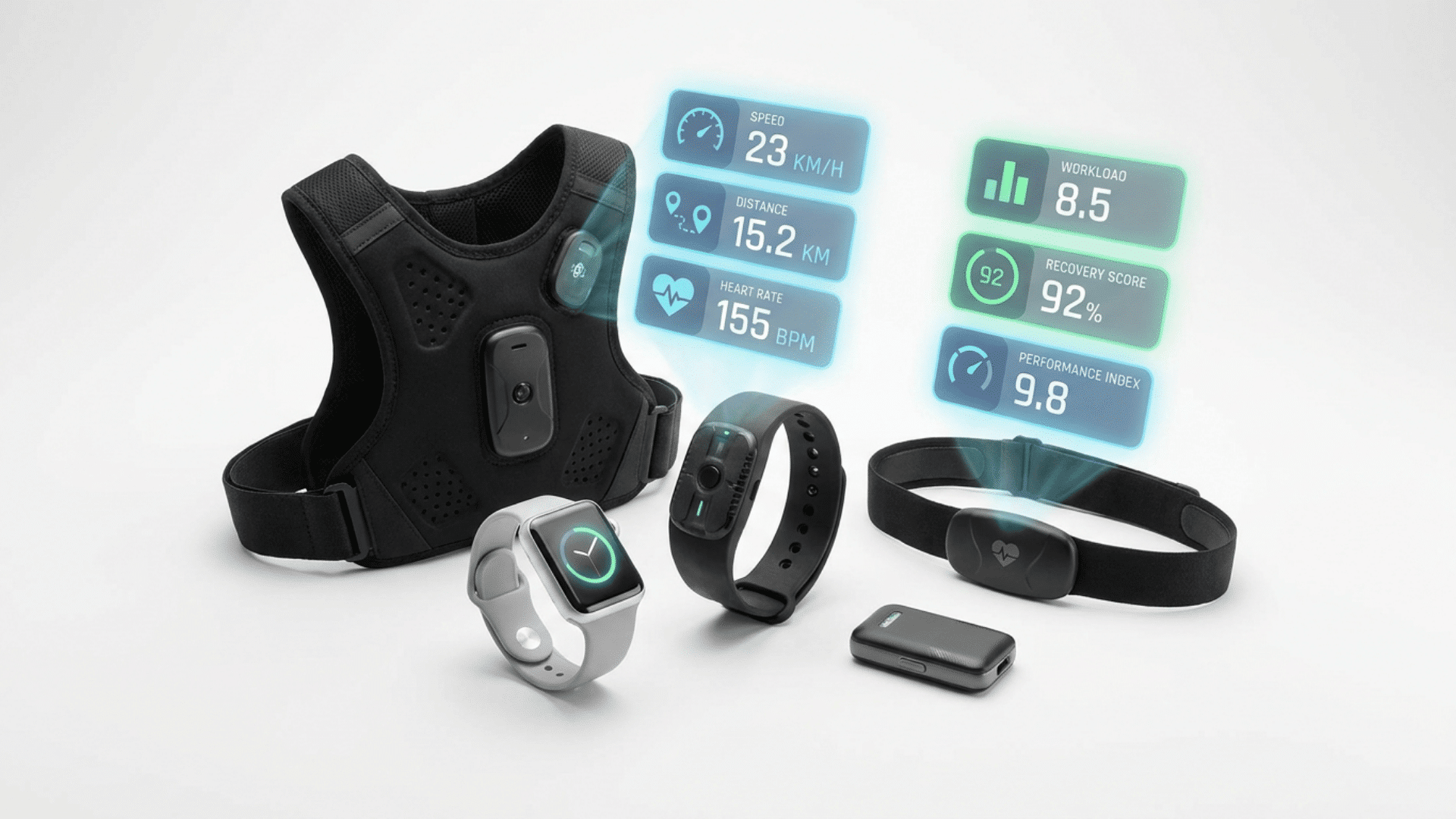
Wearable technology has become one of the most practical parts of sports technology. These devices help coaches and athletes track performance, manage training load, and reduce injury risk.
| Wearable Tool | What It Tracks | How It Helps Athletes |
|---|---|---|
| GPS tracking systems | Speed, distance, acceleration, and movement patterns | Helps coaches measure training intensity and adjust drills based on player workload |
| Smartwatches | Heart rate, sleep, steps, and general fitness data | Helps athletes understand daily health, recovery, and readiness for training |
| Biometric sensors | Blood oxygen, muscle activity, hydration, and fatigue signs | Gives trainers deeper insight into how an athlete’s body is responding |
| Real-time monitoring devices | Live workload, heart rate, and movement efficiency | Allows coaches to make quick changes during training or competition |
| Recovery tracking tools | Sleep quality, strain, recovery rate, and rest needs | Helps teams balance hard training with proper recovery to lower injury risk |
Together, these tools are changing how athletes train. They help teams spot fatigue earlier, plan better sessions, and protect players from avoidable injuries.
For professional teams, this data can support performance decisions across a full season. For amateur athletes, wearables make it easier to set realistic goals and track steady progress.
Sports Analytics is Driving Modern Team Strategy
Sports analytics helps teams use data to plan better, train better, and make smarter choices during games. It gives coaches a clearer view of what is happening on the field, rather than relying solely on instinct.
- Player Performance Evaluation: Teams use analytics to study each athlete’s stats, movement, fitness, and game impact. This helps coaches see who is performing well, who needs support, and which players fit best in certain roles.
- Opponent Analysis and Game Planning: Coaches study opponent data to find patterns in how other teams play. This can include passing habits, defensive gaps, scoring zones, or weak moments late in games. These insights help teams prepare stronger game plans.
- Predictive Analytics in Sports: Predictive analytics uses past and current data to estimate what may happen next. Teams can use it to forecast player workload, injury risk, match outcomes, or long-term performance trends.
- Video Analysis and Tactical Improvements: Video tools help teams review games in detail. Coaches can study player positioning, movement, timing, and decision-making. This makes it easier to correct mistakes and improve tactics before the next match.
Smart Equipment is Improving Performance and Safety
Smart equipment is another major part of sports technology. Modern gear can now track performance, improve comfort, and support athlete safety.
- Sensor-enabled sporting equipment: Smart balls, bats, and training tools can record movement, speed, accuracy, and technique. This gives athletes useful feedback during practice.
- Advanced materials in sports gear: Carbon fiber, titanium, and advanced polymers make equipment lighter, stronger, and easier to control.
- Smart helmets and concussion detection: Some helmets use impact sensors to measure the strength and location of hits, helping staff respond to possible concussion risks.
- Equipment innovations across different sports: From sensor-based swim gear to smart ski boots, new equipment is helping athletes train better and stay safer.
Digital Technology is Changing the Fan Experience
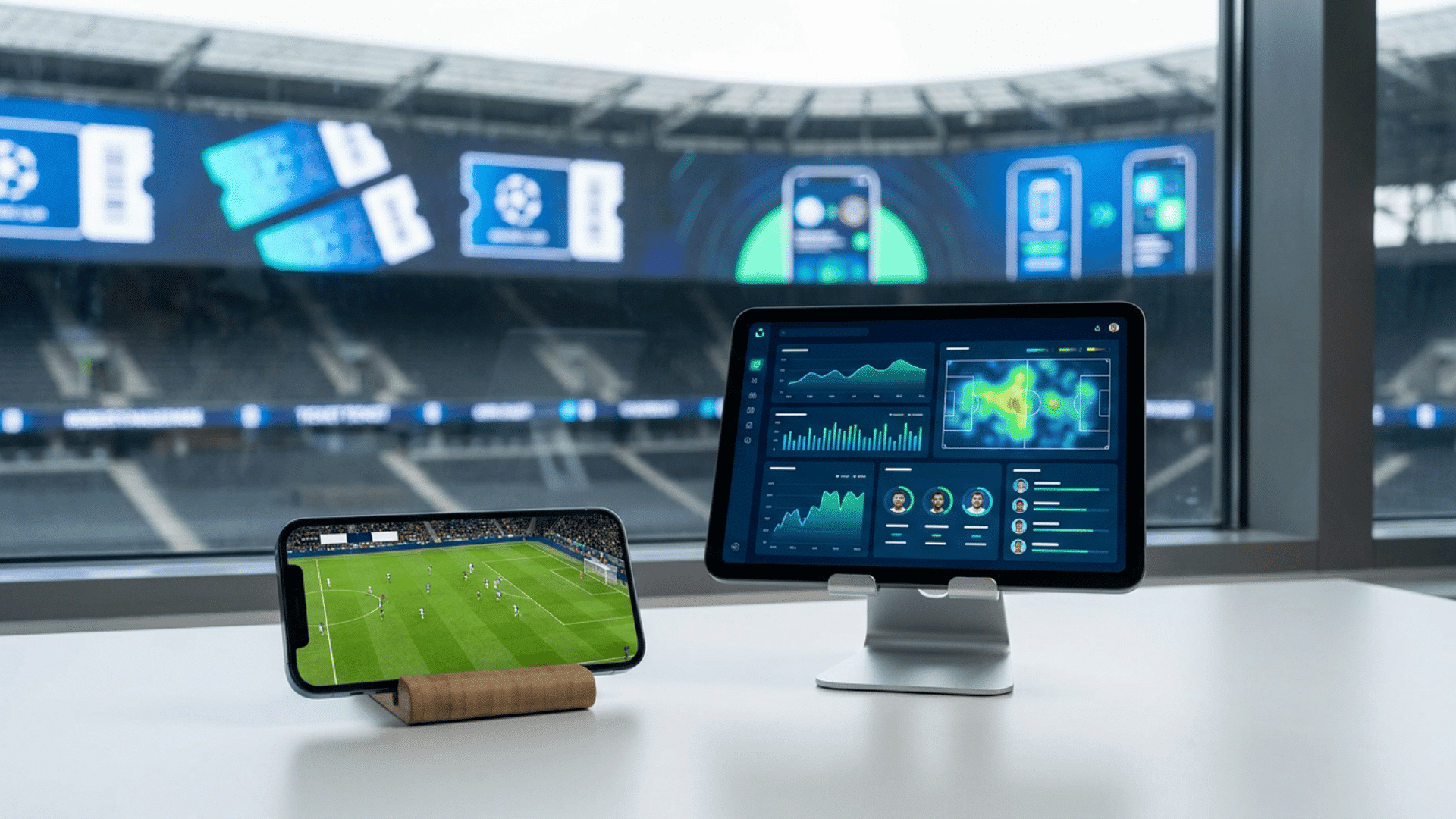
Technology is giving fans more ways to follow their favorite teams and stay connected to the action. From streaming services to interactive stadium features, digital tools are making sports more engaging than ever.
- Sports Streaming Platforms
Streaming apps allow fans to watch games from almost anywhere. Many platforms now offer live statistics, multiple camera angles, highlights, and personalized content alongside live broadcasts. - Virtual Reality and Augmented Reality Experiences
VR and AR technologies add interactive features to sports viewing. Fans can access virtual stadium views, player statistics, and enhanced game visuals that make broadcasts more engaging. - Fantasy Sports and Digital Collectibles
Fantasy leagues allow fans to build teams and compete based on real player performances. Digital collectibles and fan tokens also give supporters new ways to interact with teams and memorable sporting moments. - Smart Stadium Technology
Modern stadiums use mobile ticketing, interactive kiosks, cashless payments, and connected apps to improve convenience and create a smoother game-day experience.
The Future of Sports Technology
Sports technology continues to advance as teams, athletes, and organizations look for better ways to improve performance, increase safety, and engage fans.
While many current tools are already making an impact, several developments are expected to play an even larger role in the years ahead.
1. Machine Learning Developments
Machine learning is becoming more important in sports because it can process large amounts of data and identify patterns much faster than humans.
Teams are using it to study player performance, training workloads, injury risks, and game strategies.
As these systems become more accurate, coaches may gain deeper insights into player development and match preparation. Machine learning is expected to become a standard tool for decision-making across many sports.
As sports data continues to grow, machine learning will likely become one of the most valuable resources available to teams.
2. Growth of Esports Technology
Esports has grown from a niche activity into a major industry with professional leagues, sponsorships, and global audiences.
New gaming technology, improved graphics, and interactive viewing experiences continue to attract players and fans.
Traditional sports organizations are also investing in esports to reach younger audiences and create new business opportunities. This growth shows how technology is expanding the definition of modern sports entertainment.
The continued rise of esports highlights how technology is creating entirely new ways for people to compete and engage with sports.
3. Data Privacy and Ethical Concerns
As sports organizations collect more information from wearable devices, mobile apps, and digital platforms, questions about data privacy become more important. Athletes and fans want assurance that their personal information is stored securely and used responsibly.
There are also concerns about fairness, especially when advanced technologies are not equally available to all teams. Addressing these issues will remain a priority as sports technology becomes more widespread.
The long-term success of sports technology will depend on balancing innovation with privacy, fairness, and trust.
4. Emerging Innovations to Watch
Several technologies are expected to gain attention in the coming years. Smart stadiums, advanced wearable devices, AI-assisted coaching systems, and enhanced AR experiences are already showing strong potential.
New developments in athlete monitoring and injury prevention may also help improve performance while reducing health risks. As technology continues to advance, sports organizations will have more tools available than ever before.
The next generation of sports technology will likely focus on making sports safer, smarter, and more engaging for everyone involved.
The Bottom Line
Sports technology is now a key part of how modern sports work. It helps athletes train smarter, gives coaches better data, supports safer equipment, and creates more engaging experiences for fans.
AI, wearable devices, analytics, smart gear, streaming tools, AR, VR, and esports technology are all changing how teams prepare and how people enjoy sports.
Still, progress should come with care. As teams and leagues collect more data, they must protect privacy, use technology fairly, and keep athlete safety at the center of every decision.
For anyone following sports tech news, the next few years will be important.
Keep watching trusted updates, product launches, and team announcements to see how sports technology continues to shape the future of sports.
Frequently Asked Questions
What are the Biggest Barriers to Adopting Sports Technology?
High costs, staff training, data security, and system integration are the biggest barriers, especially for smaller teams.
How is Sports Technology Used in Refereeing?
Officials use video review, tracking cameras, and sensors to check plays, reduce mistakes, and support fair decisions. FIFA also uses a Quality Program to assess VAR technology used in official matches.
Can Amateur Athletes Benefit from Sports Technology?
Yes. Fitness trackers, smartwatches, and training apps help amateur athletes track progress, improve habits, and set realistic goals.
Which Sports Use Technology the Most Today?
Football, basketball, baseball, tennis, swimming, and cycling commonly use analytics, wearables, video tools, and smart equipment.