





Picking a phone carrier sounds simple until your call drops in the middle of a work call or your map stops loading on a road trip.
In this guide, I’ll compare the best mobile network coverage from Verizon, AT&T, T-Mobile, and lower-cost carriers that use their networks.
Current national testing gives each carrier a different advantage. Verizon performs strongly for overall coverage, while T-Mobile leads in many speed, reliability, and 5G categories. AT&T remains competitive for consistent service across cities, suburbs, and regional routes.
You’ll also learn how to check coverage at your exact address, compare official maps, test indoor service, and review plan limits before switching.
How to Check Mobile Network Coverage in Your Area
National rankings provide a useful starting point, but your home address matters more than an overall award. Use several sources before selecting a carrier:
- Check the FCC Mobile Coverage Map: Use the FCC National Broadband Map to compare reported 3G, 4G, and 5G coverage by address. You can review outdoor stationary and in-vehicle coverage.
- Remember the map’s limits: The FCC’s map guidance explains that mobile coverage results do not show indoor reception. Actual performance may vary because of terrain, tower capacity, and other local conditions.
- Review carrier coverage maps: Check the official maps from Verizon, AT&T, and T-Mobile for your home, workplace, school, commute, and regular travel routes.
- Do not rely on maps alone: Carrier maps usually show estimated outdoor coverage rather than guaranteed indoor service.
- Ask people nearby: Neighbors, coworkers, friends, and family can share useful details about dropped calls, indoor reception, data speed, and busy periods.
- Focus on local feedback: Someone using the same carrier in your neighborhood can provide more useful information than a reviewer living several states away.
- Test the network: Try a prepaid SIM, eSIM, or carrier trial before switching. Test calls, texts, data, and hotspot service at home, work, and other common locations.
Which Mobile Network Has the Best Coverage?
Current national testing gives each major carrier a different advantage. According to the Opensignal July 2026 US Mobile Network Experience Report, Verizon leads for overall coverage, T-Mobile leads in many speed, reliability, and 5G categories, and AT&T leads for time connected to a network.
The best mobile network coverage still depends on your location, building type, phone model, and daily travel routes. A carrier that performs well nationally may provide weaker service at your exact address.
1. Verizon Network Coverage

Verizon is a strong choice for people who value broad coverage across highways, smaller towns, rural areas, and different regions.
Its network often performs well where reaching a stable signal matters more than receiving the fastest possible download speed.
Verizon may suit rural residents, frequent drivers, regional workers, and families whose members live in different areas.
However, service should still be checked at the exact home, workplace, and travel locations because national coverage does not guarantee strong indoor reception.
| Best For | Main Strength | Rural Use | 5G Performance | City Use | Travel Use | Drawback |
| Nationwide and rural users | Wide LTE coverage and strong reliability | Often very strong | Good, but varies by area | Reliable in most cities | Strong for highways and road trips | Plans can cost more |
2. AT&T Network Coverage

AT&T is a balanced option for people who move between cities, suburbs, campuses, workplaces, and regional travel routes.
It may suit users who care more about steady everyday connectivity than receiving the highest speed-test result. AT&T can work well for calls, texts, maps, browsing, and streaming across mixed locations.
However, indoor reception and data speed can vary, so check the network at home, work, school, and other frequently visited places before switching.
| Best For | Main Strength | Rural Use | 5G Performance | City Use | Travel Use | Drawback |
| Balanced daily coverage | Consistent service across mixed areas | Good in many regions | Solid, but not always the widest | Strong for daily use | Good across varied routes | Speeds may not lead everywhere |
3. T-Mobile Network Coverage
T-Mobile is a strong option for people who want fast downloads, wide 5G availability, and reliable performance in cities and populated suburbs.
It often performs well for streaming, gaming, video calls, large downloads, and other data-heavy tasks. Its rural coverage has improved, but remote roads and lightly populated areas still require a local coverage check.
T-Mobile may suit city residents, regular 5G users, and people who prioritize speed over the widest possible rural reach.
| Best For | Main Strength | Rural Use | 5G Performance | City Use | Travel Use | Drawback |
| 5G and city users | Fast 5G and wide 5G availability | Improving, but location-based | Often very strong | Very strong in many metro areas | Good in cities, mixed remotely | Rural signal can vary |
Best Phone Service Provider for Travel
Verizon can be a practical option for road trips and travel between rural areas because of its broad coverage.
AT&T may work well for people moving between cities, suburbs, and regional locations, while T-Mobile often provides strong speed in cities and major travel centers.
Check the carrier’s coverage along the actual route, including highways, small towns, hotels, airports, national parks, and work sites. Do not judge travel coverage using only your home address.
For international travel, review included countries, high-speed data limits, roaming charges, Canada and Mexico benefits, daily passes, cruise coverage, and eSIM support.
Lower-Cost Carriers and their Networks
Lower-cost carriers often use the same towers as Verizon, AT&T, or T-Mobile. Their coverage may look similar, but plan features and performance can differ.
| Lower-Cost Carrier | Network Used | What to Check |
|---|---|---|
| Visible | Verizon | Data priority, hotspot speed, and international features |
| Cricket Wireless | AT&T | Plan limits, video quality, and roaming options |
| Mint Mobile | T-Mobile | Renewal price, upfront payment, and hotspot limits |
| Metro by T-Mobile | T-Mobile | Congestion rules, high-speed data, and plan extras |
| Google Fi | Mainly T-Mobile in the US | International coverage, device support, and plan type |
| Consumer Cellular | Partner networks based on location | Local network assignment, coverage, and support options |
Budget plans may have different data-priority rules, hotspot limits, roaming access, customer support, video quality, and international benefits. Compare the full plan terms instead of judging a carrier only by its monthly price.
What Affects Mobile Network Coverage?
Several things can change how well a phone connects, even when the carrier looks strong on a map. Knowing these factors makes it easier to choose the best mobile network coverage for daily use.
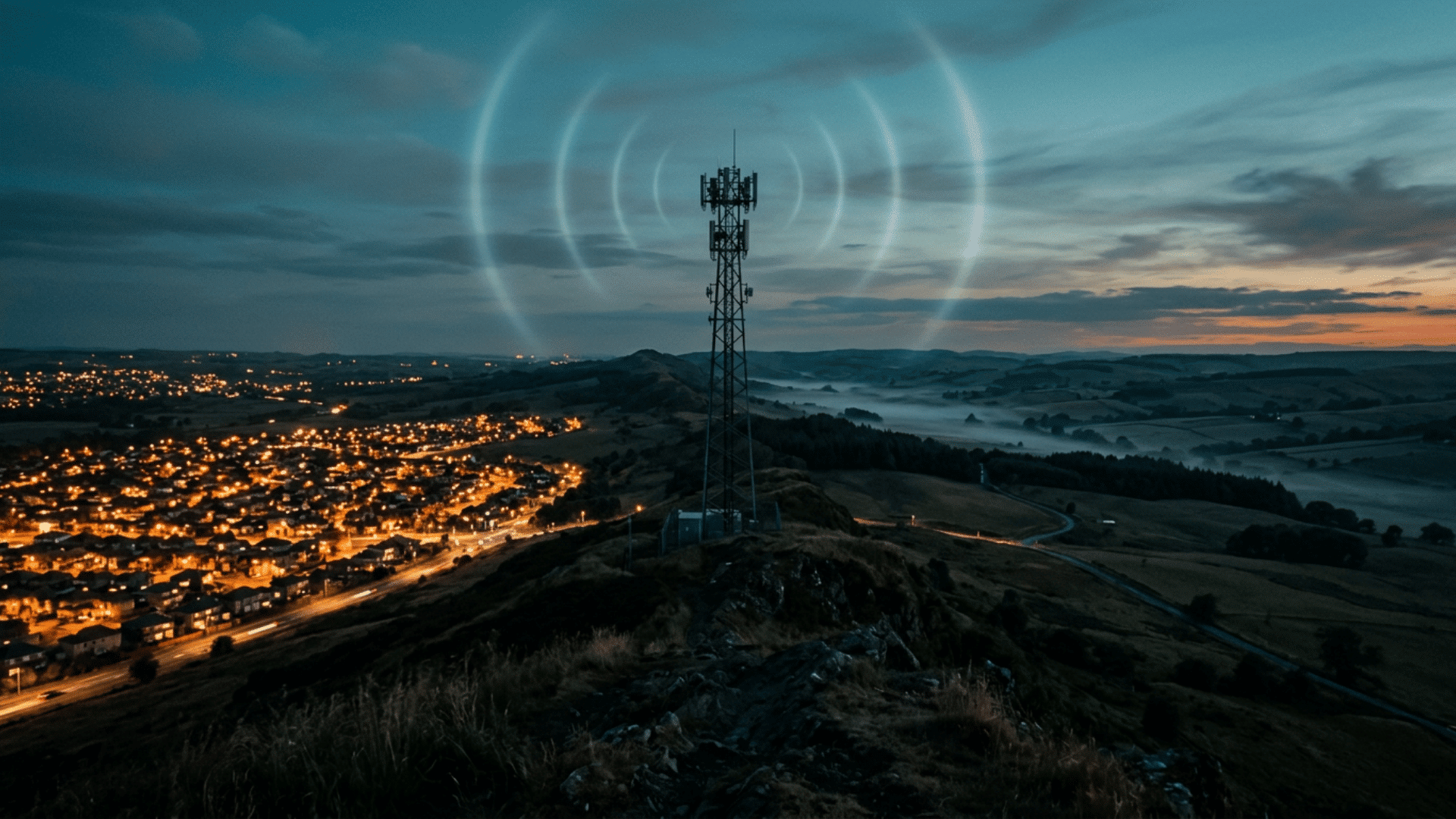
- Tower Distance: The farther a phone is from a cell tower, the weaker the signal may become. This is common in rural areas, on highways, and in places with fewer towers.
- Building Materials: Thick walls, metal roofs, concrete, and basement spaces can block or weaken signals. Indoor coverage can be very different from outdoor coverage.
- Network Traffic: Busy areas can slow data speeds when many people use the same tower. This often happens at events, malls, airports, and city centers.
- Land Shape: Hills, mountains, trees, and valleys can affect how signals travel. This is why coverage may change quickly during road trips.
- Phone Model: Newer phones often support more network bands and better 5G access. An older phone may not get the same coverage as a newer one.
- Severe Weather and Outages: Normal rain usually has little effect on mobile service. Severe storms can damage towers, interrupt power, increase emergency traffic, or prevent technicians from reaching network equipment.
How to Choose the Best Phone Service Provider
Choosing the best phone service provider should start with coverage, not price. A low-cost plan may look good, but it will not help much if calls drop, data speeds slow, or the signal is weak in everyday use.
Start by checking the places where the phone is used most:
- Home: Make sure calls, texts, and data work indoors.
- Work or School: Check signal in buildings, parking areas, and nearby streets.
- Travel Routes: Look at coverage along highways, train routes, or regular commutes.
- Frequent Spots: Check gyms, stores, parks, or family homes visited often.
After that, compare plan details such as data limits, hotspot usage, family plans, and extra fees. The best mobile network coverage should match real daily needs.
Verizon may suit rural users, T-Mobile may fit heavy 5G users, and AT&T may work well for steady everyday service.
Common Mistakes to Avoid When Choosing a Mobile Network
Small details can change how well a phone plan works in real life. Use this table to compare common mistakes with smarter choices before picking a carrier.
| Mistake | Why It Causes Problems | Better Choice |
|---|---|---|
| Choosing Only by Price | Low-cost plans may deliver a weak signal, slow data speeds, or poor call quality. | Compare price with real mobile network coverage and daily performance. |
| Trusting Coverage Maps Alone | Maps may not show indoor signal, crowded areas, or blocked zones. | Check reviews, local feedback, and real-world signal tests. |
| Ignoring Rural Travel Needs | City coverage may not work well on highways, farms, or small towns. | Choose a carrier with strong rural and regional coverage. |
| Forgetting to Check 5G Support | A 5G plan is less useful if the phone does not support carrier bands. | Match the phone model with the network’s 5G bands. |
| Not Testing Indoor Coverage | Outdoor signal does not always mean strong service inside buildings. | Test coverage at home, work, school, and common indoor spots. |
| Skipping Plan Details | Data caps, hotspot limits, fees, and throttling can reduce the value of a plan. | Read the plan terms before choosing the best mobile network coverage. |
Final Thoughts
Finding the right mobile network is not about picking the carrier with the biggest ad or the lowest price. It is about choosing the service that works where daily life happens.
The best mobile network coverage should make calls clear, keep maps loading, and keep data working without constant stress. Verizon, AT&T, T-Mobile, and smaller providers can all be good choices, but the right one depends on location and phone habits.
Before switching, check coverage maps, read local reviews, and test service when possible. A few minutes of research can prevent months of frustration.
Do you have a carrier that works great, or one that let you down? Share your experience in the comments below.
Frequently Asked Questions
Can I Switch Carriers and Keep My Phone Number?
Yes, most carriers let you keep your phone number when switching, as long as the number is active and eligible for transfer.
Why are Customers Leaving AT&T?
Some customers leave AT&T because of pricing, coverage issues in their area, plan changes, or better deals from other carriers.
What is the T-Mobile Plan for Seniors?
T-Mobile offers senior plans for customers 55 and older, often with discounted unlimited talk, text, and data options.
Do Budget Carriers Have the Same Coverage?
Budget carriers often use the same towers as major providers, but data priority, roaming, hotspot limits, customer support, and plan features may differ.
Does an Older Phone Affect Mobile Coverage?
Yes. An older phone may lack newer network bands, current 5G support, and recent carrier features, which can reduce coverage, speed, and connection quality.