





Data has become one of the most valuable assets a business can own, but only when it is properly managed.
According to IDC’s Global DataSphere forecast, the global datasphere is expected to exceed 180 zettabytes by 2025, and the challenge of organizing and extracting value from that volume is only getting harder.
Businesses today cannot afford disconnected spreadsheets or outdated systems to handle modern data complexity.
The truth is, not every tool on the market lives up to its promises. Some are too complex for the teams using them, while others lack the scalability to grow with the business.
I have reviewed dozens of platforms across features, pricing, and user feedback to build this list.
These data management tools are the ones that genuinely deliver, helping you make a confident decision without spending weeks in trial and error.
What Are Data Management Tools?
Data management tools are software platforms that help businesses collect, organize, store, process, and govern data throughout its entire lifecycle.
They are not a single category of software but a broad stack of specialized solutions, each designed to address a specific part of the data pipeline.
The key categories covered in this list include cloud data warehouses, ETL and ELT integration platforms, master data management systems, data governance and cataloging tools, and database management systems.
Some platforms serve multiple functions within a single product, while others are purpose-built for one layer of the stack.
Understanding which category your organization needs most is the starting point for choosing the right tool.
A team with clean, centralized data but no way to analyze it needs a warehouse, not a governance platform.
A team with fragmented sources needs a pipeline tool before anything else. Use the decision table at the end of this guide to match your situation to the right starting point.
Top Data Management Tools on the Market Today
The tools below span a wide range of data management functions, from cloud-scale warehousing and ETL pipelines to governance, cataloging, and master data management.
1. Microsoft Azure
Microsoft Azure offers a comprehensive suite of data services, including Azure SQL Database, Azure Data Factory, Azure Synapse Analytics, and Azure Data Catalog.
Its tight integration with Microsoft 365 and Power BI makes it a natural fit for organizations already running Microsoft infrastructure.
It supports real-time streaming, automated pipelines, and advanced analytics.
Users praise its scalability and built-in security, though many note that pricing complexity can make cost forecasting challenging at scale.
- Tool Type: Cloud data platform and management suite
- Best Suited For: Enterprises invested in the Microsoft ecosystem
- Pricing: Pay-as-you-go from $29/month; free tier available for 12 months
- Compliance: GDPR, HIPAA, SOC 1/2, ISO 27001, FedRAMP
2. Snowflake
Snowflake separates storage from compute, allowing multiple teams to query the same data simultaneously without performance issues.
It runs natively across AWS, Azure, and Google Cloud.
Key strengths include secure data sharing, time-travel query support for historical records, and a SQL-first interface accessible to analysts without deep engineering backgrounds.
Users consistently praise its ease of use, though cost governance requires close monitoring to prevent credit overruns.
- Tool Type: Cloud data warehouse
- Best Suited For: BI-focused teams, mid-market to enterprise, multi-cloud environments
- Pricing: Credit-based; enterprises typically spend $10,000 to $20,000 per month
- Compliance: SOC 1/2, HIPAA, PCI DSS, ISO 27001, FedRAMP (Government edition)
3. Databricks
Databricks pioneered the Lakehouse architecture, combining the flexibility of a data lake with the reliability of a data warehouse.
Built on Apache Spark, it supports Python, Scala, and SQL, with ACID-compliant transactions via Delta Lake.
It is the preferred platform for organizations running heavy machine learning pipelines and complex data engineering workflows.
Users highlight its power and flexibility, but consistently note that it requires significant in-house engineering expertise to manage and optimize effectively.
- Tool Type: Unified data and AI platform (Lakehouse architecture)
- Best Suited For: Data engineering teams, AI, and ML workloads
- Pricing: Usage-based; mid-sized enterprises typically spend $15,000 to $25,000 per month
- Compliance: SOC 2 Type II, HIPAA, ISO 27001, GDPR
4. Google BigQuery
Google BigQuery is a fully managed, serverless data warehouse that scales compute automatically with no infrastructure to manage.
It integrates tightly with Google Cloud services, including Vertex AI, Looker, and Pub/Sub, and supports streaming ingestion and built-in machine learning via BigQuery ML.
Its on-demand pricing works well for variable workloads but can become expensive for frequent large-scale queries.
It is best suited for organizations already embedded in the Google Cloud ecosystem.
- Tool Type: Serverless cloud data warehouse
- Best Suited For: Google Cloud-native organizations, query-heavy and variable workloads
- Pricing: On-demand at $5 per TB processed; flat-rate from $2,000/month for 100 slots
- Compliance: HIPAA, SOC 1/2/3, ISO 27001, PCI DSS, GDPR
5. Informatica IDMC
Informatica IDMC covers data integration, quality, governance, master data management, and metadata intelligence within a single cloud-native platform.
Its AI-powered CLAIRE engine automates data discovery, mapping, and quality monitoring.
It supports public, hybrid, and private cloud deployments with deep connectors for ERP and CRM systems.
Widely adopted in finance and healthcare, users rate its feature depth highly but flag a steep learning curve and high licensing costs as barriers for smaller teams.
- Tool Type: Intelligent data management cloud platform
- Best Suited For: Large enterprises needing end-to-end governance, quality, and integration
- Pricing: Premium enterprise subscription; modular service add-ons; contact vendor for quotes
- Compliance: GDPR, HIPAA, SOC 2, ISO 27001, CCPA
6. IBM InfoSphere
IBM InfoSphere includes tools for ETL via DataStage, master data management, information governance, and data quality. Its parallel processing engine reliably handles high-volume, complex transformations.
It is particularly strong for organizations in finance, healthcare, and government running mainframe or legacy infrastructure.
Users value its performance and depth of governance, but note higher costs, a steeper learning curve, and a less modern interface compared to newer cloud-native platforms.
- Tool Type: Enterprise data integration and governance suite
- Best Suited For: Large enterprises with mainframe-heavy or legacy data environments
- Pricing: Higher upfront licensing; contact IBM for enterprise quotes
- Compliance: GDPR, HIPAA, SOC 2, ISO 27001, FedRAMP
7. Talend Data Fabric
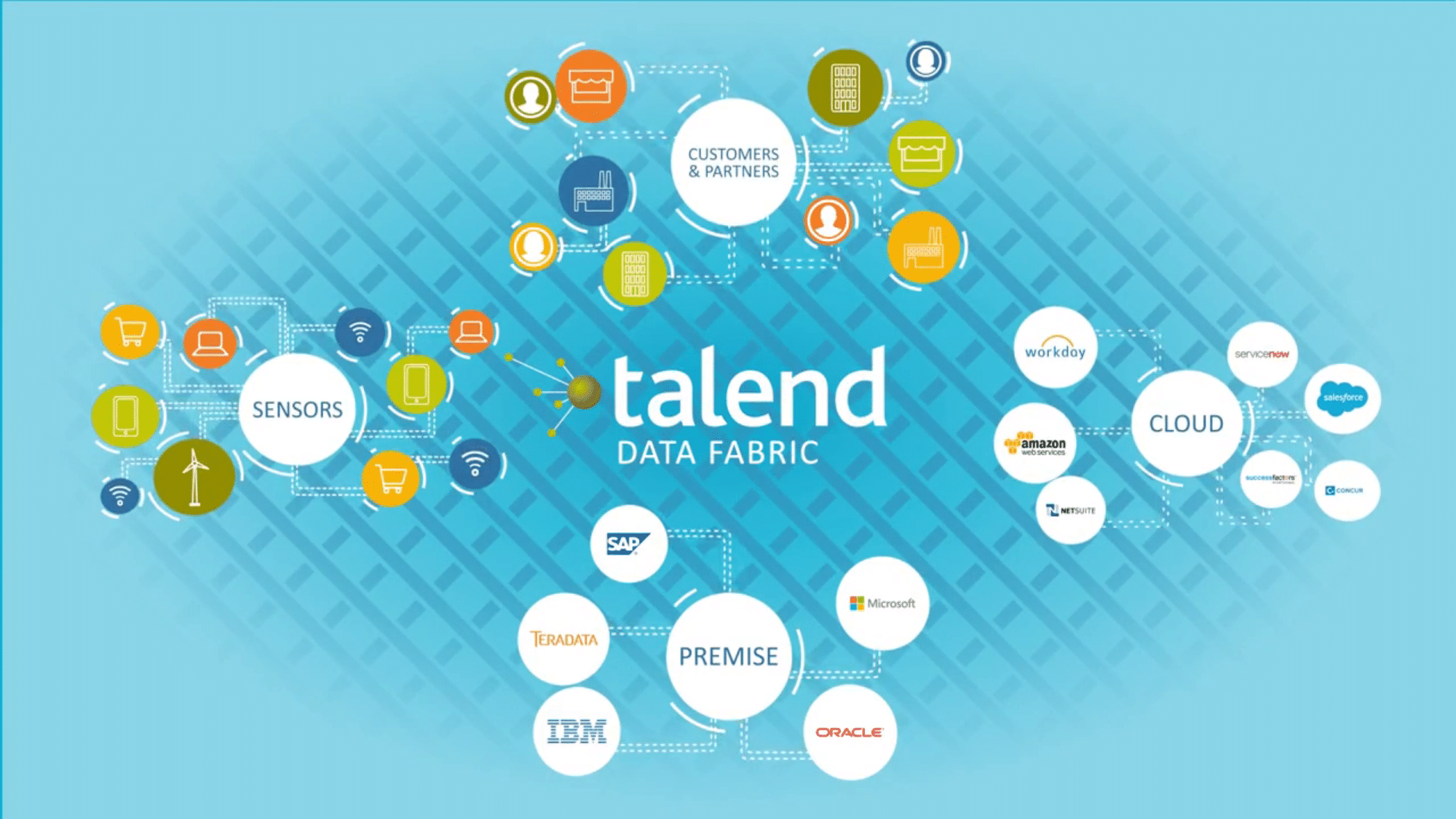
Talend, now part of Qlik’s portfolio, offers over 1,000 pre-built connectors and covers data integration, quality, preparation, cataloging, and governance in one platform.
Its Trust Score feature automatically assesses data quality across pipelines before issues affect downstream analytics. It supports on-premise, cloud, and hybrid deployments.
Users value its flexibility and open-source heritage, though enterprise configurations can be complex to set up and require dedicated technical resources.
- Tool Type: Data integration, quality, and governance platform
- Best Suited For: Enterprises needing hybrid deployment with strong data quality enforcement
- Pricing: Capacity-based subscription across four tiers; on-premise options available
- Compliance: GDPR, HIPAA, SOC 2, ISO 27001
8. Oracle Cloud Data Management
Oracle Cloud Data Management includes Oracle Autonomous Database, Oracle Data Integrator, and Oracle Enterprise Data Management Cloud.
Its Autonomous Database uses machine learning to automate tuning, patching, and security without manual DBA intervention.
It is especially effective for organizations running Oracle ERP or Fusion applications where native integration reduces complexity.
Users rate it highly for performance and enterprise-grade reliability, but flag high licensing costs and steep complexity for teams without prior Oracle experience.
- Tool Type: Cloud data management and database platform
- Best Suited For: Oracle-heavy enterprises, high-performance database workloads
- Pricing: Subscription and pay-as-you-go options; contact Oracle for enterprise pricing
- Compliance: GDPR, HIPAA, SOC 1/2, ISO 27001, FedRAMP
9. AWS Data Services
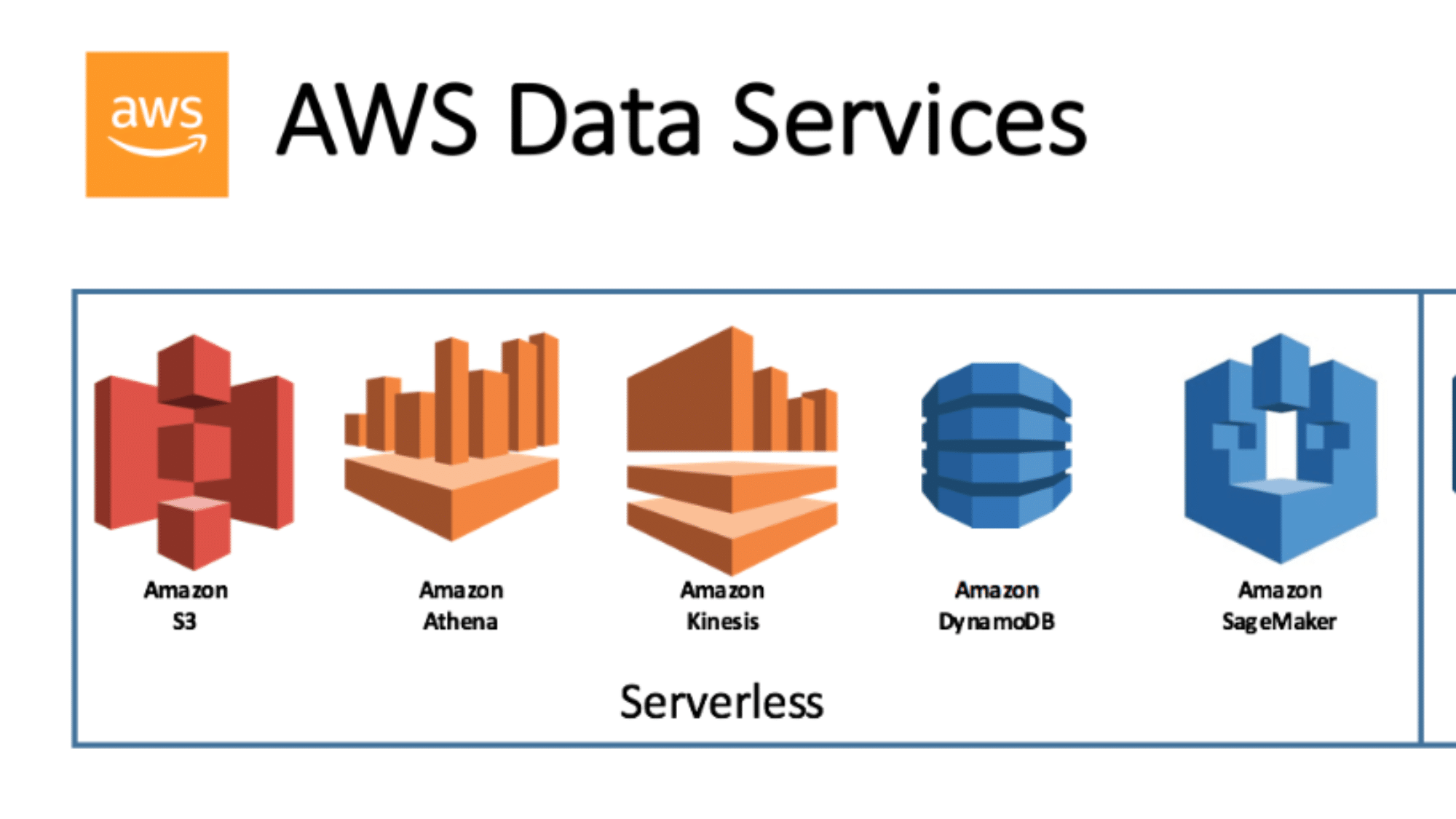
AWS offers a broad collection of data services, including Amazon S3, Amazon Redshift, AWS Glue, Amazon RDS, and Amazon DynamoDB.
Rather than a single unified platform, AWS gives teams fine-grained control over every layer of the data stack. It is ideal for organizations that want flexible, highly customizable cloud-native architectures.
Users value the breadth of services and scalability, but note that managing multiple services simultaneously requires strong cloud engineering expertise.
- Tool Type: Modular cloud data management ecosystem
- Best Suited For: Engineering-led teams building custom data architectures on AWS
- Pricing: Pay-as-you-go across individual services; free tier available
- Compliance: HIPAA, PCI DSS, SOC 1/2/3, ISO 27001, FedRAMP, GDPR
10. Microsoft SQL Server
Microsoft SQL Server is a mature, enterprise-grade relational database platform offering advanced data integration, built-in analytics, high availability, and robust security features, like authentication, authorization, and encryption.
It integrates seamlessly with other Microsoft products and supports complex queries, transactions, and reporting workloads.
Users consistently rate it as one of the most reliable data management systems available, particularly for organizations that prefer on-premises or hybrid deployments.
- Tool Type: Relational database management system (RDBMS)
- Best Suited For: Enterprises needing on-premise or hybrid relational database management
- Pricing: Developer edition free; Standard from $899; Enterprise from $14,256 per core
- Compliance: GDPR, HIPAA, SOC 2, ISO 27001, FedRAMP (via Azure SQL)
11. SAP Master Data Governance (MDG)
SAP MDG provides centralized governance for master data across domains, including business partners, products, suppliers, and financials.
It integrates natively with SAP S/4HANA and supports workflows for data approval, validation, and deduplication.
The platform propagates governed master data across connected SAP applications, including SAP Ariba and SAP SuccessFactors.
It is the strongest MDM option for SAP-dominated environments, though organizations with heterogeneous, non-SAP landscapes may find its scope more limiting.
- Tool Type: Master data management platform
- Best Suited For: Enterprises deeply embedded in the SAP ecosystem
- Pricing: Bundled with SAP licensing; contact SAP for enterprise quotes
- Compliance: GDPR, SOX, ISO 27001 (inherits SAP BTP certifications)
12. Fivetran
Fivetran is a fully managed ELT platform with over 500 pre-built connectors covering SaaS applications, databases, and ERPs.
It automates schema migration and pipeline management, so teams can focus on analysis rather than infrastructure.
It loads raw data directly into warehouses such as Snowflake, BigQuery, and Databricks, where transformations occur post-load.
Users consistently praise its reliability and ease of setup, making it a popular choice for analytics teams that want fast time-to-value.
- Tool Type: Managed ELT data pipeline platform
- Best Suited For: Teams wanting automated, low-maintenance pipelines into cloud warehouses
- Pricing: Free up to 500,000 monthly active rows; Standard and Enterprise plans available; Business Critical for regulated industries
- Compliance: SOC 2 Type II, HIPAA (Business Critical plan), GDPR, ISO 27001
13. Hevo Data
Hevo Data is a fully managed, cloud-based integration platform that moves data in near real-time from over 150 sources into warehouses such as Snowflake, BigQuery, Redshift, and Databricks.
Its no-code interface makes it accessible to non-engineering users, while Python support gives data teams additional flexibility.
Users highlight its strong customer support, fast onboarding, and reliable pipeline. It is a practical choice for mid-sized teams that need enterprise-level automation without enterprise-level complexity.
- Tool Type: No-code data integration and pipeline platform
- Best Suited For: Growing teams needing fast setup and minimal maintenance
- Pricing: Free up to 1 million events from 50+ sources; Starter from $239/month
- Compliance: SOC 2 Type II, GDPR, HIPAA
14. Collibra
Collibra is a purpose-built data governance platform offering a Business Glossary, Policy Manager, Reference Data management, and Collibra Assessments.
It supports data lineage tracking, workflow-based governance, role-based access, and compliance reporting across regulatory frameworks.
Organizations use it to establish accountability and consistency across large, distributed data environments.
Users value its depth of governance and collaboration features, though its high cost and implementation complexity make it more accessible to mature, enterprise-level data teams.
- Tool Type: Data governance and cataloging platform
- Best Suited For: Large enterprises prioritizing data governance, compliance, and data literacy
- Pricing: Enterprise subscription; base pricing typically starts around $198,000/year; contact vendor for quotes
- Compliance: GDPR, CCPA, HIPAA, SOC 2 Type II, ISO 27001
15. Alation

Alation is a leading data catalog platform used by data and analytics teams to search, understand, and trust their data assets.
It documents data ownership, policies, definitions, and lineage, making it easier for business users to find and use the right datasets.
It integrates with major data warehouses, BI tools, and ETL platforms.
Users appreciate its strong search and collaboration features, though like Collibra, it represents a significant financial commitment best suited to organizations with mature data programs.
- Tool Type: Data catalog and governance platform
- Best Suited For: Enterprises improving data literacy, discoverability, and governance maturity
- Pricing: Enterprise subscription; contact Alation for custom quotes
- Compliance: SOC 2 Type II, GDPR, ISO 27001
16. Talend Open Studio
Talend Open Studio is the open-source version of Talend’s integration platform, offering visual data pipeline design, ETL capabilities, and connectivity to a wide range of databases and file formats.
It is a practical entry point for teams that need data integration capabilities without enterprise licensing costs.
While it lacks the advanced governance, real-time features, and support of the full Talend Data Fabric suite, it is highly regarded among developers for its flexibility and customizability.
- Tool Type: Open-source data integration tool
- Best Suited For: Smaller teams or organizations seeking a free, flexible ETL solution
- Pricing: Free and open-source; paid upgrade available via Talend Data Fabric
- Compliance: Compliance responsibility falls on the deploying organization; no built-in certifications
17. Stitch
Stitch, now part of the Talend portfolio, is a developer-first ELT tool built on the open-source Singer standard.
It connects popular SaaS applications like Salesforce, HubSpot, and Google Analytics to modern data warehouses, including Snowflake, Redshift, and BigQuery.
It focuses on simplicity, transparency, and affordable pricing, making it ideal for growing teams that need to centralize data quickly without significant upfront investment or infrastructure management.
Users value its straightforward setup and predictable replication behavior.
- Tool Type: Lightweight ELT data pipeline tool
- Best Suited For: Small to mid-sized businesses needing simple, affordable data pipelines
- Pricing: Free tier available; paid plans based on row volume; contact Talend for current pricing
- Compliance: SOC 2 Type II, GDPR
Which Data Management Tool Is Right for You?
The table below maps common business needs to the most suitable tool from this list to help you narrow down your options faster.
| Business Need | Best Tool | Why | Deployment |
|---|---|---|---|
| Cloud-scale data warehousing | Snowflake | Best-in-class multi-cloud architecture and ease of use | Cloud |
| Enterprise data governance | Collibra | Purpose-built for governance, lineage, and compliance | Cloud / On-prem |
| End-to-end data integration | Informatica IDMC | Robust connectors, AI automation, and governance in one | Cloud / Hybrid |
| Open-source flexibility | Talend Open Studio | Free, customizable, and widely supported by developers | On-prem |
| SAP-native master data management | SAP MDG | Deep S/4HANA integration and multi-domain governance | Cloud / Hybrid |
| AI and ML workloads | Databricks | Unified analytics and ML in one Lakehouse platform | Cloud |
| Microsoft ecosystem management | Microsoft Azure | Broad service coverage and native Microsoft integration | Cloud / Hybrid |
| Data cataloging and discoverability | Alation | Strong search, lineage, and governance documentation | Cloud / On-prem |
Key Features to Look for in Data Management Tools
Choosing the right tool depends on how well it handles your data needs. These features help you manage, protect, and use data in a simple and reliable way.
- Data Integration: Helps connect data from different sources like apps, databases, and files. This makes it easy to bring everything into one place without manual work.
- Data Quality Management: Keeps data clean, accurate, and free from errors. It helps remove duplicates and fix missing or incorrect entries.
- Scalability: Allows the tool to handle more data as your needs grow. You won’t need to switch tools when your data size increases.
- Security and Access Control: Protects data from unauthorized access. It lets you control who can view, edit, or manage the data.
- Automation Features: Reduces manual work by automating tasks like updates and reports. This saves time and lowers the chance of human error.
- Compliance Support: Ensures the tool follows legal and industry rules. It helps avoid risks related to data privacy and regulations.
- Reporting and Analytics: Turns data into useful insights through reports and dashboards. This helps you understand trends and improve decision-making.
Red Flags to Watch for when Evaluating Data Management Tools
When I check a data management tool, I watch for a few clear warning signs. Poor data security is a big issue because weak protection can lead to data loss or leaks.
If the tool has slow performance, it can delay work and affect daily tasks.
I also avoid tools with limited integration, since they won’t connect well with other systems. Another red flag is a hard-to-use interface, which makes simple tasks take longer.
If there is no clear backup system, data recovery becomes risky. I stay cautious of hidden costs that show up later.
Tools with poor customer support can also cause problems when issues arise. These signs help me decide what to avoid.
Conclusion
No single data management tool does everything well for every organization. The right choice depends on your team size, data maturity, existing infrastructure, and the specific problems you are trying to solve.
Whether you need a scalable cloud warehouse, a reliable ETL pipeline, or a lightweight integration solution, this list provides a clear, honest starting point for comparison.
The most effective data stacks often combine two or more specialized tools rather than relying on a single platform to do it all.
As data volumes continue to grow and compliance requirements tighten, investing in the right tools today will pay dividends in efficiency, accuracy, and business agility for years to come.
Found this guide useful? Drop a comment below with the tool you are currently evaluating, or share it with a colleague navigating the same decision.