
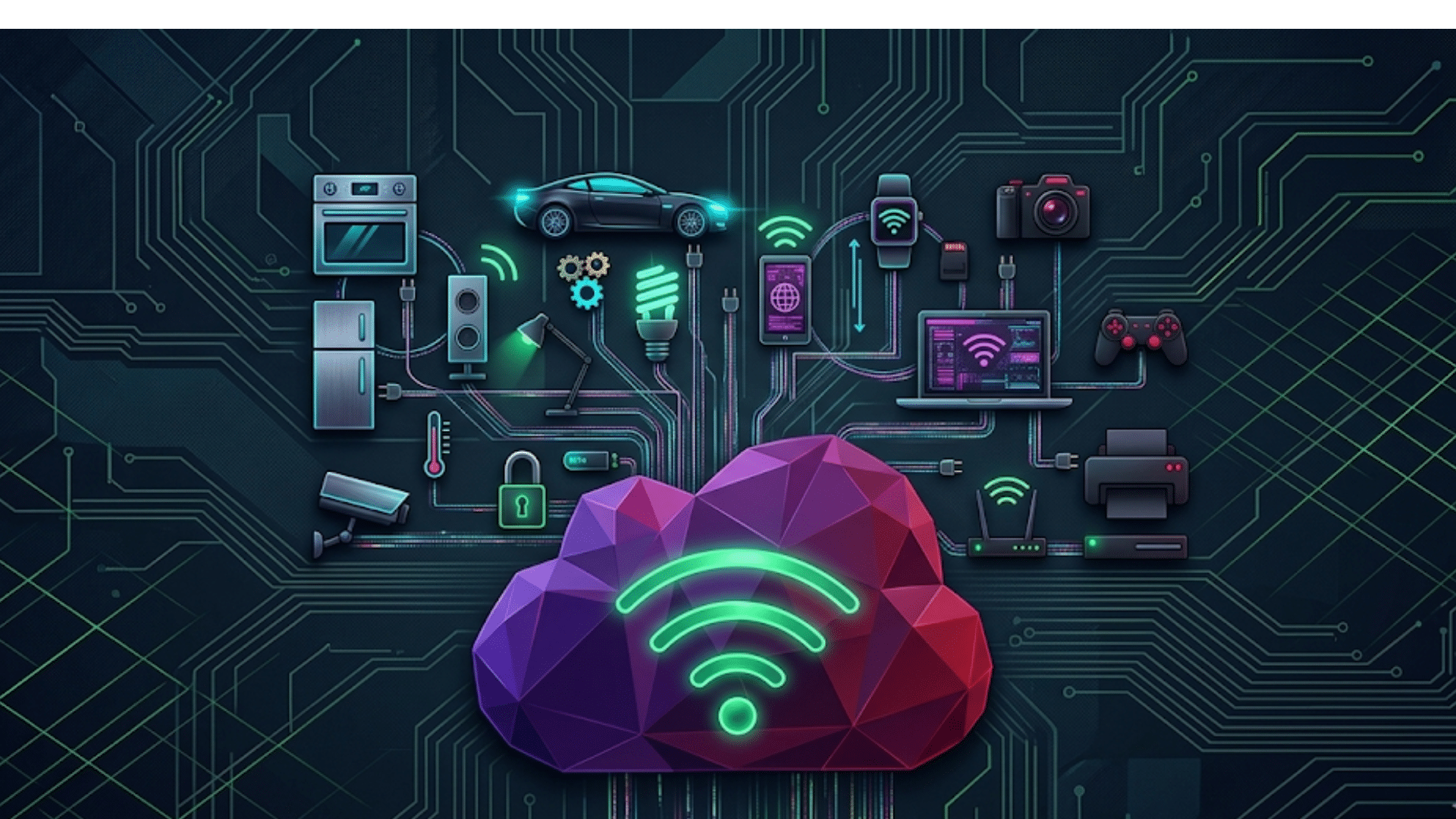



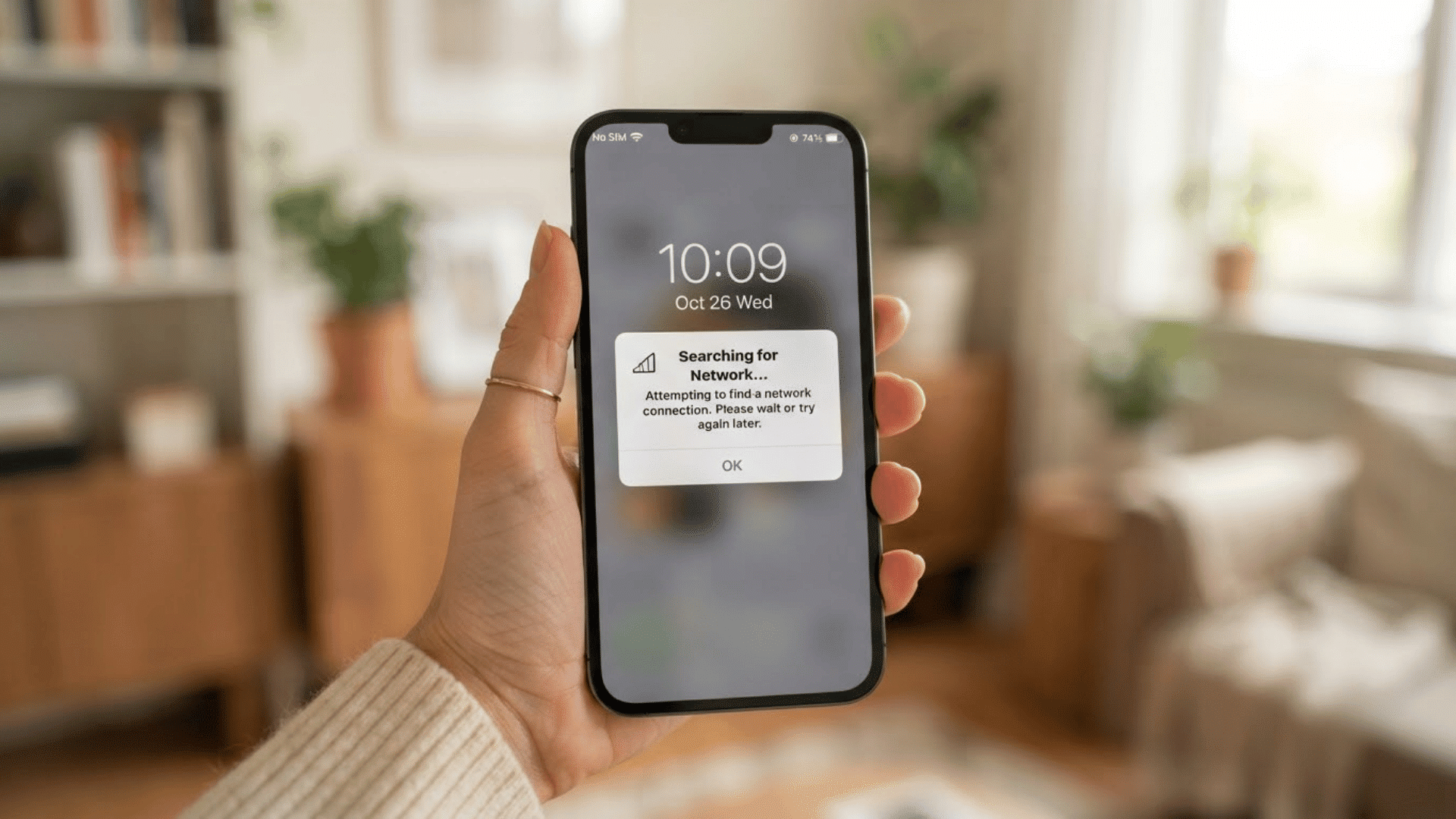
I’ve always found it interesting how everyday devices connect and work together without much effort on our part. When I started looking into examples of IoT devices, I noticed how common these tools are in daily life.
From lights you control with your phone to watches that track your steps, many devices now share data in simple ways.
In this article, I’ll share some internet-enabled devices you can see around you.
I’ll explain how they work, where they are used, and why they matter in simple terms. You’ll also find clear examples across homes, healthcare, and business.
If you want a clear and easy guide, this will help you understand how IoT smart devices fit into your daily routine and make small tasks easier.
What Are IoT Devices?
IoT devices are everyday objects that connect to the internet and share data with each other. These devices use sensors and software to collect information and send it to your phone, app, or other connected systems.
In simple terms, they turn normal items into smart tools you can control or monitor.
For example, I can turn on my room lights using my phone, or check my steps and heart rate on a smartwatch while walking.
Even things like a smart TV, a Wi-Fi camera, or a doorbell that streams live video to your phone are part of this system.
Most internet-enabled devices connect through Wi-Fi or Bluetooth and work quietly in the background.
You may not always notice them, but they help save time and make daily tasks easier. From home to travel, these devices are now a normal part of daily life.
How IoT Devices Work in Daily Life?
IoT devices collect data from sensors and send it over the internet to apps or other devices, where it is processed and used to perform actions.
In daily life, most internet-enabled devices follow a simple cycle: collect, send, and respond.
For example, a smart thermostat uses sensors to track room temperature and adjust it based on your settings, without you having to touch it.
A fitness tracker collects steps, heart rate, and sleep data, then sends it to your phone so you can check your progress anytime.
Even a smart doorbell detects motion, sends alerts, and lets you see live video from anywhere.
You’ll notice these IoT device examples are already part of your routine. From turning off lights with your phone to getting alerts from your home camera, these devices work quietly in the background.
According to Eurostat, today over 70% of people use internet-enabled devices daily, showing how normal this connected system has become.
IoT Devices Examples in Daily Life
Smart homes use internet-connected devices to make daily tasks easier and faster. These devices help control lighting, security, and appliances more efficiently.
1. Smart Speakers
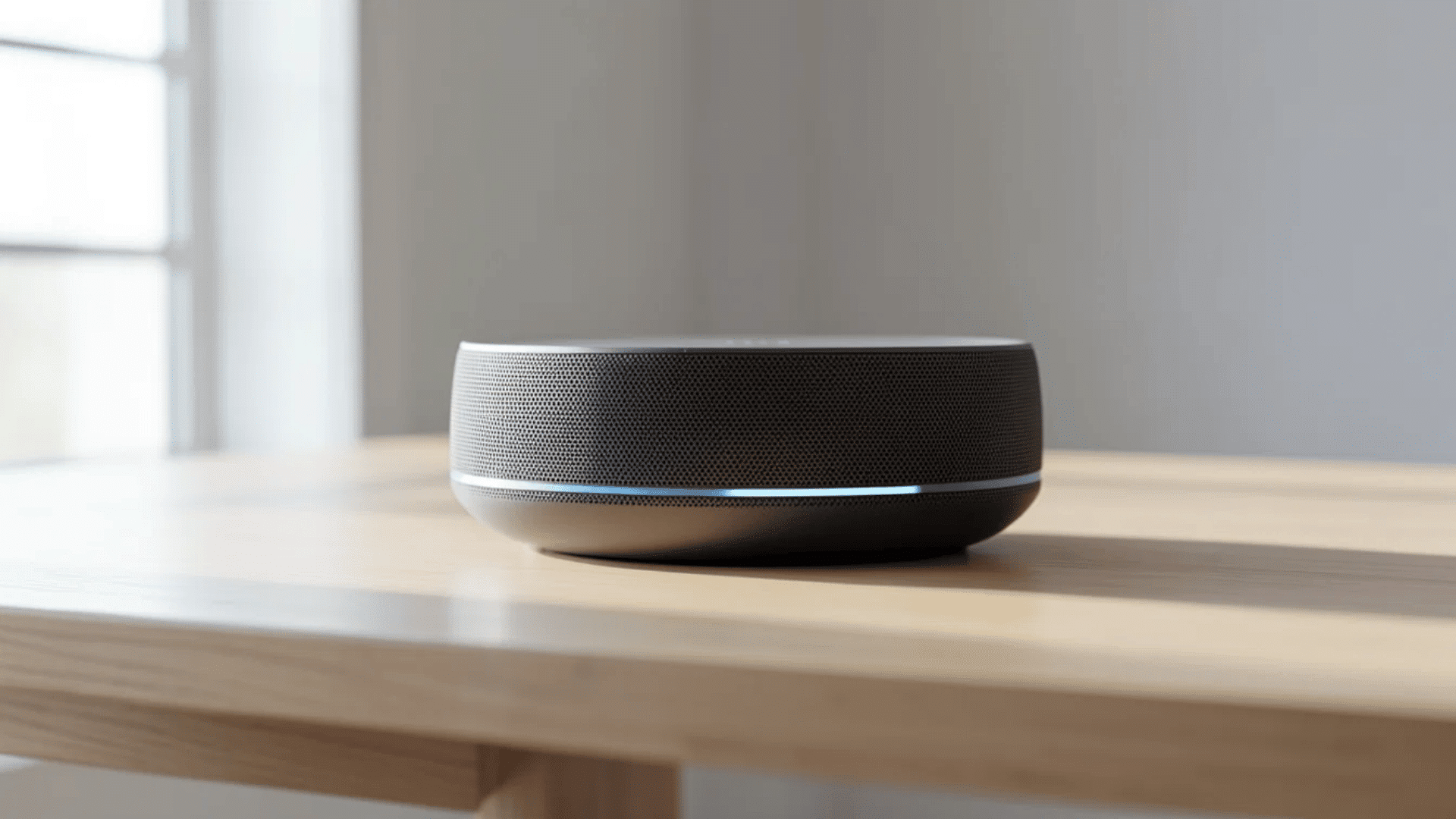
Smart speakers are internet-connected audio devices that use voice recognition to perform tasks and respond to user commands.
They are used for playing music, setting reminders, checking weather updates, and controlling other smart devices in a home environment.
These devices use microphones to capture voice commands, send them to cloud servers, and return AI-generated responses.
Smart speakers are widely used as central hubs in smart homes, helping manage connected devices, automate daily tasks, and provide hands-free control for improved convenience.
2. Smart Thermostats
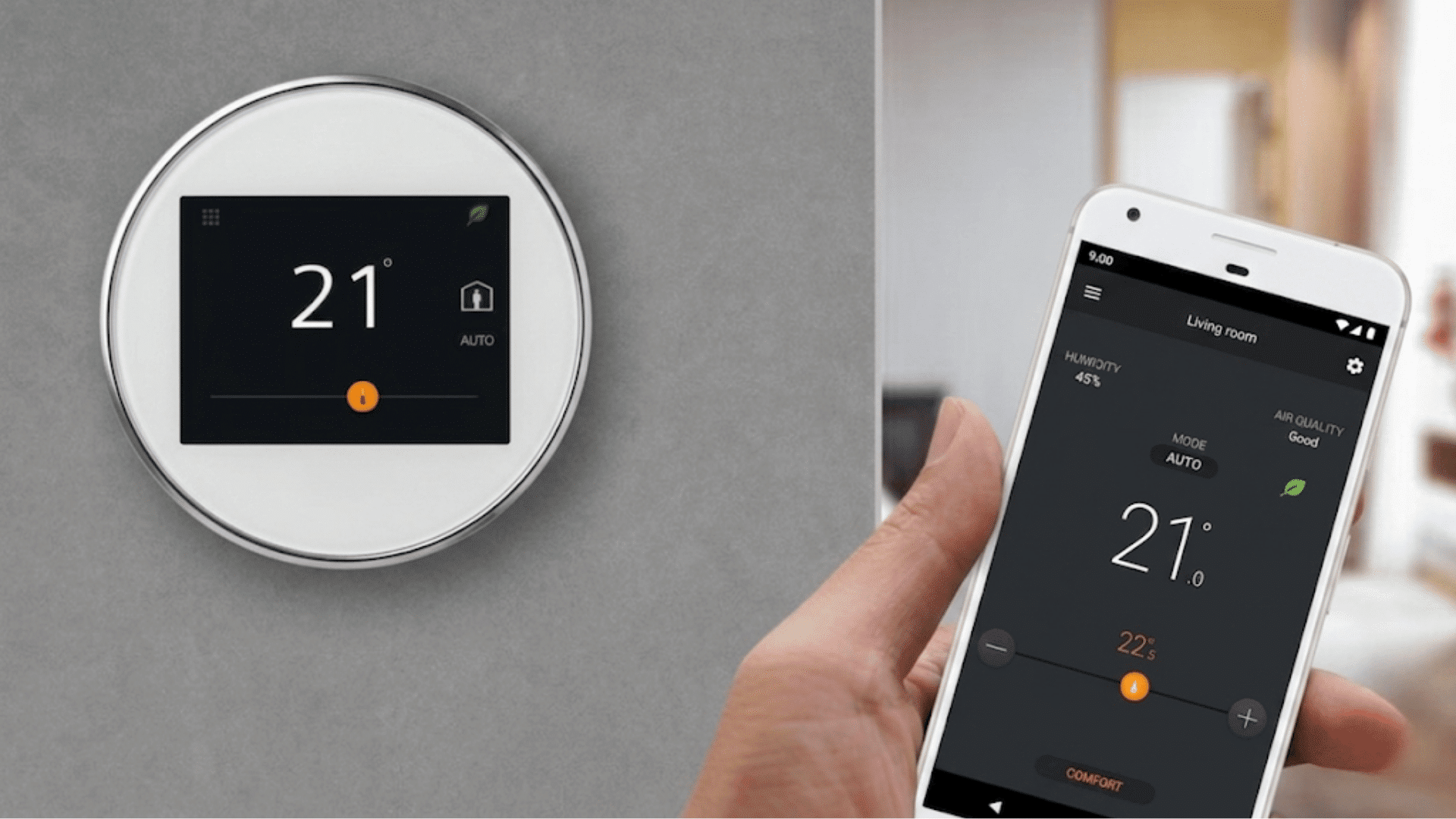
Smart thermostats are connected devices that control indoor temperature using sensors, internet connectivity, and automated settings.
They are used to manage heating and cooling systems efficiently in homes and offices.
These devices work by collecting temperature data, learning user habits, and adjusting settings automatically based on preferences.
Smart thermostats are used to reduce energy consumption, lower electricity bills, and maintain consistent indoor comfort without requiring frequent manual adjustments.
3. Smart Locks
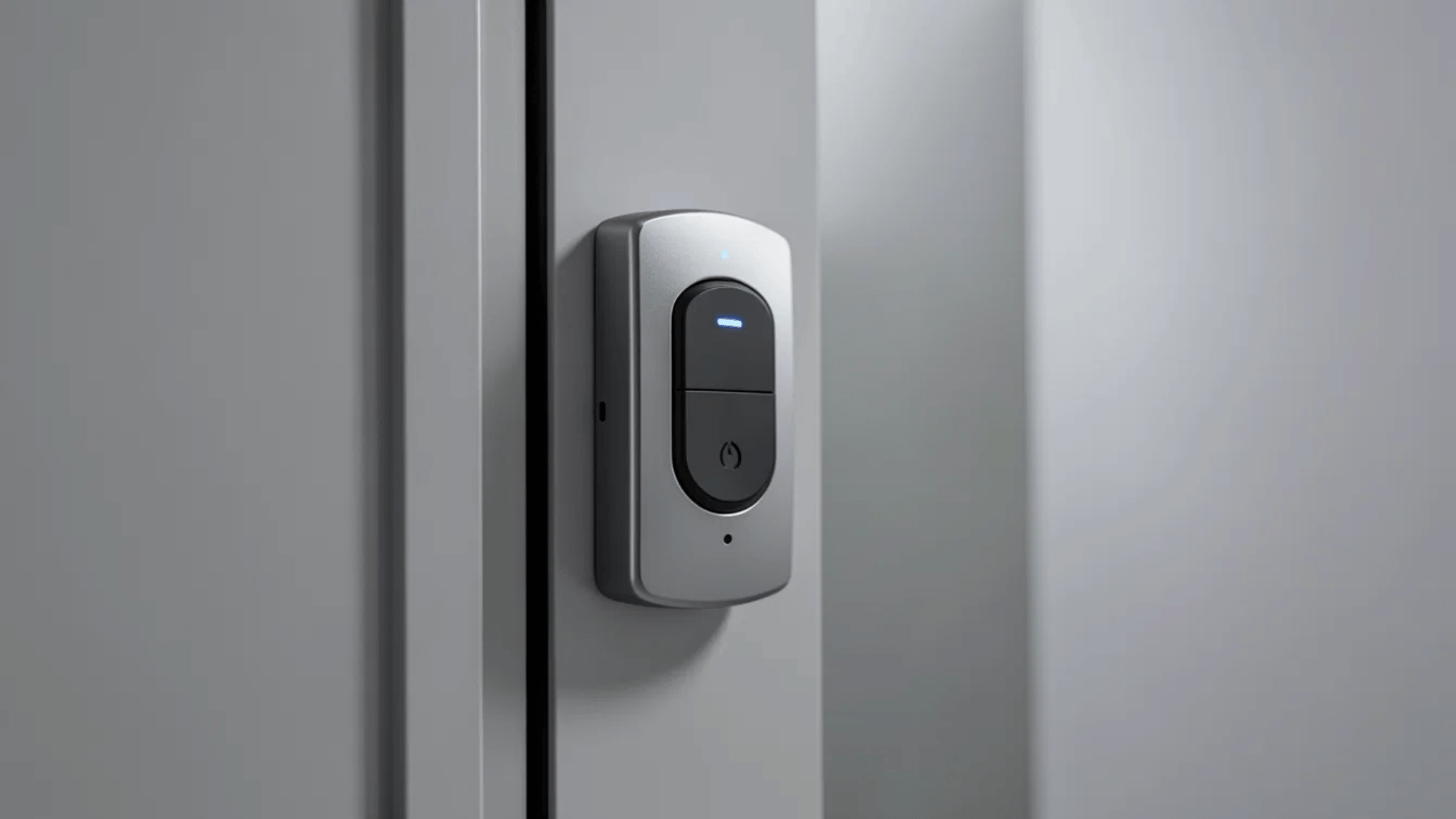
Smart locks are digital locking systems that replace traditional keys with electronic access methods such as mobile apps, PIN codes, or biometric scanning.
They are used to improve security and provide convenient access control. These devices work by connecting to Wi-Fi or Bluetooth and enabling remote locking and unlocking via applications.
Smart locks are used in homes and offices to manage entry permissions, track access history, and eliminate the need for physical keys while enhancing overall safety.
4. Smart Refrigerators
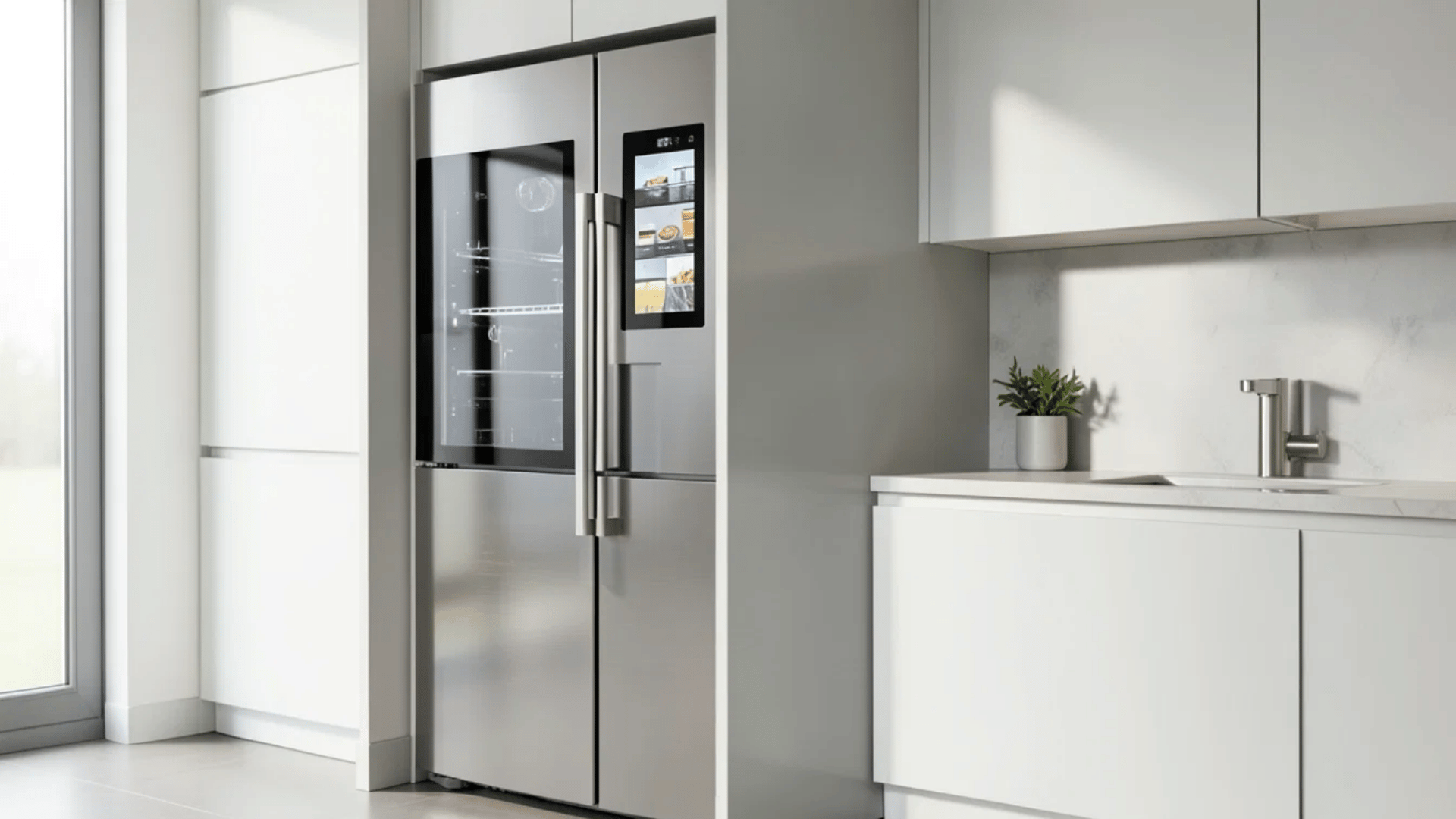
Smart refrigerators are advanced kitchen appliances equipped with sensors, internet connectivity, and digital interfaces.
They are used to store food while also offering features such as inventory tracking and alerts.
These devices use internal cameras and sensors to monitor stored items and send data to mobile applications.
Smart refrigerators are used to manage groceries, reduce food waste, track expiration dates, and provide suggestions based on available items, improving overall kitchen efficiency.
5. Smart TVs

Smart TVs are internet-connected televisions that support streaming services, applications, and digital content without the need for external devices.
They are used for entertainment, including watching videos, browsing content, and accessing online platforms.
These devices work by integrating operating systems that allow internet access and app functionality.
Smart TVs are widely used in homes to replace traditional cable systems, offering more flexibility, better content access, and enhanced viewing experiences through connected features.
6. Smart Doorbells
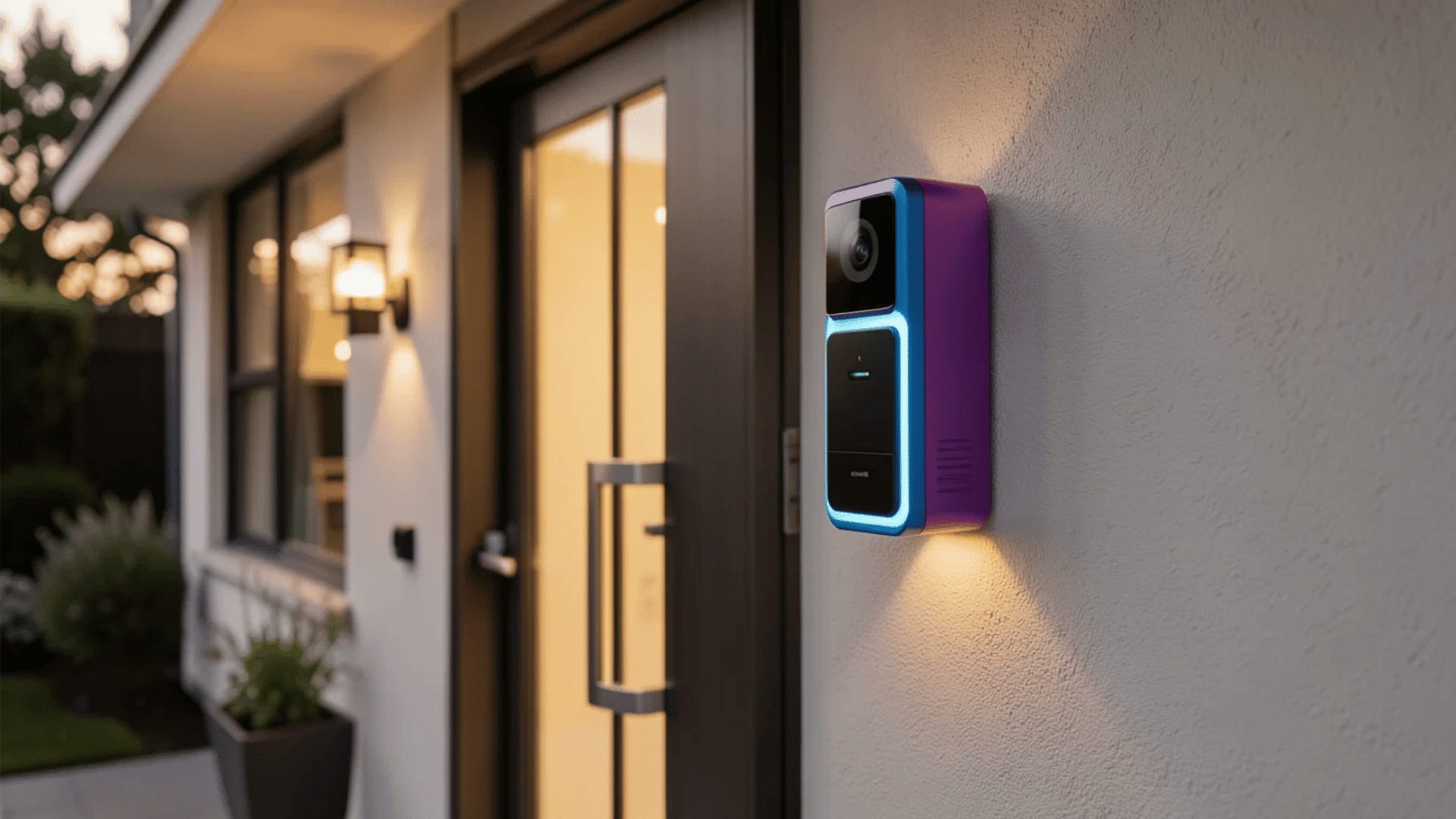
Smart doorbells are connected security devices equipped with cameras, microphones, and motion sensors to monitor entry points.
They are used to detect visitors and enhance home security.
These devices capture video, detect motion, and send real-time alerts to mobile applications.
Smart doorbells are used to view live video, communicate with visitors remotely, and record activity for later review, helping improve safety and awareness at home entrances.
7. Smartwatches
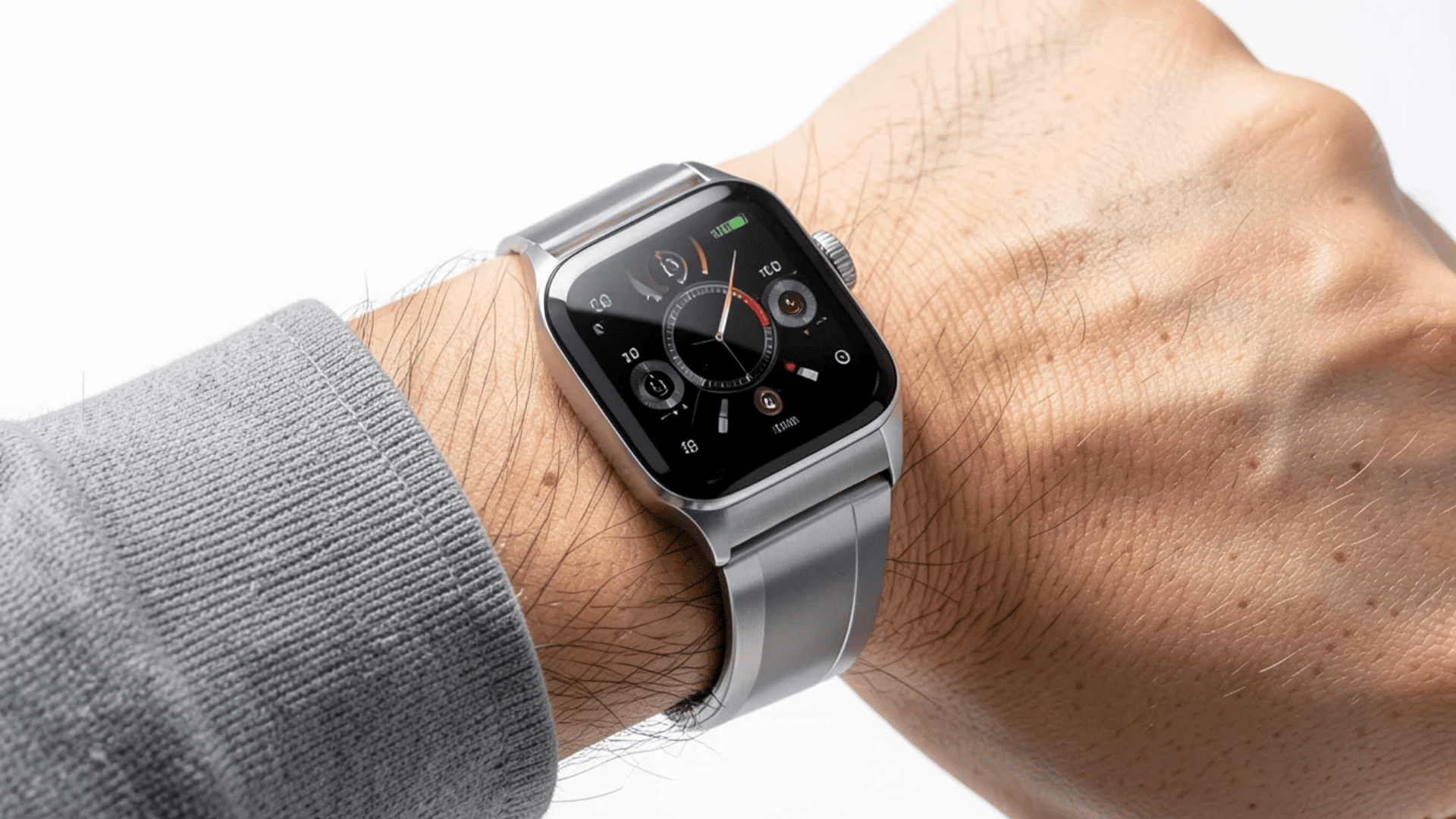
Smartwatches are wearable devices that combine timekeeping with digital connectivity and health tracking features.
They are used to monitor fitness, receive notifications, and track health data such as heart rate and sleep. These devices use built-in sensors and connect to smartphones via apps.
Smartwatches are widely used for daily communication, activity tracking, and quick access to important information, without constantly needing to use a phone.
8. Fitness Trackers
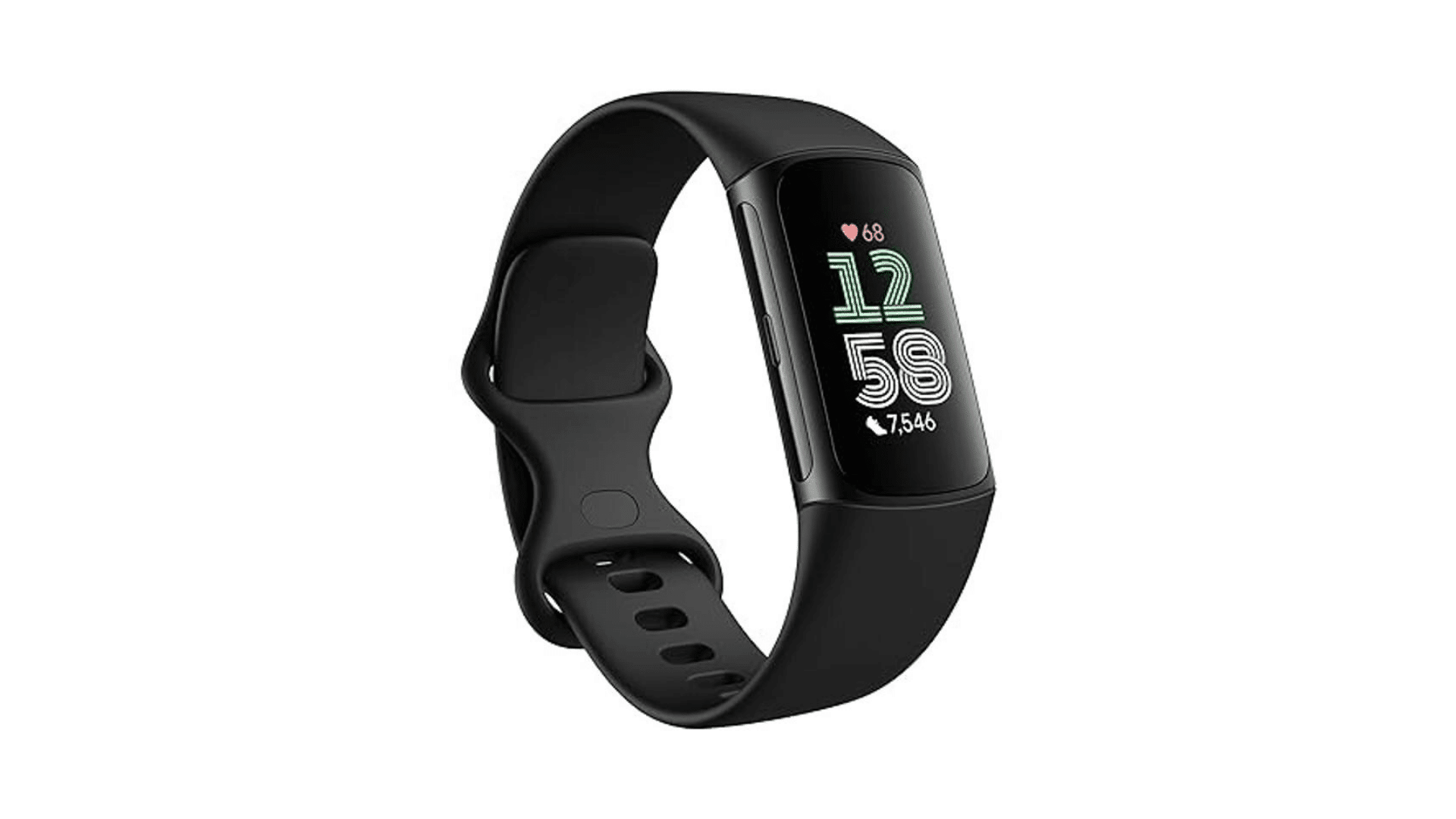
Fitness bands are wearable devices designed to track physical activity and health metrics throughout the day. They are worn on the wrist and are lightweight for regular use.
These devices monitor steps, calories burned, sleep patterns, heart rate, and overall activity levels.
They use built-in sensors to collect real-time data and sync it with mobile apps via Bluetooth.
Fitness bands support healthy habits, help users set goals, track progress, and provide clear insights into daily physical activity and long-term health trends.
9. Glucose Monitors
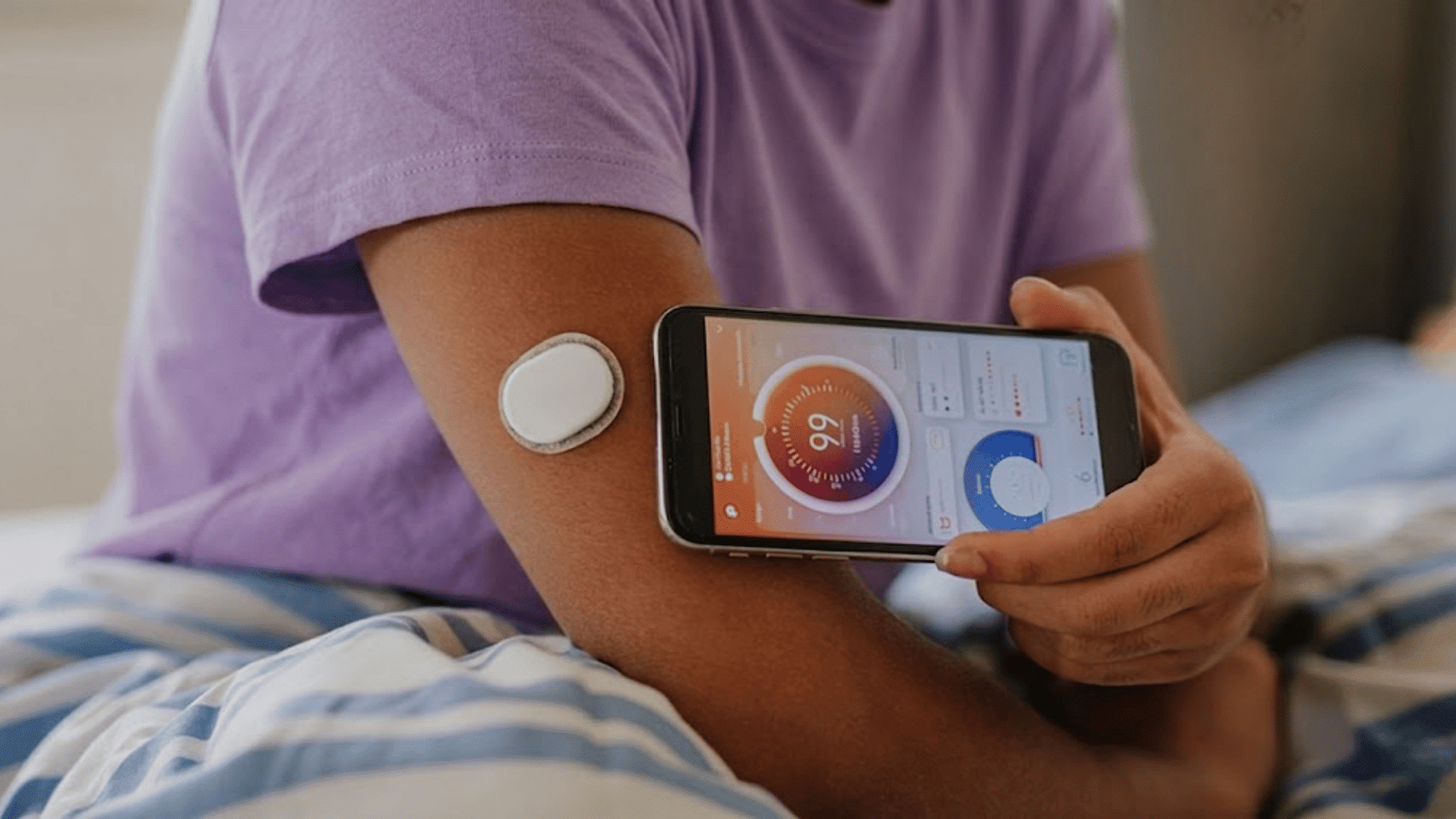
Glucose monitors are medical IoT devices that continuously track blood sugar levels. They are used by individuals with diabetes to manage their condition effectively.
These devices work by measuring glucose levels with a small sensor and sending the data to mobile apps or monitoring systems.
Glucose monitors provide real-time insights, alert users to abnormal levels, and support better health management.
10. Heart Rate Monitors
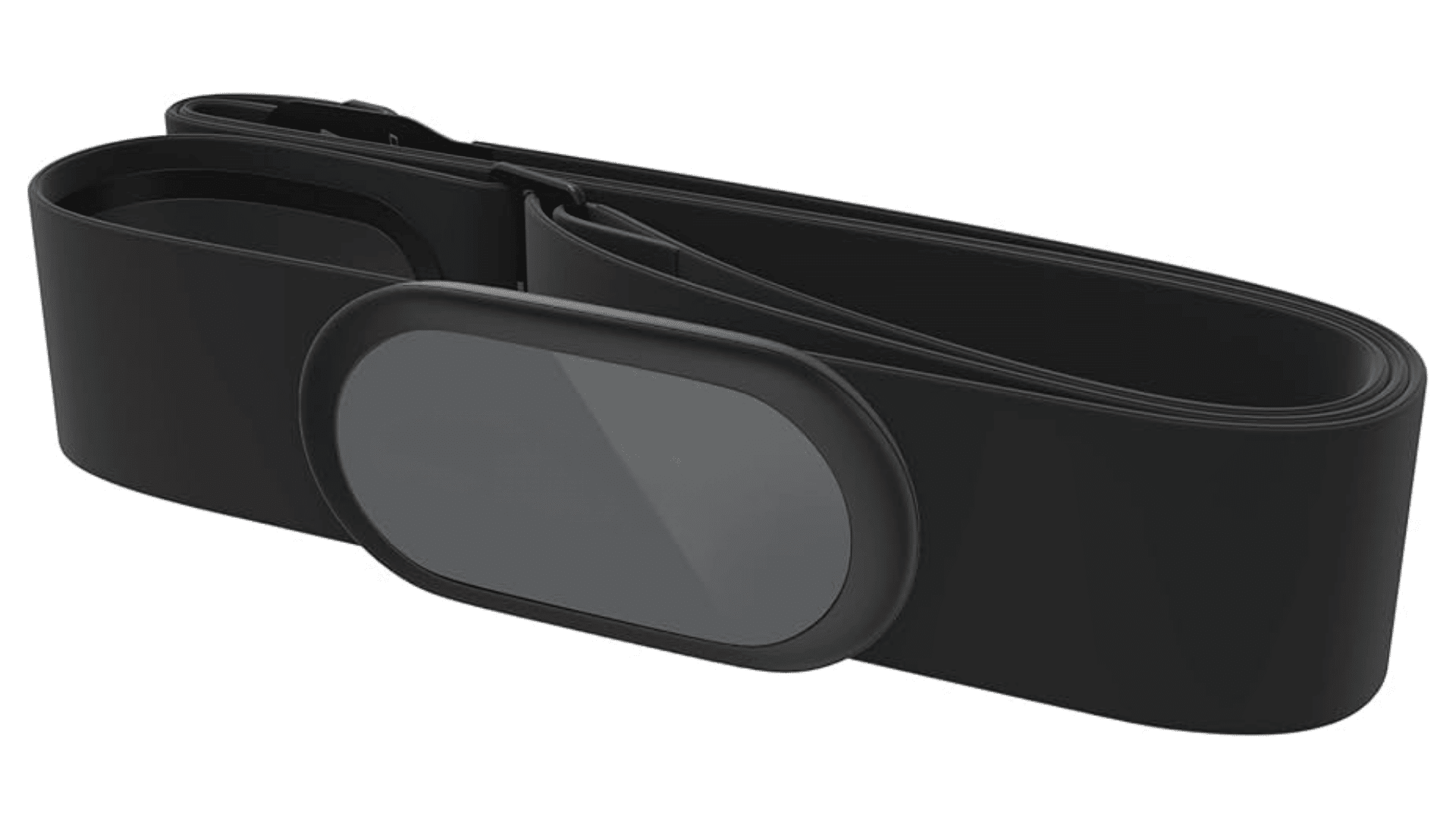
Heart rate monitors are IoT devices that continuously measure and track heart rate. They are used in both medical and fitness settings to monitor cardiovascular health.
These devices provide real-time data and can alert users or doctors if irregular patterns are detected.
Many models connect to smartphones or healthcare systems for easy data access.
Continuous tracking helps in the early detection of heart-related issues. Heart rate monitors play an important role in preventive care and ongoing health management.
11. Robot Vacuum Cleaners
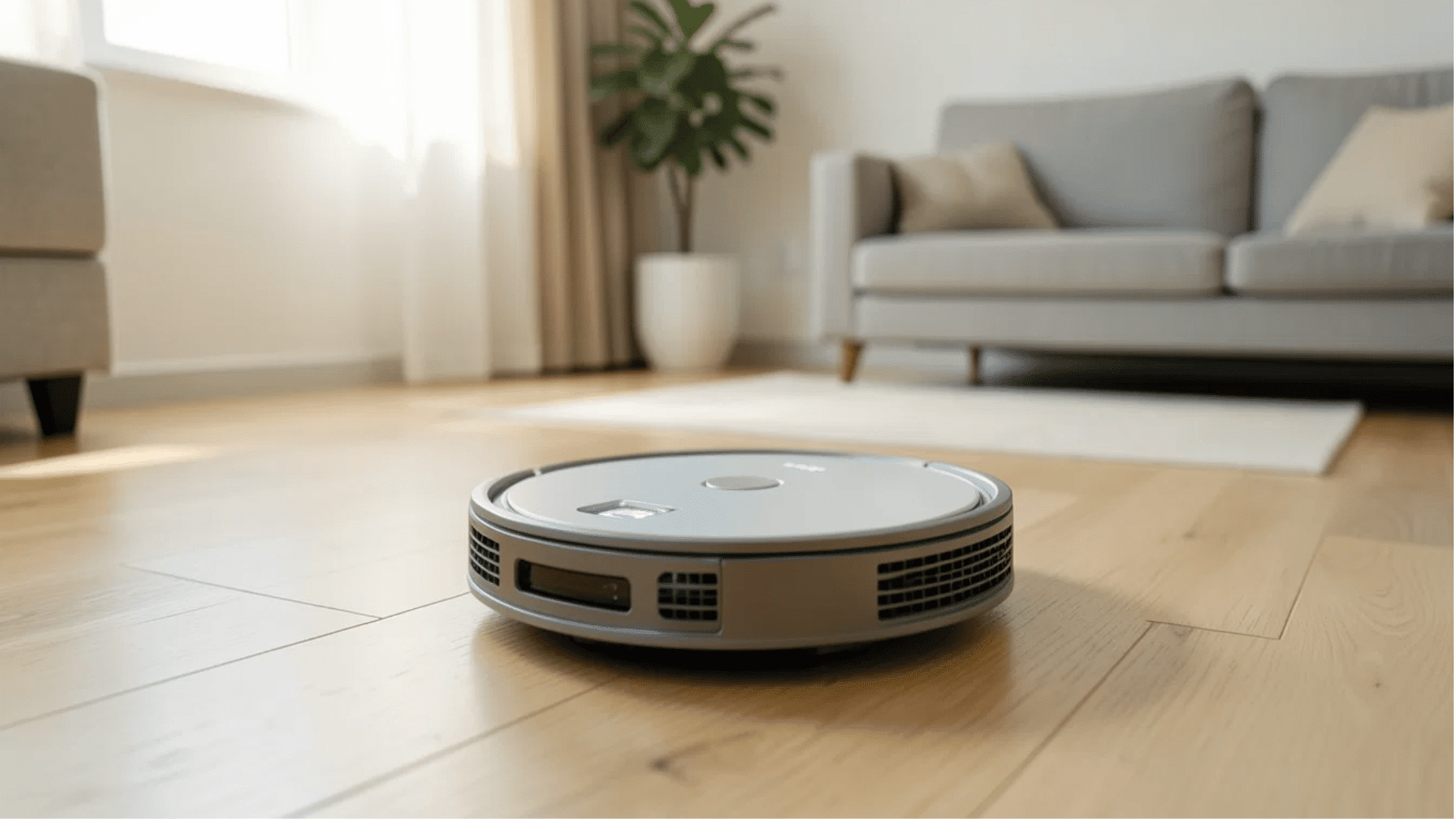
Robot vacuum cleaners are automated cleaning devices equipped with sensors and mapping technology. They are used to clean floors without manual effort, saving time in daily household tasks.
These devices work by scanning the environment, detecting obstacles, and following programmed routes for efficient cleaning.
Many models connect to mobile apps for scheduling and monitoring.
Robot vacuum cleaners are widely used in homes to maintain cleanliness, reduce physical effort, and ensure regular cleaning, especially in busy households where manual cleaning may not always be possible.
12. Smart Washing Machines
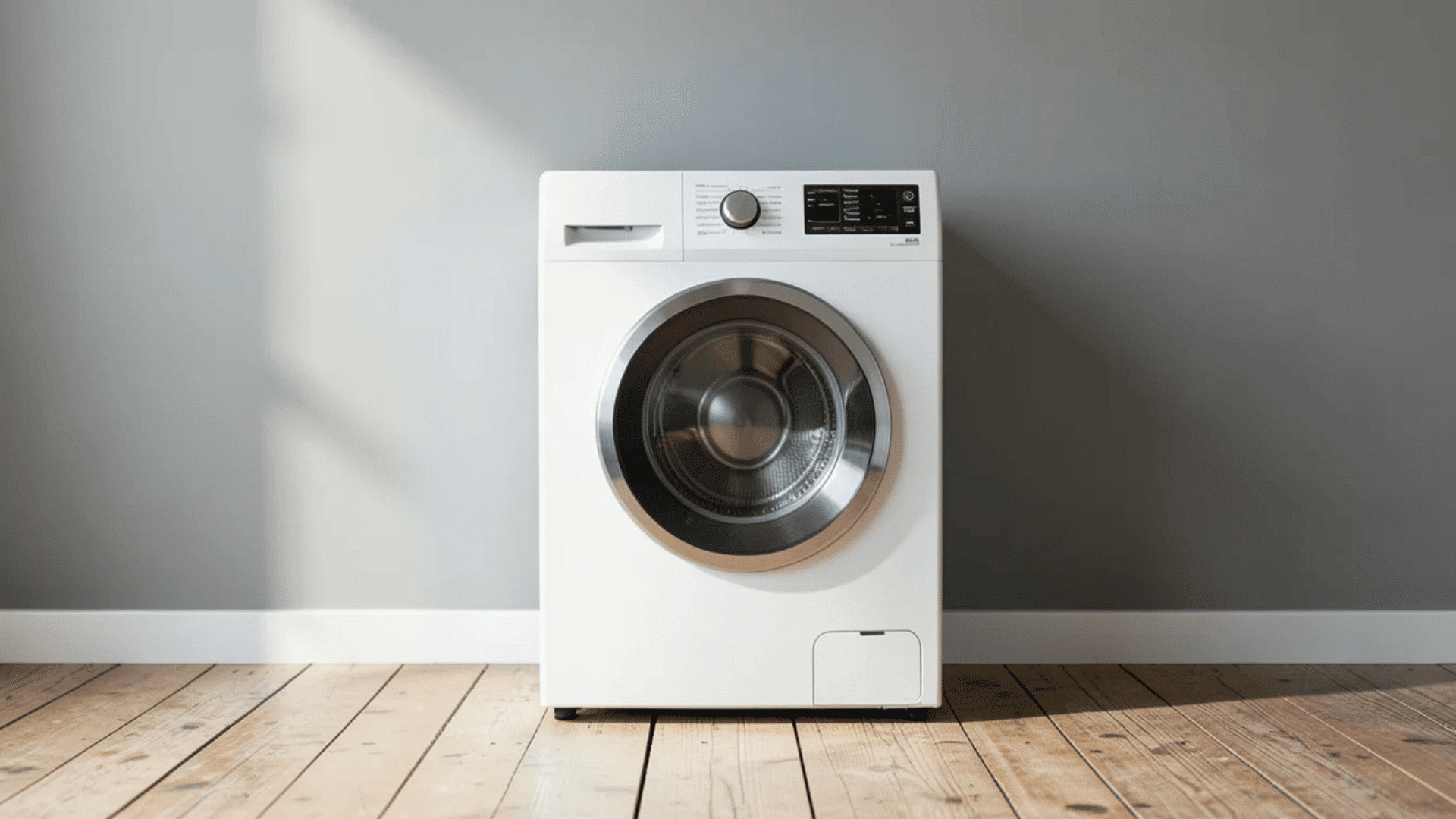
Smart washing machines are internet-connected appliances designed to improve laundry efficiency and convenience. They are used to wash clothes with better control over cycles and performance.
These devices use sensors to detect load size, fabric type, and water requirements, then automatically adjust settings.
They connect to mobile apps for remote operation and notifications.
Smart washing machines save time, reduce water and energy consumption, and provide alerts when washing cycles are complete, making laundry management more efficient.
13. Smart Air Purifiers
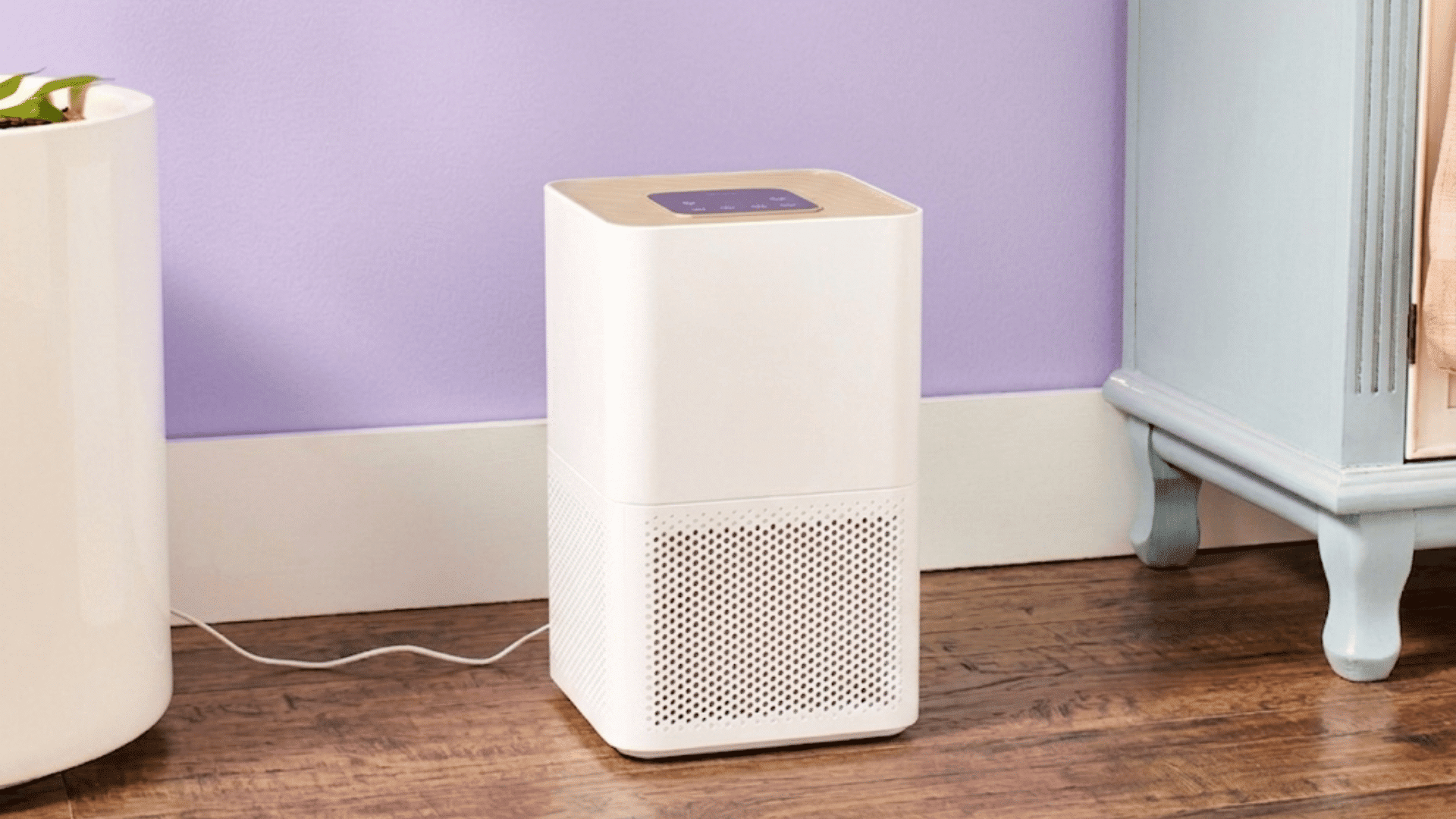
Smart air purifiers are connected devices designed to clean indoor air by removing dust, pollutants, and allergens. They are used to improve air quality in homes and offices.
These devices use filters and sensors to detect air conditions and automatically adjust purification levels. They connect to mobile apps for real-time monitoring and control.
Smart air purifiers help maintain a healthier environment, especially in areas with pollution or allergies, ensuring cleaner air for daily living.
14. Wireless Earbuds
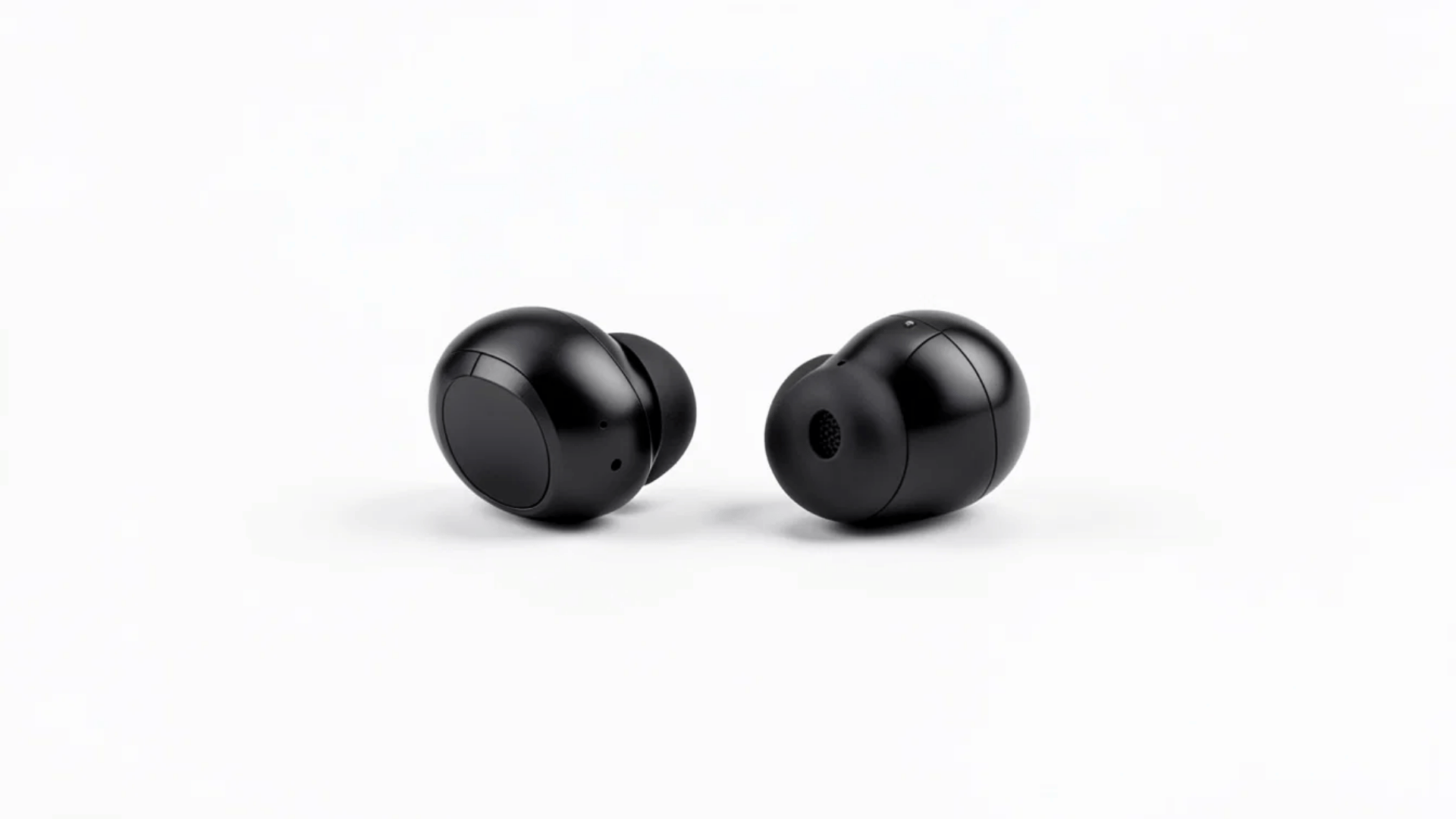
Wireless earbuds are compact audio devices that connect to smartphones and other devices via Bluetooth.
They are used for listening to music, making calls, and accessing voice assistants.
These devices receive audio signals wirelessly and deliver sound through built-in speakers. Wireless earbuds are widely used for convenience, mobility, and hands-free communication.
They eliminate the need for cables and are commonly used during travel, workouts, and daily activities.
15. Smart Dash Cams
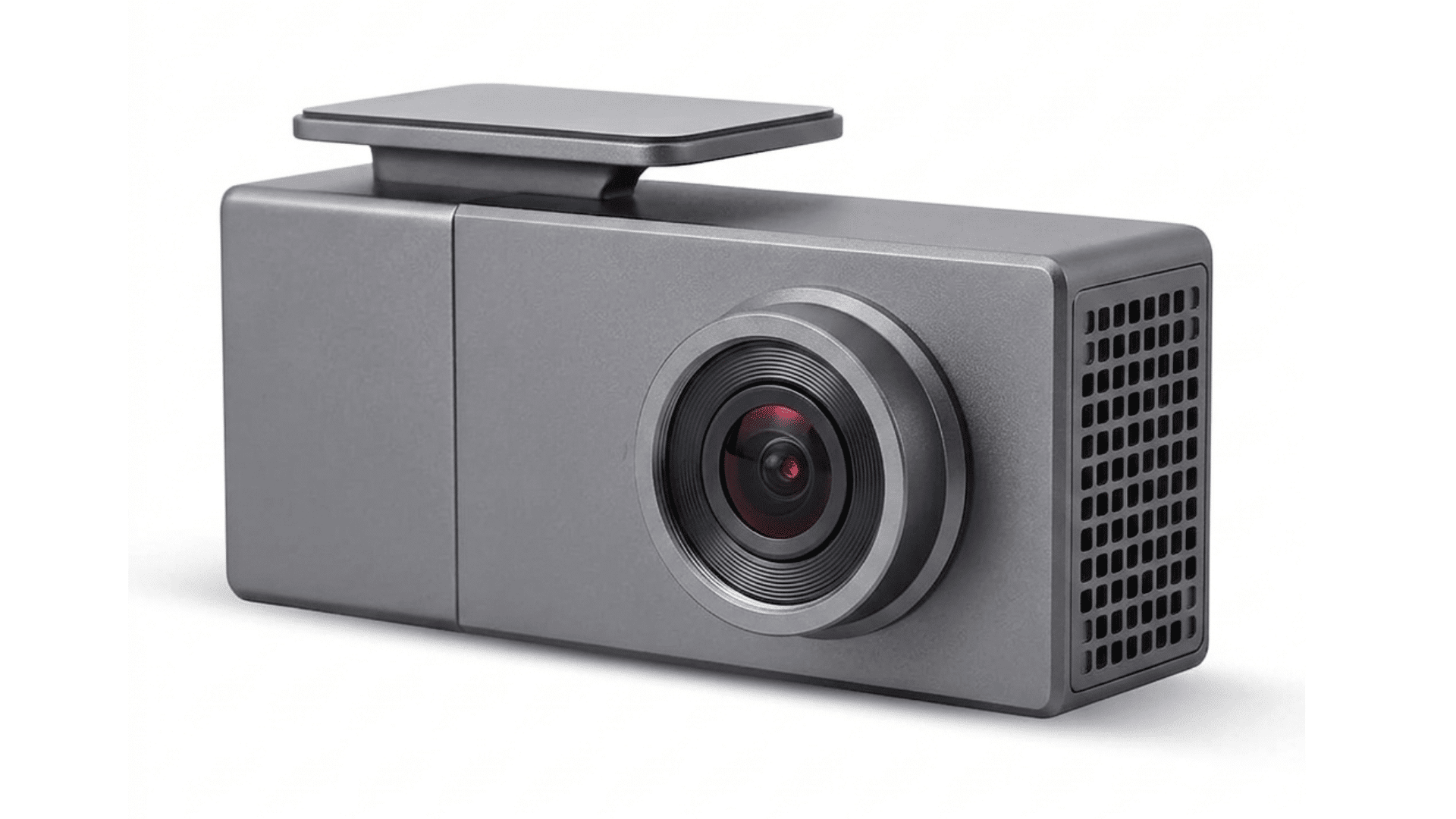
Smart dash cams are internet-connected cameras installed in vehicles to record driving activity. They are used for safety, monitoring, and accident evidence.
These devices continuously capture video footage and store it locally or in the cloud. Some models also detect sudden movements or collisions.
Smart dash cams monitor driving behavior, provide recorded evidence in accidents, and improve road safety, making them useful for both personal drivers and commercial fleets.
16. TPMS Devices
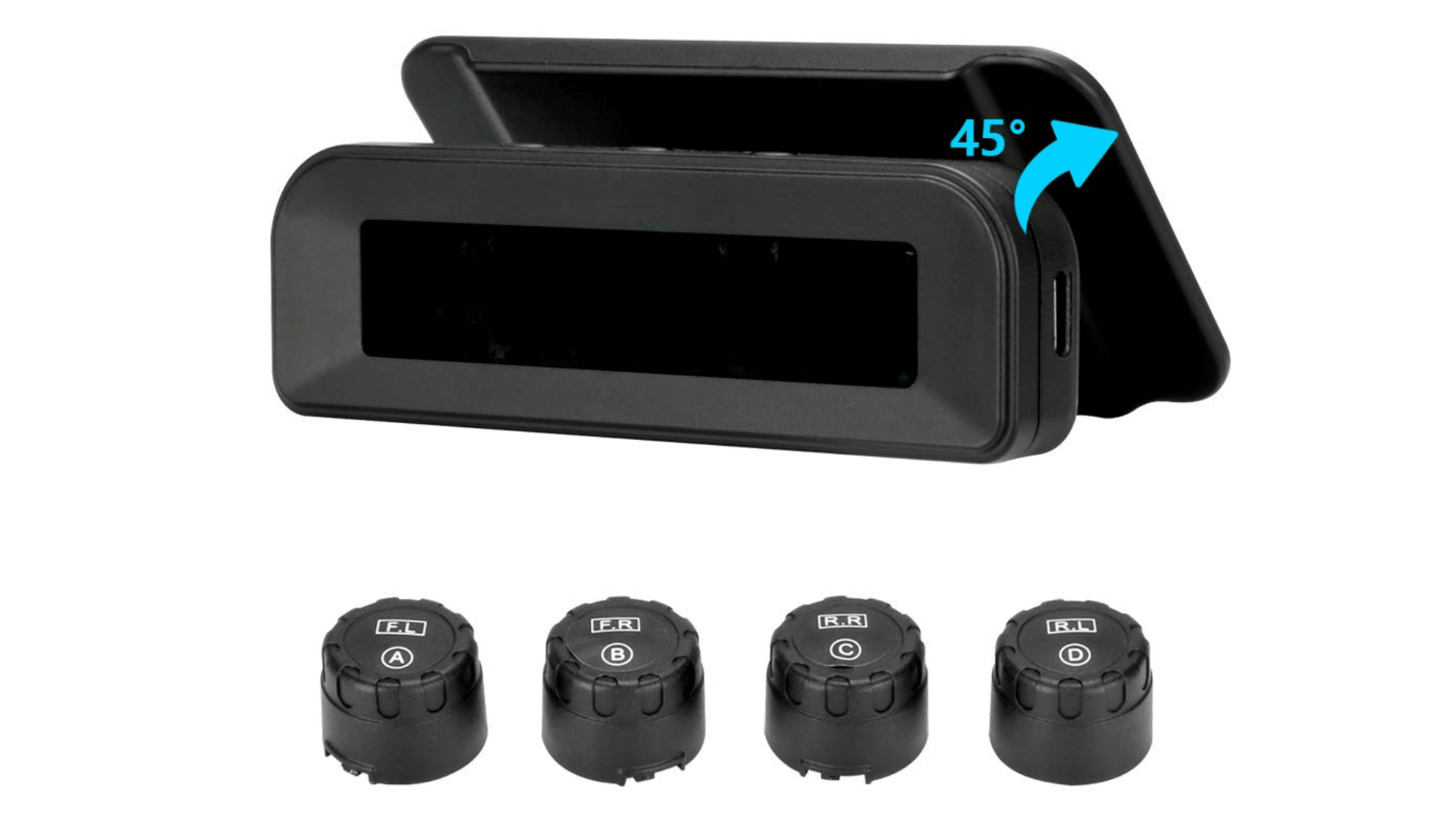
Tire Pressure Monitoring Systems are IoT devices that track tire pressure levels in vehicles in real time.
They are used to improve driving safety, maintain proper tire condition, and support better fuel efficiency.
These devices use sensors installed inside or on the tires to continuously measure air pressure and send data to the vehicle dashboard or connected apps.
TPMS devices are commonly used in modern vehicles to alert drivers to low tire pressure, prevent tire damage, extend tire lifespan, and ensure safer, more stable driving conditions.
17. Smart Security Cameras
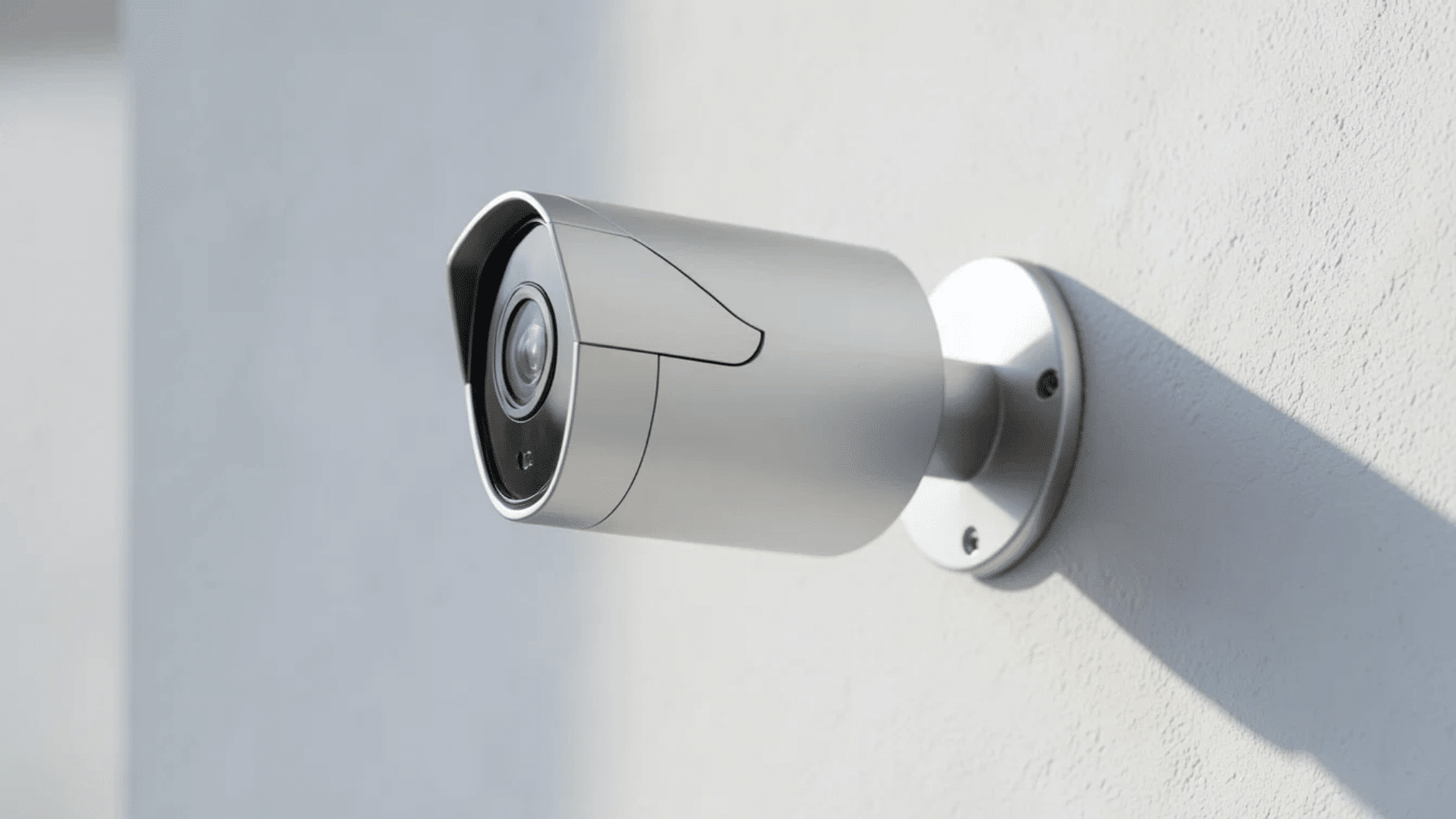
Smart security cameras are internet-connected surveillance devices used to monitor homes, offices, and outdoor spaces. They are used for safety, real-time monitoring, and recording activities for security purposes.
These devices capture video with built-in cameras, use motion sensors to detect activity, and instantly send alerts to mobile apps.
Smart security cameras are widely used to improve safety, allow remote viewing, store footage in cloud systems, and provide evidence when needed, helping users stay aware of events.
18. Fingerprint Time Clocks
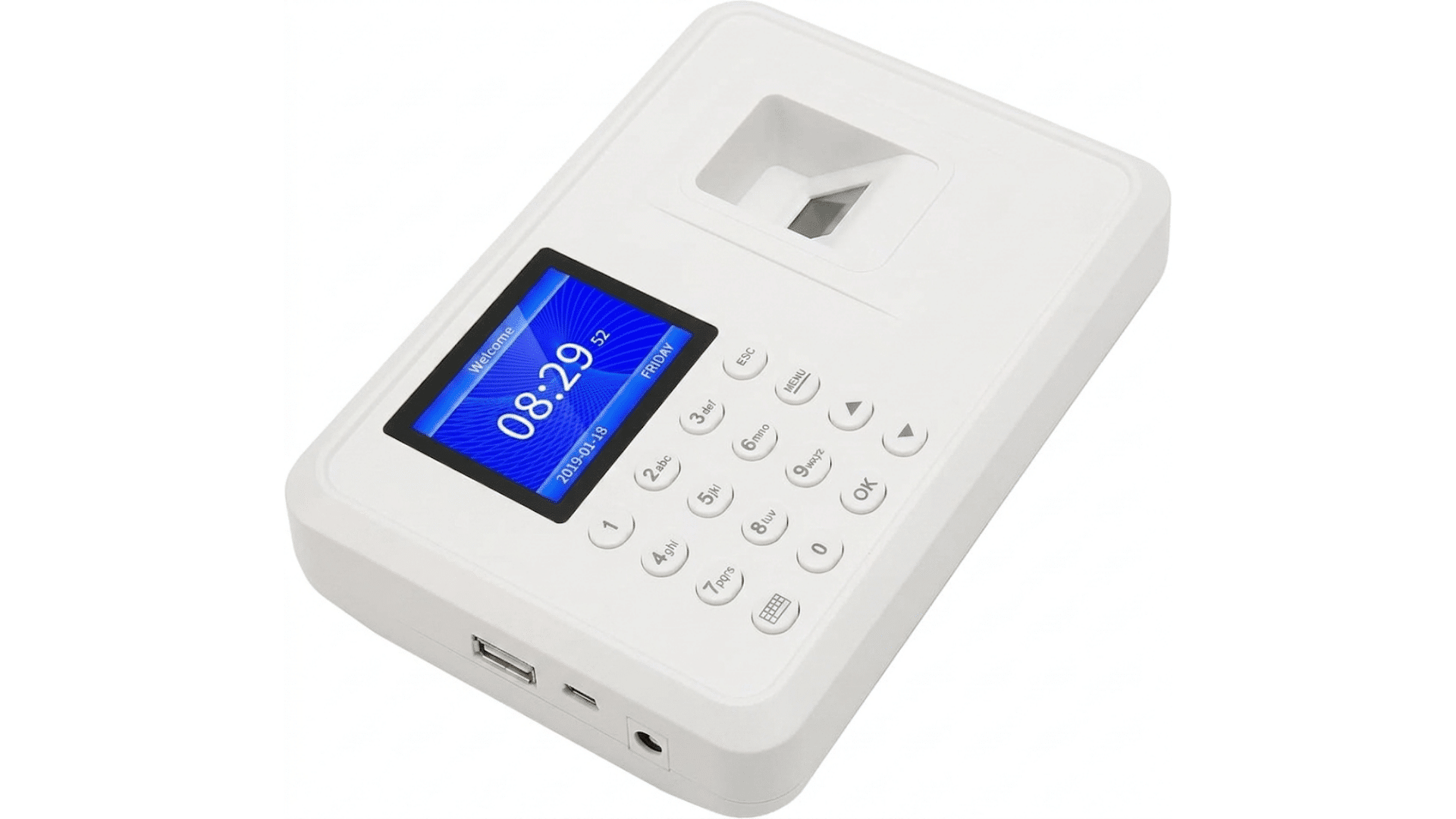
Fingerprint time clocks are biometric devices that accurately track employee attendance using fingerprint recognition technology.
They are used in offices, factories, and workplaces to manage time records efficiently. These devices work by scanning unique fingerprint patterns and storing entry and exit data digitally in connected systems.
Fingerprint time clocks reduce manual errors, prevent time fraud, simplify payroll processing, and ensure reliable attendance tracking, making workforce management more secure and accurate.
19. Smart Blinds

Smart blinds are internet-connected window coverings that can be controlled remotely using mobile apps or voice assistants.
They are used to adjust natural light, improve privacy, and manage indoor temperature. These devices use motors and sensors to open or close blinds based on schedules, sunlight, or user commands.
Smart blinds are used in homes and offices to reduce heat, save energy, and automate daily routines, making spaces more comfortable and efficient without manual adjustments.
20. Smart Lamps
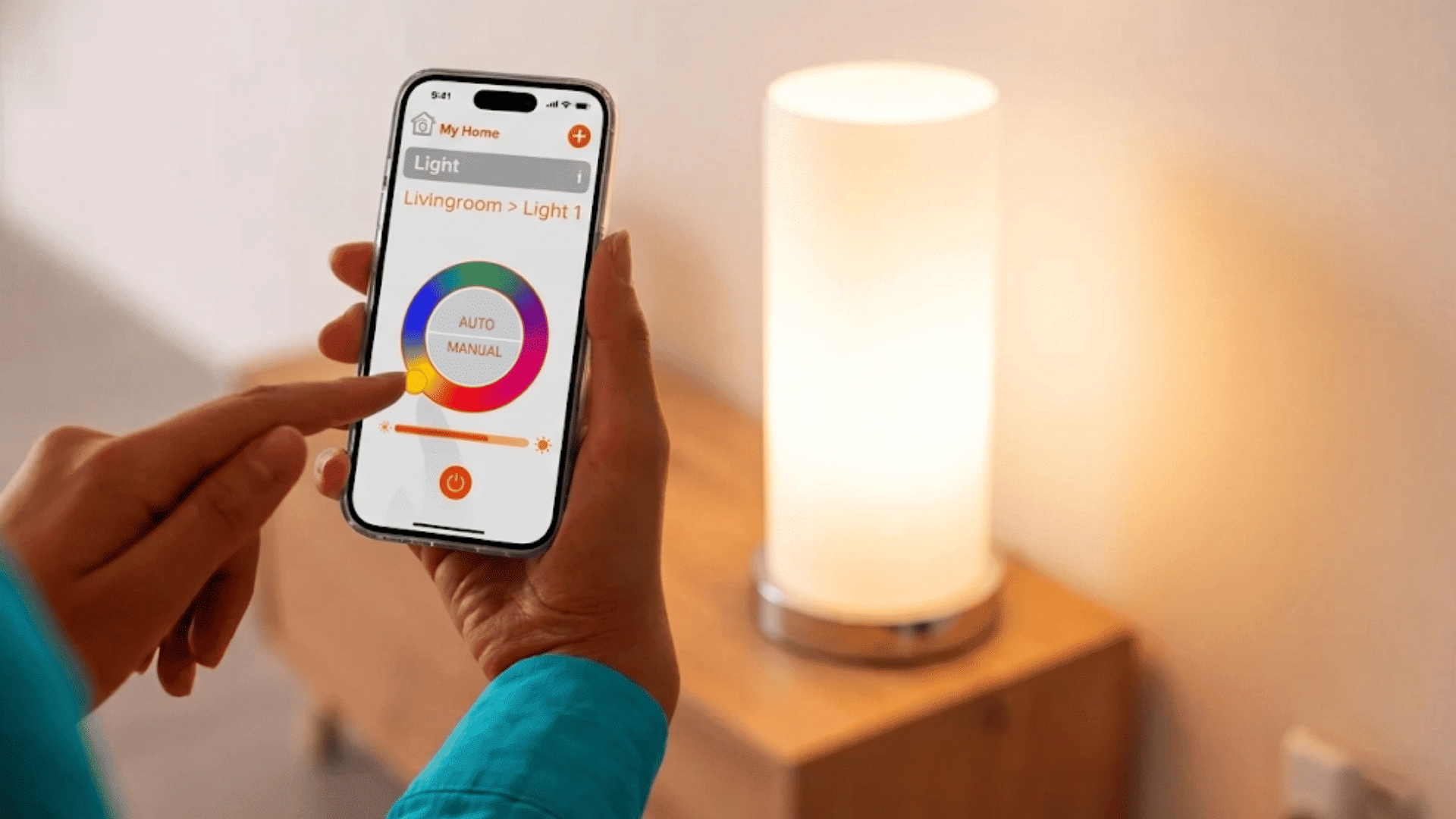
Smart lamps are connected lighting devices that allow users to control brightness, color, and scheduling through mobile apps or voice assistants.
They are used to improve lighting flexibility, comfort, and energy efficiency in homes and workspaces. These devices work by connecting to Wi-Fi or Bluetooth and receiving commands from apps or smart assistants.
Smart lamps are used to create customized lighting settings, automate lighting schedules, reduce energy use, and enhance the overall environment based on user needs.
21. Smart Routers
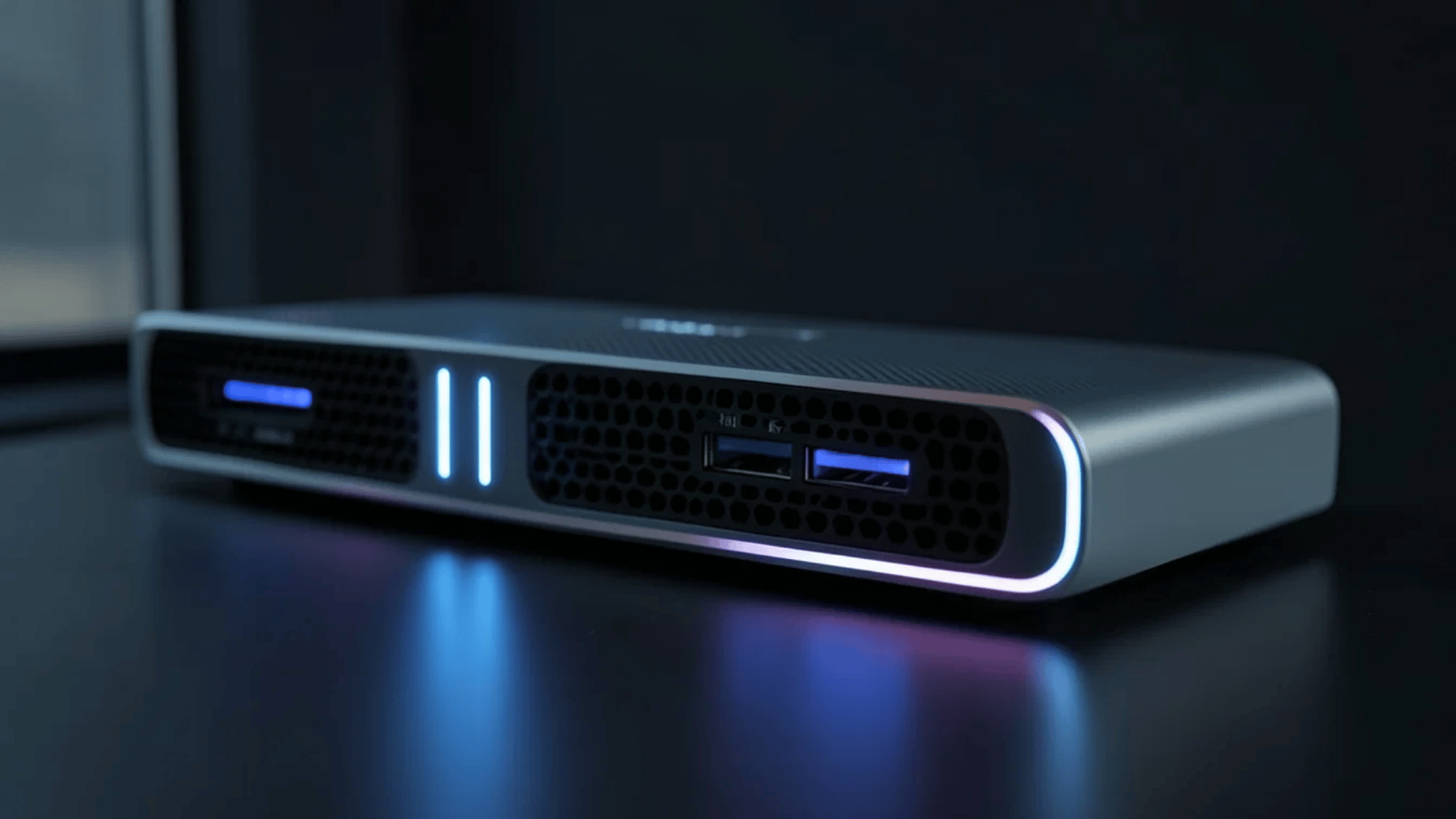
Smart routers are advanced networking devices that manage internet connectivity and control multiple connected devices in a network.
They are used to provide stable internet access, monitor data usage, and improve network performance.
These devices work by efficiently distributing internet signals and providing app-based management tools to control bandwidth and device access.
Smart routers support IoT ecosystems, ensure reliable connections, enhance network security, and effectively manage device activity in modern homes and offices.
Benefits of Internet-Enabled Devices
Internet-enabled devices make everyday tasks faster and easier to manage. They help improve comfort, save time, and give better control over systems.
- Remote Access: Control devices from anywhere using mobile apps
- Energy Efficiency: Reduce power use and lower electricity bills
- Real-Time Updates: Get instant alerts and live data anytime
- Improved Safety: Monitor spaces with smart security features
- Task Automation: Set schedules to handle daily tasks automatically
- Better Decisions: Use live data to make quick and informed choices
- More Comfort: Adjust settings based on personal needs
- Device Integration: Connect multiple devices into one system
- Less Manual Work: Reduce effort with smart and automated systems
Challenges of IoT Devices
IoT devices offer many benefits, but they also entail risks and limitations. Security, privacy, and data management are the most common concerns for users.
| Challenges | Solutions |
| Weak Security | Use strong passwords and enable two-factor authentication |
| Data Privacy Risks | Choose trusted devices and review privacy settings |
| Hacking Threats | Keep device software updated regularly |
| Data Overload | Use tools to filter and manage important data |
| Compatibility Issues | Buy devices that support common platforms |
| High Setup Cost | Start with basic devices and scale gradually |
| Internet Dependency | Use backup options or offline features when possible |
| Maintenance Needs | Schedule regular updates and system checks |
| Limited Standardization | Stick to well-known brands and ecosystems |
Future of IoT Devices
IoT devices are moving toward smarter and more connected systems across homes, cities, and industries. The focus is shifting to faster data use, better security, and smoother device integration.
From a general user’s perspective, IoT will continue to make daily life easier through greater automation and less manual work.
People expect devices to work together without setup issues and respond faster to needs.
Public discussions also highlight concerns around data privacy and security, which will likely push companies to build safer systems and clearer controls.
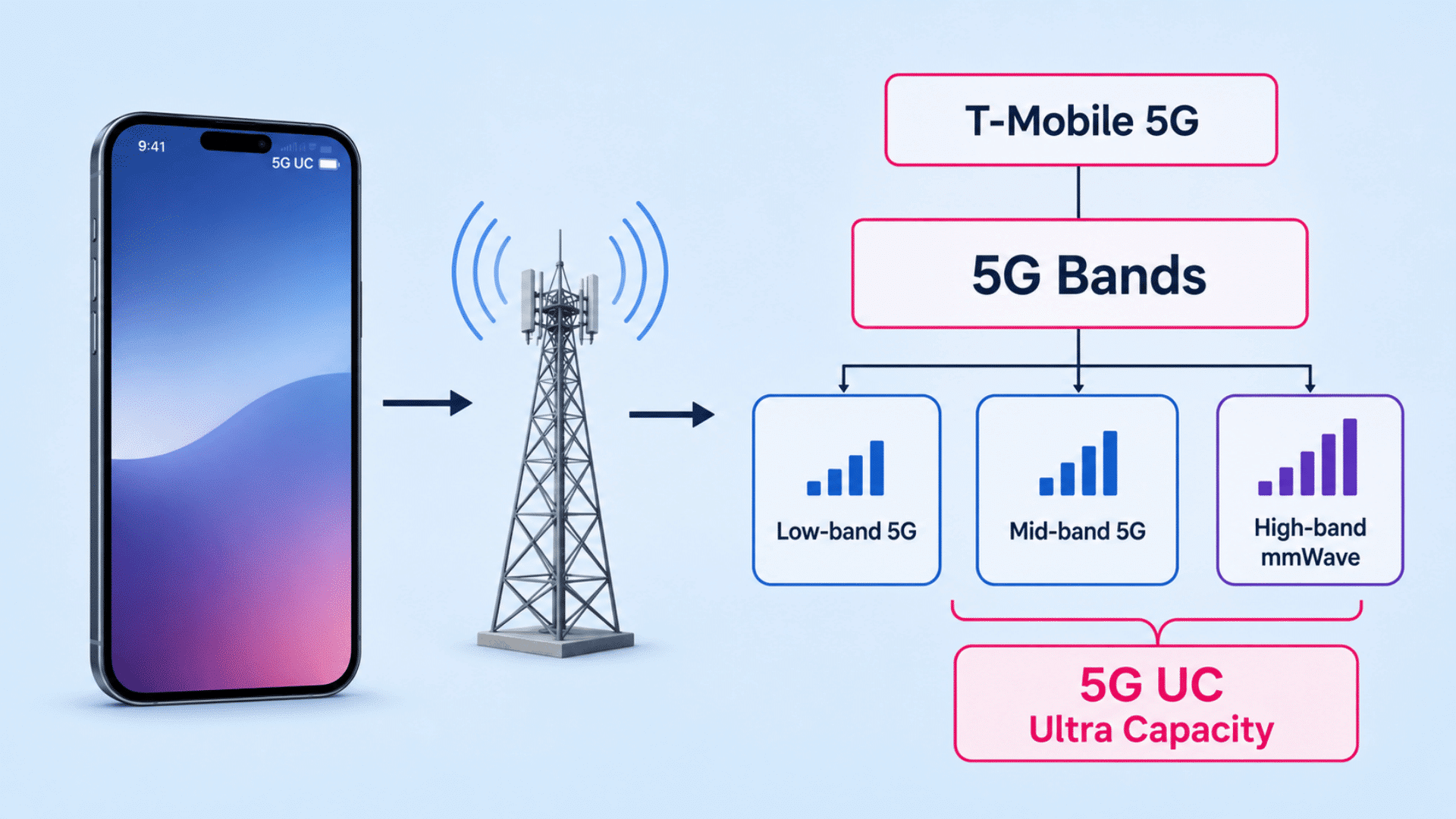
Experts believe that IoT will grow alongside AI and 5G, enabling devices to process data in real time and make better decisions. This means smarter homes, connected healthcare, and more efficient industries.
At the same time, experts stress the need for robust security standards and stronger regulations to manage risks as more devices connect.
Conclusion
As you’ve seen, IoT devices are already part of daily life, even if you don’t always notice them.
From simple smart lights to health trackers and connected cars, these tools help make everyday tasks easier and more efficient.
I like how these devices work quietly in the background and save time without much effort.
At the same time, it’s good to stay aware of how they work and how your data is used. That way, you can get the most value while staying in control.
Now I’m curious about your experience. Which IoT devices do you use the most in your daily routine?
Have they made things easier for you? Share your thoughts in the comments below, and let’s talk about it.
Frequently Asked Questions
What Network Do IoT Devices Use?
IoT devices commonly use Wi-Fi, Bluetooth, or mobile networks to stay connected.
How Often Should IoT Devices Be Updated?
Regular updates are needed to improve performance and fix security issues.
Are IoT Devices Safe to Use at Home?
They are generally safe if proper security settings and updates are used.
What Happens If IoT Devices Lose Connection?
They may stop syncing data or switch to limited offline functions.