





Virtualization and cloud computing are closely connected, but they are not the same thing.
Virtualization splits one physical machine into multiple isolated virtual environments. Cloud computing delivers those resources over the internet on demand.
According to Grand View Research, the data center virtualization market was valued at $9.08 billion in 2024 and is projected to reach $48.32 billion by 2033.
The public cloud market exceeds $675 billion in annual end-user spending, per Statista.
I have spent eight years deploying workloads across AWS, Azure, and Google Cloud. The question I still get most often is: what is the actual difference between these two? This article answers that directly.
Virtualization and Cloud Computing Sound Similar but Do Different Jobs

Start here if you want the simple answer before the technical details.
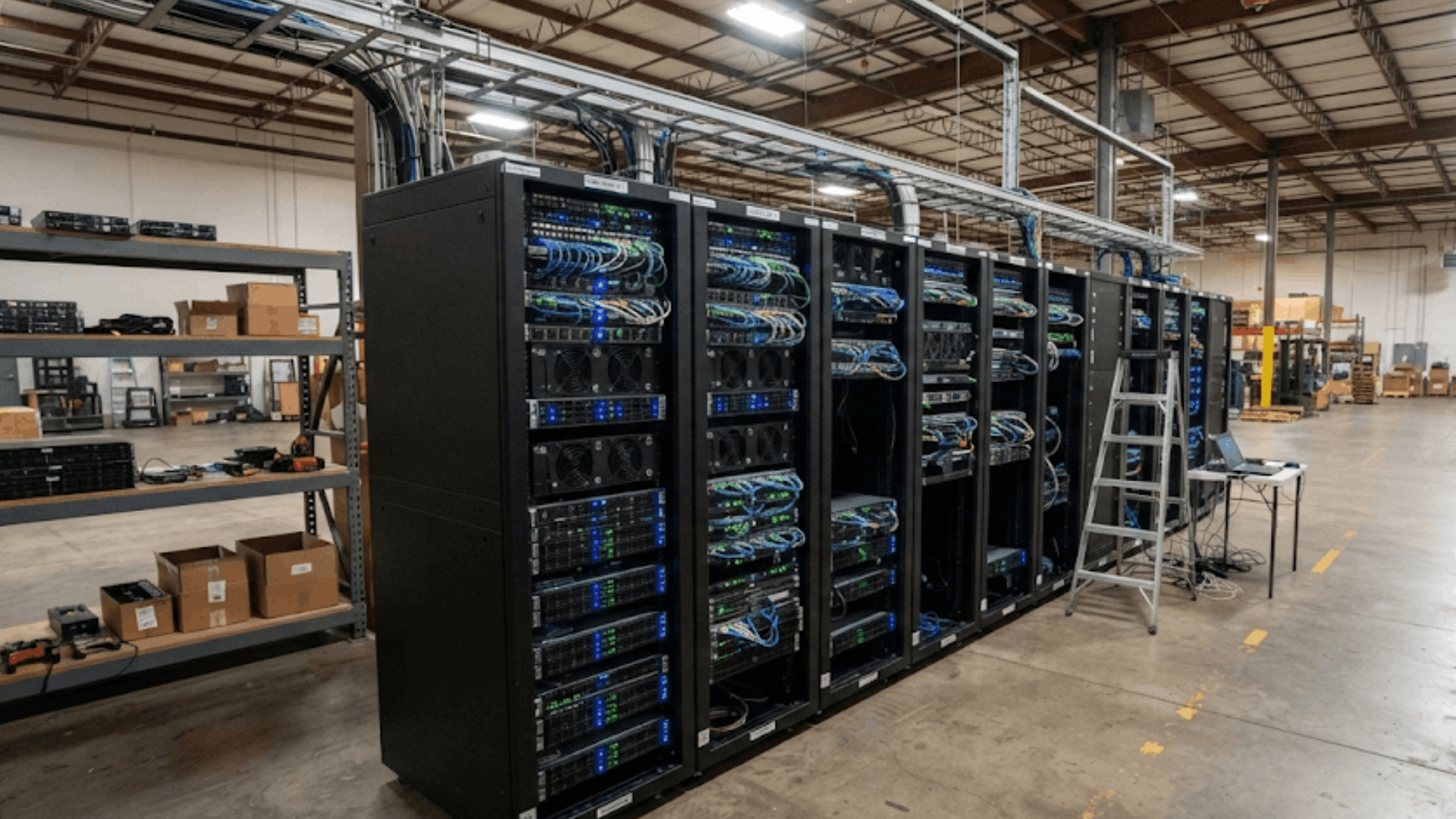
Virtualization uses a hypervisor to partition a single physical server into multiple virtual machines. Each VM runs its own OS and applications, isolated from the others. The hardware stays in your data center. You own every layer.
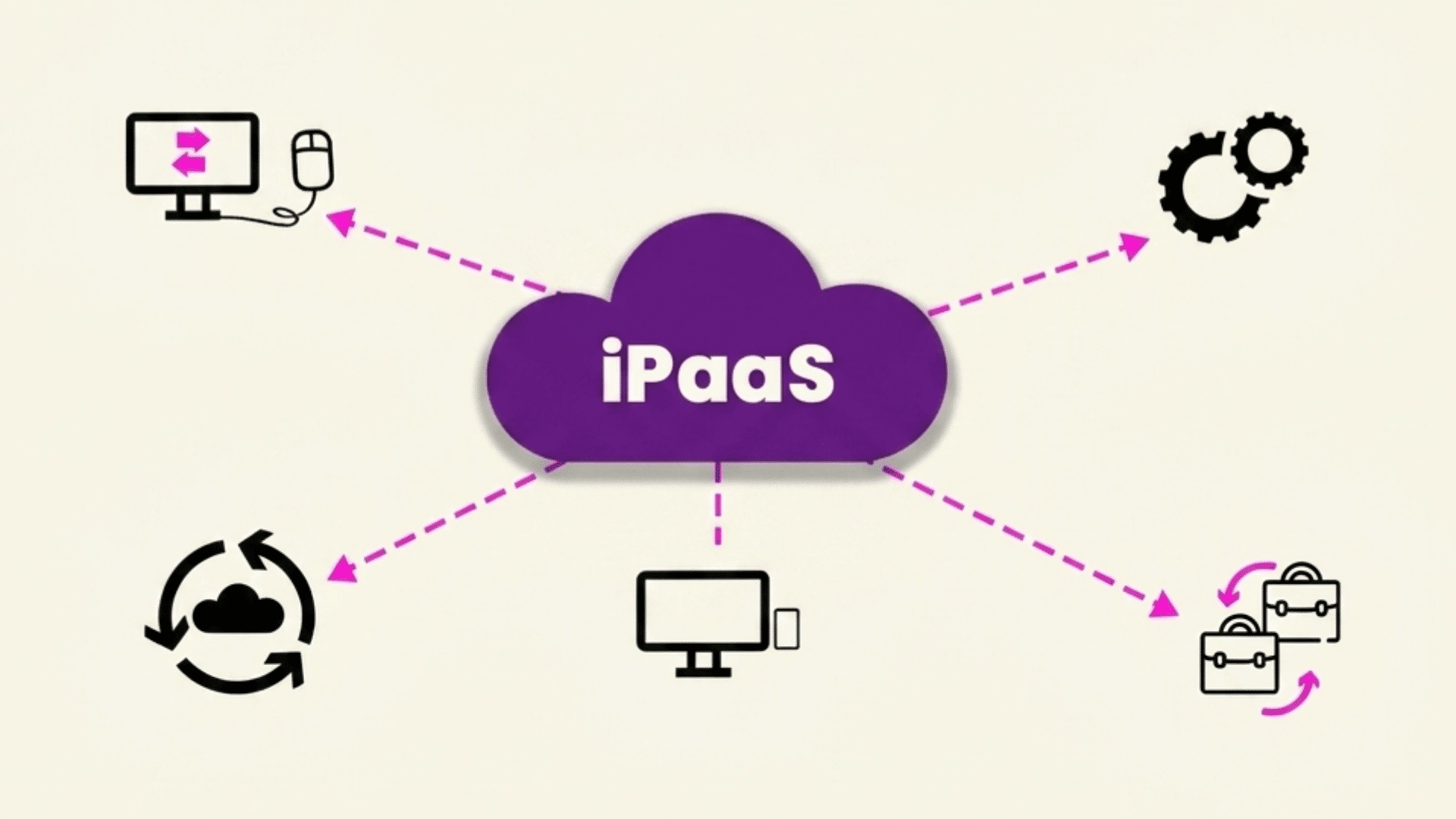
Cloud computing delivers a pool of those virtualized resources over the internet. You access it through a portal, pay for what you use, and scale instantly.
The National Institute of Standards and Technology (NIST), a leading U.S. standards organization, identifies on-demand self-service, resource pooling, and rapid elasticity as core characteristics of cloud computing, distinguishing cloud environments from traditional virtualization.
Virtualization is the engine. Cloud computing is the service built on top of it.
After working on both sides- VMware clusters on-premises and cloud-native on AWS- the clearest way I can put it is that cloud does not replace virtualization. It packages it differently.
Quick Answer: Virtualization = one physical machine split into many VMs, you own the hardware. Cloud computing = virtualized resources delivered over the internet, the provider owns the hardware.
Virtualization Was Around Long Before Cloud Computing Even Existed
Virtualization predates cloud computing by four decades.
IBM researchers Robert Creasy and Les Comeau built CP-40 at the Cambridge Scientific Center in 1964. CP-40 entered production in January 1967 and was the first system to give each user their own virtual machine, according to Wikipedia’s history of IBM mainframe operating systems.
The commercial hypervisor, IBM VM technology, was launched in 1972.
AWS launched EC2 in 2006 on Xen, an open-source hypervisor that universities had already been running. When I dug into how EC2 was originally architected, the key detail was that it was a business model built on top of existing virtualization tooling.
The innovation was the delivery model: instant access, pay-per-use, not the abstraction layer.
According to IMARC Group, the global virtualization software market reached $81.6 billion in 2024. Azure launched in 2008 on Hyper-V. Google Cloud runs on KVM. Three of the world’s largest cloud providers.
Timeline at a glance: 1967 IBM CP-40 → 1972 IBM VM hypervisor → 1999 VMware x86 → 2006 AWS EC2 → 2008 Azure → 2013 Docker → 2024 virtualization market at $81.6B
Virtualization vs Cloud Computing: Which One Gives You More Control
Virtualization gives you maximum control. You own the hardware, choose the hypervisor, and configure every VM and security rule.
Cloud computing trades control for convenience. The provider manages the hardware, hypervisor, and data center. You get a console, an API, and a bill.
For regulated industries, financial services, healthcare, and government, the entity that controls the hardware is often a legal requirement rather than a preference.
When I have reviewed cloud environments that failed compliance audits, the root cause is rarely the provider’s infrastructure. It is a permissive IAM policy, an open S3 bucket, or an unpatched EC2 instance that nobody remembered was running.
| Cost | On-Premises Virtualization | Cloud Computing |
| Hardware | High upfront capital | None |
| Hypervisor licensing | VMware vSphere can exceed $10,000/CPU | Included in the provider cost |
| Scaling | New hardware purchase | Pay-as-you-go, instant |
| Long-term TCO | Lower after 3–5 years | Ongoing monthly cost |
What Virtualization and Cloud Computing Are Good At and Where They Struggle

Neither virtualization nor cloud computing is universally superior. The right choice depends on the type of workload, regulatory requirements, budget structure, and team expertise.
Where Virtualization Works Better Than Cloud Computing
On-premises virtualization wins when hardware control is non-negotiable.
- Regulated industries: Healthcare under HIPAA, financial firms under PCI-DSS, and government contractors often cannot send workloads to a shared public cloud. On-premises VMs give compliance teams full auditability of the hardware stack.
- Latency-sensitive workloads: High-frequency trading applications and real-time industrial control systems cannot tolerate the variable latency of shared cloud infrastructure. Bare-metal virtualization with predictable hardware produces consistent sub-millisecond response times.
- Long-term stable workloads: A database running at a consistent 70% utilization 24/7 is cheaper to run on owned hardware once the 3-year depreciation curve has passed.
- Air-gapped environments: Military, intelligence, and critical infrastructure systems that must remain physically disconnected from the internet cannot use public cloud by definition.
Where Cloud Computing Beats Traditional Virtualization
Cloud computing wins when speed, scale, and flexibility are the primary requirements.
- Variable or unpredictable workloads: An e-commerce platform that sees 10x traffic during holiday sales can scale instantly on AWS or Azure, then scale back down. On-premises infrastructure would require buying peak-capacity hardware that sits idle 300 days per year.
- Global reach: Cloud providers operate data centers across every major geographic region. Deploying a globally distributed application on self-managed hardware would require years of investment. On AWS or Azure, it takes minutes.
- Startup and small-business infrastructure: Capital expenditures on servers, a data center, power, and cooling are prohibitive for most small companies. Cloud computing converts those costs to a monthly operational expense.
- Disaster recovery: Cloud-based backup and failover are significantly faster and cheaper than maintaining a secondary physical data center.
Where Both Virtualization and Cloud Computing Can Create Complexity or Security Risks
Neither technology comes without a risk; here is what you should keep in mind:
Virtualization security risks:
- VM sprawl: Organizations that provision VMs without lifecycle management end up with hundreds of forgotten, unpatched virtual machines, expanding the attack surface. Gartner has consistently identified VM sprawl as a top data center management challenge.
- Hypervisor vulnerabilities: The 2015 VENOM vulnerability (CVE-2015-3456) demonstrated that a flaw in the virtual floppy disk controller allowed attackers to escape from a guest VM to the hypervisor host. It affected Xen, KVM, and VirtualBox; all major cloud providers were impacted.
Cloud computing security risks:
- Misconfiguration: According to Gartner’s analysis, through 2025, 99% of cloud security failures are the customer’s fault, primarily due to misconfigured access controls and storage buckets set to public.
- Shared responsibility confusion: Many organizations assume the cloud provider handles all security. AAG IT Support data shows 36% of organizations have failed an audit or experienced a cloud data breach in the last year.
When I have reviewed cloud environments that failed audits, the root cause is rarely the provider’s infrastructure. It is an IAM policy that was too permissive, an open S3 bucket, or an unpatched EC2 instance the team forgot was still running. The shared responsibility model is clear on paper — it is harder to enforce consistently in practice.
Best-Fit Comparison Chart
| Scenario | Best Choice |
| Regulated workload needing a hardware audit | On-premises virtualization |
| Variable traffic, rapid scaling needed | Cloud computing |
| Startup with no IT staff | Cloud computing |
| Legacy application, full OS control required | On-premises virtualization |
| Global deployment in multiple regions | Cloud computing |
| Air-gapped or disconnected environment | On-premises virtualization |
| Dev/test environments with variable demand | Cloud computing |
| Long-term steady-state database workload | On-premises virtualization (after 3+ years) |
What Comes After Virtualization and Cloud Computing
According to the Cloud Native Computing Foundation (CNCF), 84% of organizations are using or evaluating Kubernetes, with 66% already using Kubernetes in production, highlighting the mainstream adoption of containerized workloads.
Containers do not replace VMs; per Aqua Security’s 2024 analysis, Kubernetes nodes almost always run on virtual machines. When I moved a workload from EC2 to EKS, provisioning dropped from four minutes to under ten seconds per pod, but the VMs became the nodes the cluster ran on.
The virtualization software market is valued at $94.57 billion in 2025 (Data Insights Market), pulled forward significantly by AI demand. No organization can economically own enough GPU hardware to train frontier models on-premises. That gap is what cloud computing fills.
Should You Pick Virtualization, Cloud Computing, or Both?
For most organizations, the answer is both. Virtualization and cloud computing address different needs, which is why hybrid environments have become the norm.
According to AAG IT Support, 80% of businesses already use a mix of on-premises and cloud infrastructure.
Choose virtualization when workloads require greater control, predictable performance, or stricter compliance oversight.
Choose cloud computing when you need scalability, flexibility, and rapid deployment.
Many organizations combine both, for example, running sensitive databases on virtualized on-premises servers while hosting customer-facing applications in the cloud.
The best approach starts with evaluating workload requirements rather than choosing a technology first.
FAQs
Is virtualization the same thing as cloud computing?
No. Virtualization splits physical hardware into virtual machines. Cloud computing delivers those VMs over the internet with self-service access and pay-as-you-go pricing.
Can you use virtualization without cloud computing?
Yes. Organizations run on-premises virtualization on servers they own using VMware, Hyper-V, or KVM, a standard practice in healthcare, finance, and government.
Why do cloud providers need virtualization?
Hypervisors allow providers to partition physical servers among multiple customers. Without virtualization, each customer would need dedicated hardware, making public cloud pricing impossible.
Is cloud computing more expensive than virtualization?
For stable, predictable workloads, on-premises is cheaper after 3–5 years. For variable workloads, the cloud is cheaper because you avoid buying peak-capacity hardware that sits idle most of the year.
Are containers replacing virtual machines?
Partially. Containers handle application workloads faster and more lightly. But Kubernetes clusters run on VMs, and VMs remain essential for regulated workloads and full OS isolation.