


I’ve noticed how easy it is to misplace things like keys, wallets, or even a backpack.
That’s where tiny tracking devices can really help. They are small, simple tools that make it easier to find your stuff without stress.
If you’ve ever spent time searching for lost items, you know how frustrating it can feel, and while the best tracking apps help with people and phones, these tiny devices focus on your everyday belongings.
In this article, I’ll share some of the best options you can use every day.
You’ll learn what features matter most, how these devices work, and which ones fit different needs.
I’ll also share tips to help you pick the right one for your routine. By the end, you’ll have a clear idea of which tracking device can save you time and give you peace of mind.
What Are Tiny Tracking Devices?
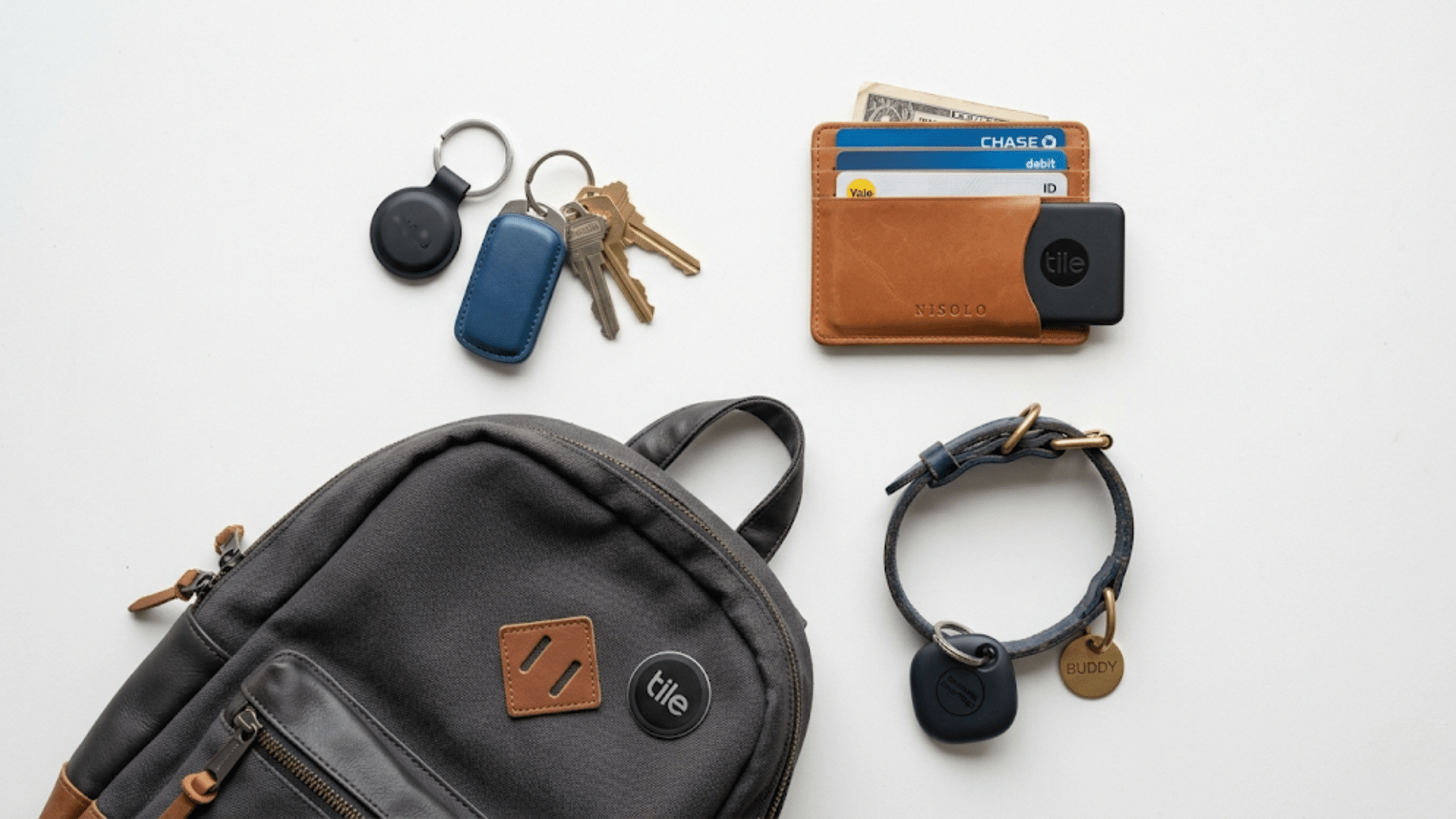
Tiny tracking devices are small gadgets used to locate and monitor personal items. These compact tools are designed to attach to everyday belongings such as keys, wallets, bags, or pet collars.
They help users find lost items quickly through a connected mobile app. Most devices rely on Bluetooth for short-range tracking or GPS for wider coverage.
Many tiny tracking devices include useful features such as sound alerts, real-time location updates, and a history of the last known location.
Their small size makes them easy to carry without adding extra weight or bulk.
Overall, these devices offer a simple and effective way to keep track of important items and reduce the chances of losing them during daily activities.
Quick Answer: Best Tiny Tracking Devices
The best tiny tracking device depends on your use case. For iPhone users, Apple AirTag offers the most seamless experience via the Find My network.
For Android or mixed-device households, Tile Mate is the most accessible Bluetooth option.
For real-time GPS tracking of vehicles or assets, Tracki Mini GPS or LandAirSea 54 are reliable picks.
Bluetooth trackers work best for short-range item recovery (keys, wallets); GPS trackers are better for vehicles, pets, and travel gear but require a monthly subscription.
Must-Have Features in Tiny Trackers
Tiny tracking devices offer various features, but a few stand out as truly useful. Choosing the right ones can make tracking easier and more reliable.
| Feature | Description | Why It Matters |
|---|---|---|
| Tracking Range | Shows how far the device can track items | Helps choose between home use and long-distance tracking |
| Battery Life | Longer battery life means less charging | Reduces hassle and keeps the device ready to use |
| App Support | Works with a mobile app for control | Makes tracking simple and easy to manage |
| Sound Alert | The device can ring or beep when nearby | Helps find items quickly within a short distance |
| Real-Time Tracking | Gives the live or last known location | Provides accurate updates when items are lost |
| Size & Design | Small and lightweight build | Easy to carry and attach without discomfort |
| Durability | Water-resistant and strong body | Protects the device from daily wear and damage |
| Compatibility | Works with Android and iOS | Ensures smooth connection with most smartphones |
Best Tiny Tracking Devices You Need
There are many tiny tracking devices available, but some stand out for everyday use. These options cover a range of needs, from simple item tracking to full GPS monitoring.
1. Apple AirTag
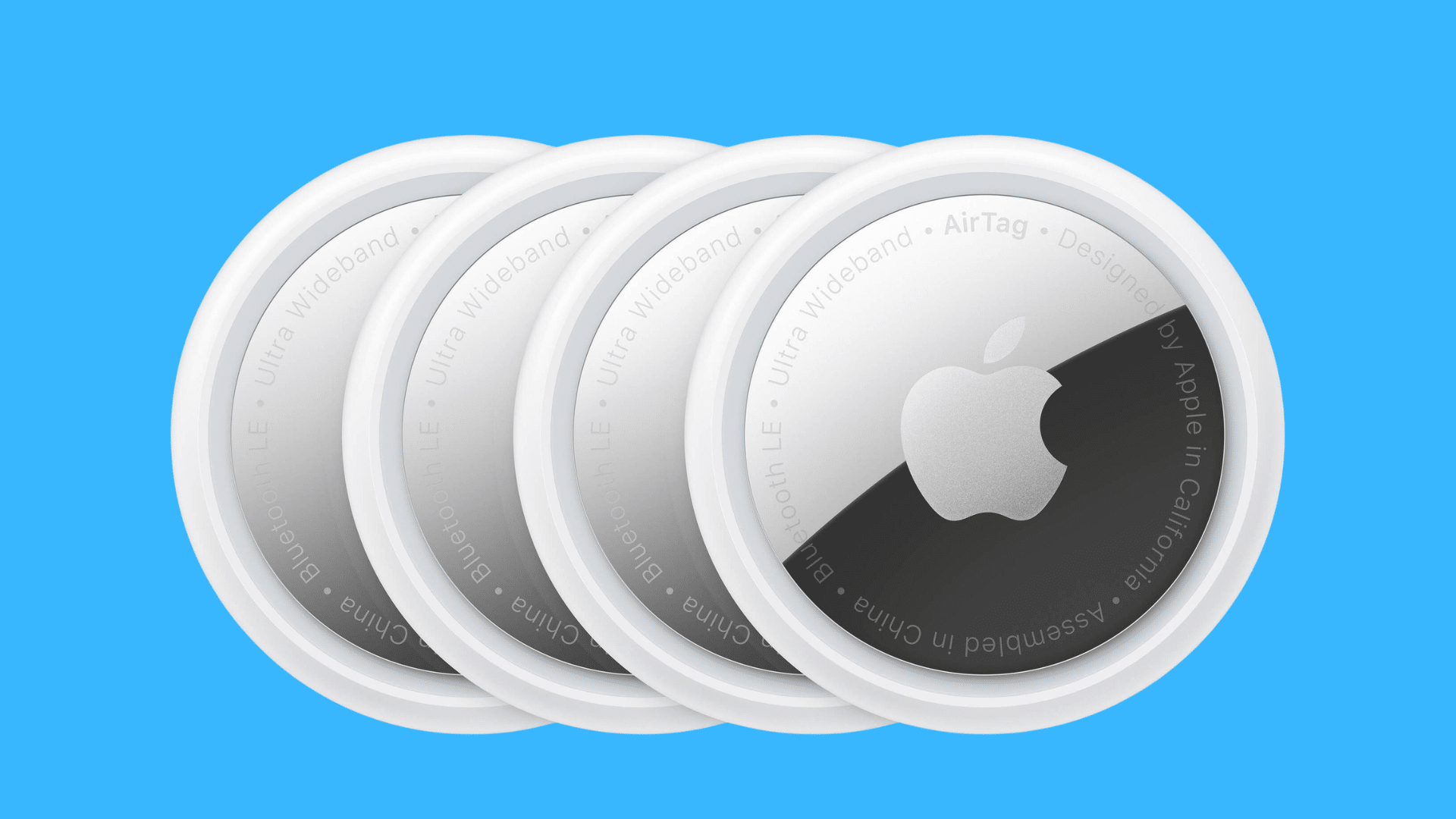
Apple AirTag is a Bluetooth-based tracker made for items like keys, wallets, and bags. I have used it with Apple devices, and it connects smoothly through the Find My network.
This allows items to be located even when they are far away, which I have found very helpful in daily use.
Setup feels quick, and the device also offers strong privacy protection.
Its compact design makes it easy to attach and carry every day. From what I have noticed, it works best for those already using iPhones or other Apple products.
| Pros | Cons |
|---|---|
| Easy to use with iOS | Not ideal for Android users |
| Strong Find My network | Requires the Apple ecosystem |
| Compact and stylish | Limited customization |
Tip: Ideal for iPhone users who want simple and reliable item tracking.
2. Tile Mate
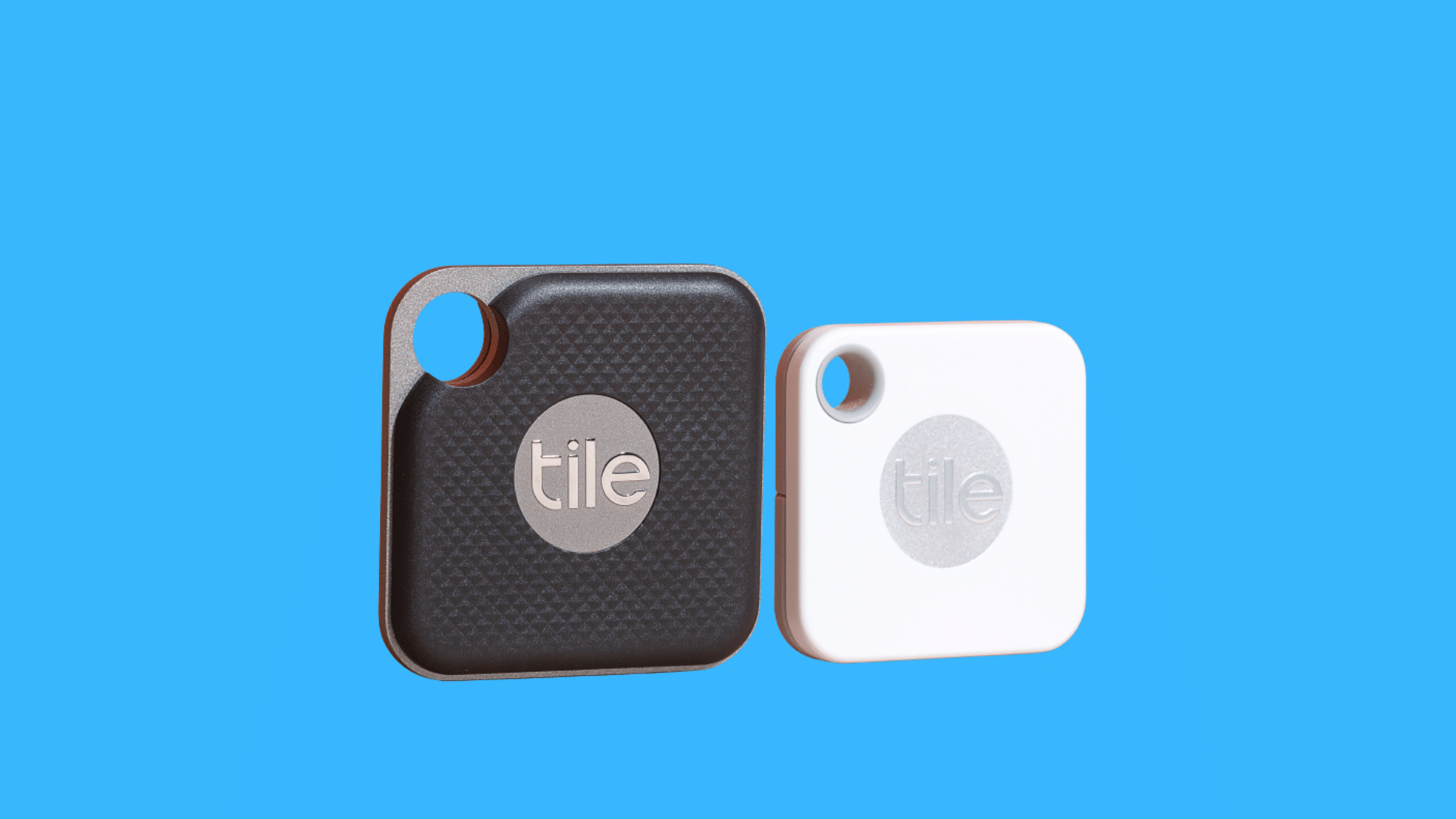
Tile Mate is a small Bluetooth tracker designed for short-range item tracking. It works with both Android and iOS, making it more flexible than some options.
Users can ring the device or check its last known location through the app. It is ideal for finding items at home, in the office, or in nearby spaces.
The setup process is simple, and the device is lightweight. Tile Mate is a practical choice for everyday item tracking.
| Pros | Cons |
|---|---|
| Works on Android & iOS | Short tracking range |
| Simple setup | No GPS tracking |
| Lightweight design | Needs an app for full use |
Tip: Great for mixed-device households using both Android and iOS.
3. Spytec Mini GPS
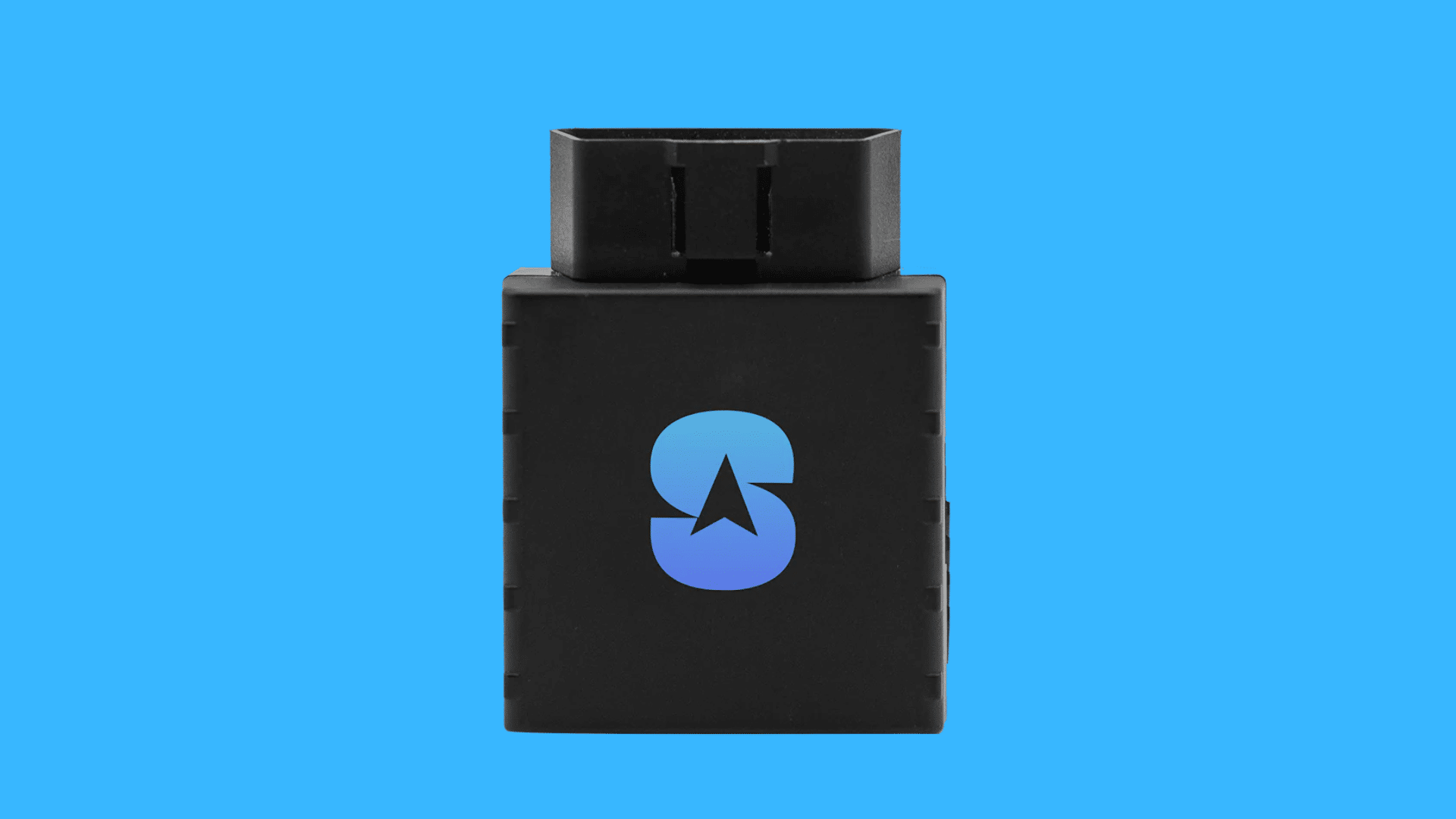
Spytec Mini GPS is a compact device built for real-time tracking of vehicles and valuable assets. It provides accurate location updates through a mobile app.
This tracker is useful for long-distance monitoring and works well for cars, trailers, or equipment.
Its small size allows it to be placed discreetly. The device is reliable for both personal and business use. It also offers consistent tracking performance with detailed location data.
| Pros | Cons |
|---|---|
| Real-time GPS tracking | Requires subscription |
| Accurate location data | The battery needs to be charged |
| Compact and discreet | Higher cost |
Tip: Best for tracking vehicles or high-value assets over long distances.
4. GPX Scout AI
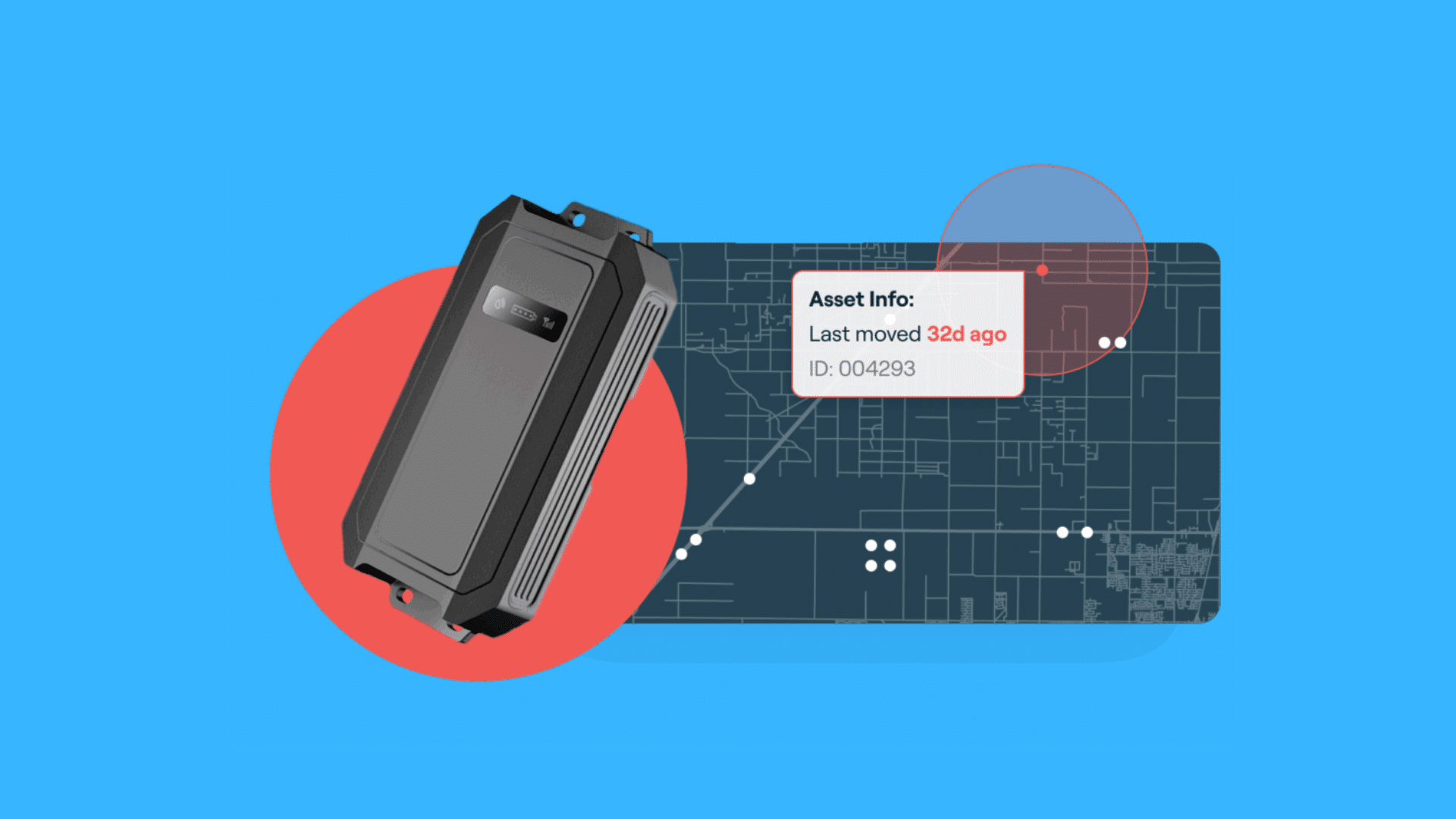
GPX Scout AI is a mini GPS tracker designed mainly for business and enterprise use. My brother used this for tracking equipment, and it helped monitor assets, shipments, and equipment in real time.
The device focuses on data insights and tracking accuracy.
Companies use it to improve logistics and asset management solutions alongside their tracking needs.
It offers advanced tracking features compared to basic trackers, making it useful for industries that rely on detailed tracking systems.
| Pros | Cons |
|---|---|
| Advanced tracking data | Not for casual users |
| Enterprise-level features | Can be costly |
| Reliable performance | Setup may be complex |
Tip: Suitable for businesses needing advanced asset tracking and data insights.
5. AngelSense
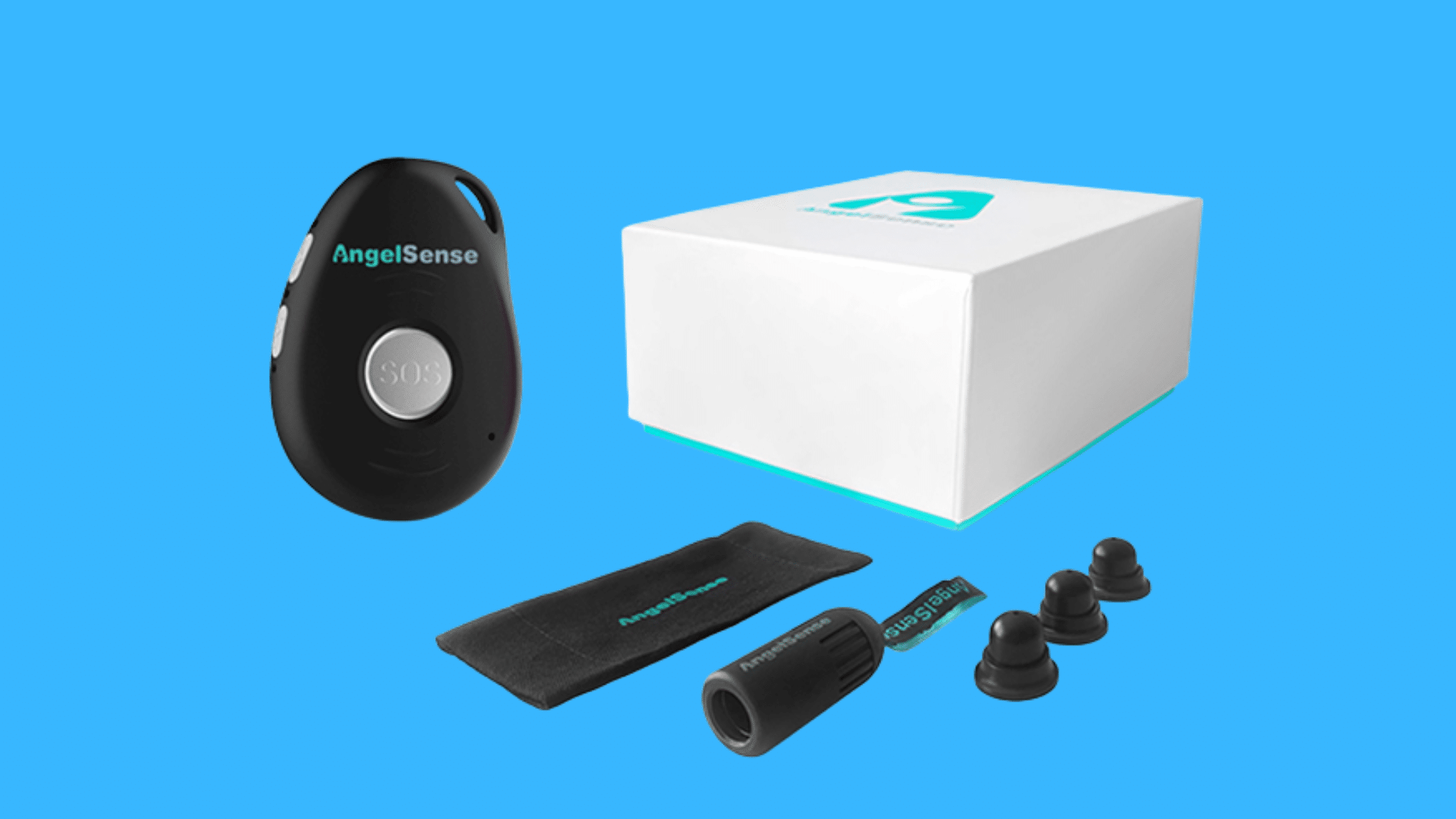
AngelSense is a small GPS tracker focused on safety for kids and special-needs users. It includes features like an SOS button and voice monitoring.
Caregivers can track location in real time and receive alerts when needed. The device is designed to offer peace of mind and better communication.
It is easy to use and built for daily wear. AngelSense is a reliable option for families who need extra safety tracking.
| Pros | Cons |
|---|---|
| Strong safety features | Requires subscription |
| Real-time alerts | Slightly bulky for small kids |
| Easy caregiver access | Limited general use |
Tip: Ideal for parents or caregivers who want added safety features and alerts.
6. Logistimatics (Micro-431)
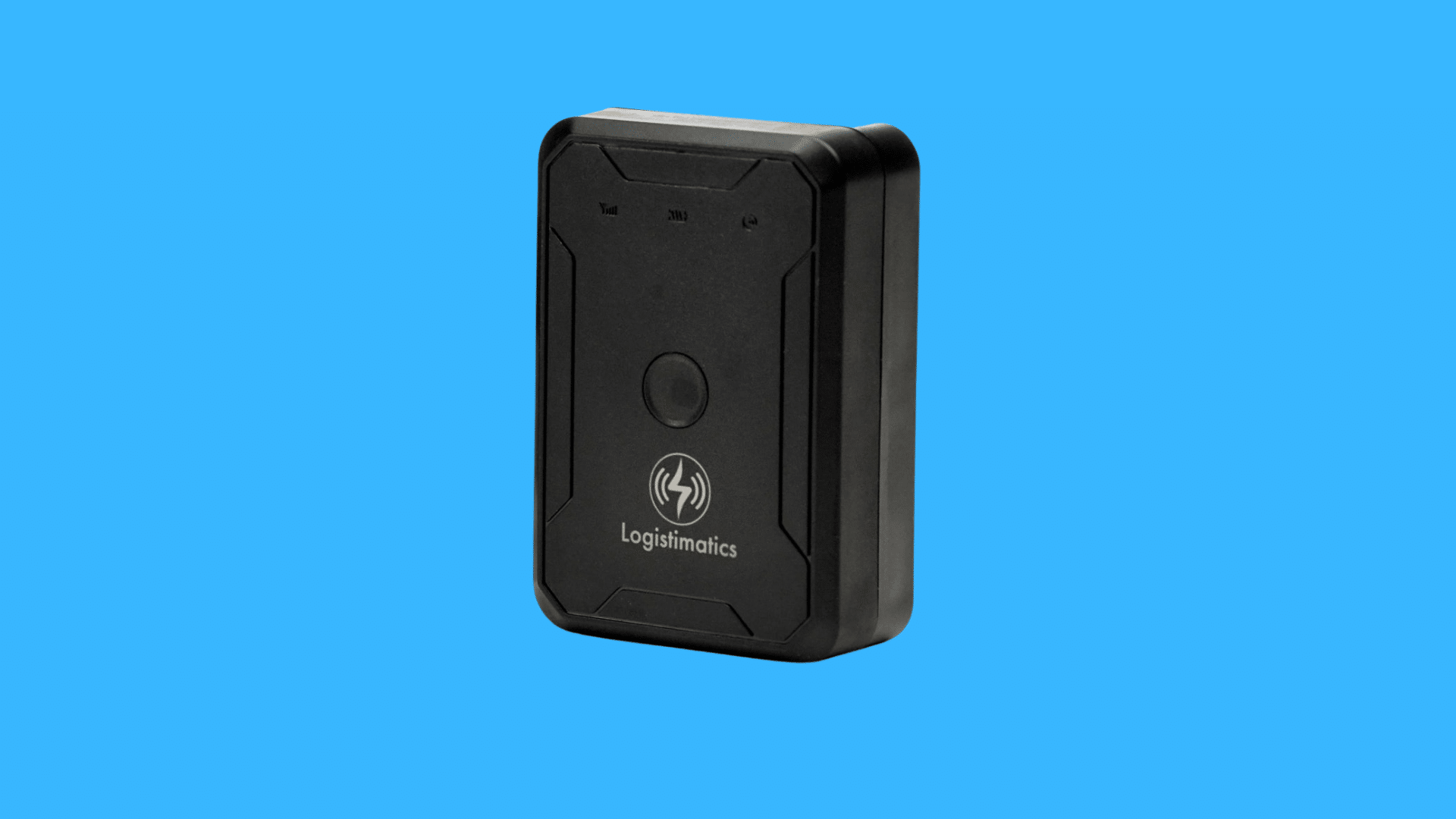
Logistimatics trackers, such as the Micro-431, are used for professional fleet and asset tracking.
I came across this device while looking into tracking solutions for work-related use, and it stood out for its accuracy with vehicles and equipment.
Businesses use these devices to monitor operations and improve efficiency. The tracker is durable and built for regular use in different conditions.
This makes it a strong choice for companies that need a consistent, reliable tracking solution
| Pros | Cons |
|---|---|
| Accurate GPS tracking | Business-focused use |
| Durable design | Higher price |
| Detailed reports | Not beginner-friendly |
Tip: Best for fleet managers and businesses tracking multiple assets.
7. Invoxia Tracker
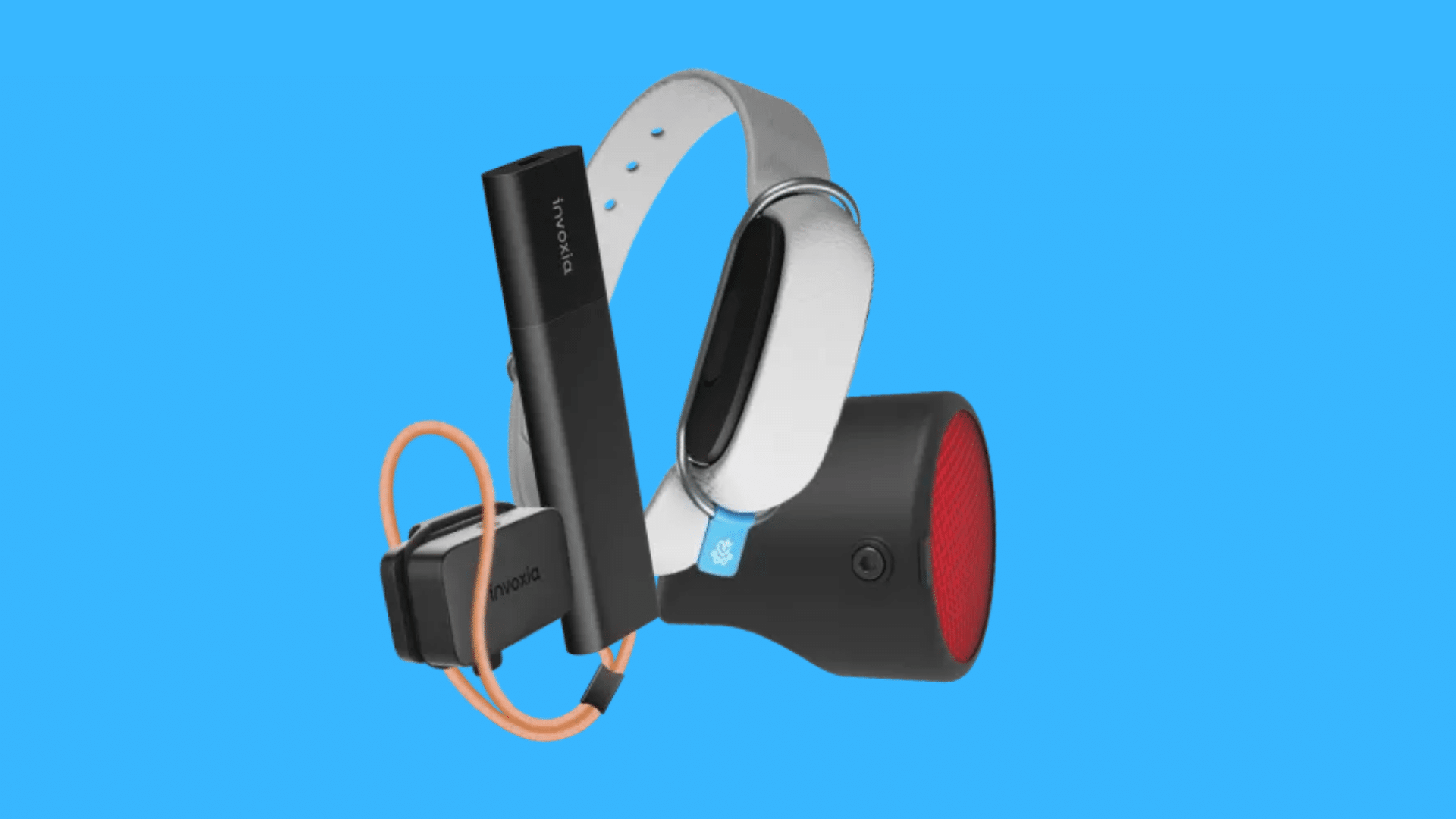
Invoxia Tracker is a compact GPS device known for its long battery life. It is useful for tracking travel items, cargo, or outdoor gear.
The device provides location updates without needing frequent charging. Its design is slim and easy to carry or attach.
It works well for users who need tracking over longer periods. Invoxia is a good option for those who value battery performance and simple functionality.
| Pros | Cons |
|---|---|
| Long battery life | Slower update rate |
| Slim design | Limited real-time tracking |
| Easy to carry | Depends on the network |
Tip: Perfect for travelers who need long battery life with minimal charging.
8. Tracki Mini GPS
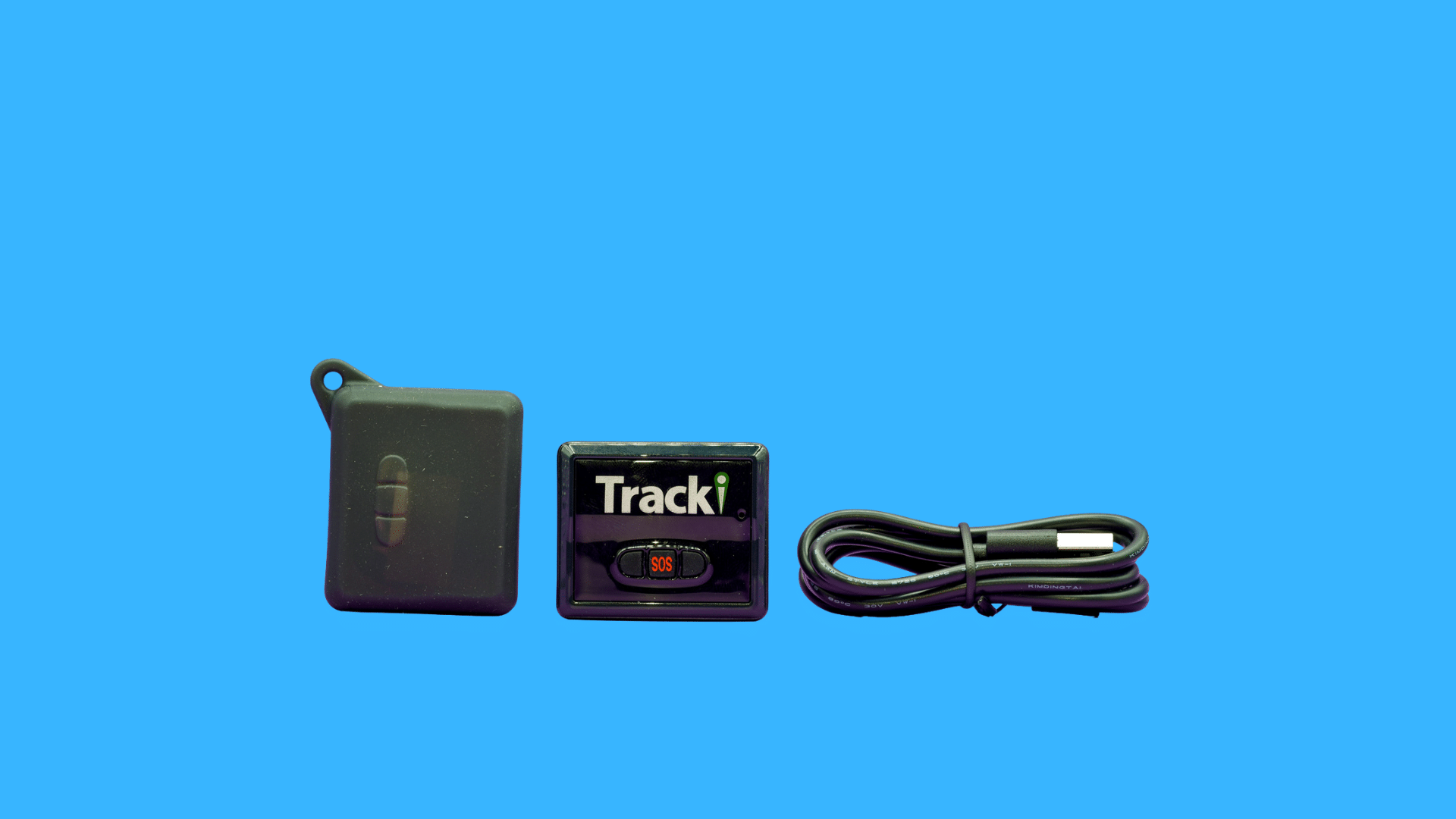
Tracki Mini GPS is a versatile tracking device that works for cars, pets, and personal items. It offers real-time tracking and supports worldwide coverage.
The device is small and easy to carry or attach anywhere. It includes different tracking modes to suit various needs. Users can monitor location through a mobile app.
Tracki is a flexible option for people who want one device for multiple uses.
| Pros | Cons |
|---|---|
| Worldwide coverage | Subscription required |
| Multi-use functionality | Battery life varies |
| Real-time tracking | Setup may take time |
Tip: Great all-in-one option for users needing multi-purpose tracking.
9. LandAirSea 54
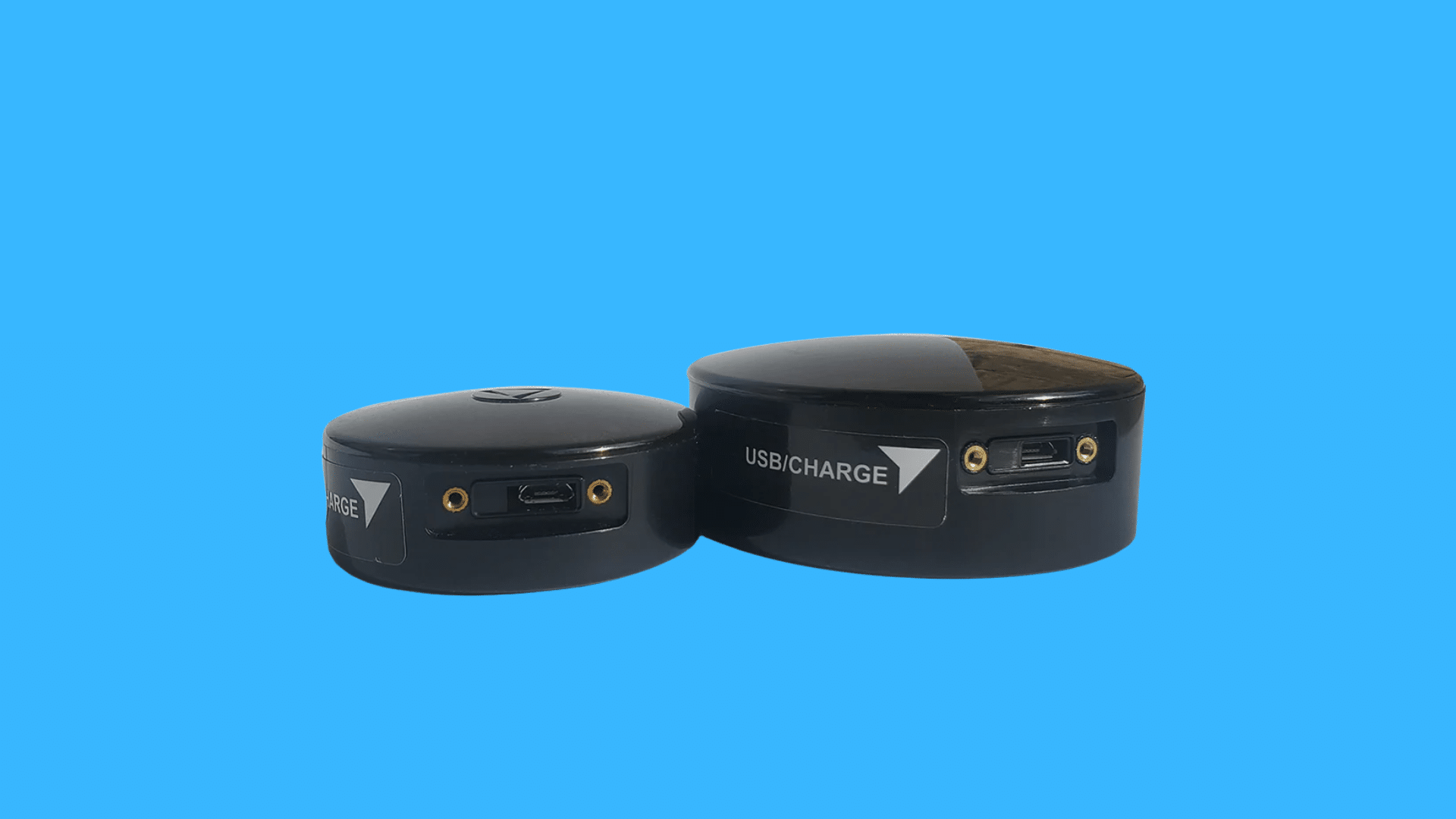
LandAirSea 54 is a micro GPS tracker designed for everyday monitoring. My friend used this to track his car, and it worked really well for monitoring his vehicle and other personal belongings.
The device provides real-time location updates through an app. It has a waterproof design, which makes it suitable for outdoor use.
A built-in magnet makes attachment to metal surfaces easy. This tracker is reliable for simple and discreet tracking needs.
| Pros | Cons |
|---|---|
| Waterproof design | Requires subscription |
| Strong magnetic mount | Limited battery life |
| Real-time updates | Slightly bulky for small items |
Tip: Ideal for discreet tracking with strong magnetic attachment.
How Do Tiny Tracking Devices Actually Work?
Tiny tracking devices work using two main technologies: Bluetooth Low Energy and GPS. Bluetooth trackers send out a short-range signal that your phone can detect when nearby.
If the tracker moves out of range, it does not stop working. Instead, it connects through a crowd-based network.
Other nearby phones pick up the signal and send the location back to you in a private way. Apple Find My and Tile use this method.
GPS trackers work on a wider scale. They connect to satellites to find the exact location anywhere.
Then, they send that data through cellular or LTE networks to your phone. This is why GPS trackers often need a paid plan. From a safety point of view, both systems have been tested.
There have been some concerns about misuse, especially with Bluetooth tracking.
To fix this, companies like Apple, Google, and Samsung now send alerts if an unknown tracker is moving with you.
How to Choose the Right Tiny Tracking Device?
Choosing the right tiny tracking device depends on daily needs and how items are used. A few key factors can make the decision simple and more effective.
- Tracking type: Bluetooth for short-range, GPS for long-distance tracking. Choose based on whether items are usually lost at home or outside.
- Battery life: A longer-lasting battery reduces the need for frequent charging or replacements. Helps keep the device active without constant maintenance,
- Device compatibility: Must work smoothly with Android or iOS devices. Ensures easy connection and smooth app performance.
- Size and design: Compact and easy to attach to everyday items. Makes it comfortable to carry without adding extra weight.
- Features: Look for alerts, real-time tracking, or app controls. Adds more control and improves tracking accuracy.
- Usage purpose: Choose based on items like keys, pets, or vehicles. Helps match the tracker to specific daily needs.
- Budget: Consider upfront cost and any monthly subscription fees. Keeps spending within limits while getting useful features.
GPS vs Bluetooth Tiny Tracking Devices: What’s Better?
Both GPS and Bluetooth tracking devices serve the same purpose, but work in very different ways. The better option depends on how far and how often tracking is needed.
| Feature | GPS Tracking Devices | Bluetooth Tracking Devices |
|---|---|---|
| Range | Works over long distances worldwide | Limited to short range (around 30–100 feet) |
| Accuracy | High accuracy with real-time location | Less precise, it depends on the nearby connection |
| Real-Time Tracking | Provides live tracking anytime | Shows the last known or nearby location |
| Battery Life | Shorter battery life (days to weeks) | Longer battery life (months to years) |
| Cost | Higher cost with possible monthly fees | Lower cost, usually no subscription |
| Best Use | Vehicles, pets, and outdoor tracking | Keys, wallets, and daily items |
GPS trackers are a better choice for tracking items over long distances with real-time updates. Bluetooth trackers are best for quickly finding nearby items at a lower cost.
Are Tiny Tracking Devices Safe and Legal?
Tiny tracking devices are generally safe and legal when used for personal and responsible purposes. They are commonly used to track personal items such as keys, bags, and even pets.
Many devices include alerts for unknown trackers to prevent misuse. Laws vary by location, and tracking someone without consent may be illegal in many areas.
Use trackers responsibly and follow local rules. Inform others when tracking shared items and never track people without consent. The U.S. has no single federal law for all tracker use.
For example, California Penal Code Section 637.7 bans using a tracking device to follow a person without consent, with an exception if the driver or owner agrees.
Several other states also restrict tracking without permission, especially for stalking or spying.
Big tech companies like Apple, Google, and Samsung worked with others on a 2023 cross‑platform system that sends unwanted tracker alerts on both Android and iOS phones.
If you buy a tracker for a shared car or a family member’s bag, writing down clear consent is a smart and responsible step.
Tips for Using Tiny Tracking Devices Smartly
Using tiny tracking devices the right way can improve their performance and reliability. A few simple tips can help make tracking easier and more effective.
- Attach securely: Always place the tracker firmly on items like keys, bags, or collars to prevent it from falling off during daily use
- Keep battery charged: Regularly check and maintain battery levels so the device stays active and ready when needed
- Use app features: Make full use of mobile app settings like alerts, maps, and sound options for better tracking control
- Enable notifications: Turn on alerts to get quick updates when items move out of range or are left behind.
- Test regularly: Check the device from time to time to ensure it is working properly and giving accurate location updates
- Choose the right spot: Place the tracker where it won’t be blocked or damaged, ensuring better signal and durability.
Conclusion
Keeping track of everyday items no longer has to feel stressful. I have used tiny tracking devices in daily life and noticed how much time they save when something goes missing.
Small tools like these can make routines smoother and give a sense of control.
Choose a device that fits your needs, like for keys, pets, or travel items. Once set up, it becomes a simple and useful habit.
Over time, it also builds confidence in keeping things organized without extra effort.
Trying one device can be a good start before adding more for different uses. If tiny tracking devices are already part of daily life, it would be great to hear how they are working.
Share your experience in the comments below and let others know what has helped the most.
Frequently Asked Questions
Can Tiny Tracking Devices Work without Internet?
Some Bluetooth trackers work without an internet connection, but GPS trackers need a network connection to share location data.
How Long Do Tiny Tracking Device Batteries Last?
Battery life can range from a few days for GPS trackers to several months or even years for Bluetooth devices.
Do Tiny Tracking Devices Need a Subscription?
Many GPS trackers require a monthly subscription, while most Bluetooth trackers do not.
Can Tiny Tracking Devices Be Used While Traveling?
Yes, GPS-based trackers are suitable for travel and can provide location updates across different regions.
Are Tiny Tracking Devices Waterproof?
Some models are water-resistant or waterproof, but it depends on the device design and build quality.