


I’ve had a few moments where I wondered if someone could scan my credit card while I walked through a crowded airport or store.
That’s what made me look into RFID blocking and how it really works. At first, it sounded like one of those tech terms people throw around without much explanation.
But once I understood it, the idea became pretty simple and useful for everyday life.
In this article, I’ll explain what RFID blocking is, how RFID technology works, and why some wallets, passport holders, and card sleeves include this feature.
You’ll also learn if RFID blocking is actually needed, what kinds of cards use RFID chips, and how these products help protect your personal data.
If you’ve ever been unsure about RFID safety, this guide will help you understand it in a clear and practical way.
What Is RFID Blocking Technology?
RFID blocking technology is a security feature that helps prevent unauthorized scanning of RFID-enabled cards.
It works by using special materials, often metal or carbon fiber layers, that block or disrupt the radio waves used to read data from credit, debit, and ID cards.
RFID stands for Radio Frequency Identification. Many modern cards have small chips that send data through radio signals when placed near a reader.
While this makes payments fast and easy, it can also raise concerns about electronic pickpocketing, known as RFID skimming. RFID blocking products, such as wallets and card sleeves, are designed to reduce this risk.
They create a protective barrier between your card and external scanners.
This protection is mostly used for contactless cards. Knowing how it works can help you decide if you need it.
How RFID Blocking Protects Your Cards?
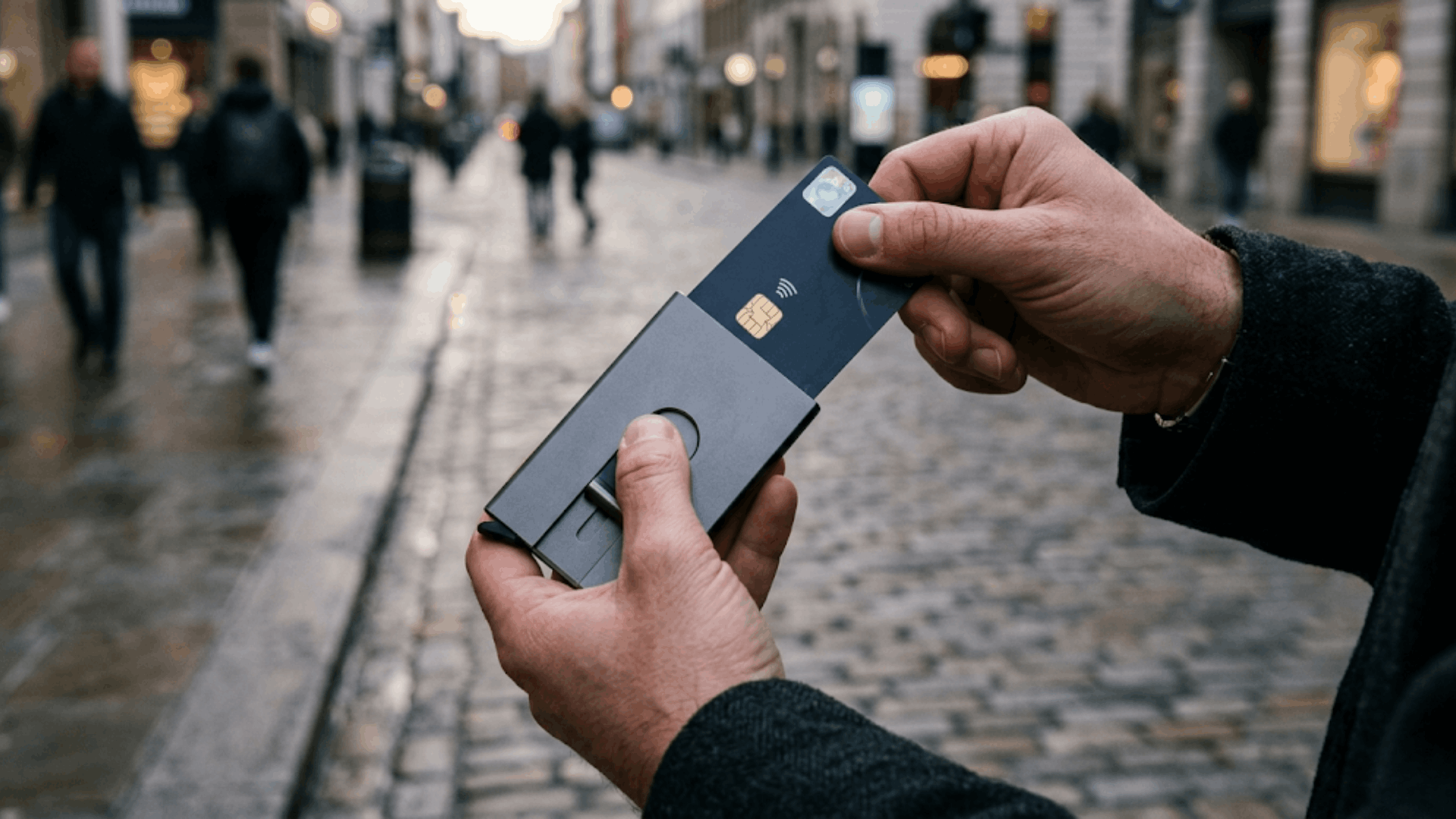
RFID blocking products help lower the chance of unwanted card scanning in public places. They work by stopping radio signals from reaching the RFID chip inside your cards.
1. Blocks Radio Frequency Signals
RFID blocking wallets and sleeves use special materials that stop radio waves from passing through. These radio waves are what scanners use to connect with RFID chips inside cards.
When the signal gets blocked, the scanner cannot read the card information.
Most RFID blocking products use metal layers like aluminum or carbon fiber for this purpose. This creates a barrier between your cards and outside scanners.
It helps protect contactless payment cards, ID cards, and passports from quick scans in crowded places like airports, malls, and public transportation areas where people move close together every day.
2. Prevents Unauthorized Scanning
Without RFID blocking, someone with a nearby scanner may try to read your card details without you knowing. RFID blocking products lower this risk by stopping the scanner from making a connection with the chip.
This can help protect basic card information stored inside contactless cards. While modern cards already have built-in safety features, RFID blocking adds another layer of protection.
Many people use these products while traveling or visiting busy public areas.
It gives peace of mind when carrying debit cards, credit cards, hotel key cards, or work ID badges in places with large crowds and close contact.
3. Creates a Protective Shield Around Cards
RFID blocking materials work like a shield that surrounds your cards and blocks outside scanning attempts. The protective layer keeps radio signals from reaching the RFID chip until you remove the card for use.
This means the card only becomes readable when you intentionally tap or scan it at a payment machine.
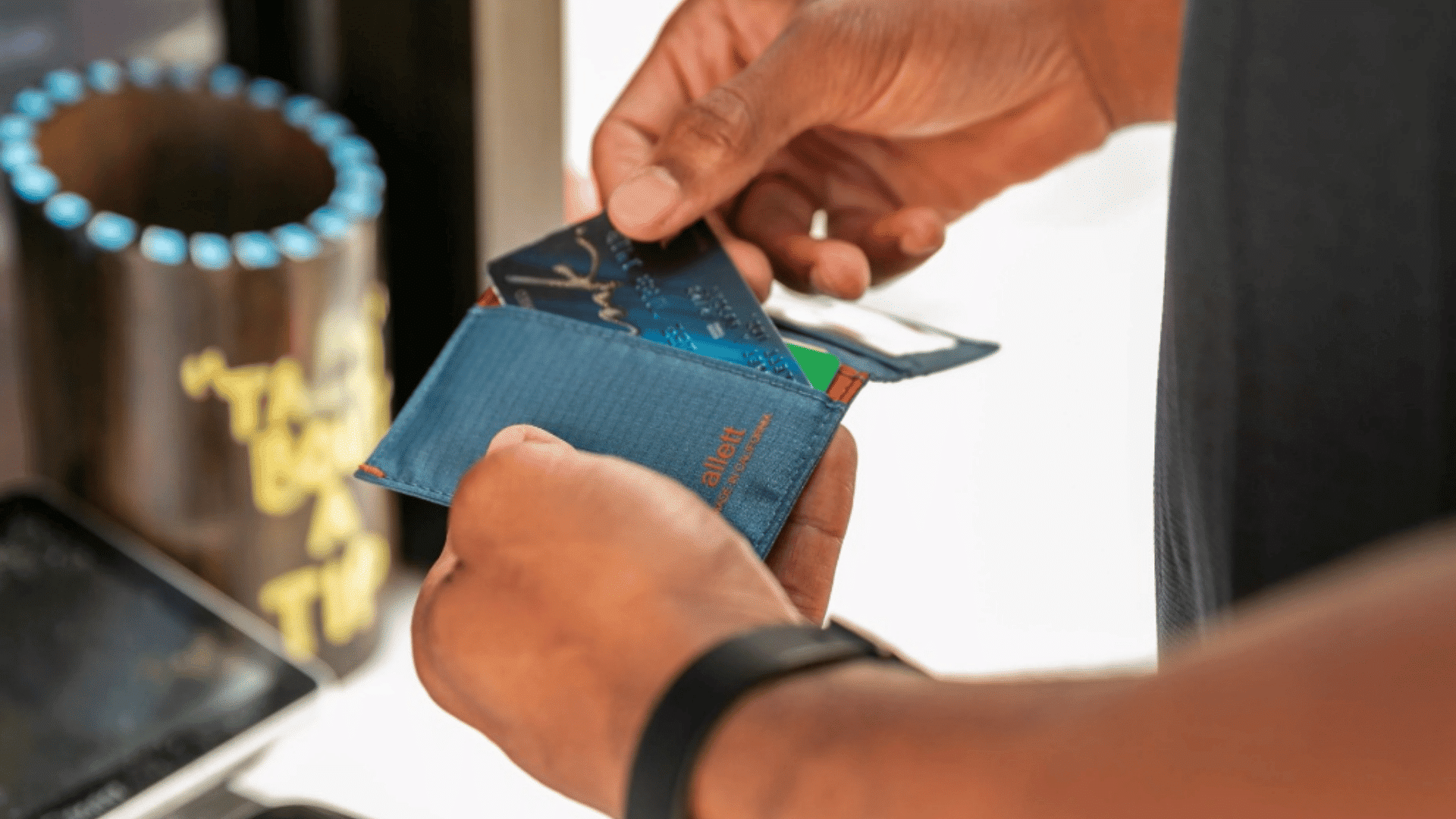
Some wallets protect all cards at once, while sleeves cover cards individually. Both options are designed to reduce unwanted signal access.
This added protection is useful for people who carry several contactless cards daily and want a simple way to keep personal information more secure while traveling or shopping.
RFID Skimming and Card Security Risks
RFID skimming is a form of electronic pickpocketing that targets contactless cards. It involves using a scanner to read card data without physical contact.
- RFID Technology: RFID skimming uses radio frequency signals to access information stored on contactless credit and debit cards.
- Handheld Scanners: A handheld scanner can communicate with an RFID chip when the card is within range.
- Data That Can Be Read: In most cases, only limited details, such as the card number and expiration date, can be accessed.
- Common Risk Areas: Skimming attempts are more common in crowded places where people stand close together.
- Bank Security Systems: Modern banks use encryption and fraud monitoring systems to lower the chances of misuse.
- RFID Blocking Products: Although the overall risk is low, some people still choose RFID blocking products for extra peace of mind.
Why RFID Blocking Matters Today?
More people now use contactless cards for shopping, travel, and daily payments. RFID blocking helps add extra protection as wireless payment technology becomes more common.
These chips send data via radio signals, making checkout quick. At the same time, this convenience has raised concerns about electronic skimming.
In busy places like airports, malls, and public transport, cards are often kept close to other people.
While the risk of data theft is not high in most cases, some users prefer extra protection. RFID blocking products are designed to reduce the risk of unauthorized scans by limiting signal access.
As digital payments continue to grow, awareness about card security also grows.
While traveling through a crowded airport, some people prefer RFID-blocking wallets because their cards stay close to strangers during security checks and boarding lines.
RFID blocking adds extra peace of mind, but it works best alongside normal bank security protections.
How Banks Protect Against RFID Fraud?
Banks use several security layers to protect customers from RFID fraud. Contactless cards use encryption to secure the data shared during a transaction.
When you tap your card, the information is encrypted, making it difficult for criminals to reuse or copy it.
RFID chips also transmit limited data. They do not send your PIN, full account access, or sensitive banking passwords. This restriction reduces the value of any information that could be captured through unauthorized scanning.
In addition, banks use real-time fraud detection systems. These systems monitor spending behavior and quickly flag unusual activity.
If a suspicious transaction appears, the bank may block it or contact you for confirmation.
Many banks also send instant transaction alerts through mobile apps, allowing customers to review and report unauthorized charges quickly.
Which Cards Use RFID Technology?
RFID technology is used in many everyday cards for quick scanning and contactless access. You may already carry several RFID-enabled cards in your wallet without noticing it.
- Credit Cards: Many modern credit cards use RFID or NFC chips for tap-to-pay transactions at stores and payment terminals.
- Debit Cards: Contactless debit cards also use RFID technology to make fast payments without inserting the card into a machine.
- Passports: Biometric passports contain RFID chips that store personal details and travel information for faster airport checks.
- Transit Cards: Metro cards, subway passes, and public transport cards often use RFID for quick entry and fare payments.
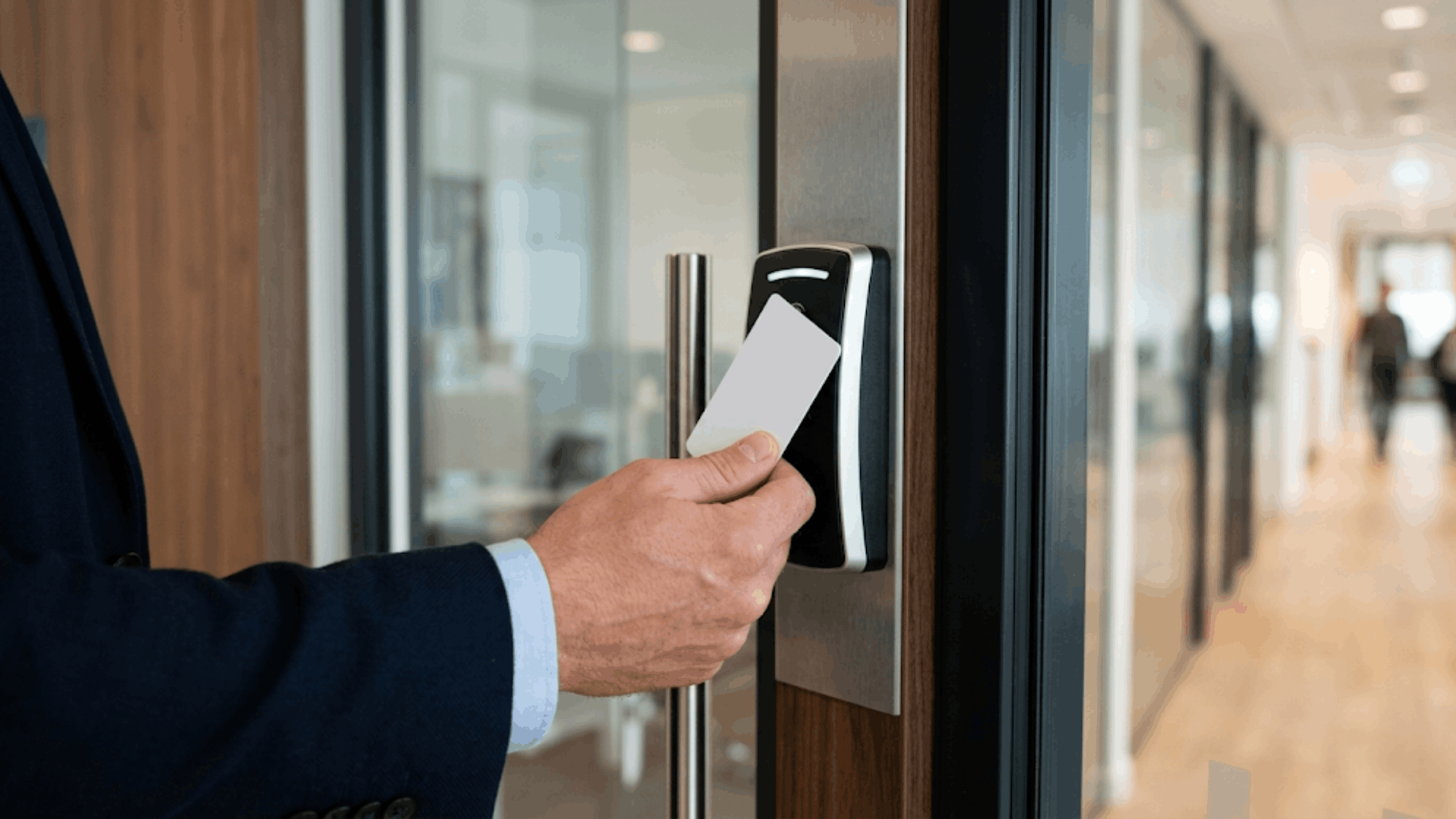
- Hotel Key Cards: Many hotels use RFID-enabled key cards that unlock room doors with a simple tap or scan.
- Work ID Badges: Office buildings and secure workplaces commonly use RFID employee badges for entry and attendance systems.
- Access Cards: Gyms, parking garages, gated communities, and event venues often use RFID cards for controlled access.
- Student ID Cards: Some schools and colleges use RFID-enabled student cards for attendance tracking, payments, and library access.
Pros and Cons of RFID Blocking
RFID blocking is designed to reduce the risk of unauthorized card scanning. Before buying RFID-blocking products, it is important to understand both the benefits and the limitations.
| Pros | Cons |
|---|---|
| Adds an extra layer of protection against RFID skimming | May not be necessary for most daily use |
| Provides peace of mind in crowded places | Risk of RFID skimming is generally low |
| Simple to use with no setup required | Can increase the price of wallets or bags |
| No batteries or charging needed | Does not protect against online scams or phishing |
| Available in wallets, sleeves, backpacks, and passport holders | May block office or transit cards when quick access is needed |
| Helps protect contactless credit and debit cards | Not all products offer verified blocking quality |
| Lightweight and easy to carry | Some designs add extra bulk |
| Long-lasting protection due to built-in materials | Can create a false sense of full security |
Do All Contactless Cards Need RFID Blocking?
Not all contactless cards need RFID blocking. Most modern credit and debit cards use encryption and security layers that limit the data shared during a scan.
In many cases, the transmitted information is limited and cannot be used on its own to complete a transaction.
Banks also monitor unusual activity and offer fraud protection, which reduces the overall risk. Because of this, the real-world threat of RFID skimming is considered low by many security experts.
However, some people still prefer extra protection, especially when traveling or spending time in crowded places.
RFID blocking may be useful if you carry several contactless cards daily and want added peace of mind. It is a personal choice rather than a strict requirement.
Understanding how your cards work can help you decide if RFID blocking makes sense for your needs.
Common Myths About RFID Blocking
Many people have mixed opinions about RFID blocking. Some online claims make the risk seem much bigger than it actually is.
- RFID theft is very common: In reality, confirmed cases of RFID skimming are limited. Banks use strong encryption and fraud-monitoring systems to reduce fraud.
- RFID blocking protects against all fraud: RFID blocking only helps prevent unauthorized radio scans. It does not stop online scams, phishing, or data breaches.
- All cards are easy to scan: Most contactless cards transmit limited information. Sensitive details such as PIN codes are not shared via simple RFID scans.
- Every wallet needs RFID blocking: Not everyone’s cards require it, many users rely on bank security features and careful card handling rather than on bank security features and careful card handling.
- RFID blocking weakens your card’s signal permanently: It does not damage your card. It simply blocks signals while the card is inside the protective layer.
RFID Blocking vs Regular Wallets: Key Differences
RFID-blocking wallets help reduce unauthorized scanning of contactless cards, while regular wallets mainly focus on storage and style. The best choice depends on your travel habits, security concerns, and daily card use.
| Feature | RFID Blocking Wallet | Regular Wallet |
|---|---|---|
| Security | Helps block RFID signals from scanners | Does not block RFID signals |
| Card Protection | Adds extra protection for contactless cards | Relies on bank security systems only |
| Material | Uses metal or conductive layers | Standard leather, fabric, or synthetic materials |
| Price | Usually costs more | Often more affordable |
| Everyday Use | Slightly thicker in some designs | Often slimmer and lighter |
| Fraud Protection | Helps reduce RFID skimming risk | No added RFID protection |
| Convenience | May block transit or office cards temporarily | Easy, quick-access card scanning |
| Best For | Travelers and people wanting extra security | Users focused on simplicity and style |
How to Test RFID Blocking at Home?
RFID-blocking wallets can be tested at home using a contactless payment terminal or card reader. This quick process helps check if the wallet blocks radio signals from reaching the card.
- Place the Card Inside the Wallet: Keep the contactless card inside the RFID-blocking wallet or sleeve before starting the test.
- Use a Payment Terminal: Hold the wallet near a contactless payment machine or RFID scanner.
- Check if the Card Is Detected: If the scanner cannot read the card, the RFID blocking is likely working correctly.
- Compare Without the Wallet: Remove the card and test again to compare the results.
- Test Multiple Cards: Repeat the process with credit, debit, or transit cards as needed.
- Check Wallet Thickness and Coverage: Ensure the wallet fully covers the card; exposed sections may allow signals to pass through.
- Avoid Stacking Open Cards: Keep cards properly placed inside the wallet, since partially exposed cards may still be scanned.
Are RFID Blocking Wallets Worth Buying?
RFID-blocking wallets are worth buying if you want extra protection and peace of mind for your contactless cards, especially while traveling or in crowded places.
They add a layer of protection by reducing the chance of unauthorized RFID scans in crowded places like airports, malls, and public transport.
Many users choose them for travel or daily commuting, especially when carrying multiple credit cards or passports.
At the same time, the real risk of RFID skimming is considered low because banks already use encryption, fraud alerts, and transaction monitoring systems.
For many people, a regular wallet combined with good banking security may already provide enough protection.
In the end, buying an RFID-blocking wallet comes down to personal comfort, travel habits, and how much added security matters to you.
Tips to Keep Contactless Cards Safe
Contactless cards are designed with built-in security, but simple habits can help reduce the risk of unauthorized use. Taking a few extra precautions can enhance card safety while traveling, shopping, and making daily payments.
- Use Banking Alerts: Enable instant transaction notifications to quickly spot unusual card activity.
- Keep Cards in Secure Places: Store wallets and cards safely in crowded areas like airports, malls, and public transport.
- Avoid Suspicious Scanners: Be cautious around unfamiliar payment devices or people standing unusually close with electronic gadgets.
- Check Bank Statements Regularly: Review recent transactions often to identify unauthorized charges early.
- Use RFID-blocking products if needed: RFID-blocking wallets or sleeves can add extra protection for contactless cards.
- Lock Lost Cards Quickly: Many banking apps let you temporarily lock cards if they’re misplaced or stolen.
Conclusion
RFID blocking can add an extra layer of protection for contactless cards, but it is not a complete fix for fraud.
In most cases, the risk of RFID skimming is already low because banks use encryption and fraud monitoring systems to protect cardholders.
The best choice depends on your daily habits, travel needs, and personal comfort level. Some people feel safer using RFID blocking wallets or sleeves, while others trust the security tools provided by their banks.
Taking a few minutes to check your card security and payment settings can help you stay informed and feel more confident about protecting your personal information.
I believe making decisions based on facts instead of fear is always the smarter approach.
Do you use an RFID blocking wallet or sleeve? Share your thoughts or experiences in the comments below.
Frequently Asked Questions
Can RFID Blocking Protect Against Mobile Phone Scanning Apps?
No, most smartphones cannot easily scan RFID cards without specialized hardware.
Do RFID-Blocking Wallets Require a Power Source?
No, they work passively using built-in materials and do not need batteries or charging.
Can Damaged RFID Chips Still Be Blocked?
Yes, RFID blocking will still block signals even if the chip is partially damaged.
Is RFID Blocking Useful for Transit Cards Like Metro Passes?
It can block them, but you may need to remove the card for quick tap access.
Can RFID Blocking Help if Your Card Is Lost or Stolen?
No, it does not protect against misuse once someone physically has your card