




Technology is moving fast, and it can be hard to keep up with all the changes happening around us.
From artificial intelligence and cloud computing to smart devices and stronger cybersecurity, new developments are changing the way we work, learn, communicate, and use computers every day.
As someone with a background in computer engineering and years of experience creating technical content, I believe technology should be explained in an easy-to-understand way, not filled with confusing terms.
In this blog, I’ll break down the most important tech trends pboxcomputers is associated with and explain why they matter.
We’ll look at how AI is improving computing, why cloud and edge computing are becoming more important, how hardware is getting faster, the growing role of connected devices, and what the future may hold.
By the end, you’ll have a clear understanding of the technologies shaping today’s digital world and what they could mean for the years ahead.
What are Tech Trends PBoxComputers?
Tech trends PBoxComputers refers to the latest technological changes in modern computing. It includes artificial intelligence, cloud computing, cybersecurity, smart devices, faster hardware, and energy-saving systems.
These trends show how computers are becoming smarter, quicker, safer, and easier to use.
PBoxComputers is gaining attention because people want simple ways to understand new technology.
Many users do not want hard technical terms. They want clear answers about how digital tools affect work, school, business, and daily life.
The key technologies driving this change include AI tools, online storage, connected devices, advanced processors, and stronger data protection.
These updates help users complete tasks faster and help businesses manage data, improve security, reduce costs, and support better teamwork.
In simple words, tech trends PBoxComputers helps readers understand where computing is heading and why these changes matter.
Top Tech Trends PBoxComputers is Following in 2026
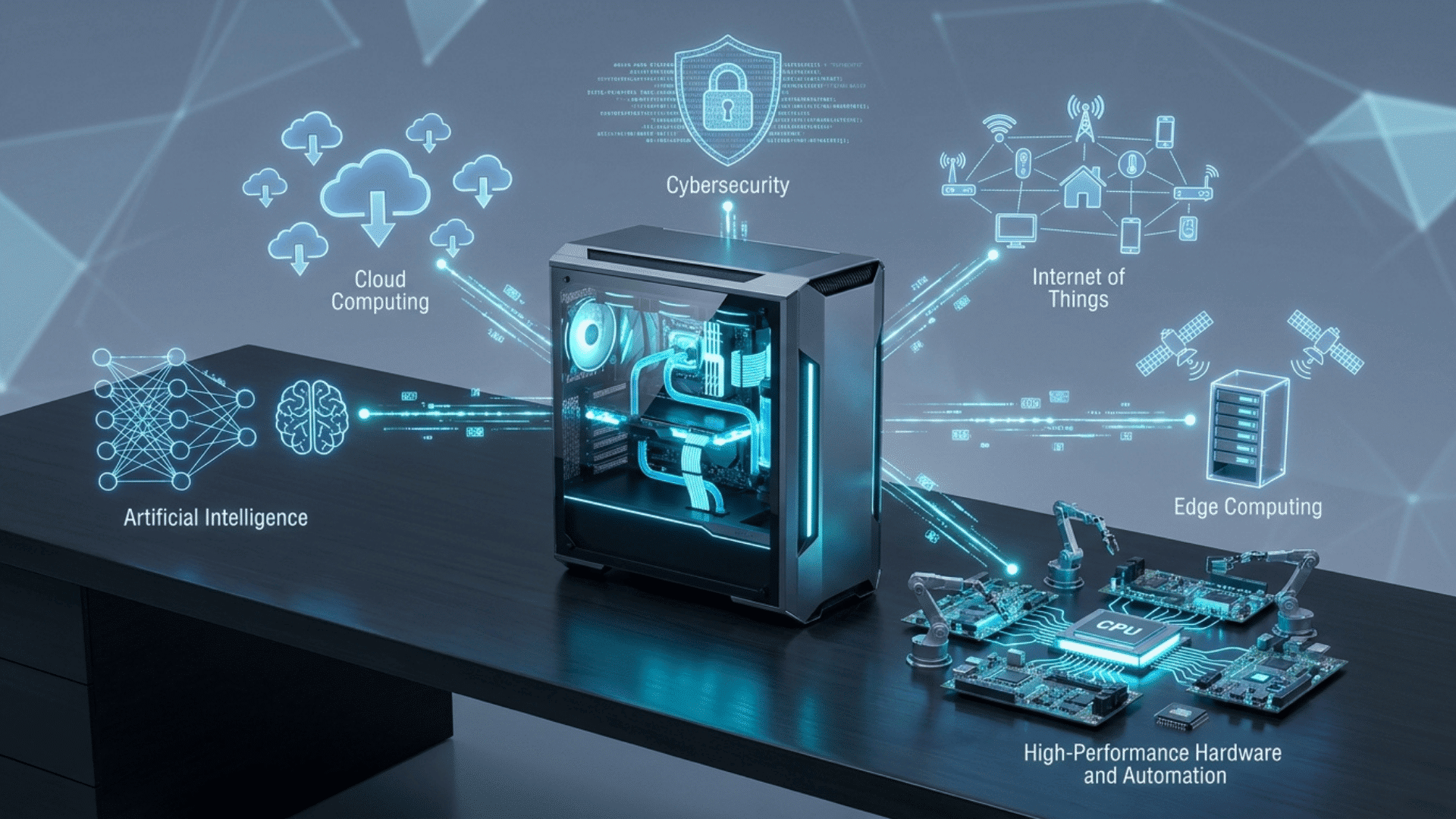
PBoxComputers is linked with several major technology changes in 2026. These trends are helping computers become faster, safer, smarter, and more useful for both personal and business use.
| Tech Trend | What It Means | How It Helps Users and Businesses |
|---|---|---|
| Artificial Intelligence and Machine Learning | Computers can learn from data and give smarter results. | Helps with chatbots, search tools, reports, task support, and faster decision-making. |
| Cloud Computing and Hybrid Infrastructure | Data and apps can be stored online or used with local systems. | Makes remote work easier, lowers storage needs, and supports better teamwork. |
| Cybersecurity and Data Protection | Systems use stronger tools to keep data safe. | Protects personal files, business records, payments, and private information. |
| Internet of Things (IoT) | Devices connect and share data through the internet. | Helps smart homes, offices, factories, and daily devices work better together. |
| Edge Computing | Data is processed closer to the device instead of far away. | Reduces delays and helps apps, sensors, and smart tools respond faster. |
| High-Performance Hardware | Computers use faster chips, better graphics, and stronger storage. | Improves gaming, editing, coding, office work, and heavy software use. |
| Automation and Smart Workflows | Repeated tasks can be handled by software with less manual work. | Saves time, reduces errors, and helps teams finish work faster. |
How Artificial Intelligence Is Changing Modern Computing
Artificial intelligence is becoming a major part of modern computing because it helps systems work faster, learn from data, and support users in smarter ways.
- AI-powered productivity tools: AI tools can help with writing, planning, summaries, data sorting, and task reminders. This saves time and helps users finish daily work with less effort.
- Predictive analytics and decision-making: AI can study large amounts of data and find patterns. Businesses can use this to plan better, understand customer needs, and make faster decisions.
- AI in customer support and communication: Chatbots and virtual assistants can answer common questions, guide users, and provide quick support. This helps companies serve customers without long wait times.
- Real-world applications across industries: AI is used in healthcare, education, finance, retail, and manufacturing. It helps doctors, teachers, business teams, and workers complete tasks with more accuracy.
The Technology Foundation Behind PBoxComputers
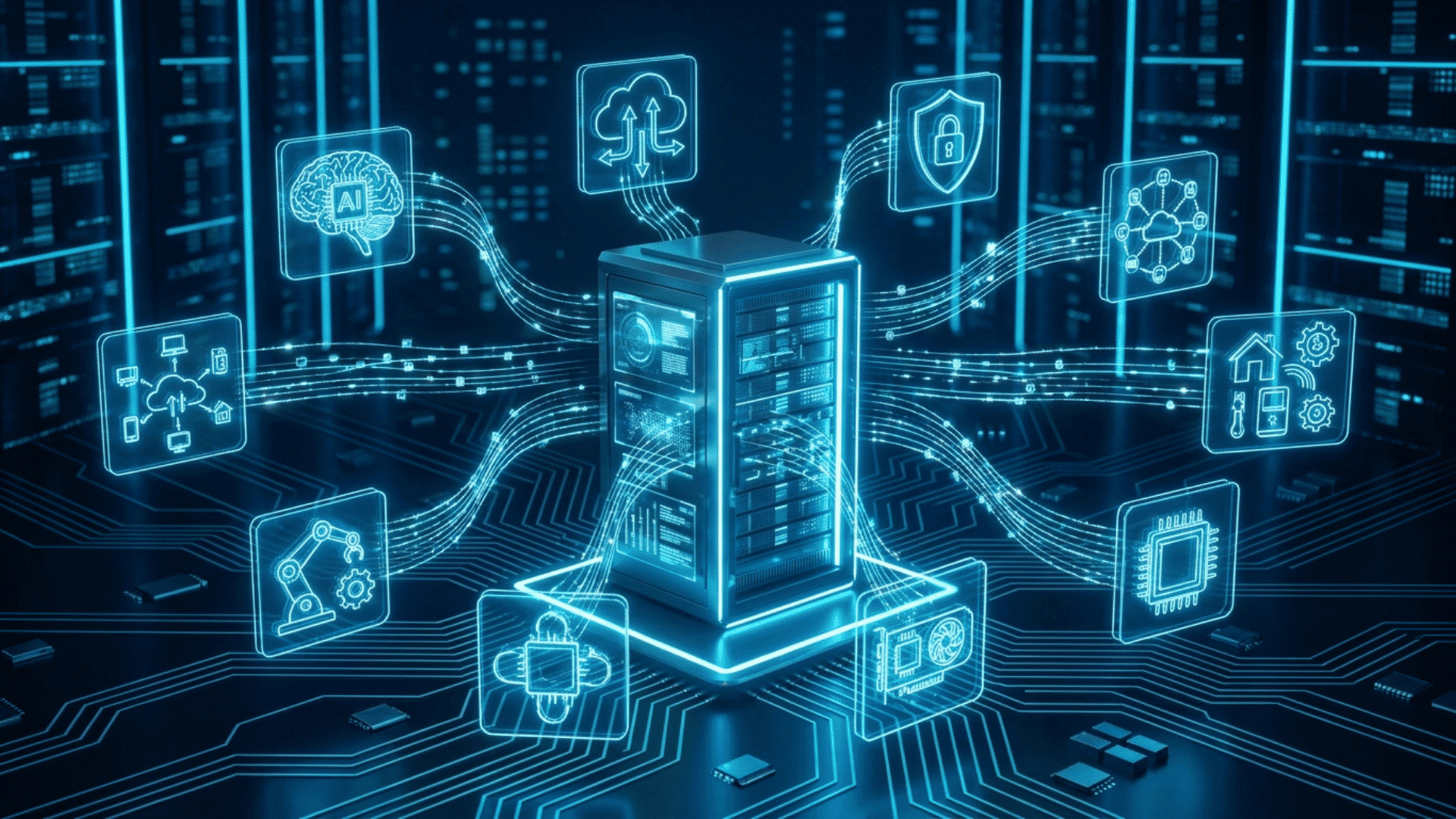
Modern computing needs strong systems behind the scenes. Cloud platforms, edge computing, fast processors, GPUs, energy-saving parts, and better storage all work together to improve speed, access, and daily use.
1. Cloud Computing and Connected Infrastructure
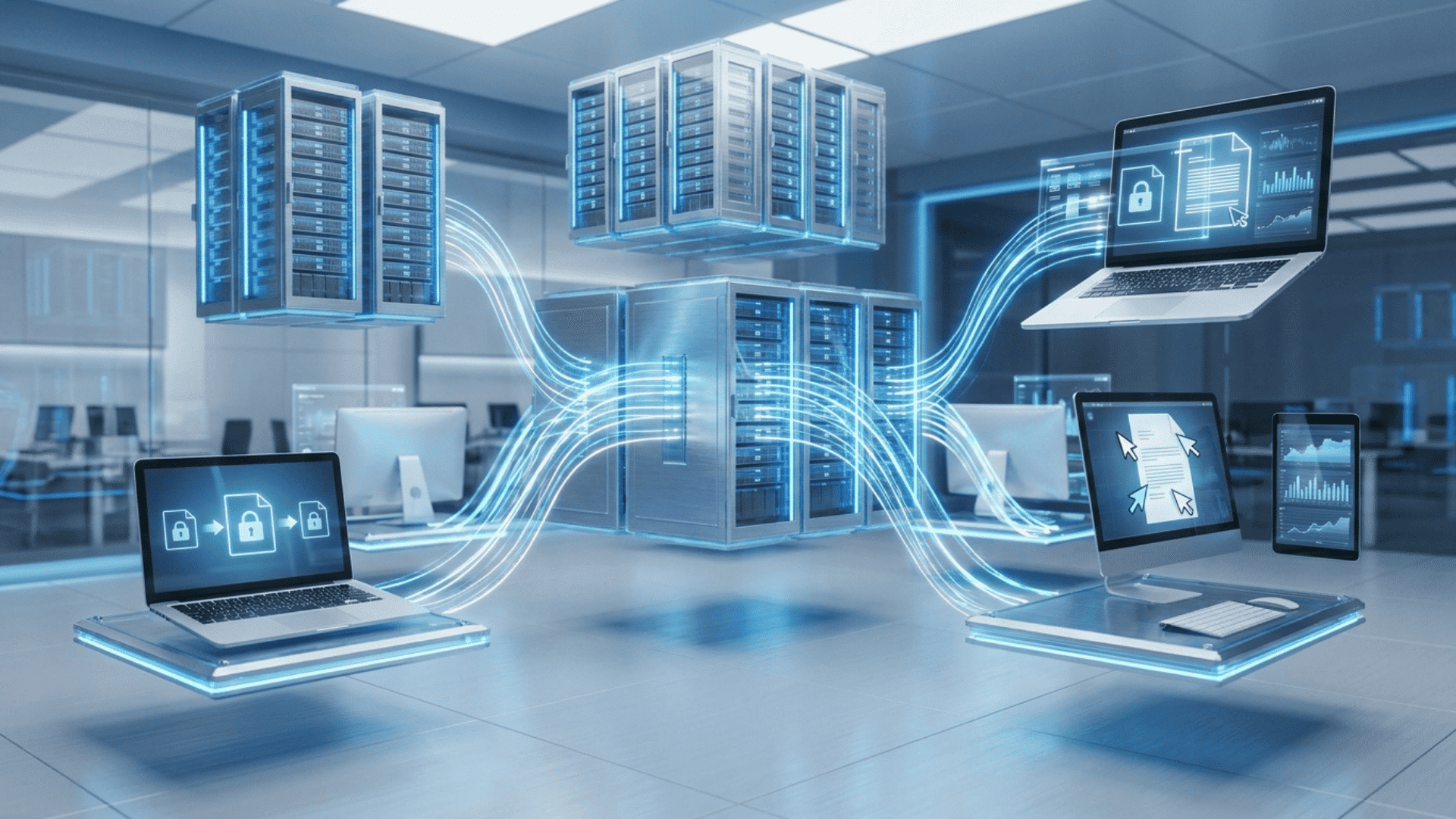
Cloud computing lets users store files, use apps, and access data over the internet instead of relying solely on a single device.
Connected systems also help teams share files, work together, and manage tools from different locations. Hybrid setups give businesses both online access and local control.
Benefit: It supports remote work, easier teamwork, and flexible data use.
2. The Rise of Edge Computing
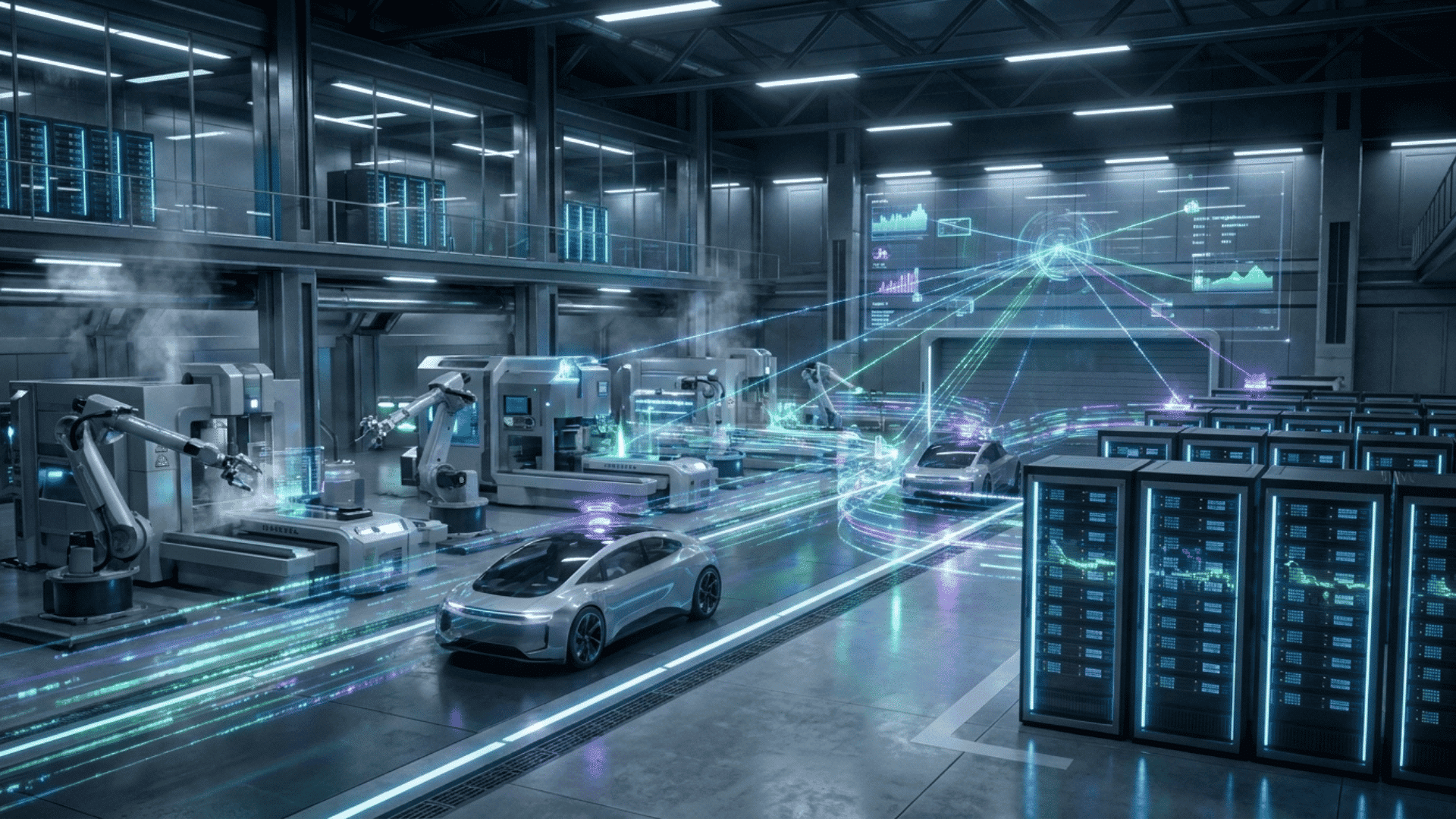
Edge computing means data is processed closer to the user, device, or sensor instead of being sent to a distant server every time.
This is useful for smart devices, factories, apps, and tools that need quick responses. It helps systems act faster when timing matters.
Benefit: It reduces delays and improves real-time performance.
3. Faster Processors and Next-Generation Chips
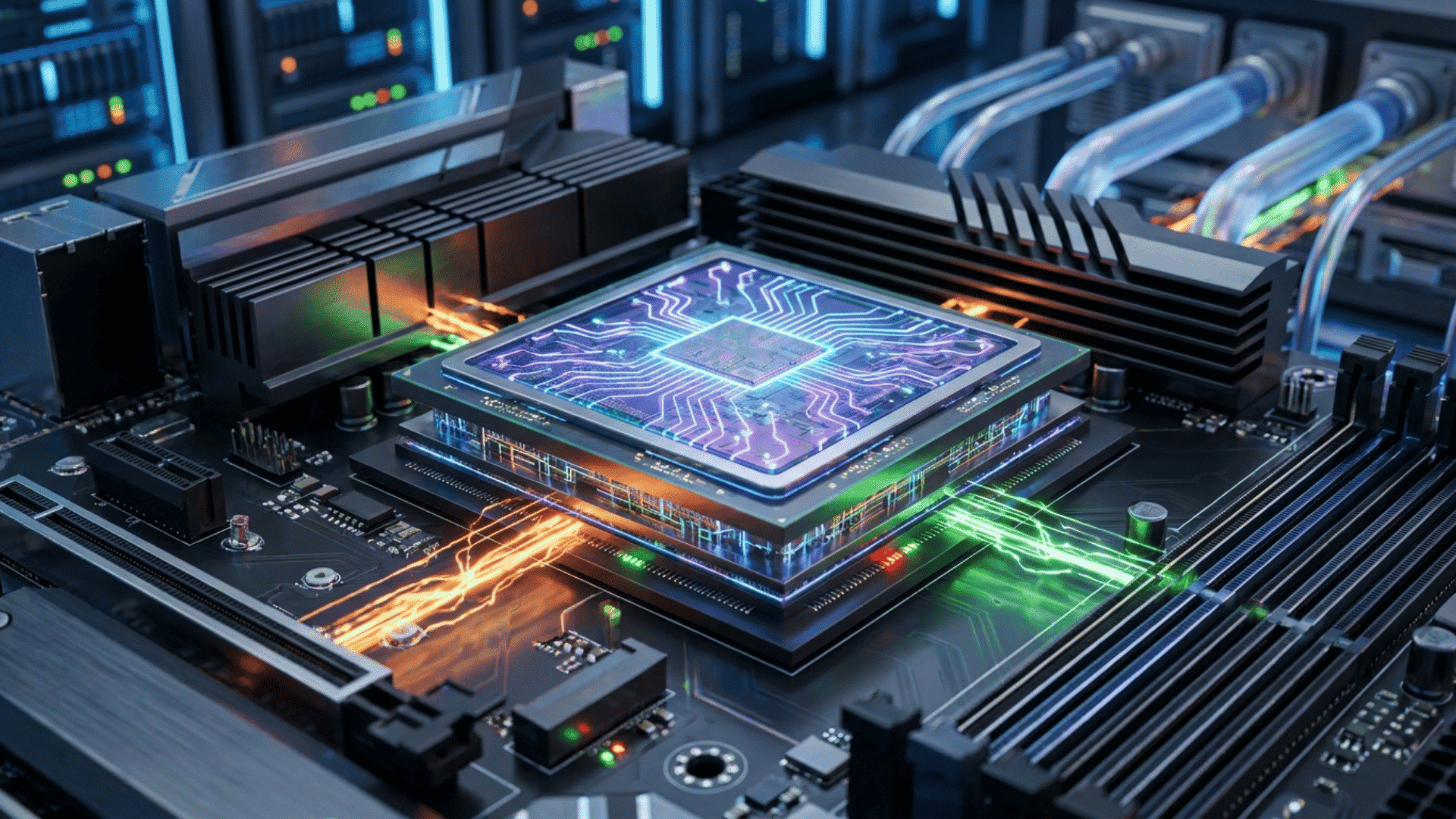
Modern processors are built to handle more tasks at the same time.
They help computers run heavy software, open programs faster, and manage gaming, coding, editing, and office work with fewer slowdowns. Better chips also support AI tools and advanced business software.
Benefit: Users get smoother performance during everyday and heavy tasks.
4. GPU Advancements for Gaming and AI
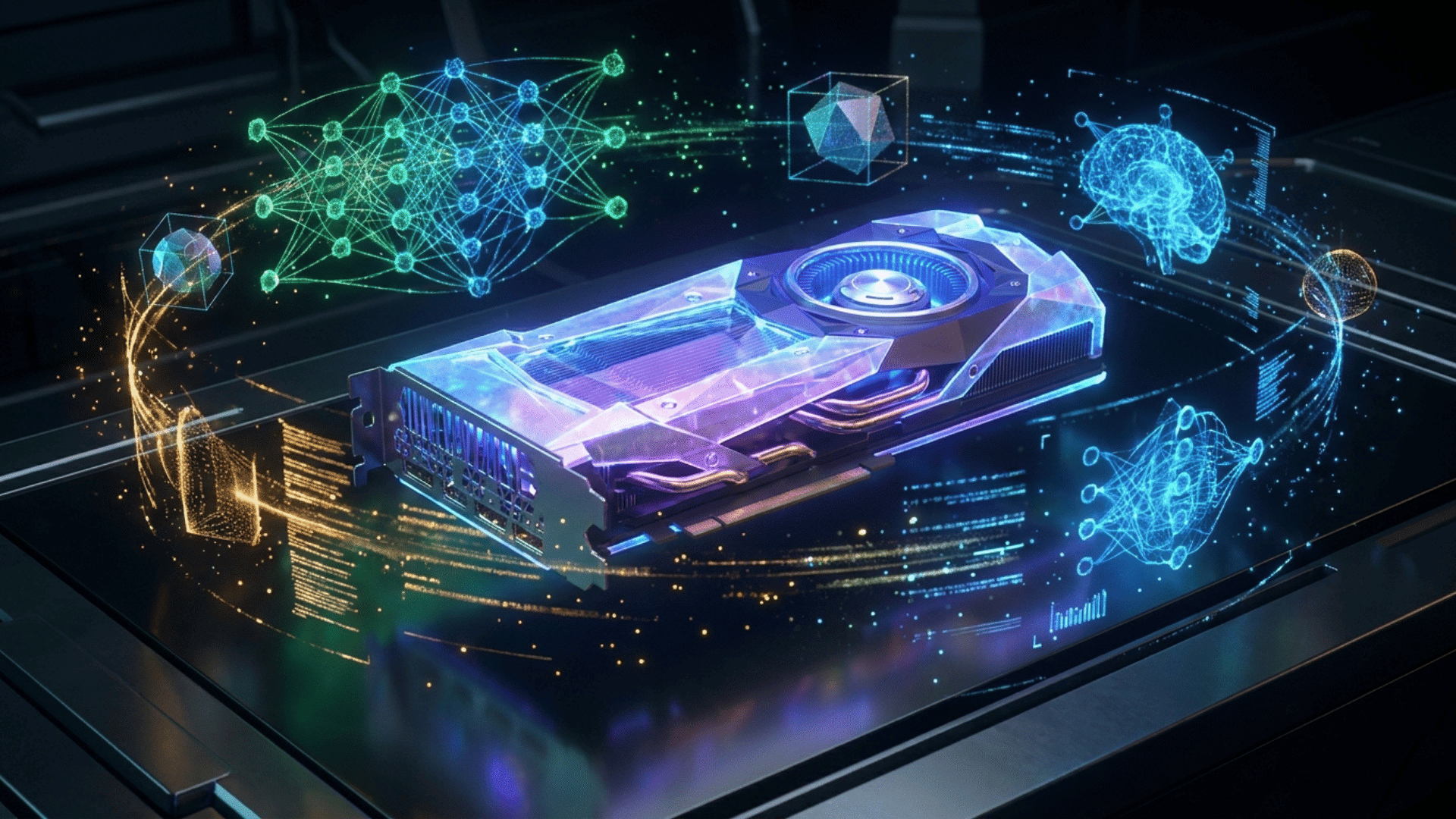
GPUs were once mainly used for graphics and gaming, but now they also support AI, video editing, 3D design, and data-heavy work.
A stronger GPU helps systems process visual tasks faster and manage machine learning workloads more effectively.
Benefit: It improves graphics, AI processing, and the speed of creative work.
5. Energy-Efficient Computing Systems
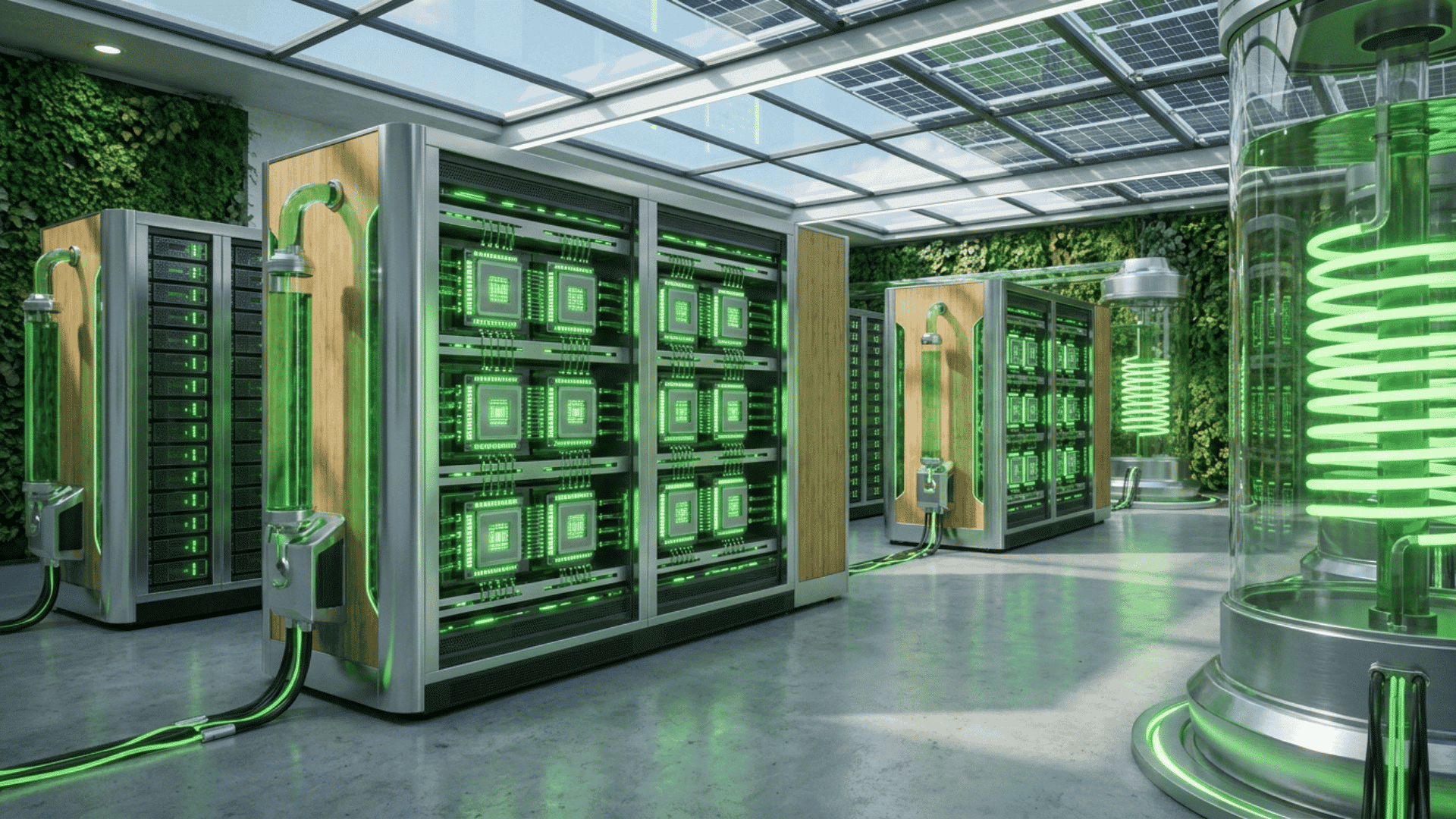
Energy-efficient systems are designed to use less power while still giving good performance. This includes low-power chips, smarter cooling systems, and better hardware design.
These systems are useful for laptops, desktops, offices, and data centers that run for long hours.
Benefit: They lower power use, reduce heat, and cut long-term costs.
6. Storage Innovations Improving Performance
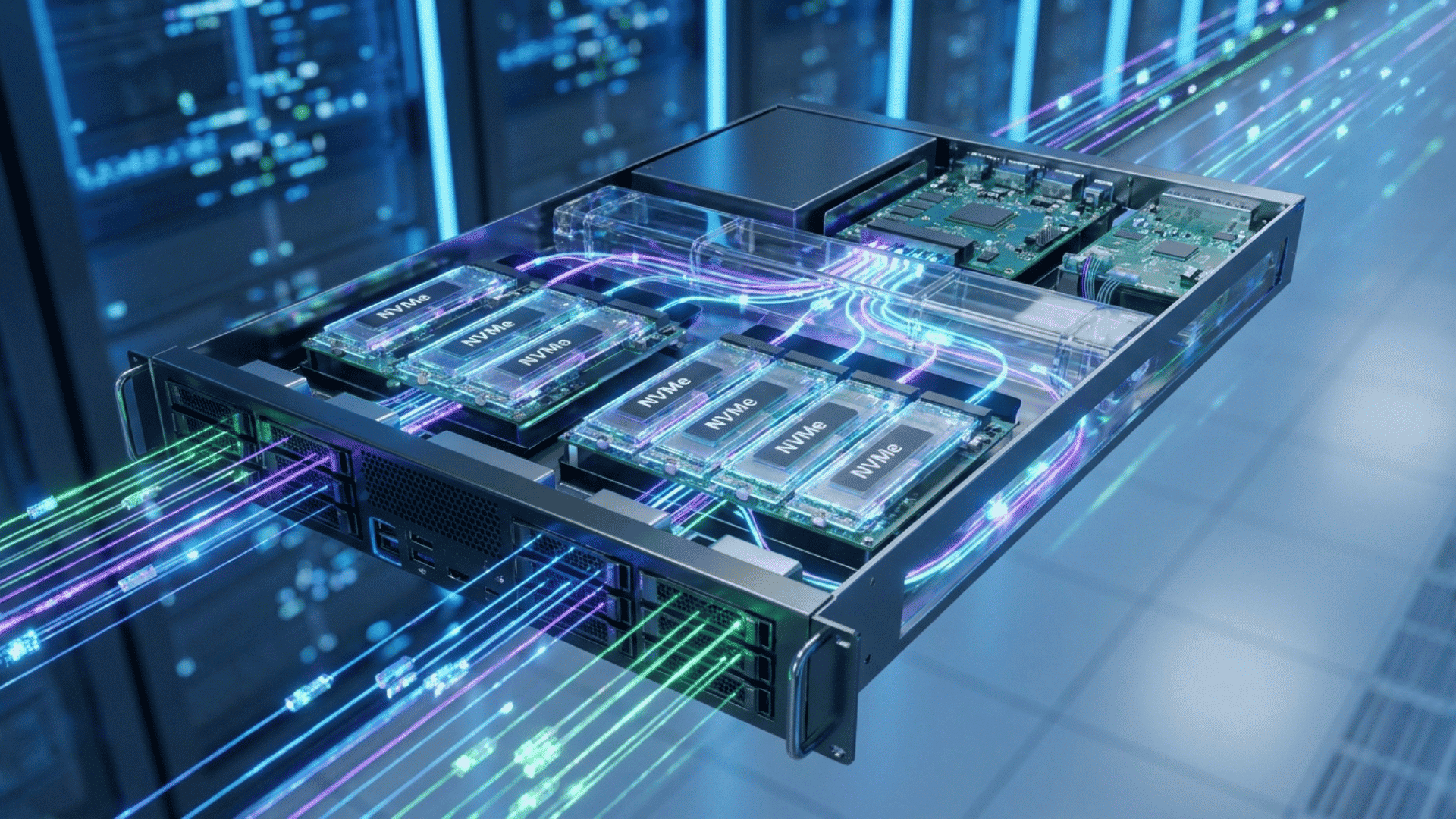
Modern storage options like SSDs and NVMe drives are much faster than older hard drives.
They help computers start quickly, open files faster, and transfer large data with less waiting. Better storage also supports smoother multitasking and heavy software use.
Benefit: Systems feel faster, more responsive, and easier to use.
Cybersecurity Challenges in Today’s Digital Environment
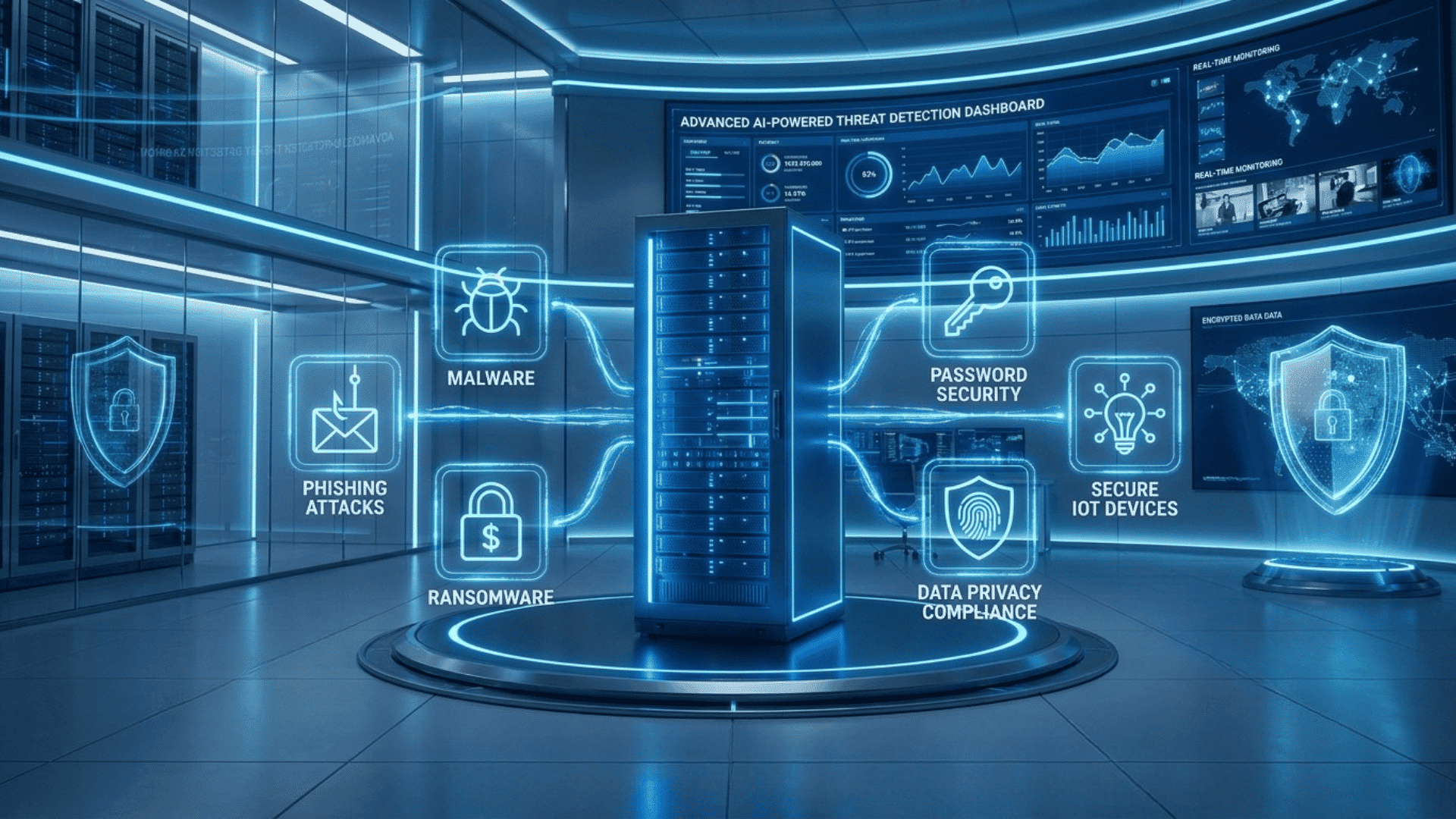
The table below shows the main risks users face and the practical steps that can help reduce them.
| Cybersecurity Challenge | What It Means | Practical Solution |
|---|---|---|
| Growing cyber threats | Hackers use phishing emails, malware, ransomware, and fake links to steal data or damage systems. These attacks can affect both personal users and businesses. | Use trusted security software, avoid suspicious links, update systems often, and train users to spot common scams. |
| Weak passwords and poor login safety | Simple or reused passwords make it easier for attackers to access accounts, files, and business tools. | Use strong passwords, password managers, and multi-factor authentication to better protect your accounts. |
| Data privacy risks | Personal and business data can be exposed when systems are not secured properly or when access is not controlled. | Limit data access, encrypt sensitive files, and review who can view or edit important information. |
| Compliance requirements | Businesses may need to follow data protection rules for customer records, payments, health data, or employee information. | Create clear security policies, keep records organized, run regular audits, and follow industry rules. |
| Unsecured connected devices | Smart devices, sensors, and office tools can become weak points if they are not updated or protected. | Change default passwords, update device software, and connect devices only to secure networks. |
| Slow response to attacks | If a threat is not found quickly, it can spread across systems and cause bigger damage. | Use AI-based threat detection, real-time monitoring, backups, and a response plan for fast action. |
Smart Devices, IoT, and Automation in Everyday Life
Smart devices are now part of many homes, offices, and workplaces. In PBoxComputers, IoT and automation show how connected tools can make daily tasks easier, faster, and more organized.
- Connected homes and workplaces: Smart lights, cameras, printers, and office systems can connect through the internet. This helps users control devices, share data, and manage tasks with less manual effort.
- Smart device ecosystems: Phones, laptops, watches, and home devices can work together. This makes it easier to move between tasks, share files, and stay connected across different tools.
- Automation improves efficiency: Automation helps complete repeated tasks like backups, updates, reports, and alerts. This saves time and reduces small errors.
- Impact on consumers and businesses: Users get more convenience, while businesses improve speed, planning, and daily operations.
How Tech Trends PBoxComputers Are Shaping the Future
The table below highlights some of the key areas that may shape the next phase of modern computing.
| Future Area | What It Means | Why It Matters |
|---|---|---|
| Sustainable computing | Systems will use less power, better cooling, and more efficient parts. | This can reduce waste, lower costs, and support long-term computer use. |
| Future workplace technology | More teams will use AI, cloud systems, and automation for daily tasks. | Work can become faster, more flexible, and easier to manage from different locations. |
| Smarter digital tools | Computers and apps will become better at learning user needs and giving helpful support. | Users can complete tasks with less effort and better accuracy. |
| Stronger security systems | Cybersecurity tools will keep improving as online threats become more advanced. | Personal users and businesses can protect data, accounts, and systems more safely. |
| Skills for the future | Users will need basic knowledge of AI, cloud storage, online safety, and smart devices. | These skills can help people stay ready for changes in work, school, and daily technology. |
Wrapping It Up
Technology continues to move forward, and the trends associated with tech trends pboxcomputers show how computing is becoming more intelligent, connected, and efficient.
From artificial intelligence and cloud computing to cybersecurity, smart devices, and advanced hardware, these developments are changing how people work, learn, and interact with digital tools every day.
Understanding these trends can help both individuals and businesses make better technology decisions and prepare for future changes.
While new innovations will continue to emerge, staying informed about key developments can make it easier to adapt and take advantage of new opportunities.
If you want to keep up with the latest changes in computing, make it a habit to follow technology updates and continue building your digital knowledge.
Frequently Asked Questions
Can Small Businesses Benefit from Tech Trends PBoxComputers?
Yes. Small businesses can use modern computing tools to improve productivity, manage data more efficiently, strengthen security, and support remote work without major infrastructure investments.
How Does Edge Computing Differ from Traditional Cloud Computing?
Cloud computing processes data in centralized servers, while edge computing handles data closer to the user or device, helping reduce delays and improve response times.
Why are Smart Devices Becoming More Important in Modern Computing?
Smart devices can connect, share information, and automate tasks. This improves convenience, increases efficiency, and helps users manage daily activities more effectively.
What Skills can Help Users Adapt to Future Technology Changes?
Basic knowledge of AI tools, cloud platforms, cybersecurity practices, and connected devices can help users stay prepared for new developments in computing.