
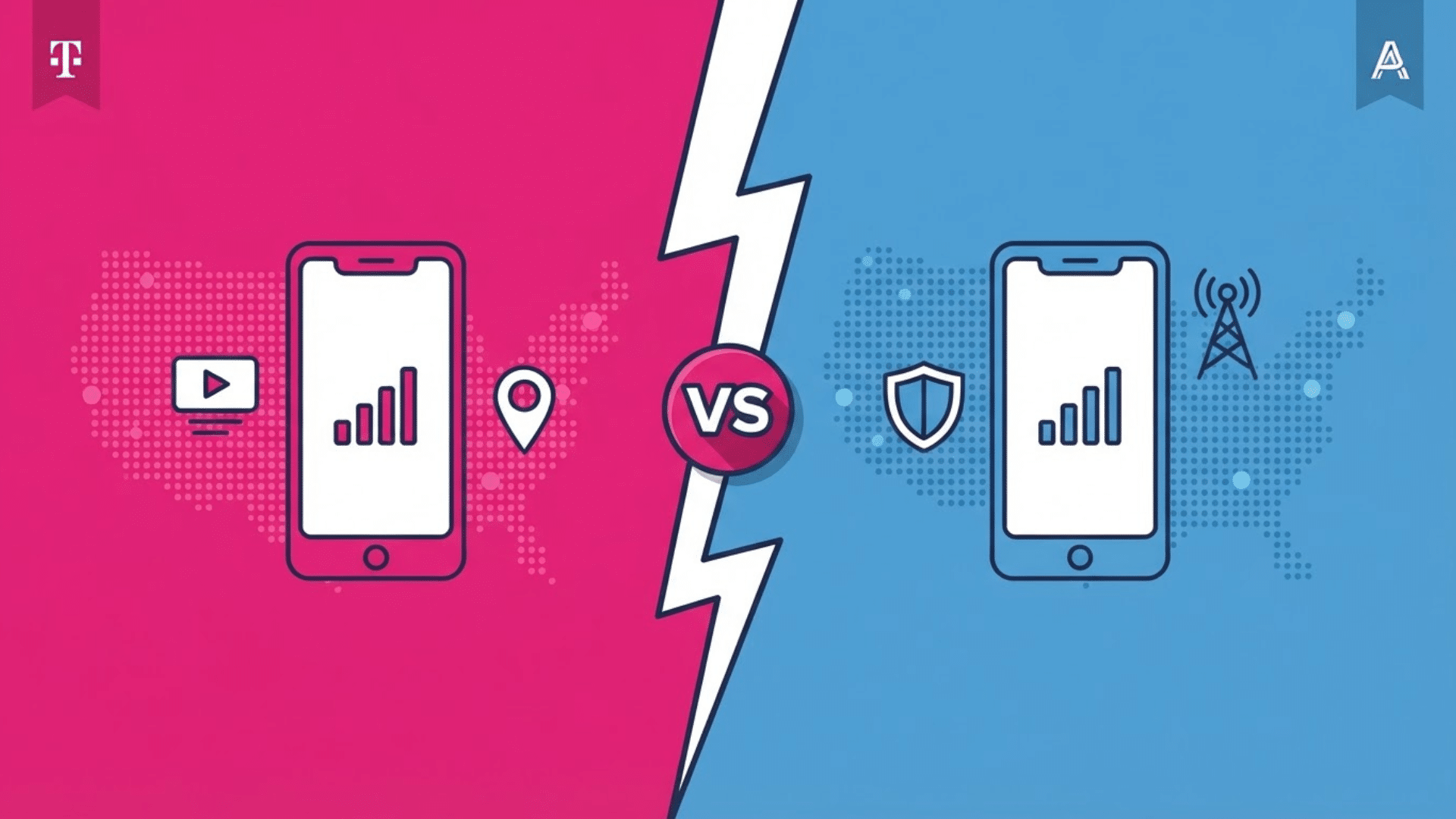



My phone bill went up again last month, and that’s what finally pushed me to sit down and properly compare T-Mobile and AT&T.
I read through pricing pages, dug into coverage maps, and tested claims from both sides so you don’t have to.
Here’s what I found. I’ll show you how their coverage actually stacks up in different parts of the country, plus how to read a coverage map the right way.
I’ll break down what each plan costs once every fee is added in, because the sticker price rarely tells the full story. I’ll also get into real speed differences you’d notice while streaming or on a video call.
Beyond that, I’ll cover things like customer service, how painless switching really is, and which perks are worth caring about.
Grab a coffee. This should save you the hours I spent.
The Quick Answer: Which One is Better?
I’ll be honest with you. There isn’t one winner here. It really comes down to what you care about most.
If you live in a city or suburb and want fast 5G speeds plus free perks like streaming apps, T-Mobile tends to come out ahead. If you live in a rural area or travel a lot for work, AT&T usually wins on reliability and keeps things simple.
So is AT&T better than T-Mobile? It depends on your zip code and how you use your phone, not on which brand shouts the loudest in ads.
Below, I’ll walk you through three things that actually matter: coverage, pricing, and how each network performs day to day.
T-Mobile vs. AT&T at a Glance
Before I get into the details, here’s a quick snapshot so you can see how these two stack up side by side.
| Category | T-Mobile | AT&T | Winner |
|---|---|---|---|
| Starting price (1 line) | Around $50/month | Around $50/month | Tie |
| Top unlimited plan price | Around $100/month | Around $90/month | AT&T |
| 5G coverage | Wider in cities and suburbs | Growing, smaller footprint | T-Mobile |
| Rural/4G LTE coverage | Weaker in remote areas | Long-standing rural strength | AT&T |
| Hotspot data (top plan) | Up to 250GB | Up to 100GB | T-Mobile |
| Streaming perks | Netflix and Hulu on top plan | No bundled streaming, built-in security instead | T-Mobile |
| International roaming | Strong across many countries | Best for Latin America travel | Depends on where you travel |
| Customer service | Mixed reviews, helpful chatbot | Mixed reviews, longer wait times | Tie |
Bottom line: T-Mobile wins on speed and extras, AT&T wins on price and rural reliability.
Who Should Pick Each Carrier

Pick T-Mobile if you: Live around a lot of activity and want extra value baked into their plan.
- Live in or near a city or suburb
- Want free perks like streaming apps bundled in
- Care most about fast 5G speeds
- Travel internationally regularly
Pick AT&T if you: Need dependable service without extra frills.
- Live in a rural or remote area
- Travel to Latin America often
- Want a simple plan without extra bells and whistles
- Value steady, dependable coverage over flashy perks
One thing worth knowing before you decide: both carriers now own their own network towers. Neither one is renting space from someone else, so you won’t get stuck with slower, deprioritized service just because of who you signed up with.
T-Mobile vs. AT&T Coverage Maps: What they Actually Show
Coverage is probably the single biggest factor in this decision, so let’s slow down here.
1. How to Check Coverage at Your Address
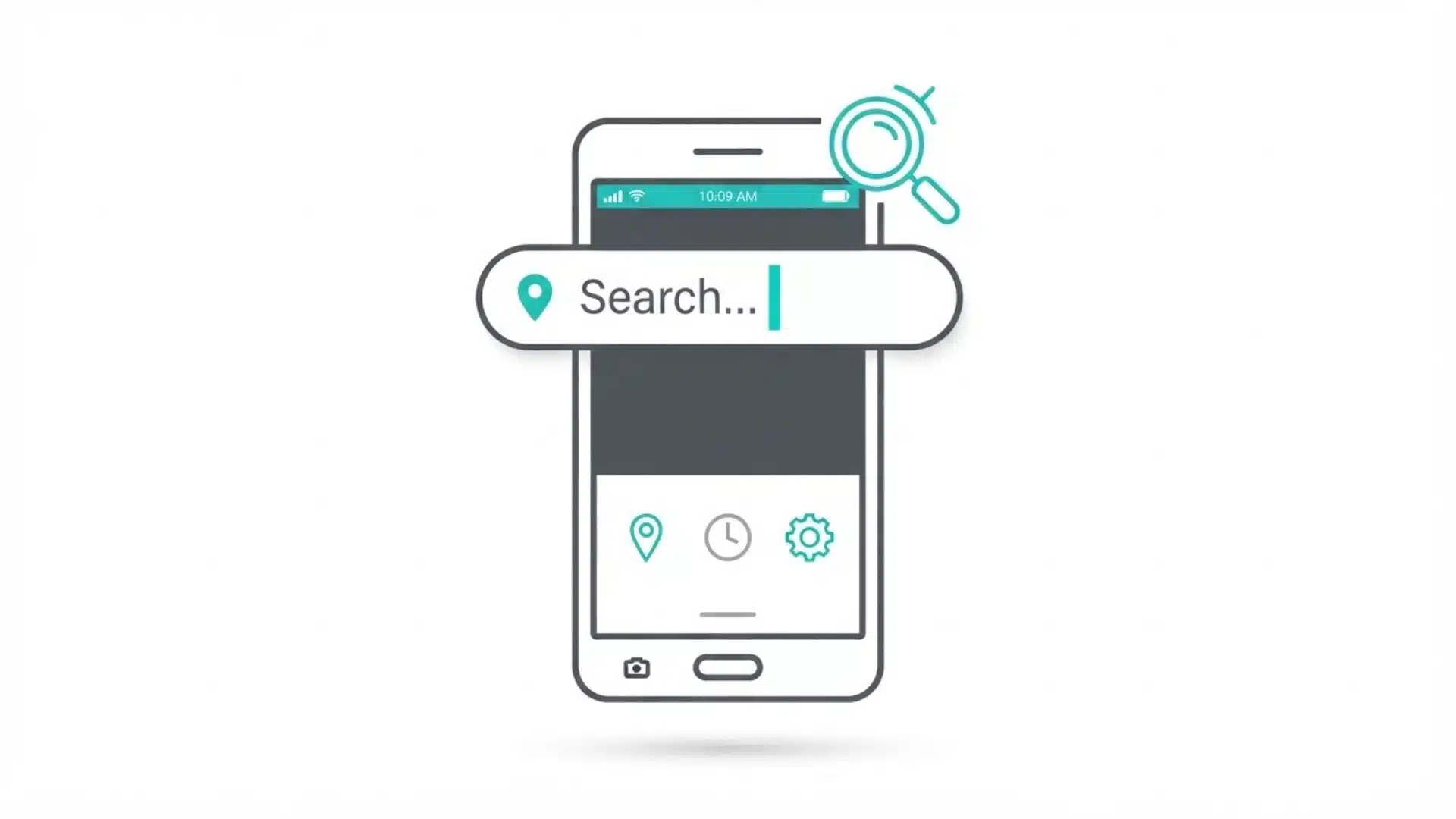
Don’t just trust a national coverage map. Type your actual home and work addresses into each carrier’s coverage tool to see real results for your area.
National maps make both networks look great from far away, but zoom in, and you’ll often see gaps. This one step can save you from buyer’s remorse more than anything else in this guide.
2. Where AT&T Coverage Wins
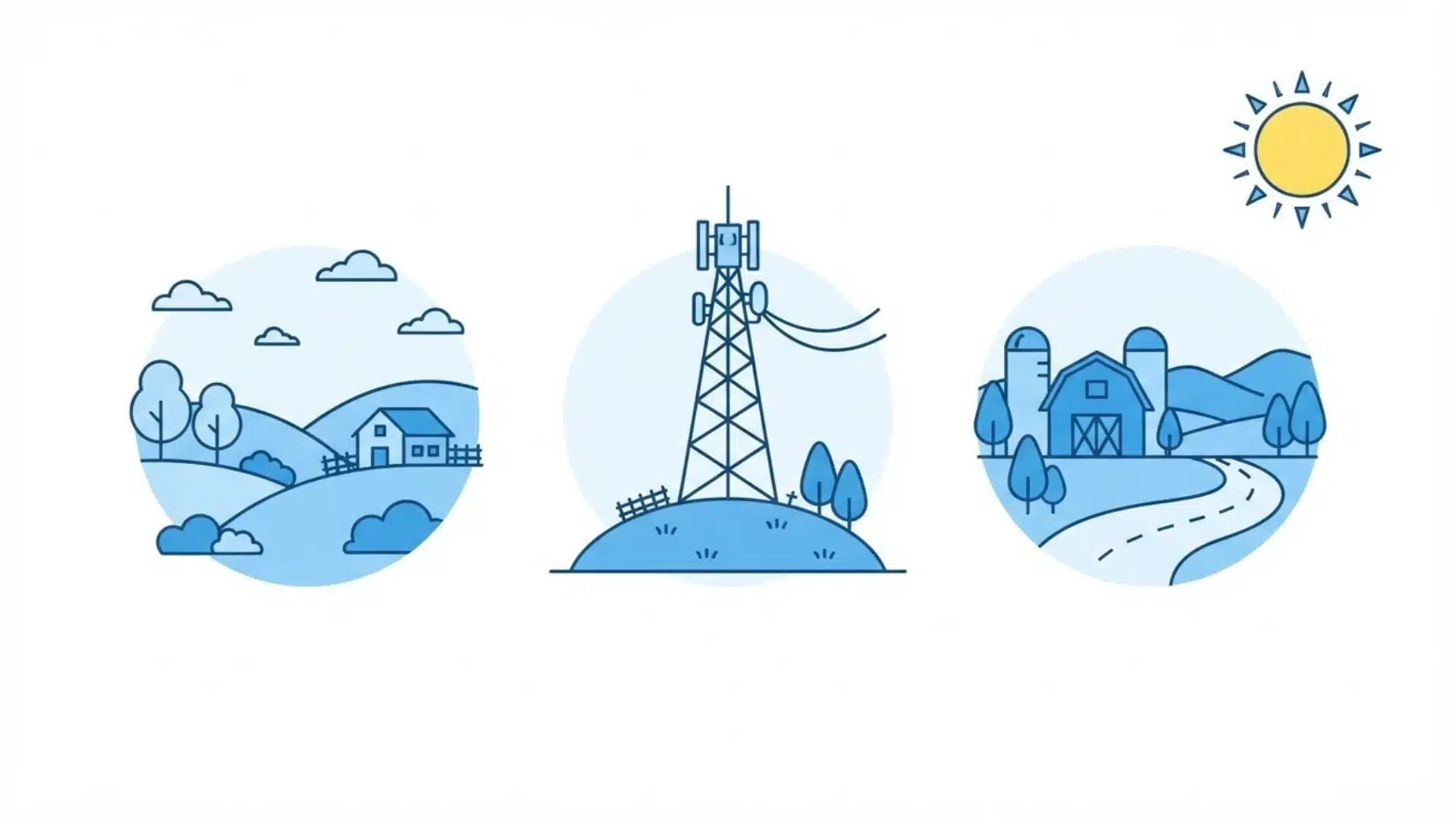
AT&T has spent years building out its 4G LTE network, and it shows in rural spots.
If you live in or drive through the Midwest, the Southeast, or other less populated areas, AT&T tends to hold a signal better than T-Mobile does.
Its 5G network is growing too, but it hasn’t caught up to its own LTE coverage yet, let alone matched T-Mobile’s 5G reach in cities.
3. Where T-Mobile Coverage Wins

After merging with Sprint, T-Mobile picked up a huge amount of extra spectrum, and it used that to build out 5G fast.
In cities and suburbs, T-Mobile’s 5G coverage is often wider and quicker than AT&T’s. The tradeoff is that its older 4G LTE network in rural areas still lags behind AT&T, so the experience really shifts depending on where you’re standing.
4. 5G Map vs. 4G LTE Map: Know the Difference
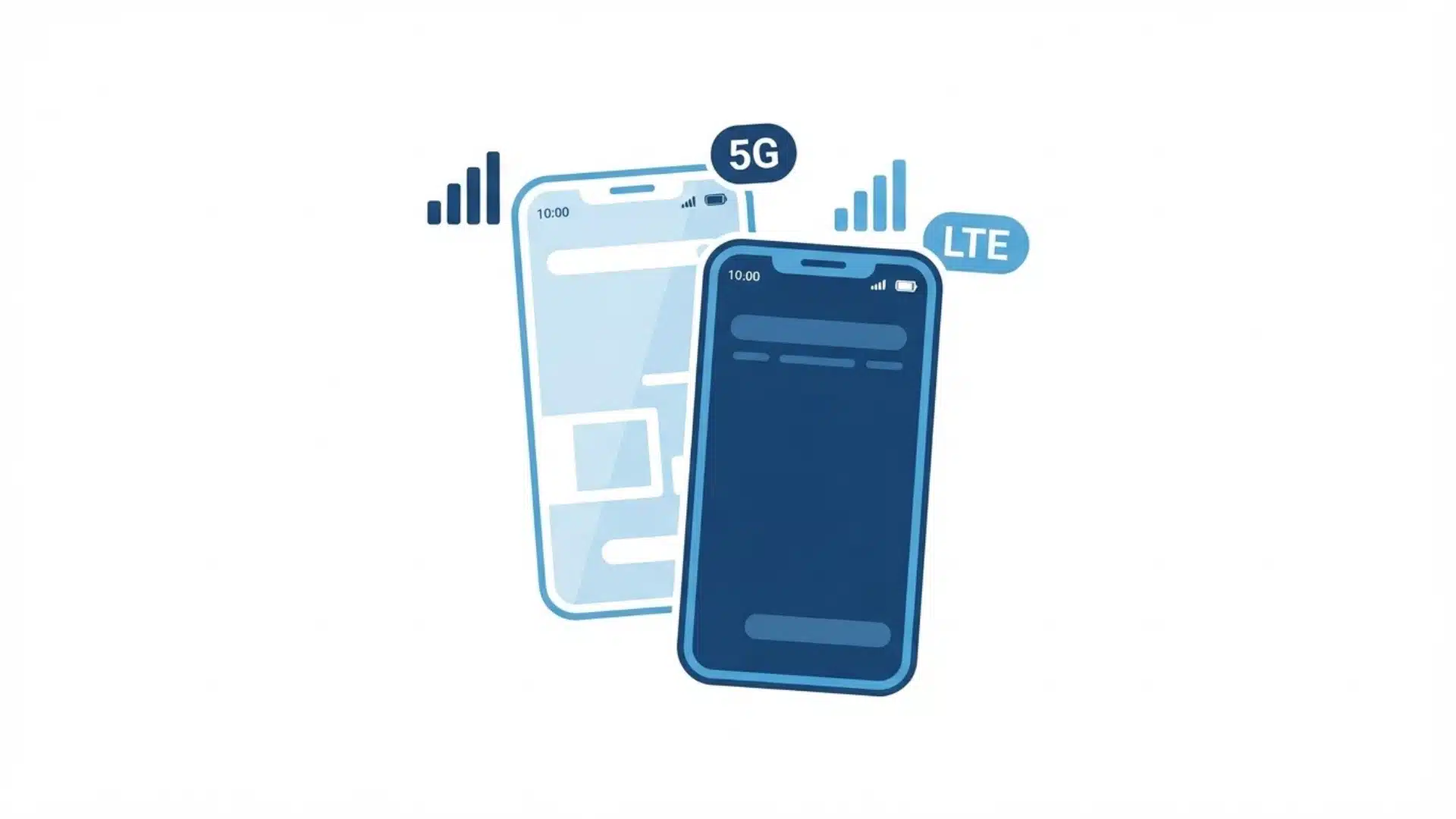
Here’s something people miss. A “5G coverage map” and an overall coverage map are not the same thing. A carrier can show a huge 5G footprint on paper while still leaving you stuck on slower LTE in your actual neighborhood.
Please check both maps, not just the flashy 5G one, before assuming a carrier will work well where you live.
Quick tip: Coverage maps are useful, but nothing beats asking a neighbor or coworker who already has the carrier you’re considering. Their day-to-day experience at your exact location tells you more than any map ever will.
Plans and Pricing Compared
Pricing gets confusing fast because of fees and hidden limits, so I broke it into the tiers most people actually shop in.
- Entry-Level Plans: Both start around $50 a month. T-Mobile skips premium data and slows the hotspot to a crawl. AT&T gives a small dose of premium data plus a usable hotspot, making it the slightly better deal here.
- Mid-Tier Plans: AT&T runs about $70 a month with a solid chunk of premium data and hotspot. T-Mobile costs closer to $85 but gives unlimited premium data right away, worth it if you stream or use mobile data a lot.
- Premium Plans: Both offer truly unlimited premium data. T-Mobile adds free Netflix and Hulu plus up to 250GB hotspot. AT&T skips streaming but includes ActiveArmor security on every unlimited plan.
- Taxes and Fees: AT&T leaves fees out of every price shown. T-Mobile does the same on entry and mid tiers, but its top plan actually includes taxes and fees, making that price the more honest one.
- Family and Multi-Line Plans: Both drop the price per line as you add more, usually up to four or more. AT&T lets you mix plans across lines. T-Mobile matches this and adds perks like international data on higher tiers.
- Prepaid Plans: T-Mobile’s prepaid options, like Essentials Saver, tend to run cheaper and still use its 5G network, though speeds dip on budget tiers. AT&T’s prepaid plans include unlimited talk, text, and data, but heavy use can trigger slowdowns sooner.
Real-World Performance
Specs on a page only tell you so much. Here’s what actually happens once you’re using the phone.
1. Reliability When Networks Get Busy

Both carriers can slow down in crowded places like stadiums, concerts, or festivals when everyone nearby is using data at once.
Since both now own their full network instead of renting it, they don’t get pushed to the back of the line the way smaller carriers do.
Still, independent testing has shown results shift by city and event, so your experience may vary based on where you are.
2. Customer Service Compared

Neither carrier has a perfect reputation here. AT&T customers have reported long hold times and callback delays when reaching a live agent.
T-Mobile has similar wait time complaints, but its AI chatbot handles basic questions well enough that many customers skip the phone queue entirely.
If quick answers matter to you, T-Mobile’s self-service tools might save you some frustration.
3. What Switching Actually Looks Like
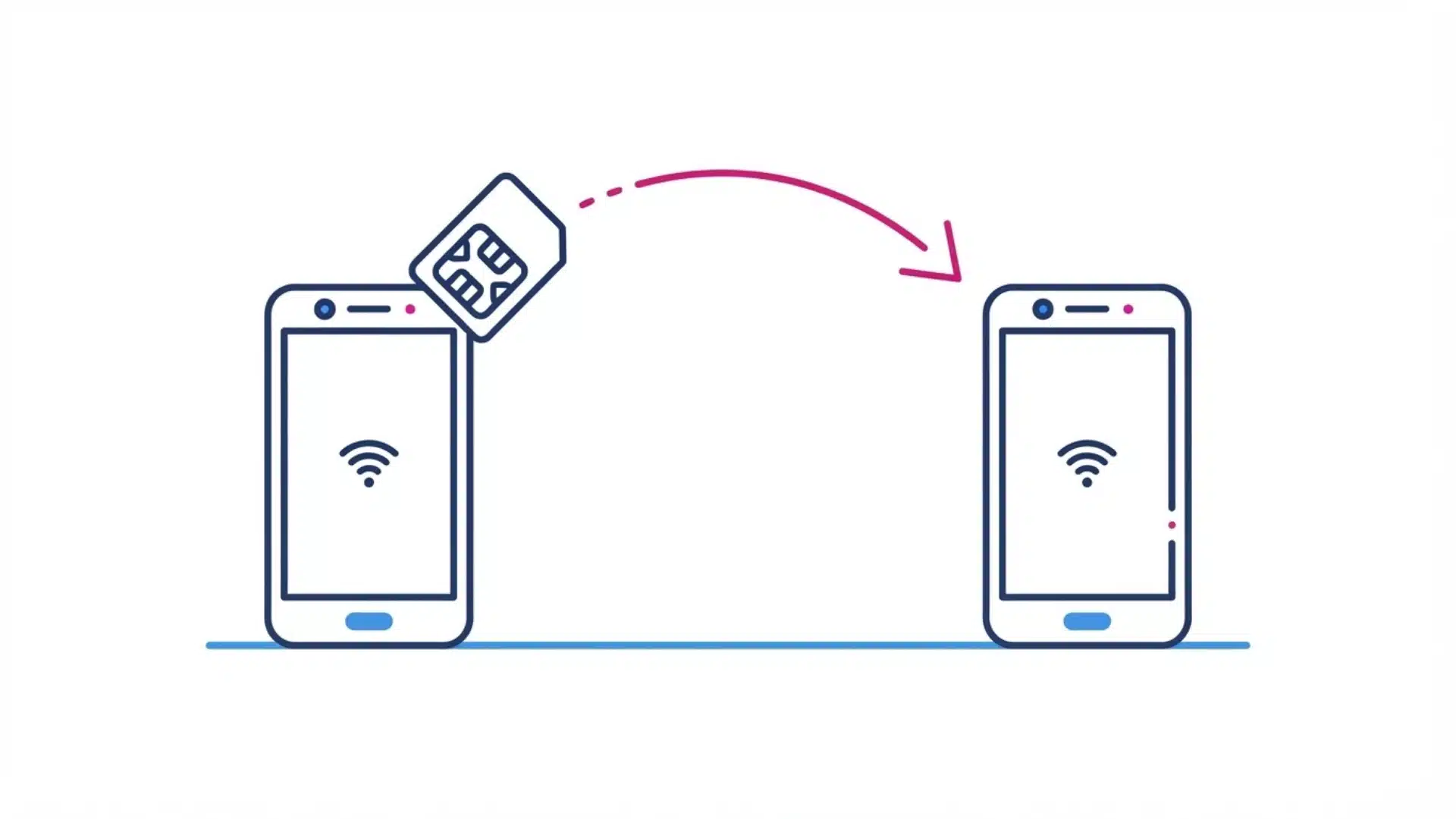
Switching carriers is easier than most people expect. You keep your number through a simple porting process, and if your current phone is carrier-locked, you can usually request an unlock once it’s paid off.
If you’re upgrading during the switch, you can trade in, sell, or recycle your old device instead of letting it sit in a drawer.
Pros and Cons of T-Mobile and AT&T at a Glance
Here’s the short version of how each carrier stacks up once you weigh the strengths against the tradeoffs.
| Carrier | Pros | Cons |
|---|---|---|
| T-Mobile | Faster 5G in cities, free streaming perks on top plans, strong international data coverage, helpful chatbot support | Weaker 4G LTE in rural areas, higher price on premium plans, fees not included on lower tiers |
| AT&T | Strong rural and nationwide LTE coverage, built-in mobile security on every unlimited plan, better prices at the premium tier, best option for Latin America travel | Slower 5G rollout compared to T-Mobile, no bundled streaming perks, taxes and fees left out of every listed price |
Final Thoughts
At the end of the day, this isn’t about picking the “winner.” It’s about picking what fits your life. If you’re chasing fast city speeds and love free extras, T-Mobile has you covered.
If steady coverage in quiet areas and lower premium prices matter more, AT&T is the safer bet. Coverage, pricing, and everyday performance all played a part here, and now you’ve got the full view instead of guessing.
Before you commit, check the coverage map for your own address one more time. That single step matters more than any review, including this one.
Got a carrier story of your own? Drop a comment below and let me know which one you picked, and why.
Frequently Asked Questions
Does T-Mobile or AT&T Charge for Activation?
Some plans include an activation fee, though it varies by plan and promotion. Always check the checkout page before signing up, since fees change often.
Which Carrier is Cheaper for a Single Line?
Entry-level plans from both carriers start around the same price. AT&T often edges ahead slightly due to included premium data at that tier.
Do I Need a New SIM Card to Switch Carriers?
Usually, yes. T-Mobile and AT&T will send a free SIM card, or you can pick one up in store when you activate service.
Can I Try a Carrier Before Fully Switching?
Yes. Both offer free trial options using an eSIM, so you can test network performance in your area before committing to a full switch.