



Choosing between WHOOP and the Oura Ring can feel confusing because both track sleep, recovery, heart rate, and activity, yet they serve different habits.
When I compare wearables, I start with one question: will I actually wear this device every day?
WHOOP feels more suited to regular training, detailed workout records, and people who use recovery scores to plan harder or lighter sessions.
Oura feels better for sleep-focused tracking, stress patterns, and discreet daily wear. I also look beyond headline features and consider comfort, charging, gym use, app design, and long-term membership cost.
This comparison breaks those points into simple sections, helping you choose the tracker that fits your routine instead of buying the one with the longest feature list.
How WHOOP and Oura Fit into Daily Life
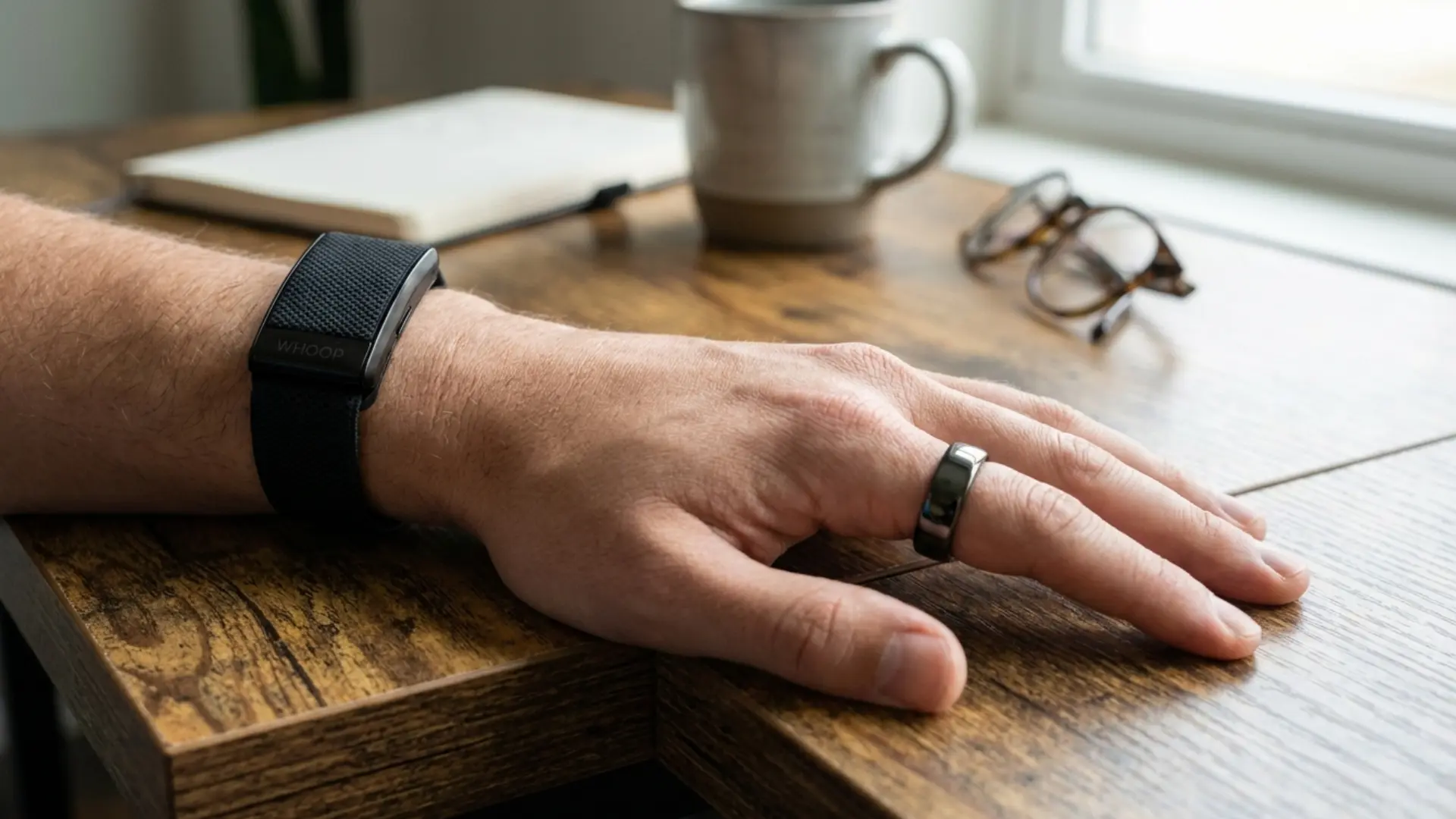
WHOOP and Oura may track similar body signals, but they fit daily routines differently. WHOOP is worn as a band and focuses on training, strain, and recovery.
Oura is worn as a ring and focuses more on sleep, readiness, stress, and daily health patterns. Comfort, charging habits, gym use, and app preferences can affect which option feels practical over time.
Thinking about these everyday details before comparing scores can help you avoid choosing a device that looks useful but does not match how you live, exercise, or sleep.
Whoop vs Oura Ring: Quick Verdict
WHOOP is usually the better choice for people who train often and want detailed workout, strain, and recovery data.
It can suit weightlifters, runners, and team-sport athletes who use daily scores to plan harder or lighter sessions. Oura may be a better fit for people who care more about sleep, stress, recovery habits, and a small, ring-like device.
It is easy to wear during daily tasks, though some users remove it for heavy lifting.
The main difference is simple: WHOOP works more like a training companion, while Oura focuses more on sleep and everyday wellness tracking.
What the Oura Ring is Designed to Track
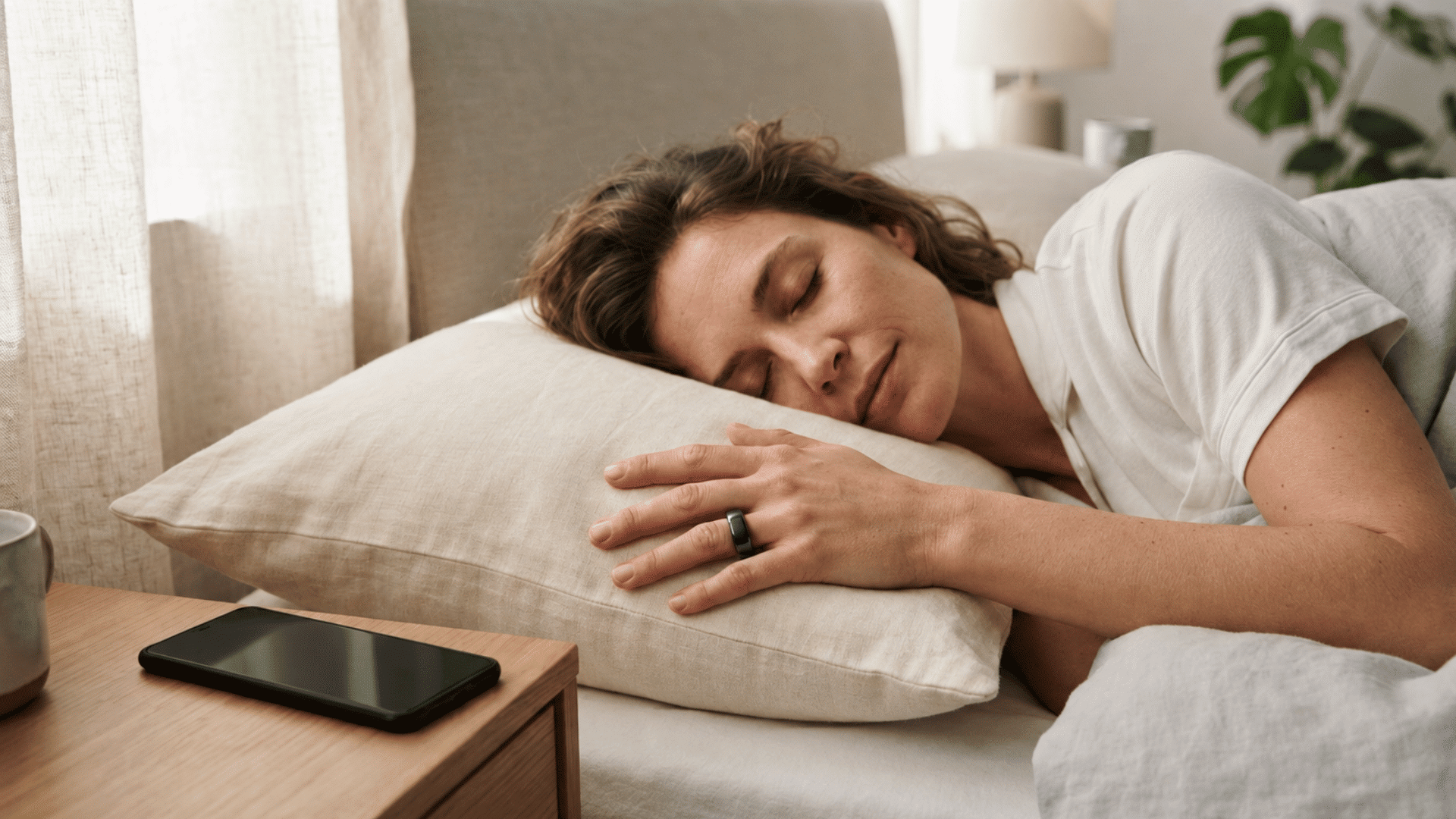
Oura tracks sleep, movement, stress, and daily health patterns through a ring worn on the finger.
- Sleep Score: Reviews sleep timing, duration, restfulness, and estimated sleep stages.
- Readiness Score: Uses sleep, activity, resting heart rate, temperature changes, and recovery patterns.
- Activity Score: Tracks daily movement, inactive time, detected activities, and logged workouts.
- Stress and Resilience: Reports daytime stress, restored periods, and longer-term recovery patterns.
- Everyday Health Trends: Monitors temperature, heart rate, breathing, and other supported body signals.
These results can help you understand daily habits, but the Oura Ring should not replace medical advice.
What WHOOP is Designed to Track

WHOOP turns daily body data into simple scores that can help beginners better understand training, recovery, and sleep.
- Daily Strain shows how much physical stress your body handles from workouts and normal activity.
- Recovery Score uses sleep, resting heart rate, heart rate variability, and breathing data to estimate readiness.
- Sleep Need and Sleep Performance: compare your recent strain and sleep habits with suggested rest.
- Strength Trainer lets you log exercises, sets, reps, and weights while estimating muscular effort.
- Journal tracks habits such as alcohol, late meals, supplements, and stretching.
Over time, you can spot patterns that match your own routine.
Whoop and Oura Compared Side by Side
WHOOP and Oura Ring track similar health signals, but they are built for different types of users.
This quick comparison shows how they differ in design, training support, sleep use, charging, and app experience.
| Feature | WHOOP | Oura Ring | Better Fit |
|---|---|---|---|
| Device style | Wrist or body-worn band | Finger-worn ring | Personal preference |
| Main focus | Training strain and recovery | Sleep and daily health | Depends on the goal |
| Strength training | Detailed workout input | Basic activity records | WHOOP |
| Sleep wear | Soft band | Small ring | Depends on sleep habits |
| Screen | No screen | No screen | Tie |
| Charging method | Can stay on during charging | Must be removed for charging | WHOOP for continuous wear |
| App style | Detailed performance data | Clear wellness summaries | Depends on data preference |
| Membership | Membership required | Ring purchase plus membership | Compare long-term cost |
| Best for | Frequent training | Sleep-first tracking | Depends on the daily routine |
WHOOP is generally better suited to active training, while Oura Ring may work better for sleep and everyday health tracking.
Prices, battery life, plans, and current models should be checked again shortly before publication.
Whoop vs Oura Ring: Comfort During the Day
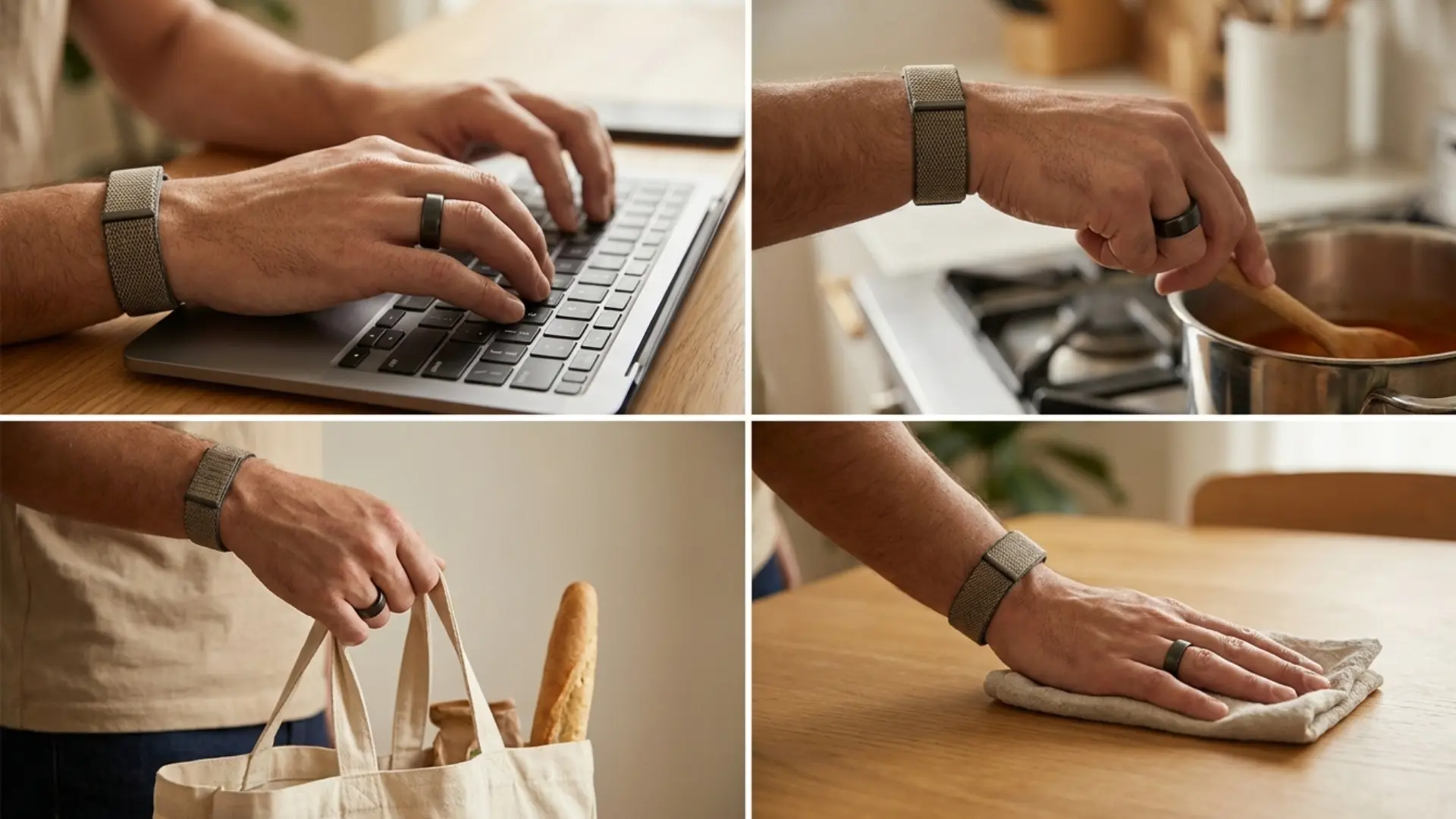
Comfort depends on how each device fits your body and handles everyday movement.
The WHOOP band should feel secure without digging into the wrist, but sweat and damp fabric may become noticeable after exercise or showering.
The Oura Ring feels light, though its wider shape can feel unfamiliar at first. Correct sizing improves comfort and sensor contact.
Finger size may change with heat, exercise, travel, hydration, or sleep, making the ring feel tighter.
Moisture can collect beneath both devices, so regular drying matters. Typing, cooking, carrying bags, household tasks, showering, and wearing gloves may also affect daily comfort.
Which Device is More Comfortable for Sleep
Nighttime comfort depends on where you prefer to wear a tracker while sleeping.
- Sleeping With WHOOP: A tight band may create wrist pressure, especially for side sleepers. Supported alternate placements may feel more comfortable.
- Sleeping With the Oura Ring: The correct finger size can reduce pressure and swelling. Many users barely notice the lightweight ring while sleeping.
- Sleep Movement and Sensor Contact: A loose band or ring may shift during the night, causing missing sleep data.
- Comfort for Sensitive Sleepers: Choose WHOOP if finger jewelry feels uncomfortable, or Oura if wearing a wrist strap disturbs your sleep.
The better option is the one you can wear comfortably every night.
WHOOP vs Oura Ring for Gym Use
Gym comfort differs because WHOOP sits on the body, while Oura stays in direct contact with the fingers and gym equipment.
| Gym Factor | WHOOP | Oura Ring |
|---|---|---|
| Weightlifting | The soft band usually stays clear of dumbbells, barbells, and pull-up bars. | The hard ring may press against equipment during gripping movements. |
| Scratches and Wear | Fabric bands are less likely to show marks from metal equipment. | The finish may collect scratches or signs of wear, so many users remove it before lifting. |
| Grip Comfort | It rarely affects hand position or grip strength. | It may pinch the skin or feel uncomfortable during heavy sets. |
| Missing Workout Data | WHOOP can continue recording throughout the session. | Removed workouts can be added manually or imported from another service. |
| Placement Options | It can be worn on the wrist or in supported upper-arm clothing. | Finger placement is the main option during use. |
WHOOP is generally more practical for regular weightlifting, while Oura may suit users who prefer removing their tracker during heavy gym sessions.
WHOOP and Oura Ring: Strength Training and Workout Logging
WHOOP offers more detailed gym records, while Oura keeps workout tracking simpler. With WHOOP, you can enter exercises, sets, reps, and weights, then review both muscular effort and heart-rate strain.
This matters because heavy lifting can feel demanding even when your pulse stays lower than it does during running. Both devices can detect some workouts automatically, though results may need editing.
You can usually correct the activity type, start time, duration, or effort level afterward.
Following a hard session or poor sleep, each app adjusts recovery guidance, helping you decide when to train hard or take a lighter rest day.
Cardio, Running, and Outdoor Exercise
Both devices can track cardio sessions, but they present effort and workout details differently.
- Running: WHOOP highlights strain, heart rate zones, and recovery impact, while Oura provides simpler workout summaries.
- Cycling and Indoor Cardio: Both can record cycling, rowing, elliptical use, and stationary bike sessions.
- HIIT: A secure fit helps both devices follow quick heart-rate changes during intense intervals.
- Swimming: Check current water-resistance limits. WHOOP bands may need to be dried, while cold water can affect ring fit.
- GPS: Some route and distance features may depend on a connected phone.
Choose the device that matches how much workout detail you prefer.
What are People Online Saying About Whoop vs Oura?
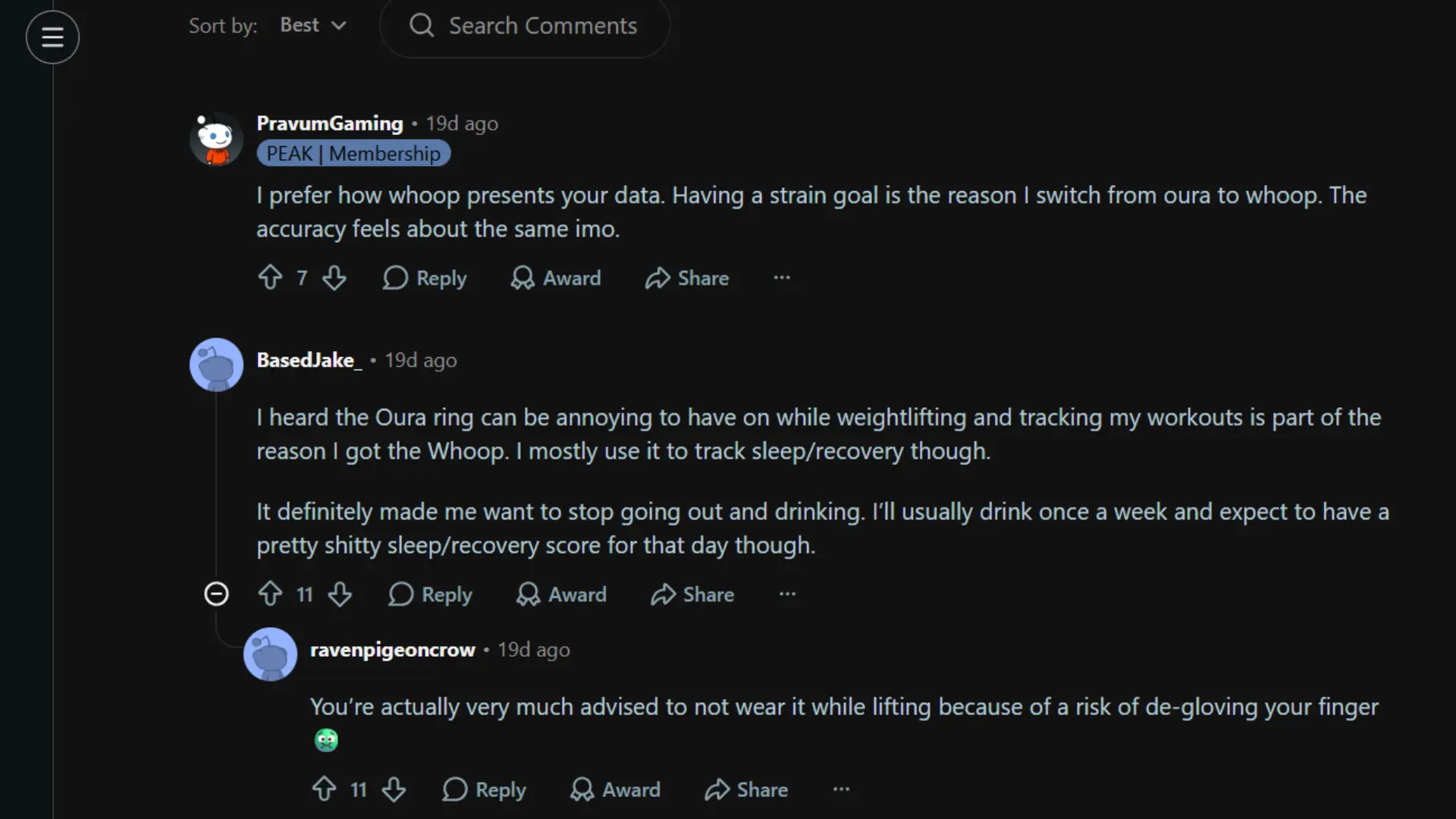
In this Reddit discussion, users compare WHOOP with the Oura Ring based on personal experience.
One commenter prefers WHOOP because its app presents data clearly and includes a daily strain goal, while saying both devices feel similarly accurate.
Another user chose WHOOP because wearing an Oura Ring during weightlifting can be uncomfortable and raise safety concerns when gripping metal equipment.
That user mainly tracks sleep and recovery and says the scores have made them think more carefully about drinking alcohol.
Overall, the comments suggest WHOOP may suit training-focused users, while Oura may be less practical for regular lifting sessions.
Whoop vs Oura Ring: Sleep Tracking in Real Life
WHOOP and Oura both show useful sleep details each morning, but their advice differs. Each device estimates bedtime, wake time, sleep length, and periods of light, deep, and REM sleep.
These results can help you track patterns, though they do not replace a clinical sleep test.
Both can record naps and may adjust to shift work, travel, late weekends, or broken sleep, but irregular schedules can reduce accuracy.
WHOOP focuses more on sleep need based on recent strain, while Oura connects sleep timing with readiness. Repeated trends matter more than one unusually high or low score.
Recovery Score Versus Readiness Score
WHOOP and Oura use different scoring systems, so their daily results should not be treated as equal measurements.
- WHOOP Recovery: uses a green, yellow, or red score and links it to a suggested daily strain level.
- Oura Readiness: Combines sleep, recent activity, resting heart rate, temperature trends, and recovery signals.
- Why Scores Differ: Results may vary because of sensor type, body placement, personal baselines, app formulas, or missing data.
- Ease of Use: WHOOP gives clearer training advice, while Oura offers broader guidance for rest, activity, and daily health.
The more useful score depends on whether your main goal is training performance or general wellness.
Whoop And Oura Ring: Heart Rate, HRV, and Temperature Trends
These measurements become more useful when you compare them with your own normal patterns.
Resting heart rate can indicate how your body responds to sleep, stress, illness, or training, but a single reading matters less than a longer trend.
HRV reflects the variability between heartbeats and may indicate recovery, though WHOOP and Oura can calculate or interpret it differently.
Skin temperature is also measured relative to your usual baseline, not to a standard thermometer reading.
Loose fit, movement, sweat, cold hands, tattoos, charging, or poor sensor contact may create gaps. Focus on repeated changes that match how you personally feel.
App Experience and Daily Advice
Both apps provide daily guidance, but they organize information differently.
- WHOOP App: Shows strain, recovery, sleep, workouts, and coaching tips, though beginners may need time to understand each section.
- Oura App: Presents daily scores, stress details, tags, trends, and simple wellness summaries.
- Beginner Use: Oura may feel easier at first, while WHOOP gives more training detail.
- Notifications: Both offer bedtime, activity, and recovery reminders, but too many alerts can become distracting.
- App Connections: Check current support for Apple Health, Health Connect, and your preferred fitness apps.
Your best choice depends on how much daily detail you want.
Battery Life and Charging Habits of Both the Devices
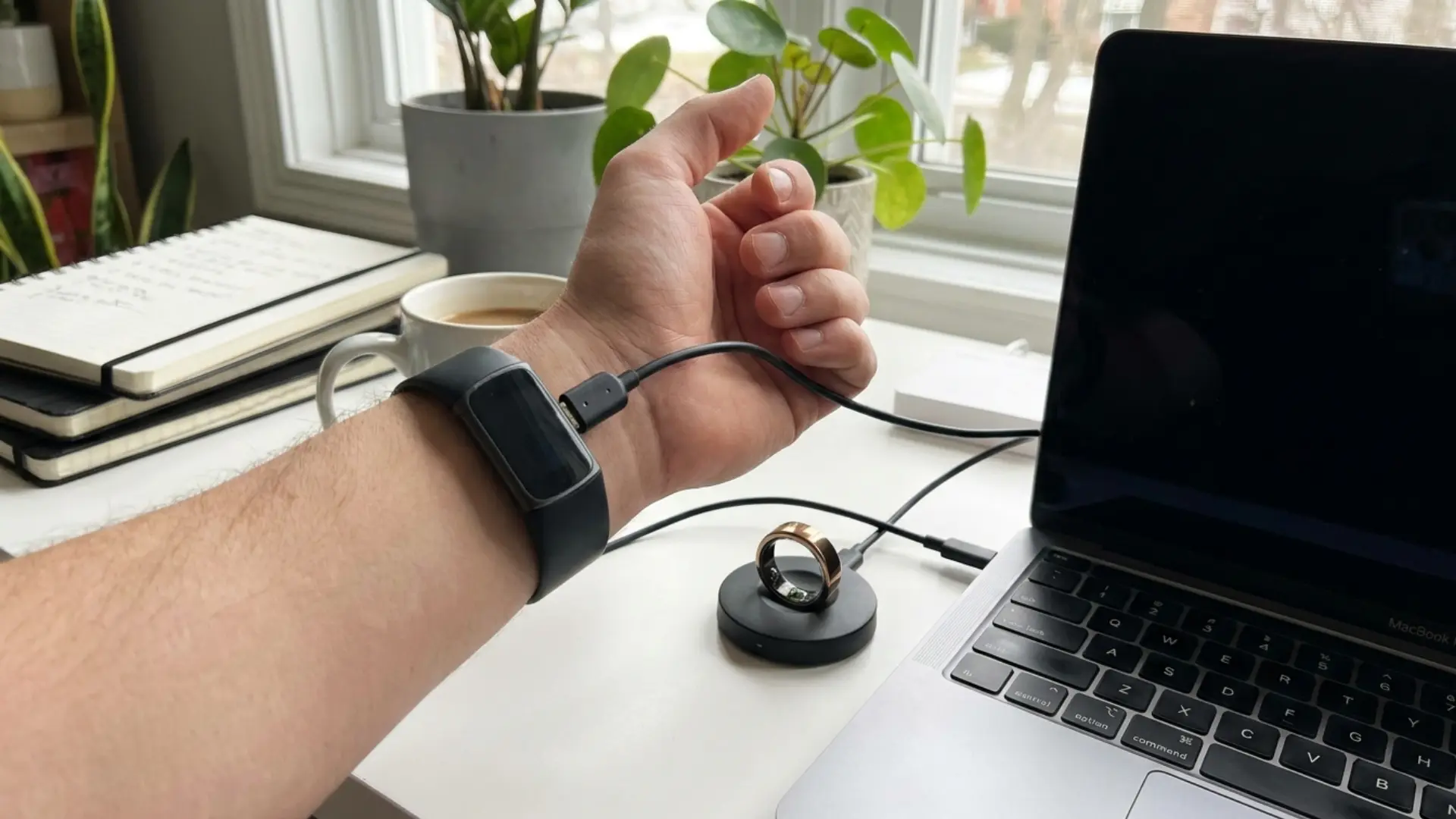
Charging habits can matter more than the maximum battery figure listed by each brand.
WHOOP can charge while you continue wearing it, which may suit you if removing a tracker often leads to missed data.
The Oura Ring must be placed on its charger, but you can charge it while showering, working at a desk, or lifting weights.
Actual battery life may change with device age, workout tracking, settings, temperature, and charging routines.
Both use small dedicated chargers, so forgetting one while traveling can be inconvenient and may create data gaps.
Price and Membership Cost
The better value depends on how long you plan to use the device and the features you need most.
WHOOP includes the wearable with its membership, so there is no separate device cost. WHOOP One costs $199 per year, WHOOP Peak costs $239 per year, and WHOOP Life costs $359 per year.
The Oura Ring 5 starts at $399. After the included first month, membership costs $5.99 per month or $69.99 per year.
| Option | First 12 Months |
|---|---|
| WHOOP One | $199 |
| WHOOP Peak | $239 |
| WHOOP Life | $359 |
| Oura Ring 5 Annual Membership | $69.99 |
WHOOP may provide better value for regular training and recovery tracking. Oura may be the better choice for sleep, stress, and everyday health monitoring.
Who Should Buy WHOOP
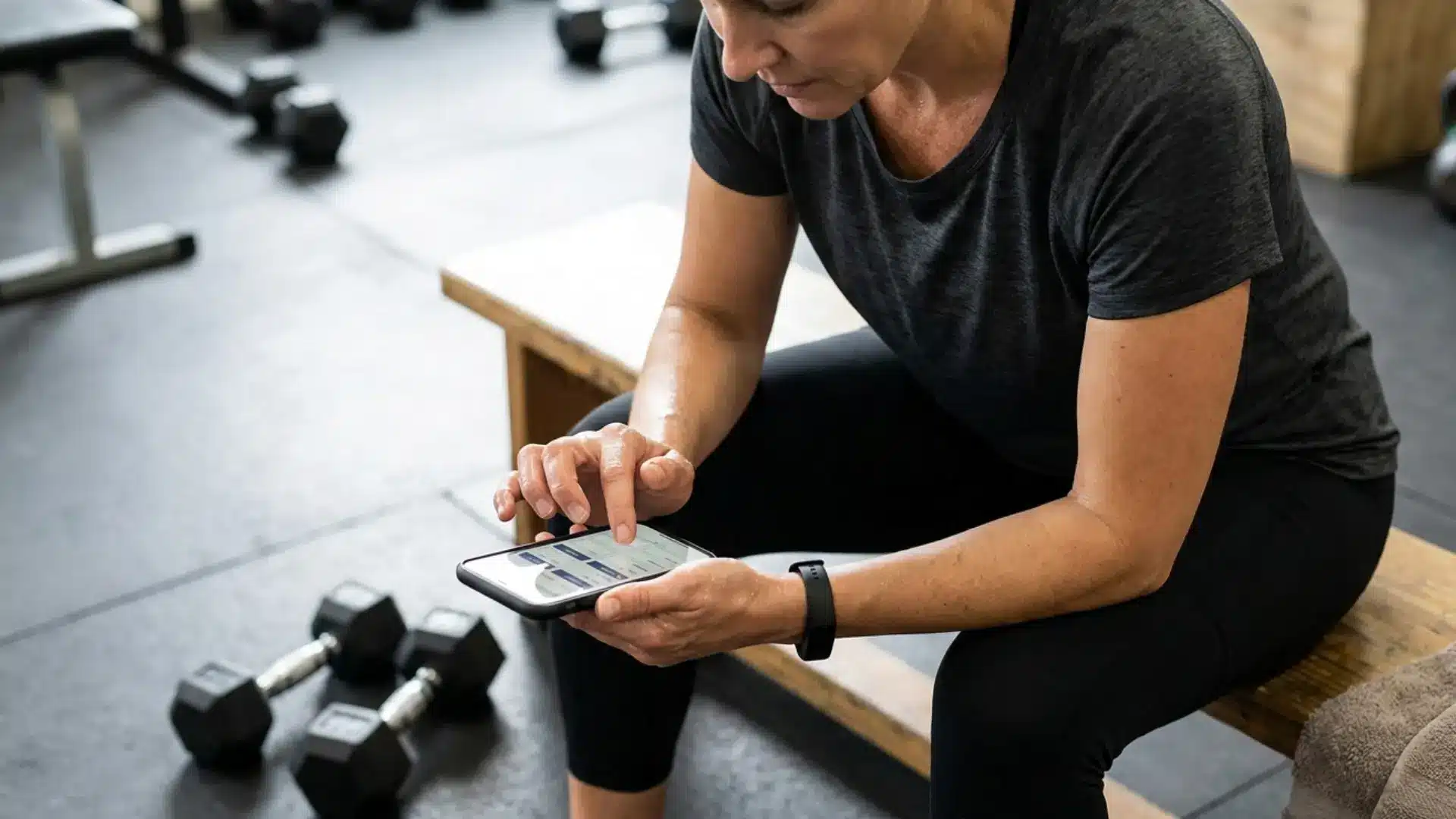
WHOOP is best suited to people who train often and enjoy using detailed data to shape their routine.
Frequent gym users may find value in logging resistance workouts and reviewing exercise-based recovery guidance.
Competitive and recreational athletes can use daily strain and recovery scores to decide when to push harder or reduce training intensity.
It also works well for people who prefer continuous wear, as the device can charge without removal. Data-focused users may appreciate charts, daily targets, sleep details, and habit comparisons.
WHOOP is less suitable for someone who wants a simple tracker with minimal app use or no subscription.
Who Should Buy the Oura Ring

The Oura Ring suits people who want simple health tracking in a small, discreet device. Sleep-first buyers may value its focus on sleep timing, nightly patterns, and daily readiness.
It can also work well for people who dislike wrist wearables or already wear a watch.
Casual exercisers who walk, attend fitness classes, do moderate cardio, or record workouts in another app may find its activity tracking sufficient.
The ring is also a strong choice for users who prefer a tracker that looks like ordinary jewelry. It may feel less suitable for heavy lifters or anyone who dislikes wearing rings.
At the End
After comparing both devices, I see WHOOP as the stronger choice for frequent training, detailed gym records, and people who adjust workouts using recovery data.
Oura makes more sense for sleep-first users, casual exercisers, and anyone who prefers a small ring over a wristband.
The better option is not the device with the higher score; it is the one you can wear comfortably and check without feeling pressured by daily results.
I would also compare the two-year cost before deciding because subscriptions can change the value over time.
Think about your main goal, preferred placement, and how often you will use the app.
Which tracker fits your routine better? Share your experience, questions, or final choice in the comments below.
Frequently Asked Questions
Can Whoop and Oura Scores be Compared Directly?
No. Each platform uses different sensors, body locations, baseline periods, and formulas. Treat each score as guidance within its own app rather than expecting matching daily results between the devices.
Which App is Easier for a First-Time Wearable User?
Oura may feel simpler because it presents clear daily scores and wellness summaries. WHOOP provides more training details, which can be useful but may require extra learning initially for beginners.
What Happens if Several Days of Data are Missed?
Missing several days can leave gaps in sleep, activity, and recovery trends. Consistent wear afterward helps each app rebuild a clearer view of your normal routine over the next few days.
Can Either Device Replace a Smartwatch?
Not fully. Neither device has a screen for maps, messages, or notifications. Choose a smartwatch instead when pace, navigation, calls, or on-wrist controls matter most during daily use or workouts.