

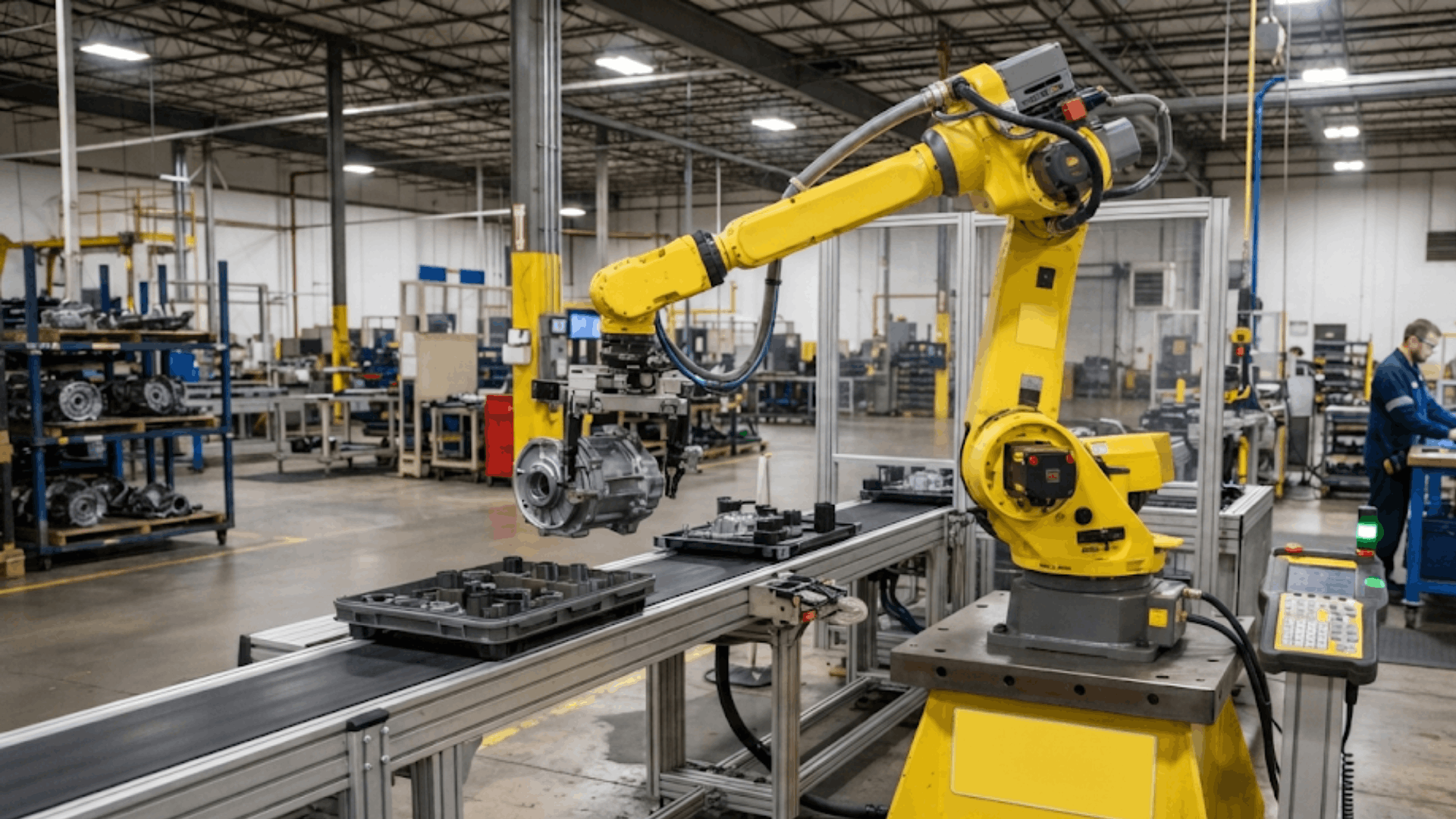





Robots are no longer limited to science fiction movies or research laboratories. They are now helping manufacture products, support medical procedures, clean homes, and explore places humans cannot easily reach.
Behind these machines is a growing field that combines creativity, engineering, and advanced technology.
Robotics is the field focused on designing, building, programming, and controlling robots that can perform tasks automatically or with human assistance.
In this article, I’ll explain what robotics means, what makes a machine a robot, and how this technology works in the real world.
What Is Robotics?
Robotics is the field of creating machines that follow instructions, respond to their surroundings, or make decisions.
It combines engineering, electronics, computer science, and AI to create robots that interact with the physical world.
Unlike basic machines that only repeat a fixed action, modern robotics focuses on creating systems that can sense information, process data, and respond appropriately.
The field includes everything from designing a robot’s physical structure to developing the software that controls its actions.
Where Does the Word “Robotics” Come From?
The history of the word “robotics” reflects how the field developed from a literary idea into a recognized branch of science and engineering.
The word “robot“ comes from the Czech word robota, meaning forced labor or compulsory work.
It first appeared in Karel Čapek’s 1920 play R.U.R. (Rossum’s Universal Robots), where artificial workers performed tasks for humans.
The term “robotics“ later became popular through science fiction author IsaacAsimov, who used it to describe the science and study of robots.
Today, robotics refers to the multidisciplinary field that combines engineering, electronics, computer science, and artificial intelligence to design, build, and improve robotic systems used across many industries.
What Is a Robot?
A robot is a programmable machine designed to complete tasks with limited or no direct human control.
While robots come in different shapes and sizes, they generally include mechanical parts, sensors, control systems, and software that allow them to perform specific functions.
Some robots are built for simple repetitive activities, while others are designed to adapt to changing situations using artificial intelligence.
For example, a factory robot may repeatedly assemble parts, while an autonomous robot may analyze its surroundings and choose how to move safely.
Common examples of robots include:
- Industrial Robots: Machines used for manufacturing, welding, assembly, and packaging.
- Service Robots: Devices that assist people in homes, offices, and public spaces.
- Medical Robots: Systems that support healthcare professionals during procedures and treatments.
- Exploration Robots: Machines used in oceans, space, or dangerous environments.
Although robots can look very different from one another, their main purpose is the same: using technology to complete tasks more effectively.
What Makes Something a Robot?
Robots have specific characteristics that allow them to interact with the world and perform tasks. These elements work together to create a system that can sense, process, and act.
| Feature | Role in Robotics |
|---|---|
| Programmability | Allows robots to receive instructions and perform specific tasks. |
| Sensors | Help robots collect information about their surroundings. |
| Processing systems | Analyze information and determine appropriate actions. |
| Actuators | Enable movement and physical interaction with objects. |
| Software | Controls robot behavior and allows communication between components. |
Significance of Robotics
Robotics plays an important role in advancing technology and improving how people live and work.
It combines engineering, software, and intelligent systems to solve problems that would otherwise require significant time, effort, or human risk.
Robotic technologies improve efficiency, increase accuracy, and support innovation in industries ranging from manufacturing and healthcare to agriculture and space exploration.
They also encourage scientific research and technological development by making complex tasks more manageable.
As robotics continues to evolve, its significance extends beyond automation by creating opportunities for economic growth, improving workplace safety, and supporting solutions to real-world challenges that benefit businesses, communities, and society.
Robotics vs Robots: Understanding the Difference
The terms robotics and robots are often used together, but they do not mean the same thing. Understanding this difference helps explain that robotics is not only about machines themselves but also about the research and technology behind them.
| Robotics | Robots |
|---|---|
| A field of study and engineering | A physical machine created through robotics |
| Includes designing, programming, and testing | Performs specific tasks using hardware and software |
| Focuses on improving machine abilities | Used in real-world applications |
For example, a robotic arm used in a car factory is a robot. The engineers who design the arm, create its software, and improve its performance are working in robotics.
How Do Robots Work?
Robots work by combining hardware, software, and control systems to collect information, process data, and perform actions.
- Sensors Collect Information: Robots use cameras, microphones, motion detectors, and other sensors to understand their surroundings and detect changes.
- Control Systems Process Data: The robot’s computer system analyzes sensor data and decides what action to take based on programmed instructions.
- Software Guides Behavior: Software controls how the robot operates, allowing it to complete tasks, follow commands, and communicate with other systems.
- Actuators Create Movement: Motors and mechanical parts help robots move, lift objects, rotate parts, or perform physical tasks.
- Artificial Intelligence Improves Decisions: Advanced robots use AI to recognize patterns, learn from data, and adapt to changing situations.
What Are the Main Areas of Robotics?
The field continues to expand as engineers develop robots for workplaces, healthcare, research, and everyday life.
1. Industrial Robotics
Industrial robotics focuses on robots used in manufacturing and production environments.
These robots are designed to perform repetitive and precise tasks such as assembling products, welding materials, painting surfaces, and packaging goods.
Factories use industrial robots because they can maintain consistent performance and complete tasks quickly.
They also help reduce risks by handling dangerous jobs involving heavy machinery, extreme temperatures, or hazardous materials.
2. Service Robotics
Service robotics focuses on robots designed to assist people outside traditional manufacturing settings. These robots are used in homes, businesses, healthcare facilities, and public areas to provide support and improve convenience.
Examples include robotic vacuum cleaners, delivery robots, customer assistance robots, and machines designed to help with daily activities.
Unlike industrial robots that often operate in controlled environments, service robots must interact with changing surroundings.
3. Medical Robotics
Medical robotics involves the use of robotic systems to support healthcare professionals and improve patient care.
These robots are designed to provide greater precision, control, and assistance during medical procedures.
Robotic surgical systems can help doctors perform delicate operations with enhanced accuracy, while rehabilitation robots assist patients recovering from injuries or movement difficulties.
However, medical robots are not designed to replace healthcare professionals.
Instead, they work as advanced tools that help medical teams perform procedures more effectively.
4. Autonomous Robotics
Autonomous robotics focuses on machines that can operate with limited human control.
These robots use sensors, software, and artificial intelligence to understand their surroundings and make decisions.
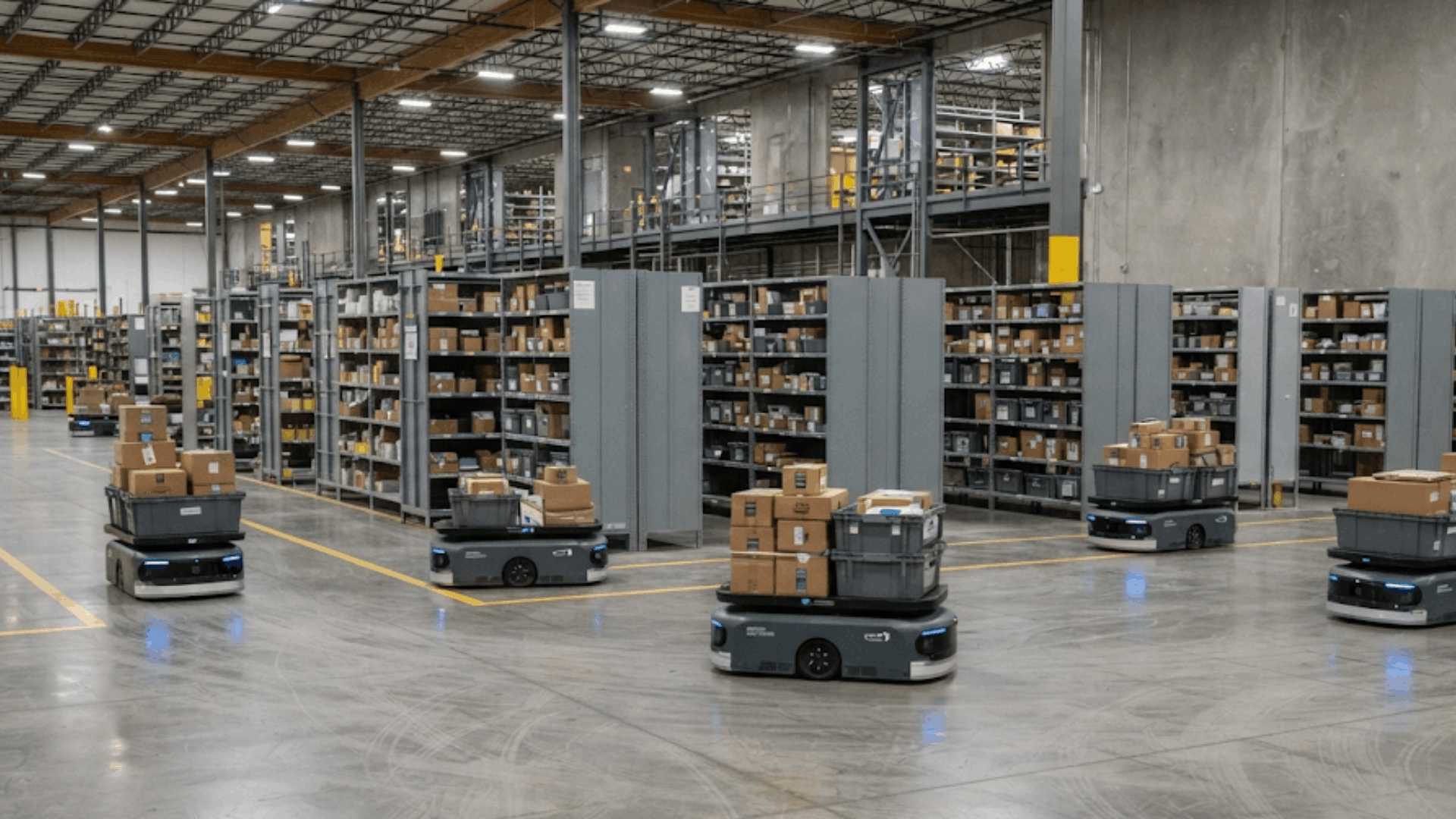
Examples include warehouse robots that move products, exploration robots that collect information in difficult environments, and autonomous vehicles designed to navigate roads or specific areas.
Unlike traditional machines that require constant instructions, autonomous robots can adjust their actions based on changing conditions.
This ability makes them useful in situations where human control may be difficult, unsafe, or inefficient.
5. Humanoid Robotics
Humanoid robotics focuses on creating robots that resemble human appearance, movement, or communication abilities.
These robots interact with people through speech, gestures, and human-like behavior.
Researchers study humanoid robots for applications in education, healthcare assistance, customer service, and human-robot interaction.
Their design helps scientists understand how machines can communicate and cooperate with humans.
Although many humanoid robots are still under development, improvements in artificial intelligence, sensors, and mechanical design are helping them become more advanced and capable over time.
How Artificial Intelligence Is Changing Robotics
Artificial intelligence has played a major role in making robots more advanced and adaptable.
While robotics focuses on creating physical machines, AI helps those machines analyze information, recognize patterns, and make better decisions.
Traditional robots usually follow programmed instructions and perform predictable tasks.
AI-powered robots can handle more complex situations by learning from data and adjusting their actions.
For example, an AI-powered robot can identify objects, understand its surroundings, and improve performance over time.
However, robotics and artificial intelligence are not the same field. Robotics provides the physical structure and movement, while AI provides advanced decision-making abilities.
Together, they make robots more useful, flexible, and capable in real-world environments.
Is Robotics the Same as Automation or AI?
Robotics, automation, and artificial intelligence (AI) are closely related but serve different purposes. Robotics focuses on building physical machines, automation completes tasks with minimal human input, and AI enables machines to analyze information and make decisions.
| Technology | Primary Purpose |
|---|---|
| Robotics | Designs, builds, and programs physical robots that perform tasks. |
| Automation | Uses technology to complete repetitive processes automatically, with or without robots. |
| Artificial Intelligence (AI) | Enables machines to learn, reason, recognize patterns, and make decisions. |
Where Is Robotics Used Today?
Robotics is no longer limited to factories or research facilities. Today, robots are used across many industries to improve efficiency, safety, and accuracy. From helping doctors perform procedures to assisting people with daily tasks, robotics has become part of many areas of modern life.
Some common applications of robotics include:
- Manufacturing: Robots help assemble products, inspect materials, package goods, and complete repetitive tasks with high accuracy.
- Healthcare: Robotic systems assist with surgeries, rehabilitation, patient care, and medical research.
- Agriculture: Robots help monitor crops, identify plant issues, and improve farming processes.
- Space exploration: Robots collect data, study distant environments, and complete missions where human travel is difficult.
- Logistics: Warehouse robots move products, organize inventory, and support faster deliveries.
- Homes: Consumer robots assist with cleaning, security, and household tasks.
Why Is Robotics Important?
Robotics matters because it helps people complete tasks that require precision, speed, consistency, and safety. Robots handle repetitive, demanding, or dangerous tasks, letting humans focus on problem-solving and decision-making.
In manufacturing, robots improve productivity and quality. In healthcare, they support surgery, rehabilitation, and patient care.
Robots also support scientific research by exploring environments that are difficult or dangerous for humans, including deep oceans, disaster zones, and outer space.
Beyond improving efficiency, robotics drives innovation by combining engineering with artificial intelligence to solve real-world challenges.
Rather than replacing people, many robotic systems are designed to work alongside humans, making workplaces safer, more productive, and more efficient.
Challenges and Limitations of Robotics
As robotics continues to advance, it also brings technical, financial, and ethical challenges. Understanding these limitations helps explain why developing reliable robotic systems requires continuous improvement.
- High Development Costs: Building advanced robots requires expensive hardware, software, research, and regular maintenance. These costs can make robotic systems difficult for organizations to adopt.
- Complex Programming: Robots rely on detailed programming and testing to perform tasks safely and accurately. Updating software and integrating new technologies often requires specialized expertise.
- Limited Adaptability: Many robots perform well in controlled environments but may struggle when faced with unexpected obstacles or situations they were not trained to handle.
- Safety Concerns: Robots working alongside people must be carefully designed to reduce accidents. Reliable sensors, emergency controls, and safety standards are essential for human-robot collaboration.
- Workforce Changes: As automation increases, some routine jobs may change, creating greater demand for workers with technical, engineering, and programming skills.
- Ethical and Privacy Issues: Questions about accountability, data privacy, security, and autonomous decision-making continue to shape how robotics is developed and used responsibly.
What Is the Future of Robotics?
The future of robotics is focused on creating machines that are smarter, safer, and more capable of working alongside humans.
Advances in artificial intelligence, sensors, and engineering are helping robots understand their surroundings more accurately and perform increasingly complex tasks.
Future robots are expected to become more common in healthcare, education, transportation, manufacturing, and personal assistance.
Rather than replacing humans completely, they will likely support people by handling repetitive or physically demanding tasks, allowing workers to focus on creativity, problem-solving, and decision-making.
Human-robot collaboration is expected to become a key part of future workplaces as organizations adopt more intelligent automation.
As robotics continues to evolve, the goal is to develop machines that improve productivity, enhance safety, support innovation, and improve everyday life.
The Benefits of Robotics for Kids in Education
Robotics supports learning by helping students develop valuable technical and problem-solving skills.
- Develops Problem-Solving Skills: Building and programming robots encourages students to think logically, test ideas, and improve solutions.
- Introduces Coding Concepts: Robotics helps children understand programming through interactive projects instead of only learning theory.
- Encourages Teamwork: Many robotics activities involve collaboration, helping students communicate, share ideas, and work toward common goals.
- Builds Creativity: Students create unique robotic designs while learning how different components work together.
- Strengthens STEM Learning: Robotics connects science, technology, engineering, and mathematics through practical, hands-on experiences.
Conclusion
The future of robotics is focused on creating machines that are smarter, safer, and more capable of working alongside humans.
Advances in AI, sensors, and engineering help robots understand their surroundings and handle complex tasks.
I believe they will make daily life easier without replacing human creativity. Future robots are expected to become more common in healthcare, education, transportation, manufacturing, agriculture, and personal assistance.
They will handle repetitive or demanding tasks, helping people focus on creativity, critical thinking, and decisions.
As robotics evolves, developers aim to improve productivity, safety, innovation, and real-world problem-solving.
Frequently Asked Questions
What Is the Difference Between a Robot and a Machine?
A robot is a type of machine that can be programmed to perform tasks and often interact with its environment. Unlike simple machines, robots can use sensors, software, and control systems to respond to information.
Do Humans Always Control Robots?
No, robots are not always directly controlled by humans. Some robots require human instructions, while others can operate independently using sensors, software, and artificial intelligence to make decisions.
Is Robotics a Part of Artificial Intelligence?
Robotics and artificial intelligence are connected but different. Robotics focuses on creating physical machines, while AI helps machines analyze information, learn, and make decisions.
What Skills Are Needed to Study Robotics?
Robotics involves skills from several fields, including programming, mechanical design, electronics, mathematics, and artificial intelligence.
Will Robots Replace Humans in the Future?
Robots may automate some tasks, but they are generally designed to support human work rather than replace all human roles.


One Response