




Keeping people, data, and property secure is a priority for many organizations, but choosing the right entry security solution is not always simple.
I have seen how businesses often compare different options before deciding what works best for their needs.
If you are researching an access control vestibule, you likely want clear answers about how it works, where it is used, and whether it is the right fit for your facility.
This guide covers the basics, key components, benefits, common applications, and how these systems compare with other security measures such as mantraps.
You will also learn about important factors to consider before implementation, potential challenges, and current trends in access control technology.
By the end of this article, you will have a solid understanding of the topic and be better prepared to make informed security decisions.
What Is an Access Control Vestibule?
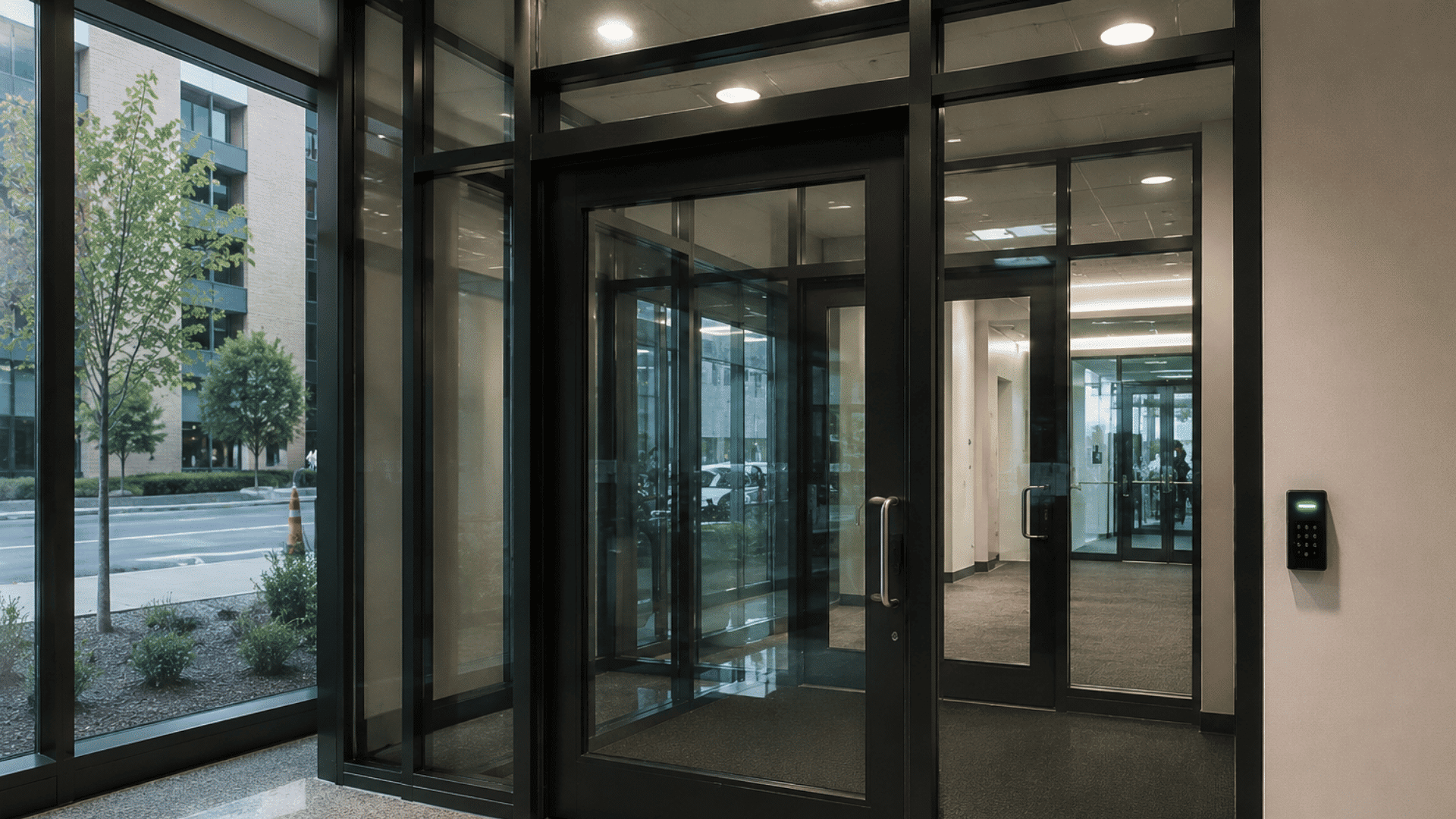
An access control vestibule is a small secure space placed between an outside entrance and the main area of a building.
You can think of it as a controlled checkpoint. A person enters one door, verifies their identity, and then gets access to the next door if approved.
I like to explain it as a way to slow down entry without making the process confusing. It helps a business check who is coming in before they reach sensitive areas.
The system may use card readers, keypads, intercoms, cameras, locks, or biometric tools. The exact setup depends on the building and security needs.
The main goal is simple: allow approved people to enter while keeping unauthorized visitors out.
It gives you more control over access and adds another layer of protection at the entrance.
How Does an Access Control Vestibule Work?
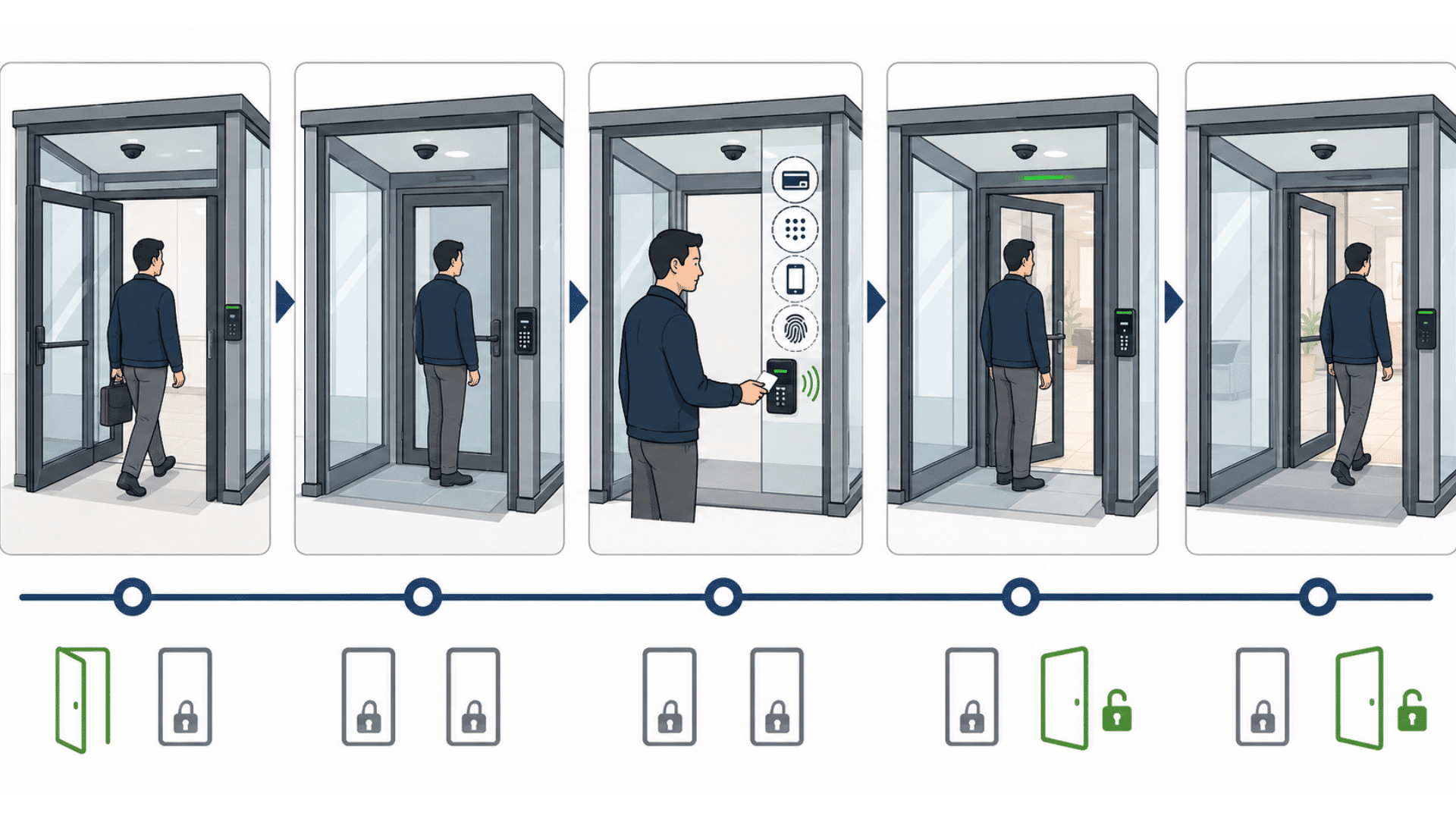
An access control vestibule works by creating a secure entry point between the outside of a building and the areas inside.
Instead of allowing someone to walk directly through the main entrance, the system checks their credentials first.
When you enter the vestibule, the first door closes behind you. You may then need to scan an access card, enter a PIN, use a mobile credential, or verify your identity through a biometric reader.
Once the system confirms that you have permission to enter, the second door opens.
I find that this process is easiest to understand when you think of it as a security checkpoint. Each step is designed to verify who is entering before granting access.
Only one door is typically opened at a time, which helps control movement and reduces the risk of unauthorized entry.
Many systems also include cameras, intercoms, alarms, and monitoring software for added security.
The result is a more controlled and secure way to manage access without disrupting the flow of authorized visitors and employees.
Key Components of an Access Control Vestibule
Several parts work together to control entry. Understanding them helps you see where cost, reliability, and compliance decisions actually live.
- Interlocking Entry and Exit Doors: The two doors that define the vestibule. One stays locked until the system confirms the other is secured.
- Access Control Reader: Verifies credentials, key card, PIN, mobile credential, or biometric identifier.
- Electronic Locks (Fail-Safe or Fail-Secure): Control door state on a signal from the system. Which mode you choose has direct life-safety implications — see the compliance section below.
- Control Panel: The central hub that decides whether access is approved or denied.
- Security Cameras: Record activity for monitoring and after-the-fact review.
- Intercom System: Lets visitors reach staff for assistance or approval.
- Anti-Tailgating Sensors: Optical or thermal sensors that detect when more than one person tries to pass on a single authorization, triggering an alert or holding the second door.
- Alarm and Monitoring System: Detects forced entry or doors held open too long, alerting personnel in real time.
- Management Software: Lets administrators set permissions, view access logs, and monitor activity centrally.
Access Control Vestibule vs. Mantrap: What’s the Difference?
Both solutions help control entry into secure areas, but they are designed for different security needs.
Understanding the differences can help you choose the option that best matches your facility’s security requirements and traffic flow.
| Feature | Access Control Vestibule | Mantrap |
| Primary Purpose | Controls and monitors building access. | Prevents unauthorized entry through strict identity verification. |
| Security Level | Moderate to high security. | Very high security. |
| Entry Process | Users present credentials before gaining access. | Users are verified in an enclosed space before proceeding. |
| Door Operation | Doors may be controlled sequentially but can prioritize smooth movement. | Only one door opens at a time to maintain strict control. |
| Traffic Flow | Handles higher volumes of authorized users more efficiently. | Slower process due to additional security checks. |
| User Experience | Generally feels less restrictive. | More controlled and security-focused. |
| Tailgating Prevention | Helps reduce tailgating and unauthorized access. | Specifically designed to prevent tailgating and piggybacking. |
| Common Applications | Office buildings, healthcare facilities, schools, and commercial properties. | Data centers, government facilities, research labs, and high-security environments. |
| Cost | Typically lower installation and operating costs. | Usually more expensive due to advanced security features. |
| Best For | Organizations that need stronger access control without disrupting daily operations. | Facilities that require the highest level of entry security. |
An access control vestibule focuses on balancing security and convenience, while a mantrap prioritizes maximum security, even if the entry process takes longer.
Benefits of Using an Access Control Vestibule
The right entry security solution can make it easier to manage who enters your building. It can also help you create a safer environment without making access difficult for authorized users.
- Stronger, Verified Access: Identity is confirmed before anyone reaches sensitive areas.
- Real Tailgating and Piggybacking Defense: The interlock physically closes the gap left open by a standard door.
- Better Visitor Management: A more organized, monitored check-in process.
- Flexible Authentication: Cards, PINs, mobile credentials, or biometrics, alone or combined.
- Compliance Support: Helps regulated industries meet standards like HIPAA (healthcare) and PCI DSS (financial services).
- Integrates with Existing Systems: Works alongside cameras, alarms, and visitor platforms.
- Active-Threat Containment: Many systems support lockdown, trapping a threat in the buffer zone until responders arrive
What Security Professionals Say About Access Control Installations
Security professionals often say access control works best when it is planned around your building, people, and daily traffic.
You should not treat it as just a door reader or lock upgrade. It needs clear rules, the right entry points, and regular monitoring.
NIST says physical access control should verify a person’s authorization before access is granted and control entry and exit points.
CISA’s Interagency Security Committee also says facility access control should cover the full process, from visitor entry to the first point of authentication.
The Main Lesson is Simple: plan the system before installation, test it after setup, and make sure your team knows how to use it.
Authentication Methods Used in Vestibules
The credential type you choose shapes both security strength and user experience. Most facilities I’ve assessed end up combining two for multi-factor verification at the inner door.
- Smart Cards and Key Fobs: Still the most widely deployed option. Encrypted cards resist cloning and can be deactivated instantly if lost.
- PIN Pads: Low-cost and simple, but weakest on their own since codes get shared. Best as a second factor.
- Mobile Credentials: Phone-based entry via Bluetooth, NFC, or QR code. Convenient and harder to lose than a card, most people guard their phone more carefully than a badge.
- Biometrics: Fingerprint, facial, or iris recognition for the highest assurance. Look for liveness detection to block photo or replay spoofing.
Where Access Control Vestibules are Used
Access control vestibules are used in environments where protecting sensitive areas and preventing unauthorized entry are critical.
| Industry / Facility | How Access Control Vestibules Are Used | Primary Benefit |
|---|---|---|
| Corporate Offices | Secure research and development departments, executive suites, and other restricted areas. | Prevents unauthorized access to sensitive business information and assets. |
| Government Facilities | Protect classified workspaces and areas containing sensitive information. | Enhances national security and safeguards confidential data. |
| Banks and Financial Institutions | Control entry to secure zones and reduce opportunities for fraud or theft. | Improves security for employees, customers, and financial assets. |
| Data Centers | Restrict access to physical servers and critical IT infrastructure. | Protects valuable data and ensures system availability. |
| Hospitals, Laboratories, and Pharmaceutical Facilities | Secure restricted patient areas, controlled substances, and research environments. | Helps maintain safety, privacy, and regulatory compliance. |
| Airports | Regulate access to staff-only locations and high-security operational areas. | Strengthens security and prevents unauthorized entry into critical zones. |
Installing an Access Control Vestibule
A successful installation depends on good planning, the right equipment, and proper testing. Following a structured process helps you create a secure entry point that supports both safety and daily operations.
1. Assess Your Security Requirements
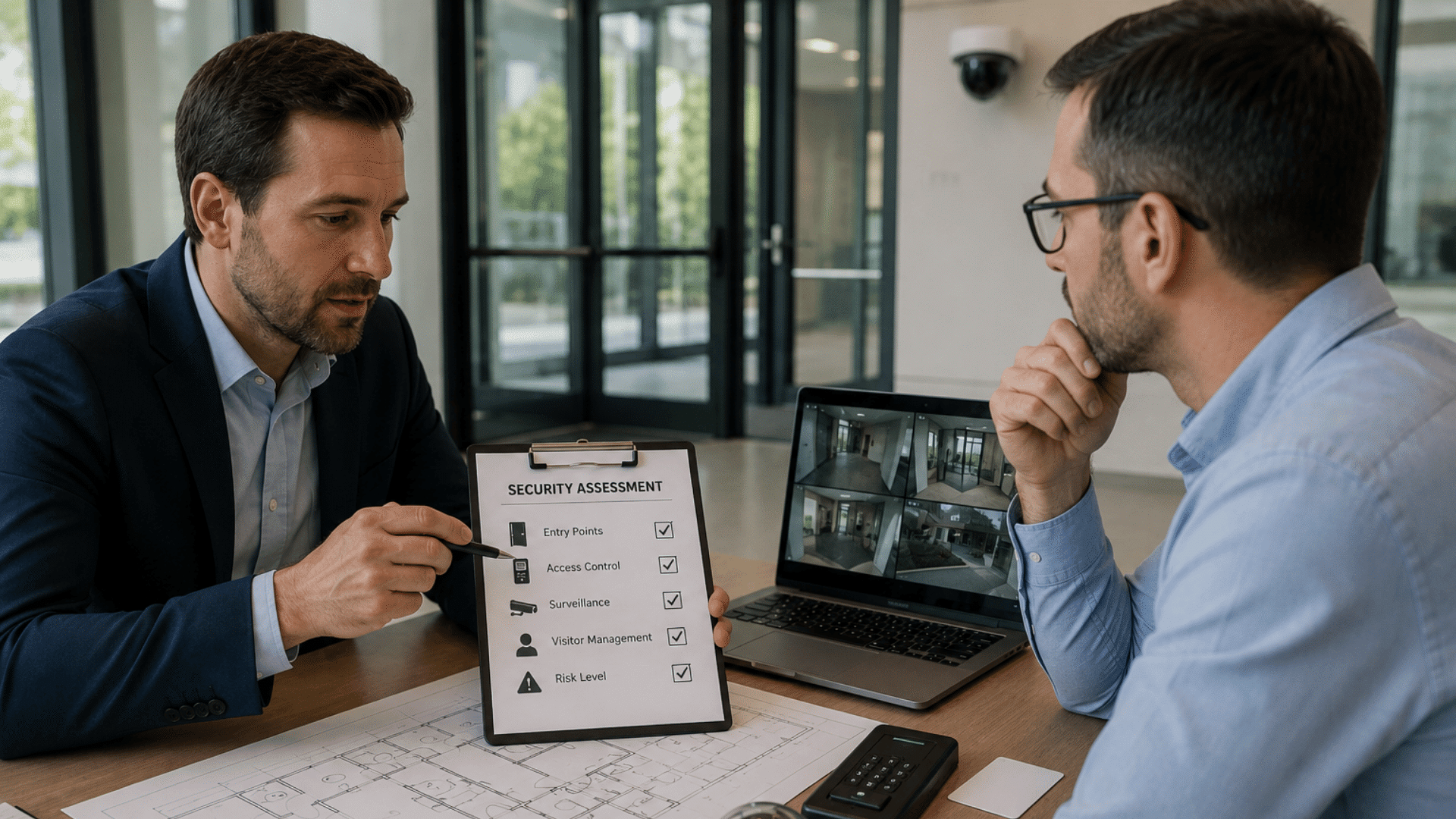
Before installation, you should identify which areas need protection and define your security goals. Consider how many people will use the entrance, the level of access control required, and any potential risks.
Understanding these factors helps you choose the right vestibule design and security features while avoiding costly adjustments later.
2. Design the Vestibule Layout
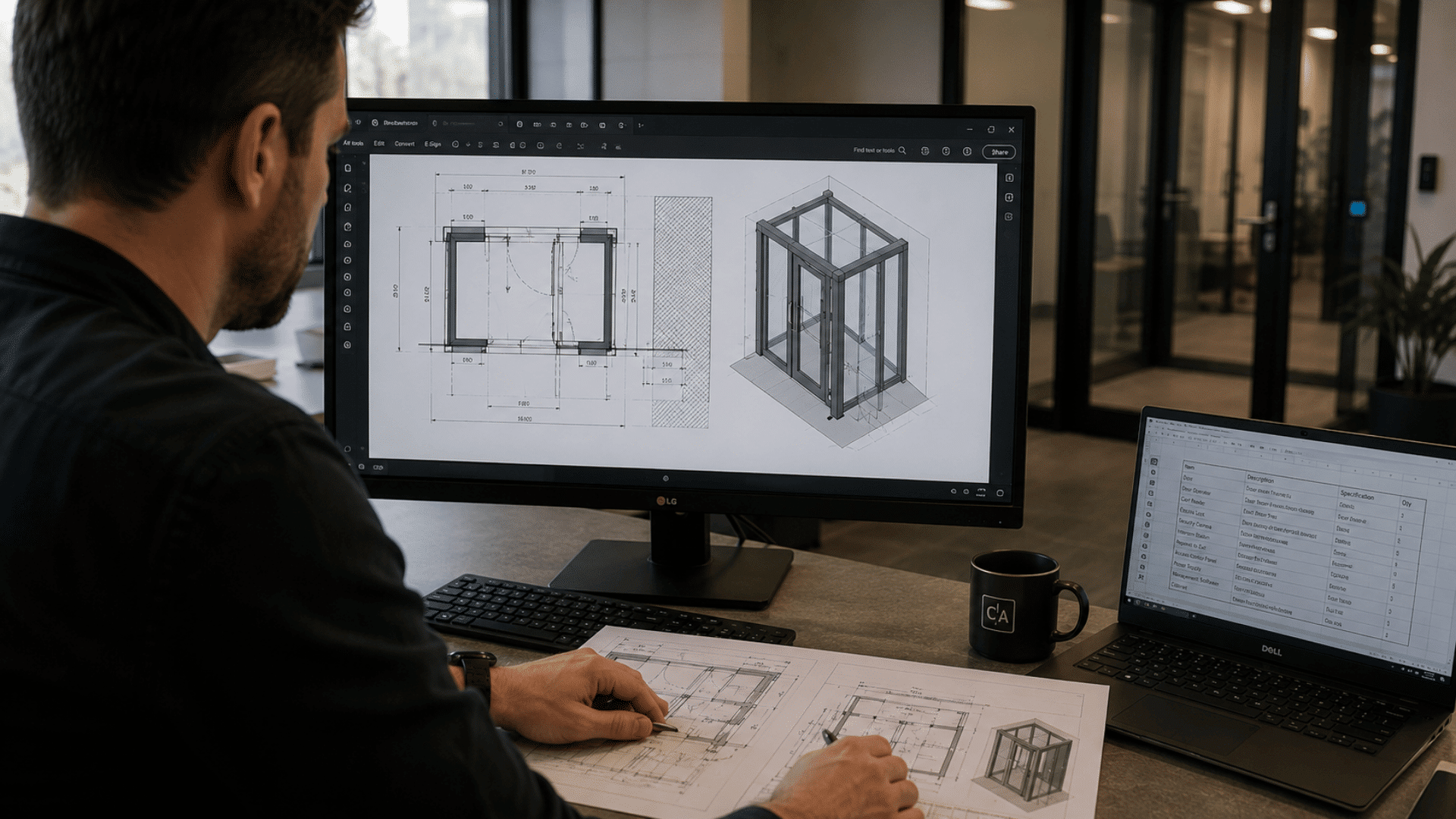
The layout should balance security and convenience. You need enough space for users to move through the vestibule while completing any required verification steps.
Door placement, access readers, cameras, and intercoms should be positioned carefully. A well-planned layout improves traffic flow and helps the system operate more effectively.
3. Select the Right Access Control Components
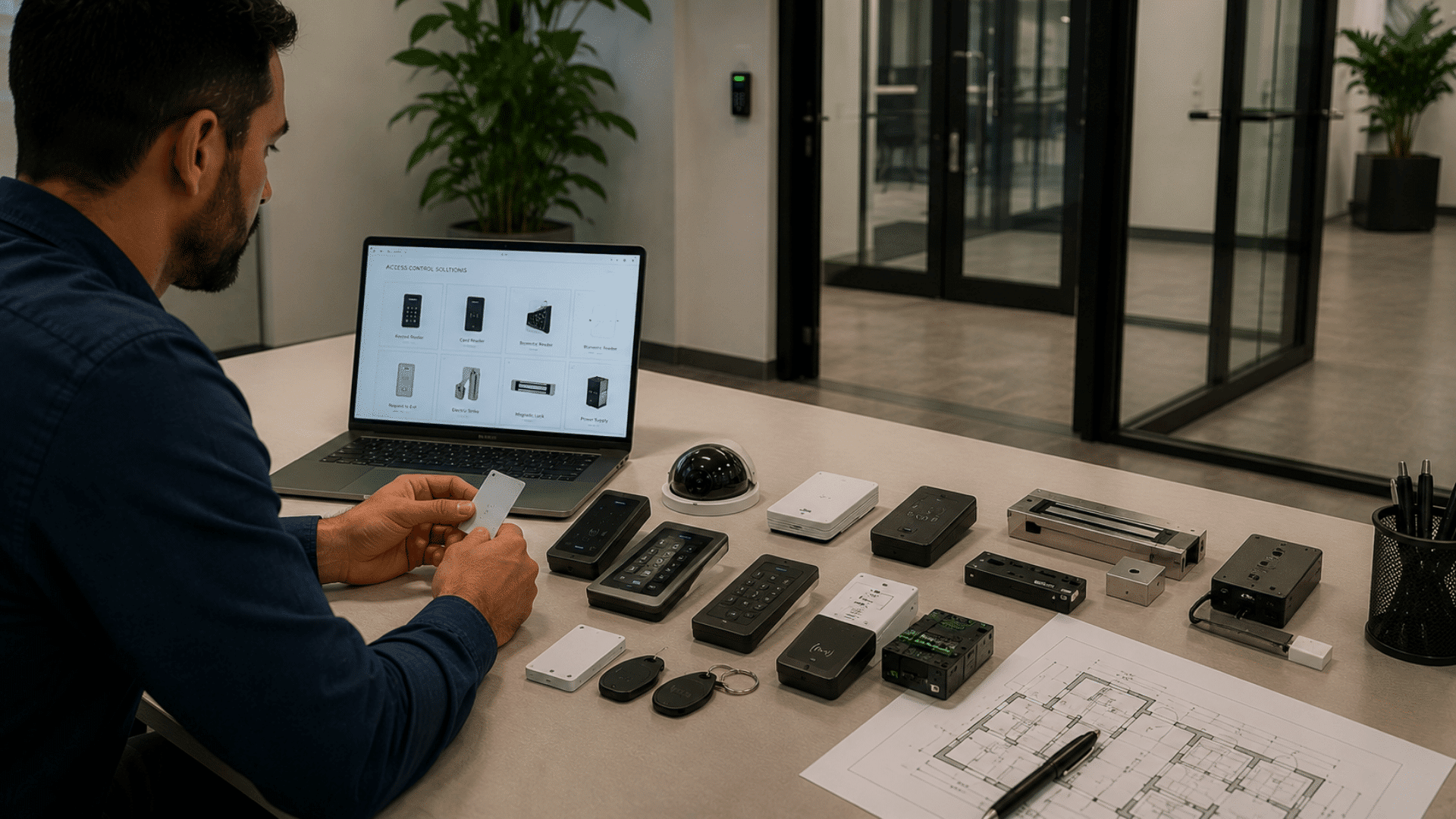
Choosing reliable equipment is essential. Most systems include access readers, electronic locks, cameras, intercoms, and management software.
The components should work together smoothly and support your security goals. You should also think about future expansion so the system can adapt as your needs change.
4. Install and Configure the System
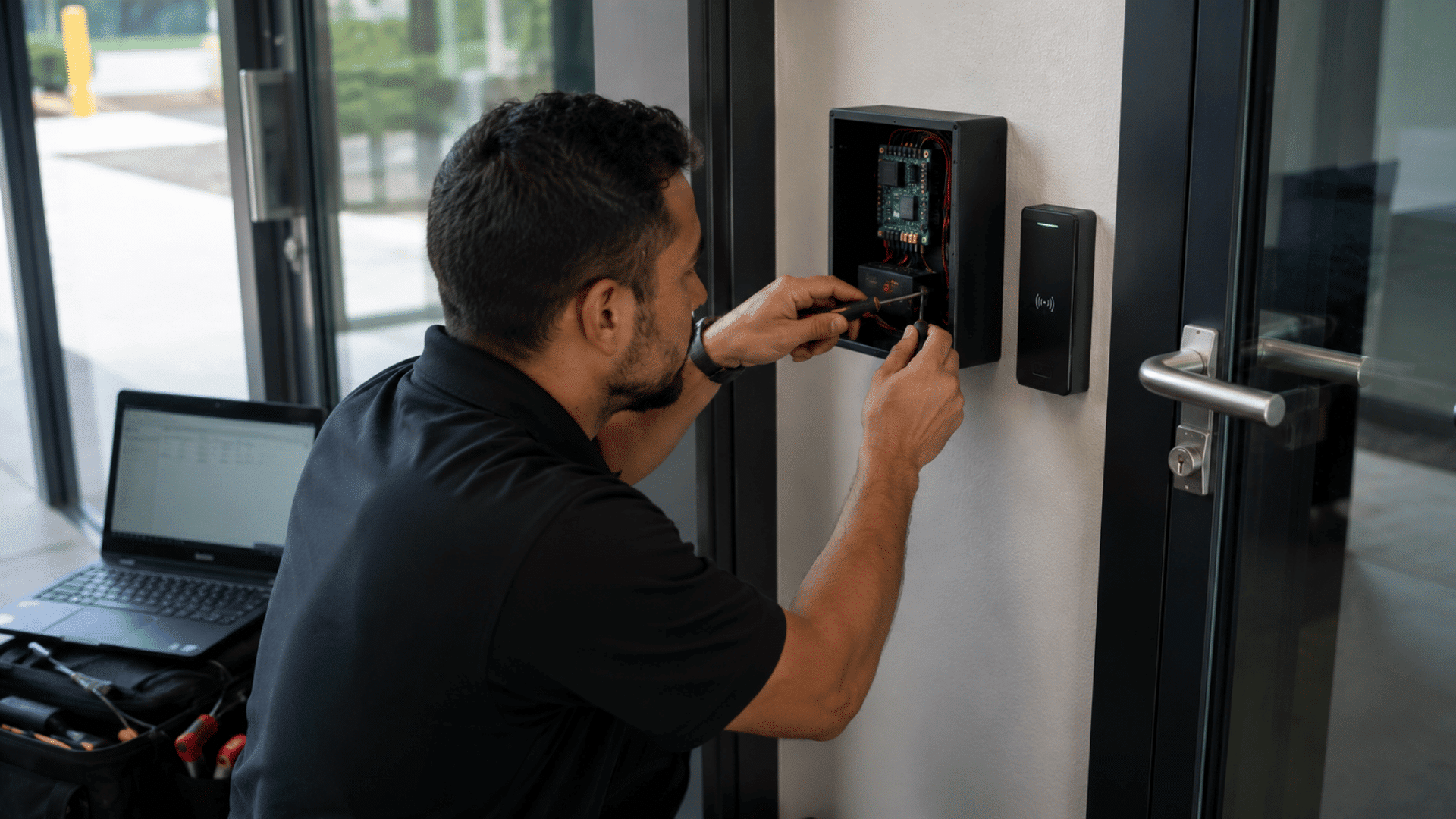
After selecting the equipment, the hardware is installed and connected. The system must then be configured with user permissions, access schedules, and security settings.
Proper setup ensures authorized users can enter while restricted areas remain protected. Careful configuration also helps prevent operational issues.
5. Test and Maintain the Vestibule
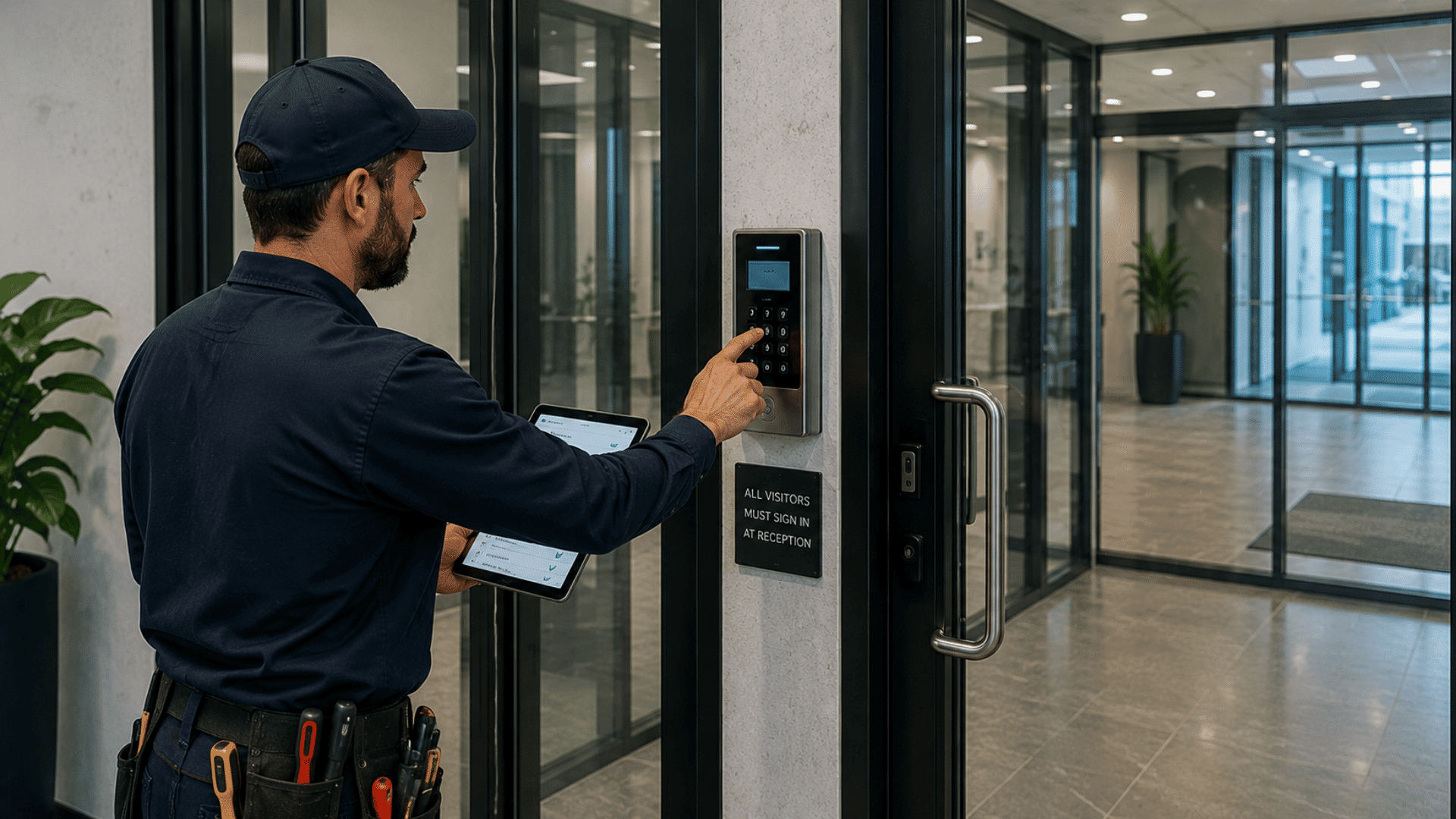
Testing confirms that all components work as expected before daily use begins. Check door functions, access credentials, alarms, and monitoring tools.
After installation, regular maintenance helps keep the system reliable. Routine inspections and software updates can prevent issues and support long-term security performance.
Factors to Consider Before Installing an Access Control Vestibule
Choosing the right vestibule involves more than selecting doors and access readers. You should evaluate your building, security needs, and daily operations to ensure the system performs as expected.
| Factor | Why It Matters |
| Available Space | You need enough room for the vestibule to function properly. The layout should allow users to enter, verify credentials, and move through the area without creating congestion. |
| Security Requirements | The level of security needed will influence the vestibule design, authentication methods, and access control features. High-security facilities often require stricter verification processes. |
| User Traffic Volume | Consider how many people will use the entrance each day. A vestibule should support daily traffic without causing unnecessary delays for authorized users. |
| Integration With Existing Systems | The vestibule should connect smoothly with your current security infrastructure, including cameras, alarms, visitor management systems, and access control software. |
| Budget and Long-Term Costs | Installation is only part of the investment. You should also account for maintenance, software updates, repairs, and future system upgrades. |
| Compliance and Safety Requirements | The system should meet building codes, accessibility standards, and industry regulations. Compliance helps ensure both safety and operational reliability. |
The best access control vestibule is one that matches your facility’s security goals, available space, operational needs, and long-term budget.
Access Control Vestibule Costs and ROI
The cost of an access control vestibule depends on the size, security features, and installation requirements.
Basic commercial installations often range from $15,000 to $25,000, while advanced systems with biometric authentication, interlocking doors, and enhanced security features can exceed $80,000.
You should also consider the cost of access control hardware, software, maintenance, and future upgrades.
Industry data shows that commercial access control systems typically cost $3,000 to $5,000 per door when hardware, labor, and software licensing are included.
When looking at return on investment, the value goes beyond the initial purchase.
A well-designed vestibule can reduce unauthorized access, improve visitor management, and strengthen overall building security.
It may also help lower the risk of security incidents that could lead to financial losses or operational disruptions.
For many organizations, the long-term benefit comes from better control, improved compliance, and increased protection for employees, assets, and sensitive information.
At the End
Choosing an access control vestibule is not just about adding another security feature.
It is about giving your building a smarter way to manage entry, protect people, and reduce everyday risks.
When you understand how these systems work, what they cost, and how they compare with options like mantraps, it becomes easier to make the right decision for your space.
The best setup is the one that fits your traffic flow, security needs, and long-term goals.
Take time to plan carefully, ask the right questions, and choose a system that supports daily use without creating confusion.
Have you installed or used an access control vestibule before? Share your experience in the comments below to help other readers learn from real situations.
Frequently Asked Questions
Can an Access Control Vestibule Work During a Power Outage?
Yes, many systems use backup batteries or power supplies to maintain controlled access and security during temporary outages.
Are Access Control Vestibules Suitable for Small Businesses?
Yes, they come in various sizes and configurations, making them practical for small businesses with security concerns.
How Often Should an Access Control Vestibule be Inspected?
Most facilities inspect vestibules annually or semiannually to identify equipment issues and maintain reliable system performance.
Can Temporary Visitors Use an Access Control Vestibule?
Yes, visitors can receive temporary credentials or staff-approved access without being granted permanent entry permissions.