







If your business uses multiple software tools, you have likely faced problems with systems that do not share data properly.
Manual updates, duplicate information, and disconnected platforms can slow down daily work and make it harder to grow. This is where custom API development can help.
As someone who has spent years working closely with software and engineering teams, I have seen how the right API can connect applications, automate tasks, and help businesses work more efficiently.
Instead of relying on one-size-fits-all solutions, custom APIs are built around specific business needs, making integrations more reliable and secure.
This guide is written for people who want to understand and build a custom API, not just buy one.
I will explain what custom API development is, walk through the development process step by step with a working example, cover the common API types and where each fits, and finish with how to choose a development partner if you decide not to build in-house.
What is Custom API Development?
Custom API development is the process of creating an Application Programming Interface (API) specifically for a business’s needs.
An API acts as a bridge that allows different software applications to communicate and share data. Instead of relying on a standard solution, a custom API is designed to match a company’s workflows, systems, and goals.
In technical terms, an API defines a set of endpoints. Each endpoint is a URL that accepts a request and returns a response, usually as JSON.
A client sends an HTTP request such as GET /customers/42, and the API returns that customer’s record.
The work of custom API development is deciding which endpoints exist, what data they accept and return, and the rules that govern access. Everything else in this guide builds on that idea.
Custom APIs vs. Off-the-Shelf APIs
Here’s a quick comparison to help you understand which option fits different business needs.
| Factor | Custom APIs | Off-the-Shelf APIs |
|---|---|---|
| Fit | Built for specific business needs. | Built for general use. |
| Flexibility | Easier to adjust and expand. | Limited to existing features. |
| Setup Time | Takes longer to build. | Faster to implement. |
| Security | Can match specific security needs. | Depends on vendor settings. |
| Best For | Complex systems and long-term growth. | Simple and common use cases. |
Examples of Custom API Use Cases
Custom APIs are used across many industries. An online store may use a custom API to connect its inventory system with suppliers and shipping providers.
A healthcare organization might use one to securely share patient information across different systems.
Financial companies often build custom APIs to process transactions, verify customer data, and connect banking services in real time.
These integrations help businesses improve efficiency, reduce manual work, and keep information accurate across platforms.
The Custom API Development Process
Building a custom API takes careful planning, clear goals, and proper testing.
Most API development services follow a step-by-step process to make sure the API works well, stays secure, and supports the business as it grows.
The five stages below are the path I have seen teams follow most often, with a worked example after each idea so the steps stay concrete.
1. Discovery and Planning
This stage focuses on understanding the business goal, current systems, data needs, users, and required integrations. The team reviews what the API should do, which platforms it must connect to, and what problems it needs to solve.
Clear planning helps avoid confusion later and gives developers a strong starting point for the project.
The output of this stage should be a short list of resources and the actions allowed on each.
For the pet daycare example used widely in API tutorials, the resources are owners and pets, with a one-to-many relationship: one owner can have many pets.
Writing this down before any code is the cheapest mistake-prevention step in the whole project.
2. API Design
In this stage, developers plan the API structure, endpoints, data formats, user roles, and security rules.
Good API design makes the system easier to use, test, and maintain. It also helps different teams understand how the API will send, receive, and protect data before actual development begins.
Design means mapping each resource to a set of endpoints and HTTP methods. A clean REST design for the example above looks like this:
GET /pets # list all pets
POST /pets # create a pet
GET /pets/:id # fetch one pet
PATCH /pets/:id # update a pet
DELETE /pets/:id # remove a pet

GET /owners # list all owners
GET /owners/:id/pets # list one owner's pets
Notice the pattern: the same five methods repeat for every resource, and the URL names the thing being acted on.
Predictable, consistent endpoints like these are easier for developers to learn and are now also important for AI agents that consume APIs, a point covered later in this guide.
3. Development and Integration
Once the design is ready, developers start building the API and connecting it with applications, databases, cloud tools, or third-party platforms.
This stage includes writing code, setting up authentication, creating endpoints, and making sure each connected system can share data correctly. The goal is to create a stable and useful connection.
A concrete example helps. In a framework like Ruby on Rails, a controller action that returns a single pet and handles the “not found” case looks like this:
def show
 pet = Pet.find_by(id: params[:id])
 if pet
 render json: pet, status: :ok
 else
 render json: { error: 'Pet not found' }, status: :not_found
 end
end
The principle holds in any language: locate the record, return it with a success status if it exists, and return a clear error with the correct HTTP status code if it does not.
Returning the right status code (200, 201, 404, 422) is what makes an API predictable for the systems calling it. This same logic in Python with FastAPI or Node with Express would differ only in syntax.
4. Testing and Deployment
Before launch, the API is tested for speed, security, errors, data accuracy, and real-world usage. Testing helps find issues before users or teams depend on it.
After the API passes all checks, it is deployed to the live environment, where it can start supporting business operations and connected systems.
The fastest way to test endpoints by hand is a tool like Postman or its open-source equivalents. You send a request to a running endpoint and inspect the response and status code.
For the create action, you would send a POST to /owners with a JSON body and confirm you get back a 201 Created with the new record.
One habit worth keeping: Save each request as a reusable test so you can re-run the whole set after any change rather than checking endpoints one at a time.
5. Ongoing Support
After the API goes live, it still needs regular monitoring and updates. Support may include fixing errors, improving performance, adding new features, updating security settings, and checking usage reports.
This helps the API stay reliable as business needs, software tools, and customer demands change over time.
Two maintenance practices save the most pain later.
First, version your API (for example, a /v1/ prefix in the URL) so you can ship breaking changes as /v2/ without breaking existing clients.
Second, keep documentation in sync with the code on every release. An endpoint that behaves differently from its docs causes more support tickets than an endpoint that is missing entirely.
Why Businesses Choose Custom API Development Services
Businesses invest in custom API development services because they need software systems that work together efficiently, securely, and without limitations.
Unlike generic solutions, custom APIs are designed to support specific business goals and operational needs.
Benefits of Custom API Development Services
Custom API development services help solve these challenges by creating secure connections between systems and allowing information to flow smoothly across the organization.
- Better System Integration: Connects applications, databases, cloud platforms, and third-party tools into a single connected environment.
- Improved Data Flow: Allows information to move automatically between systems, reducing delays and keeping records up to date.
- Reduced Manual Work: Automates repetitive tasks such as data entry, report generation, and system updates, helping teams save time.
- Stronger Security Controls: Support custom authentication methods, access permissions, encryption standards, and industry compliance requirements.
- Scalability Advantages: Makes it easier to add new features, users, applications, and integrations as business needs grow.
- Higher Data Accuracy: Minimizes human errors by ensuring information is shared consistently across connected systems.
- Faster Business Operations: Provides real-time access to data, helping teams respond quickly to customer needs and operational changes.
- Greater Flexibility: Adapts to unique workflows and processes that standard APIs may not fully support.
- Long-Term Cost Savings: Reduces reliance on manual processes and helps avoid the limitations of one-size-fits-all solutions.
- Better Customer Experience: Creates smoother interactions by allowing systems to communicate efficiently behind the scenes.
According to Postman’s State of the API Report, the large majority of organizations now treat APIs as a core part of how they build software rather than an afterthought, which is why getting the design right early pays off.
Common Types of APIs Used in Business Applications
Not all APIs work the same way. Different API types are designed for different business needs, performance requirements, and data-sharing methods.
Understanding the most common API types can help organizations choose the right approach when investing in custom API development services.
1. REST APIs
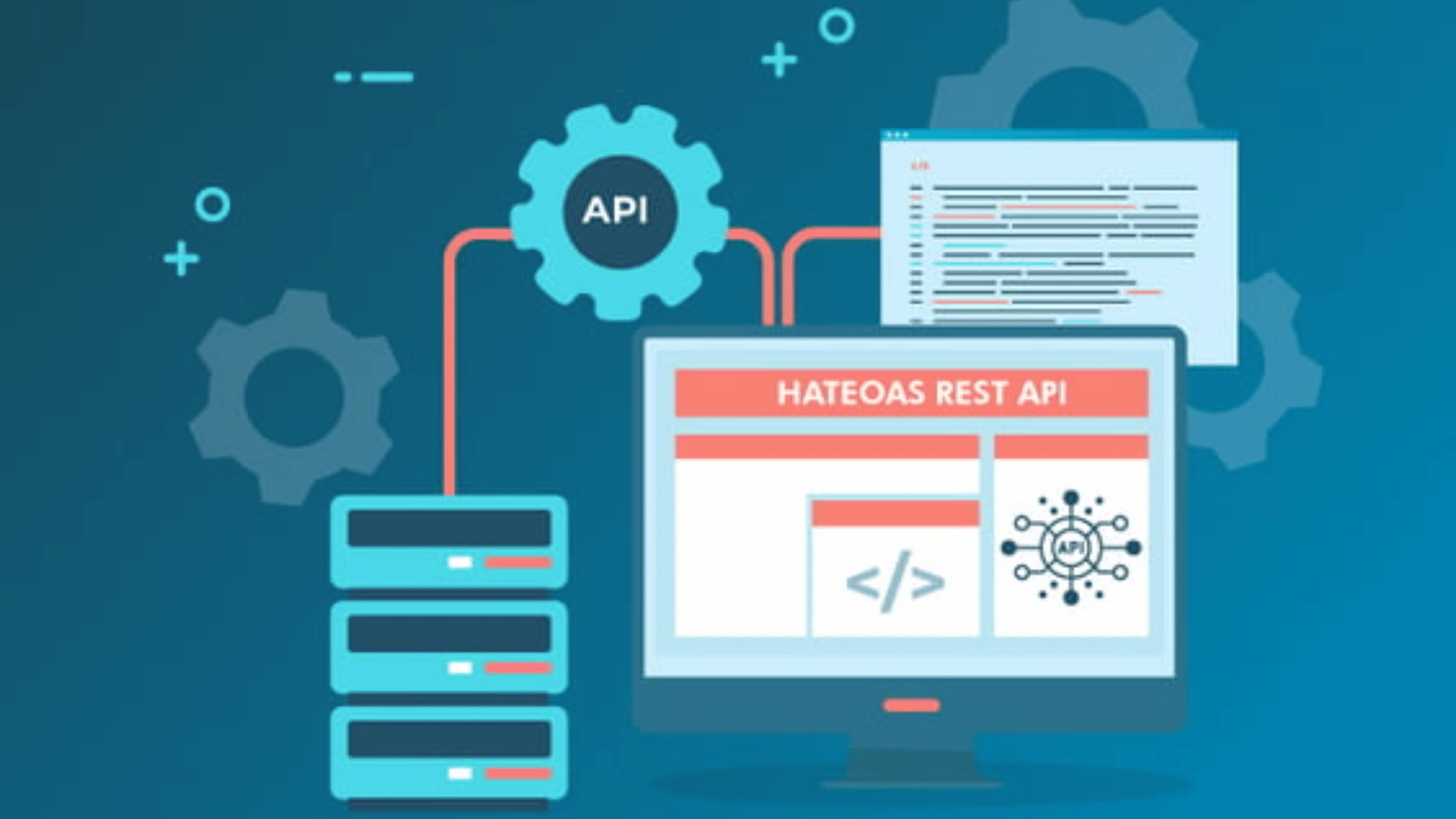
REST (Representational State Transfer) APIs are the most widely used API type today. They use standard HTTP methods such as GET, POST, PUT, and DELETE to exchange data between applications.
REST APIs are known for their simplicity, flexibility, and compatibility with web and mobile applications.
| Pros | Cons |
|---|---|
| Easy to build, widely supported, and works well for web and mobile applications. | Can lead to over-fetching or under-fetching of data in complex applications. |
2. SOAP APIs
SOAP (Simple Object Access Protocol) APIs use XML-based messaging and follow strict communication standards.
They are commonly used in industries that require high security, reliability, and formal contracts between systems, such as banking, healthcare, and government services.
| Pros | Cons |
|---|---|
| Strong security features and reliable data exchange for enterprise applications. | More complex to develop and maintain than modern API alternatives. |
3. GraphQL APIs

GraphQL is a query language that allows applications to request only the data they need. This reduces unnecessary data transfers and can improve application performance.
It is often used in modern web and mobile applications that require flexible data retrieval.
| Pros | Cons |
|---|---|
| Allows clients to request only the data they need, improving efficiency. | Can be more challenging to implement, monitor, and secure. |
4. gRPC APIs
gRPC is a high-performance API framework developed by Google. It uses Protocol Buffers for data exchange, making communication faster and more efficient than traditional methods.
Businesses commonly use gRPC in microservices architectures, real-time systems, and applications that require low latency and high-speed data transfer.
| Pros | Cons |
|---|---|
| High-speed, low-latency communication makes it ideal for microservices. | Less human-readable and not as browser-friendly as REST APIs. |
Key Business Use Cases for Custom APIs
Custom APIs help businesses connect systems, automate workflows, and share data across applications. Here are some of the most common ways organizations use custom APIs:
1. CRM and ERP Integrations: Custom APIs connect customer relationship management (CRM) and enterprise resource planning (ERP) systems, ensuring customer, sales, inventory, and financial data stays synchronized across departments.
2. E-commerce Platforms: Online stores use custom APIs to connect inventory management, shipping providers, suppliers, and customer support tools, creating a smoother shopping experience.
3. Mobile Applications: Mobile apps rely on custom APIs for user authentication, data retrieval, notifications, content updates, and communication with backend systems.
4. Payment Processing: Businesses use APIs to securely process online payments, verify transactions, manage subscriptions, and connect with payment gateways.
5. Cloud Service Integrations: Custom APIs allow organizations to connect applications with cloud platforms such as AWS, Microsoft Azure, and Google Cloud for storage, automation, analytics, and data management.
How to Choose the Right API Development Partner
Selecting the right partner for custom API development can have a major impact on the success of your project. Before making a decision, evaluate potential providers using the factors below.
| Factor | What to Look For | Why It Matters |
|---|---|---|
| Technical Expertise | Experience with REST, GraphQL, SOAP, gRPC, cloud platforms, and modern programming frameworks. | Ensures the team can build reliable APIs that meet your business and technical requirements. |
| Security Practices | Strong authentication methods, encryption, access controls, and compliance knowledge. | Helps protect sensitive data and reduces security risks. |
| Industry Experience | Previous work in your industry or with similar business challenges. | Allows the development team to understand common requirements and potential obstacles. |
| Support and Maintenance | Ongoing monitoring, updates, bug fixes, and performance optimization services. | Keeps the API secure, stable, and aligned with changing business needs. |
| Portfolio and Case Studies | Examples of completed API projects, client success stories, and measurable results. | Provides evidence of the company’s capabilities and track record. |
| Communication and Project Management | Clear timelines, regular updates, and transparent development processes. | Helps keep projects on schedule and reduces misunderstandings. |
| Scalability Planning | Ability to design APIs that support future growth and additional integrations. | Prevents costly redesigns as your business expands. |
Final Thoughts
As businesses continue to adopt more software, cloud services, and digital tools, the ability to connect systems efficiently becomes increasingly important.
A well-designed custom API can help improve workflows, support data sharing, strengthen security, and create a more connected technology environment.
The right API solution is not just about connecting applications today; it is about building a foundation that can support future business needs and growth.
By working with an experienced API development partner, organizations can create reliable integrations that deliver long-term value.
If you are looking to connect existing systems, automate business processes, or develop a custom integration strategy, now is a great time to evaluate your options.
Frequently Asked Questions
What Industries Benefit Most from Custom APIs?
Healthcare, finance, retail, logistics, education, and SaaS companies commonly use custom APIs to connect systems and automate workflows.
Can Custom APIs Work with Legacy Systems?
Yes. Custom APIs can bridge older software with modern applications, helping businesses extend the value of existing systems.
What is API Documentation?
API documentation explains endpoints, requests, responses, authentication methods, and usage instructions for developers and users.
Who Owns a Custom API After Development?
Ownership typically belongs to the client, depending on the development agreement and project terms.