






Cyber threats continue to evolve, making it more important than ever for organizations to understand potential risks before attacks occur.
This is where a threat intelligence analyst plays a key role. These cybersecurity professionals gather, analyze, and interpret threat data to help security teams make informed decisions.
Whether you are considering a career in cybersecurity or want to understand what a cyber threat intelligence analyst does, learning about this role can provide valuable insights.
In this guide, we’ll cover the responsibilities, skills, tools, education requirements, and career path associated with the position.
Keep reading to find out if this growing cybersecurity role is the right fit for you.
Quick Answer: What Is a Threat Intelligence Analyst?
A Threat Intelligence Analyst is a cybersecurity professional who gathers, analyzes, and interprets information about cyber threats to help organizations prevent attacks.
They monitor threat actors, identify vulnerabilities, and produce actionable intelligence to help security teams detect risks, improve incident response, and strengthen overall cyber defenses.
These professionals work in industries such as healthcare, finance, government, technology, and other sectors that rely on strong cybersecurity.
Why Is a Cyber Threat Intelligence Analyst Important?
Cyber threat intelligence helps organizations understand evolving threats and make informed decisions to strengthen their cybersecurity defenses.
- Detects Emerging Threats: Identifies new attack methods, malicious actors, and vulnerabilities before they cause significant damage to systems or sensitive information.
- Improves Incident Response: Provides actionable information that helps security teams detect, investigate, contain, and recover from cyber incidents more effectively and quickly.
- Reduces Security Risks: Enables organizations to prioritize high-risk threats and strengthen defenses before attackers can exploit known vulnerabilities.
- Supports Better Decision-Making: Helps leaders allocate cybersecurity resources efficiently based on current threat trends, business risks, and intelligence-driven security priorities.
- Protects Sensitive Data: Identifies threats targeting confidential information, effectively reducing the likelihood of data breaches, financial losses, and regulatory compliance issues.
- Strengthens Security Strategy: Provides continuous insights into attacker tactics, helping organizations improve long-term security planning and adapt defenses against evolving cyber threats.
Key Responsibilities of a Threat Intelligence Analyst
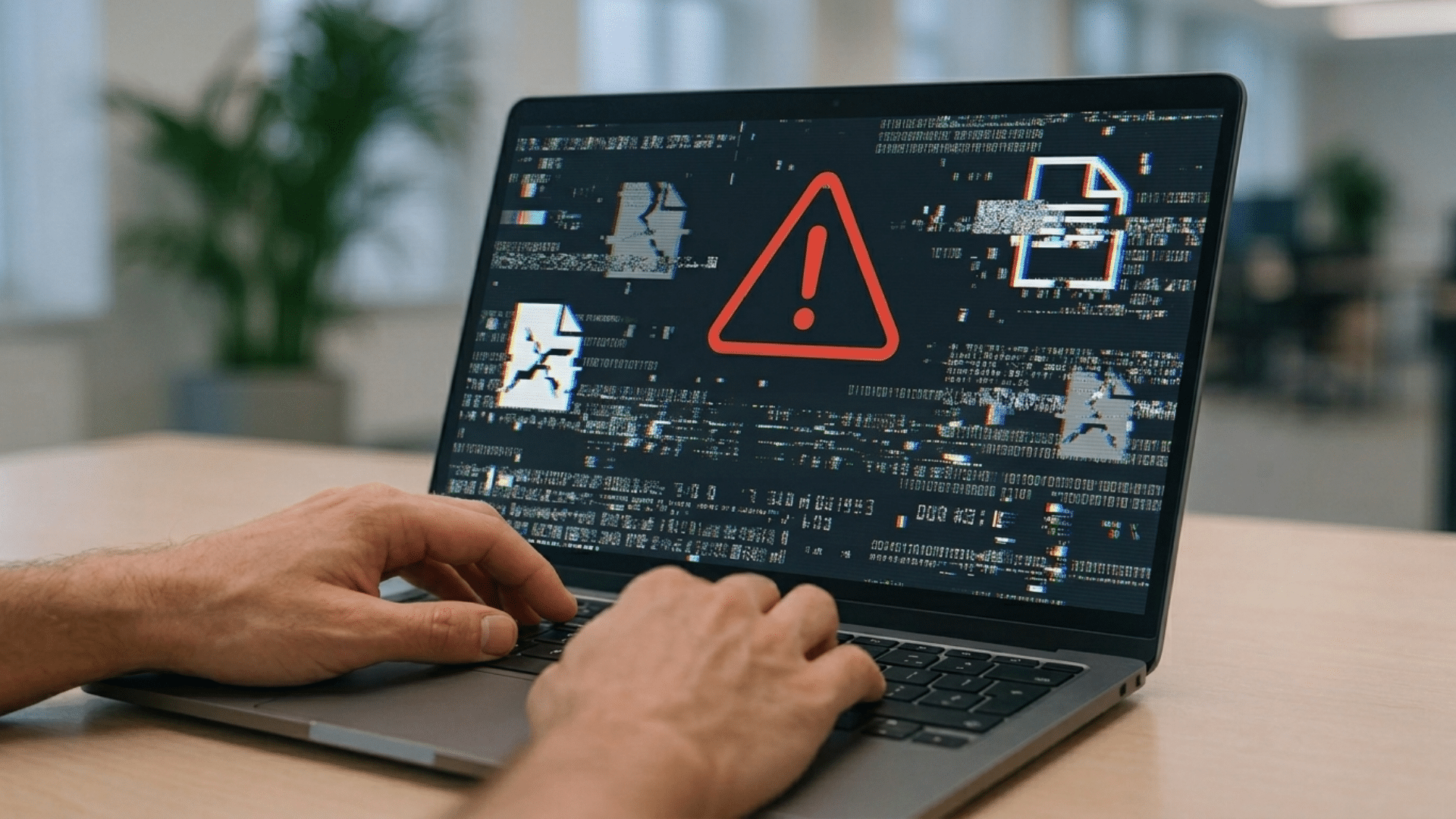
Threat intelligence analysts identify cyber risks, analyze threats, and provide actionable insights that help organizations strengthen security and support informed decisions.
1. Monitoring Emerging Cyber Threats
One of the primary responsibilities of a threat intelligence analyst is monitoring emerging cyber threats. This may involve reviewing threat intelligence feeds, security advisories, industry reports, and public threat data.
The goal is to stay informed about emerging attack methods, malware campaigns, and threat actor activity.
By tracking current developments, analysts can help security teams understand which threats may be relevant to their organization and where additional attention is needed.
2. Collecting and Evaluating Threat Intelligence
Threat intelligence analysts gather information from multiple sources, including commercial threat feeds, open-source intelligence, government advisories, and internal security data.
After collecting information, they evaluate its accuracy, relevance, and potential impact.
Not every threat report requires action, so analysts must determine which findings are meaningful.
This process helps organizations focus on intelligence that supports security planning and risk management rather than becoming overwhelmed by large volumes of data.
3. Analyzing Threat Actor Behavior
A key part of the role involves studying threat actors and their tactics, techniques, and procedures.
Analysts may review previous attacks, threat campaigns, and known adversary behavior to identify patterns.
Understanding how attackers operate can help organizations prepare for similar threats in the future.
This type of analysis provides valuable context for security teams and allows decision-makers to better understand the risks associated with specific cybercriminal groups or threat actors.
4. Supporting Incident Response Activities
Threat intelligence analysts often work alongside incident response teams during security investigations.
They provide intelligence that helps responders understand the nature of an attack, possible attacker motivations, and known indicators associated with similar incidents.
While analysts may not always handle the technical response directly, their findings can support faster decision-making during investigations.
This collaboration helps organizations respond more effectively to suspicious activity or confirmed security incidents.
5. Creating Threat Intelligence Reports
Communicating findings is an important responsibility for cyber threat intelligence analysts. They prepare reports, summaries, and briefings that explain threats in a clear and actionable way.
These reports may be shared with security teams, management, or other stakeholders, depending on the audience.
Effective reporting helps translate technical information into practical insights that support business and security decisions.
Strong communication skills are often just as important as technical knowledge in this part of the role.
6. Identifying Indicators of Compromise
Threat intelligence analysts frequently review indicators of compromise (IOCs) that may signal malicious activity within a network.
Examples can include suspicious IP addresses, file hashes, domains, or other threat-related artifacts.
Analysts help determine which indicators are relevant to their organization and share them with security teams for monitoring purposes.
This activity can improve threat detection efforts and help organizations identify potential security issues earlier.
7. Collaborating with Security Teams
Threat intelligence is most effective when shared across different cybersecurity functions.
Analysts regularly work with security operations centers, threat hunters, vulnerability management teams, and leadership groups.
By sharing intelligence and providing context around potential risks, they help other teams prioritize security efforts.
Collaboration also allows organizations to connect intelligence findings with real-world security events.
This teamwork supports a more informed and coordinated approach to managing cyber threats across the organization.
Types of Cyber Threat Intelligence
Cyber threat intelligence is generally divided into different types based on the audience, purpose, and level of technical detail.
| Type | Purpose | Primary Audience |
|---|---|---|
| Strategic Intelligence | Supports long-term cybersecurity planning and business decisions. | C-suite executives, board members, risk committees |
| Tactical Intelligence | Explains attacker tactics, techniques, and procedures (TTPs). | Security engineers, red teams, blue teams |
| Operational Intelligence | Provides information about specific attacks, campaigns, and threat actors. | Incident responders, SOC analysts |
| Technical Intelligence | Includes indicators such as malicious IP addresses, domains, URLs, and file hashes. | SOC analysts, threat hunters |
Tips to Become a Threat Intelligence Analyst
Becoming a threat intelligence analyst requires a mix of cybersecurity knowledge, analytical thinking, and practical experience.
- Learn Cybersecurity Fundamentals: Start by understanding networking, security concepts, and common cyber threats. These basics provide the foundation needed to analyze and understand threat intelligence.
- Study Threat Intelligence Principles: Learn how threat intelligence is collected, analyzed, and shared. These threat actors, attack techniques, and intelligence frameworks can help you build relevant expertise.
- Develop Research and Analysis Skills: Practice gathering information from reliable sources and assessing its value. Strong analytical skills are important for identifying patterns and turning data into useful insights.
- Gain Hands-On Experience: Participate in cybersecurity labs, pursue internships, or take on entry-level security roles. Practical experience helps you understand how security teams operate in real-world environments.
- Pursue Relevant Certifications: Certifications focused on cybersecurity and threat analysis can help validate your knowledge and demonstrate your commitment to the field.
- Stay Informed About Emerging Threats: Regularly follow cybersecurity news, threat reports, and industry resources. Continuous learning is important because cyber threats and attack methods constantly evolve.
Skills Needed to Become a Threat Intelligence Analyst

Threat intelligence analysts rely on a combination of technical knowledge, research abilities, and communication skills to perform their work effectively.
1. Cybersecurity Fundamentals
A strong understanding of cybersecurity fundamentals is essential for threat intelligence analysts.
This includes knowledge of networks, operating systems, security controls, authentication methods, and common attack techniques.
Understanding how systems communicate and where vulnerabilities may exist helps analysts interpret threat information more accurately.
These foundational skills also make it easier to understand security incidents, evaluate risks, and communicate findings to technical teams.
Without a solid cybersecurity background, analyzing threat data can become significantly more challenging.
2. Threat Analysis and Critical Thinking
Threat intelligence analysts regularly work with large amounts of information from different sources.
Strong analytical skills help them identify patterns, evaluate risks, and determine which threats deserve attention.
Critical thinking is equally important because not every threat report is relevant or accurate. Analysts must assess the credibility of information before sharing recommendations.
The ability to integrate multiple data points and draw logical conclusions enables analysts to provide actionable intelligence that supports better security decisions across the organization.
3. Research and Information Gathering
Research is a core part of threat intelligence work. Analysts often collect information from threat feeds, security reports, government advisories, open-source intelligence platforms, and industry publications.
Strong research skills help them find reliable information while filtering out misleading or low-quality sources.
Effective information gathering also requires attention to detail and the ability to verify findings before presenting them.
This skill helps ensure that intelligence reports are based on credible data rather than assumptions or incomplete information.
4. Knowledge of Threat Intelligence Frameworks
Familiarity with common threat intelligence frameworks can help analysts organize and interpret threat information more effectively.
Frameworks such as MITRE ATT&CK and other intelligence models provide structured ways to understand attacker behavior and techniques.
By using established frameworks, analysts can classify threats, identify patterns, and communicate findings consistently.
This knowledge also helps security teams compare threats across different incidents and improve their understanding of how attackers may operate in real-world environments.
5. Communication and Reporting Skills
Threat intelligence findings are only useful if they can be clearly communicated to others. Analysts often prepare reports, summaries, presentations, and briefings for technical teams and business leaders.
Strong communication skills help translate complex security information into clear and actionable insights.
Different audiences may require different levels of detail, making adaptability important.
The ability to explain threats, risks, and recommendations in simple language helps organizations make informed decisions and improve collaboration between security and non-technical stakeholders.
6. Technical Knowledge of Security Tools
Many threat intelligence roles involve working with security technologies and monitoring platforms.
Analysts may interact with threat intelligence platforms, security information and event management systems, endpoint security tools, and vulnerability databases.
While the exact tools vary by organization, familiarity with security technologies helps analysts collect and interpret relevant data.
Technical knowledge also enables them to collaborate more effectively with security operations teams and to understand how intelligence can be applied to improve threat detection and response.
7. Continuous Learning and Adaptability
Cyber threats constantly evolve, making continuous learning one of the most valuable skills for a threat intelligence analyst.
New attack methods, threat actors, vulnerabilities, and technologies emerge regularly. Adaptability allows them to adjust to changing threat landscapes and evolving organizational needs.
Analysts must stay informed by reviewing security reports, attending training programs, and following trusted industry resources.
Professionals who maintain a learning mindset are often better prepared to identify emerging risks and provide timely intelligence that supports cybersecurity efforts.
Tools Used by Threat Intelligence Analysts
Threat intelligence analysts use different tools to collect, analyze, and manage cyber threat information.
| Tool Category | Examples | Primary Use |
| Threat Intelligence Platforms (TIPs) | MISP, ThreatConnect, Anomali | Collect, organize, correlate, and share threat intelligence from multiple sources. |
| SIEM Tools | Splunk, Microsoft Sentinel, IBM QRadar | Analyze security logs, investigate alerts, and connect intelligence with security events. |
| OSINT Tools | Maltego, Shodan, SpiderFoot | Gather publicly available information about threats, threat actors, and exposed assets. |
| Threat Intelligence Feeds | AlienVault OTX, Cisco Talos, AbuseIPDB | Provide updated threat indicators, malicious IP addresses, domains, and malware data. |
| Malware Analysis Tools | Any. Run, Cuckoo Sandbox, Hybrid Analysis | Examine suspicious files and understand malware behavior and attack techniques. |
| Vulnerability Intelligence Tools | NIST NVD, CVE Database, Tenable | Track vulnerabilities and assess their potential impact on systems and networks. |
| Endpoint & Network Monitoring Tools | CrowdStrike Falcon, Wireshark, Zeek | Detect suspicious activity, monitor endpoints, and investigate network-based threats. |
Certifications for Threat Intelligence Analysts
Professional certifications help validate cybersecurity knowledge and strengthen skills needed for threat intelligence and security analysis roles.
- CompTIA CySA+: Focuses on threat detection, behavioral analytics, incident response, and vulnerability management for security analysts and defensive cybersecurity professionals.
- GIAC Cyber Threat Intelligence (GCTI): Covers threat intelligence collection, analysis, attribution, reporting, and intelligence-driven decision-making for identifying and understanding cyber threats effectively.
- Certified Information Systems Security Professional (CISSP): Validates broad cybersecurity knowledge, including risk management, security operations, governance, and enterprise security architecture across organizations globally.
- Certified Ethical Hacker (CEH): Teaches attacker techniques, penetration testing concepts, and vulnerability assessment to better understand and defend against cyber threats effectively.
- GIAC Certified Incident Handler (GCIH): Develops skills in detecting, analyzing, responding to, and recovering from cyber attacks using practical incident handling techniques.
- CompTIA Security+: Provides foundational knowledge of cybersecurity principles, threats, risk management, network security, and security best practices for entry-level professionals.
Threat Intelligence Analyst Career Path and Salary
Career progression and salaries vary by experience, industry, location, and employer, but most professionals follow a similar growth path.
| Career Stage | Typical Role | Estimated Annual Salary |
| Entry Level | Junior Threat Intelligence Analyst | $70,000–$95,000 |
| Mid Level | Threat Intelligence Analyst | $95,000–$125,000 |
| Senior Level | Senior Threat Intelligence Analyst | $125,000–$160,000 |
| Lead/Manager | Threat Intelligence Manager | $140,000–$190,000+ |
| Executive | Director of Threat Intelligence / Cyber Threat Lead | $170,000–$230,000+ |
Note: Salary ranges are approximate and may vary based on location, experience, certifications, industry, and organization.
The Threat Intelligence Lifecycle
The lifecycle typically includes six phases: planning and direction, collection, processing, analysis, dissemination, and feedback.
It begins by defining intelligence requirements based on organizational risks. Analysts then gather information from sources such as threat feeds, internal logs, open-source intelligence (OSINT), and security reports.
The collected data is filtered and organized before being analyzed to identify attack patterns, threat actors, and potential business impact.
Finished intelligence is shared with security teams, incident responders, or leadership to support informed decisions.
Finally, stakeholder feedback is used to refine future intelligence requirements, making the process continuous and improving the quality of future threat intelligence.
Threat Intelligence Analyst vs Cybersecurity Analyst
Although both roles strengthen cybersecurity, their primary responsibilities and day-to-day focus are different.
| Feature | Threat Intelligence Analyst | Cybersecurity Analyst |
| Primary Focus | Researches cyber threats and threat actors | Protects systems from ongoing cyber attacks |
| Main Responsibility | Collects, analyzes, and shares threat intelligence | Monitors, detects, and responds to security incidents |
| Daily Tasks | Tracks emerging threats and attack trends | Reviews alerts, investigates incidents, and applies security controls |
| Key Goal | Help prevent future attacks through intelligence | Defend networks and minimize active security risks |
| Common Tools | Threat intelligence platforms, OSINT, malware analysis tools | SIEM, EDR, firewalls, and vulnerability scanners |
| Typical Output | Threat reports, risk assessments, and indicators of compromise | Incident reports, security monitoring, and remediation actions |
Challenges Faced by Threat Intelligence Analysts
From handling large volumes of data to keeping up with evolving threats, analysts must constantly adapt to changing conditions, as the role presents several challenges.
- Managing Large Volumes of Data: Threat intelligence comes from many sources, making it difficult to filter useful information. Analysts must identify threats without becoming overwhelmed by excessive data.
- Keeping Up With Evolving Threats: Cyber threats change rapidly as attackers develop new techniques. Staying informed requires continuous monitoring, research, and professional development.
- Verifying Information Accuracy: Not all threat intelligence is reliable or relevant. Analysts must validate information before using it in reports or sharing it with security teams.
- Prioritizing Threats Effectively: Organizations face numerous potential threats every day. Analysts must determine which risks require immediate attention and which can be monitored over time.
- Communicating Technical Findings: Threat intelligence often contains complex technical details. Analysts need strong communication skills to explain findings clearly to different audiences.
- Adapting to New Technologies: Security tools, platforms, and attack methods continue to evolve. Analysts must learn new technologies regularly to remain effective in their roles.
Threat Intelligence Analyst Roles Across Different Industries
The responsibilities of a threat intelligence analyst vary by industry, but the goal remains protecting systems, data, and business operations.
| Industry | Typical Responsibilities |
| Healthcare | Monitor cyber threats, protect patient data, and support incident response. |
| Banking & Finance | Detect fraud, analyze financial threats, and secure banking systems. |
| Government | Track nation-state threats, support cybersecurity operations, and protect critical infrastructure. |
| Retail & E-commerce | Identify payment fraud, defend customer information, and monitor online threats. |
| Technology | Research emerging threats, improve security tools, and protect cloud and software environments. |
| Manufacturing | Monitor industrial control system threats and secure operational technology (OT) networks. |
| Energy & Utilities | Detect attacks on critical infrastructure and strengthen operational resilience. |
| Telecommunications | Analyze network threats, prevent service disruptions, and secure communication systems. |
Conclusion
A threat intelligence analyst plays an important role in helping organizations understand cyber risks, track threats, and make safer security decisions.
This role requires strong research, technical, and communication skills for threat analysis and incident response.
If you are planning a career as a cyber threat intelligence analyst, start by learning the basics of cybersecurity, gaining hands-on experience, and staying up to date with trusted threat intelligence sources.
Since job requirements can vary by company, always review current role descriptions and trusted cybersecurity frameworks before choosing your path.
Use this guide as a starting point to understand the role, responsibilities, skills, tools, and career options in threat intelligence.
Frequently Asked Questions
What Is the Salary of a Threat Intelligence Analyst?
The average salary of a Threat Intelligence Analyst in the United States is typically $95,000–$125,000 per year, depending on experience, location, certifications, and employer.
What Are the 5 C’s of Cyber Security?
The 5 C’s of cybersecurity are commonly defined as Change, Compliance, Cost, Continuity, and Coverage, helping organizations manage security risks and protect critical assets.
What Are the Three Pillars of Cyber Security?
The three pillars of cybersecurity are Confidentiality, Integrity, and Availability (CIA). Together, they help protect data from unauthorized access, alteration, and disruption.