
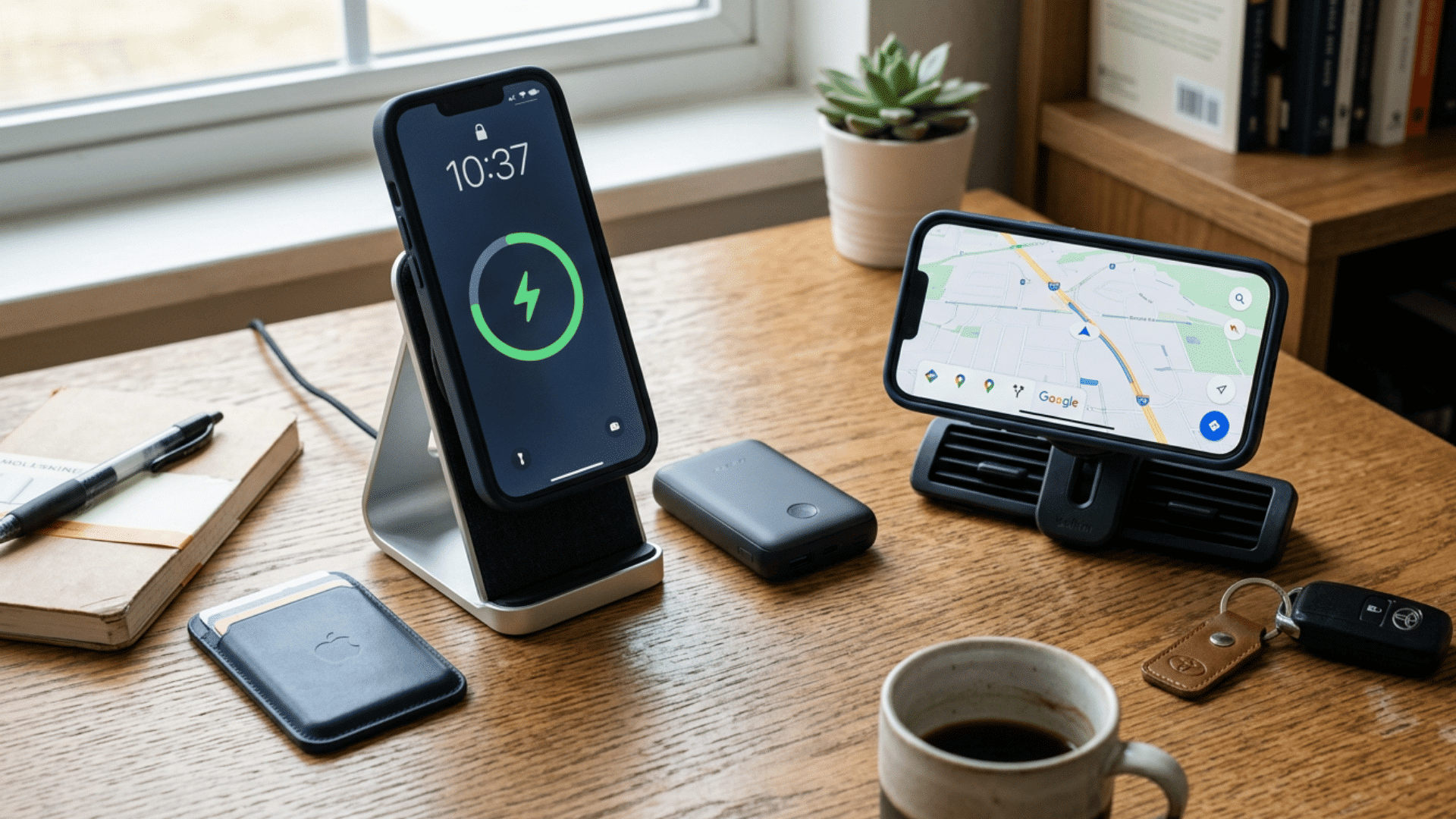



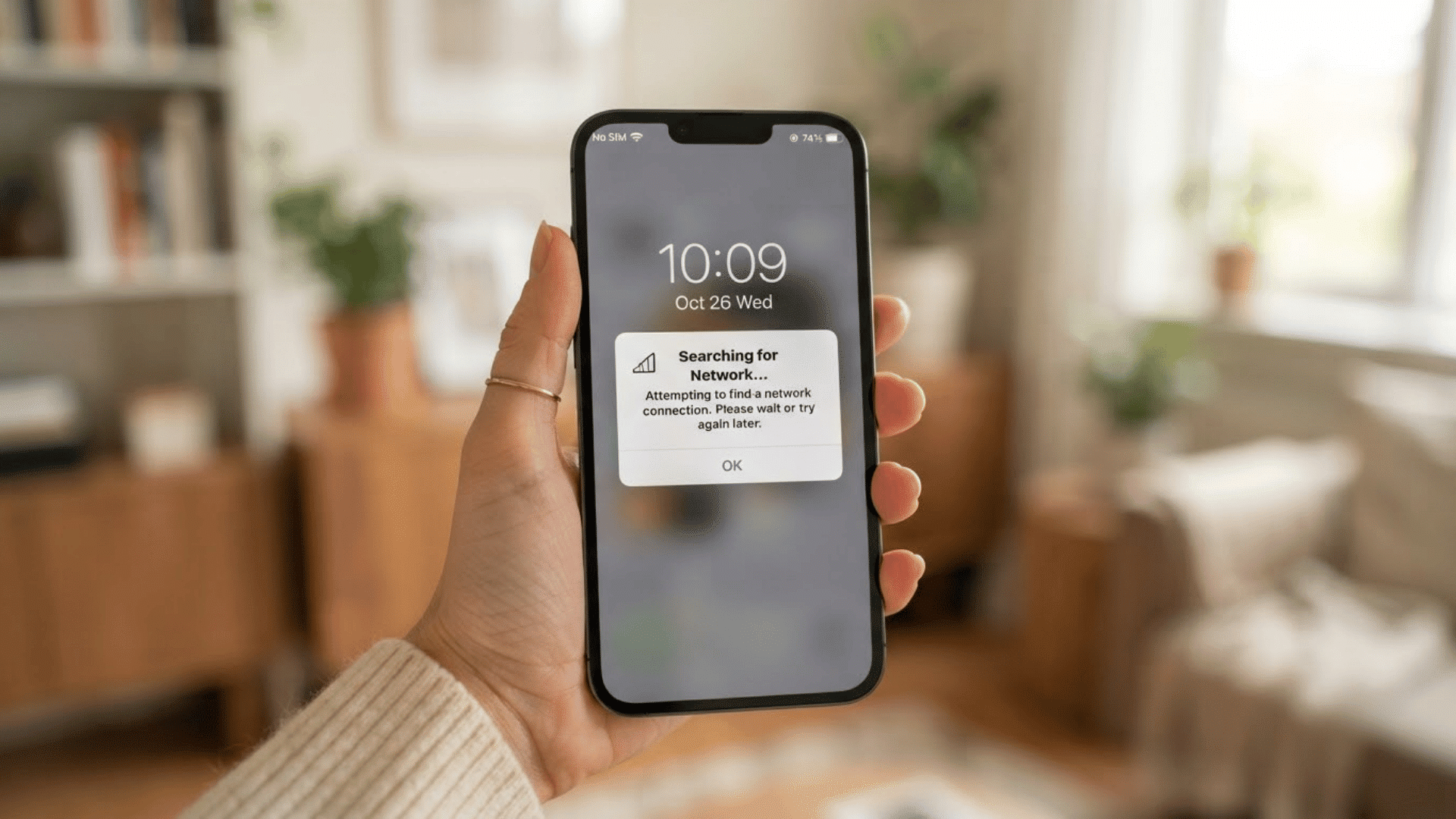
You have probably noticed MagSafe accessories showing up everywhere lately, from chargers and wallets to car mounts and battery packs.
That usually leads to one question: What exactly does a MagSafe case do, and is it actually useful or just another accessory trend?
I first started paying attention to MagSafe cases when I got tired of repeatedly adjusting my phone just to get wireless charging to work properly.
After using one regularly, I realized convenience often matters more than technical specs once chargers, stands, and accessories become part of daily use.
A MagSafe case is designed to improve magnetic attachment, charging alignment, and accessory compatibility without changing how you use your phone.
In this article, you will learn how MagSafe cases work, their advantages, limitations, compatibility, and if buying one makes sense for you.
What is a MagSafe Case?
A MagSafe case is a phone case designed with built-in magnets that align with Apple’s magnetic system found inside newer iPhones.
These magnets form a circular ring inside the case, matching the placement of the charging coil and magnetic array in the phone itself.
The main purpose of a MagSafe case is to maintain magnetic compatibility between the phone and accessories while providing protection.
This allows chargers, wallets, mounts, stands, and battery packs to attach securely without removing the case.
Unlike ordinary cases that can weaken magnetic attachment or affect charging alignment, a MagSafe case is built to support both protection and magnetic functionality together, making everyday charging and accessory use more reliable.
What Makes a MagSafe Case Different from a Regular Case?
At first glance, a MagSafe case and a regular case can look almost identical, but the difference sits inside the design.
A regular case primarily protects against scratches, drops, and daily wear. A MagSafe case adds a magnetic ring system that supports precise alignment with compatible chargers and accessories.
I noticed this difference most when using wireless charging, because the phone consistently aligned correctly rather than needing small adjustments.
The built-in magnets also support accessory attachment, allowing wallets, stands, and mounts to stay connected more securely.
Protection levels can still remain similar, but the added magnetic layer changes how the phone interacts with accessories and charging setups.
How does MagSafe Technology Work?
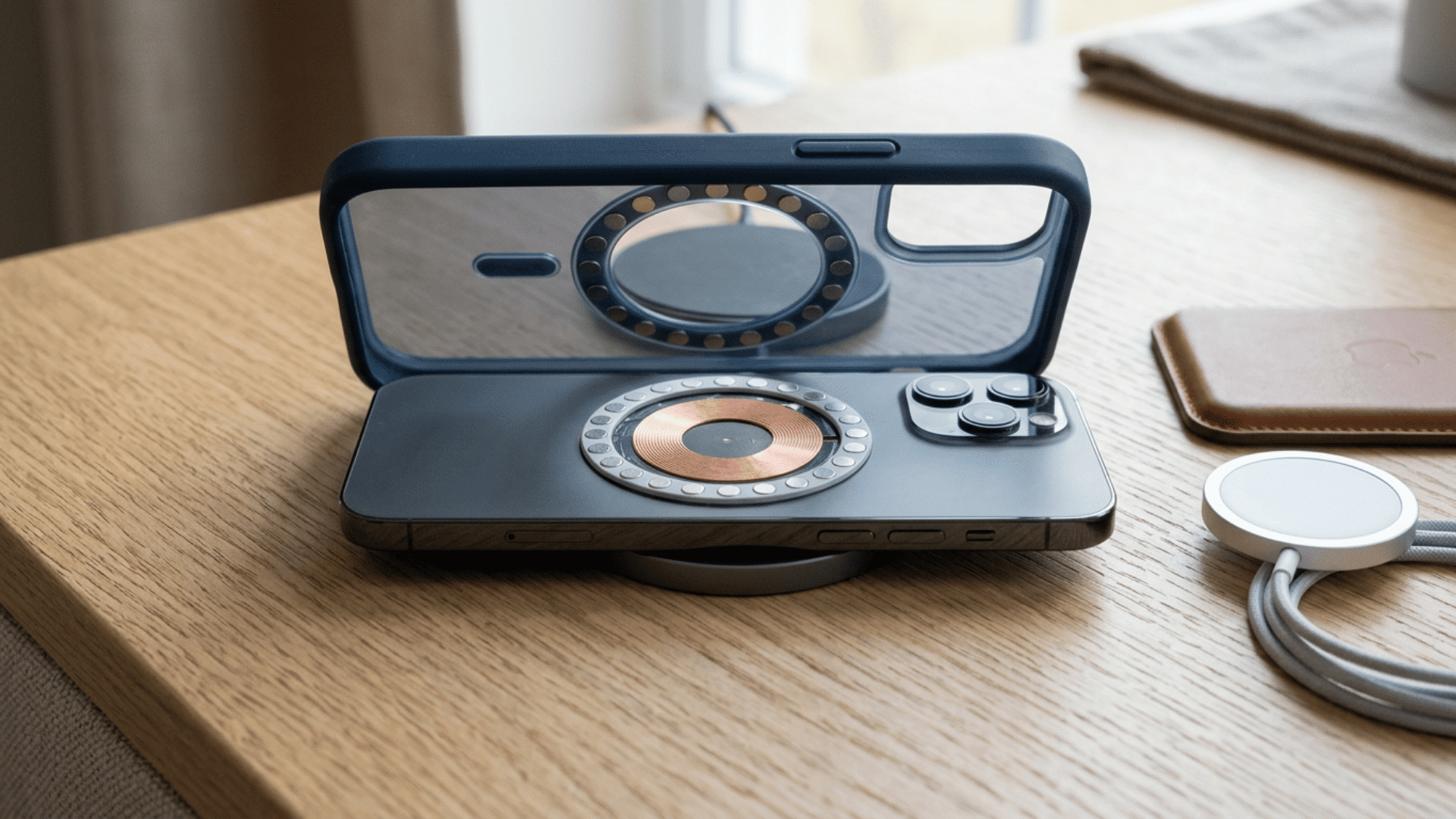
MagSafe technology uses a circular arrangement of magnets placed around the iPhone’s wireless charging coil.
This magnetic ring creates fixed alignment points that help chargers and accessories attach automatically in the correct position.
A MagSafe case replicates this layout by adding matching magnets inside the case, ensuring magnetic performance remains consistent even with added protection.
I found that understanding this layout made accessory compatibility much less confusing, as the system relies heavily on positioning rather than on magnet strength alone.
Alignment matters because even small shifts can reduce charging efficiency or weaken accessory attachment.
Case thickness, magnet placement, and magnetic strength all work together to determine how reliable the experience feels during daily use.
Why Magnets Matter for Charging Performance
Wireless charging depends on the charging coils lining up correctly, which is where magnets come in.
Without magnetic positioning, phones can sit slightly off-center, reducing charging efficiency or stopping charging completely.
I noticed this most with older wireless pads, where moving the phone a few millimeters changed charging speed.
MagSafe magnets automatically guide the phone into the correct position, reducing charging interruptions and creating a more secure connection with chargers and accessories.
The numbers make the alignment advantage concrete.
According to Apple’s own MagSafe Charger documentation, iPhones from the iPhone 12 through the iPhone 15 reach up to 15W peak wireless power with a properly rated adapter, while a misaligned or non-magnetic Qi setup on those phones is limited to 7.5W.
Newer models go further, with iPhone 16 and iPhone 17 models reaching up to 25W peak power on the latest MagSafe Charger. A case that preserves magnetic alignment helps you actually get those rated speeds.
Strong magnetic positioning also keeps battery packs and wallets from shifting during use.
If wireless charging feels inconsistent, alignment problems are often the issue before charging speed itself.
Why Some Cases Weaken Magnetic Strength
Several factors can affect how strong or reliable a magnetic connection feels, even when two cases claim to support MagSafe. I usually pay attention to design details first because small differences in construction can noticeably change charging performance and accessory stability.
Here are the main reasons some cases weaken magnetic strength and what actually affects performance.
- Thick case materials create more distance between the phone magnets and accessories, reducing magnetic holding power.
- Even a few extra millimeters of thickness can make heavier accessories like wallets or battery packs feel less secure.
- Some lower-cost cases use weaker magnets, which can cause accessories to slide or detach more easily.
- Poor magnetic ring placement can create charging misalignment, even if the magnets themselves feel strong.
- Cases with uneven magnetic layouts may cause inconsistent attachment across different accessories.
- I often find slimmer cases perform more consistently because they reduce interference between magnets and charging coils.
- Proper alignment matters just as much as magnetic strength since misplaced magnets can affect both charging and accessory stability.
Bonus tip: A thinner case with precise magnet placement usually performs better than a thicker case that relies solely on stronger magnets
Which Devices Support a Magsafe Case?
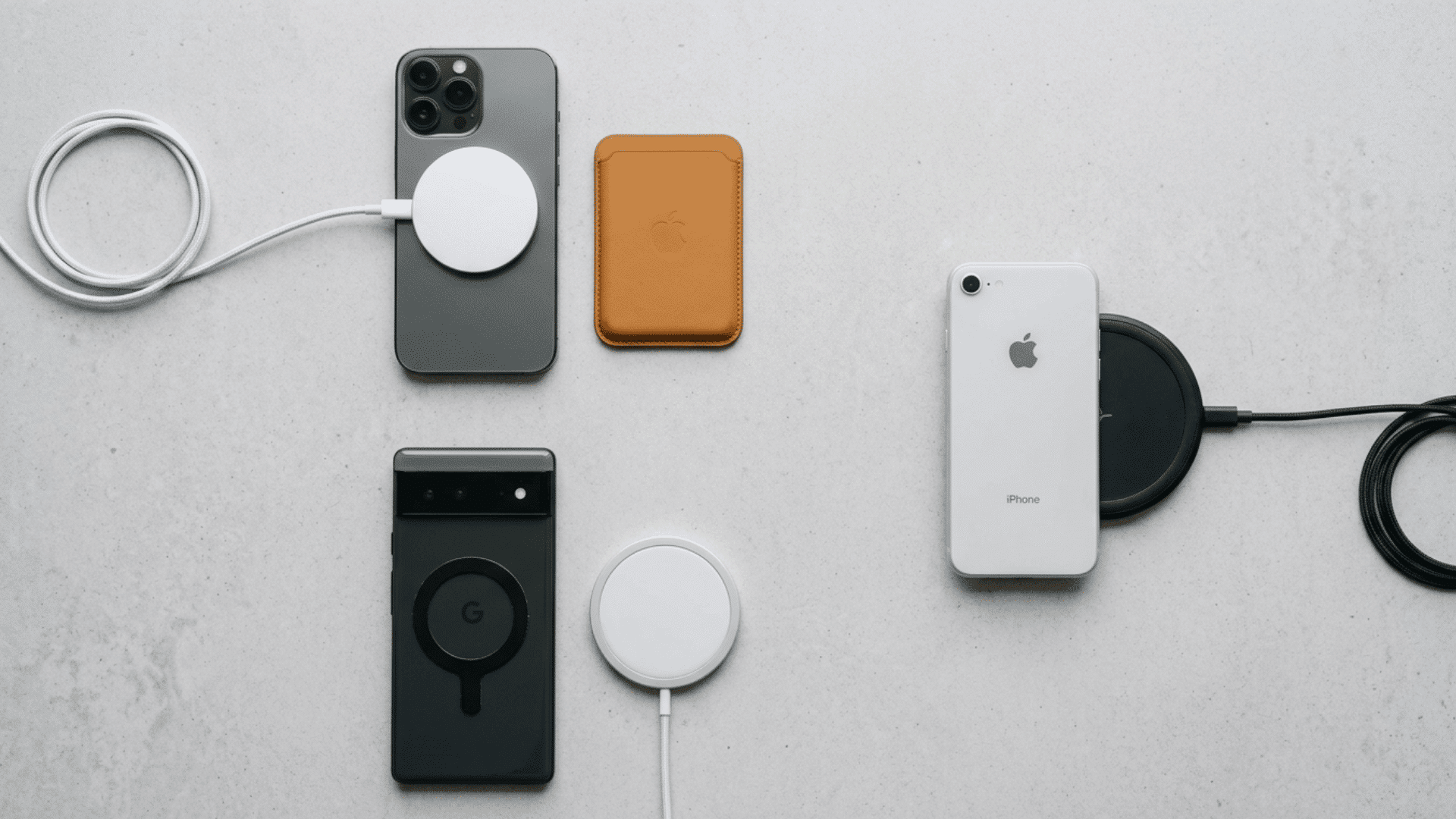
Device compatibility is usually where confusion starts because not every phone works with MagSafe technology in the same way.
I assumed any phone with wireless charging could use magnetic accessories at first, but support depends more on magnets and charging standards than on charging alone.
Native support started with the iPhone 12 lineup, while Android compatibility has expanded through magnetic adapters and newer charging standards like Qi2.
The easiest way to think about compatibility is by grouping devices into fully supported, partially supported, and adapted setups.
Quick Compatibility Table
Compatibility depends on more than just owning a phone with wireless charging. This table breaks down how different devices handle magnetic support, charging, and accessory compatibility.
| Device Type | Magnetic Support | Wireless Charging Support | Accessory Compatibility | Overall Experience |
| iPhone 12 and Newer | Full | Full | Full | Strong |
| Older iPhones | Limited | Partial | Moderate | Mixed |
| Qi2 Android Phones | Growing | Strong | Improving | Good |
| Android With Magnetic Ring | Added Support | Depends On Device | Moderate | Varies |
| Phones Without Wireless Charging | No | No | Limited | Weak |
Magnetic support and wireless charging support are not always the same thing. A phone may support one without fully supporting the other.
Can Older iPhones Use a MagSafe Case?
Older iPhones can use some MagSafe accessories, but the experience usually feels more like an adaptation than native support.
I tested magnetic rings on older devices and found that the attachment worked reasonably well, though charging alignment was less consistent.
Compatibility Process Flow
Older iPhones can work with MagSafe accessories using adapters, but compatibility depends on setup quality. This process shows how to create magnetic support and what performance changes to expect along the way.
1. Add Magnetic Adapter Ring
2. Attach Compatible Case
3. Use Magnetic Accessories
4. Check Charging Alignment
5. Expect Reduced Magnetic Performance
Things worth knowing:
- Magnetic adapter rings can add attachment points for accessories.
- Wireless charging may work, but alignment accuracy can vary.
- Heavier accessories may feel less secure.
- Native magnetic animations and system integration remain unavailable.
- Case thickness affects performance more on adapted setups.
If you upgrade phones frequently, adapter rings make more sense than replacing your entire accessory setup.
Can Android Phones Use Magsafe Accessories?
Android support has improved as magnetic charging standards become more common. I noticed the experience depends heavily on either the phone supports Qi2 or relies on aftermarket magnetic rings.
Android Compatibility Snapshot:
| Setup | Charger Support | Magnetic Hold | Accessory Use |
| Qi2 Android Device | Strong | Strong | High |
| Magnetic Ring Adapter | Moderate | Moderate | Good |
| Standard Wireless Android | Charging Only | Weak | Limited |
What changes between Android setups:
- Qi2 devices use magnetic alignment similar to MagSafe systems.
- Adapter rings add magnetic attachment but depend on placement accuracy.
- Accessory support varies more across brands than it does for iPhones.
- Wallets and stands usually work better than heavier battery packs.
- Case material affects attachment strength significantly.
Before buying accessories, check if your phone supports Qi2 because it changes the overall experience more than magnet strength alone.
Can You Use a MagSafe Charger Without a MagSafe Case?
Yes. The magnets live inside the iPhone itself, so a bare iPhone 12 or newer attaches to a MagSafe charger with no case at all. The case question only matters once you add one.
A non-magnetic case inserts a passive layer between the phone’s magnets and the accessory, which weakens the hold and can throw off coil alignment.
A MagSafe case restores the connection by carrying its own matching magnet ring.
One related caution worth knowing: Apple warns against placing credit cards, passports, security badges, or key fobs between the phone and the charger, since the magnets and charging field can damage magnetic strips and RFID chips.
If your case has a card slot, empty it before charging.
Benefits of Using a MagSafe Case
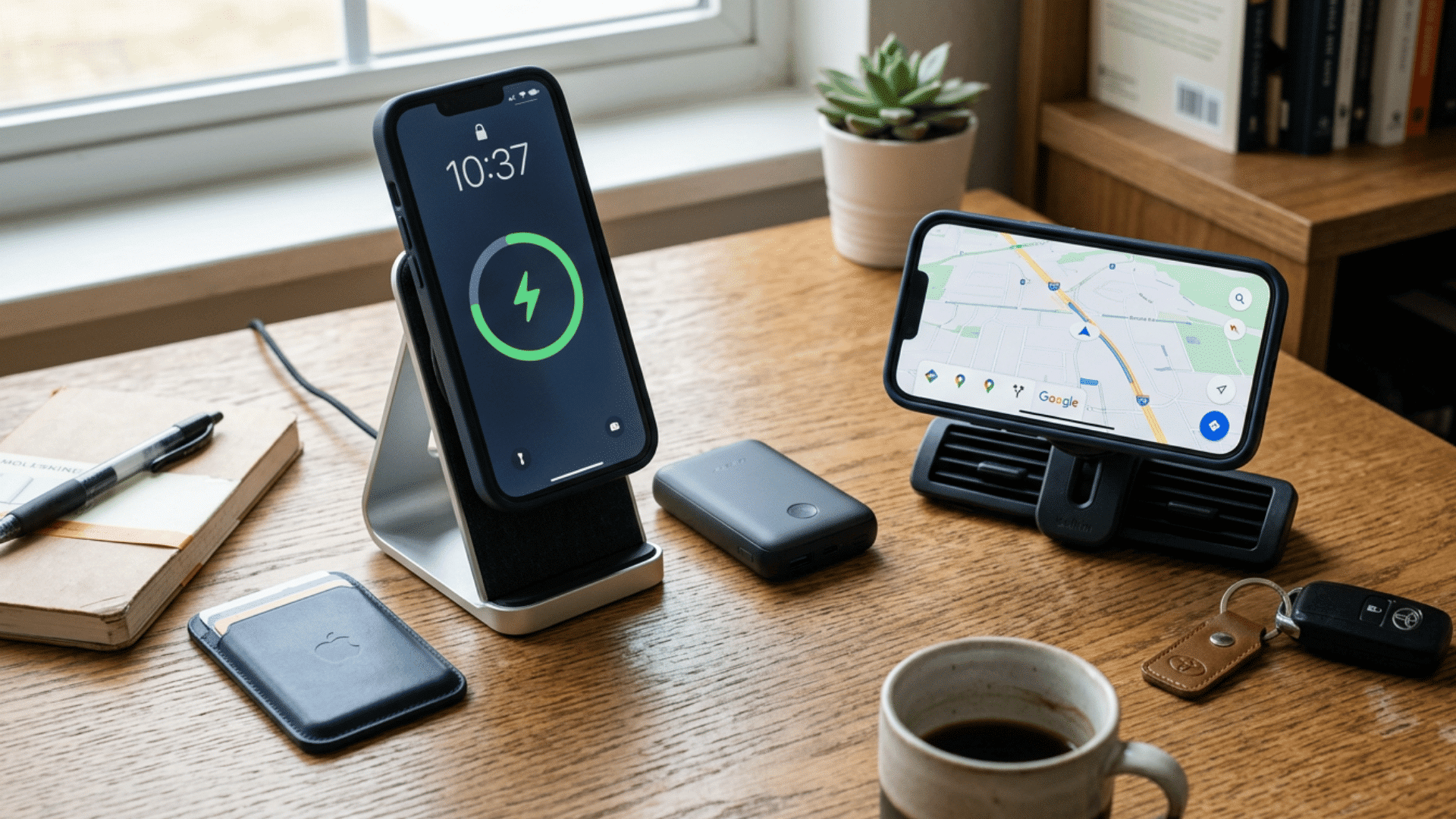
A MagSafe case makes everyday phone use smoother by reducing small charging and accessory problems.
- Easier charging: The magnets help your phone line up correctly on compatible wireless chargers.
- Better accessory use: Wallets, mounts, stands, and battery packs attach quickly without removing the case.
- Fewer daily mistakes: Strong alignment lowers the chance of poor charging placement or loose accessory connection.
- More convenience: Switching between car mounts, desk chargers, and battery packs feels faster and simpler.
These small benefits make a MagSafe case useful beyond charging, especially for people who use magnetic accessories every day.
Why I Think Convenience Matters More than Speed
Charging speed usually gets more attention, but convenience changed my routine more than faster numbers ever did. I found myself using wireless charging more often simply because it required less effort and fewer adjustments.
| Everyday Situation | What Changed For Me |
| Desk Setup | Less cable clutter and easier charging placement |
| Travel | Fewer charging accessories to carry |
| Car Use | Faster attachment to magnetic mounts |
| Overnight Charging | Fewer missed charging sessions |
A few practical reasons why convenience matters:
- Less time spent plugging and unplugging cables
- Faster setup when moving between locations
- Easier charging during travel or commuting
- Reduced charging misses from poor placement
- Better support for multiple accessories
Tip: If you already use wireless charging often, improvements in convenience usually become noticeable within a few days.
Everyday Benefits Users Usually Notice First
The advantages of a MagSafe case often show up during routine tasks rather than big feature changes. I realized that most of the benefits became obvious only after using magnetic accessories consistently.
Common improvements users usually notice first:
- Faster attachment when placing the phone on chargers
- Cleaner desk setups with fewer visible cables
- Better stability on magnetic car mounts
- Less charger repositioning before charging starts
- Easier swapping between wallets, stands, and battery packs
- More reliable attachment for everyday accessories
- Less interruption during charging sessions
Many people keep using MagSafe accessories because the consistency of attachment becomes more valuable over time than charging speed itself.
Drawbacks of a MagSafe Case
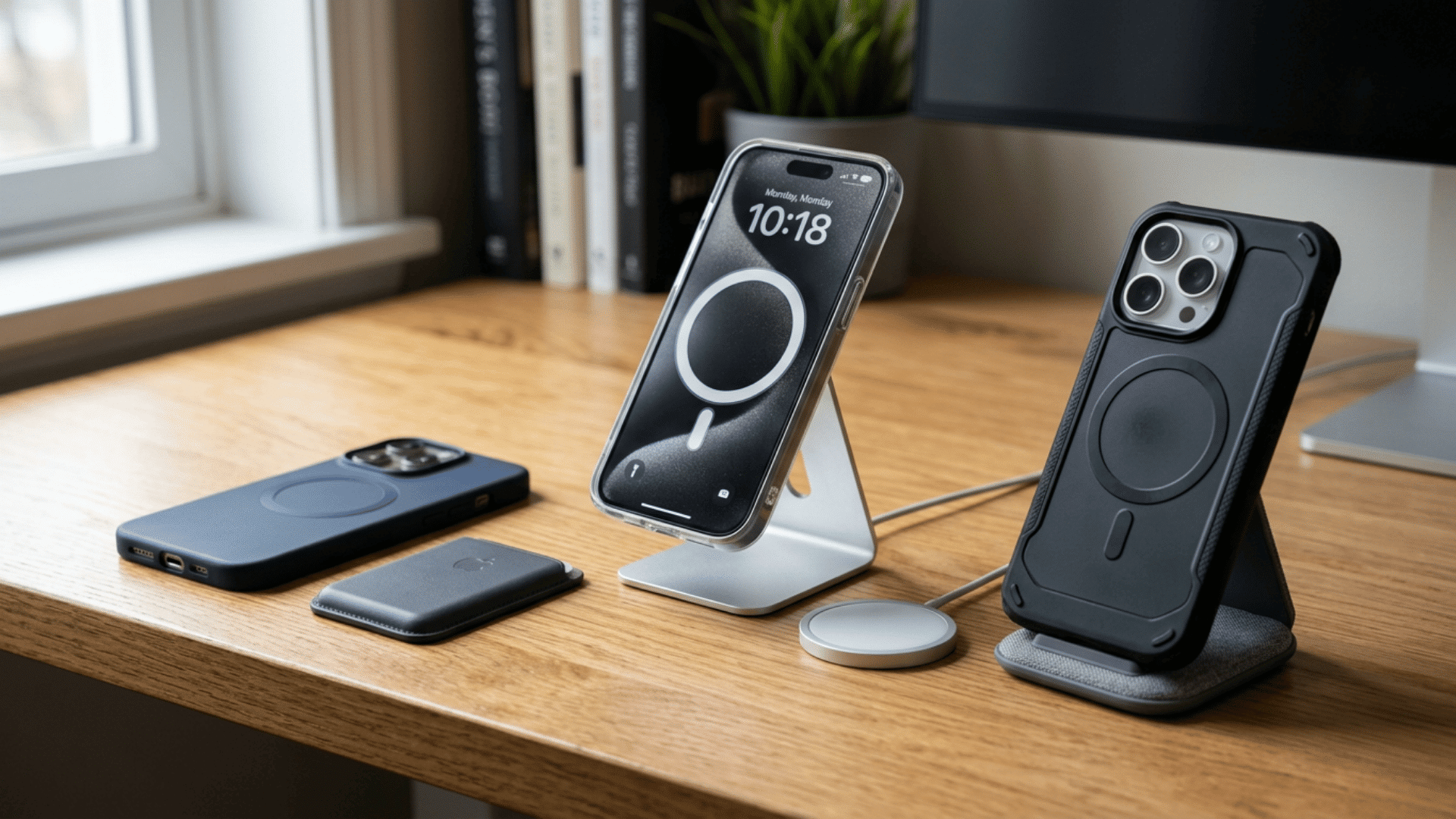
MagSafe cases add convenience, but they are not automatically the right choice for everyone.
I liked the easier charging setup right away, but I also noticed some trade-offs that become more apparent depending on how you use your phone.
Looking at both sides helps because a case that works well for heavy accessory users may feel unnecessary for someone who mainly uses wired charging.
Understanding the limitations early makes it easier to find out if extra features justify the added cost and complexity.
Situations Where a MagSafe Case May Not Make Sense
A MagSafe case works best when magnetic accessories are part of your routine. If not, some features may feel unnecessary or expensive.
I usually suggest thinking about usage habits first because the value changes significantly depending on how often accessories are involved.
Situations where a MagSafe case may feel less useful:
| Situation | Why It May Not Fit |
| Mostly Wired Charging | Magnetic features stay unused |
| Budget-Focused Purchase | Costs are often higher |
| Minimal Accessory Use | Less benefit from magnets |
| Preference For Thin Cases | Extra components may add weight |
Additional things worth considering:
- Lower-cost cases sometimes use weaker magnets, which can affect the reliability of attachment.
- Added magnetic layers can slightly increase overall case weight.
- Some accessories require extra spending beyond the case itself.
- Heavier accessories may feel unnecessary for simple setups.
- Cheap magnetic layouts can create inconsistent charging performance.
If you rarely use wireless charging or accessories, prioritize protection quality over magnetic features.
Common Complaints Users Mention
The most common complaints usually come from long-term use rather than first impressions. I found that small inconveniences matter more after several months than during the first week of use.
Common issues users mention:
- Fingerprints become more visible on some case materials.
- Accessories increase the overall cost beyond the case price itself.
- Additional magnets and layers may add slight bulk.
- Charging heat can feel more noticeable during longer sessions.
- Heavier accessories sometimes reduce comfort during extended use.
- Some magnetic attachments loosen over time with wear.
- Certain thicker cases feel less pocket-friendly
Quick Tip: Heat during wireless charging is often reduced by removing thick accessories like wallets while charging.
How to Choose the Right MagSafe Case
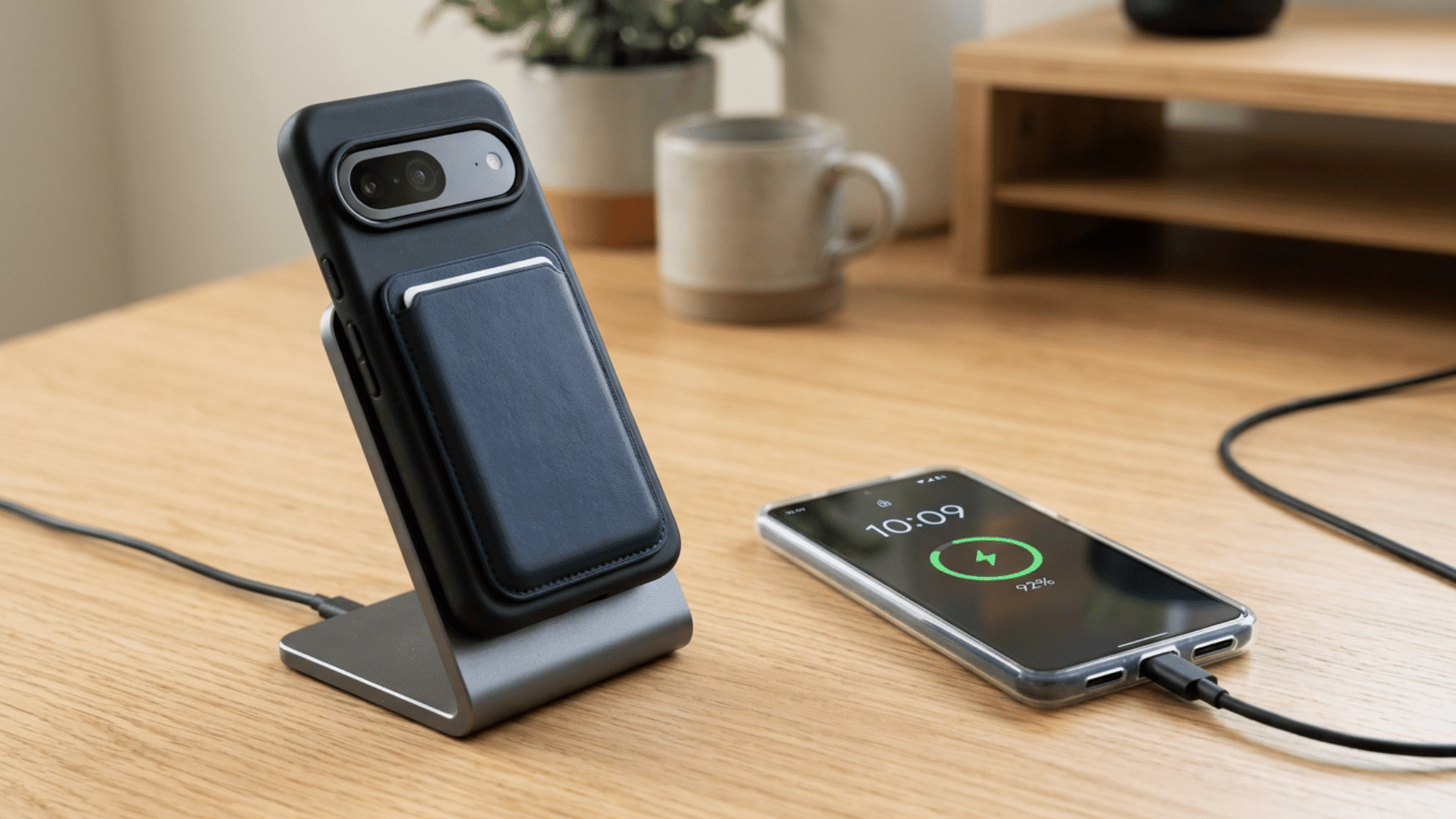
Choosing a MagSafe case becomes easier when you focus on how you actually use your phone rather than on appearance or brand names alone.
I usually think about charging habits first because someone using magnetic accessories daily needs different features than someone who mainly wants protection.
Not all MagSafe cases perform the same way, even if they look similar on the outside. I normally check these features first because they affect daily usability more than design alone.
Things worth checking before buying:
- Magnet strength: Stronger magnets improve the reliability of attachment for chargers and accessories.
- Material types: Silicone, leather, plastic, and hybrid materials affect grip, durability, and weight differently.
- Protection level: Consider drop resistance if you frequently carry your phone outdoors or travel often.
- Weight: Extra layers and stronger magnets can increase overall weight.
- Compatibility: Check both phone model support and accessory compatibility before buying.
- Raised edges: Raised edges help protect screens and camera modules from direct contact with surfaces.
- Button responsiveness: Stiff buttons can affect daily use more than many buyers expect.
Pro Tip: If you plan to use magnetic wallets or battery packs, magnet strength usually matters more than extra design features.
Is a MagSafe Case Worth It?
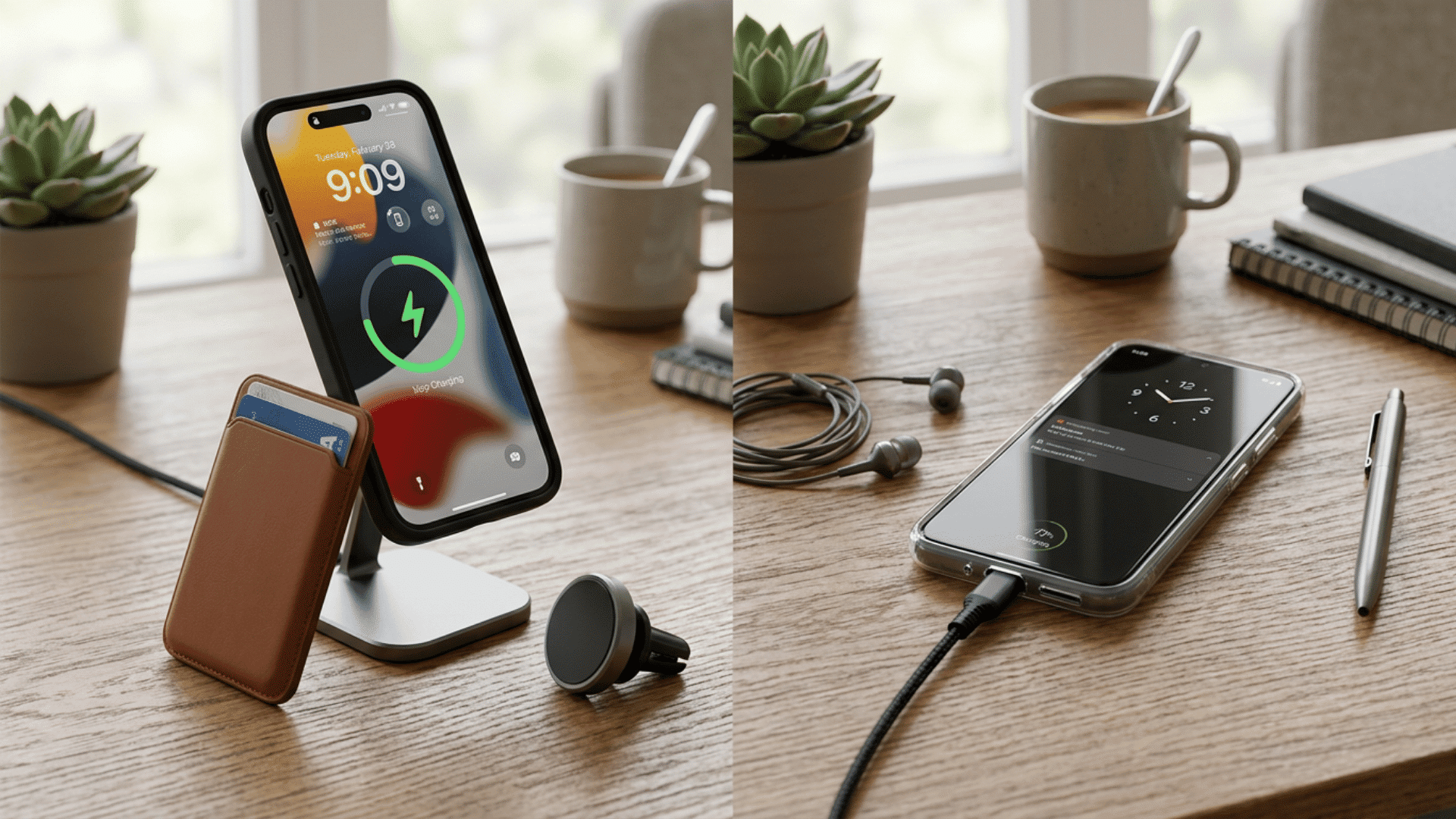
A MagSafe case makes sense when magnetic features match how you already use your phone. I expected charging improvements to matter most, but convenience ended up being the bigger advantage.
If wireless charging, mounts, or magnetic accessories are already part of your routine, the added functionality often feels useful quickly. If not, the extra cost may not feel necessary.
The easiest way to decide is to look at your charging habits and accessory use rather than focusing solely on specifications.
Who Should Buy a MagSafe Case?
A MagSafe case is usually worth considering if convenience and accessory support matter in daily use. I noticed the benefits became more obvious once I started using multiple accessories regularly.
You may benefit from a MagSafe case if you:
- Use wireless chargers frequently
- Depend on magnetic car mounts
- Travel often and prefer fewer cables
- Use wallets, stands, or battery packs
- Want easier charging placement
- Switch between accessories regularly
If multiple points fit your routine, magnetic features will likely prove useful in the long term.
Who Can Skip It?
Not everyone benefits enough from magnetic features to justify the extra cost. In simpler setups, a regular protective case often works just fine.
You may skip a MagSafe case if you:
- Mainly use wired charging
- Want a lower-cost option
- Rarely use magnetic accessories
- Prefer lightweight cases
- Do not use wireless charging often
For many users, convenience determines value more than charging speed.
Wrap Up!
A MagSafe case is more than a protective cover with magnets. It changes how charging, accessories, and daily phone use work together.
Throughout this article, we looked at how the magnetic system works, which devices support it, the benefits and limitations, and how to choose the right option based on your habits.
I originally focused on charging improvements, but after using magnetic accessories regularly, convenience became the part I noticed most. The value really depends on lifestyle.
Frequent travelers, wireless charging users, and accessory users may notice bigger advantages, while simpler setups may not need the extra features. The easiest way to decide is to match features with how you actually use your phone.
Now that you know how MagSafe cases work, the next step is simple: match the features to your habits and build a setup that feels easier to use every day.