



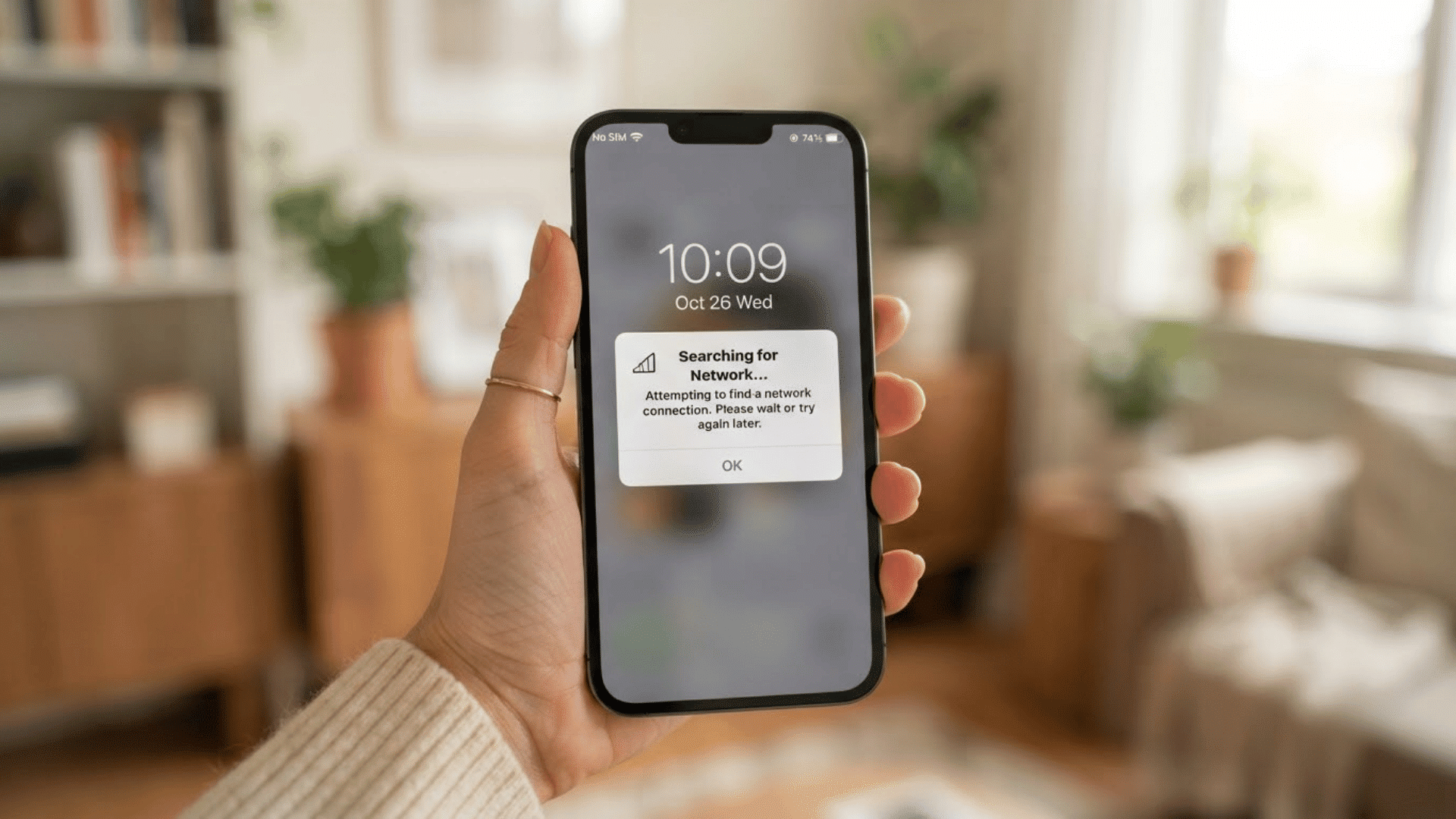
I have been watching how fast healthcare is changing with new technology. One shift that stands out to me is the rise of AI chatbots in healthcare.
You may have already used one to book a visit, check symptoms, or get quick answers after hours.
These tools are becoming part of everyday care and helping both patients and medical teams in simple yet useful ways.
In this article, I will explain how AI chatbots support patients with faster responses and easier access to care.
You will also see how they help doctors, nurses, and staff save time and reduce routine tasks. I will cover the key benefits, real examples in clinics and hospitals, and what to keep in mind before using them.
By the end, you will have a clear and practical view of how this technology fits into modern healthcare.
What Are AI Chatbots in Healthcare?
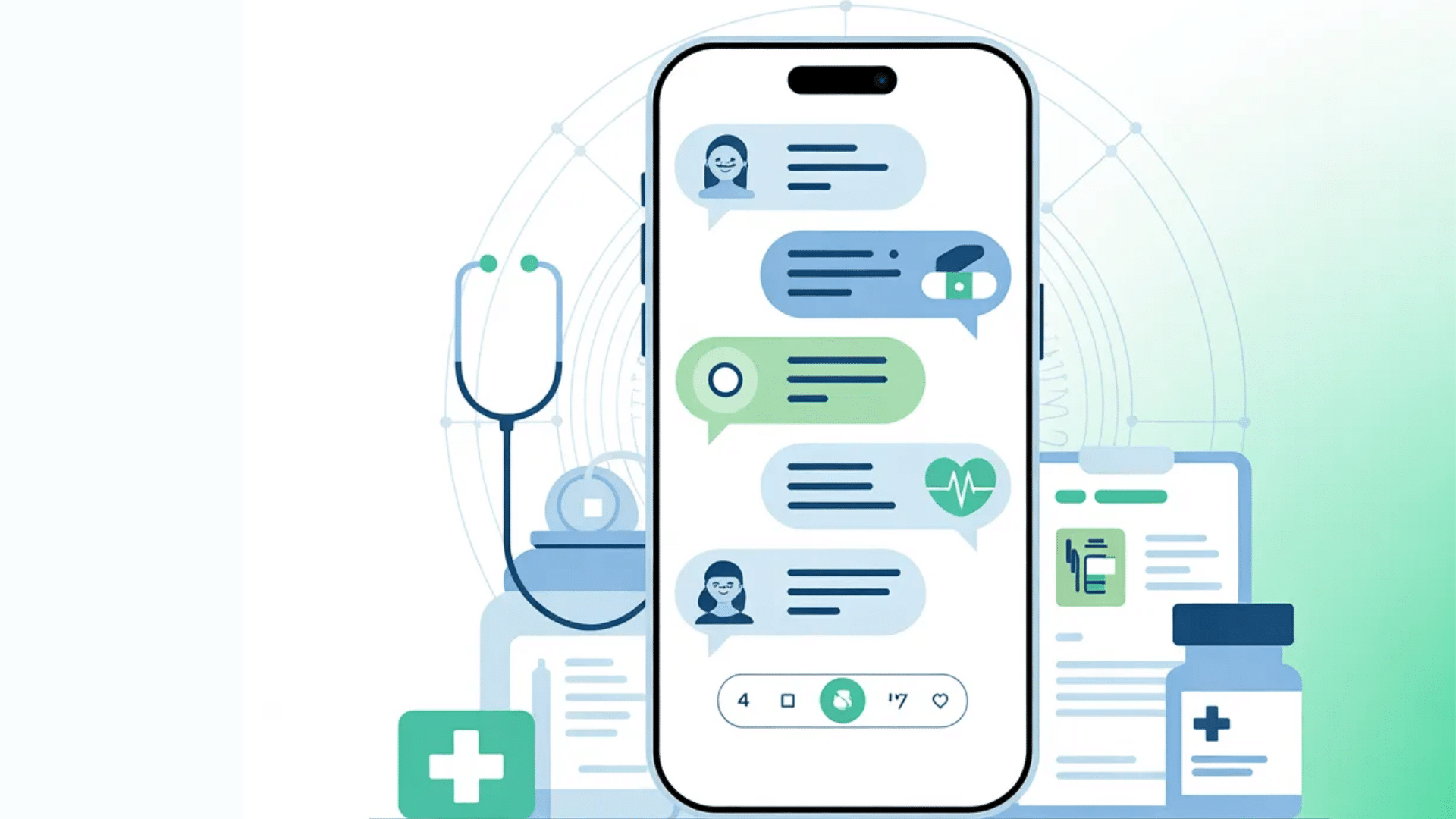
AI chatbots in healthcare are computer programs that use artificial intelligence to talk with patients through text or voice.
They answer common health questions, book appointments, send reminders, and guide users. Available on websites, apps, or messaging platforms, they’re accessible anytime.
These tools use natural language processing and machine learning to understand what a person types or says.
They are trained on medical data and on set rules, which help them provide clear, helpful responses. Some chatbots focus on basic support, while others connect patients to doctors or health records.
Hospitals, clinics, and health companies use AI chatbots to improve access to care and reduce routine staff work.
While they do not replace doctors, they support both patients and providers by handling simple tasks quickly and efficiently.
Benefits of AI Chatbots in Healthcare
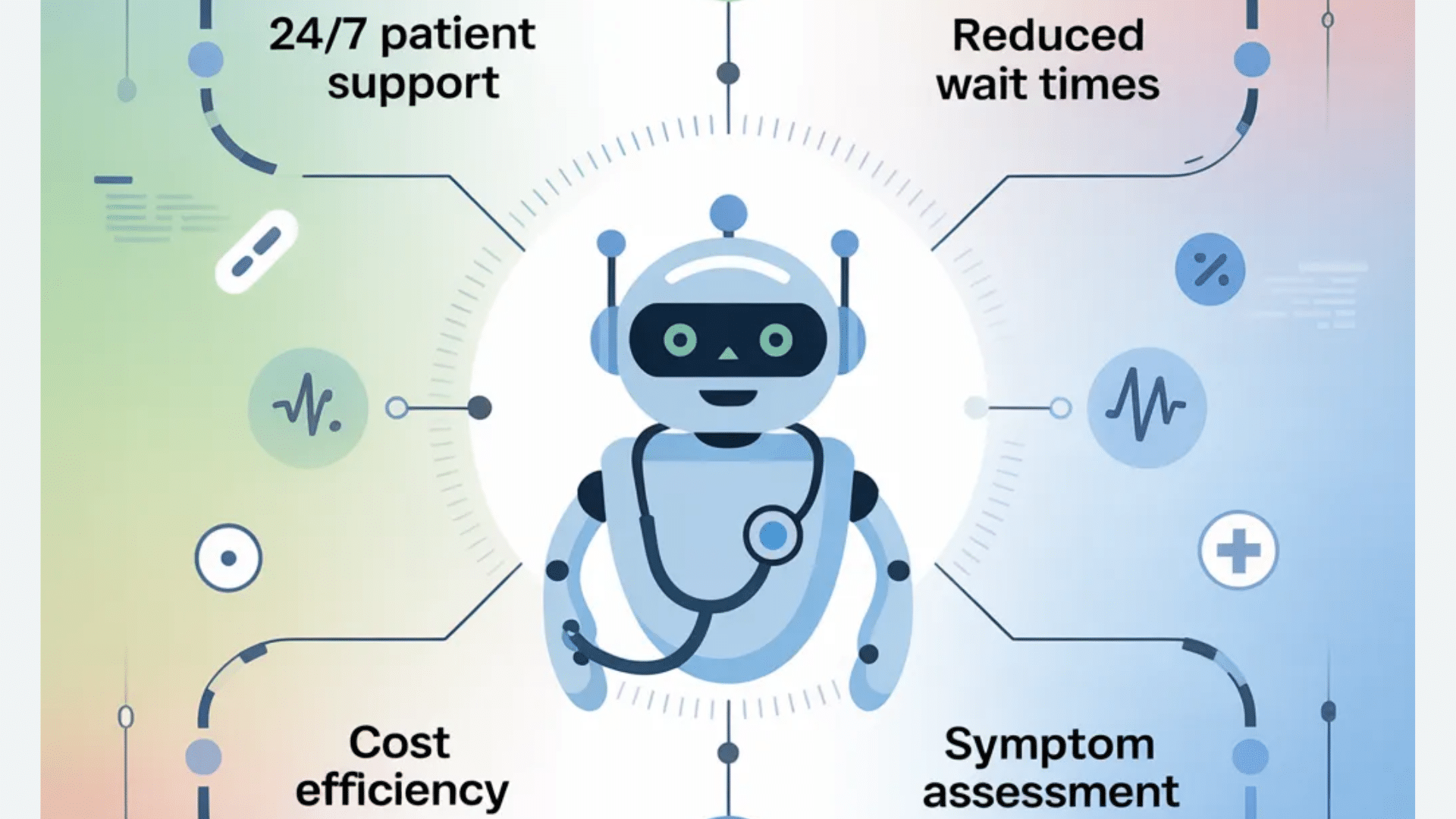
AI chatbots are changing how care is delivered and managed every day. They support both patients and providers by improving access, saving time, and reducing routine tasks.
1. 24/7 Access to Medical Support
AI chatbots give patients access to basic medical help at any time of the day or night. Many people want quick answers rather than waiting on hold or booking a visit for minor concerns.
These tools respond instantly to common questions about symptoms, medications, clinic hours, and test preparation.
This constant access is helpful for people in remote areas or those with busy schedules.
In rural or underserved regions, chatbots help bridge critical care gaps by allowing patients to assess symptoms and receive guidance without traveling long distances.
For healthcare providers, chatbots reduce the number of routine calls and messages, allowing staff to focus on urgent cases and direct patient care.
2. Faster Appointment Scheduling and Reminders
Booking medical appointments can feel slow and frustrating, especially during peak clinic hours.
AI chatbots simplify this process by allowing patients to schedule, reschedule, or cancel visits through a chat window.
The system updates the clinic calendar in real time, which reduces confusion and errors. Automated reminders sent by chat or text also lower the number of missed appointments.
For healthcare providers, this leads to better time management and fewer gaps in the daily schedule.
Both patients and staff benefit from a smoother and more organized booking process.
3. Symptom Checking and Basic Triage
AI chatbots help patients check symptoms before a clinic visit by asking key questions and giving basic guidance.
While they do not replace doctors, they help users decide if they need urgent care, a regular appointment, or simple home care.
This early screening saves patients time and reduces unnecessary visits.
Automated triage systems have helped redirect non-critical cases away from emergency rooms, which reduces costs for both hospitals and patients.
For healthcare providers, basic triage through chatbots helps prioritize serious cases and manage patient flow more effectively.
4. Reduced Administrative Work for Staff
Healthcare teams spend a large part of their day handling routine administrative tasks.
AI chatbots can automate many of these tasks, such as answering billing questions, collecting patient details, and sharing clinic policies.
This reduces the volume of phone calls and manual data entry work.
Staff members can then focus more on patient care and less on repetitive tasks. Over time, this improves workflow efficiency and lowers stress within the organization.
Clinics can operate more smoothly without increasing staffing costs.
5. Improved Patient Engagement and Follow-Up
Staying connected with patients after treatment is important for long-term health outcomes. AI chatbots promptly send follow-up messages, medication reminders, and care instructions.
These simple reminders help patients stick to treatment plans and avoid missed doses. Chatbots can also check in with patients to monitor recovery progress.
According to the World Health Organization, around 50% of patients worldwide do not take their medications as prescribed.
AI platforms that send daily reminders improve medication use within 90 days.
For providers, this improves patient engagement without extra work, builds trust, and boosts satisfaction.
6. Cost Savings for Healthcare Organizations
Running patient support services can be expensive when handled entirely by human teams. AI chatbots reduce operational costs by automatically managing high volumes of routine conversations.
Clinics can serve more patients without large teams, improving efficiency and response times.
AI-driven chatbots are projected to save the healthcare industry $3.6 billion globally by cutting operational costs and reducing unnecessary visits
Cost savings can also be redirected toward improving medical equipment or expanding services.
For patients, this often means quicker service and better access to information without added administrative delays.
7. Better Data Collection and Insights
AI chatbots gather useful information during every interaction with patients. They record common concerns, frequently asked questions, and symptom patterns.
This data helps healthcare providers understand trends and adjust services based on real patient needs. Over time, clinics can identify gaps in care or areas that require better communication.
The collected insights also support better planning and resource management.
When used responsibly and securely, chatbot data can improve decision-making and enhance the overall quality of healthcare services.
Disadvantages of AI Chatbots in Healthcare
While AI chatbots offer many benefits, they also have limitations and risks. Understanding these challenges helps both patients and providers use them wisely.
1. Limited Understanding of Complex Cases
AI chatbots are designed to respond to structured questions and common health concerns. They may struggle when patients describe symptoms in unclear or emotional ways.
Complex conditions, rare diseases, or multiple health issues can confuse automated systems.
Since chatbots rely on programmed data and patterns, they cannot apply deep clinical judgment.
This limitation means they may provide general advice instead of personalized guidance. For serious or unusual cases, direct consultation with a healthcare professional remains essential.
2. Risk of Incorrect or Incomplete Advice
AI chatbots are trained using medical data, but no system is perfect. There is a risk that the information provided may be outdated, overly general, or incomplete.
If patients rely only on chatbot responses, they may delay seeking professional care.
Some symptoms that appear minor could signal serious conditions. Without careful oversight, errors may go unnoticed.
Healthcare providers must clearly communicate that chatbots offer support, not medical diagnosis, to reduce potential harm and confusion.
3. Data Privacy and Security Concerns
Healthcare data is highly sensitive and must be protected carefully. AI chatbots collect personal details such as symptoms, medical history, and contact information.
If systems are not secured properly, there is a risk of data breaches or unauthorized access. Cybersecurity threats remain a concern for healthcare organizations worldwide.
Even with strong security measures, some patients may feel uncomfortable sharing private health information with automated systems.
Protecting trust requires strict data policies and continuous monitoring.
4. Lack of Human Empathy
Medical care often requires emotional understanding, especially during stressful situations. AI chatbots cannot truly feel empathy or respond to emotional cues like a trained professional can.
While they may use polite language, they lack a genuine human connection.
Patients facing serious diagnoses or mental health concerns may prefer speaking to a real person.
Overreliance on automation can make care feel impersonal. Human interaction remains important for building trust and providing emotional reassurance.
5. Technical Issues and System Downtime
AI chatbots depend on stable internet connections, updated software, and reliable servers. Technical failures, software bugs, or maintenance downtime can interrupt service.
If patients rely on chatbots for appointment updates or urgent guidance, system outages may cause confusion.
Healthcare providers must ensure backup communication channels remain available.
Regular maintenance and monitoring are necessary to reduce technical risks. Even small disruptions can affect patient satisfaction and trust in digital healthcare services.
6. Integration Challenges with Existing Systems
Healthcare organizations often use multiple software systems for records, billing, and scheduling. Integrating AI chatbots into these existing systems can be technically complex.
Poor integration may result in duplicated data, missing information, or workflow confusion. Staff training is also required to manage chatbot tools effectively.
Without proper planning, implementation can increase short-term costs and operational strain.
Successful integration requires careful coordination between technical teams and healthcare professionals.
7. Risk of Overdependence on Automation
As healthcare becomes more digital, there is a risk of relying too heavily on automated tools. If chatbots handle too many patient interactions, important details may be overlooked.
Some patients may struggle to reach a human representative when needed. Automation should support healthcare teams, not replace direct communication.
A balanced approach ensures that technology improves efficiency while maintaining professional oversight.
Human judgment remains critical in complex medical decision-making and patient care
How AI Chatbots Improve Patient Experience?
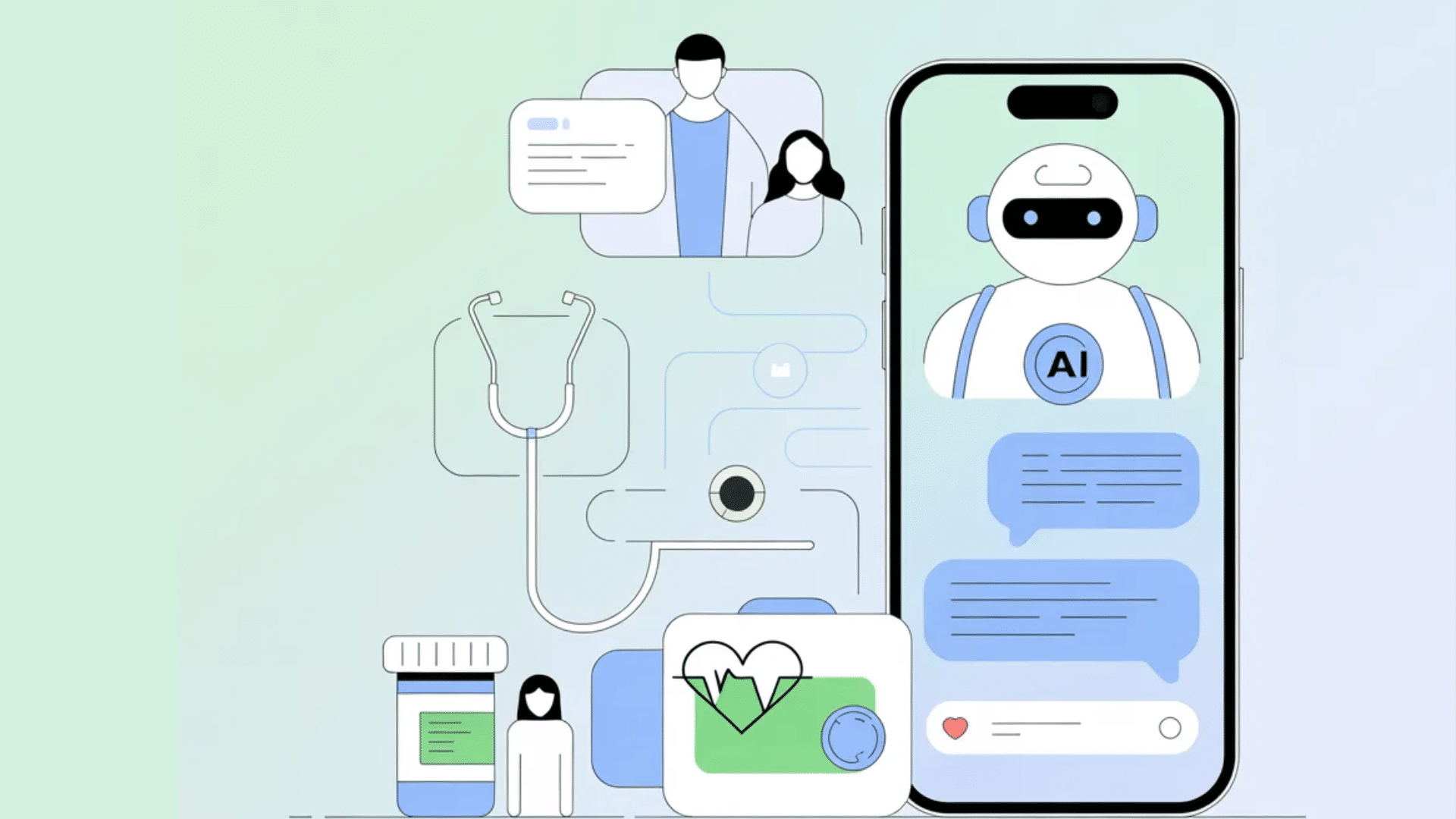
AI chatbots improve patient experience by making healthcare easier to access and faster to navigate. Many patients do not want to wait on hold or search through websites for simple answers.
A chatbot can respond within seconds, at any time of day. This gives patients quick support when they need it most.
They also help with booking appointments, sending reminders, and answering common questions about medications or test results.
This reduces confusion and helps patients stay on track with their care. Some chatbots guide users through basic symptom checks before a visit, helping them feel better prepared.
For chronic conditions like diabetes or hypertension, chatbots offer daily check-ins, reminders, and real-time coaching, helping reduce complications and hospital visits.
When patients receive fast, consistent responses, they feel more confident in their care.
By reducing delays and improving access to information, AI chatbots create a smoother and less stressful healthcare experience for many people.
Data Privacy and Security in AI Chatbots
Data privacy and security are major concerns when using AI chatbots in healthcare. These systems often collect personal health information, including symptoms, medical history, and contact details.
Because this data is sensitive, healthcare organizations must follow strict privacy laws and industry standards to protect it.
Most AI chatbots use encryption to secure conversations and prevent unauthorized access. They also limit data access to approved staff members only.
Many systems are designed to comply with healthcare regulations, such as HIPAA, which sets rules for protecting patient information.
Clear privacy policies also help build trust. Patients should know how their data is stored, used, and shared.
While AI chatbots improve access and efficiency, strong security measures are necessary to reduce risks.
Protecting patient information is essential for maintaining confidence in digital healthcare tools and ensuring safe communication.
Practical Uses of AI Chatbots in Hospitals and Clinics
AI chatbots are used in many day-to-day hospital and clinic tasks. They help manage communication, reduce delays, and support smoother operations.
- Appointment Management: Chatbots allow patients to book, cancel, or reschedule visits without having to call staff. They also send reminders to reduce no-shows.
- Symptom Screening and Triage: Patients answer simple questions before visiting. The chatbot helps guide them to the right department or care level.
- Billing and Insurance Support: Chatbots answer common billing questions and explain payment steps, which reduces front desk workload.
- Discharge and Follow-Up Care: After treatment, chatbots share care instructions, medication reminders, and follow-up guidance.
- Health Education Support: They provide trusted information about conditions and treatments. This helps patients better understand their care plans.
- Patient Registration and Intake: Chatbots collect patient details and medical history before visits. This speeds up check-in and reduces paperwork at the front desk.
- Medication Reminders: They send alerts to help patients take medicines on time. This supports better treatment adherence and fewer missed doses.
- Lab Result Notifications: Chatbots notify patients when test results are available. They can also share simple explanations or next steps.
The Future of AI Chatbots in Healthcare
AI chatbots in healthcare are expected to become more advanced and more integrated into daily medical services.
As technology improves, chatbots will better understand complex patient questions and provide more accurate responses.
They may connect more deeply with electronic health records, allowing them to provide personalized guidance based on a patient’s history.
In the future, chatbots could support remote monitoring by tracking symptoms and alerting providers when needed.
They may also play a larger role in preventive care by sending health tips, screening reminders, and early risk alerts.
Voice-based systems could make access even easier for older adults and people with limited digital skills. While they will not replace doctors or nurses, AI chatbots will likely continue to support care delivery.
Their role will focus on improving access, reducing time spent, and strengthening communication between patients and healthcare teams.
Conclusion
AI chatbots are slowly becoming part of everyday healthcare. From booking appointments to answering health questions, they are changing how patients and providers connect.
They don’t replace doctors but make care faster, simpler, and better organized when used to support human judgment.
As you think about the role of AI chatbots in healthcare, consider how they may affect your own experience.
Have they saved time or made tasks easier? Tech works best when it truly helps users.
When used wisely, these tools can make healthcare feel more accessible and less stressful. Share your experience with AI chatbots in healthcare in the comments below and let others learn from your story.
Your insight could help someone decide how they feel about using this technology in their own care.