





I know how tricky it can be to manage your child’s screen time and online habits. I have dealt with the same concerns about safety and balance at home.
That is where the best parental control apps can really help, and pairing them with the best tracking apps makes it even easier to stay informed about your child’s safety both online and offline.
In this article, I will explain how these apps work in a simple way.
You will learn about useful features like screen limits, content filters, and activity tracking. I will also share tips to help you choose the right app for your child’s age and your daily needs.
By the end, you will have a clear idea of how to keep your child safe online without making things too strict or confusing for both of you.
What Are Parental Control Apps?
Parental control apps are tools designed to help manage how children use phones, tablets, and computers. These apps allow parents to set screen time limits, block unsafe websites, and monitor app usage.
Many also include features like location tracking and activity alerts to help keep children safe online.
The main goal of these apps is to create a safer digital environment while encouraging healthy habits. They support balanced screen use without needing constant supervision.
Different apps offer different features, so options can be chosen based on a child’s age and needs.
When used properly, parental control apps can support safer browsing, reduce risks, and help children develop better online behavior over time.
Why Parents Need Parental Control Apps Today?
Children today spend more time online than ever before, using phones, tablets, and computers for learning and entertainment. While the internet offers many benefits, it also brings risks that are not always easy to spot.
- More Screen Time: Children now spend long hours online, which increases exposure to risks.
- Content Protection: These apps help block harmful websites and unsafe content.
- Screen Time Control: They allow you to set daily limits to reduce overuse.
- Activity Monitoring: Parents can track app usage and online behavior.
- Location Tracking: Some apps provide real-time location for added safety and combining them with tiny tracking devices gives parents even more peace of mind.
- Online Safety: They help protect children from strangers and threats.
- Less Supervision Stress: Parents can guide usage without constant checking.
- Healthy Balance: These tools support a better balance between screen time and daily life.
Best Parental Control Apps for Android and iPhone
Parental control apps for Android and iPhone make it easier to manage screen time and keep kids safe online. These apps offer tools like content filters, activity tracking, and location features to support better digital habits across devices.
1. Aura Parental Controls
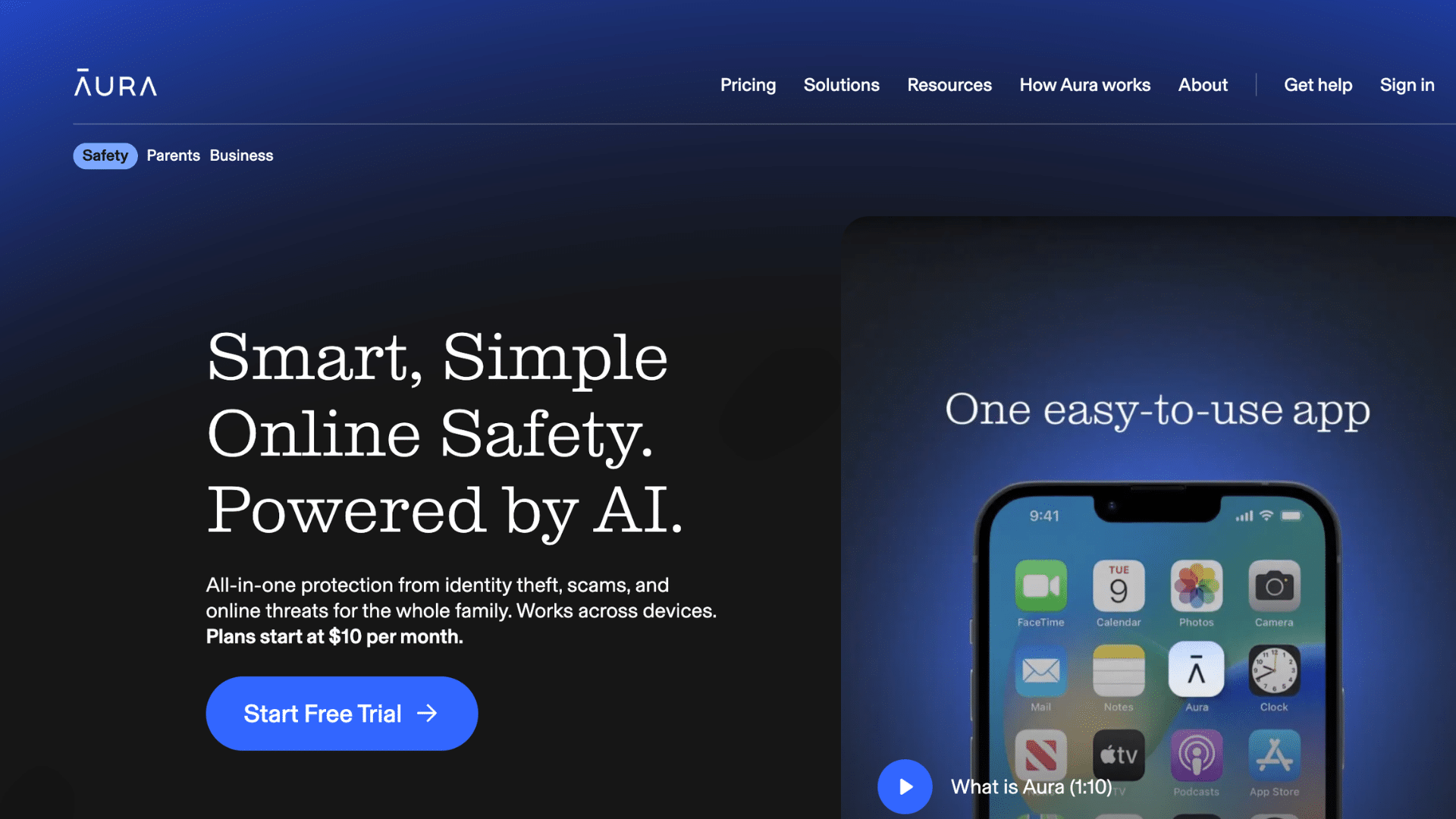
Aura Parental Controls is a strong all-in-one option that works on iOS, Android, Windows, and macOS. It offers powerful web filtering to block unsafe content and helps set clear screen time limits for daily use.
The app also includes location tracking, which adds an extra layer of safety. It is useful for families who want one simple tool to manage multiple devices.
The setup is easy, and the dashboard makes it simple to check activity and adjust settings when needed.
Ideal for: Families needing one app for all devices
2. Qustodio
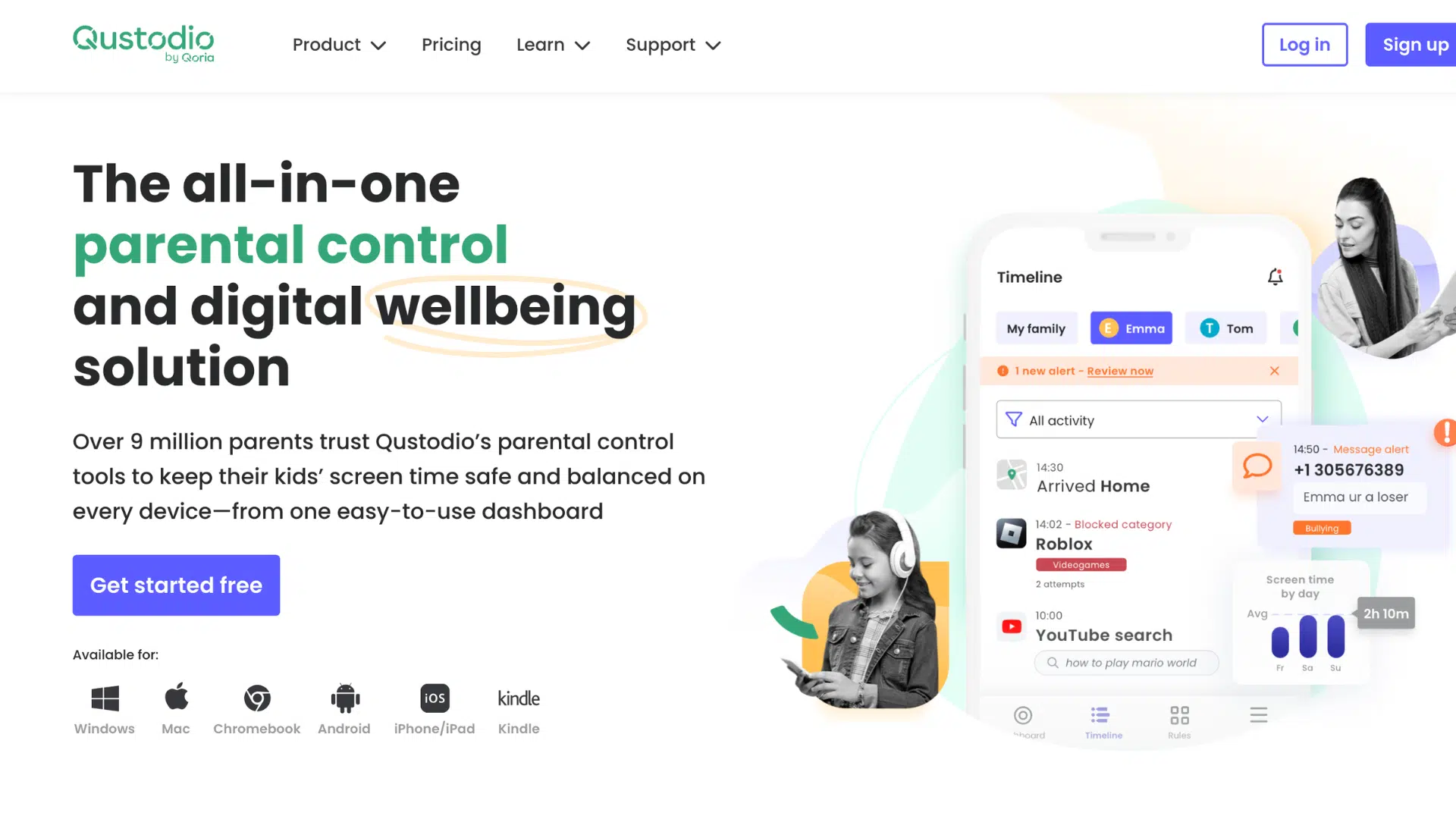
Qustodio is a popular choice for families who want detailed control and clear reports. It works across many devices and lets parents block websites and apps with ease.
The app also includes YouTube filtering and location tracking, which helps monitor both online and real-world activity.
One standout feature is its detailed usage reports, which show how much time is spent on each app. This makes it easier to understand habits and make better decisions for screen time limits.
Ideal for: Parents who want detailed insights and reports
3. Bark
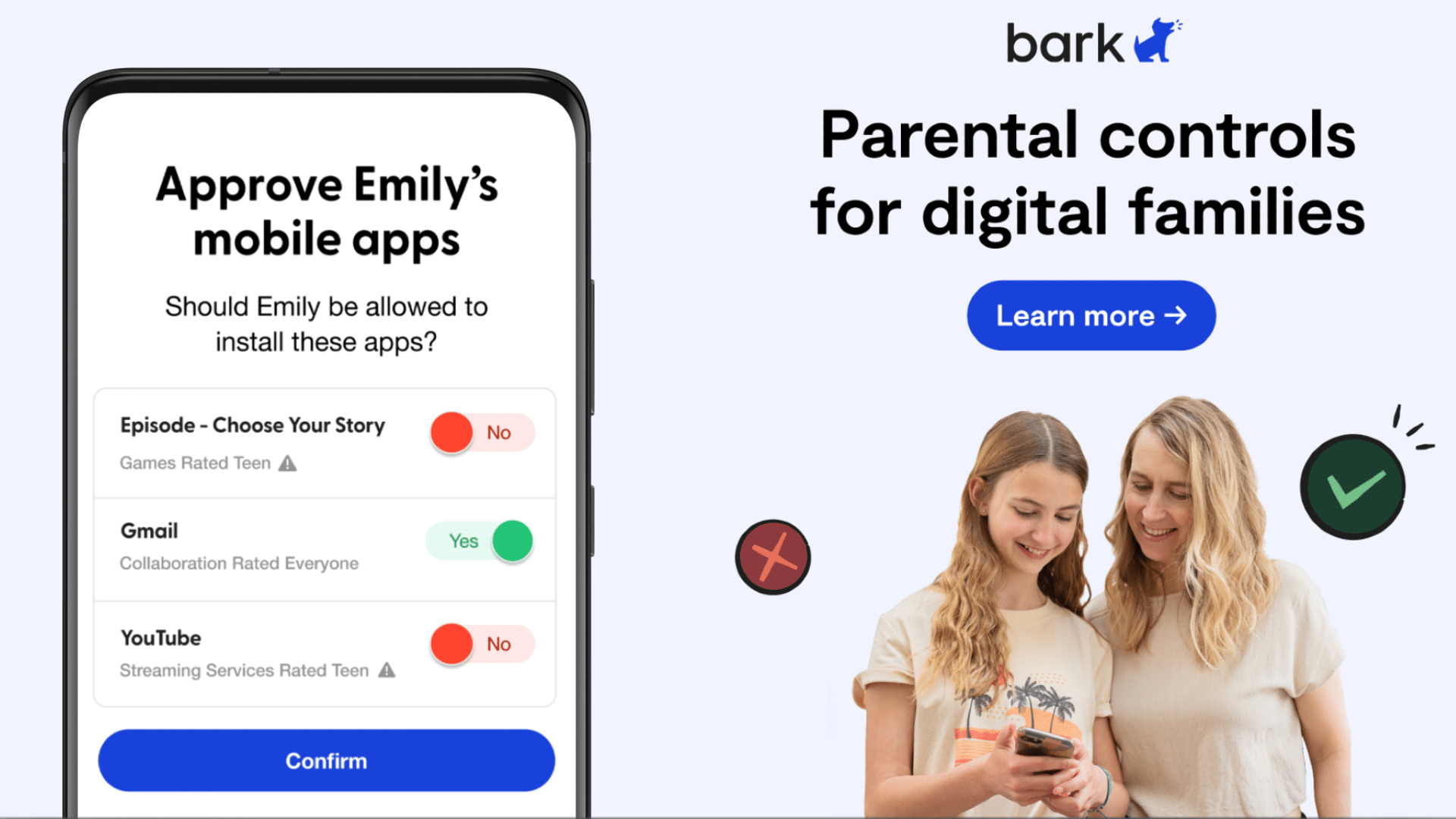
Bark focuses more on monitoring communication instead of just blocking content. It scans texts, emails, and some social platforms to look for signs of bullying, unsafe behavior, or harmful content.
When something risky is found, it sends alerts so action can be taken quickly. This makes it a good choice for older kids who use messaging apps often.
It does not block everything, but it helps parents stay aware of serious issues without having to read every message.
Ideal for: Monitoring texts and social activity for teens
4. Norton Family
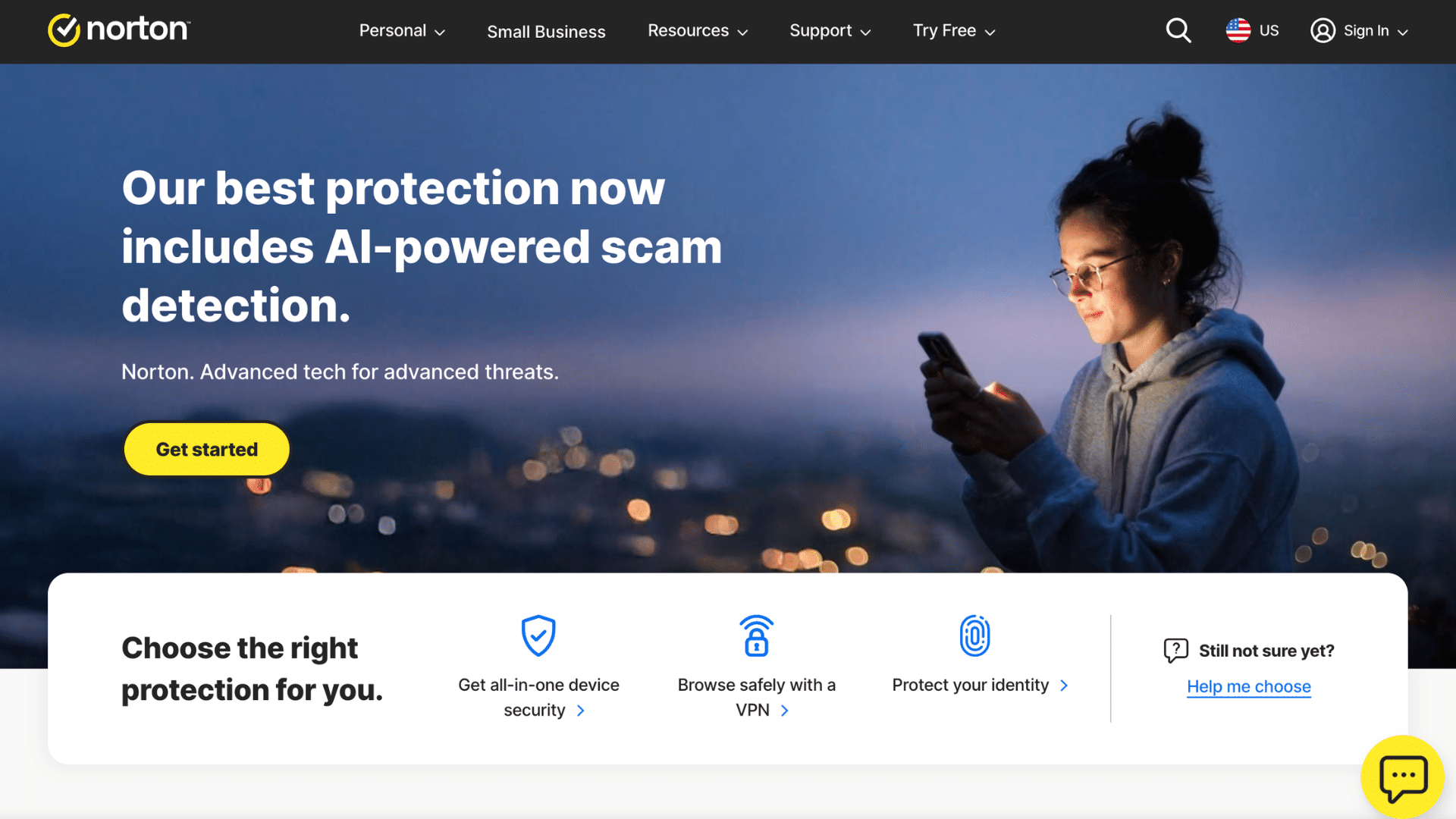
Norton Family is known for its strong web filtering tools, which are helpful for younger children. It allows parents to block unsafe websites and monitor YouTube activity.
The app also includes location tracking with geofencing, so alerts are sent when a child enters or leaves certain areas.
This adds peace of mind for daily routines, such as school or outings. It is a good fit for families who want clear rules and simple controls to guide safe online use.
Ideal for: Younger kids needing strict content control.
5. Mobicip
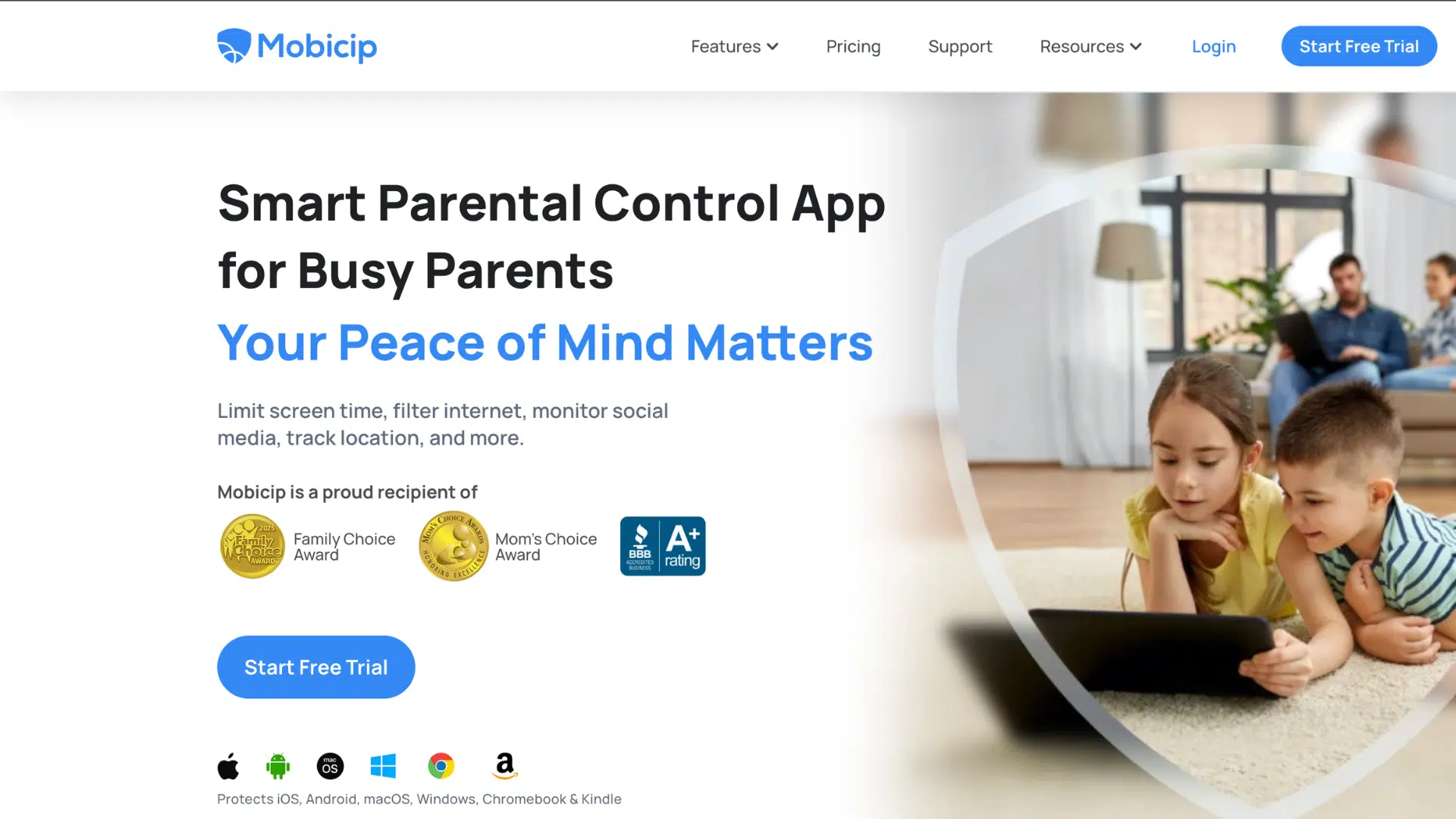
Mobicip is a budget-friendly option that still covers the basics well. It focuses on web filtering, screen time control, and YouTube monitoring.
The app is simple to use, which makes it a good choice for school-age children. Parents can set daily limits and block unsuitable content.
While it may not have as many advanced features as some other apps, it still offers enough tools to manage safe, balanced device use at home.
Ideal for: Budget-friendly basic parental controls.
6. Google Family Link
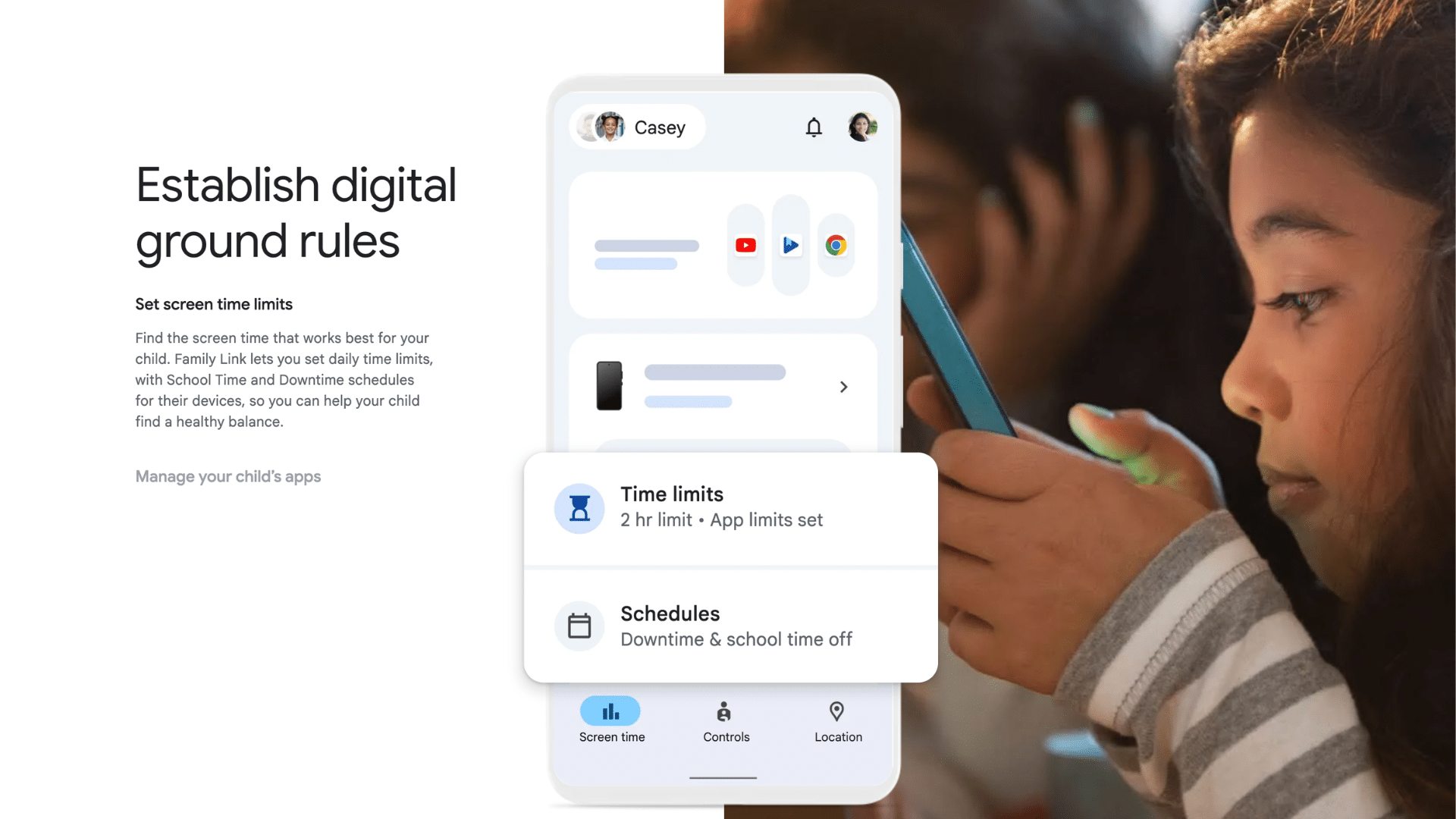
Google Family Link is a free app designed mainly for Android users. It allows parents to set screen time limits, approve or block app downloads, and manage content restrictions.
The app also shows how much time is spent on each app, helping parents understand usage patterns. It works well for younger children who are just starting to use devices.
Since it is made by Google, it connects smoothly with Android devices and is easy to set up and manage.
Ideal for: Free control on Android devices.
7. Apple Screen Time (via Family Sharing)
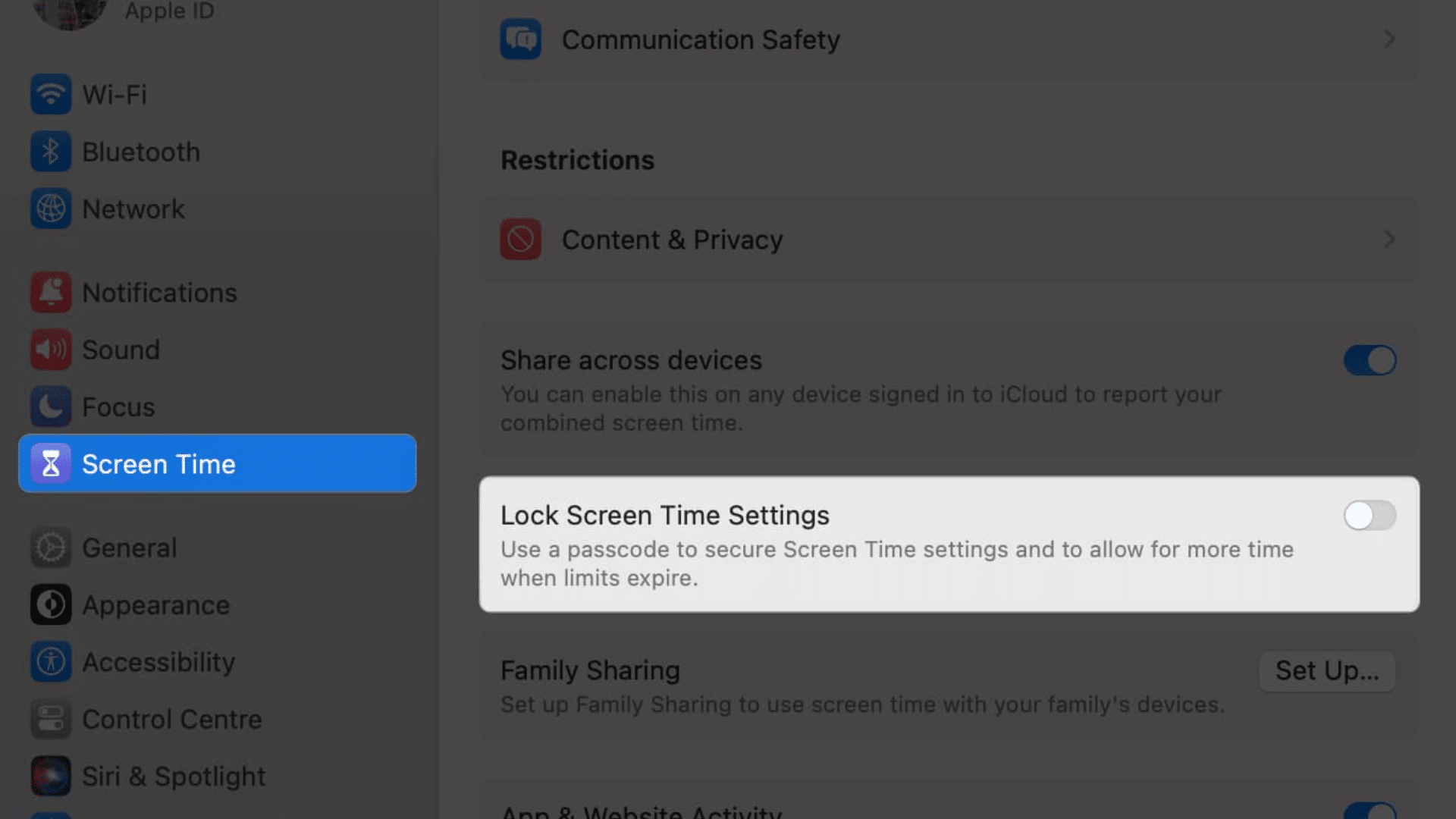
Apple Screen Time is a built-in feature available on iPhones, iPads, and Macs. It works through Family Sharing, allowing parents to manage children’s devices from one place.
It helps set screen time limits, block apps, and restrict content based on age. The app also provides simple usage reports to track daily activity.
It is a great choice for families who already use Apple devices, as no additional downloads are needed and everything works smoothly within the system.
Ideal for: Families using iPhones and iPads.
Top Parental Control Apps Compared: Pros and Cons
| App | Pros | Cons |
|---|---|---|
| Aura Parental Controls | All in one solution, strong web filtering, works on many devices, easy dashboard | Paid plans can be costly, and may feel too advanced for basic needs |
| Qustodio | Detailed reports, strong app and web blocking, YouTube filtering, cross-platform | The free version is limited; some features need a premium plan |
| Bark | Monitors texts and social apps, sends alerts for risks, good for teens | Limited blocking features may miss some platforms |
| Norton Family | Strong web filtering, YouTube monitoring, location alerts with geofencing | No iOS app monitoring, the interface can feel outdated |
| Mobicip | Budget-friendly, simple to use, good basic controls, and YouTube monitoring | Fewer advanced features, limited customization |
| Google Family Link | Free to use, easy setup, app control, and screen limits, works well on Android | Limited features compared to paid apps, weaker web filtering |
| Apple Screen Time | Built in, no extra cost, smooth on Apple devices, simple controls | Limited advanced tracking works only within the Apple system |
How Parental Control Apps Help Manage Screen Time?
Parental control apps make it easier to set limits and build healthy screen habits for children. They give a clear structure for device use without constant supervision.
- Screen Time Limits: Apps allow you to set daily usage limits to prevent overuse. This helps children stay within a healthy daily limit for screen time.
- Scheduled Access: Devices can be locked during bedtime or study hours. It helps create a routine and ensures focus during important times.
- Usage Tracking: Shows how much time is spent on each app or device. This makes it easier to understand habits and adjust limits if needed.
- App Blocking: Stops access to apps once the time limit is reached. It helps reduce distractions and keeps usage under control.
- Routine Building: Helps create a balanced daily schedule. Children learn to manage time between study, play, and rest.
- Less Conflict: Reduces arguments by setting clear rules in advance. Limits feel more fair since they are already set and consistent.
Free vs Paid Parental Control Apps: What to Choose
Choosing between free and paid parental control apps depends on the level of control and safety needed at home. Free apps handle basic tasks, while paid options offer more advanced tools and better overall protection.
| Feature | Free Apps | Paid Apps |
|---|---|---|
| Cost | No cost to use | Monthly or yearly fee |
| Features | Basic tools like screen time limits | Advanced tools with full control |
| Device Support | Limited devices | Multiple devices supported |
| Monitoring | Simple tracking | Detailed reports and alerts |
| Safety Level | Basic protection | Strong and reliable protection |
| Customization | Limited settings | More flexible control options |
| Updates | Fewer updates | Regular updates and improvements |
| Customer Support | Little or no support | Dedicated customer support |
| Best For | Light or beginner use | Families needing full control |
Are Parental Control Apps Safe and Reliable?
Parental control apps are generally safe and reliable when trusted and well-known options are used.
These apps are built to help manage screen time, block harmful content, and track online activity in a simple way. Many of them use strong security systems to protect user data and keep information private.
However, they are not perfect and should not be the only safety measure. Some content may still slip through filters, and older children may find ways to bypass limits.
It is also important to check privacy settings, as some apps collect user data.
For the best results, these apps should be used alongside clear rules and open communication at home to support safe, balanced device use.
Common Mistakes Parents Make When Using Control Apps
Many parents rely on control apps but may not use them in the most effective way. Small mistakes can reduce how well these tools work and create more problems.
- Setting Rules Too Strict: Very tight limits can lead to frustration and push children to find workarounds.
- Not Updating Settings: Failing to adjust controls as children grow can make rules feel unfair or outdated.
- Ignoring Communication: Relying only on apps without talking can harm trust and understanding.
- Using Too Many Features: Overloading controls can confuse both parents and children.
- Not Checking Reports: Skipping activity reviews can lead to missing important behavior patterns.
- Choosing the Wrong App: Picking an app that does not match family needs can limit effectiveness.
- No Clear Explanation: Failing to explain rules can lead to confusion and resistance among children.
Conclusion
Choosing the right parental control app can make everyday screen use feel more balanced and less stressful.
Many parents find that once clear limits are in place, children slowly build better habits without constant reminders. These apps work best when they are used as a guide, not as a strict control tool.
Simple rules, regular checks, and honest conversations often lead to better results over time.
Every family has different needs, so the best choice is one that feels easy to use and fits daily routines. Small steps can lead to safer and healthier digital habits.
If any of these apps have worked for your family, share your experience in the comments below. Your input can help other parents make more confident choices.
Frequently Asked Questions
What Is the Most Popular Parental Control App?
Qustodio is widely recognized for its strong features, detailed reports, and ease of use.
What Is a Cheaper Alternative to Qustodio?
Google Family Link offers a free option with basic screen time and app controls.
Is Bark or Circle Better?
Bark focuses on monitoring messages and alerts, while Circle is better for screen time control.
What Is Risky on Life360?
Continuous location tracking may raise privacy concerns for some families.
What Is the Downside of The Bark App?
It relies more on alerts than full blocking, which may limit direct control.