


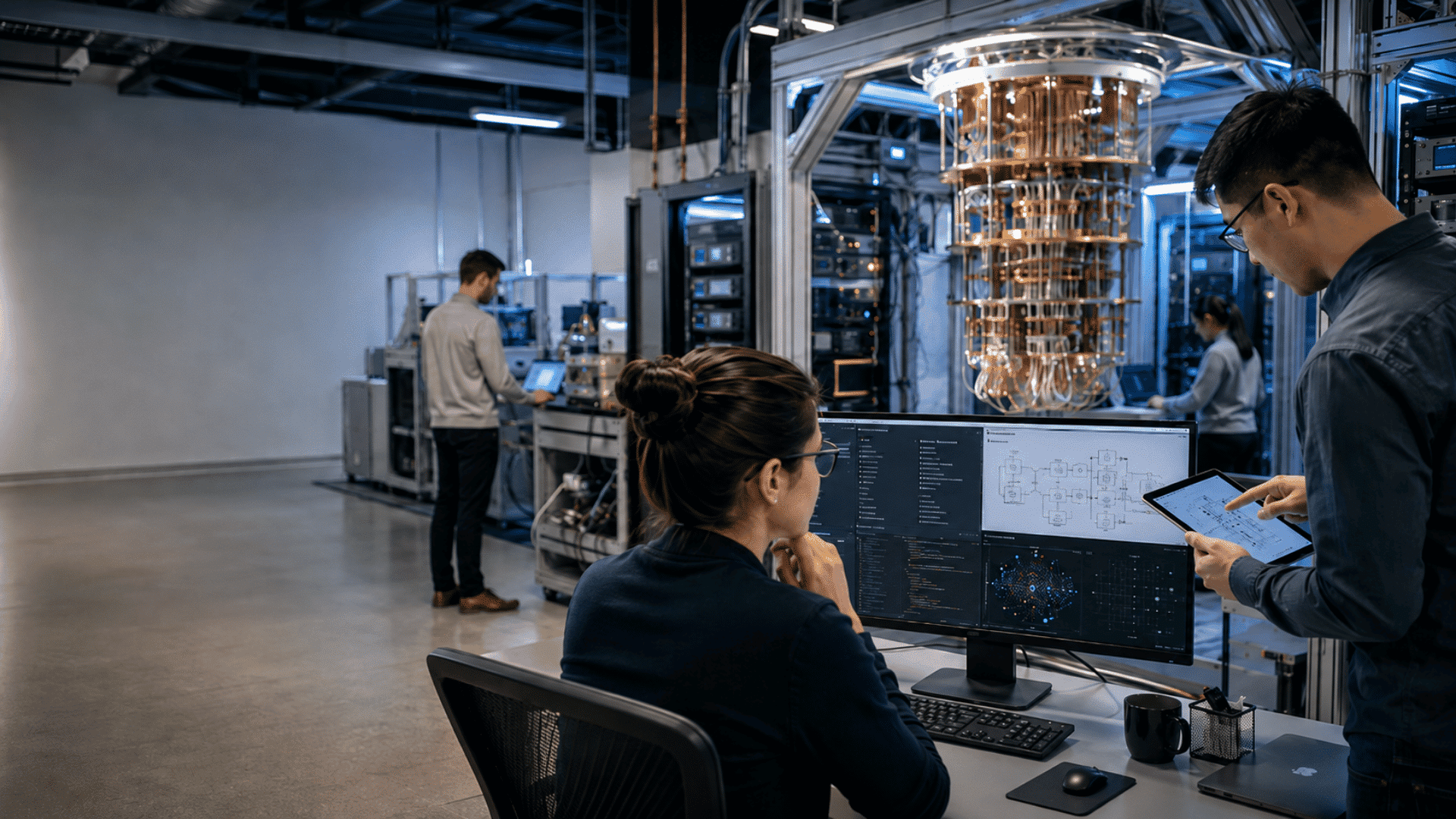
Data centers are the backbone of our digital world, powering everything from cloud storage to AI models and financial systems. But that power comes at a steep cost.
Data center power demand may double by 2030 due to AI growth and digital expansion.
Having spent considerable time researching enterprise technology, I can say that energy efficiency is no longer optional for data centers; it is a business-critical priority.
Rising energy costs and regulations are pushing operators to rethink power use.
In this guide, you will learn the core principles of data center efficiency, the metrics that matter, the most common causes of waste, and strategies that help organizations build cost-effective operations.
You will also see how better design, smarter cooling, and efficient hardware choices can reduce energy use without affecting performance.
Small changes can lead to big savings over time, making efficiency a key part of long-term data center planning.
What Is Data Center Efficiency?
Data center efficiency means how well a data center uses power, space, and resources to run its systems. It focuses on getting the most output with the least energy waste.
A highly efficient data center delivers strong performance while using less electricity and cooling.
This helps lower costs and reduce environmental impact. One common way to measure this is Power Usage Effectiveness (PUE), which shows how much energy goes to actual computing versus support systems.
Better efficiency means more power is used for real work, not wasted. It also depends on smart design, proper airflow, and modern hardware.
When systems run smoothly without extra strain, energy use stays under control.
In simple terms, data center efficiency is about doing more work with less power while keeping systems reliable and stable every day.
Why Data Center Efficiency Matters?
Data centers power almost everything we use online, from apps to cloud storage. Improving efficiency helps cut costs, save energy, and reduce environmental impact.
1. Lower Operating Costs
Running a data center takes a lot of electricity for servers, cooling systems, and backup power. When efficiency improves, energy use goes down, which directly lowers monthly bills.
Companies can save large amounts of money over time just by using better cooling methods, modern hardware, and smart energy tools.
These savings can then be used for upgrades or expansion.
In simple terms, better efficiency means spending less money to keep systems running smoothly every day.
2. Reduced Energy Consumption
Data centers use a huge amount of power, and inefficient systems waste a big part of it.
By improving efficiency, operators can reduce the amount of electricity needed to run the same workload. This includes using energy-efficient servers, better airflow design, and optimized cooling systems.
Lower energy use also reduces strain on power grids.
It helps organizations meet energy goals while still delivering fast and reliable services to users across different regions.
3. Better Environmental Impact
High energy use in data centers leads to more carbon emissions, especially if the electricity comes from fossil fuels.
Efficient data centers use less power, which helps reduce their carbon footprint. Many companies now focus on green practices like renewable energy, improved cooling, and waste heat reuse.
These steps help protect the environment while keeping operations strong.
Over time, efficient data centers play a key role in reducing the tech industry’s overall environmental impact.
4. Improved System Performance
Efficiency is not only about saving energy; it also helps systems run better. When servers stay cool and workloads are balanced properly, performance improves.
There is less risk of overheating, slow response times, or system failures.
Efficient setups allow data centers to handle more data without needing extra hardware.
This means faster processing, smoother user experiences, and better uptime. In short, efficiency helps maintain high performance without adding unnecessary strain on resources.
5. Longer Equipment Lifespan
When equipment runs at high temperatures or under heavy strain, it wears out faster.
Efficient data centers keep temperatures stable and workloads balanced, which helps extend the life of servers and other hardware.
This reduces the need for frequent replacements and lowers maintenance costs. Proper airflow, cooling systems, and energy management all play a role in protecting equipment.
A longer lifespan means fewer disruptions and better return on investment for expensive infrastructure.
6. Scalability and Future Growth
Efficient data centers make it easier to grow and handle increasing demand. When systems use resources wisely, there is more room to add new servers or expand services without major changes.
This flexibility helps businesses scale operations smoothly as user needs grow.
Instead of building new facilities quickly, companies can optimize what they already have.
Efficiency supports long-term planning and ensures that the data center can adapt to future technology and workload demands.
Core Principles of Data Center Efficiency
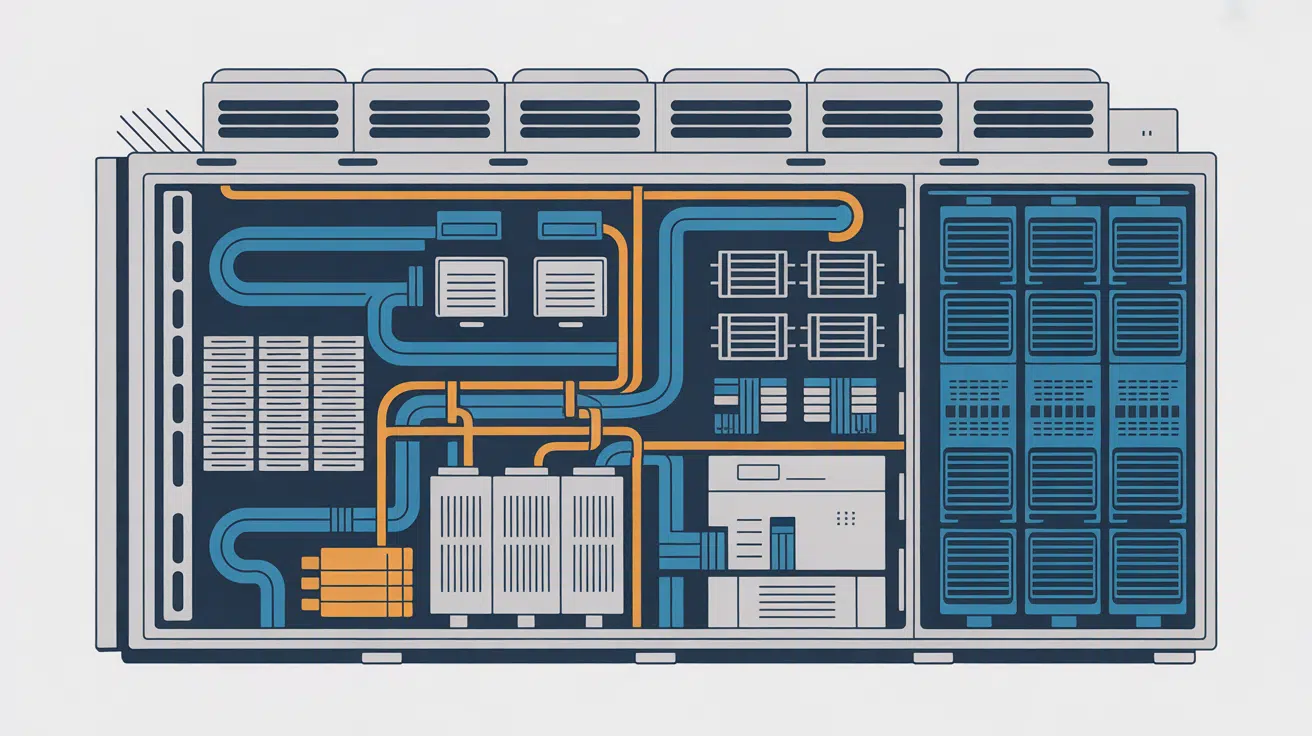
Data center efficiency is not built on a single strategy. It rests on a set of interconnected principles that, when applied together, create a foundation for sustainable and cost-effective operations across every layer of the facility.
1. Power Efficiency
Power efficiency focuses on minimizing energy losses during conversion and distribution.
Every time electricity passes through a transformer, UPS system, or power distribution unit, a percentage is lost as heat.
Using high-efficiency components such as 80 PLUS Titanium-rated power supplies, which operate at conversion rates above 90 percent, reduces these losses and eases the load on cooling systems simultaneously.
In cloud environments, this principle extends to the instance type selection layer as well: workloads running on oversized instances with low CPU utilization generate the same kind of invisible waste.
2. Cooling Efficiency
Cooling accounts for roughly 40 percent of total data center energy use, making it one of the highest-impact areas for improvement.
Efficient cooling means delivering the right amount of cooling precisely where it is needed, not flooding the entire floor to protect one hot rack.
Hot and cold aisle setups and liquid cooling for GPU racks improve data center efficiency.
Raising server inlet temperatures to the upper end of the ASHRAE-recommended range also reduces energy use without affecting hardware reliability.
3. IT Equipment Optimization
IT equipment is the biggest energy user in a data center, making up about 50% of total power use. Improving efficiency starts with better server use through virtualization and workload consolidation.
This helps reduce the number of active machines needed. Right-sizing hardware to match actual demand also avoids wasting energy.
Removing old systems that use more power than needed further improves performance.
These steps help lower energy use, reduce costs, and make the data center run more smoothly overall.
4. Airflow Management
Poor airflow management lets hot air mix with cold air, making cooling systems work harder than needed. This increases energy use and reduces efficiency.
Proper airflow control helps fix this issue by separating hot and cold air using containment systems.
Adding blanking panels in empty rack spaces also prevents air mixing. Sealing floor openings and arranging cables neatly improves airflow.
These simple and low-cost steps can greatly improve cooling performance, reduce energy use, and help the data center run more efficiently.
5. Continuous Monitoring and Improvement
Efficiency is not a one-time task but an ongoing process that needs regular monitoring and updates. Data centers that maintain strong PUE scores track energy use closely and identify issues in real time.
This helps fix small problems before they become major losses. Continuous adjustments improve overall performance and reduce waste.
Using Data Center Infrastructure Management software provides better visibility into operations.
It allows teams to monitor systems, detect inefficiencies early, and make informed decisions that support long-term energy savings and reliable data center performance.
Key Metrics Used to Measure Data Center Efficiency
Tracking efficiency requires the right measurement tools. The industry uses several standardized metrics, each capturing a different dimension of performance, from energy and water use to carbon output and energy reuse.
| Metric | Full Form | What It Measures | Ideal Value |
|---|---|---|---|
| PUE | Power Usage Effectiveness | Total facility energy vs. IT equipment energy | As close to 1.0 as possible |
| WUE | Water Usage Effectiveness | Liters of water used per kWh of IT energy | As low as possible |
| CUE | Carbon Usage Effectiveness | Carbon emissions produced per kWh of IT energy | As close to 0 as possible |
| ERE | Energy Reuse Effectiveness | Energy reused externally vs. total energy consumed | As low as possible |
Common Causes of Inefficiency in Data Centers
Many data centers lose significant energy not because of poor design intent, but because of operational gaps that accumulate over time.
- Poor Airflow Management: When hot and cold air mix, cooling systems work harder than needed. This increases energy use and reduces cooling efficiency across the data center.
- Overprovisioned Equipment: Running more servers than required leads to wasted power. Many systems stay underused but still consume energy continuously.
- Outdated Hardware: Older servers and equipment use more power and deliver lower performance. Replacing them with modern systems improves efficiency.
- Inefficient Cooling Systems: Traditional cooling methods often use excess energy. Lack of optimization can lead to higher operating costs.
- Lack of Monitoring Tools: Without proper tracking, it becomes hard to spot energy waste. This delays fixes and allows inefficiencies to grow over time.
- Unused or Idle Servers: Servers that are no longer needed still consume power. Identifying and removing them helps cut unnecessary energy use.
- Power Distribution Losses: Inefficient power systems waste energy during distribution. Improving power management reduces these hidden losses.
A pattern I see often in enterprise environments: “ghost servers” that were provisioned for a project years ago and never decommissioned.
They often run at low use but still draw full power, as teams avoid shutting them down due to risk. A workload audit with DCIM data helps find these systems and supports consolidation decisions.
Top Strategies to Improve Data Center Efficiency
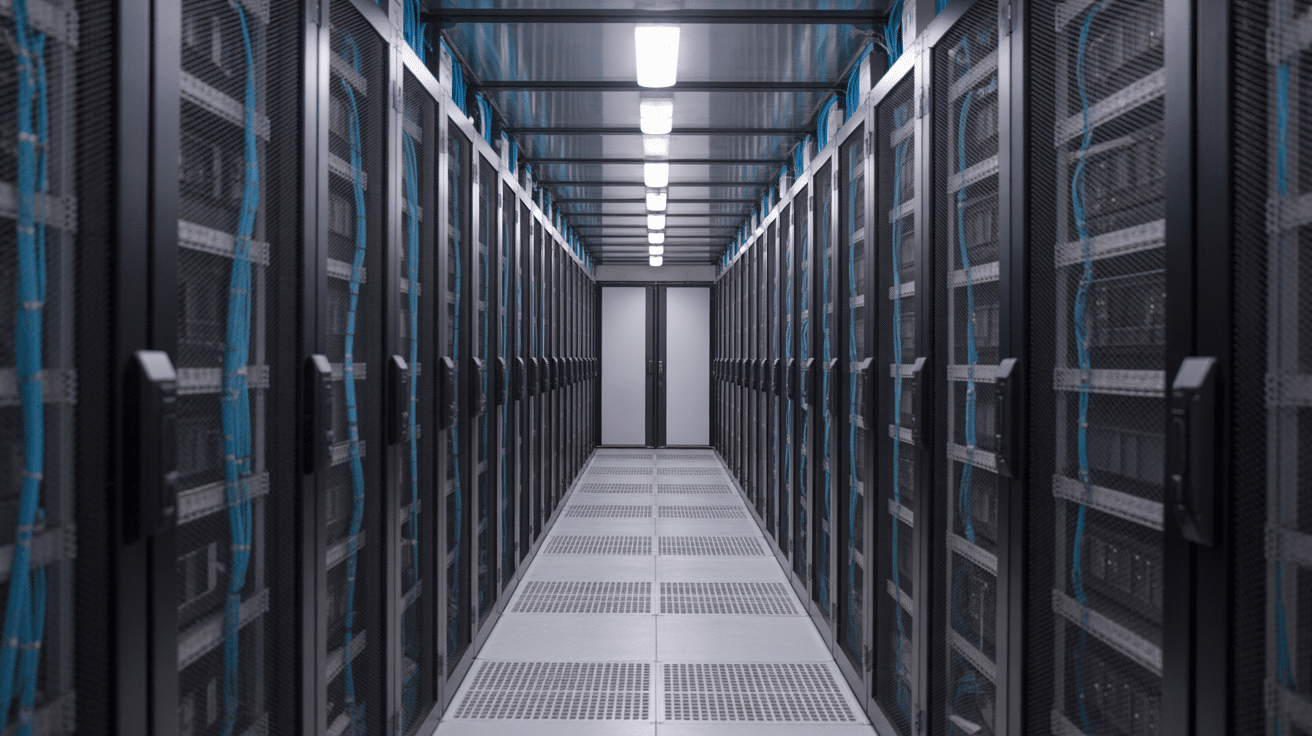
Improving efficiency requires simultaneous action across multiple operational layers. The strategies below give facilities a clear path to meaningful gains without disrupting day-to-day operations.
1. Optimize Server Utilization
Many data centers run servers that are not fully used, which wastes energy and space. Improving server use through virtualization helps combine workloads on fewer machines.
This reduces the number of active servers and lowers power consumption. Right-sizing hardware based on actual demand also avoids overuse of resources.
Removing idle or outdated systems further improves efficiency.
These steps ensure that every server is used properly, helping reduce costs while maintaining strong performance across operations.
2. Improve Cooling Efficiency
Cooling systems use a large portion of energy in data centers. Improving cooling efficiency helps reduce this load. Using hot and cold aisle containment keeps air separated and improves airflow.
Raising server inlet temperatures within safe limits also lowers cooling demand.
Advanced cooling methods like liquid cooling can handle high-density setups better. Regular maintenance of cooling units ensures smooth operation.
These improvements reduce energy use while keeping equipment at safe temperatures for reliable performance.
3. Enhance Airflow Management
Proper airflow management prevents hot and cold air from mixing, which improves cooling efficiency. Installing blanking panels in empty rack spaces helps control airflow direction.
Sealing floor openings stops air leaks that reduce cooling effectiveness. Keeping cables organized also avoids blocking airflow paths.
These simple steps help maintain stable temperatures across equipment.
Better airflow reduces the need for extra cooling, lowers energy use, and supports smoother operations without requiring major investments.
4. Upgrade to Energy-Efficient Hardware
Modern hardware is designed to use less power while delivering better performance. Replacing older servers with energy-efficient models reduces overall energy consumption.
New systems often include features that adjust power use based on workload.
This helps avoid unnecessary energy waste. Upgrading storage and networking equipment also improves efficiency.
Though upgrades require initial investment, they lead to long-term savings. Efficient hardware supports better performance and reduces the total cost of running the data center.
5. Implement Real-Time Monitoring
Real-time tracking helps spot inefficiencies quickly. Monitoring tools show power use, cooling performance, and system load.
This allows teams to detect unusual patterns and fix issues early. Using Data Center Infrastructure Management software improves visibility across operations.
Continuous tracking supports better decision-making and prevents energy waste.
With accurate data, teams can make small adjustments that lead to better efficiency and more reliable data center performance over time.
6. Use Efficient Power Management
Power systems can lose energy during distribution if not managed properly. Using efficient power supplies and reducing conversion losses helps improve overall efficiency.
High-quality uninterruptible power supply systems also reduce energy waste.
Managing load distribution evenly across equipment prevents overuse in certain areas. Regular checks on power systems ensure they operate at peak efficiency.
These steps help reduce hidden energy losses and support stable operations across the entire data center infrastructure.
7. Adopt Automation and Smart Controls
Automation helps manage data center operations more efficiently by reducing manual errors. Smart systems can adjust cooling, power use, and workloads based on real-time needs.
This ensures that resources are used only when required. Automated alerts also help teams respond quickly to issues.
Using artificial intelligence tools can further improve decision-making.
These technologies reduce energy waste, improve system reliability, and help maintain consistent performance without constant manual intervention.
Data Center Efficiency Best Practices by Category
Efficiency improvements touch every operational layer of a data center. The table below organizes leading best practices by category to help teams prioritize initiatives based on their area of responsibility.
| Category | Best Practice | Expected Benefit |
|---|---|---|
| Cooling | Deploy hot aisle containment systems | 30 percent or more cooling efficiency gain |
| IT Equipment | Virtualize and consolidate server workloads | Up to 50 percent utilization improvement |
| Power | Use 80 PLUS Titanium-rated power supplies | 90 percent or higher power conversion efficiency |
| Monitoring | Implement DCIM software for real-time tracking | Faster detection and resolution of energy waste |
| Airflow | Install blanking panels in all empty rack spaces | Prevents hot air recirculation and reduces cooling load |
| Energy Source | Procure renewable energy through PPAs or on-site generation | Reduced carbon emissions and long-term cost stability |
Data Center Efficiency and Sustainability: Are They the Same?
This is one of the most common points of confusion in the industry, and the distinction matters. Efficiency and sustainability are related goals, but they are not interchangeable.
Efficiency focuses on reducing the amount of energy a data center consumes to perform a given unit of work.
Sustainability focuses on where that energy comes from and how its sourcing affects the broader environment.
A data center can be highly efficient in its operations, achieving an excellent PUE score, while still running entirely on fossil fuels.
Conversely, a facility powered by renewable energy may still waste significant amounts of it due to poor cooling design or server underutilization.
The two goals reinforce each other but must be pursued independently.
Getting efficiency right reduces the total energy burden, making a renewable energy strategy more viable, affordable, and impactful in terms of actual carbon reduction.
The Role of AI in Improving Data Center Efficiency
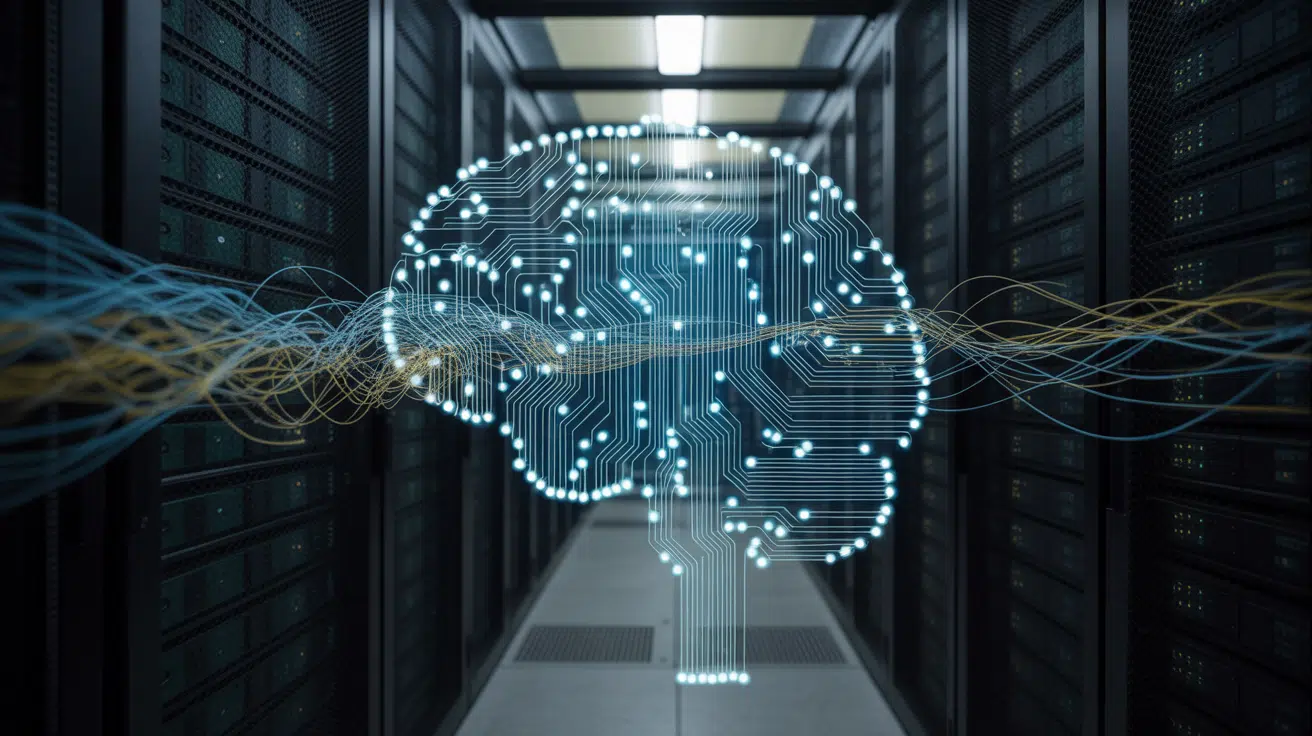
Artificial intelligence is rapidly becoming one of the most powerful tools available to data center operators looking to push efficiency beyond what manual optimization can achieve.
- Predictive Maintenance: AI analyzes system data to predict equipment issues before they happen. This reduces downtime and prevents energy waste caused by faulty hardware.
- Smart Cooling Optimization: AI adjusts cooling systems based on real-time temperature and workload data. This helps maintain safe conditions while reducing unnecessary energy use.
- Workload Management: AI distributes workloads efficiently across servers. This avoids overloading some systems while others stay underused, improving overall efficiency.
- Energy Consumption Analysis: AI tracks energy patterns and finds areas where power is wasted. This helps teams make better decisions to reduce usage and costs.
- Automation of Operations: AI automates routine tasks like system adjustments and alerts. This reduces human error and ensures consistent performance.
- Capacity Planning: AI forecasts future demand using historical data. This helps data centers plan resources better without overbuilding or wasting energy.
- Real-Time Monitoring: AI provides continuous insights into system performance. It quickly detects issues and supports faster fixes to maintain efficiency.
The AI efficiency paradox: The same AI workloads that are driving record data center energy consumption are also the most powerful tools available for optimizing it.
Google’s DeepMind team achieved a 40 percent reduction in cooling energy at Google data centers by applying reinforcement learning to HVAC control. For GPU scaling, AI-driven cooling is a high-impact efficiency investment.
How to Evaluate Efficiency when Choosing a Cloud or Colocation Provider?
When choosing a cloud or colocation provider, focus on power usage effectiveness (PUE) to understand how efficiently energy is used.
A lower PUE means less waste. Check if the provider uses renewable energy sources, as this reduces long-term environmental impact. Look at their cooling systems and airflow design to see how well they manage heat.
Ask about real-time monitoring tools that track power, cooling, and performance. This helps ensure issues are found early.
Review their hardware efficiency and upgrade cycle to avoid outdated systems. Also, check uptime and reliability records to make sure performance stays stable.
Clear reporting and transparency are strong signs of a well-managed, efficient data center.
Conclusion
Data center efficiency is a discipline built on sound principles, accurate measurement, and a commitment to continuous improvement.
From airflow management and server virtualization to AI-driven optimization, every strategy covered here contributes to a leaner, more sustainable operation.
Efficiency is an ongoing practice that sets high-performing facilities apart.
As AI workloads grow and energy demands rise, early action helps scale without compromise.
Whether you manage an enterprise data center or are evaluating colocation providers, these principles will help you make smarter, more cost-effective infrastructure decisions.
Drop a comment below with your biggest data center efficiency challenge, or share this post with someone navigating the same journey.