

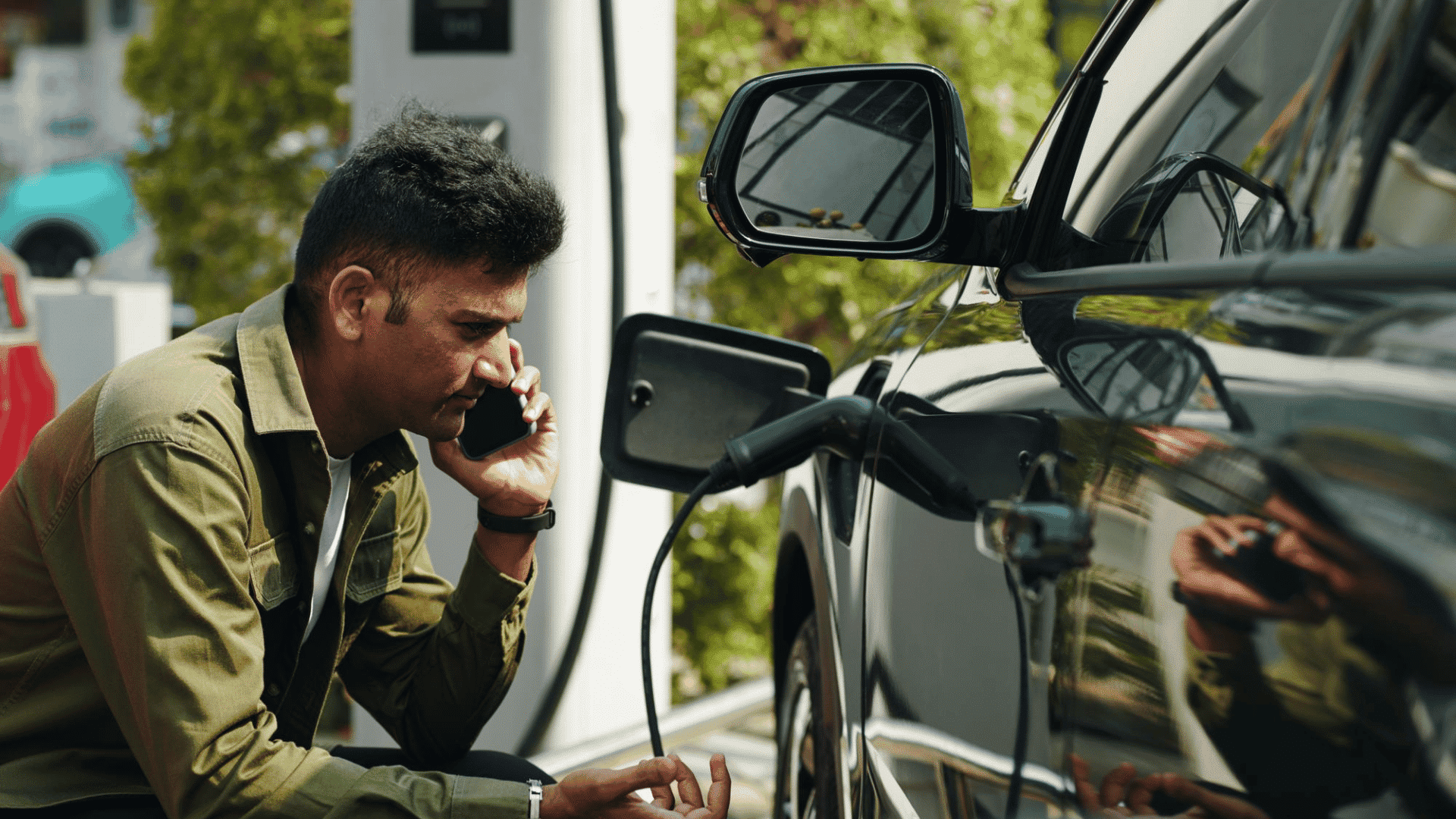





You plug in your electric car, check the dashboard, and see one finish time. Then another charger promises something very different.
So, how long does it take to charge an electric car, and does the answer change depending on the setup?
Charging time depends on more than the charger itself. The car, battery, starting charge, target charge, and available power all shape the result.
That is why your electric car’s charging time can look different even during two similar charging stops.
In technical guides, I focus on the limiting factor first because it makes the answer easier to apply. This guide starts with a charging-time answer, then shows how to estimate a more useful time for your vehicle.
Quick Charging Your Electric Car
So, how long does it take to charge an electric car? Charging can take less than an hour at a DC fast charger or several hours at home.
The actual time depends on the charger type, battery capacity, starting charge, target percentage, and the maximum power the vehicle can accept.
| Charger | Typical Time | Best For |
| Level 1 | Slowest option | Light daily driving |
| Level 2 | About 4–10 hours | Home and workplace charging |
| DC Fast | Under an hour to 80% | Road trips and quick stops |
Next, each charging level works differently and suits a different driving routine.
Charging Time of Your Electric Car by Level
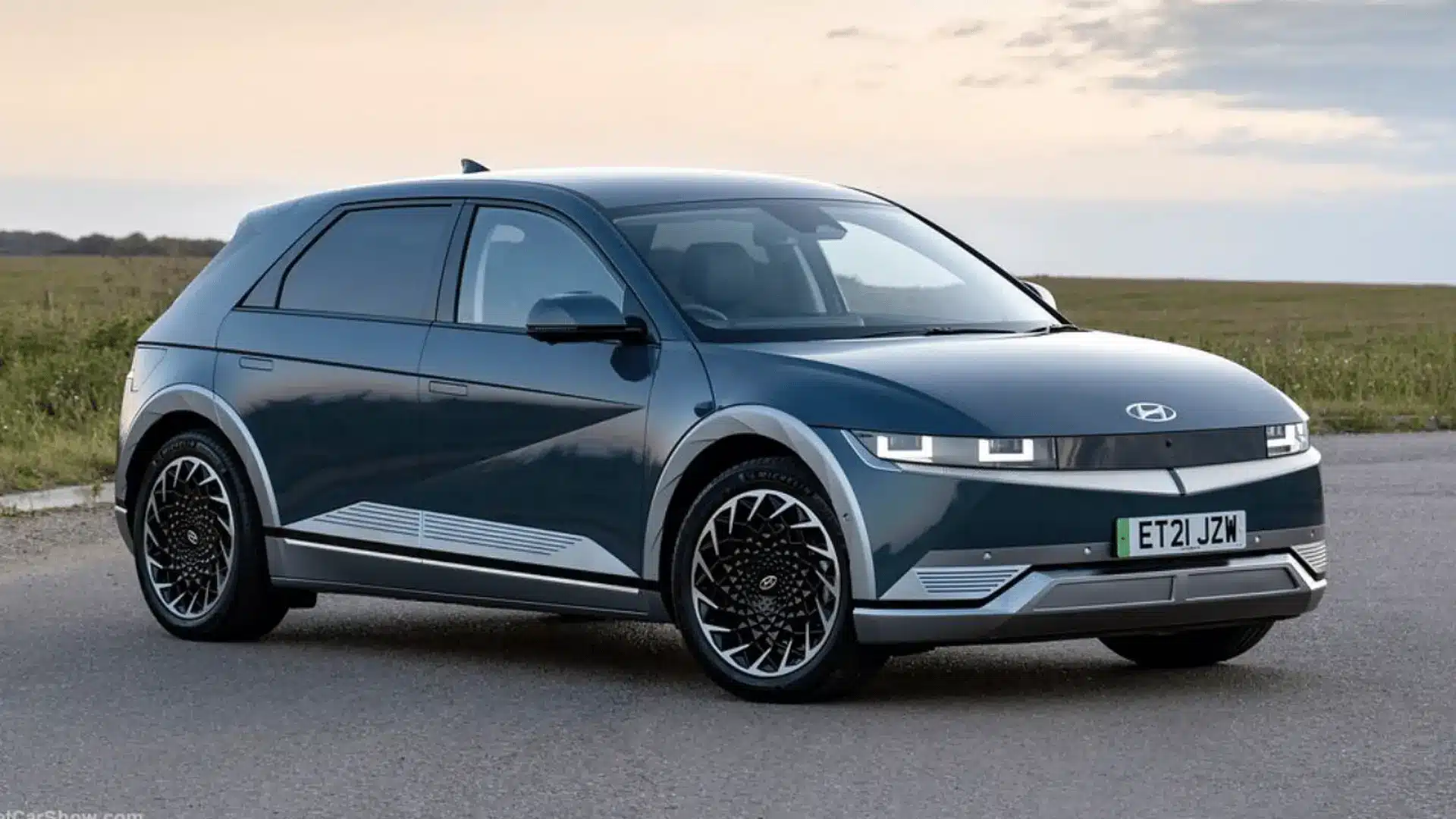
Charging levels mainly differ in available power and where drivers usually plug in. The right option depends on daily mileage, parking time, and how quickly the battery needs more energy.
1. Level 1: Standard Outlet
Level 1 uses a standard 120-volt household outlet and adds energy slowly, making it practical for drivers who cover only a few miles each day. It can also work as a backup when faster home charging is unavailable.
Example: Ford says a 2025 Mustang Mach-E can add about 3 miles of range per hour of charging on 120V. The standard-range RWD version has an EPA-estimated range of 260 miles.
2. Level 2: Home and Work
Level 2 uses 240-volt AC power and is common at homes and workplaces. It suits drivers who want to restore a larger share of the battery while the car remains parked for several hours.
Example: The 2026 Hyundai IONIQ 5 reaches up to 318 EPA-estimated miles in RWD form. Hyundai says 240V Level 2 charging can take about 7 hours and 20 minutes from 10% to 100%.
3. DC Fast Charging
DC fast charging delivers direct current to the battery and is primarily used for highway travel or short public charging stops. The vehicle still controls how much power it can accept.
Example: The 2026 Kia EV6 Light RWD has an EPA-estimated range of 237 miles. Kia says it can charge from 10% to 80% in about 20 minutes at a DC fast charger, reducing charging time during trips.
Battery Size and Charging Your Electric Car
A larger EV battery usually takes longer to charge to the same percentage because it requires more energy. Still, battery capacity alone cannot predict charging time.
A 2025 review of lithium-ion fast-charging strategies explains why battery charging cannot simply remain at maximum current throughout every stage of a session.
When answering how long it takes to charge an electric car, battery size must be considered alongside usable charger power and the vehicle’s AC charging limit.
For example, adding 60% to a 50 kWh battery requires about 30 kWh, while the same percentage added to a 100 kWh battery requires about 60 kWh.
| Battery Size | 7.2 kW Level 2 | 11 kW Level 2 |
| 50 kWh | About 4.2 hours | About 2.7 hours |
| 75 kWh | About 6.3 hours | About 4.1 hours |
| 100 kWh | About 8.3 hours | About 5.5 hours |
Estimates assume charging from 20% to 80% at a steady power rate. Real-world sessions may take longer due to charging losses, temperature, and vehicle limitations.
A bigger battery needs more energy, but a higher usable charging rate can shorten the added time.
Next, battery percentage matters, too, because charging speed often varies as the battery fills.
Why the Last 20% is Slower
EV charging speed usually slows as the battery approaches full. This reduction is called charging taper.
The vehicle’s battery management system controls this process. At lower charge levels, the battery can accept power faster.
As the battery fills, the system limits power to control temperature and voltage. Therefore, DC fast-charging estimates often focus on reaching 80%. This approach also helps drivers plan shorter charging stops.
Estimate Your Electric Car Charge Time
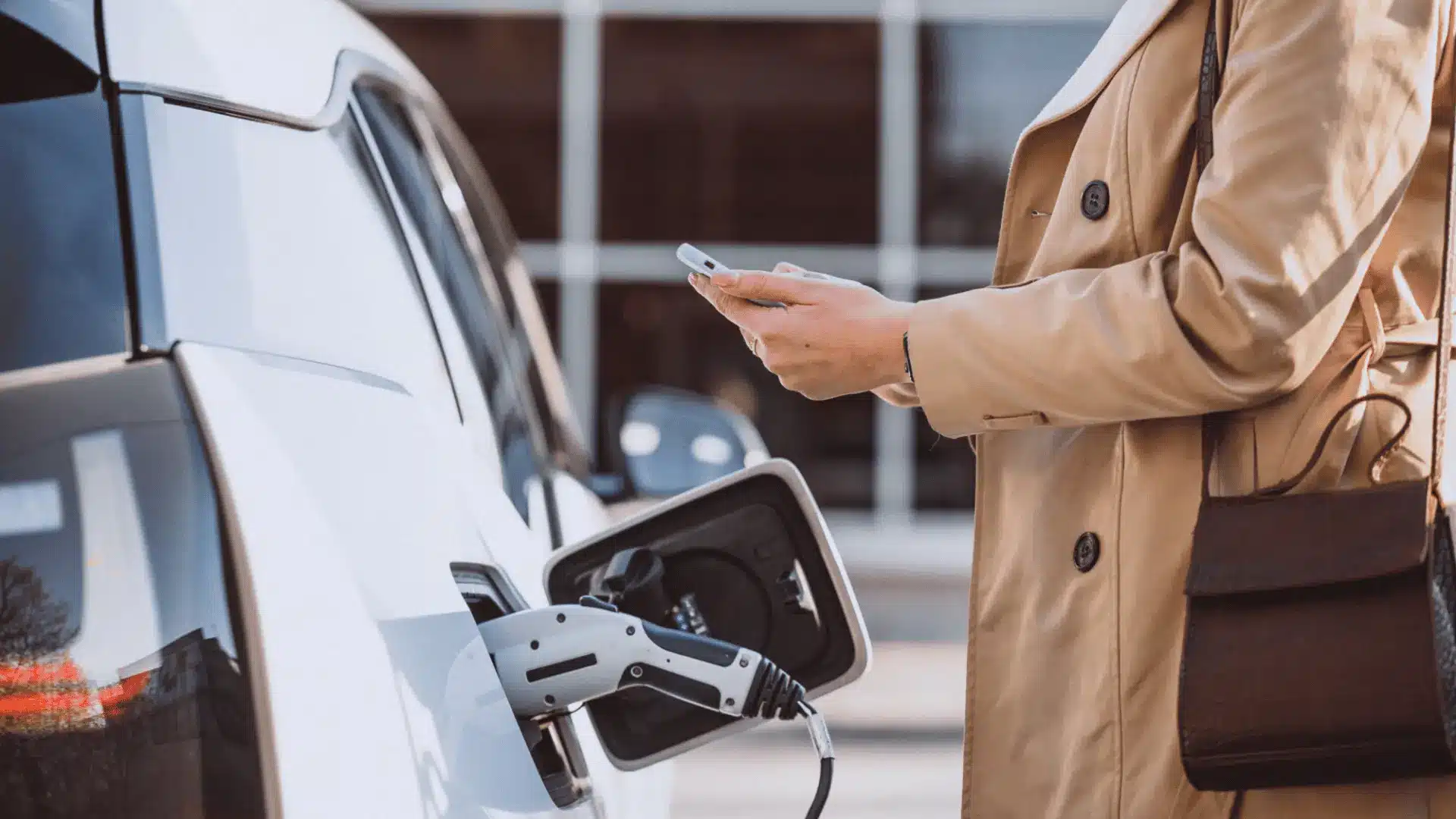
To estimate how long it takes to charge an electric car, calculate only the energy the battery actually needs, rather than assuming every session starts at 0%.
A useful estimate combines the battery capacity, the percentage being added, and the usable charging power available to the vehicle:
1. Start With Energy Needed
First, calculate how much battery capacity needs to be replaced during the planned session. This prevents a full-battery calculation from making normal top-ups look longer than they really are.
Energy needed = battery capacity × percentage being added
For example, a 75 kWh battery charging from 30% to 70% needs a 40% increase. That equals about 30 kWh of energy before accounting for charging losses.
This calculation estimates energy added, not the final charging time.
2. Match Energy with Charging Power
Next, divide the required energy by the usable charging power. The vehicle cannot charge faster than its own accepted rate, even when connected to equipment rated for more power.
Estimated time = energy needed ÷ usable charging power
Using the 30 kWh example, a steady 7.2 kW charging rate gives a base estimate of about 4.2 hours. Actual charging may take longer because AC conversion losses and changing conditions can reduce usable power.
3. Use Average Power for Fast Charging
Peak DC charging power is not a reliable number for estimating an entire fast-charging session. EVs usually reach their highest charging rate only for part of the charging period before the power begins to change.
For a more practical estimate, use manufacturer charge-time information or measured charging curves when available.
These figures reflect changing power more accurately than dividing battery capacity by the charger’s maximum advertised output.
Ellison’s technical note: “I separate the charger’s rated output from the car’s accepted rate first. That keeps the estimate tied to the actual limiting factor.”
This method gives drivers a more useful estimate based on the energy they actually plan to add.
How Much Charge does Your Electric Car Need
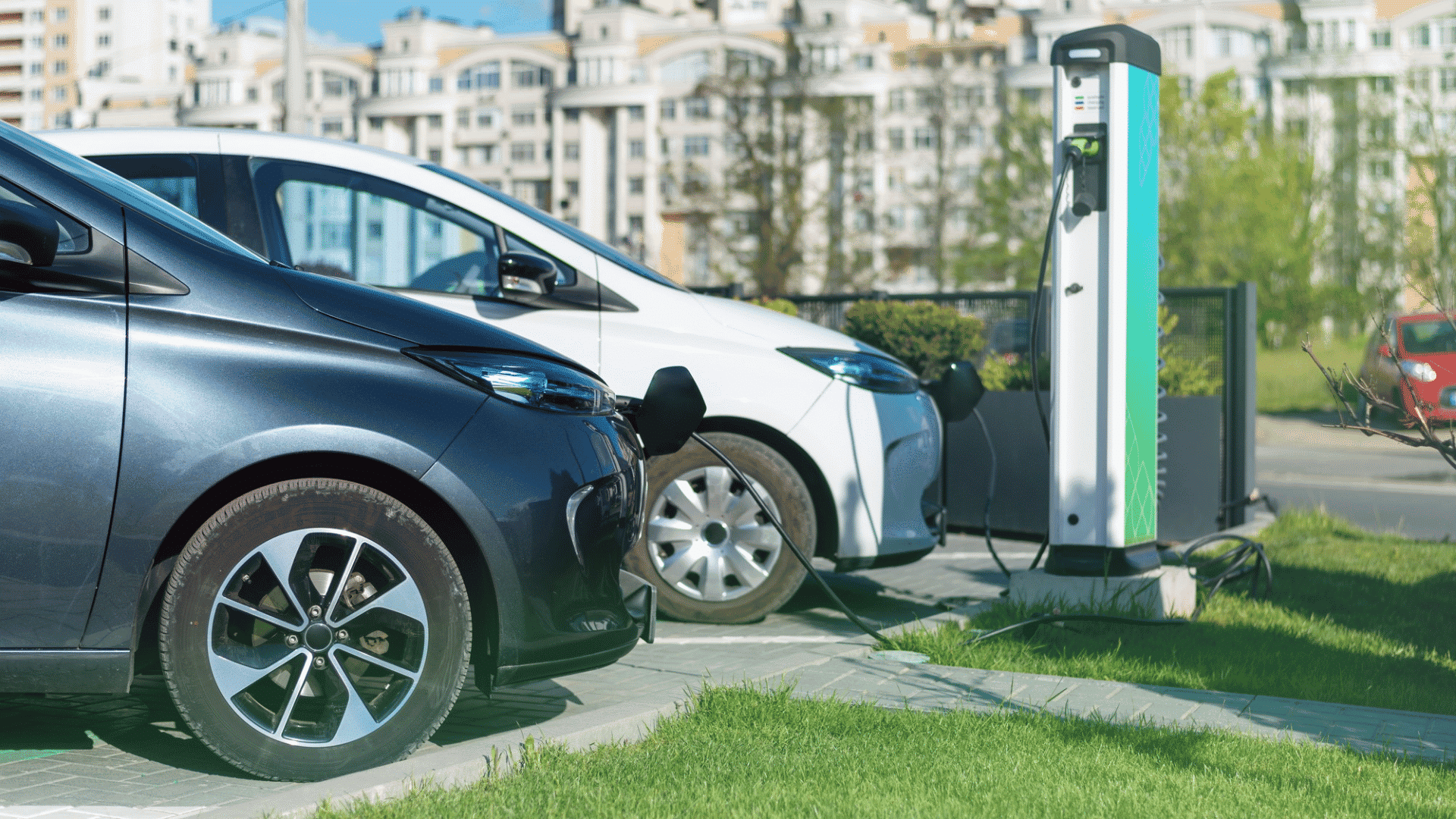
A full battery is not required for every trip. When asking how long it takes to charge an electric car, the more useful question is often how much charge the next drive actually requires.
Charging only to the needed level can make planning easier, especially when time at the charger is limited.
- Daily driving: Replace roughly the energy used on normal trips, rather than automatically charging to 100%.
- Overnight charging: Work backward from the next departure time and set a suitable target percentage.
- Road-trip stops: Add enough energy to reach the next planned charger with a comfortable reserve.
“Scheduled charging is already available to many EV owners, although it is not always used. The 2026 J.D. Power Home Charging Study found that only 38% of surveyed owners always used scheduled home charging.”
Useful charging estimates start with the next trip, not with a completely full battery.
When Electric Car Charging Seems Too Slow
If charging takes longer than expected, check the possible limits one by one. A longer electric car charging time does not always indicate a faulty charger.
Use this Quick Diagnostic Order:
- Check Battery Percentage: Charging may slow as the battery gets fuller.
- Compare the actual kW to the vehicle’s acceptance rate.
- Check Battery Temperature: Very hot or cold conditions can reduce charging power.
- Review Preconditioning: Confirm if the battery was prepared before fast charging.
- Check Station Output: Shared power or site limits may reduce available kW.
- Review Vehicle Settings: A charging limit may be active in the car.
- Try Another Charger: This can help identify a station-related problem.
“Temperature is not just a theoretical limitation. An Idaho National Laboratory analysis of real DC fast-charging data found that charging rates can deteriorate considerably in cold conditions.”
Common Electric Car Charging Mistakes
Small assumptions can make an electric car charging time estimate much less accurate. The most common errors come from treating charger ratings, battery size, and charging speed as fixed values.
| Mistake | Why It Happens | Effect on Estimate | Better Approach |
| Using peak kW as average power | Fast chargers advertise their highest possible output | Estimated sessions appear shorter than actual charging | Use average accepted power or manufacturer charging data |
| Calculating from 0% every time | Full battery capacity is used in the calculation | Normal top-ups appear unnecessarily long | Calculate only the percentage being added |
| Ignoring vehicle limits | Charger output is mistaken for accepted power | Charging speed is overestimated | Check the car’s maximum AC or DC rate |
| Expecting constant charging speed | One charging rate is applied to the full session | High-charge estimates become inaccurate | Account for charging taper as the battery fills |
| Comparing battery size alone | Capacity is treated as the main charging factor | Similar-sized batteries may appear equally fast to charge | Compare battery capacity with accepted charging power |
Bottom Line
So, how long does it take to charge an electric car? The answer depends on the charger level, battery capacity, starting percentage, target charge, vehicle limits, and battery temperature.
Level 1 is suitable for light daily driving, while Level 2 works well for regular home charging. DC fast charging is better suited to shorter stops during longer trips.
Still, the charger’s advertised power does not always match the rate the vehicle can accept.
I recommend calculating the energy required for the next drive before estimating the time to fully charge the battery. This gives a more practical result for everyday planning.
Charging becomes easier to estimate once the main limits are checked in order.
Share your typical EV charging time or useful charging tips in the comments.
Frequently Asked Questions
Can an EV Charge While the Car is Turned On?
Many EVs allow certain systems to operate while plugged in. However, heating, cooling, and electronics may draw power and slightly affect charging progress.
Does the Charging Cable Affect Charging Time?
Yes. A cable or connector rated below the available charging power can limit the rate. Always use equipment that matches the vehicle and charging system specifications.
Can I Schedule EV Charging for Later?
Many electric cars and home chargers support scheduled charging. Drivers can set charging to begin overnight, before departure, or during preferred electricity-rate periods.
Does Charging With Passengers Inside Change the Time?
Simply sitting inside does not meaningfully change how long it takes to charge an electric car. Running climate control, entertainment systems, or other equipment can consume some of the incoming energy.