



A few years ago, my living room had five remotes, tangled cables behind the couch, and a blinking box that ruined every movie night.
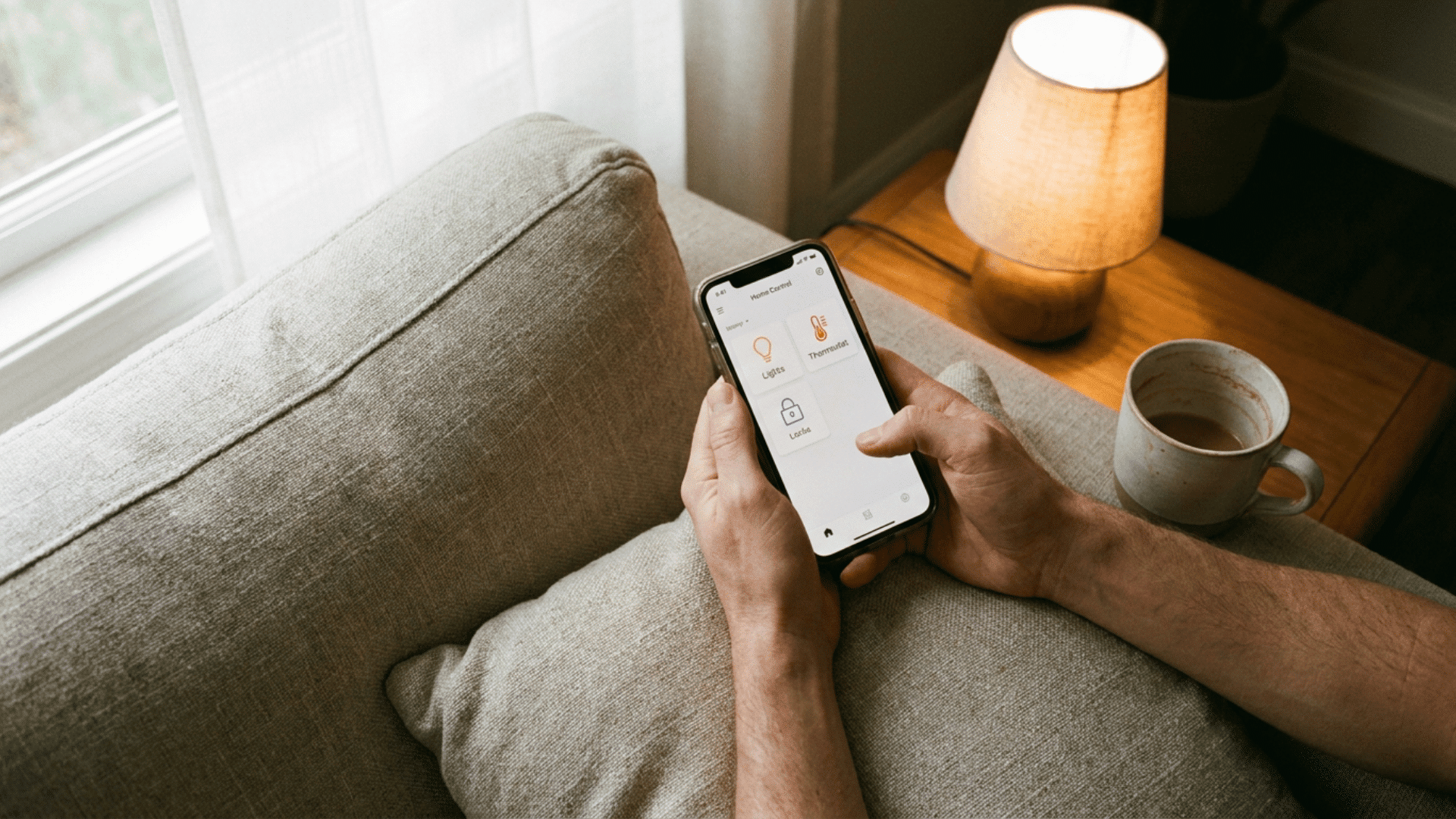
Today, my home runs on a few quiet taps and simple voice commands, and it still looks warm and stylish. That shift is what smart home design is all about, and I want to show you how I did it.
After ten years working with home technology and audio systems, I have learned one thing: you do not need a big budget or a tech degree to make a home feel smart.
I will cover what smart home design means, plus a quick setup, planning, Wi-Fi and hubs, room upgrades, hiding wires, design rules, budget ideas, and maintenance.
Let us get your home feeling smarter, one step at a time.
What Decoradtech Actually Means
Decoradtech is where home design meets home automation. Instead of choosing between a pretty room and a smart one, you get both. The tech does its job in the background, keeping your space looking the way you want.
A typical setup includes a mix of these:
- Smart lighting that dims, changes color, and runs on a schedule
- Voice assistants for hands-free control
- Security devices like cameras, doorbells, and smart locks
- Automated climate with smart thermostats and fans
- Hidden-function furniture such as charging tables or storage pieces
- Energy-saving tech like smart plugs and LED bulbs
Quick-Start Setup at a Glance
This table breaks down what each step is for and a sample device to start with.
| Step | Goal | Device Example |
|---|---|---|
| Plan | Map needs and avoid waste | Notebook or room sketch |
| Upgrade internet | Keep devices online | Mesh Wi-Fi system |
| Choose hub | One app for all gear | Amazon Echo, Google Nest, Apple HomePod |
| Install room devices | Solve real problems | Smart bulbs, smart lock |
| Blend with decor | Hide the clutter | Cable raceway, media console |
| Automate scenes | Hands-free comfort | Smart switch with routines |
| Maintain | Keep things running | App software updates |
How to Set Up Home Decoradtech: Step-by-Step
These are the exact steps I followed to set up my own home, starting from the ground up. Take them one at a time, and the whole thing feels simple instead of overwhelming.
1. Plan Your Layout and Goals First
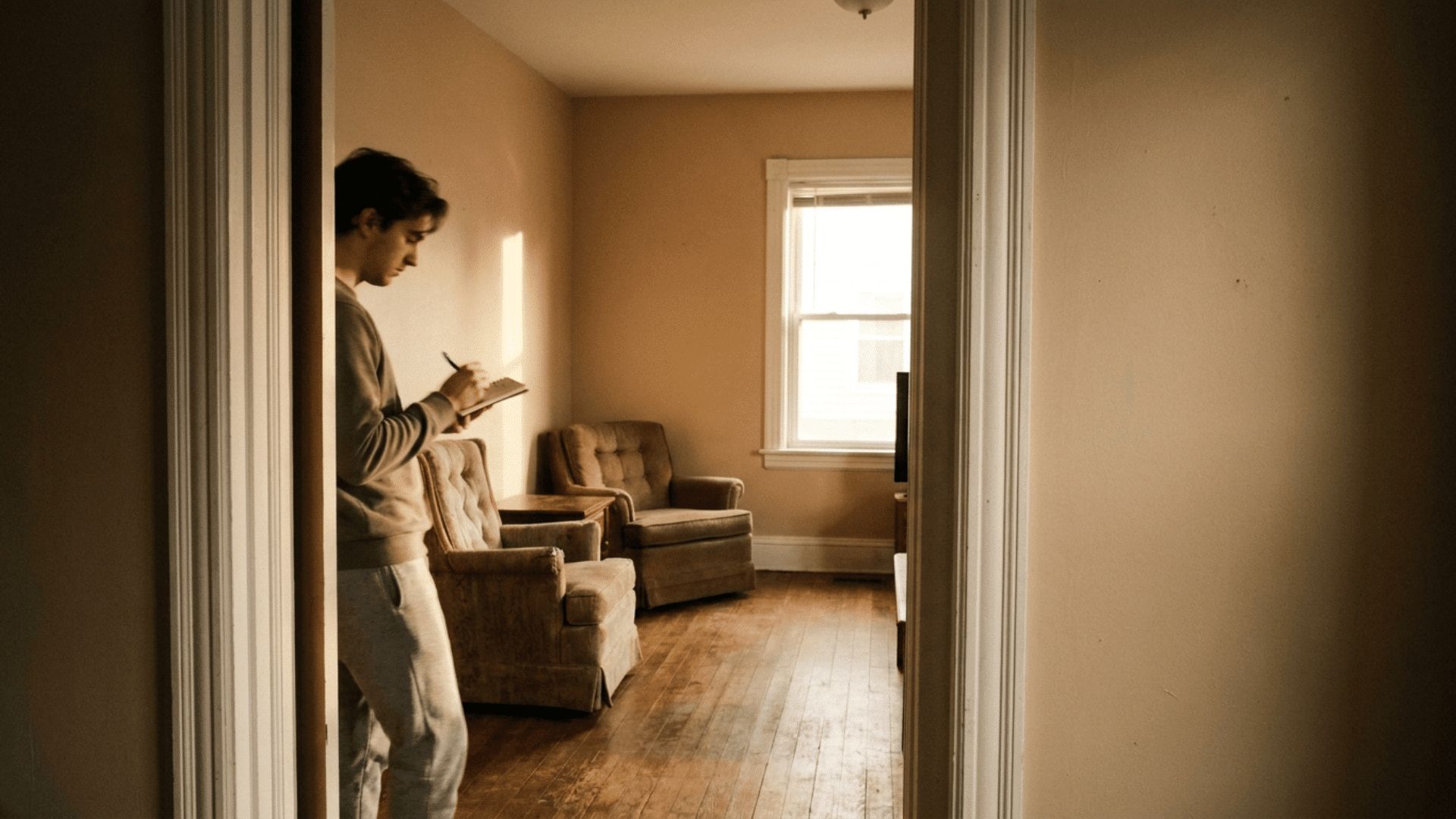
Plan before you buy anything to save money and stress. Walk through each room, note what it should feel like, and identify the problem to fix, whether that is sound, security, or something else.
Set a budget and a priority order, starting with the living room, then bedroom, kitchen, bathroom, and office.
Fixing one room at a time costs less than tackling the whole house without a plan.
2. Build a Strong Wi-Fi Foundation
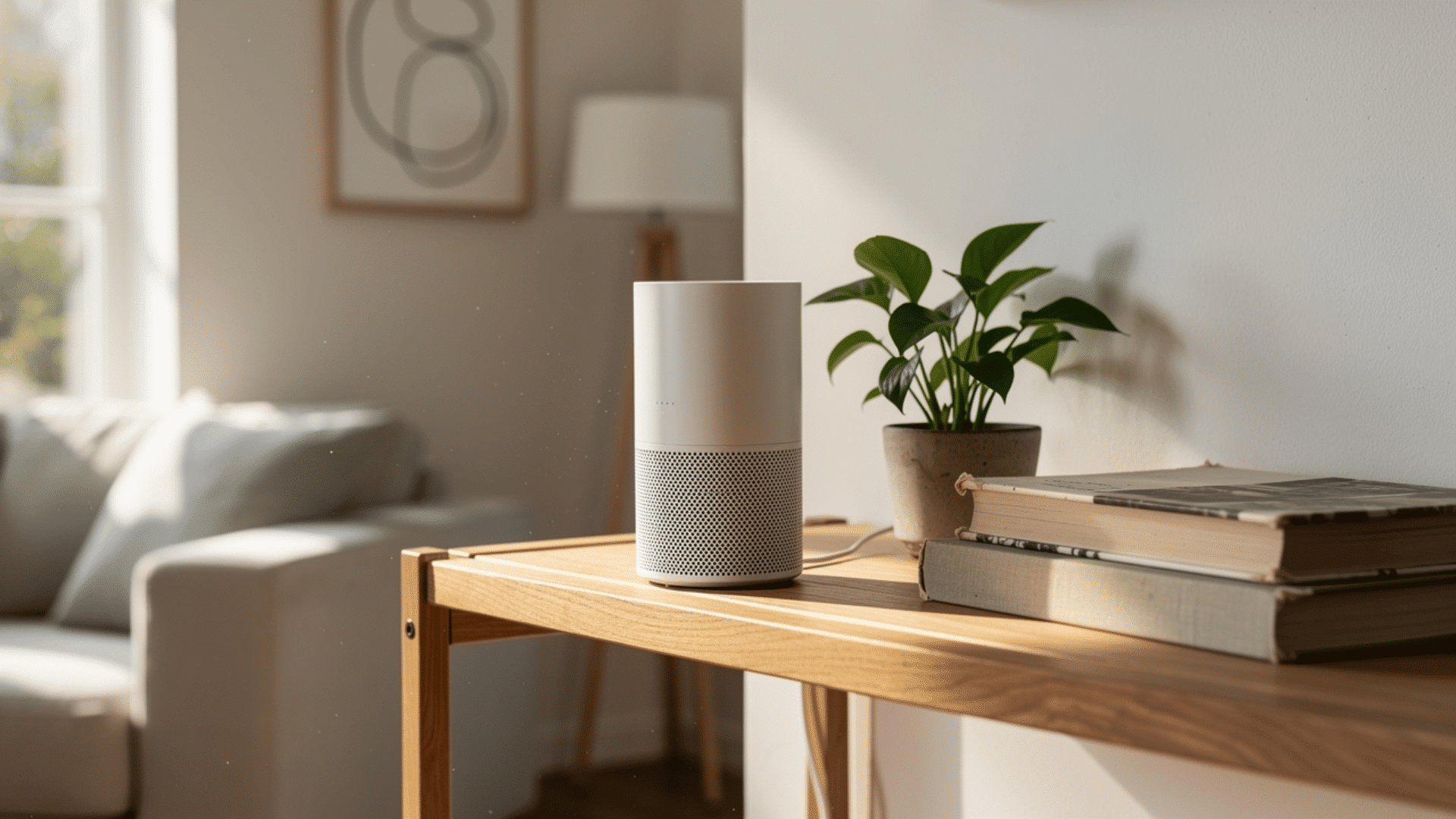
Every smart device needs solid Wi-Fi, so this step matters. Place your router centrally, not in a corner or closet.
Larger homes benefit from a mesh system, while extenders fix dead spots and dual-band setups stay steady with many devices connected.
Use a strong password, change the default login, and keep firmware updated to protect your cameras, locks, and personal details from unauthorized access.
3. Choose One Ecosystem and a Central Hub
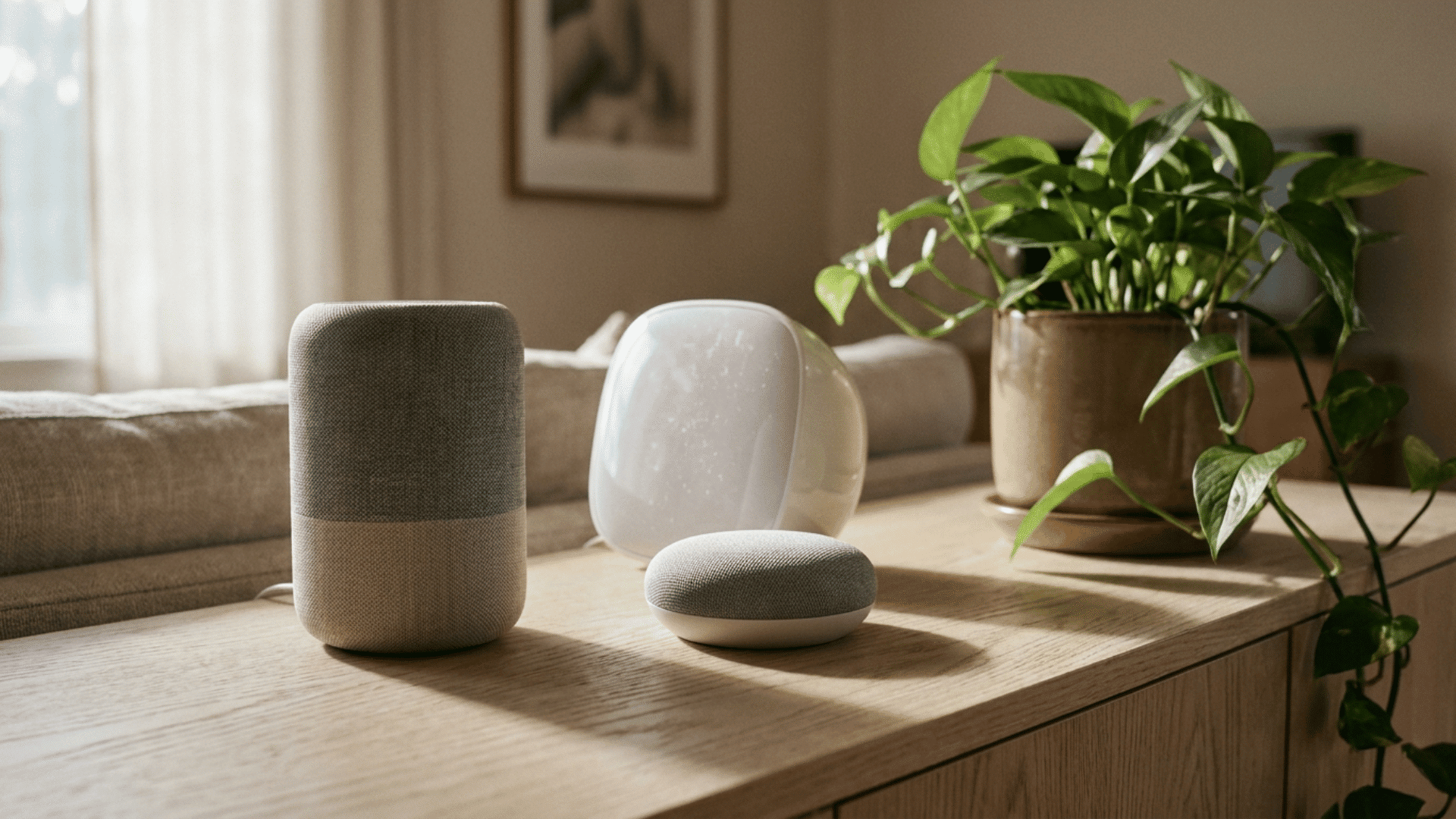
Pick one main system early so every device runs from a single app instead of several.
Look for products supporting Matter or Thread, since these standards let different brands work together, giving you design freedom without sacrificing compatibility.
Amazon Alexa offers wide support at low cost, Google Home suits Android users, and Apple Home appeals to iPhone owners who value privacy. Staying with one system avoids app fatigue.
Sticking to one main system helps you avoid “app fatigue,” which is the hassle of needing a different app just to turn off the lights.
4. Room-by-Room Smart Upgrades
Once your hub is set, upgrade each room by need. The living room gets a smart TV, soundbar, and automated curtains.
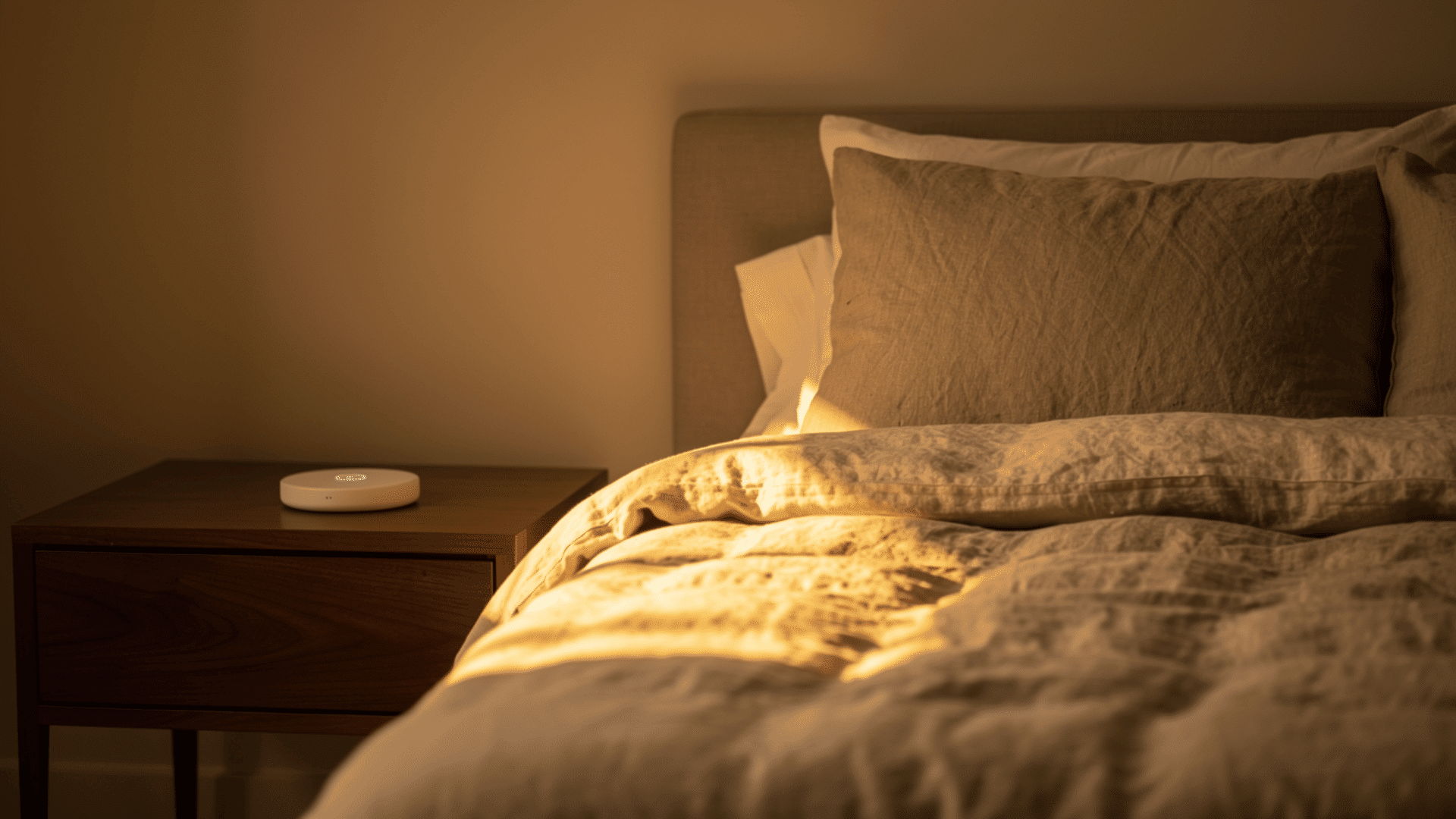
The bedroom benefits from shifting light and automated blinds. The kitchen gains a smart fridge and coffee maker.
The bathroom adds an anti-fog mirror and motion lights. The office gets a smart lamp, plugs, an air purifier, and a cable tray to hide clutter.
5. Smart Lighting and Ambiance
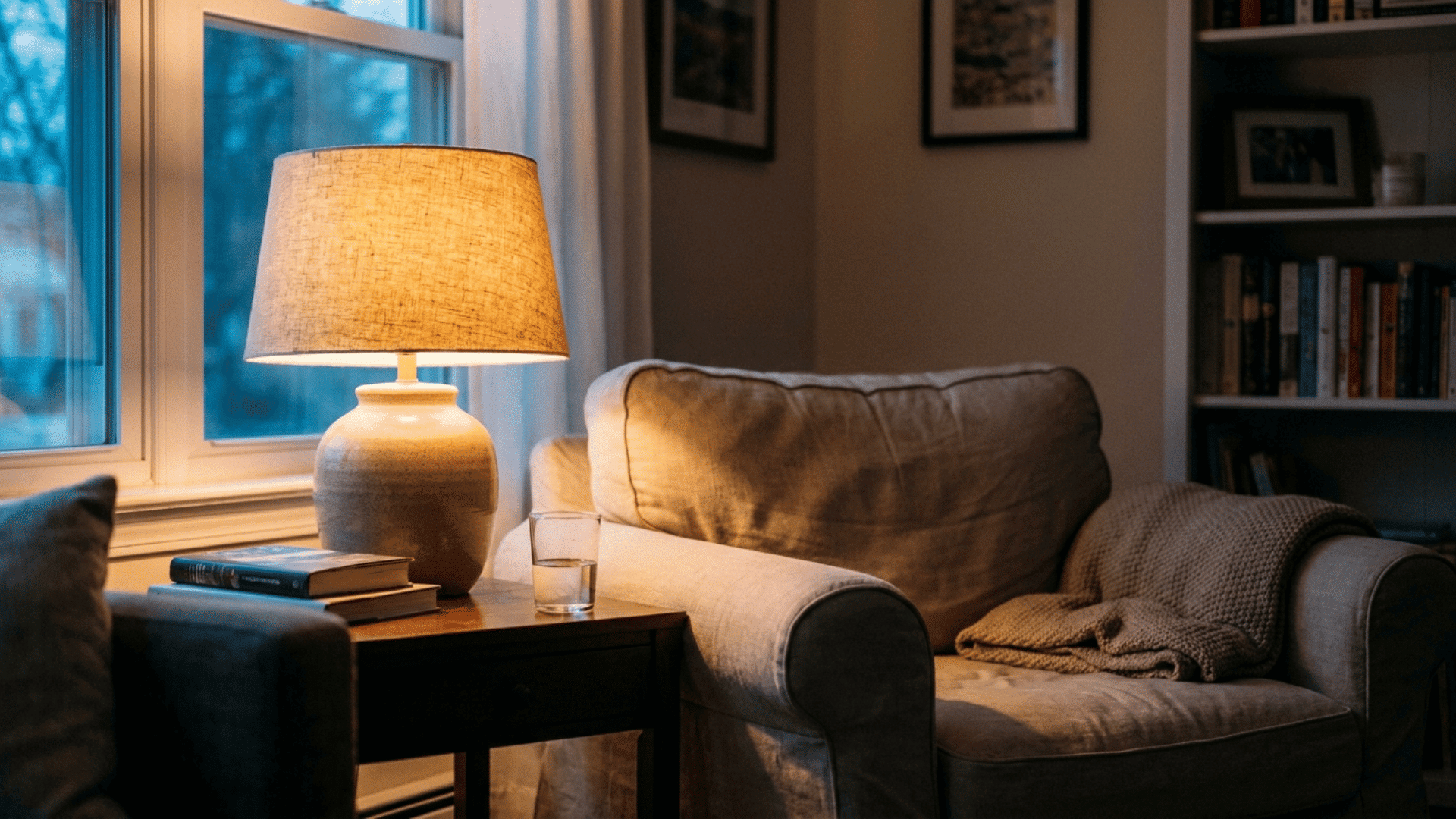
Lighting shapes a room’s mood more than almost anything. Smart bulbs let you adjust brightness, color, and schedule from your phone or voice.
Warm light near 2700K suits living rooms and bedrooms, while cooler light near 5000K works better for kitchens and offices.
Motion sensors help in hallways and bathrooms, and scheduled lighting can fade up in the morning and dim down at night automatically.
6. Climate, Energy, and Security
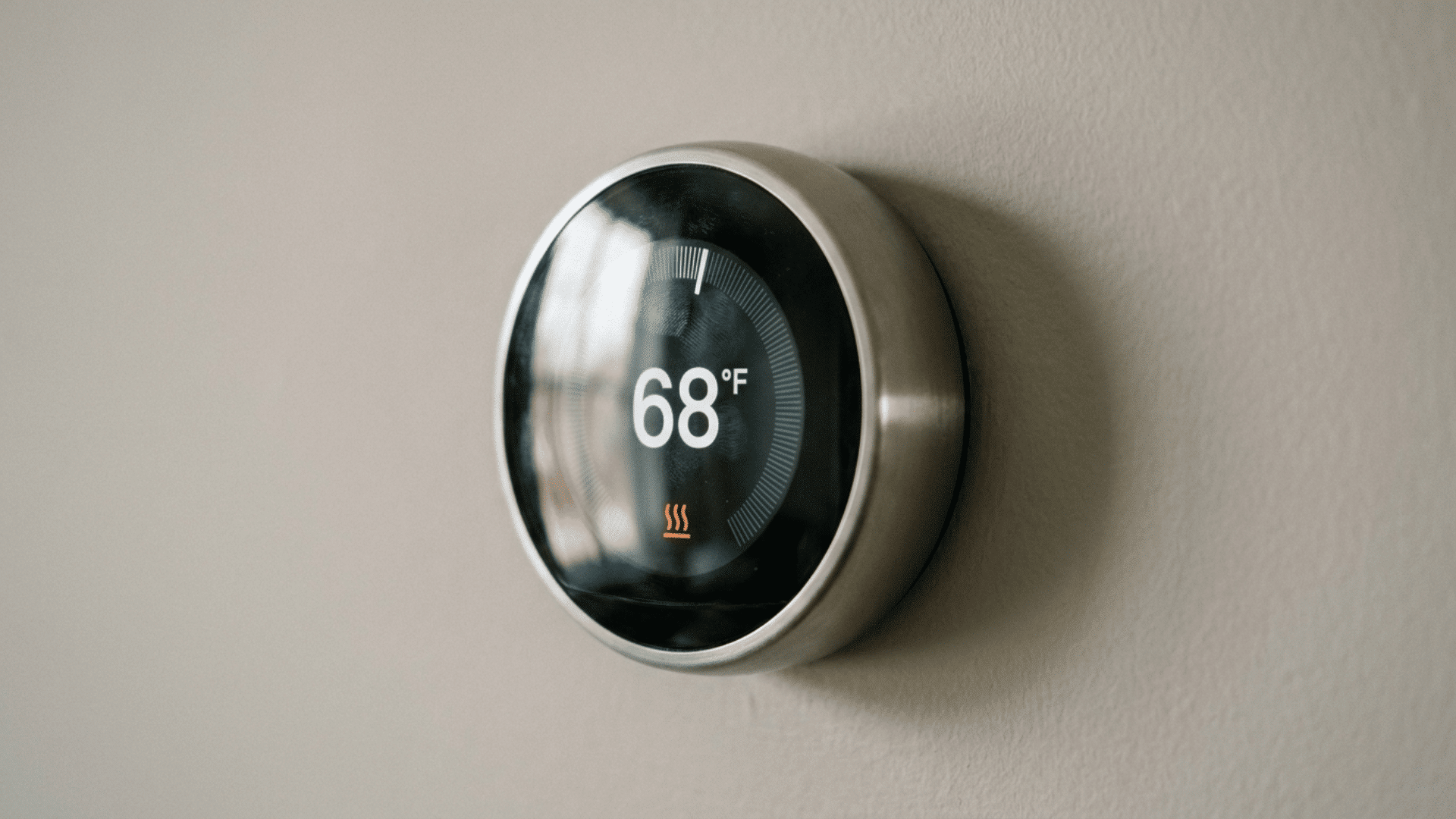
A smart thermostat learns your routine, adjusting temperature automatically to save energy and improve comfort.
Smart plugs and LED bulbs cut waste from devices that quietly drain power.
Security rounds out this step with cameras for monitoring, a video doorbell for remote visitor checks, smart locks for keyless entry, and motion sensors that trigger alerts, giving you a clear view of your home anytime.
Home Hacks Decoradtech: Hiding the Tech
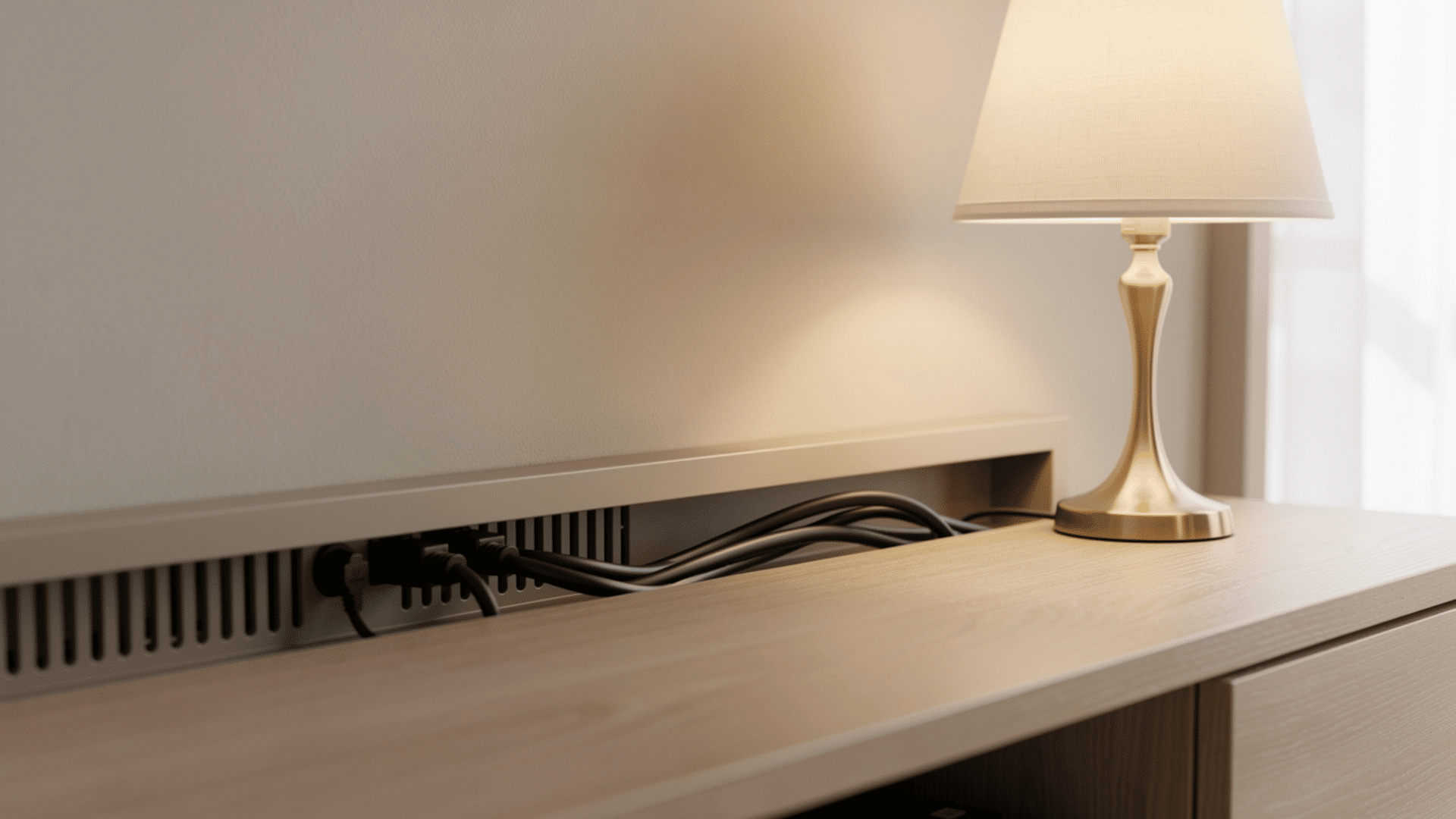
Start with cables, since they cause the most visual mess. Cable raceways stick to the wall and blend in with the paint. For a wall-mounted TV, an in-wall power kit completely hides the wires.
A ventilated media console tucks away your boxes while letting them breathe.
Your Wi-Fi router and hubs do not belong on top of the TV stand. Place them out of sight, or use mesh nodes shaped like simple home objects so they pass as decor.
For sound, in-ceiling speakers or flat picture-frame speakers deliver good audio without bulky floor-standing towers.
One of my favorite tricks is using smart plugs to bring old lamps to life. I have an antique brass lamp from my grandmother that now turns on with my voice, no rewiring needed.
Designer Rules that Make Tech Look Expensive
The 70/20/10 rule keeps a room balanced. The 3-5-7 rule stops your devices from looking like stray plastic on a table. The 2/3 rule keeps your TV from looking too big or too small for the wall.
Here is how each one applies to your setup:
| Design Rule | What It Means | How to Use It With Tech |
|---|---|---|
| 70/20/10 | 70% natural materials, 20% functional tech, 10% accents | Let wood and fabric lead; keep gadgets and LED strips minimal |
| 3-5-7 | Group items in odd numbers | Place a speaker with a plant and two books for a styled look |
| 2/3 scale | Items sized to 2/3 of the piece below | Mount a TV about 2/3 the width of the console under it |
Automation and Scenes
Automation is where a smart home starts to feel truly smart. I built three scenes that I use every day.
“Movie Night” dims the lights, lowers the shades, and turns on the soundbar. “Morning” raises the blinds, starts the coffee, and brings the lights up slowly. “Away” shuts off the lights, locks the doors, and arms the cameras when I leave.
Lighting that follows the sun is a nice touch. Cool, bright light in the morning helps you focus, and warm, soft light in the evening helps you wind down.
If you want to go further, smart plugs can run a scent diffuser or adjust the climate, so your home smells fresh in the morning and calm at night.
Budget-Friendly Decoradtech Upgrades
You do not need a big budget to make your home smarter. Some of my favorite upgrades cost very little and still make a real difference.
For affordable tech wins, try these:
- Smart bulbs for instant lighting control
- Smart plugs to make any device smart
- LED strip lights for soft accent lighting
- Floating shelves to clear surfaces and show off decor
- Budget cameras for basic security
You can also refresh a room without spending on tech at all:
- Mirrors to make a space feel bigger and brighter
- Indoor plants for a fresh, lived-in feel
- Removable wallpaper for a quick style change
- Rearranging furniture to open up the room
Small steps like these add up faster than you would expect.
Maintaining Your Smart Home
A smart home runs best with a little regular care. I set aside a few minutes each month to check on things, and skipping this leads to slow devices and dropped connections.
My simple checklist:
- Update software on apps and devices for the latest fixes
- Replace batteries before they die in locks, sensors, and remotes
- Clean cameras and sensors so dust does not block them
- Review security settings and passwords every few months
Choose hard-wired devices over battery ones where you can, and pick brands with quiet, non-flashing status lights so a glowing dot does not ruin a dark room. Use smart plugs to upgrade older devices instead of replacing things that still work fine.
Common Mistakes to Avoid
Most smart home problems come from a handful of easy mistakes. I have made a few of these myself, so here is what to watch out for.
| Common Mistake | How to Avoid It |
|---|---|
| Buying too much at once | Add devices gradually as you learn which ones you actually use. |
| Ignoring compatibility | Check that each new device works with your main system before buying it. |
| Weak Wi-Fi | Improve your network first, since slow Wi-Fi can affect every connected device. |
| Overcomplicating the setup | Keep the system simple so it remains easy to manage and use. |
| Skipping security | Use strong passwords, install updates, and review security settings regularly. |
Avoiding these saves you time, money, and a lot of headaches down the road.
Final Thoughts
Setting up a smart home is not about owning the most gadgets. It is about making your space work better for your daily life.
When I look back at what helped most, it always comes down to the same things: a solid plan, strong Wi-Fi, one main system, and tech that quietly hides in the background.
You do not have to do it all in one weekend. Pick one room, add a few devices, and grow from there. Each small step makes your home a little more comfortable and a little easier to live in.
That slow and steady approach worked for me, and it can work for you, too.
Now I would love to hear from you. Which step are you trying first? Drop a comment below, and feel free to share this guide with a friend who is ready to upgrade their home.
Frequently Asked Questions
Can I Set Up Decoradtech in a Rental Without Damaging Walls?
Yes. Stick to peel-and-stick raceways, smart bulbs, plug-in devices, and battery cameras. These leave no holes and come off cleanly when you move out.
Do Smart Devices Keep Working if My Internet Goes Down?
Some do. Devices with local control, such as certain switches and locks, still work offline. Most voice features and remote access need a live connection.
Is My Smart Home Safe from Hackers?
Mostly, if you take basic steps. Use strong passwords, enable two-factor authentication, update devices regularly, and keep your Wi-Fi network private and secure.
Can Different Brands Work Together in One System?
Yes, if they support Matter or Thread. These standards allow devices from Apple, Google, and Amazon to connect through a single hub without separate apps.